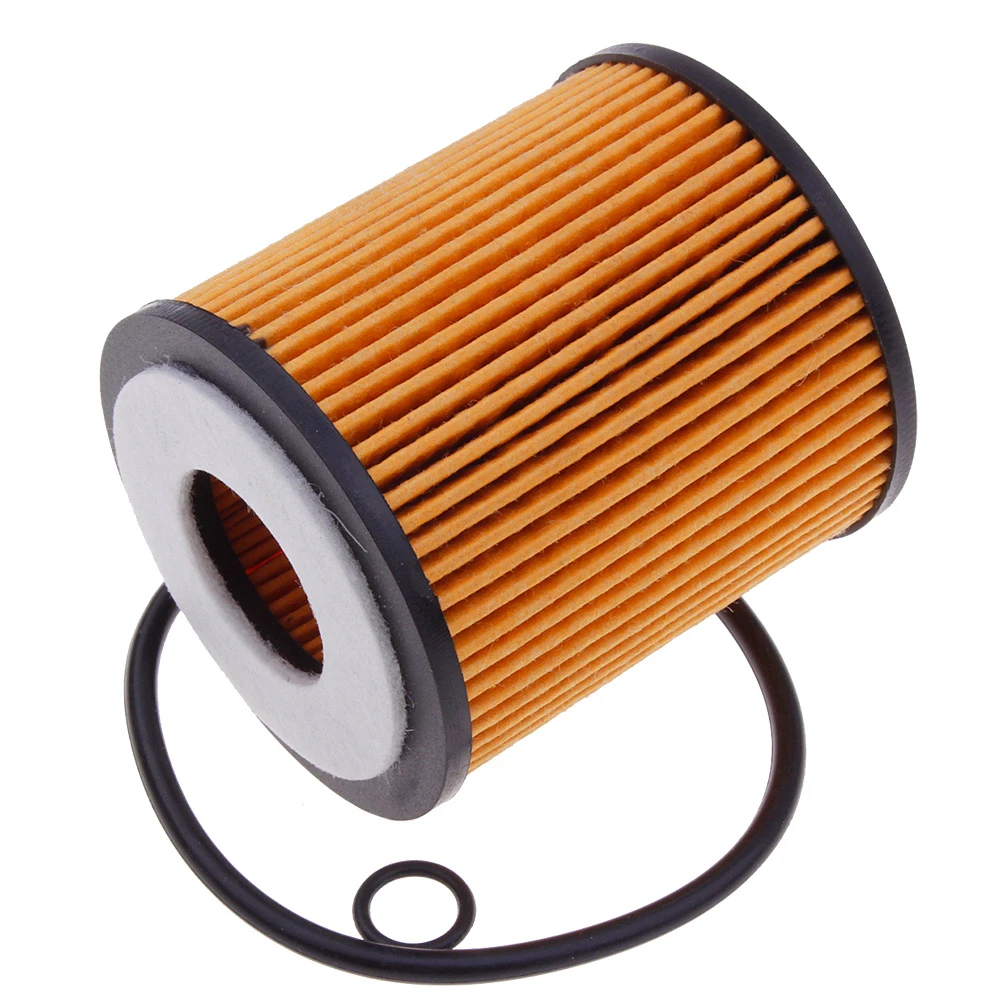
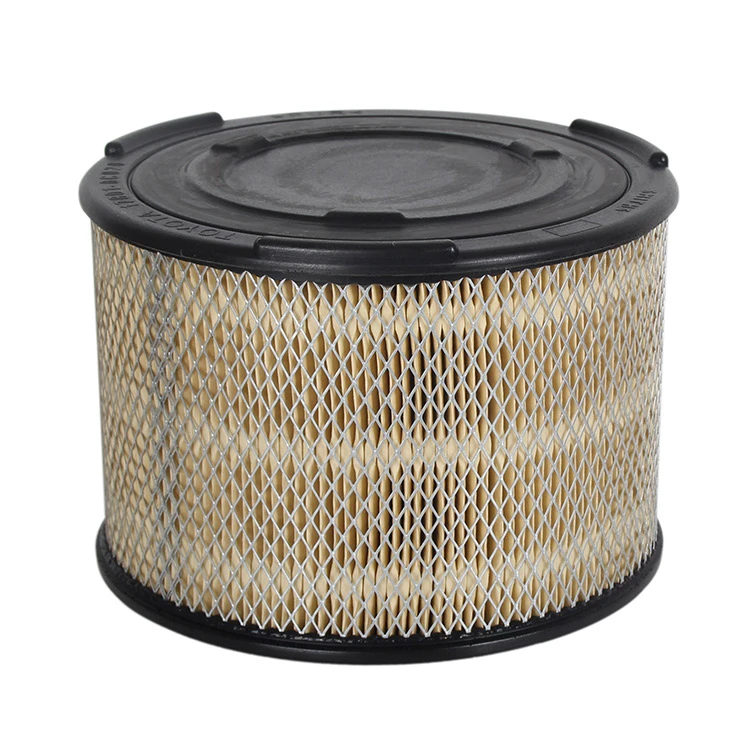
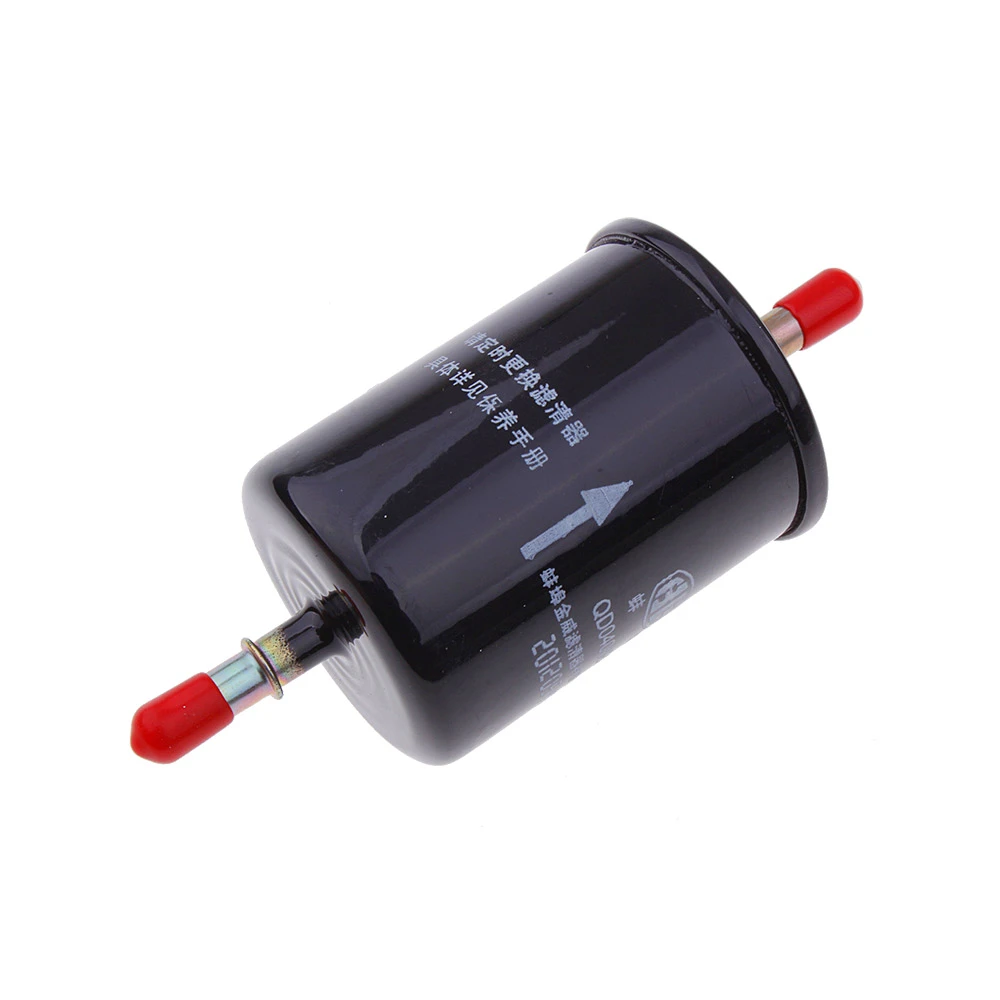
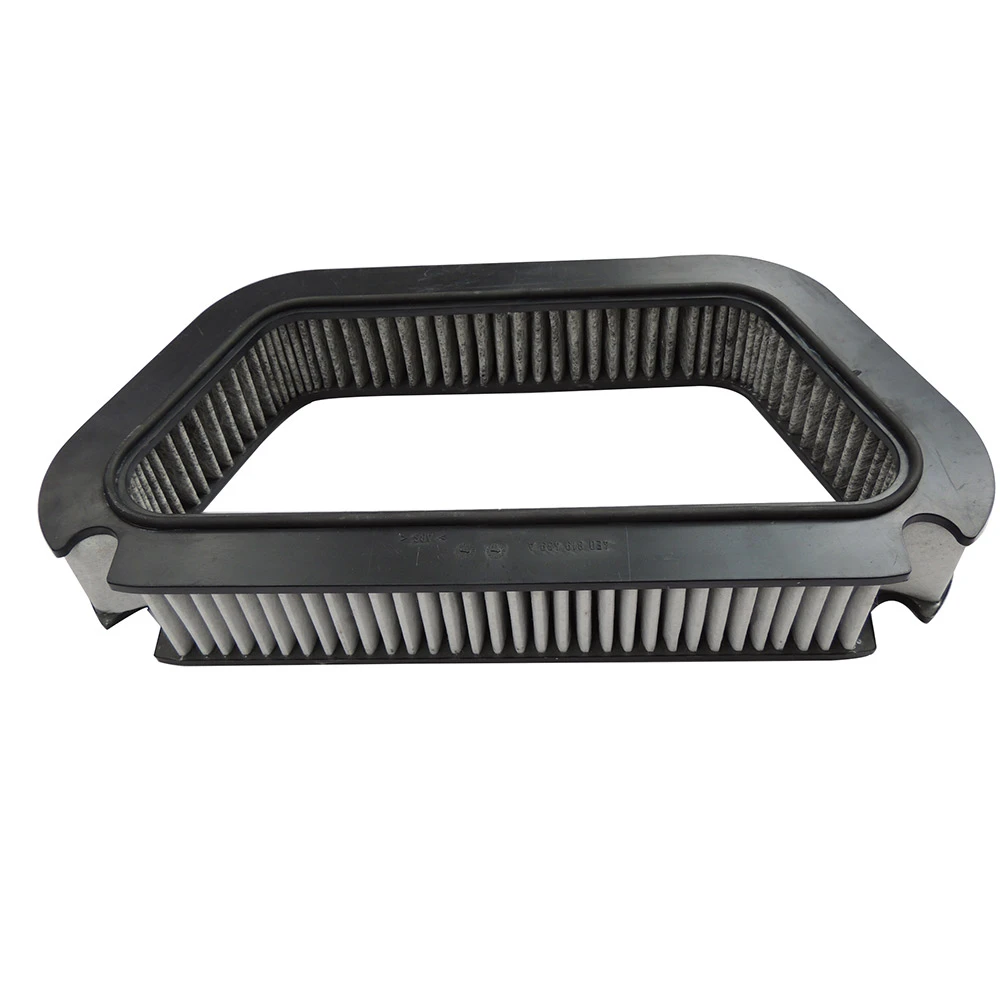
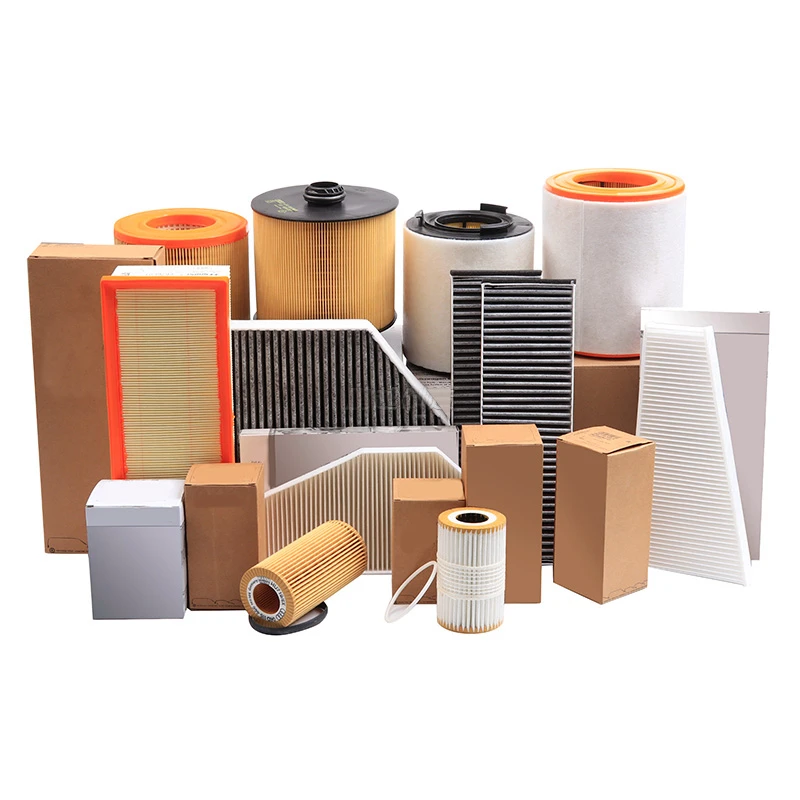
Understanding Why to Change Air Filter in Car: A Practical Guide
Air filters are small but mighty components in your vehicle’s engine. They quietly perform a critical job—filtering the air before it mixes with fuel for combustion. But here’s something many underestimate: why to change air filter in car matters far beyond just a clean interior or smooth engine hum.
Globally, with over 1.4 billion passenger cars on the roads ([World Bank, 2023](https://data.worldbank.org)), the cumulative effect of neglected air filters adds up in environmental pollution, engine wear, and fuel efficiency loss. Understanding why to switch out your car’s air filter on time isn’t just about engine health; it relates to wider concerns like reducing CO₂ emissions, extending the lifespan of vehicles, and even lowering maintenance costs for millions worldwide.
Mini takeaway: Changing your air filter isn’t just routine — it’s a small action with significant global impact.
Why Is Changing Your Car’s Air Filter So Important?
Simply put, why to change air filter in car boils down to protecting engine performance and preventing harm. The air filter traps dirt, dust, pollen, and other particles before they reach your engine’s combustion chamber. Over time, these contaminants clog the filter — blocking airflow and forcing your engine to work harder.
This leads to reduced fuel efficiency (sometimes dropping up to 10%), increased emissions, rough idling, and even engine misfires. Modern cars rely heavily on precise air-fuel ratios managed by computers—dirty filters upset that delicate balance.
From a humanitarian angle, cleaner engines produce fewer pollutants, contributing to better urban air quality. The why to change air filter in car also connects to sustainability goals promoted by organizations like the ISO 14001 Environmental Management standards and the UN’s push for greener transportation. Small yet crucial, your air filter acts like a frontline guard in the fight against vehicular pollution.
Mini takeaway: Clean air filters are essential for better fuel economy, engine longevity, and environmental health.
What Exactly Happens When Air Filters Aren’t Changed?
- Restricted airflow: Clogged filters block oxygen needed for combustion, causing inefficient burning of fuel.
- Engine strain: Harder to breathe means more stress on engine parts, leading to premature wear.
- Higher emissions: Poor combustion results in more hydrocarbons and pollutants escaping.
Core Factors Behind Changing Your Air Filter
1. Airflow Efficiency
An air filter’s primary role is maintaining optimal airflow. When airflow suffers, fuel combustion is compromised, reducing power and efficiency. Many drivers notice sluggish acceleration or rough idle when airflow is restricted.
2. Filter Durability and Material
Filters come in various materials — paper, cotton gauze, foam. Durability affects how long a filter lasts. For example, cotton filters often require cleaning rather than replacement, while paper filters are single-use. Choosing high-quality materials can extend maintenance intervals.
3. Cost Efficiency
Changing air filters regularly reduces fuel costs and expensive engine repairs. While replacement filters aren’t costly upfront, ignoring them often leads to higher repair bills and increased fuel consumption — a classic penny-wise, pound-foolish scenario.
4. Environmental Impact
Economical driving and regular maintenance, including air filter changes, help reduce your vehicle’s carbon footprint. Clean filters promote better fuel combustion, which means fewer greenhouse gases released.
5. Vehicle Usage Conditions
Driving in dusty or polluted environments (like construction areas or deserts) means filters clog faster. This real-world factor impacts recommended change intervals significantly.
6. Engine Performance Longevity
Regular air filter maintenance helps preserve engine parts, reducing overall wear. Long-term, this boosts resale value and safety.
Mini takeaway: When you consider airflow, durability, cost, environment, driving specifics, and engine health, it’s clear why keeping your filter fresh is a no-brainer.
Real-World Applications & Who Benefits
In urban hubs like Los Angeles or Mumbai, where air pollution peaks and dusty traffic snarls reign, cab companies and ride-shares swear by frequent air filter changes to keep vehicles humming efficiently. Industrial fleets working in mining regions or agriculture find that timely filter changes prevent costly downtime.
Besides commercial uses, family cars benefit greatly — smoother rides, improved mileage, and avoiding unexpected breakdowns. Even emergency vehicles prioritize filter swaps to maintain reliability under pressure.
Non-profits running mobile clinics in remote locations notice that well-maintained air filters reduce mechanical failures, enabling steady health service delivery in tough terrains.
Product Specification Table for a Typical Replacement Air Filter
| Feature | Specification | Details |
|---|---|---|
| Filter Material | Multi-layer paper | Designed for high particulate capture |
| Lifespan | 12,000 - 15,000 miles | Depends on driving conditions |
| Dimensions | 10 x 8 x 1 inches | Fits most mid-sized sedans |
| Weight | 120 grams | Lightweight, easy to handle |
| Price Range | $15 - $30 | Varies by brand and model |
How Do Leading Vendors Stack Up?
| Vendor | Filter Types Offered | Average Price | Warranty | Special Features |
|---|---|---|---|---|
| MegaAir Filters | Paper, Cotton Gauze | $18 - $35 | 1 year | Eco-friendly materials |
| TurboFlow Industries | High-performance synthetic | $25 - $40 | 2 years | Reusable & washable filters |
| ClearAir Filters Co. | Paper, Foam | $12 - $28 | 6 months | Budget-friendly options |
Advantages & Long-Term Benefits of Changing Air Filters
Changing your air filter regularly leads to:
- Better fuel economy: Cleaner air means more efficient fuel combustion.
- Engine protection: Reduced dust and debris protect sensitive engine parts.
- Lower emissions: Healthier air filters reduce carbon emissions, helping fight climate change.
- Financial savings: Save hundreds in fuel and repairs over time.
- Peace of mind: Knowing your vehicle is running optimally builds driver confidence.
On an emotional note, it feels good to do something simple that helps keep your car safe and reliable — and contributes to cleaner air for your kids and neighbors. It’s a small gesture with a ripple effect.
Looking Ahead: Future Trends in Air Filter Technology
The future might surprise you: smarter air filters with embedded sensors that inform drivers exactly when replacement is due — no guesswork. Nanofiber materials promise better filtration with less resistance. And environmentally, biodegradable filters are edging closer to mass market.
Manufacturers are also exploring air filters optimized for electric vehicles’ auxiliary systems, so the concept of “changing air filter in car” will evolve but remain crucial.
Challenges and How to Overcome Them
One challenge is the lack of consumer awareness; many drivers overlook filter replacement until performance suffers. Another is counterfeit or poor-quality filters flooding online marketplaces, which can do more harm than good.
Experts recommend:
- Following manufacturer-recommended change intervals.
- Buying filters from trusted vendors.
- Using digital reminders or vehicle maintenance apps to track changes.
- Consulting trusted service professionals for inspections.
FAQ: Your Common Questions Answered
Q1: How often should I change my car’s air filter?
A: Typically, every 12,000 to 15,000 miles is recommended for standard conditions. However, dusty or urban environments may require more frequent changes. Always check your owner’s manual or manufacturer advice.
Q2: Can a dirty air filter cause engine problems?
A: Absolutely. Dirty filters restrict airflow, which can cause rough idling, decreased power, and even engine stalling in severe cases.
Q3: Are reusable air filters worth it?
A: Reusable filters, like cotton gauze types, can save money over time by being cleaned instead of replaced. However, they require regular maintenance and careful cleaning to avoid damage.
Q4: Will changing the air filter improve my car’s fuel economy?
A: Yes, a clean air filter helps maintain ideal air-fuel mixture, improving combustion efficiency and potentially increasing mileage by several percentage points.
Q5: Is it hard to replace the air filter myself?
A: Generally, no. Most air filters are housed in an accessible box under the hood, secured with clips or screws. If DIY isn’t comfortable, professional service is quick and affordable.
Wrapping Up: Why You Shouldn’t Delay Changing Your Air Filter
In short, regular air filter changes are simple, affordable, and powerful for your car’s health and the environment. They optimize fuel use, protect critical engine parts, and reduce pollution. Ignoring this tiny filter can lead to bigger headaches.
For tailored advice and quality filters that suit your vehicle, visit us at https://www.jyfilter.com. Trust me, your engine will thank you — and so will the planet.
Mini takeaway: It’s one of those small things you can do today for long-lasting benefits tomorrow.
References
-
Guide on how often do you need to replace engine air filterNewsApr.16,2026
-
Learn how often do you replace air filter in car for engine healthNewsApr.09,2026
-
How Often Do You Replace Car Air Filter For Optimal Engine PerformanceNewsApr.07,2026
-
How Often Do You Replace Engine Air Filter For Optimal Vehicle PerformanceNewsApr.04,2026
-
Understanding How Often Does Engine Air Filter Need to Be Replaced for Optimal PerformanceNewsMar.31,2026
-
How Often Engine Air Filter Change Impacts Performance and LongevityNewsMar.28,2026
-
Understanding How Often to Replace Your Car Air Filter for Optimal PerformanceNewsMar.26,2026
Related Products