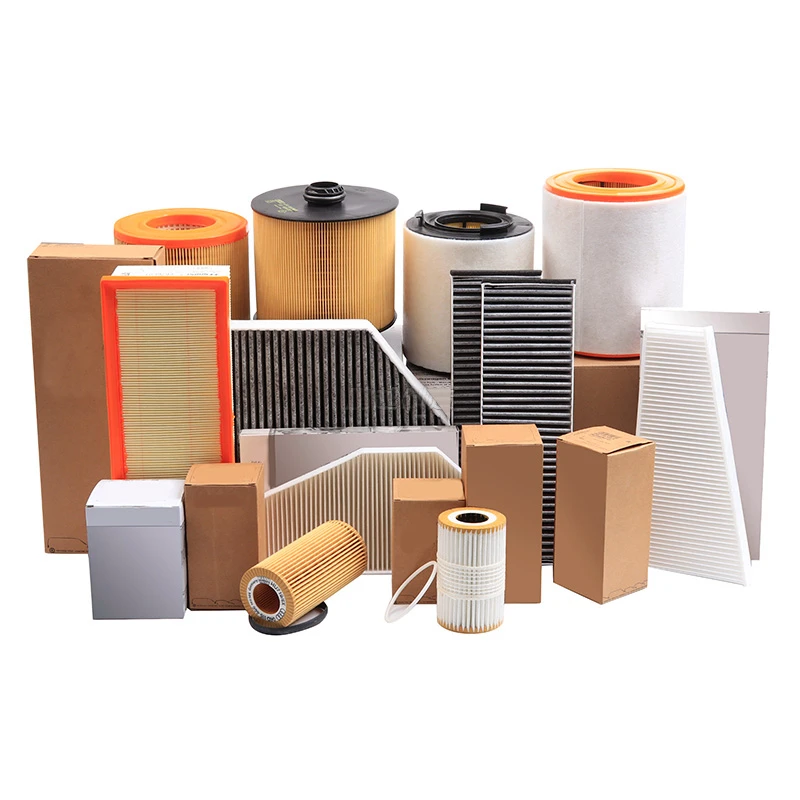
How Often Engine Air Filter Change: A Comprehensive Guide
Maintaining your vehicle's engine requires regular attention to several components, and the air filter is a crucial one. A clean air filter ensures optimal engine performance, fuel efficiency, and longevity. But how often engine air filter change is necessary? This article will delve into the factors influencing replacement frequency, the consequences of a dirty filter, and how to choose the right replacement filter from JY Filter. Ensuring your engine breathes clean air is a small investment that yields significant returns.
Understanding the Role of Your Engine Air Filter
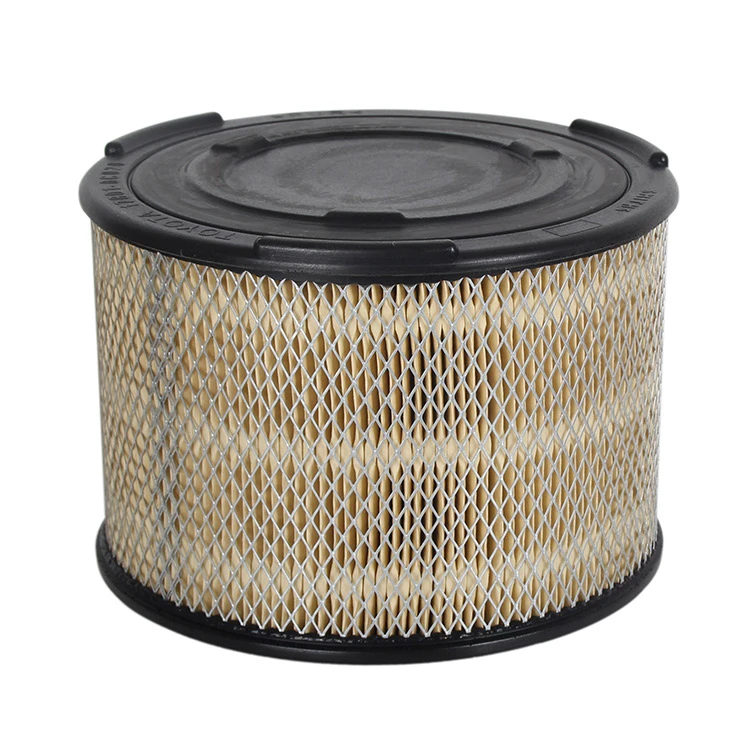
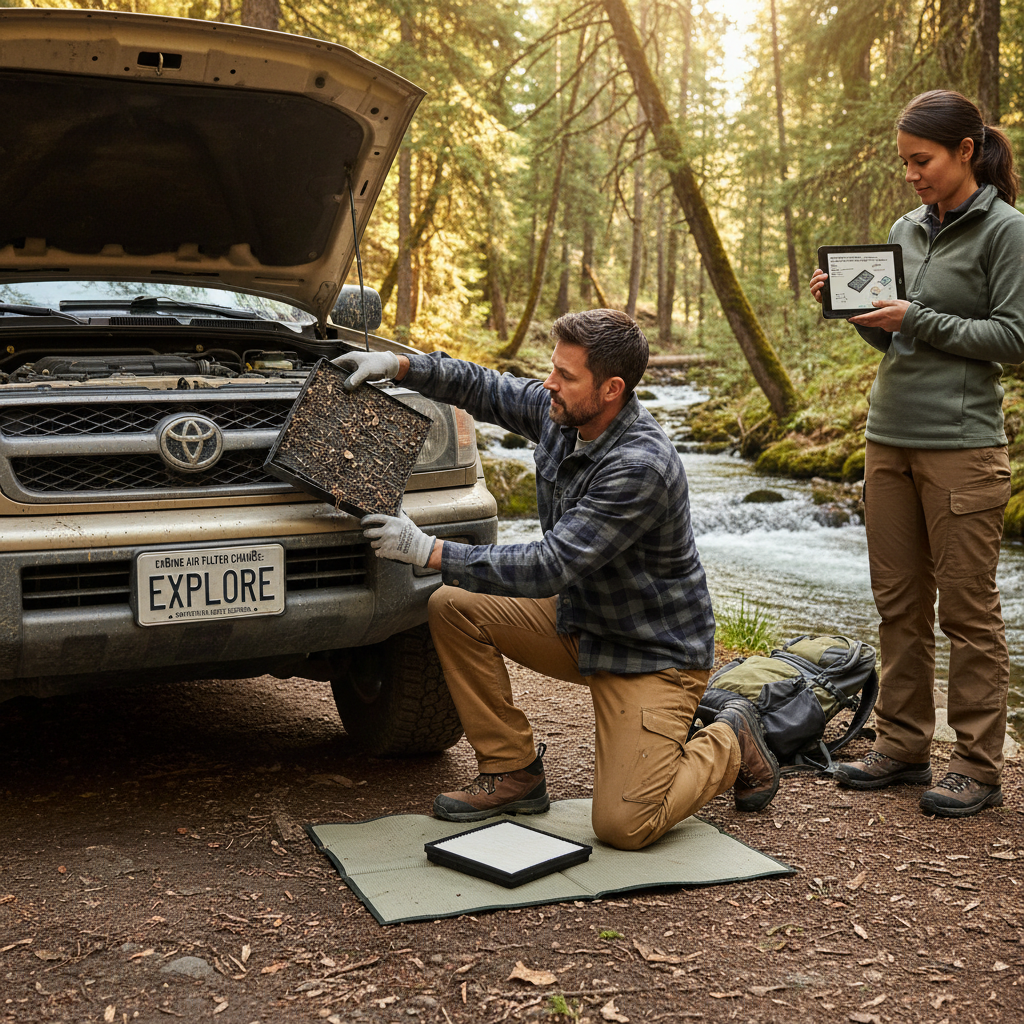
The engine air filter's primary function is to prevent dust, dirt, pollen, and other debris from entering your engine. These contaminants can cause significant damage to internal components like pistons and cylinders, leading to reduced performance and potentially costly repairs. A clean air filter ensures that only clean air reaches the combustion chamber, contributing to efficient fuel combustion and optimal engine operation. Over time, the filter becomes clogged with these particles, restricting airflow and diminishing its effectiveness. This is why regular checks and replacements are vital.
Key Benefit: Protecting your engine from abrasive particles extends its lifespan and maintains its performance.
How Often Engine Air Filter Change: General Guidelines
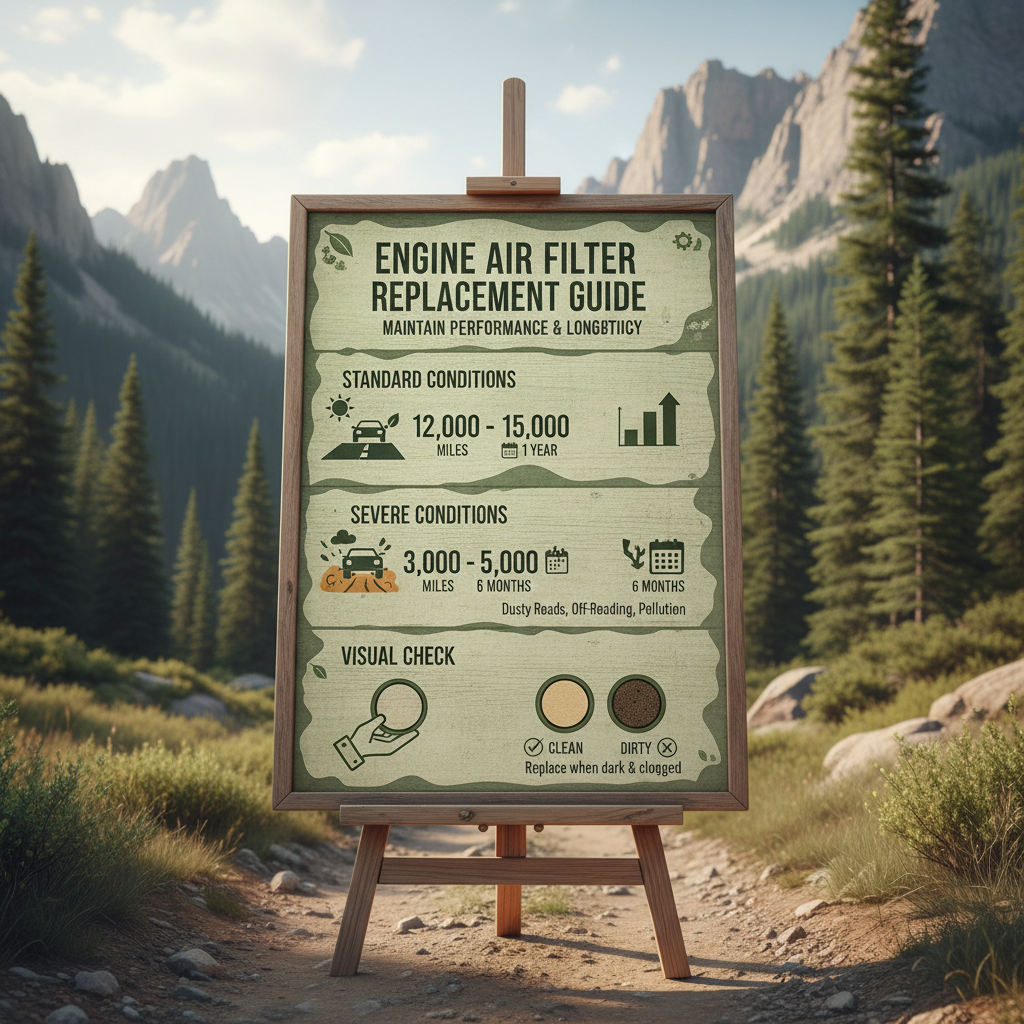
While a specific mileage isn't universally applicable, a general guideline suggests checking your air filter every 12,000 to 15,000 miles, or about once a year. However, this can vary significantly based on driving conditions. If you frequently drive in dusty or polluted environments, you should inspect and potentially replace the filter more often – perhaps every 5,000 to 8,000 miles. Always refer to your vehicle's owner’s manual for the manufacturer’s recommendations. Don't ignore warning signs like decreased fuel efficiency or engine misfires, as these could indicate a clogged air filter.
Driving Condition Impacts:
• Highway Driving: Less frequent changes needed.
• City/Stop-and-Go Traffic: More frequent changes recommended.
• Dusty/Off-Road Conditions: Most frequent changes essential.
What Happens When You Delay Air Filter Replacement?
Ignoring a dirty air filter can lead to a cascade of problems. Reduced airflow restricts the amount of oxygen available for combustion, resulting in decreased fuel efficiency and engine power. The engine has to work harder to draw in air, potentially leading to increased wear and tear on components. Furthermore, a clogged filter can contaminate the mass airflow sensor, causing inaccurate readings and impacting engine performance. Ultimately, delaying replacement can result in more significant and expensive engine repairs.
Choosing the Right Air Filter: JY Filter Options
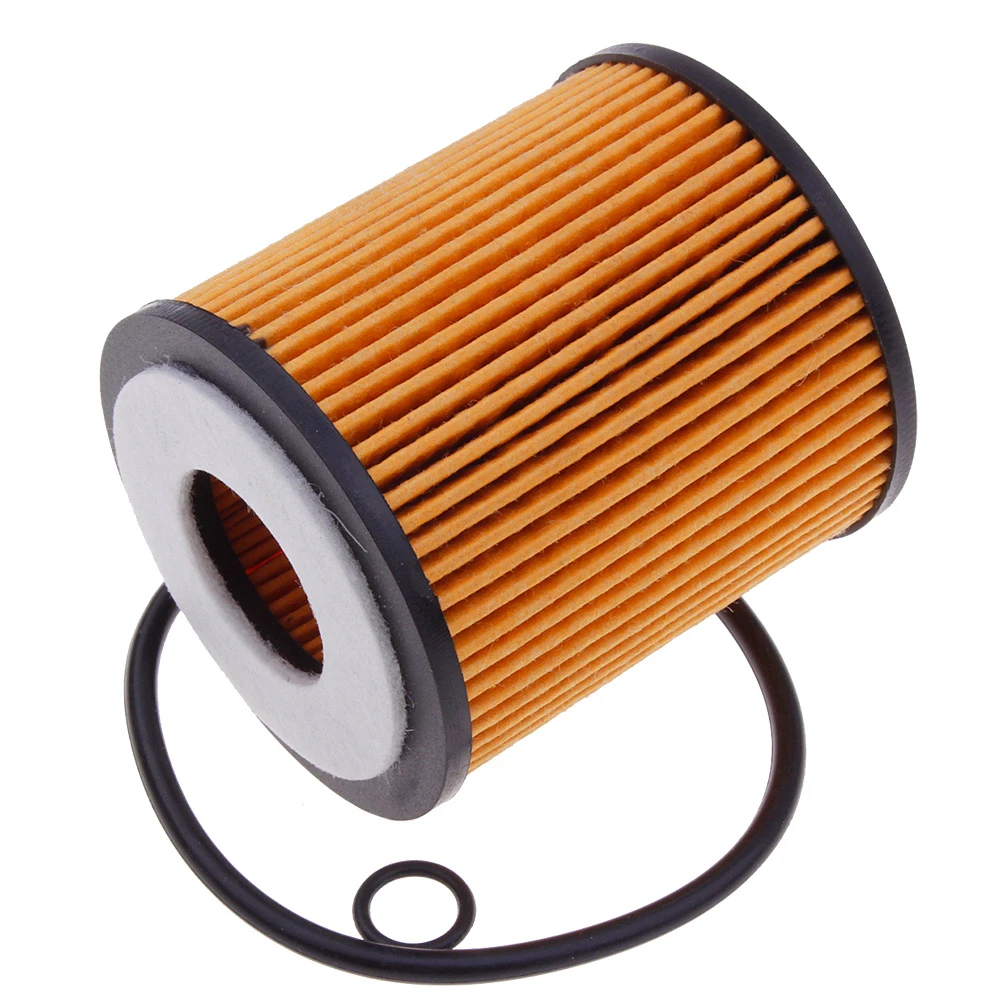
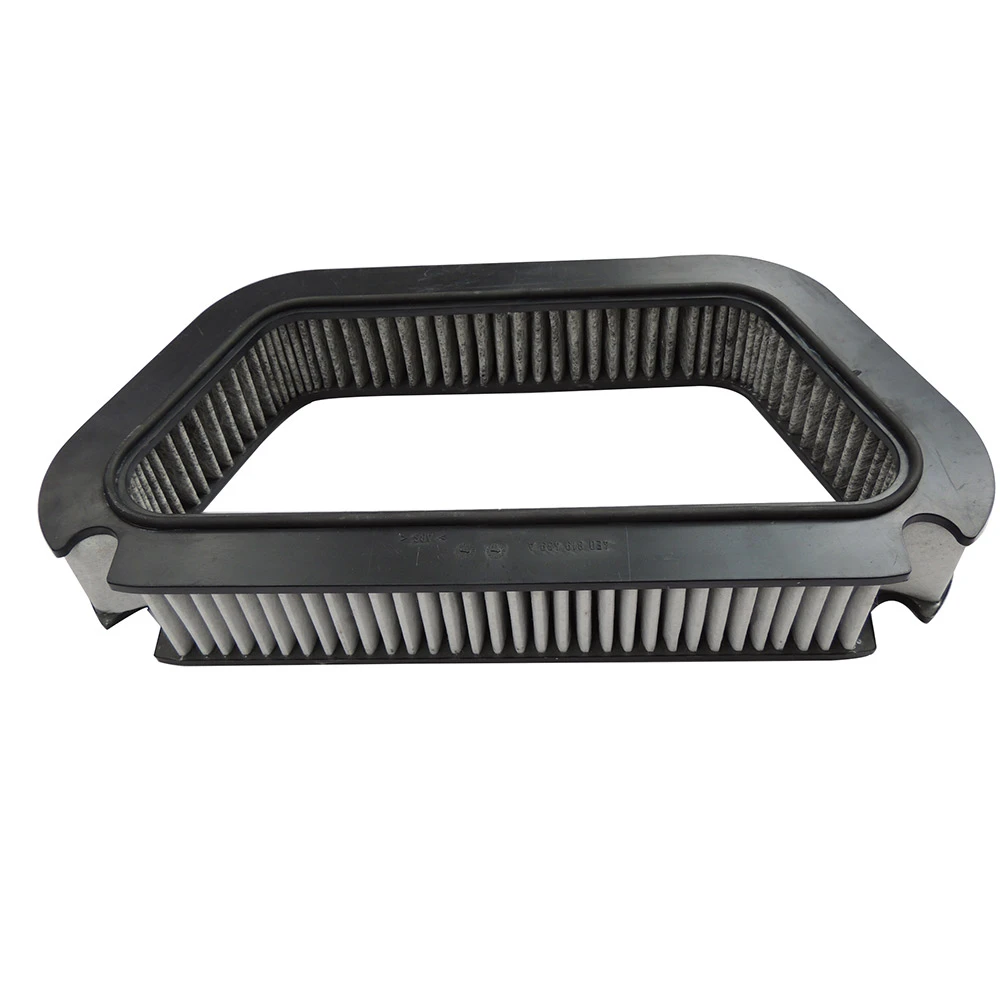
When it’s time for a replacement, selecting a quality air filter is essential. JY Filter offers a wide range of air filters designed to meet or exceed OEM specifications. We provide options like paper filters, synthetic filters, and cotton gauze filters, each offering different levels of filtration and airflow. Synthetic and cotton gauze filters often offer superior filtration and airflow compared to standard paper filters, providing enhanced engine protection and performance. Choose a filter that matches your vehicle’s make and model, and consider your driving conditions when making your selection.
DIY Air Filter Replacement or Professional Service?
Replacing an engine air filter is a relatively simple DIY task for many vehicle owners. Typically, it involves locating the air filter housing, removing the old filter, and installing the new one. However, if you're not comfortable performing this task yourself, or if you're unsure about the process, it's best to take your vehicle to a qualified mechanic. They can ensure the filter is installed correctly and perform a comprehensive inspection of your vehicle’s air intake system.
Conclusion: Breathe Easy with a Clean Air Filter
Regularly checking and replacing your engine air filter is a vital part of vehicle maintenance. By ensuring clean air reaches your engine, you'll improve fuel efficiency, extend engine life, and reduce the risk of costly repairs. Explore the high-quality air filter options available at JY Filter and keep your engine breathing easy.
Frequently Asked Questions (FAQs)
What are the signs that my engine air filter needs changing?
Several signs indicate that your engine air filter might need replacing. These include a noticeable decrease in fuel efficiency, reduced engine power or acceleration, unusual engine noises (like whistling), a check engine light illuminating, and black smoke coming from the exhaust. Visually inspecting the filter is also a good practice. If it looks dirty, clogged, or discolored, it's time for a replacement. Remember, proactive maintenance is always better than reactive repairs. A clean air filter ensures optimal engine performance and longevity, saving you money in the long run.
Can I wash and reuse my engine air filter?
While some air filters, like those made of cotton gauze, can be cleaned and re-oiled, most standard paper air filters are designed for single use and should not be washed. Attempting to clean a paper filter can damage the filter media, reducing its effectiveness. Cotton gauze filters require a special cleaning kit and specific re-oiling procedures to maintain their filtration capabilities. Always follow the manufacturer’s recommendations regarding cleaning and reuse. Replacing a disposable filter with a new one from JY Filter is often the most reliable and cost-effective option.
What type of air filter is best for my vehicle?
The best type of air filter depends on your driving conditions and priorities. Paper filters are the most common and affordable option, offering adequate filtration for normal driving conditions. Synthetic filters provide superior filtration and airflow compared to paper filters, making them a good choice for drivers in dusty or polluted environments. Cotton gauze filters offer the highest airflow but require more frequent cleaning and oiling. JY Filter offers a variety of filters to suit different needs and budgets. Consider consulting your vehicle's owner's manual or a trusted mechanic to determine the best option for your specific vehicle.
How does the air filter affect my vehicle’s emissions?
A clean air filter plays a role in reducing vehicle emissions. By ensuring proper airflow and complete combustion, a clean filter helps minimize the amount of unburned fuel released into the atmosphere. A clogged air filter can disrupt the air-fuel mixture, leading to incomplete combustion and increased emissions. Regularly replacing your air filter is a simple yet effective way to contribute to cleaner air and a more environmentally friendly vehicle.
-
Guide on how often do you need to replace engine air filterNewsApr.16,2026
-
Learn how often do you replace air filter in car for engine healthNewsApr.09,2026
-
How Often Do You Replace Car Air Filter For Optimal Engine PerformanceNewsApr.07,2026
-
How Often Do You Replace Engine Air Filter For Optimal Vehicle PerformanceNewsApr.04,2026
-
Understanding How Often Does Engine Air Filter Need to Be Replaced for Optimal PerformanceNewsMar.31,2026
-
Understanding How Often to Replace Your Car Air Filter for Optimal PerformanceNewsMar.26,2026
-
How Often Should a Car Air Filter Be Changed for Optimal PerformanceNewsMar.24,2026
Related Products