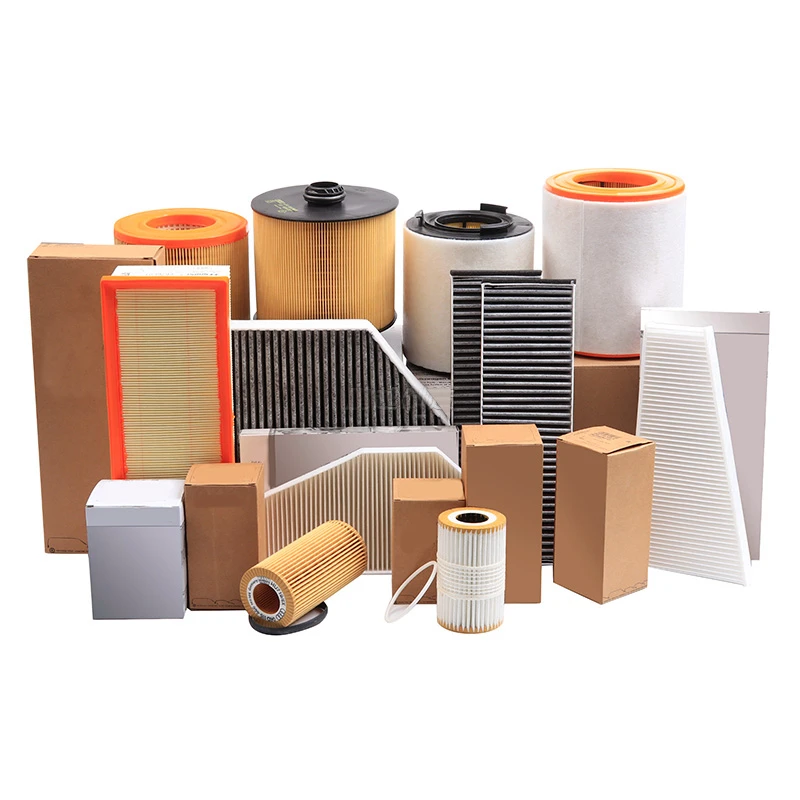
How Often Do You Replace Your Car Air Filter?
Your car's air filter plays a crucial role in maintaining engine health and performance. It prevents dust, debris, and other contaminants from entering the engine, ensuring optimal combustion and preventing wear and tear. But when should you replace it? This article will guide you through understanding air filter lifespans, the factors affecting them, and how to choose the right replacement. Keeping your air filter clean is a simple, yet vital, part of vehicle maintenance that can save you money and extend the life of your engine.
The General Rule: How Often to Change Your Car Air Filter
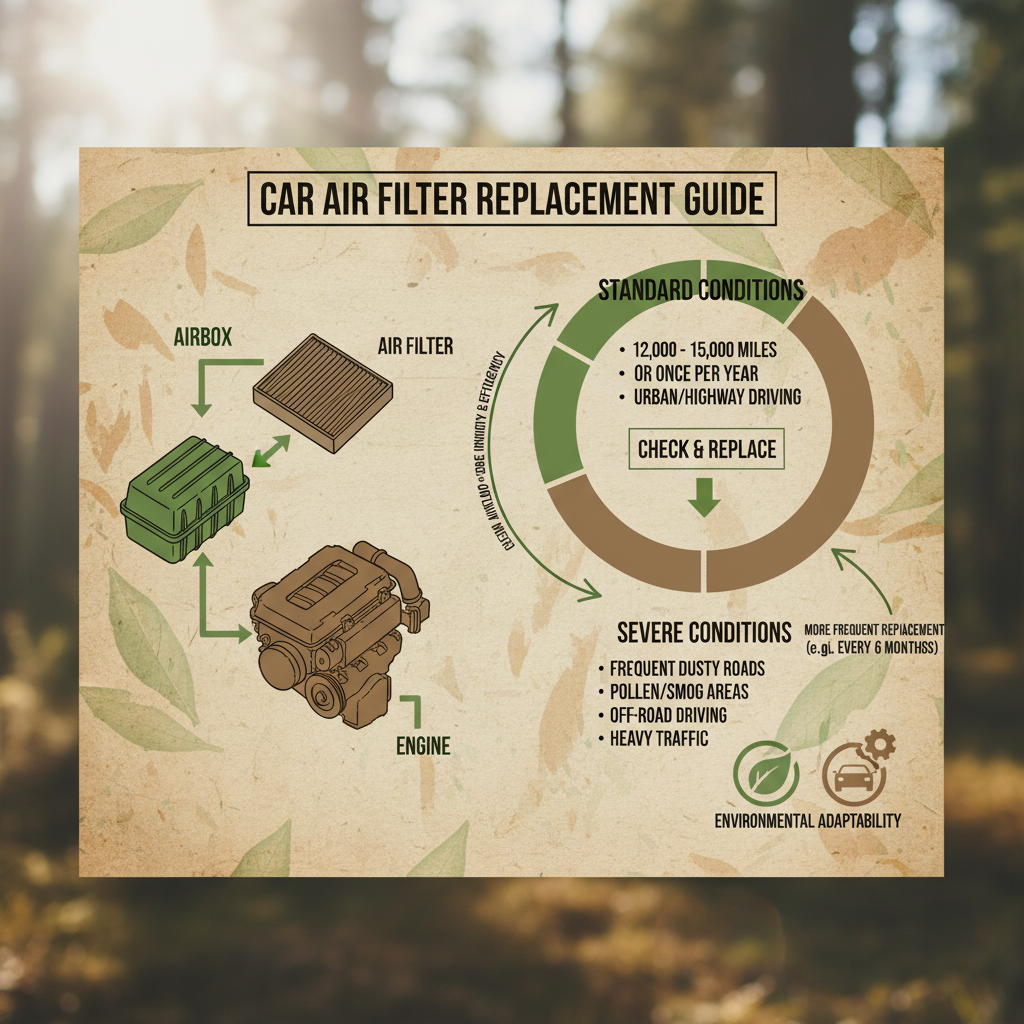
As a general guideline, most vehicle manufacturers recommend replacing your engine air filter every 12,000 to 15,000 miles, or about once a year. However, this is just a starting point. The actual lifespan of your air filter depends heavily on your driving conditions and environment. If you frequently drive in dusty, dirty, or heavily polluted areas, you’ll likely need to replace it more often. Ignoring this maintenance item can lead to reduced fuel efficiency, decreased engine performance, and even costly engine damage.
Key Takeaway: Regular air filter replacement ensures optimal engine performance and longevity. Don’t solely rely on mileage – consider your driving environment.
Factors Affecting Air Filter Lifespan
Several factors can shorten the life of your car’s air filter. These include:
- Driving Conditions: Frequent driving on dirt roads, construction sites, or in areas with high levels of pollution drastically reduces filter life.
- Climate: Dry and dusty climates accelerate filter clogging.
- Vehicle Type: Some vehicles, particularly those used for towing or off-roading, may require more frequent filter changes.
- Filter Quality: Higher-quality filters generally have better filtration and durability. Consider investing in a premium filter for extended life and performance – explore options at JY Filter.
How Often Do You Replace Car Air Filter? - A Comparison Chart
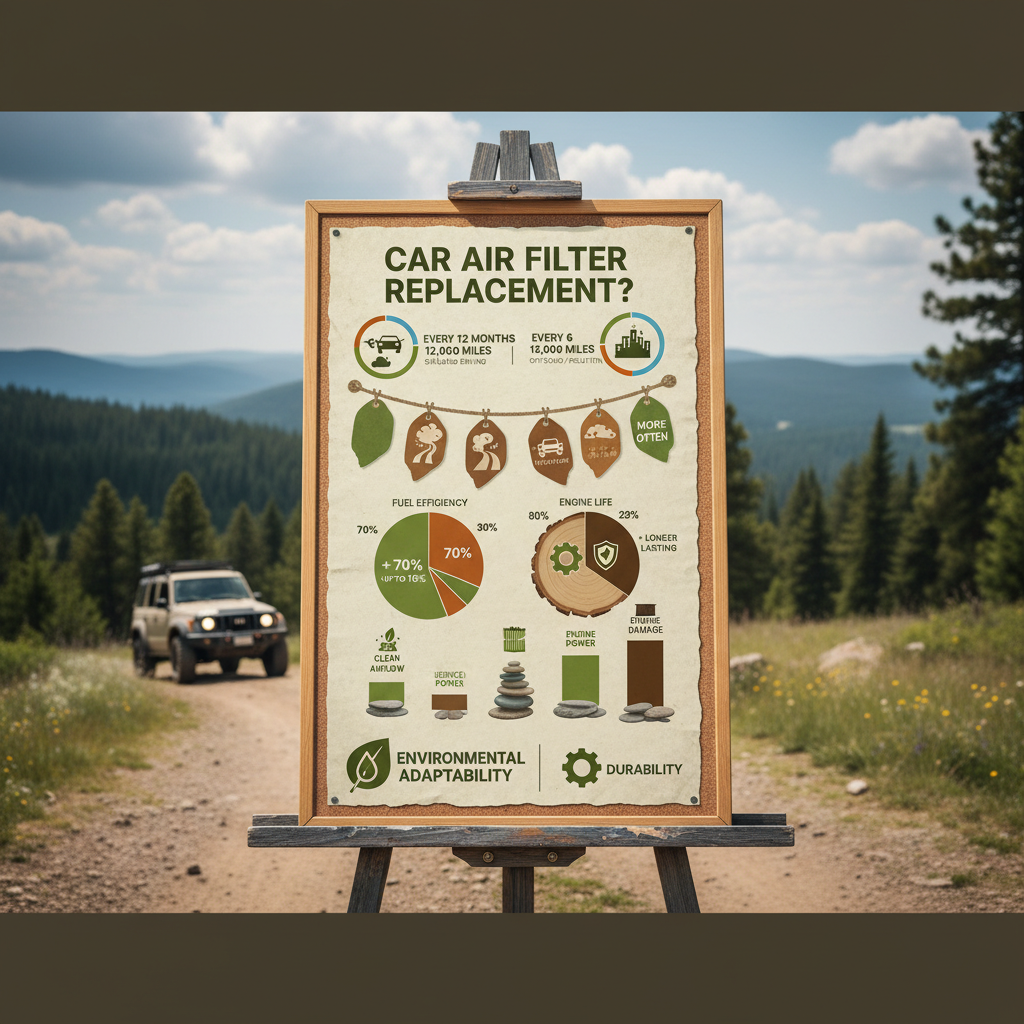
Here’s a quick breakdown to help you determine a replacement schedule based on your driving habits:
Visual Inspection: Checking Your Air Filter's Condition
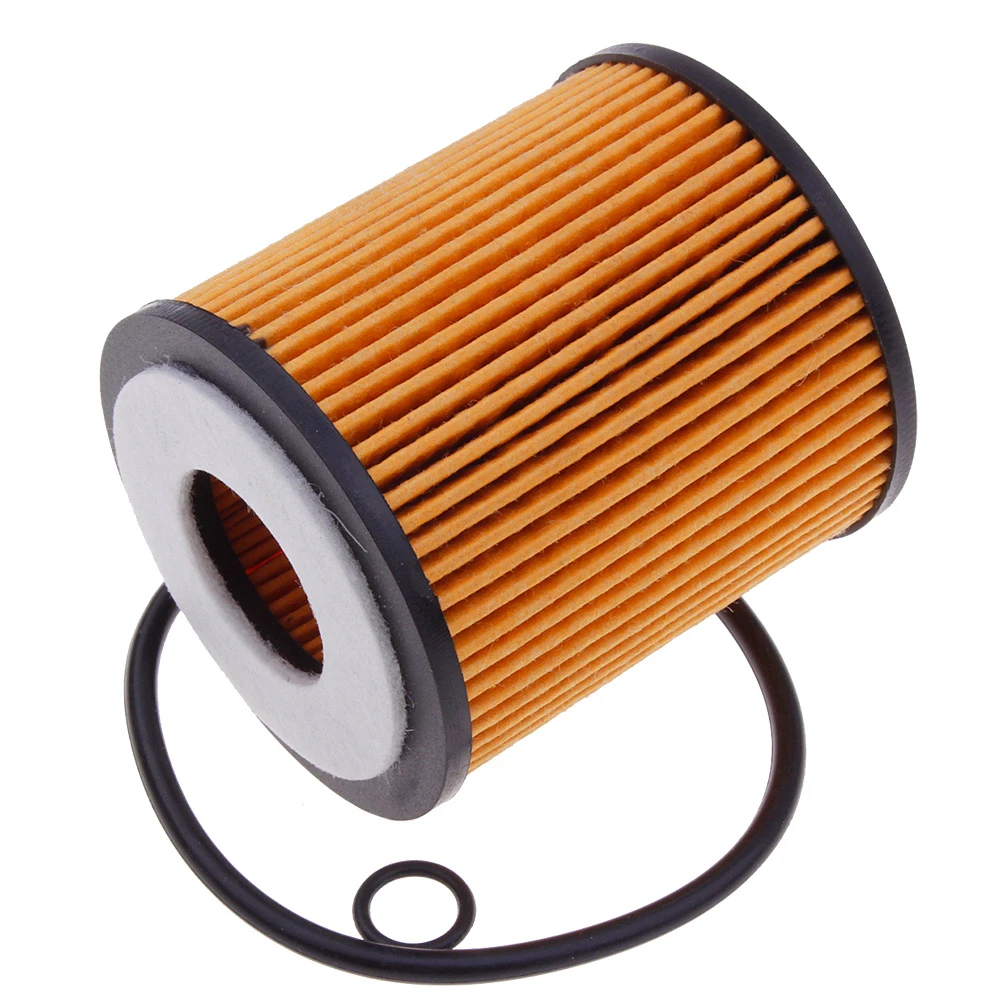
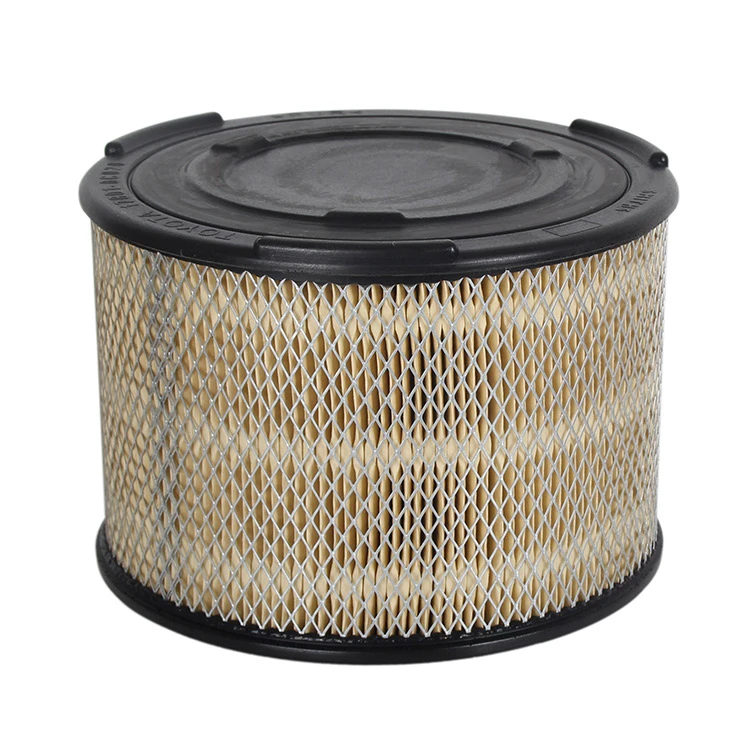
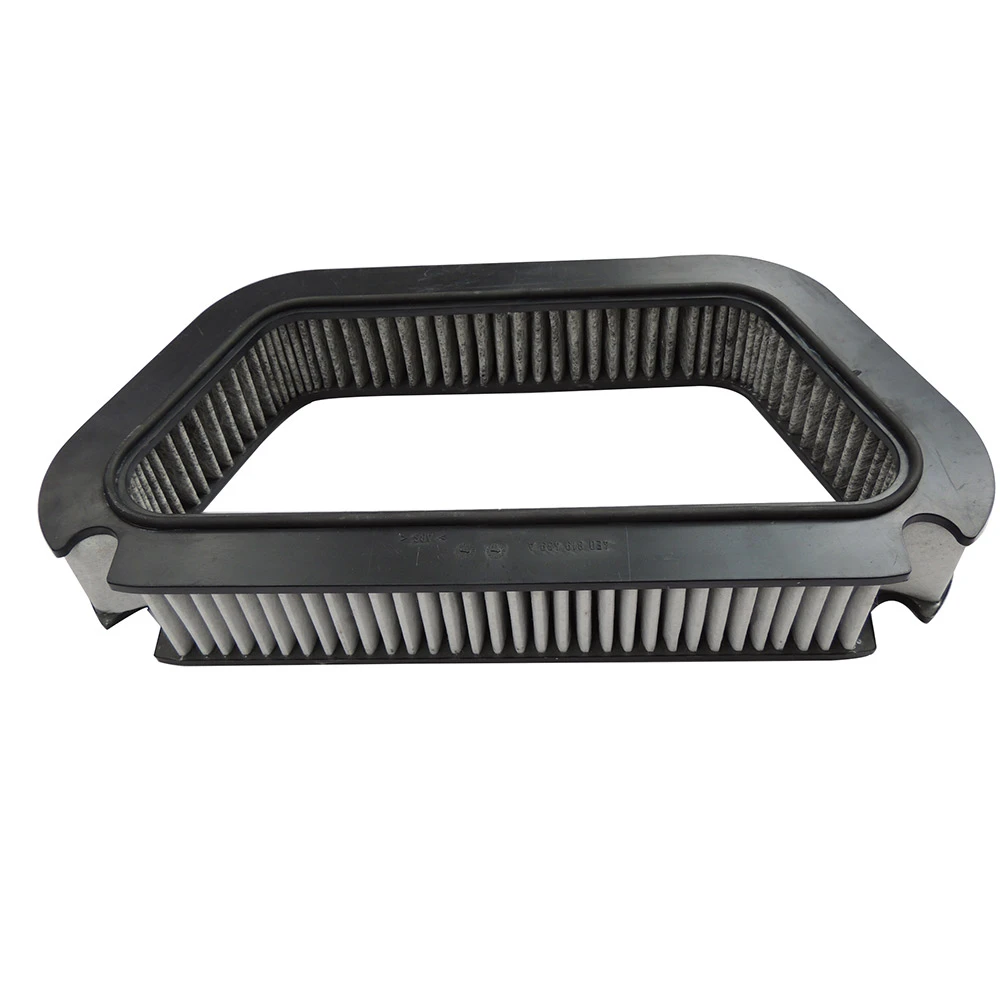
The best way to determine if your air filter needs replacing is to visually inspect it. Remove the air filter from its housing (refer to your vehicle’s owner’s manual for instructions). Hold it up to a light source. If you can see significant dirt, debris, or discoloration, it’s time for a replacement. A severely clogged filter will restrict airflow, impacting engine performance. A clean filter will appear relatively bright and allow light to pass through easily. Don't hesitate to consult a mechanic if you're unsure about the process.
Choosing the Right Air Filter: Types and Materials
Air filters come in several types, primarily:
- Paper Filters: The most common and affordable option. Good for standard driving conditions.
- Cotton Gauze Filters: Reusable and offer superior airflow. Require regular cleaning and oiling.
- Synthetic Filters: Provide excellent filtration and durability. A good balance between performance and cost.
At JY Filter, we offer a wide range of high-quality air filters to suit your vehicle and driving needs. Consider the filter material and construction when making your selection.
Conclusion: Protecting Your Engine with Regular Maintenance
Replacing your car’s air filter is a simple, cost-effective maintenance task that can significantly improve engine performance and extend its lifespan. Pay attention to your driving conditions, inspect your filter regularly, and choose a quality replacement from a trusted supplier like JY Filter. A clean air filter is a happy engine!
Frequently Asked Questions (FAQs)
What happens if I don’t replace my car’s air filter?
Ignoring your car’s air filter can lead to several issues. A clogged filter restricts airflow to the engine, reducing fuel efficiency and horsepower. Over time, this can cause the engine to work harder, leading to increased wear and tear on components like the mass airflow sensor. In severe cases, a dirty air filter can contribute to engine misfires and even engine damage. Regularly replacing your air filter is a preventative measure that can save you money on costly repairs in the long run.
Can a dirty air filter affect my gas mileage?
Yes, absolutely. A dirty air filter restricts airflow to the engine, causing it to work harder to draw in the necessary oxygen for combustion. This inefficiency results in reduced fuel economy. While the impact may seem small – typically a few percentage points – it can add up over time, especially with rising fuel prices. Replacing a clogged air filter is one of the simplest and most cost-effective ways to improve your gas mileage.
How difficult is it to change a car air filter?
Changing a car air filter is typically a very easy DIY task that most car owners can perform. It usually requires minimal tools – often just a screwdriver or clips. The air filter housing is typically located under the hood and is clearly labeled. Your vehicle’s owner’s manual will provide specific instructions for your make and model. If you’re uncomfortable performing the task yourself, a mechanic can quickly and inexpensively change it for you. We at JY Filter also provide helpful guides and resources on our website.
-
Guide on how often do you need to replace engine air filterNewsApr.16,2026
-
Learn how often do you replace air filter in car for engine healthNewsApr.09,2026
-
How Often Do You Replace Engine Air Filter For Optimal Vehicle PerformanceNewsApr.04,2026
-
Understanding How Often Does Engine Air Filter Need to Be Replaced for Optimal PerformanceNewsMar.31,2026
-
How Often Engine Air Filter Change Impacts Performance and LongevityNewsMar.28,2026
-
Understanding How Often to Replace Your Car Air Filter for Optimal PerformanceNewsMar.26,2026
-
How Often Should a Car Air Filter Be Changed for Optimal PerformanceNewsMar.24,2026
Related Products