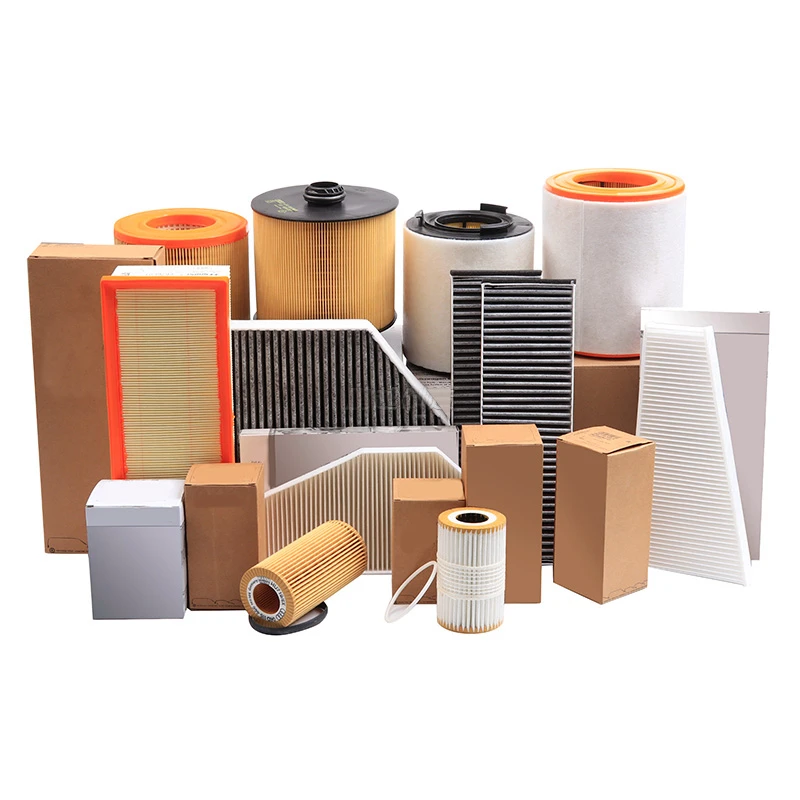
How Often Do You Replace Air Filter in Car: The Ultimate Maintenance Guide
Maintaining your vehicle's health starts with the basics, and one of the most overlooked yet critical components is the engine air filter. Many drivers find themselves wondering, how often do you replace air filter in car to ensure peak performance? A clean filter acts as the lungs of your engine, preventing dust, debris, and contaminants from entering the combustion chamber. Neglecting this simple task can lead to decreased fuel efficiency, poor acceleration, and even long-term engine damage. In this guide, we will explore the ideal replacement intervals and how choosing a high-quality air filter in car can extend the life of your vehicle.
General Guidelines for Air Filter Replacement
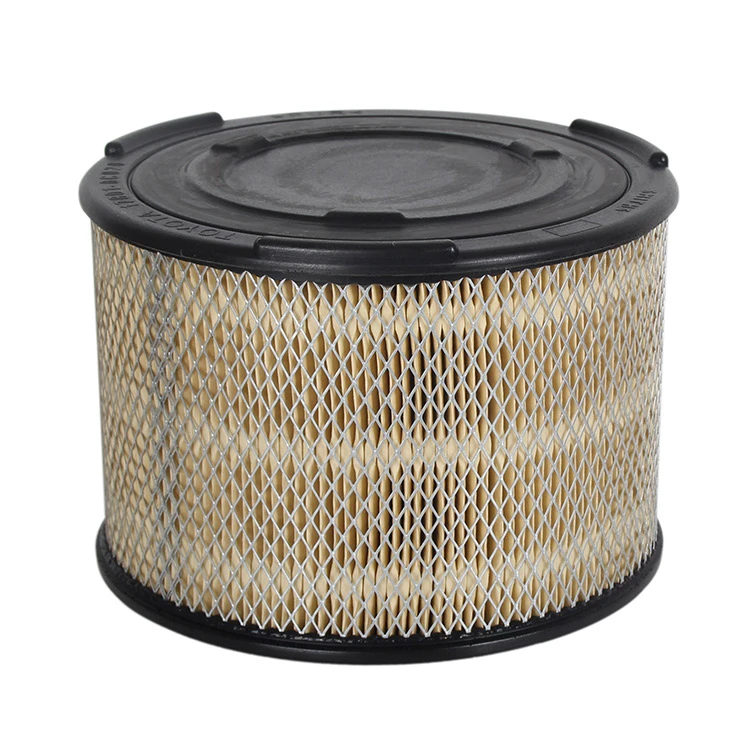
For most modern vehicles, the general rule of thumb is to replace the air filter every 12,000 to 15,000 miles. However, this is not a one-size-fits-all number. The actual frequency depends heavily on your driving habits and the environment in which you operate your car. If you primarily drive on clean, paved highways in a city with low pollution, you might stretch the interval. Conversely, if you frequently drive on gravel roads or in dusty industrial areas, your filter will clog much faster. To maintain optimal airflow, it is recommended to inspect the filter every 5,000 miles. Utilizing a professional-grade car air filter ensures that your engine breathes easily regardless of the mileage.
Factors That Influence How Often Do You Replace Air Filter in Car
Several external and internal factors can accelerate the degradation of your air filter. Environmental conditions are the primary driver; for instance, living in a desert or a construction-heavy area means more particulates in the air. Driving style also plays a role, as aggressive driving or towing heavy loads puts more strain on the engine, requiring more air intake. Additionally, the quality of the filter material determines how much debris can be trapped before the airflow becomes restricted. When you understand these variables, you can better determine the specific schedule for your vehicle rather than relying solely on the owner's manual.
Pro Tip: If you notice a significant drop in fuel economy or a "stifled" sound when accelerating, it is a strong indicator that your filter is clogged and needs immediate replacement.
Comparing Filter Types and Their Lifespans
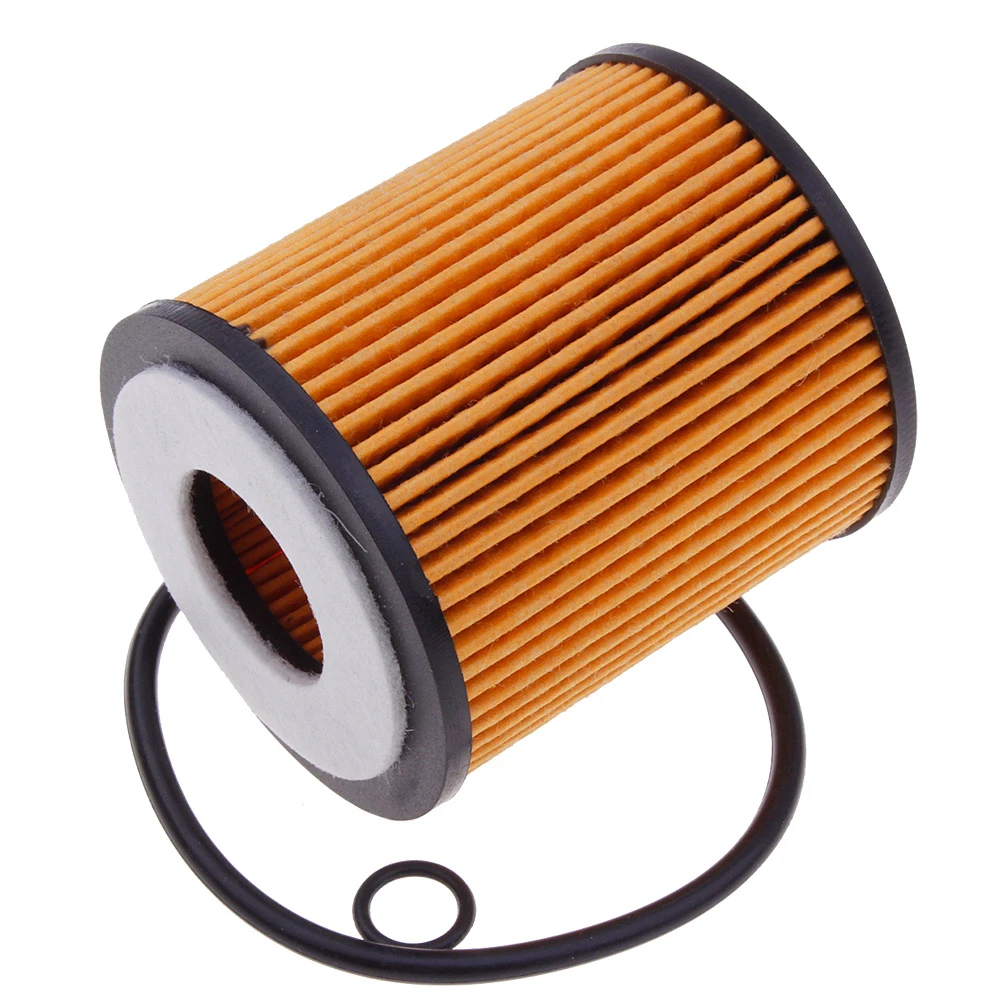
Not all filters are created equal. When considering how often do you replace air filter in car, you must first identify which type of filter you are using. Standard paper filters are cost-effective but have a shorter lifespan. High-performance synthetic filters offer better filtration efficiency and can last longer. Some drivers opt for reusable "lifetime" filters, which require cleaning instead of replacement. While these seem convenient, they often require specific cleaning kits and can lose efficiency over time. Below is a detailed comparison to help you choose the best option for your needs.
Warning Signs: When to Replace Your Air Filter Immediately
You don't always have to wait for a mileage milestone to determine how often do you replace air filter in car. Your vehicle often provides audible and physical clues when the filter is too dirty to function. One of the most common signs is a noticeable decrease in fuel economy; when the engine can't get enough air, it compensates by burning more fuel. You might also experience "hesitation" or sluggishness during acceleration. In some cases, the check engine light may illuminate due to an incorrect air-fuel mixture detected by the sensors. Checking the filter visually is the most reliable method: hold it up to a bright light; if the light doesn't pass through the pleats, it's time for a new replacement air filter.
The Long-Term Impact of Neglecting Air Filter Maintenance
Many drivers ignore the question of how often do you replace air filter in car because it seems like a minor part. However, the cumulative effect of a dirty filter can be devastating. When airflow is restricted, the engine works harder to maintain speed, leading to increased wear and tear on internal components. More dangerously, if a filter becomes completely saturated or damaged, particles of dirt and grit can enter the engine cylinders, acting like sandpaper on your piston rings and cylinder walls. This leads to permanent engine damage and costly repairs. By consistently using high-quality products from JY Filter, you safeguard your engine against these preventable failures.
Step-by-Step: How to Replace Your Air Filter Quickly
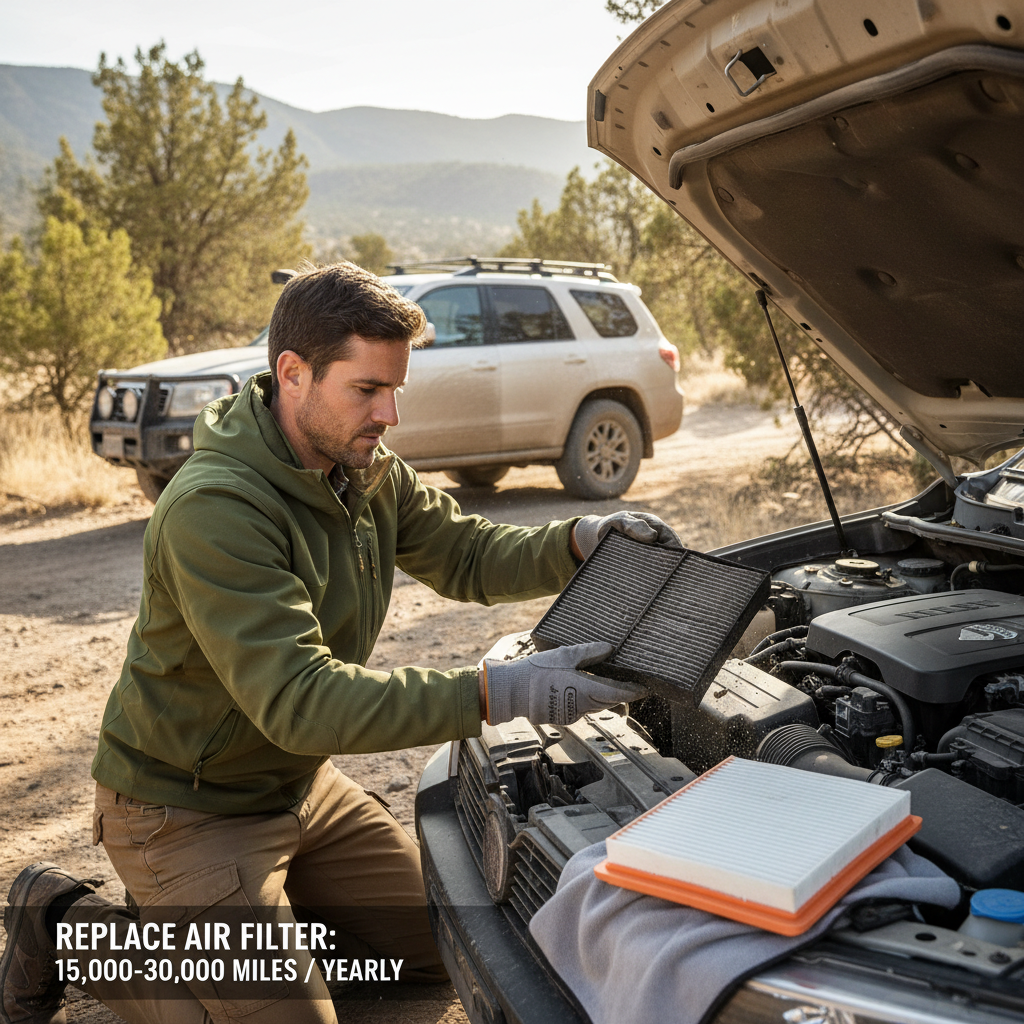
Replacing an air filter is one of the easiest DIY tasks any car owner can perform. First, locate the air filter box, usually a black plastic housing near the engine. Undo the clips or screws securing the lid. Carefully remove the old filter and take note of its orientation. Before inserting the new one, wipe out any remaining dust or leaves from the bottom of the housing with a damp cloth. Insert the new filter, ensuring it seats firmly against the edges to prevent "leaks" where unfiltered air could enter. Finally, secure the lid back in place. This 10-minute process ensures you are adhering to the best practices of how often do you replace air filter in car without paying expensive labor costs at a dealership.
Conclusion: Prioritize Your Engine's Breath
Understanding how often do you replace air filter in car is a fundamental part of responsible vehicle ownership. Whether you follow a strict mileage schedule or replace based on environmental conditions, the goal is the same: maintaining a clean flow of air to your engine. By investing in premium filtration solutions from JY Filter, you improve fuel efficiency, protect your engine from premature wear, and ensure a smoother driving experience. Don't let a small piece of paper be the reason for a large repair bill—keep your filters fresh!
Frequently Asked Questions (FAQs)
Can I just blow out my air filter with compressed air instead of replacing it?
While blowing out a filter with compressed air might remove large chunks of debris, it is generally not recommended. High-pressure air can create microscopic tears in the filter media, allowing fine dust to bypass the filter and enter the engine. Furthermore, compressed air only cleans the surface; it cannot remove the deep-seated particulates trapped within the fibers. For maximum protection, replacing the filter is the only way to ensure 100% filtration efficiency and maintain the health of your engine.
Does a dirty air filter affect the emission levels of my car?
Yes, a clogged air filter can negatively impact your car's emissions. When the air intake is restricted, the engine runs "rich," meaning it uses more fuel than air. This imbalance leads to incomplete combustion, which increases the amount of unburned hydrocarbons and carbon monoxide released through the exhaust. This not only harms the environment but can also cause your vehicle to fail an emissions test. Regular replacement ensures the stoichiometric ratio is maintained for a cleaner burn.
Is there a difference between the engine air filter and the cabin air filter?
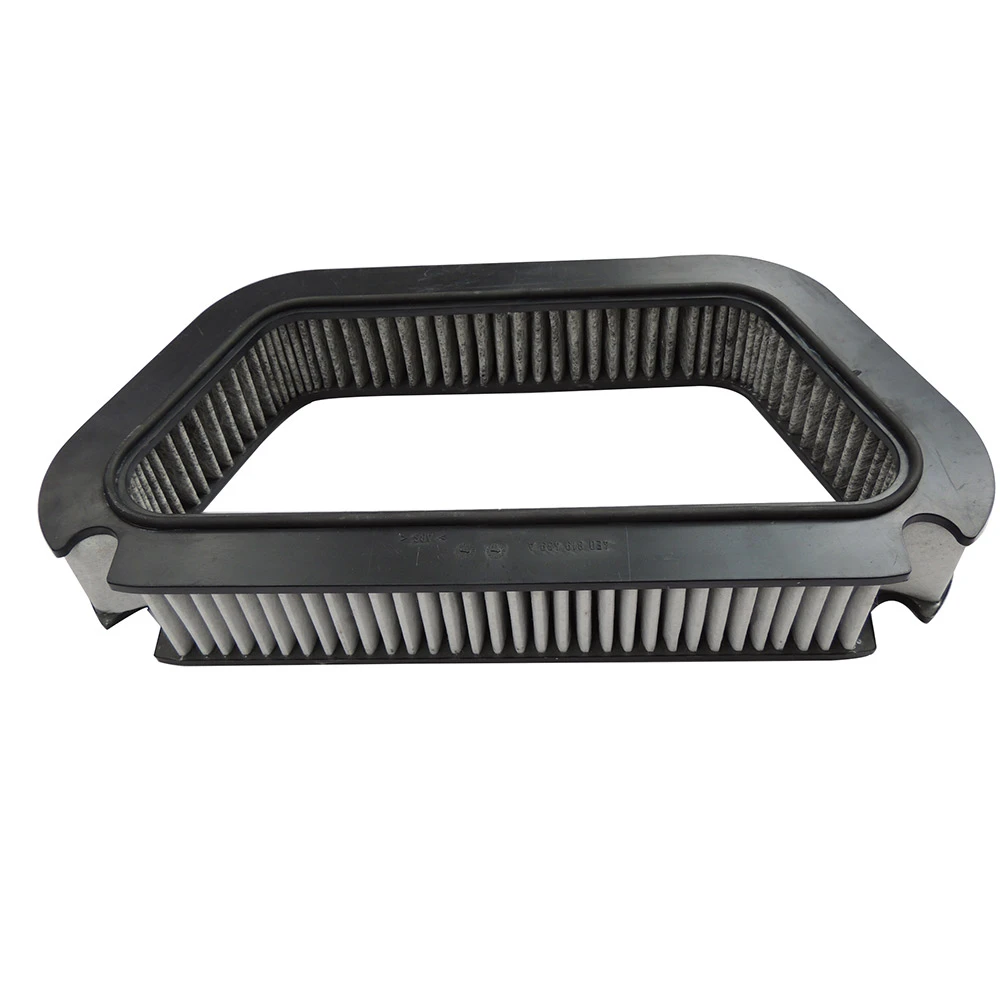
Absolutely. The engine air filter is designed to protect the engine's internal combustion process from debris. The cabin air filter, on the other hand, filters the air that enters the passenger compartment through the HVAC system, protecting you from pollen, dust, and smog. While both are important, they serve completely different purposes. When searching for how often do you replace air filter in car, make sure you are checking both, as they usually have different replacement intervals and locations.
Where can I find high-quality replacement filters for my specific car model?
Finding a filter that matches your car's exact specifications is crucial for a proper seal. We recommend visiting the JY Filter official website. They provide a wide range of professional-grade filtration products designed to meet or exceed OEM standards. Whether you need standard replacements or high-efficiency synthetic options, using a trusted manufacturer ensures that your engine receives the protection it deserves for long-term reliability.
-
Guide on how often do you need to replace engine air filterNewsApr.16,2026
-
How Often Do You Replace Car Air Filter For Optimal Engine PerformanceNewsApr.07,2026
-
How Often Do You Replace Engine Air Filter For Optimal Vehicle PerformanceNewsApr.04,2026
-
Understanding How Often Does Engine Air Filter Need to Be Replaced for Optimal PerformanceNewsMar.31,2026
-
How Often Engine Air Filter Change Impacts Performance and LongevityNewsMar.28,2026
-
Understanding How Often to Replace Your Car Air Filter for Optimal PerformanceNewsMar.26,2026
-
How Often Should a Car Air Filter Be Changed for Optimal PerformanceNewsMar.24,2026
Related Products