How Often Do You Replace Your Engine Air Filter?
Maintaining your vehicle involves regular checks and replacements of various components, and one often-overlooked element is the engine air filter. A clean air filter is crucial for optimal engine performance, fuel efficiency, and overall vehicle health. But how often do you replace engine air filter? This article dives deep into the factors influencing replacement frequency, the consequences of a dirty filter, and guides you on determining the ideal replacement schedule for your vehicle. Ignoring this vital maintenance task can lead to costly engine repairs down the road.
Understanding the Role of Your Engine Air Filter
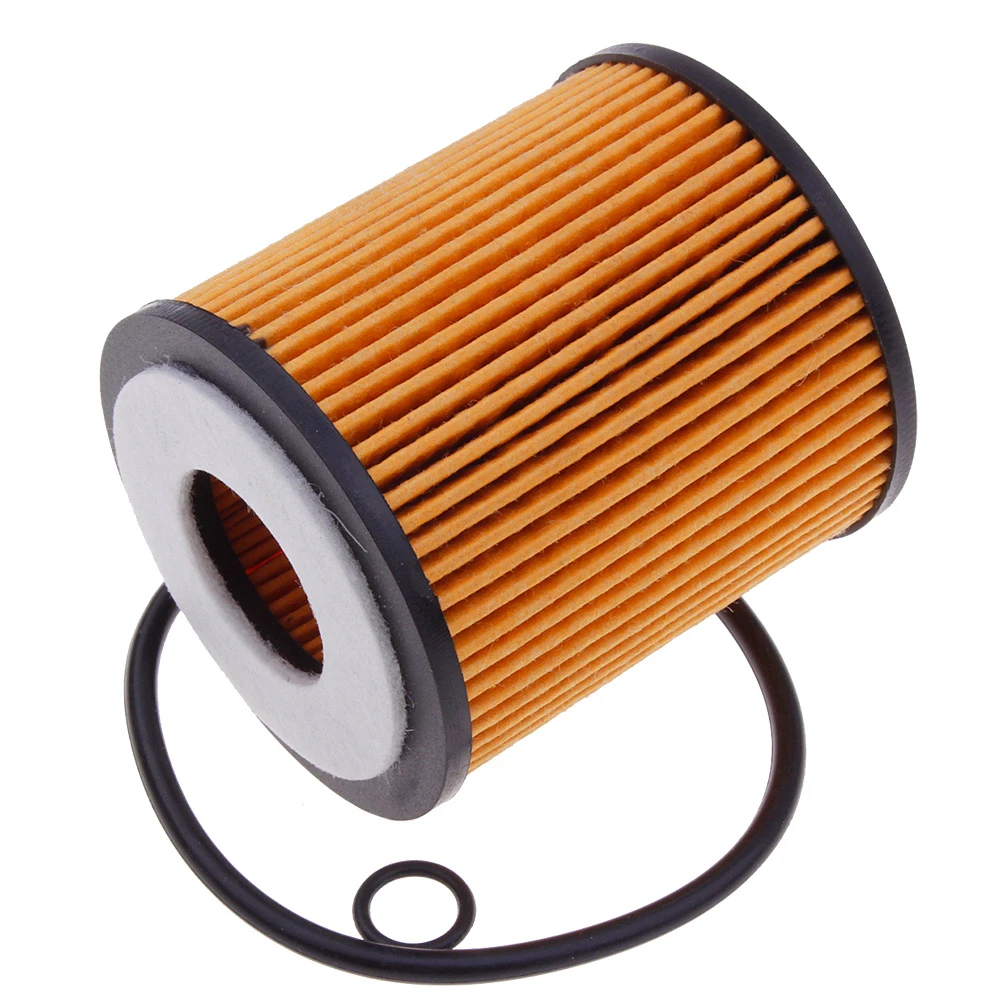
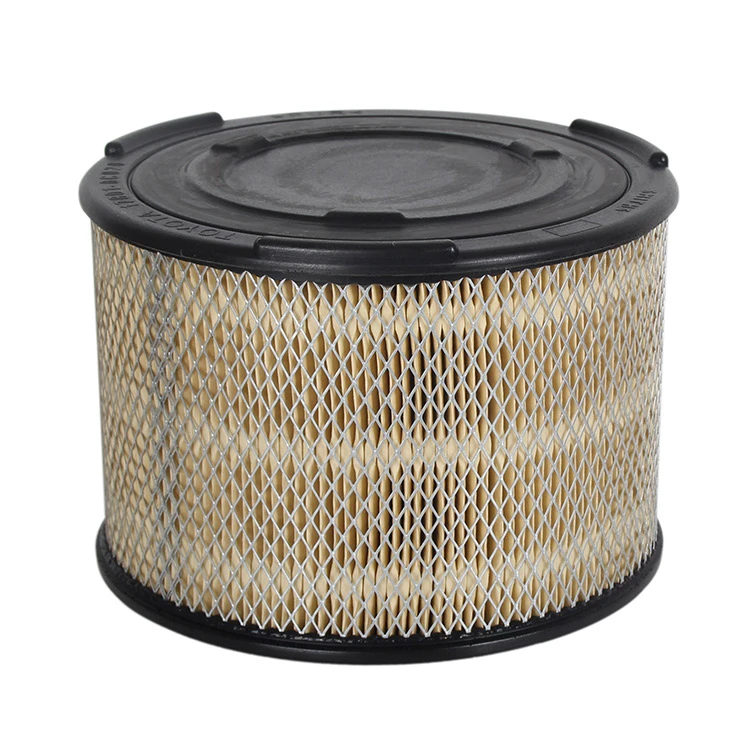
The engine air filter’s primary job is to prevent dirt, dust, pollen, and other debris from entering your engine. A clean filter ensures only clean air mixes with fuel for combustion, maximizing engine efficiency. Without a functioning air filter, abrasive particles can enter the engine cylinders, causing wear and tear on vital components like pistons, cylinder walls, and valves. This can lead to reduced horsepower, poor fuel economy, and ultimately, engine failure. Regularly checking and replacing your air filter is a simple yet powerful way to extend the life of your engine and save money on repairs.
Key Takeaway: A clean air filter protects your engine from damaging contaminants, ensuring optimal performance and longevity.
Factors Influencing Engine Air Filter Replacement Frequency
While a general guideline exists, the ideal frequency to replace engine air filter depends on various factors. Driving conditions play a significant role: frequent driving in dusty, dirty, or polluted environments will require more frequent filter changes. Similarly, vehicles operated in off-road conditions or in areas with high pollen counts will need more frequent attention. The type of filter itself also matters; some filters are designed for extended life, while others require more frequent replacement. Your vehicle’s make and model, as well as your driving habits (aggressive vs. gentle driving) also contribute to the filter’s lifespan.
Key Influencing Factors:
• Driving Environment (Dusty, Polluted)
• Driving Conditions (Off-Road, Highway)
• Filter Type (Standard, High-Efficiency)
• Vehicle Make & Model
General Guidelines: How Often Should You Check & Replace?
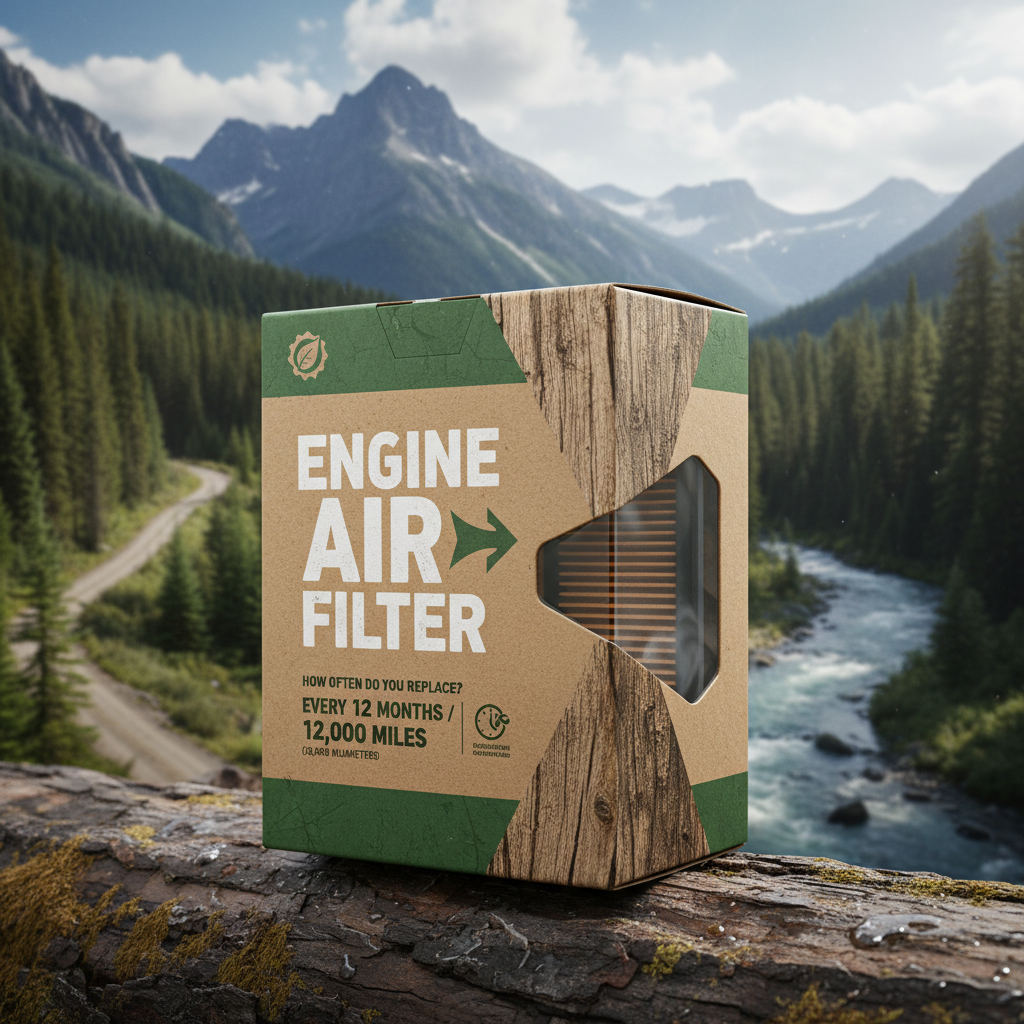
As a general rule, most vehicle manufacturers recommend checking your engine air filter every 12,000 to 15,000 miles, or about once a year. However, for drivers operating under severe conditions (as mentioned above), it's best to check it every 3,000 to 5,000 miles. A visual inspection is the easiest way to determine if a replacement is needed. If the filter appears dirty, clogged, or discolored, it's time for a new one. Don't wait for a noticeable drop in engine performance; preventative maintenance is always the most cost-effective approach.
Signs of a Dirty Engine Air Filter
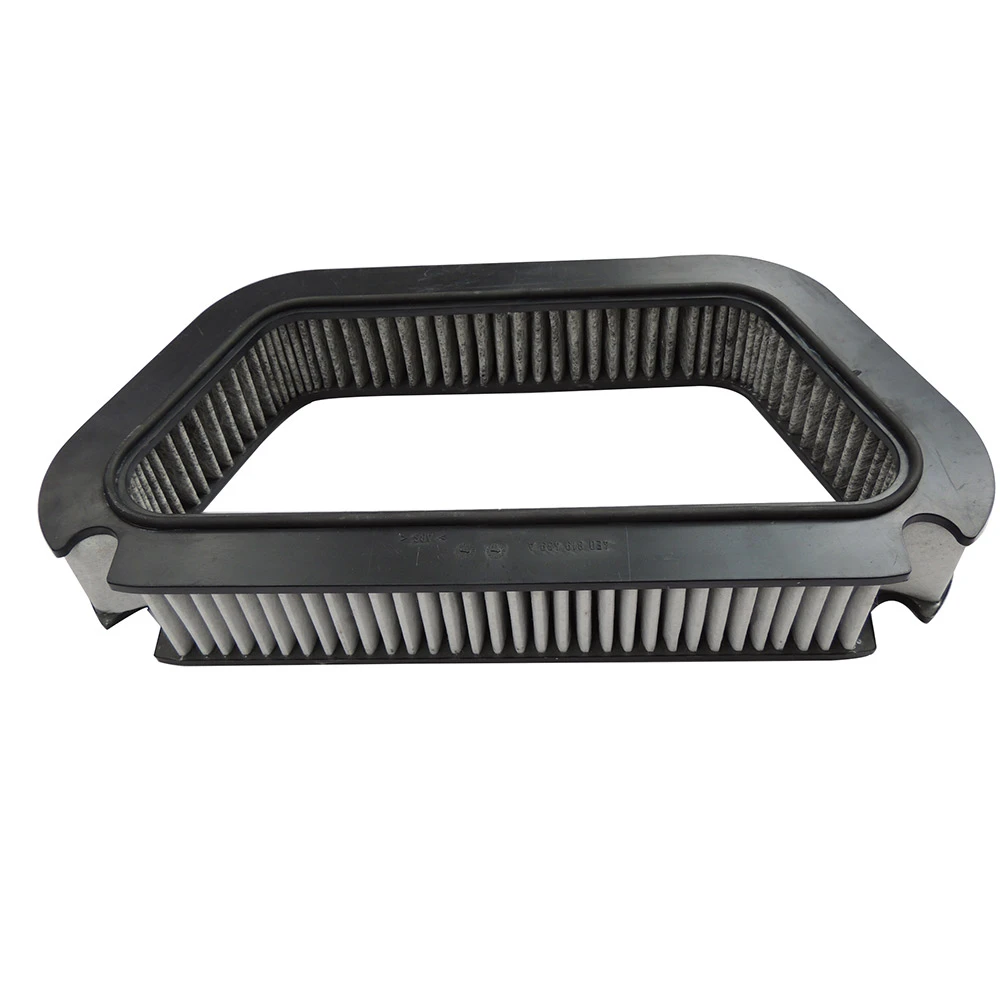
Several telltale signs indicate that your engine air filter needs replacing. These include reduced engine power and acceleration, decreased fuel economy, unusual engine noises (like whistling), difficulty starting the engine, and a check engine light illuminating on your dashboard. Black smoke emitting from the exhaust pipe can also signal a clogged air filter. If you notice any of these symptoms, promptly inspect and, if necessary, replace your air filter.

Choosing the Right Air Filter: JY Filter Options
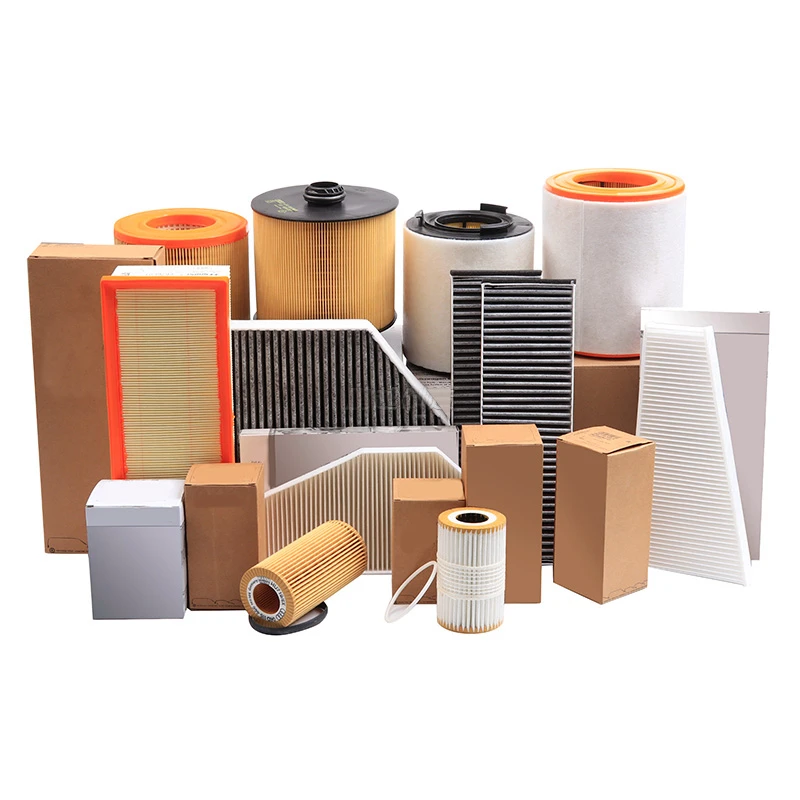
When it comes to choosing a replacement air filter, JY Filter offers a comprehensive range of options to suit your vehicle’s needs. We provide standard cellulose filters, as well as high-efficiency synthetic filters that offer superior filtration and longer lifespan. Our filters are designed to meet or exceed OEM specifications, ensuring optimal performance and reliability. We cater to a wide variety of makes and models, making it easy to find the perfect filter for your vehicle. Investing in a quality air filter from JY Filter is an investment in your engine’s health.
Conclusion: Prioritize Your Engine’s Health
Regularly checking and replacing your engine air filter is a simple yet crucial maintenance task. By following the guidelines outlined in this article and choosing a quality filter from JY Filter, you can ensure optimal engine performance, fuel efficiency, and longevity. Don't neglect this essential component of your vehicle's health – a little preventative maintenance can save you significant costs and headaches down the road.
Frequently Asked Questions (FAQs)
Can I wash and reuse my engine air filter?
While it might seem tempting to wash and reuse your engine air filter, it's generally not recommended. Most air filters are made of materials that can be damaged by water or cleaning solutions. Washing can also compromise the filter's ability to effectively trap small particles. The cost of a new filter is relatively low compared to the potential damage caused by a compromised filter. It's best to replace the filter with a new one to ensure optimal performance and protection.
What happens if I drive with a severely clogged air filter?
Driving with a severely clogged air filter can lead to several problems. It restricts airflow to the engine, reducing power and acceleration. This can also decrease fuel efficiency, as the engine has to work harder to draw in air. Over time, a clogged filter can cause damage to the engine’s internal components, leading to costly repairs. In severe cases, it can even cause the engine to stall or misfire. It’s essential to address a clogged air filter promptly.
Are high-efficiency air filters worth the extra cost?
High-efficiency air filters, often made from synthetic materials, offer several benefits over standard cellulose filters. They provide superior filtration, trapping more dirt and debris. This can lead to improved engine performance and fuel economy. They also have a longer lifespan, reducing the frequency of replacements. While they may cost more upfront, the long-term benefits often outweigh the initial investment, especially for drivers operating in harsh conditions. JY Filter offers a range of high-efficiency options to choose from.
-
Guide on how often do you need to replace engine air filterNewsApr.16,2026
-
Learn how often do you replace air filter in car for engine healthNewsApr.09,2026
-
How Often Do You Replace Car Air Filter For Optimal Engine PerformanceNewsApr.07,2026
-
Understanding How Often Does Engine Air Filter Need to Be Replaced for Optimal PerformanceNewsMar.31,2026
-
How Often Engine Air Filter Change Impacts Performance and LongevityNewsMar.28,2026
-
Understanding How Often to Replace Your Car Air Filter for Optimal PerformanceNewsMar.26,2026
-
How Often Should a Car Air Filter Be Changed for Optimal PerformanceNewsMar.24,2026
Related Products