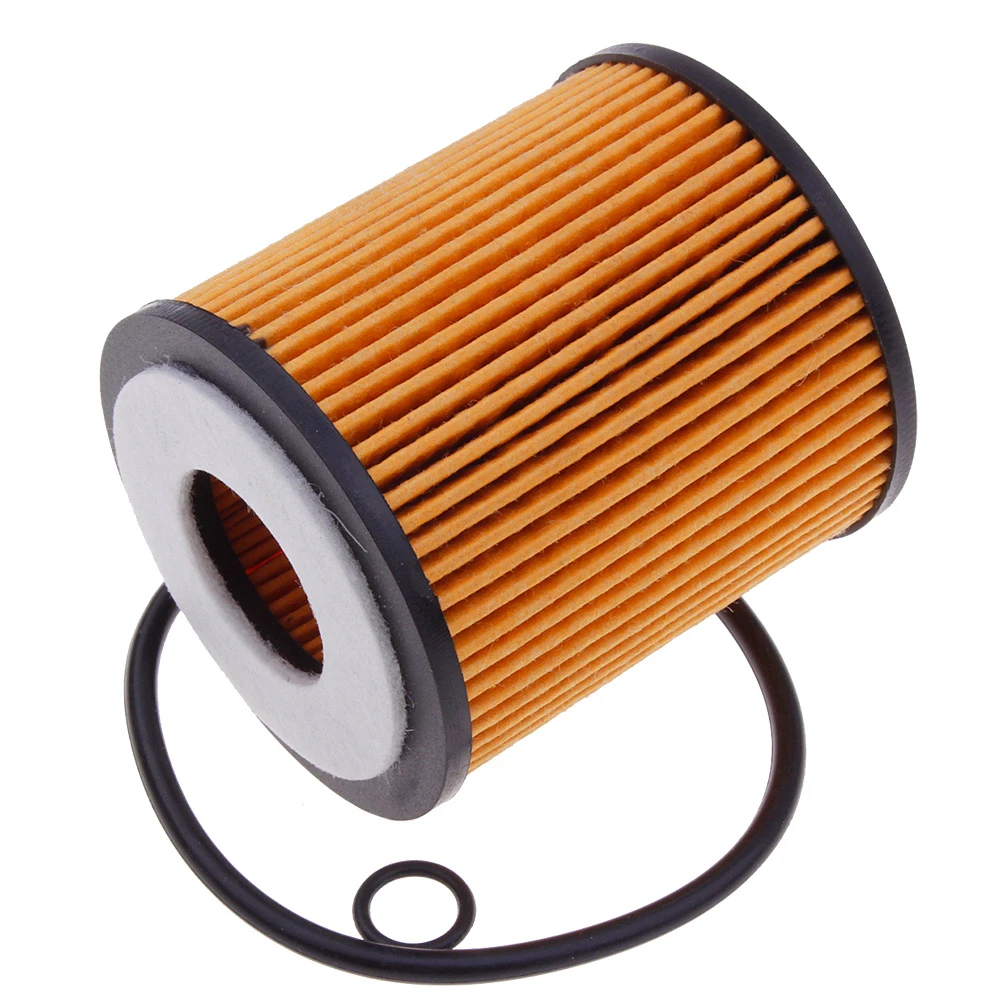
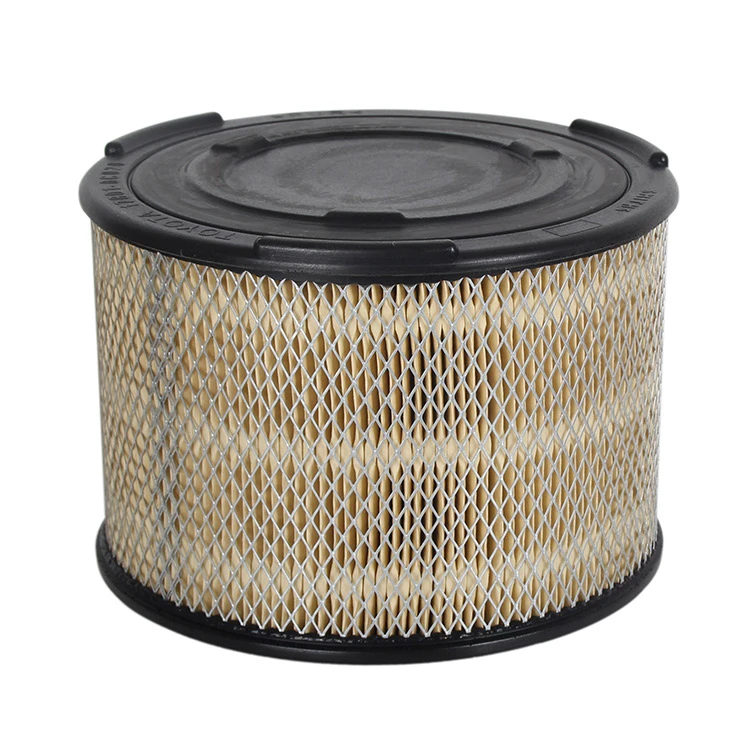
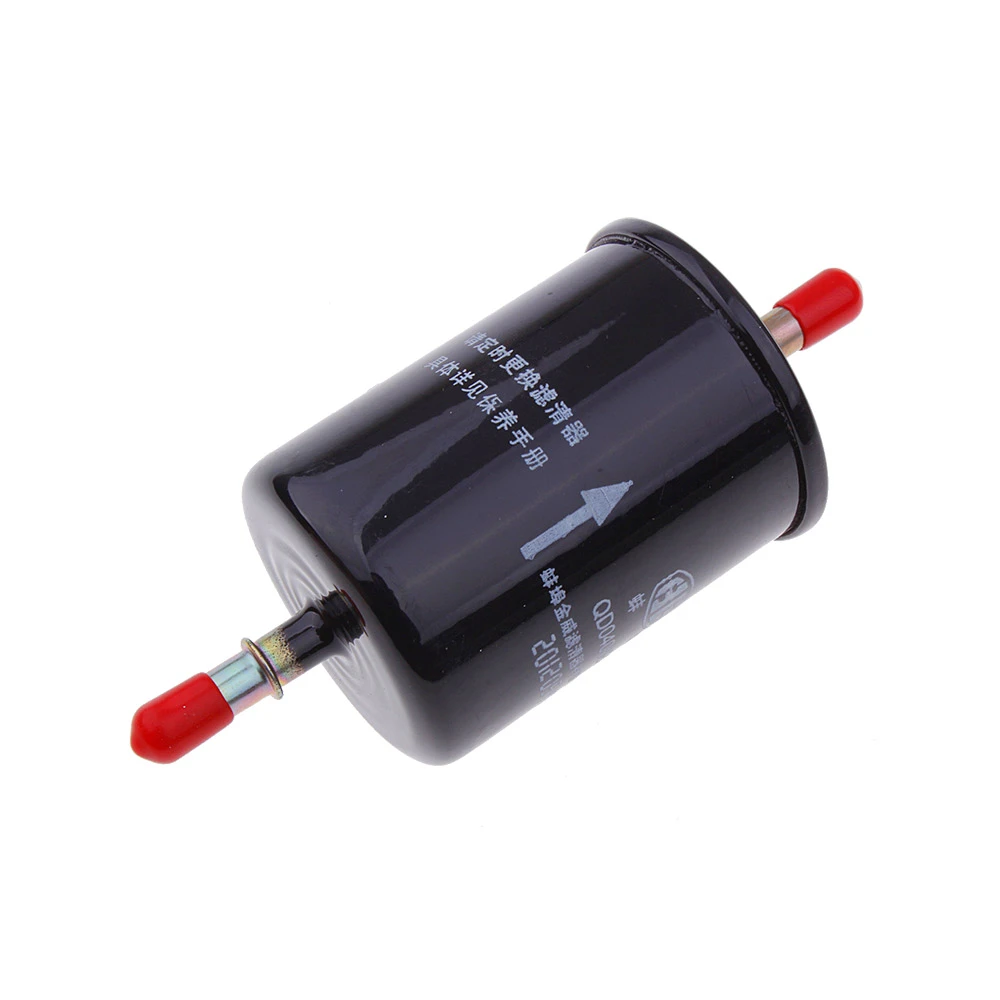
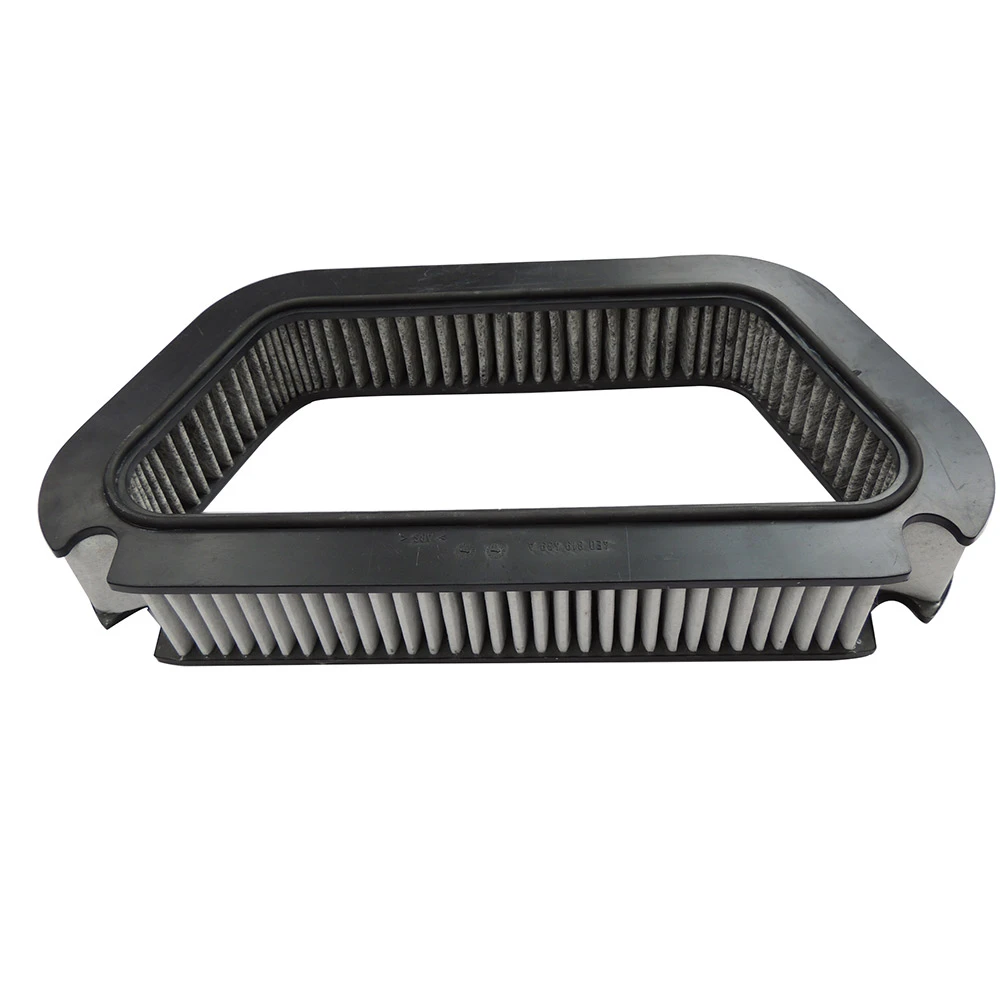
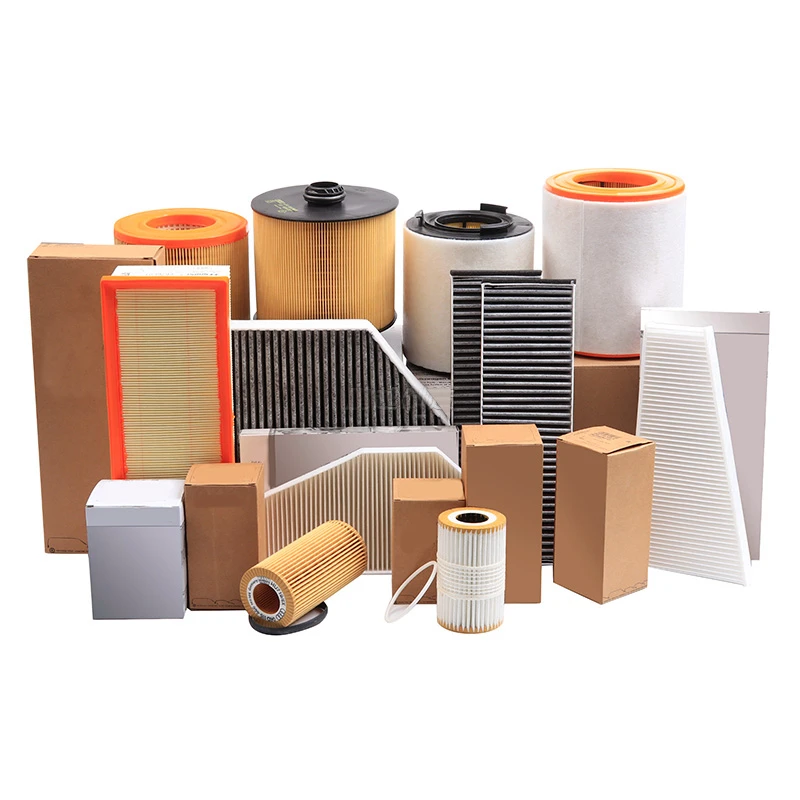
Understanding Car Air Filter Replacement: How Often Should You Do It?
If you’re driving around in any car — whether a trusty compact for the daily commute or a beefy SUV for weekend adventures — that little unsung hero under your hood, the air filter, deserves some attention. “Car air filter replacement how often?” pops up frequently in search engines and mechanic chats alike, and for good reason. It’s one of those maintenance basics that can dramatically affect your vehicle’s health, fuel economy, and the environment too.
Why This Topic Matters Globally
Globally, with over a billion motor vehicles on the road, air pollution and fuel consumption are not just environmental issues but public health conundrums. According to the United Nations Environment Programme, reducing emissions — and improving vehicle efficiency — is crucial for cleaner air and combating climate change. A clogged or neglected air filter, oddly enough, contributes to excess carbon emissions and increased fuel use. By understanding car air filter replacement how often should take place, we help reduce the carbon footprint, save money, and extend vehicle lifespans.
So it’s not just about maintaining your car but about subtle global benefits, too.
What Does 'Car Air Filter Replacement How Often' Really Mean?
At its core, the question is simply about timing: how frequently should you swap out your car’s air filter? The air filter keeps dirt, dust, and debris from clogging your engine and messing with combustion. As filters get dirty, airflow is restricted, affecting engine performance and emissions — not to mention possible engine wear.
Modern vehicles typically recommend filter changes anywhere between 12,000 and 30,000 miles, depending on driving conditions. But real-world conditions often differ — dusty roads, pollution-heavy cities, or long idling can change the game.
Car Air Filter Replacement and Industry Needs
It’s not just about personal cars. Fleet operators, delivery companies, and even NGOs in developing countries must manage air filter changes properly to ensure operational efficiency. Cleaner air intake translates directly to fewer repairs and more reliable machinery, which can be critical in isolated or disaster-prone regions.
Key Factors Influencing When to Replace Your Car Air Filter
1. Driving Environment
Dirty, dusty, or rural roads often mean your air filter gets clogged faster. Conversely, clean urban highways might allow longer intervals. You can think of it as inhaling in a smoky room versus a forest hike — your lungs (or car engine) just respond differently.
2. Vehicle Type and Age
Older vehicles might need more frequent changes because of less efficient filtration systems. Modern cars often boast higher-quality filters and sensors that monitor air flow directly.
3. Manufacturer’s Recommendations
Your car manual is a good first stop for replacement intervals. But remember: those guidelines assume “normal” driving. If your trips fit the “severe” category — lots of stop-start, dusty roads, or heavy hauling — adjust accordingly.
4. Fuel Efficiency Impact
A clogged air filter can reduce fuel efficiency by up to 10%. Many drivers don’t realize that a small, inexpensive filter change might translate into real savings around the pump.
5. Emissions and Engine Longevity
Reducing harmful exhaust emissions not only helps the air we breathe but also prolongs engine life. Some think skipping this step is a minor risk — but real-world engine wear and repair costs suggest otherwise.
Mini Takeaway:
Environmental conditions, vehicle specifics, and your driving style are big factors in deciding when to change your air filter — a one-size-fits-all rule is rarely perfect.
Global Use Cases and Real-World Examples
Consider delivery fleets in sprawling metro areas like New York or Mumbai, where pollution hits hard. Frequent air filter replacement ensures they squeeze out every mile per gallon, which can add up to thousands in savings annually.
NGOs operating in remote, dusty regions like parts of sub-Saharan Africa face unique challenges. Vehicles used for aid distribution often run on unpaved roads. Keeping air filters fresh can be the difference between mission success or breakdown.
Even high-tech manufacturing plants in Germany or Japan emphasize scheduled air filter maintenance to reduce carbon emissions — a point underscored by ISO standards on environmental management (ISO 14001).
Mini Takeaway:
The air filter replacement question isn’t just maintenance, it’s logistics, environmental responsibility, and operational efficiency entwined in a neat little package.
Advantages and Value of Timely Car Air Filter Replacement
- Improved Engine Performance: Fresh air filters keep the engine breathing well.
- Better Fuel Economy: Up to 10% savings is not trivial over thousands of miles.
- Lower Emissions: Cleaner intake reduces pollution. That feels good.
- Reduced Engine Wear: Protects expensive components from dirt-induced damage.
- Cost Savings: Prevents expensive repairs and downtime.
Oddly enough, something so simple can affect safety too. A choked engine could stall in tricky traffic situations. And knowing you’re doing your part environmentally? That’s peace of mind.
Product Specification Table: Typical Car Air Filter (Example)
| Specification | Typical Value | Comments |
|---|---|---|
| Filter Type | Pleated Paper or Synthetic | Depends on vehicle model |
| Lifespan (Miles) | 12,000 - 30,000 | Varies by conditions |
| Airflow Capacity | 60 - 150 CFM (Cubic Feet/Min) | Higher for performance cars |
| Filtration Efficiency | 98%+ of particles >5 microns | Protects engine internals |
| Weight | 0.2 - 0.5 lbs | Light and compact |
Comparing Leading Air Filter Vendors
| Vendor | Filter Type | Price Range | Warranty | Notes |
|---|---|---|---|---|
| Fram | Paper Filters | $10–$25 | 1 year | Widely available, reliable. |
| K&N | Washable Synthetic | $40–$70 | Limited Lifetime | Reusable, eco-friendly. |
| Bosch | Paper / Synthetic Mix | $15–$35 | 2 years | Premium OE quality. |
| Mann-Filter | Paper (OEM) | $12–$28 | 1 year | Trusted by automakers. |
Future Trends in Car Air Filter Replacement
Looking forward, new materials like nanofibers and graphene-infused filters hint at longer lifespans and better filtration. Also, smart sensors integrated with vehicle diagnostics will soon alert drivers electronically when replacements are due — no more guesswork!
The push toward green energy and electric vehicles means combustion filters might eventually phase out, but for the near future, internal combustion engines dominate. Sustainable and reusable filters continue gaining traction, reducing landfill waste.
Common Challenges and Smart Solutions
One big challenge is driver neglect — many skip air filter maintenance simply because it’s not in plain sight. To combat this, many try DIY inspections or install aftermarket sensors.
Another issue is counterfeit or subpar filters flooding markets, especially online. The solution? Buy from trusted vendors (see comparison above) and look for certifications.
FAQ: Your Top Questions About Car Air Filter Replacement How Often
- Q: How often should I replace my car air filter if I drive in a city?
- A: For city driving with moderate pollution and dust, replacing the filter every 15,000 miles is a reasonable rule of thumb. However, check your vehicle’s manual and adjust if you notice drops in fuel efficiency or engine performance.
- Q: Can I clean my air filter instead of replacing it?
- A: Some filters, like K&N’s washable types, are designed to be cleaned and reused. Paper filters typically cannot be cleaned effectively and should be replaced to maintain filtration quality.
- Q: What happens if I forget to change my air filter for a long time?
- A: A clogged filter can cause poor acceleration, increased fuel consumption, potentially higher emissions, and long-term engine damage. So, it’s best not to delay.
- Q: How do I know when my air filter needs replacement?
- A: Besides mileage guidelines, watch for signs like reduced engine power, rough idling, or black smoke. Some modern cars have sensors that flag filter issues too.
- Q: Are premium air filters worth the extra cost?
- A: Premium or reusable filters may have longer lifespans or better airflow, potentially saving money over time. But budget-friendly options from reputable brands also do the job well for most drivers.
In Conclusion: Why Timely Air Filter Replacement Pays Off
To wrap up, understanding car air filter replacement how often should happen is more than just ticking off your to-do list. It’s about caring for your engine, saving on fuel, and doing your bit for cleaner air worldwide. Neglect it, and your wallet and the planet might send you a not-so-subtle reminder. Tackling it at the right intervals is a small effort with big paybacks.
So next time you wonder, why not check your filter? Feel free to visit our site for tips and quality products: car air filter replacement how often.
References
-
Guide on how often do you need to replace engine air filterNewsApr.16,2026
-
Learn how often do you replace air filter in car for engine healthNewsApr.09,2026
-
How Often Do You Replace Car Air Filter For Optimal Engine PerformanceNewsApr.07,2026
-
How Often Do You Replace Engine Air Filter For Optimal Vehicle PerformanceNewsApr.04,2026
-
Understanding How Often Does Engine Air Filter Need to Be Replaced for Optimal PerformanceNewsMar.31,2026
-
How Often Engine Air Filter Change Impacts Performance and LongevityNewsMar.28,2026
-
Understanding How Often to Replace Your Car Air Filter for Optimal PerformanceNewsMar.26,2026
Related Products