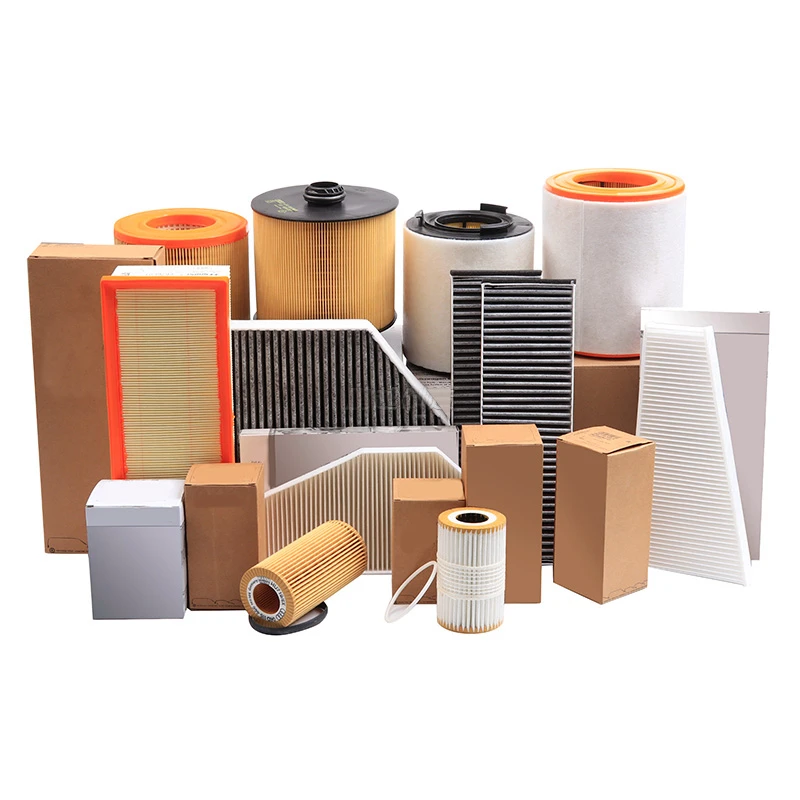
How Often Do You Need to Replace Engine Air Filter? A Complete Maintenance Guide
Maintaining your vehicle's health often comes down to the smallest components, and the engine air filter is no exception. Many drivers wonder, how often do you need to replace engine air filter to ensure peak performance? This critical part acts as the lungs of your car, preventing dust, debris, and pollutants from entering the combustion chamber. Neglecting this simple task can lead to decreased fuel efficiency, sluggish acceleration, and even long-term engine damage. In this guide, we will explore the factors that influence replacement intervals and how to identify when your filter has reached its limit.
Standard Intervals: When to Change Your Air Filter
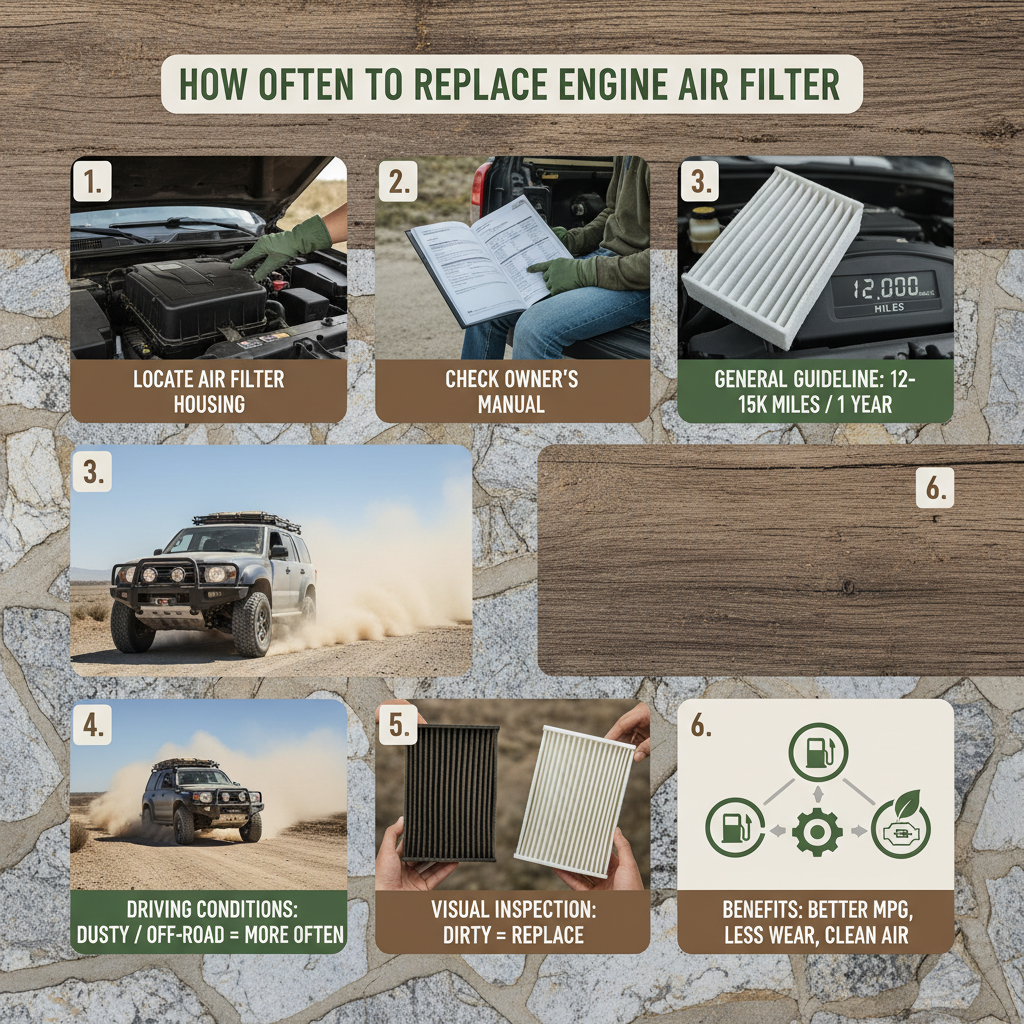
For most modern vehicles, the general rule of thumb is to inspect the filter every 12,000 to 15,000 miles and replace it every 30,000 miles. However, this is a baseline. Depending on the manufacturer's specifications, some high-efficiency filters can last longer, while others may require more frequent attention. The key is consistency; keeping a log of your maintenance ensures you never miss a window. By regularly checking how often do you need to replace engine air filter requirements in your owner's manual, you can avoid unnecessary costs while protecting your engine's longevity.
Environmental Factors Impacting Filter Life
Not all driving conditions are created equal. If you frequently drive on gravel roads, live in a dusty desert climate, or navigate smoggy urban centers, your filter will clog much faster than a car driven on clean highways. In "severe" conditions, you might find that you need to replace the filter every 10,000 to 15,000 miles. Dust and pollen accumulate in the filter pleats, restricting airflow and forcing the engine to work harder to draw in the oxygen needed for combustion.
Pro Tip: If you notice a significant increase in dust on your dashboard or live near construction sites, perform a visual check of your filter every 5,000 miles regardless of the standard schedule.
Comparing Filter Types and Replacement Cycles
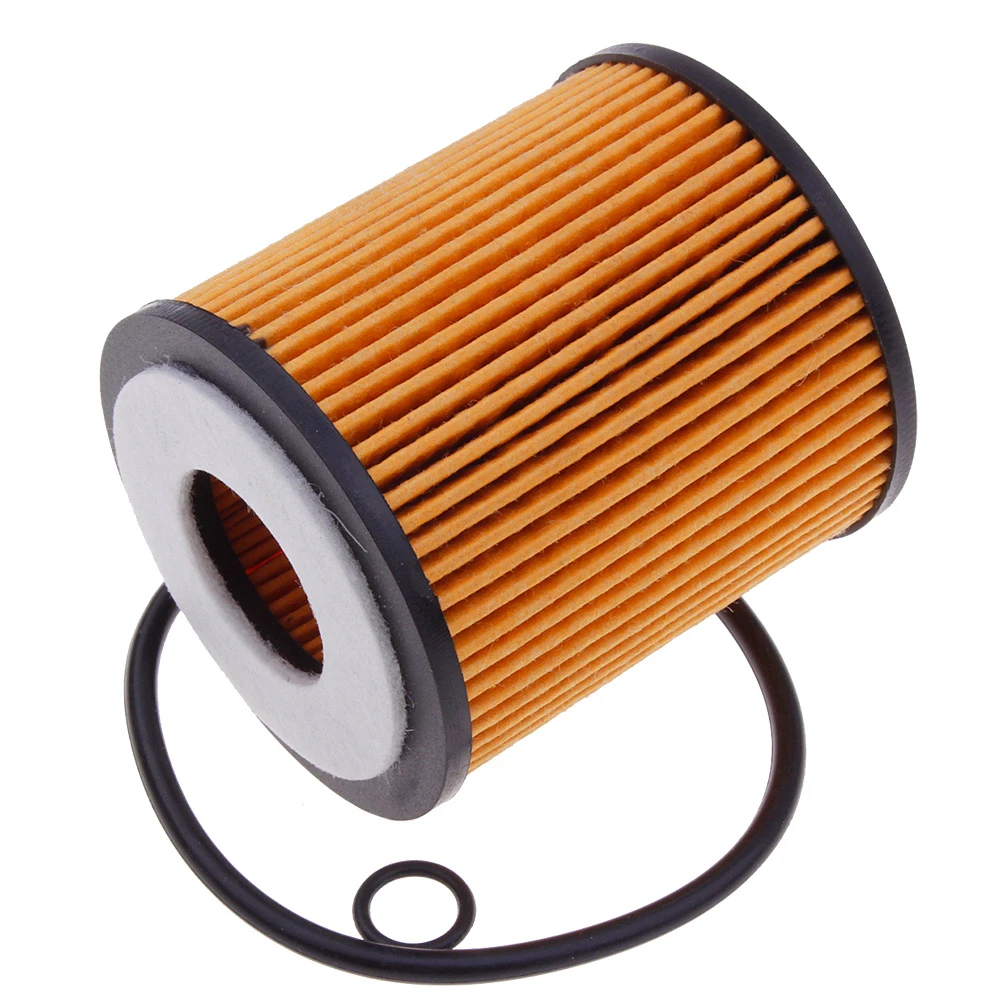
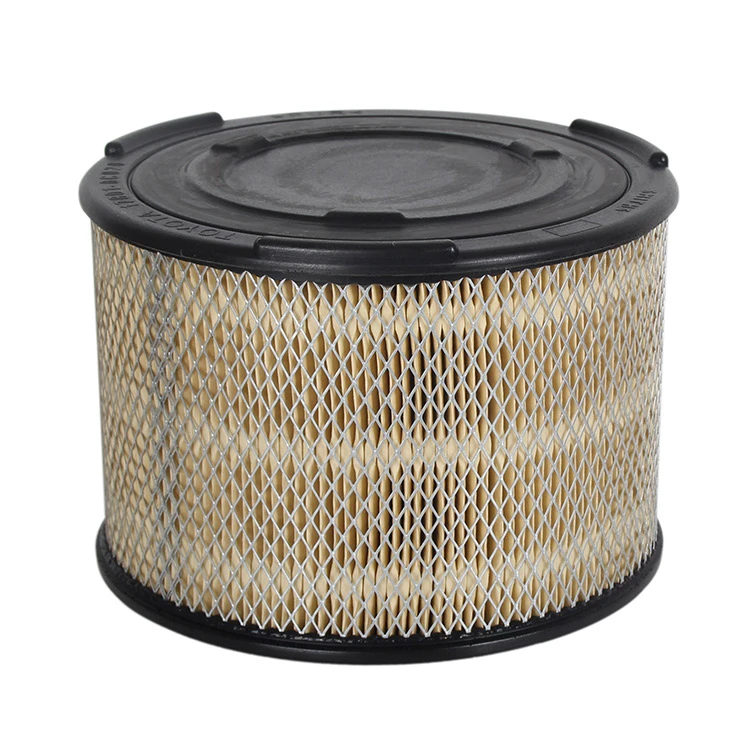
When considering how often do you need to replace engine air filter units, it is important to distinguish between disposable paper filters and reusable performance filters. While paper filters are cost-effective and offer excellent initial filtration, they must be discarded. Performance filters are often washable and can last for the lifetime of the vehicle if maintained correctly. The following table outlines the core differences to help you choose the right option for your driving habits.
Warning Signs: How to Tell if Your Filter is Clogged
You don't always have to rely on the odometer to determine how often do you need to replace engine air filter components. Your car will often tell you when it's struggling to breathe. Common symptoms include a noticeable drop in fuel economy (MPG), erratic idling, or a "Check Engine" light triggered by mass airflow sensor readings. Furthermore, if you notice black smoke from the exhaust or a significant loss of power during acceleration, your filter may be completely obstructed. A simple visual inspection—holding the filter up to a bright light—can reveal if sunlight can pass through the pleats or if it is blocked by a layer of grime.
The Risks of Ignoring Your Engine Air Filter
Ignoring the question of how often do you need to replace engine air filter elements can lead to costly repairs. When a filter is clogged, the engine's air-to-fuel ratio becomes unbalanced, often resulting in a "rich" mixture (too much fuel, too little air). This leads to carbon buildup on spark plugs and valves. In extreme cases, unfiltered air can bypass a damaged filter and enter the engine cylinders, where abrasive particles act like sandpaper on your piston rings and cylinder walls, drastically reducing the engine's lifespan.
Technical Specifications for Optimal Filtration
To maximize the interval between changes, it is essential to use filters that meet high industrial standards. High-quality filters utilize a combination of synthetic fibers and cellulose to trap microscopic particles while maintaining high permeability. When shopping for replacements, look for specifications regarding micron ratings and airflow capacity. Choosing a professional-grade filter from JY Filter ensures that your engine receives the cleanest air possible.
Conclusion: Prioritize Your Engine's Air Quality
Understanding how often do you need to replace engine air filter units is a cornerstone of responsible vehicle ownership. While 30,000 miles is a standard benchmark, your specific driving environment and the quality of the filter you use play a pivotal role. By staying vigilant, recognizing the warning signs of a clogged filter, and investing in premium filtration solutions, you can ensure your vehicle runs smoother, lasts longer, and remains fuel-efficient. Don't let a dirty filter compromise your engine—keep it breathing clean with quality replacements.
Frequently Asked Questions (FAQs)
Can I just clean my engine air filter instead of replacing it?
It depends entirely on the type of filter you have. If you are using a standard disposable paper filter, you should never attempt to clean it with compressed air or water, as this can create microscopic holes in the material, allowing harmful debris to enter your engine. However, if you have a high-performance reusable filter, these are specifically designed to be washed and re-oiled according to the manufacturer's instructions. For most drivers, replacing a paper filter is the safest and most effective way to ensure the engine remains protected from contaminants.
Will a new air filter actually increase my gas mileage?
Yes, in many cases it can. When a filter is heavily clogged, the engine has to work harder to pull in air, which can disrupt the fuel-to-air ratio. While modern fuel-injected engines use sensors to compensate for this (meaning you might not see a massive jump in MPG), a clean filter reduces the overall strain on the engine and ensures the combustion process is as efficient as possible. You will likely notice a more responsive throttle and a smoother idle immediately after replacing a dirty filter with a high-quality one from JY Filter.
What happens if I forget to change my air filter for a long time?
Long-term neglect can lead to several serious issues. First, the engine's performance will degrade, leading to sluggish acceleration and poor fuel economy. More critically, if the filter becomes completely saturated or develops a tear due to age and pressure, unfiltered air (containing dust, sand, and insects) can enter the engine. This causes premature wear on internal components, such as the cylinder walls and piston rings, potentially leading to a total engine failure. Regular maintenance is a small price to pay compared to the cost of an engine rebuild.
Is there a difference between "OEM" and "Aftermarket" filters?
OEM (Original Equipment Manufacturer) filters are made by the vehicle's manufacturer and are guaranteed to fit. Aftermarket filters, like those provided by professional filtration companies, can vary in quality. Some cheap aftermarket filters use lower-grade materials that don't filter as effectively. However, premium aftermarket options often exceed OEM specifications by using superior synthetic blends that offer better airflow and higher filtration efficiency. When choosing an aftermarket filter, always look for a reputable supplier that provides technical specifications to ensure you aren't sacrificing engine protection for a lower price.
-
Learn how often do you replace air filter in car for engine healthNewsApr.09,2026
-
How Often Do You Replace Car Air Filter For Optimal Engine PerformanceNewsApr.07,2026
-
How Often Do You Replace Engine Air Filter For Optimal Vehicle PerformanceNewsApr.04,2026
-
Understanding How Often Does Engine Air Filter Need to Be Replaced for Optimal PerformanceNewsMar.31,2026
-
How Often Engine Air Filter Change Impacts Performance and LongevityNewsMar.28,2026
-
Understanding How Often to Replace Your Car Air Filter for Optimal PerformanceNewsMar.26,2026
-
How Often Should a Car Air Filter Be Changed for Optimal PerformanceNewsMar.24,2026
Related Products