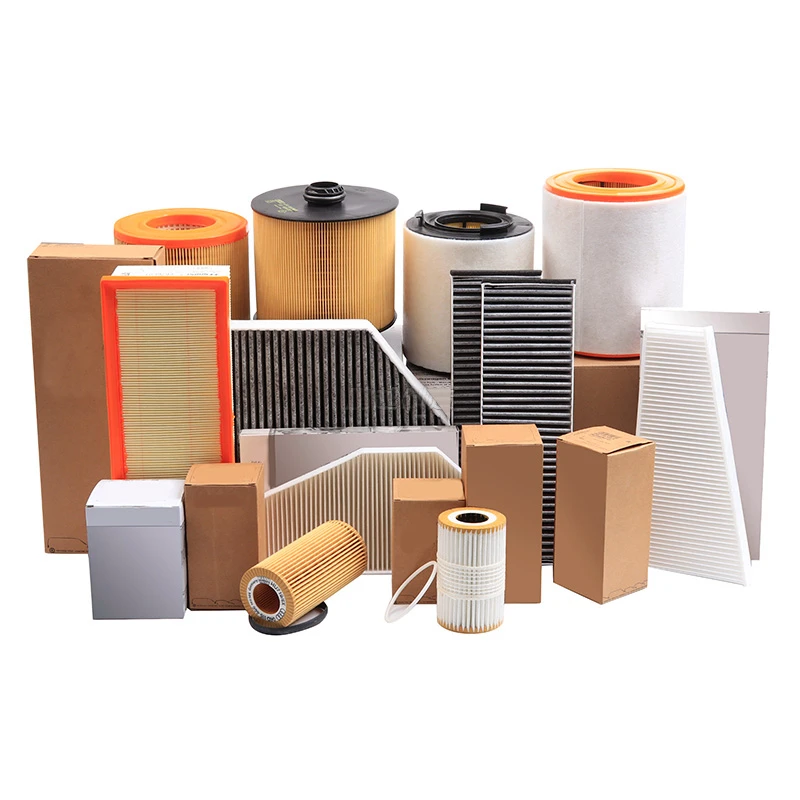
How Often Does Engine Air Filter Need to Be Replaced?
Your engine's air filter is a critical component, responsible for cleaning the air that enters your engine. A clean air filter ensures optimal engine performance, fuel efficiency, and longevity. But how often does engine air filter need to be replaced? The answer isn't always straightforward, as it depends on various factors. This article will guide you through understanding those factors and establishing a maintenance schedule to keep your engine running smoothly. Ignoring this simple maintenance task can lead to decreased performance and potentially costly repairs. Let's dive in!
Understanding the Role of Your Engine Air Filter
The primary function of an engine air filter is to prevent dust, dirt, pollen, and other debris from entering your engine. These contaminants can cause significant wear and tear on internal engine components, reducing efficiency and ultimately leading to engine failure. A clogged air filter restricts airflow, forcing the engine to work harder to draw in air. This results in reduced fuel economy, decreased horsepower, and increased emissions. Regularly checking and replacing your air filter is a small investment that can save you a lot of money and hassle in the long run.
Key Takeaway: A clean air filter is essential for protecting your engine, maintaining fuel efficiency, and reducing emissions.
Factors Influencing Air Filter Replacement Frequency
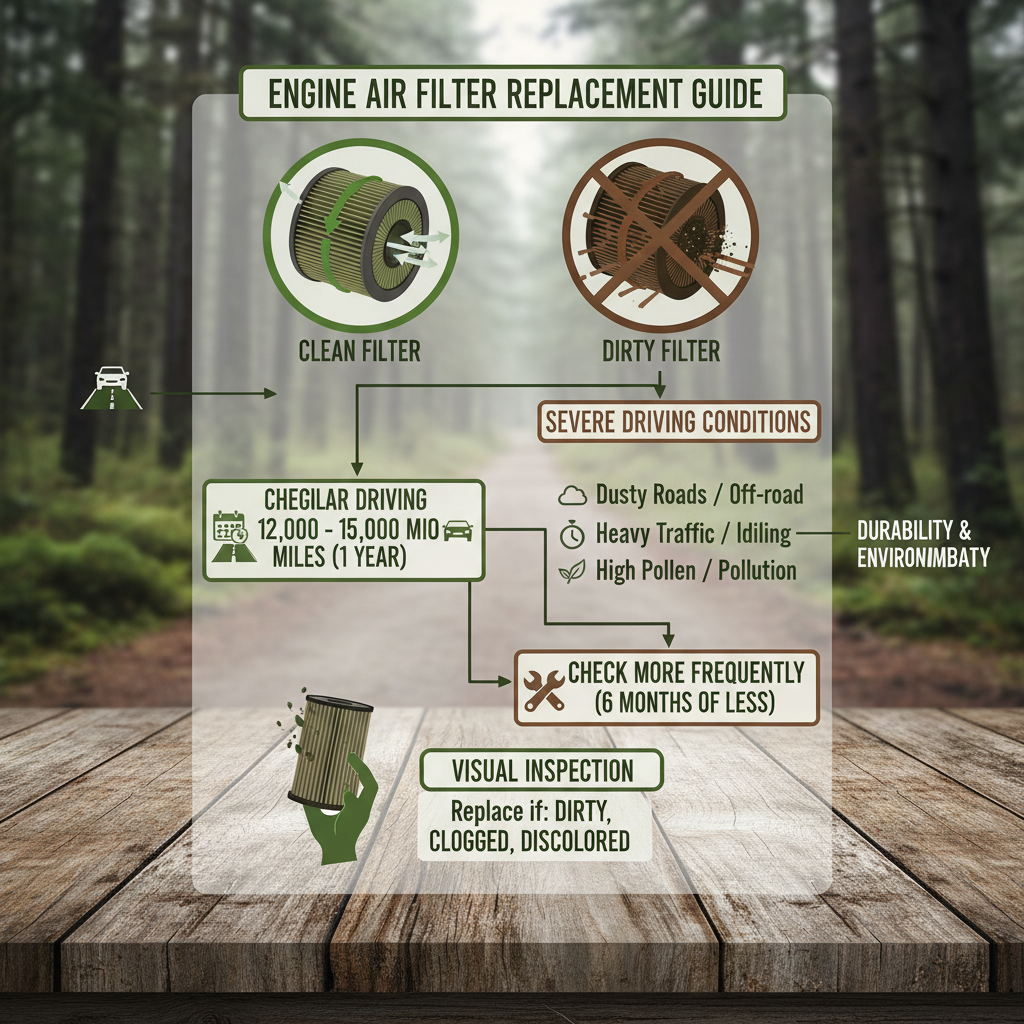
Several factors determine how often you should replace your engine air filter. These include driving conditions, vehicle type, and the type of air filter used. For example, driving in dusty or polluted environments requires more frequent filter changes. Vehicles operating in these conditions might need a new filter every 12,000 to 15,000 miles. Conversely, vehicles primarily driven on highways in clean air can often go 20,000 to 25,000 miles between replacements.
Key Influencing Factors:
• Driving conditions (dusty, polluted, highway)
• Vehicle type (car, truck, SUV)
• Air filter type (paper, cotton gauze)
How Often Does Engine Air Filter Need to Be Replaced: A General Guideline
As a general rule, most vehicle manufacturers recommend replacing the engine air filter every 12,000 to 15,000 miles or once a year, whichever comes first. However, it's always best to check your vehicle's owner's manual for specific recommendations. For those driving in severe conditions, shortening the interval to 6,000-8,000 miles is advisable. Don't rely solely on mileage; a visual inspection is crucial (see below).
How to Inspect Your Engine Air Filter
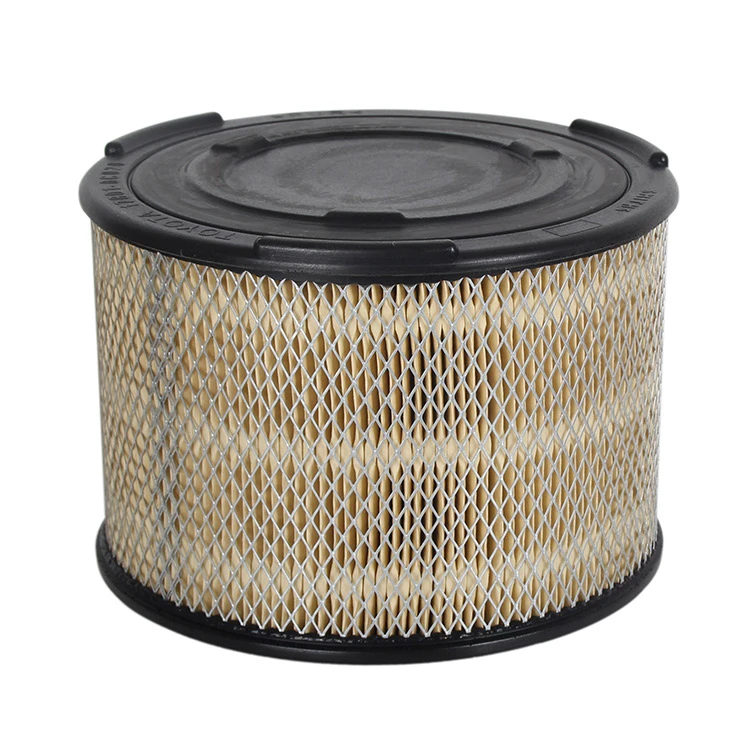
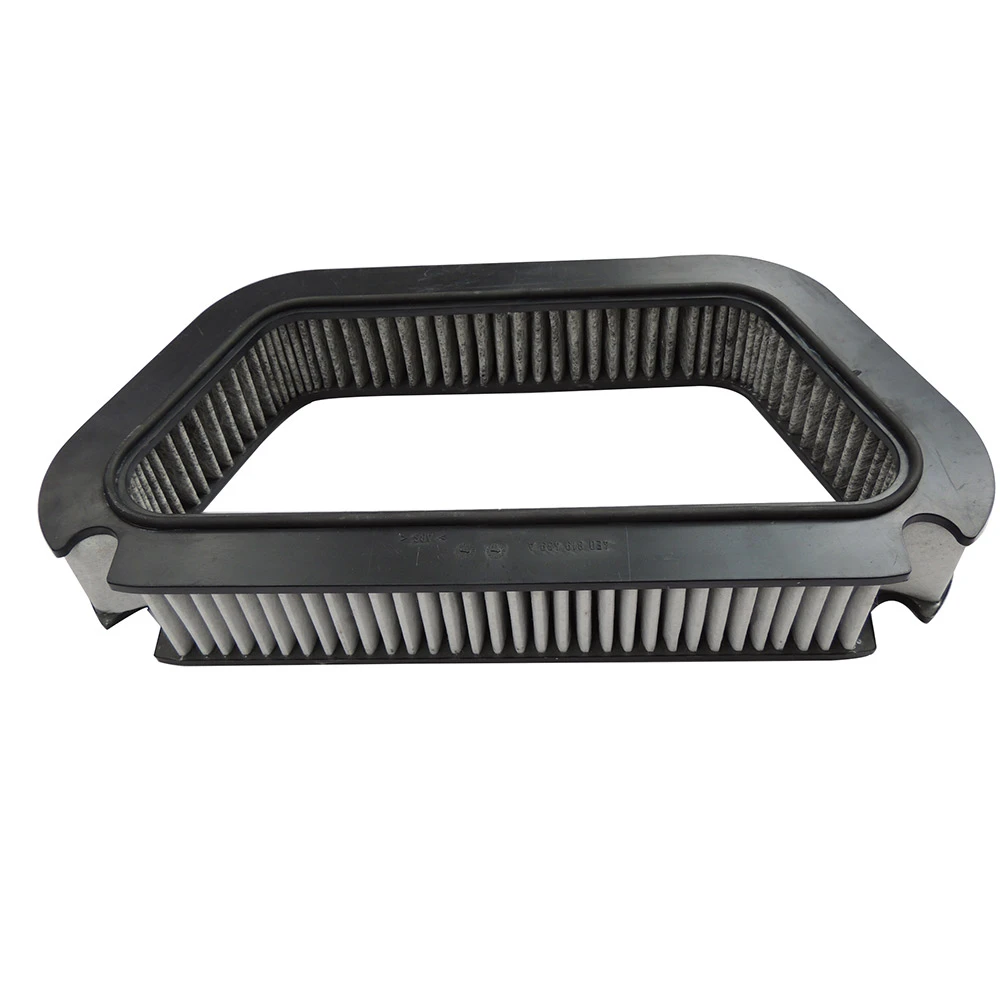
Regularly inspecting your air filter is a simple task that can save you money. Locate the air filter housing (usually a black plastic box under the hood). Open the housing and remove the filter. Hold the filter up to a light source. If you can barely see light through the filter, it's time for a replacement. Also, check for dirt, debris, or signs of damage. Even if it doesn’t appear completely clogged, a visibly dirty filter should be replaced. At JY Filter, we provide high-quality air filters for various vehicle makes and models.

Air Filter Types and Their Maintenance
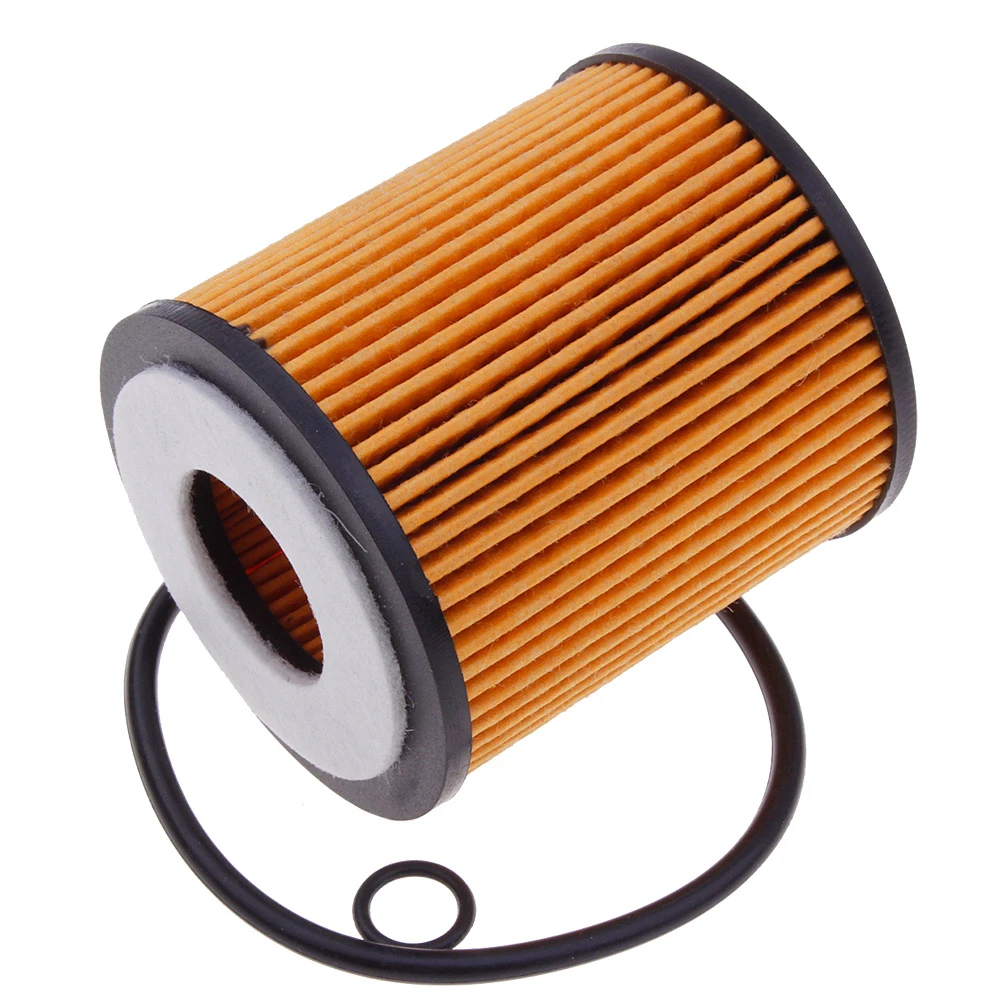
Engine air filters are commonly made from paper or cotton gauze. Paper filters are the most affordable and provide good filtration. Cotton gauze filters, like those from K&N, are reusable and offer slightly improved airflow. However, they require regular cleaning and re-oiling. While offering a potential performance boost, they require more maintenance than disposable paper filters. Consider your driving habits and preferences when choosing an air filter type.
Conclusion: Prioritizing Your Engine’s Health
Ultimately, maintaining a clean engine air filter is a simple yet crucial aspect of vehicle maintenance. By following the guidelines outlined in this article and regularly inspecting your filter, you can ensure optimal engine performance, fuel efficiency, and longevity. Don't underestimate the power of clean air for a healthy engine!
Frequently Asked Questions (FAQs)
What happens if I don't replace my engine air filter?
Neglecting to replace your engine air filter can lead to a cascade of problems. A clogged filter restricts airflow, causing the engine to work harder and reducing fuel efficiency. This can result in decreased horsepower, increased emissions, and potentially damage to sensitive engine components. Over time, it can even lead to engine failure. It’s a small investment to avoid significant repair costs.
Can I clean and reuse a paper air filter?
While you can technically try to clean a paper air filter by gently tapping it to remove loose debris, it's not recommended. Paper filters are designed to be disposable and cleaning them doesn't fully restore their filtration capacity. Cleaning can damage the filter material, making it less effective. Replacing a paper air filter is the most reliable and cost-effective solution.
Are aftermarket air filters as good as OEM filters?
The quality of aftermarket air filters can vary significantly. It’s essential to choose reputable brands like JY Filter that meet or exceed OEM specifications. Poor quality aftermarket filters may offer inadequate filtration, potentially damaging your engine. Always check for certifications and reviews before purchasing an aftermarket filter.
How often should I check my air filter?
It’s a good practice to check your engine air filter at least every other oil change, or approximately every 6,000 miles. A quick visual inspection can reveal whether the filter is dirty or clogged. If you frequently drive in dusty conditions, you should check it more often.
-
Guide on how often do you need to replace engine air filterNewsApr.16,2026
-
Learn how often do you replace air filter in car for engine healthNewsApr.09,2026
-
How Often Do You Replace Car Air Filter For Optimal Engine PerformanceNewsApr.07,2026
-
How Often Do You Replace Engine Air Filter For Optimal Vehicle PerformanceNewsApr.04,2026
-
How Often Engine Air Filter Change Impacts Performance and LongevityNewsMar.28,2026
-
Understanding How Often to Replace Your Car Air Filter for Optimal PerformanceNewsMar.26,2026
-
How Often Should a Car Air Filter Be Changed for Optimal PerformanceNewsMar.24,2026
Related Products