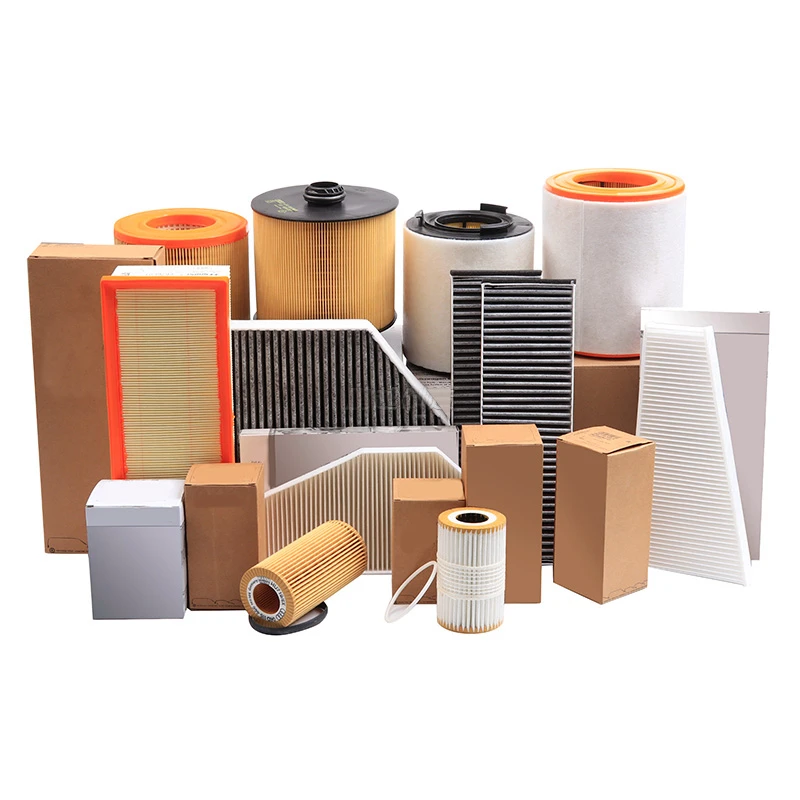
Understanding When to Replace Cabin Filter in Car: Why Timing Matters
Have you ever wondered why your car’s air inside suddenly feels stuffy, or why the blower seems less effective? It’s often your cabin filter waving a red flag. Knowing when to replace cabin filter in car isn’t just about comfort; it’s key to health, safety, and vehicle longevity. Worldwide, millions of vehicles rely on these unassuming filters to keep cabin air clean — critical as urban pollution rises and people spend more time inside cars. Understanding the timing and signs of replacement helps drivers breathe easier and avoid costly repairs.
Global Outlook: Air Quality and Vehicle Cabin Filters
From bustling megacities in Asia to congested European highways, air pollution is a persistent global challenge. According to the World Health Organization (WHO), outdoor air pollution causes about 4.2 million premature deaths annually. Inside the vehicle cabin, pollutants like pollen, dust, fine particulate matter (PM2.5), and even harmful fumes can concentrate, affecting drivers and passengers alike.
Vehicles’ cabin air filters act as frontline protectors, filtering airborne particles before they reach our lungs. But here lies the challenge: how do you know when to replace them? Many car owners overlook this until symptoms like foul odor, decreased airflow, or foggy windows surface — by then, it might be too late for optimal air quality.
Global standards related to vehicle emissions and in-cabin air quality (such as those from ISO) increasingly emphasize timely maintenance of cabin filters as part of environmental health. As cities get denser and pollution worse, knowing the answer to when to replace cabin filter in car is ever more urgent.
What Does “When to Replace Cabin Filter in Car” Actually Mean?
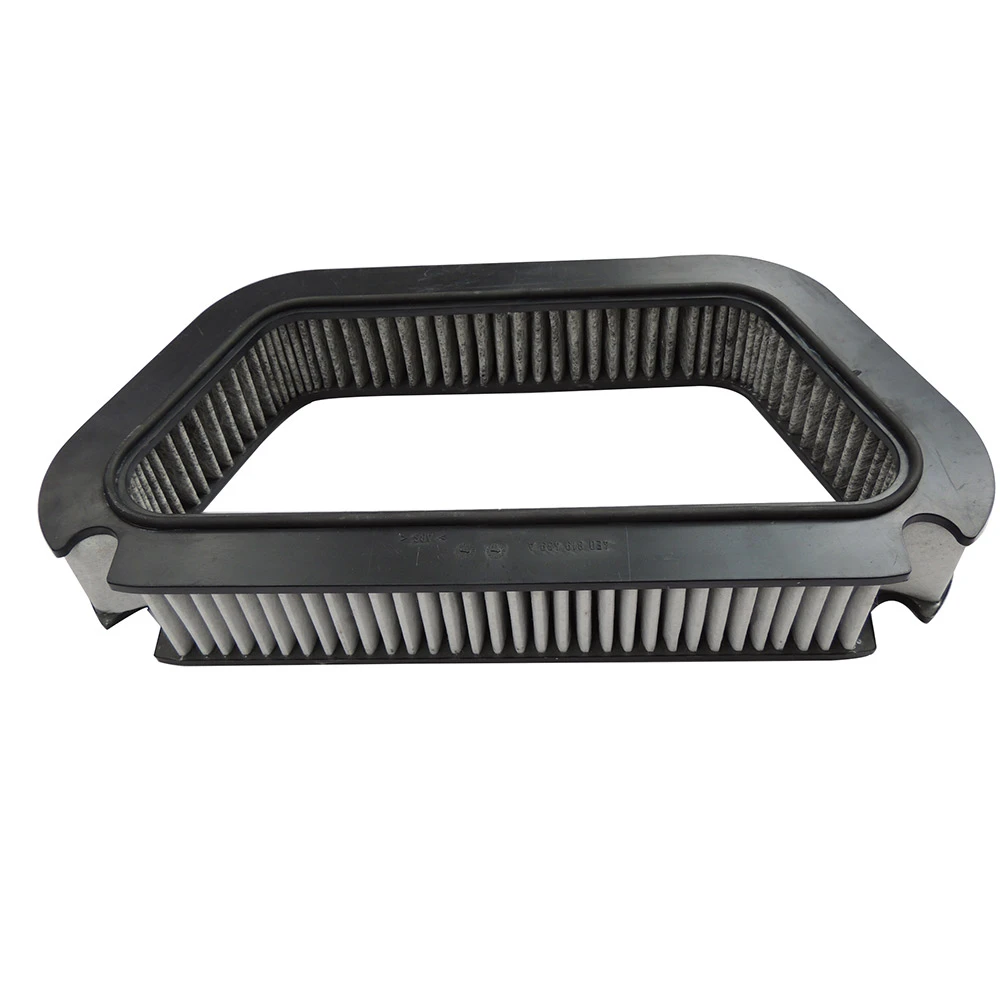
Simply put, it’s the recommended timeframe or condition-based indicator for switching out your vehicle’s cabin air filter. This filter traps dirt, pollen, dust, and other microscopic particles that sneak inside your car’s ventilation system. Over time, it gets clogged and less effective, leading to degraded air quality or HVAC system stress.
In modern automotive design, cabin filters have evolved with multi-layered materials designed to capture finer particles and even neutralize odors. Their replacement is no longer a mere suggestion but a crucial piece of car maintenance aligned with health-conscious driving. It ties into industry goals of reducing emissions exposure and promoting safe mobility — something organizations like the United Nations advocate for in sustainable cities.1
Key Factors Determining When to Replace Your Cabin Filter
1. Mileage and Time
Most manufacturers recommend changing your cabin filter every 12,000 to 15,000 miles, or roughly once a year. But this is a baseline. In dusty or high-pollution environments, it might need attention much sooner.
2. Driving Conditions
Urban stop-and-go with pollution, rural dirt roads, and seasonal allergy periods accelerate cabin filter clogging. For instance, pollen counts in spring can fill filters with spores fast.
3. Symptoms from HVAC System
- Weaker airflow
- Unpleasant or musty odors
- Excessive dust accumulation inside the car
All these hint that it’s time for a replacement.
4. Filter Type and Quality
Basic paper filters clog faster than premium activated carbon or HEPA-grade filters, which can last longer and provide better filtration. So the quality affects replacement intervals.
5. Environmental Factors
If you park regularly near construction sites, forests (smoke/pollen), or in heavy traffic zones, expect filters to clog more rapidly.
6. Vehicle Usage Patterns
Frequent short trips may let particles accumulate more stubbornly inside filters, while longer trips often flush the system.
How Cabin Filter Maintenance Plays Out Worldwide
In places like Delhi or Beijing, where air pollution routinely hits hazardous levels, timely cabin filter replacement isn’t luxury — it’s necessity. Ride-share fleets, delivery services, and urban commuters benefit greatly from robust filter maintenance, sometimes integrating sensors to monitor filter status digitally.
Meanwhile, European automakers often bundle premium filters with maintenance packages to meet strict air quality and VOC (volatile organic compounds) standards inside the cabin. In North America, service shops increasingly educate drivers on cabin air quality alongside oil changes and brake checks.
Even NGOs operating in areas affected by natural disasters—say, wildfire-prone zones in California or Australia—stress vehicle air filtration for relief teams who must drive through smoky, dirty air. Cleaner filtered cabin air can significantly improve health outcomes for such frontline responders.
Practical Specifications of a Typical Cabin Filter
| Specification | Details |
|---|---|
| Material | Multi-layer synthetic fiber with activated carbon |
| Dimensions | Varies by vehicle model (typically ~8"x8"x1") |
| Filtration Efficiency | Up to 95% for PM2.5 and pollen particles |
| Lifespan | 12,000-15,000 miles (subject to conditions) |
| Compatibility | Most modern passenger vehicles |
| Replacement Frequency Indicator | Manual or sensor-based in newer models |
Comparing Leading Cabin Filter Providers
| Vendor | Filter Type | Special Feature | Price (Approx.) |
|---|---|---|---|
| JyFilter | Activated Carbon + HEPA | Odor Neutralization, High Dust Trapping | $30–$50 |
| Bosch | Standard Paper | Reliable Basic Filtration | $20–$35 |
| Mann-Filter | Premium Multi-Layer | Anti-Allergen, Extended Life | $40–$60 |
| FRAM | Activated Carbon | Smoke and Odor Filtration | $25–$45 |
Benefits of Timely Cabin Filter Replacement
Aside from obvious improved air quality, replacing the cabin filter regularly:
- Protects Health: Reduces allergy triggers, pollutants, and airborne pathogens.
- Enhances HVAC Efficiency: Reduces strain on blower motors, saving energy and prolonging component life.
- Increases Comfort: Keeps interior air fresh and odor-free.
- Supports Sustainability: Optimizes fuel efficiency by reducing HVAC load, and helps you avoid unnecessary repairs.
For many, the peace of mind knowing the cabin air is clean translates to better focus and less fatigue during driving — which often gets overlooked but is quite vital.
The Horizon: Innovations in Cabin Air Filtration
Tech developments aren't standing still. New filters incorporate nanofibers, antimicrobial coatings, and even smart sensors that alert drivers when replacement is due. Plus, as electric vehicles gain ground, cabin air quality remains paramount since drivers spend more continuous time in vehicles.
Automakers and filter manufacturers are collaborating on greener materials, replacing synthetic fibers with biodegradable or recycled materials to reduce environmental footprint. Automation in service stations offers quicker cabin filter checks and replacements — all part of a digital transformation in automotive care.
Common Challenges & How to Address Them
Many drivers neglect cabin filter replacement simply due to forgetfulness or lack of awareness. Others struggle because installation instructions vary widely between vehicle models. Then there’s the question of quality—low-quality filters may insufficiently trap tiny particles.
Experts advise setting calendar reminders, checking mileage regularly, or relying on embedded air quality sensors where available. Workshops can bundle cabin filter replacement into routine services to normalize the practice. Selecting proven suppliers ensures reliability and prevents headaches.
FAQs: Quick Answers About When to Replace Cabin Filter in Car
- How often should I replace my cabin air filter if I mostly drive in the city?
- Urban driving exposes your filter to more pollution, so changing it every 12,000 miles or once a year is advisable, but check it more frequently during heavy pollution seasons.
- Can I replace the cabin filter myself, or do I need a mechanic?
- Many cabin filters are designed for easy access behind the glovebox or under the dashboard, making DIY replacement feasible. However, consult your vehicle manual or a professional if unsure.
- What are signs that my cabin filter needs replacement?
- Look for reduced airflow, musty or foul odors from vents, and accumulation of dust indoors. These symptoms usually indicate a clogged filter.
- Are all cabin filters the same size and shape?
- No, filters are vehicle-specific in size and shape. Always purchase the correct filter recommended for your make and model.
- Will a premium cabin filter significantly improve air quality?
- Premium filters, like those with activated carbon or HEPA layers, can trap finer particles and neutralize odors better than standard paper filters, enhancing cabin air quality.
Wrap Up: Don’t Wait to Breathe Better
In the end, knowing when to replace cabin filter in car is a simple step that pays off in cleaner air, better health for you and your passengers, and a happier car. Neglecting it can lead not only to discomfort but potential health risks—especially in polluted environments.
So take a moment soon, maybe the next time you schedule your oil change, and consider swapping out that filter. It’s a small gesture with big benefits. Curious to learn more or find a quality replacement? Check out https://www.jyfilter.com for reliable cabin filters tailored to your car’s needs.
1. World Health Organization, Air pollution, https://www.who.int/health-topics/air-pollution
2. ISO 16183:2013 - Indoor air quality standard for vehicles, https://www.iso.org/standard/56770.html
3. EPA Air Quality and Vehicle Emissions, https://www.epa.gov/air-emissions-inventories
-
Guide on how often do you need to replace engine air filterNewsApr.16,2026
-
Learn how often do you replace air filter in car for engine healthNewsApr.09,2026
-
How Often Do You Replace Car Air Filter For Optimal Engine PerformanceNewsApr.07,2026
-
How Often Do You Replace Engine Air Filter For Optimal Vehicle PerformanceNewsApr.04,2026
-
Understanding How Often Does Engine Air Filter Need to Be Replaced for Optimal PerformanceNewsMar.31,2026
-
How Often Engine Air Filter Change Impacts Performance and LongevityNewsMar.28,2026
-
Understanding How Often to Replace Your Car Air Filter for Optimal PerformanceNewsMar.26,2026
Related Products