When to Replace Cabin Air Filter in Car: Why Timing Matters More Than You Think
Today’s cars are marvels of engineering, but one tiny, often overlooked component plays a surprisingly big role in our comfort, health, and even vehicle longevity — the cabin air filter. Knowing when to replace your cabin air filter in car isn’t just about keeping the interior smelling fresh. It directly impacts air quality, HVAC system efficiency, and your overall driving experience.
Across the globe, millions of vehicles depend on this modest filter to trap dust, pollen, and pollutants, especially in urban areas choking under rising air pollution levels. With urban populations projected to exceed 68% by 2050 (according to UN estimates), this small maintenance task has a global significance that's easy to overlook.
The Global Picture: Why Timing Your Cabin Filter Change Matters
Globally, air quality hits new lows in many cities. The World Health Organization reports that outdoor air pollution contributes significantly to respiratory diseases worldwide. Your car’s cabin air filter is the frontline defender in keeping this nastiness out of your breathing space.
Yet, so many drivers miss the mark on when to replace cabin air filter in car. Clogged or overdue filters reduce airflow and force HVAC systems to work harder, hiking fuel consumption and repair bills. The automotive industry stats confirm an uptick in filter-related HVAC failures by nearly 15% over the last five years — which frankly sounds like the result of neglect more than anything else.
Mini takeaway: Replacing your cabin air filter on time isn’t just about cleaner air; it’s about preserving your car’s efficiency and your own health in a world that’s air-challenged.
What Exactly Is a Cabin Air Filter and Why Does Its Replacement Matter?
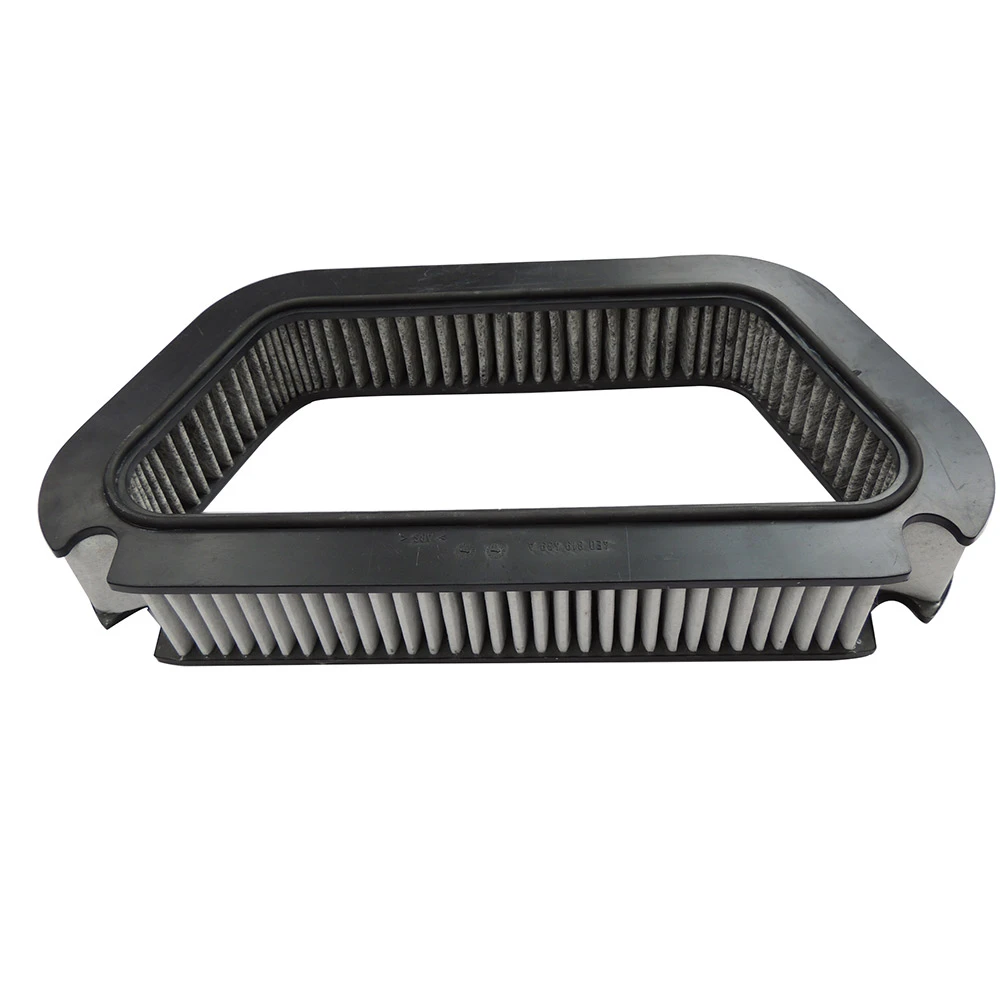
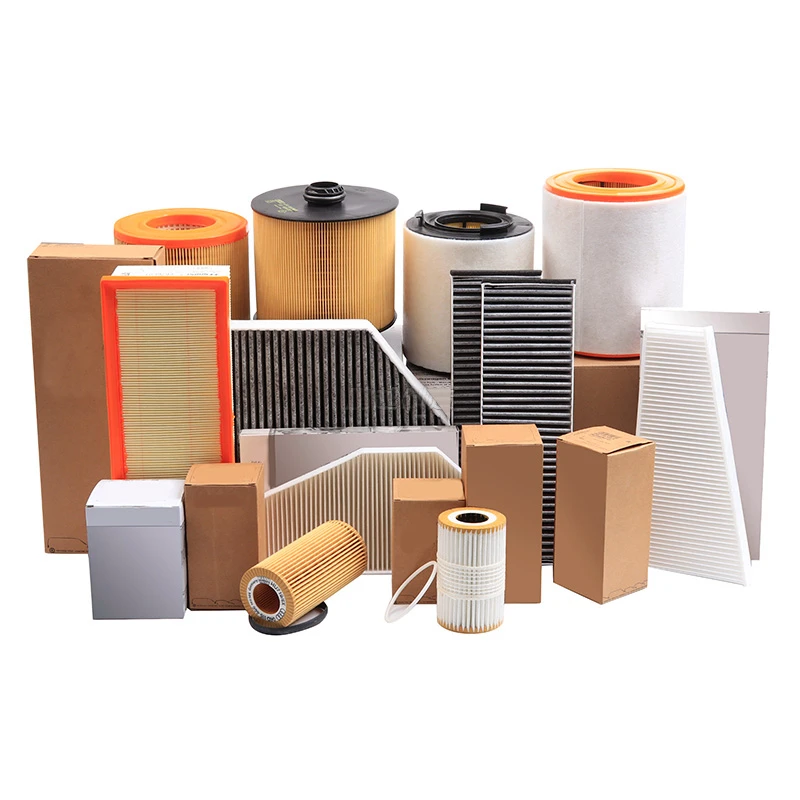
In the simplest terms, a cabin air filter is a small component that filters the air entering your vehicle’s interior through your heating, ventilation, and air conditioning (HVAC) system. It traps dust, pollen, smog, and even microscopic pollutants so you’re not breathing all that out on the road.
While this might feel like an obvious convenience, in modern automotive design it links heavily to emissions standards, occupant safety, and even humanitarian aspects such as reducing exposure during wildfire seasons or urban smog events.
Key Factors Dictating When to Replace Your Cabin Air Filter
1. Mileage and Time Interval
Most manufacturers recommend changing the cabin air filter every 12,000 to 15,000 miles, or about once a year. However, this can vary based on usage, location, and air conditions.
2. Driving Environment
If you often drive in dusty, polluted, or heavily trafficked urban areas, your filter clogs faster. Similarly, rural driving in dusty dirt roads isn’t a free pass; it demands more frequent replacements.
3. Symptoms of a Clogged Filter
- Reduced airflow from vents
- Unpleasant or stale odors inside the cabin
- Increased humidity or window fogging
- Strain or noise from HVAC fans
4. Health Considerations
If you or your passengers suffer allergies, asthma, or respiratory sensitivities, sticking to or exceeding replacement recommendations is crucial.
5. Vehicle Usage Patterns
Road trip warriors, daily commuters, and those using their car in wildfire-prone regions should monitor filters more vigilantly.
Mini takeaway: While “time and mileage” is the common rule of thumb, staying tuned to your environment and symptoms can save money and bother down the road.
Product Specification Table — Typical Cabin Air Filter Features
| Specification | Details |
|---|---|
| Filter Media | Electrostatic non-woven fabric or activated carbon layer |
| Filtration Efficiency | Captures 90-95% of allergens, dust, pollen |
| Dimensions | Varies by vehicle model (typ. 8 x 7 x 1 inch) |
| Recommended Replacement | Every 12,000 – 15,000 miles or annually |
| Compatible Vehicles | Cars, SUVs, light trucks |
Who Benefits Most? Real-World Uses of Proper Air Filter Maintenance
In congested cities like Beijing, Delhi, and Los Angeles, timely cabin air filter replacement has become a part of every car owner’s maintenance checklist — sometimes even more important than oil changes. Fleet vehicles, taxis, and ride-shares benefit hugely, as they carry multiple passengers daily.
It’s a surprising but critical component for emergency response vehicles too. During wildfire evacuations or urban smog alerts, these filters ensure that first responders do not breathe in toxic smoke. It’s also critical in mining or construction vehicles that constantly operate in dusty environments.
Mini takeaway: Whether you’re a city commuter or off-road specialist, the cabin air filter’s health directly influences air quality inside your vehicle.
Vendor Comparison: Popular Cabin Air Filters in 2024
| Brand | Filter Type | Filtration Efficiency | Price Range (USD) | Warranty |
|---|---|---|---|---|
| Brand A | Electrostatic + Carbon | 95% | $20 - $30 | 1 Year |
| Brand B | High Efficiency Particulate Air (HEPA) | 99.97% | $35 - $45 | 2 Years |
| Brand C | Standard Fiberglass | 85% | $10 - $15 | 6 Months |
Long-Term Advantages of Timely Cabin Air Filter Replacement
The benefits extend well beyond just feeling fresh air while you drive. Regular replacement:
- Improves HVAC system efficiency: Your blower motor works less strenuously, saving fuel and extending component life.
- Protects occupant health: reduces exposure to allergens and pollution, crucial for sensitive individuals.
- Reduces unpleasant inside odors: trapping mold spores, dust, and external pollutants.
- Enhances resale value: buyers notice a well-maintained interior system.
Plus, there’s a peace-of-mind factor that’s sometimes overlooked — knowing you and your family breathe cleaner air while on the road feels like a small personal victory in an ever-polluted world.
Emerging Trends & Innovations in Cabin Air Filtration
There’s a wave of innovation sweeping through the tiny cabin air filter market. Some trends to watch:
- Nanofiber and Electrostatic Filters: Offering improved particle capture with less airflow resistance.
- Smart Filters: Integrated sensors that alert drivers when filters need replacement.
- Eco-friendly, Recyclable Materials: Responding to growing sustainability demands from carmakers and consumers.
- Implementation of HEPA Standards: Making ultra-fine particle filtration more standard in premium vehicles.
It’s a subtle yet fascinating blend of old-school mechanics and digital transformation. You might soon find your cloud-connected car telling you it’s time to replace cabin air filter in car — no guesswork needed.
Overcoming Challenges in Cabin Filter Maintenance
Despite these advances, a few issues hold many back:
- Lack of Awareness: Many drivers simply don’t know when or why to replace filters.
- Varied Recommendations: Different manufacturers and model specifics mean confusion.
- Access Difficulty: Some vehicles bury the filter in awkward spots, making DIY replacements daunting.
Expert advice? Check your owner manual, set a calendar reminder, and if you’re not comfortable, a quick visit to your mechanic should keep you safe. It’s that simple.
FAQ: Your Top Questions About When to Replace Cabin Air Filter in Car
- How often should I generally replace my cabin air filter?
- Most experts suggest every 12,000 to 15,000 miles or about once a year. However, if you drive in dusty or polluted areas, more frequent changes are wise.
- What are signs a cabin air filter needs changing?
- Look for reduced airflow, bad odors inside the car, itchy eyes, or stuffy feeling air. If your defrosting lags, it might be due to clogging.
- Can I clean and reuse a cabin air filter?
- Most cabin air filters are disposable. While vacuuming might remove some dust, thorough cleaning isn’t effective and can damage the filter’s integrity.
- Does replacing the cabin air filter affect fuel efficiency?
- Indirectly, yes. A clogged filter forces the HVAC system to work harder, potentially consuming more energy and fuel.
- Are all cabin air filters the same size?
- No, they vary by make and model. Always check your car manual or buy the correct replacement part to ensure a proper fit.
Final Thoughts: A Small Maintenance Step with Big Payoffs
In my years covering automotive maintenance, I’ve noticed something — the cabin air filter is basically the unsung hero of healthy driving. It’s a minor chore that protects your investment and safeguards your health. Regularly checking and replacing it according to expert advice ensures that you’re breathing cleaner air and driving more efficiently.
So next time you’re planning your routine car care, remember it's often the little things — like knowing when to replace cabin air filter in car — that make the biggest difference.
Drive safe, breathe well!
References:
-
Guide on how often do you need to replace engine air filterNewsApr.16,2026
-
Learn how often do you replace air filter in car for engine healthNewsApr.09,2026
-
How Often Do You Replace Car Air Filter For Optimal Engine PerformanceNewsApr.07,2026
-
How Often Do You Replace Engine Air Filter For Optimal Vehicle PerformanceNewsApr.04,2026
-
Understanding How Often Does Engine Air Filter Need to Be Replaced for Optimal PerformanceNewsMar.31,2026
-
How Often Engine Air Filter Change Impacts Performance and LongevityNewsMar.28,2026
-
Understanding How Often to Replace Your Car Air Filter for Optimal PerformanceNewsMar.26,2026
Related Products