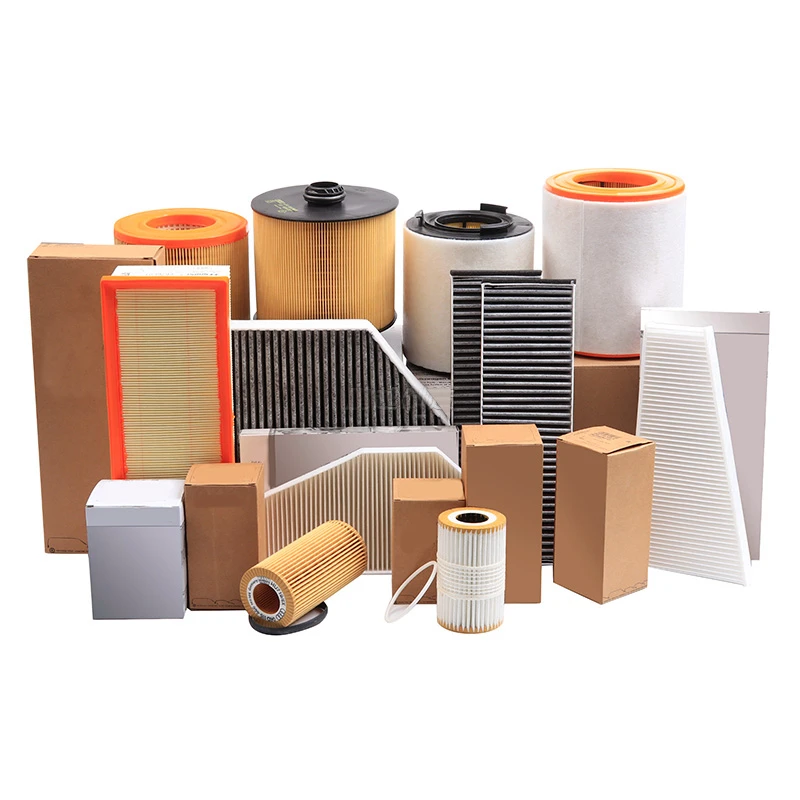
When Should You Replace Air Filter in Car? A Practical Guide with Global Insights
Knowing when to replace the air filter in your car is one of those automotive maintenance tips that tends to either be forgotten or overlooked, yet it’s surprisingly important. Globally, cars represent a massive slice of daily transportation, affecting everything from urban air quality to fuel efficiency. The air filter, although small and humble, acts as the car's lungs, protecting vital engine components and enhancing performance. Understanding the best timing for air filter replacement doesn’t just extend your vehicle’s life—it’s better for the environment and your wallet too.
In this article, we'll break down what this means in simple terms, why it matters worldwide, and where the industry is headed in terms of smarter maintenance and sustainability.
The Global Context: Why Replacing Air Filters Matters More Than You Think
It might sound odd, but the humble car air filter plays a surprisingly significant role in global fuel consumption and emissions. According to the International Energy Agency (IEA), road transport accounts for nearly 24% of global CO2 emissions from fuel combustion. And one of the simplest ways to keep those numbers down? Maintain your vehicle properly—starting with your engine’s air intake system.
Dirty air filters restrict airflow, causing an engine to work harder, consume more fuel, and emit more pollutants. A study by the U.S. Department of Energy suggests that neglecting air filter replacement can reduce fuel efficiency by up to 10%. That’s both a cost and an environmental problem.
In rapidly urbanizing regions—think megacities in Asia or Africa—where vehicle use is skyrocketing, the cumulative impact becomes even clearer. For individuals and fleets alike, timely air filter replacement is an easy, low-cost intervention with outsized benefits.
Mini Takeaway:
- Replacing air filters regularly improves fuel efficiency and reduces emissions.
- Proper maintenance contributes to better urban air quality globally.
- Eases vehicle engine strain, helping economic and environmental goals align.
What Does “Replacing the Air Filter in Your Car” Really Mean?
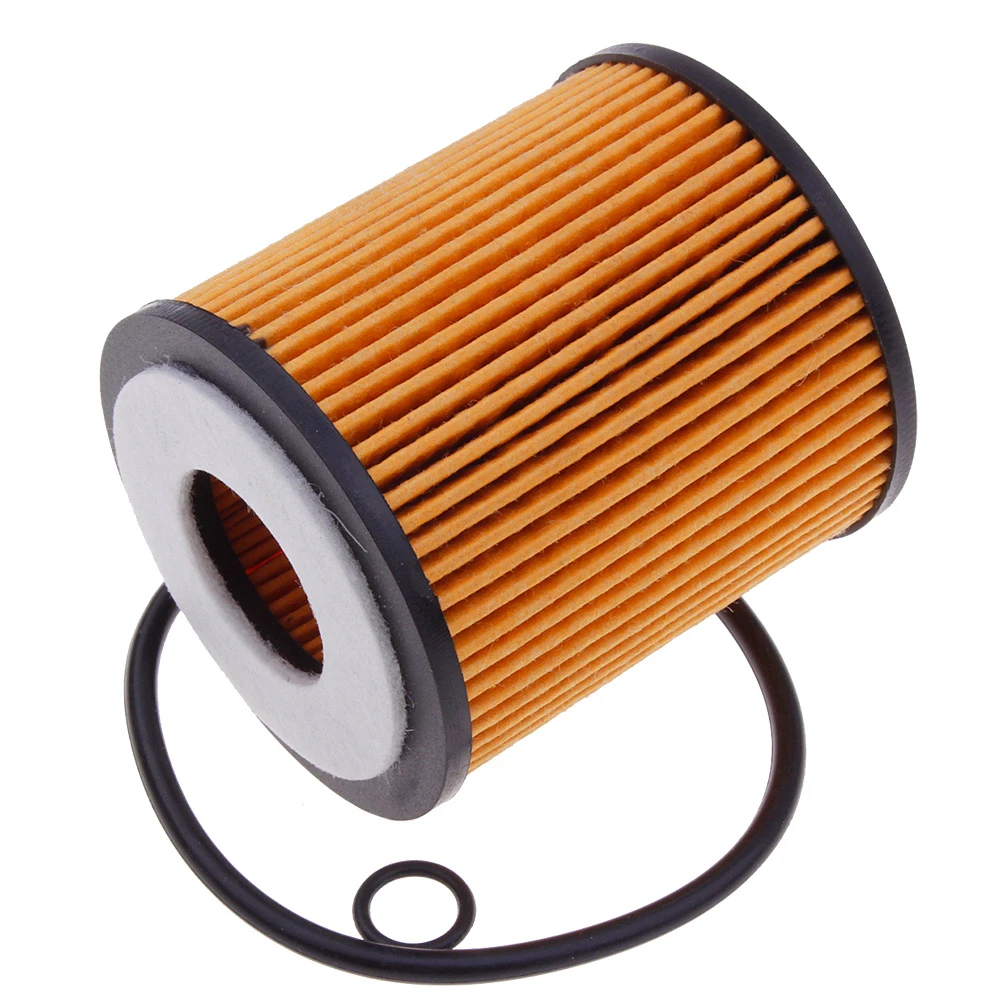
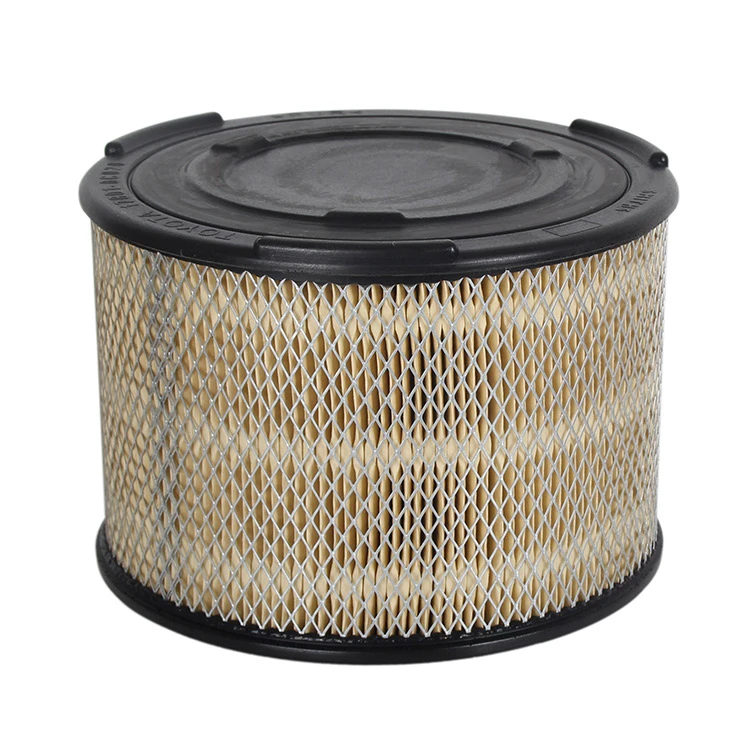
At its core, replacing your air filter simply means swapping out the part responsible for catching dust, pollen, dirt, and other airborne debris before it enters your engine’s combustion chamber. This filter is typically made of pleated paper, cotton, or foam and fits snugly inside the air filter housing. While it sounds straightforward, the importance is often underestimated.
The connection to the broader automotive industry and sustainability is interesting—manufacturers and aftermarket suppliers are increasingly developing higher-quality and reusable filters (like oiled cotton variants) to reduce waste and boost performance.
For humanitarian and industrial applications—for example, emergency vehicle fleets or off-road machinery in dusty environments—setting the right replacement schedule can mean fewer breakdowns and safer operations.
Key Factors Influencing When to Replace Your Car’s Air Filter
1. Driving Conditions
If you spend a lot of time driving on dusty dirt roads, or in heavy city traffic with lots of pollution, your air filter will clog much faster than with mostly highway driving. Harsh environments put more strain on the system.
2. Vehicle Manufacturer Recommendations
Most car makers provide a maintenance schedule in the owner’s manual—usually every 12,000 to 15,000 miles. But it’s not a hard rule; your specific driving habits might call for adjustments.
3. Filter Material and Quality
Paper filters are typical but tend to clog faster, while washable cotton or synthetic filters can last longer and be cleaned, if handled correctly.
4. Engine Performance Alerts
Some modern cars have sensors or dashboard warnings that indirectly point to air intake issues—if you notice rough idling or decreased power, it might be filter-related.
5. Fuel Efficiency Monitoring
Sudden drops in miles per gallon can be a sign the engine isn’t breathing freely, signaling it’s time for a filter change.
6. Visual Inspection
Checking your filter directly is a quick way to decide—if it looks dark and clogged, it’s time.
Mini Takeaway:
- Tailor replacements to your driving environment and style.
- Don’t ignore visual cues or performance drops.
- Manufacturer’s guidelines are a baseline, not gospel.
Typical Air Filter Product Specifications Compared
| Specification | Standard Paper Filter | Oiled Cotton Filter | Foam Filter |
|---|---|---|---|
| Lifespan (miles) | 12,000 - 15,000 | 30,000 - 50,000 (with cleaning) | 20,000 - 25,000 |
| Maintenance Required | Replacement only | Wash and re-oil | Replacement or cleaning |
| Cost (approx.) | $10 - $20 | $40 - $60 | $15 - $30 |
| Eco-friendliness | Disposable | Reusable | Disposable/Reusable |
How Different Vendors Stack Up on Air Filter Options
| Vendor | Filter Types | Price Range | Warranty | Availability |
|---|---|---|---|---|
| ACME Filters | Paper, Cotton | $10 - $50 | 1 year | Worldwide |
| GreenAir Filters | Oiled Cotton, Foam | $30 - $70 | 2 years | North America, Europe |
| DriveSafe Filters | Paper Only | $8 - $20 | 6 months | Asia, Africa |
Air Filter Replacements: Real-World Applications Across the Globe
In industrial fleets operating in harsh environments like the Australian outback or the deserts of the Middle East, timely air filter replacement isn't just about maintenance—it's about mission success. Without clean filters, engines stall; vehicles lose power at critical moments.
Similarly, emergency response vehicles in urban megacities like Mumbai or São Paulo benefit greatly from regular filter checks given the heavy pollution and stop-go traffic. NGOs operating in remote areas find reusable filters invaluable to reduce waste and maintain operations with limited access to replacement parts.
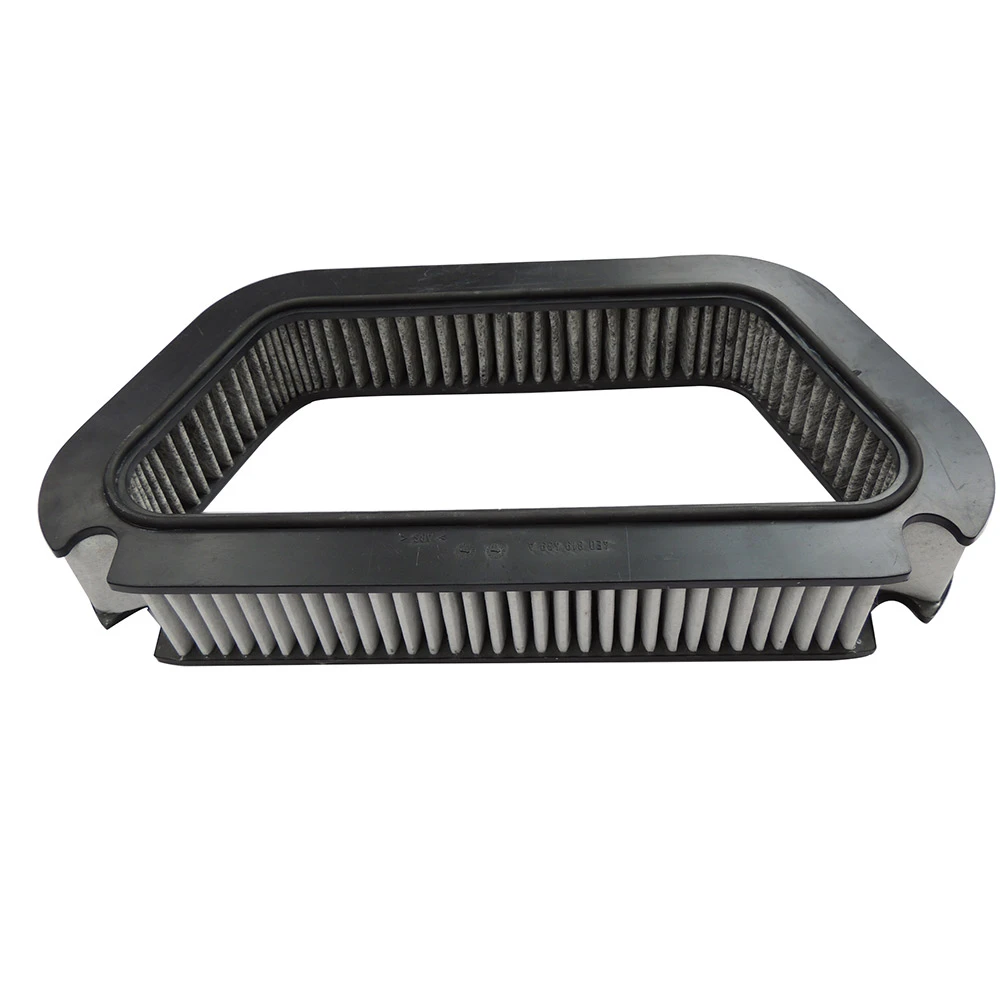
Even beyond traditional automotive use, the growing use of electric vehicles with HVAC filters echoes this principle: clean air matters—for both people and machines.
Mini Takeaway:
- Vehicle type and operating environment influence filter replacement needs globally.
- Reusable filters support sustainability efforts in remote or resource-limited areas.
- Proper maintenance enhances safety, efficiency, and longevity in diverse use cases.
Benefits of Timely Air Filter Replacement: More Than Just Cleaner Air
- Cost Savings: Maintaining good airflow means better fuel economy and fewer costly repairs.
- Environmental Impact: Lower emissions lead to cleaner cities and reduced greenhouse effect.
- Engine Longevity: Clean air helps avoid abrasive dirt and debris damage.
- Driver Safety & Comfort: Improved engine performance means a smoother, more responsive drive.
- Emotional Satisfaction: There’s something reassuring about knowing you’re doing right by your car and the planet.
Emerging Trends and Innovations in Air Filter Maintenance
It’s fascinating how digital transformation is seeping into something as mechanical as your car’s air filter. Sensors capable of measuring filter clog levels and sending alerts directly to your phone or onboard computer are becoming more common. This smart maintenance can optimize replacement timing well beyond mileage alone.
Add to that new eco-friendly filter materials derived from bio-based fibers, and you get a mix of tech and sustainability working hand in hand. Automation in commercial fleets ensures filters are maintained on schedule with minimal human oversight. The future feels smart, green, and… surprisingly personal.
Current Challenges and Smart Solutions
One hurdle is user neglect—many car owners simply don’t check their air filters until obvious symptoms appear. Additionally, cheap, low-quality aftermarket filters flood the market, potentially harming engines rather than helping.
Experts recommend combining regular visual inspections with smart sensor upgrades. Education campaigns from automobile associations and clear info from manufacturers help too. At jyfilter.com, you can find tailored advice on selecting filters suited exactly for your driving conditions and vehicle.
Frequently Asked Questions About When to Replace Air Filter in Car
- How often should I replace my car's air filter in heavy city traffic?
- In stop-and-go, polluted urban areas, it’s wise to replace your air filter every 10,000 miles or even sooner if you notice rough idling or reduced fuel efficiency. High particulate matter in city air clogs filters faster.
- Can I clean and reuse a paper air filter?
- Generally, paper filters are disposable and shouldn't be cleaned or reused as that damages their filtration ability. Opt for washable oiled cotton filters if you prefer reusable options.
- Does a clogged air filter affect my car's horsepower?
- Yes, a dirty air filter restricts airflow, which reduces engine power and responsiveness. You might feel sluggish acceleration or hesitations during gear changes.
- Is a digital sensor for filter replacement worth installing?
- For frequent drivers or fleet operators, yes. These sensors help monitor filter status accurately, preventing premature replacements or engine damage due to neglect.
- Where can I find the best quality replacement filters?
- Reputable vendors offer genuine OEM filters or high-quality aftermarket options. Sites like jyfilter.com provide extensive selections matched to your specific vehicle model.
Wrapping It Up: Why You Should Care About Replacing Your Car's Air Filter
In real terms, timely air filter replacement is one of those vehicle care habits that pay back in enhanced efficiency, fewer emissions, and longer engine life. It blends practical cost savings with environmental responsibility. Plus, with evolving tech and eco-friendly materials, it isn’t just maintenance — it’s part of a smarter driving future.
Before you forget, check your car’s air filter soon, especially if your driving style or environment leans toward dusty or polluted conditions. You might just be surprised how much smoother and cleaner your drive feels afterward.
For tailored advice, products, and detailed guides on when should you replace air filter in car, you’re invited to visit our website anytime.
References
-
Guide on how often do you need to replace engine air filterNewsApr.16,2026
-
Learn how often do you replace air filter in car for engine healthNewsApr.09,2026
-
How Often Do You Replace Car Air Filter For Optimal Engine PerformanceNewsApr.07,2026
-
How Often Do You Replace Engine Air Filter For Optimal Vehicle PerformanceNewsApr.04,2026
-
Understanding How Often Does Engine Air Filter Need to Be Replaced for Optimal PerformanceNewsMar.31,2026
-
How Often Engine Air Filter Change Impacts Performance and LongevityNewsMar.28,2026
-
Understanding How Often to Replace Your Car Air Filter for Optimal PerformanceNewsMar.26,2026
Related Products