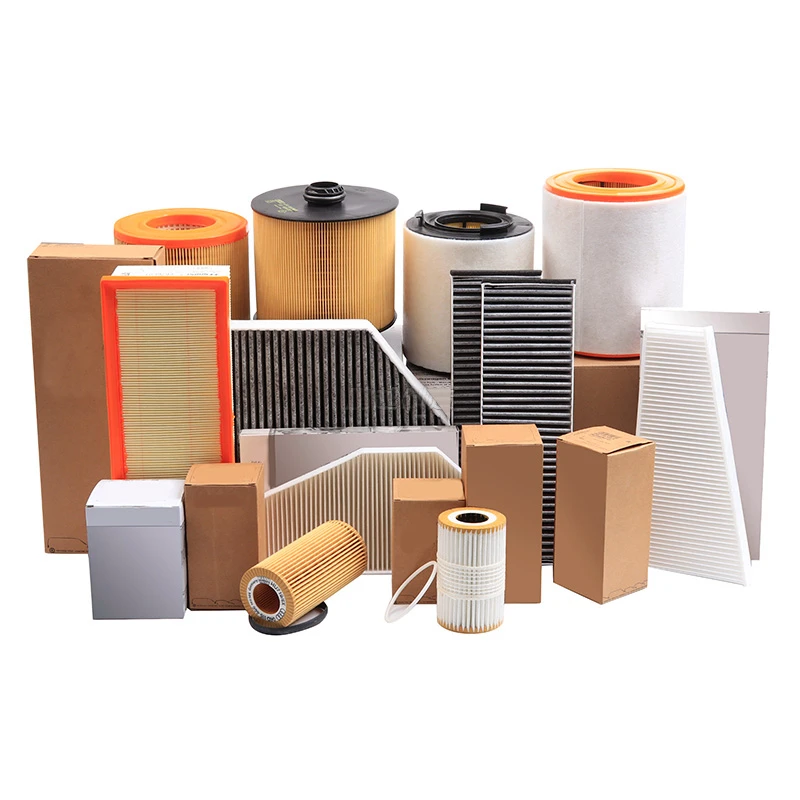
Why Knowing When to Change Your Engine Air Filter Actually Matters
If you’re like most drivers, you probably give very little thought to your engine air filter. Yet, this small component plays a mighty role in your vehicle's overall health and performance. Knowing when should you change your engine air filter isn’t just about avoiding minor annoyances or boosting mileage—it directly impacts fuel efficiency, emissions, and even engine longevity. Globally, with millions of cars purring across roads, this seemingly mundane maintenance task echoes into broader concerns like urban air quality and resource conservation. And that’s why understanding this topic isn't merely a matter of routine—it’s about smarter, cleaner, and more sustainable driving habits worldwide.
Introduction: Why Timing Matters on a Global Scale
The World Bank estimates over 1.4 billion vehicles currently operate worldwide—and that number keeps creeping up. Each vehicle has an engine air filter whose job is to trap the dirt, dust, and debris before they sneak into the engine's combustion chamber. If filters aren't changed at the right time, engines strain harder, burn more fuel, and pump out more pollutants. The United Nations' latest climate action guidelines emphasize cleaner mobility, meaning your car's tiny filter affects much more than just your ride’s smoothness—it echoes into global ambitions for reduced greenhouse gases and less urban smog.
But here’s the catch: many vehicle owners let that air filter run way past its prime, often because the ideal time to replace it isn’t clear—especially if you’re driving in dusty or harsh conditions. So, when exactly should you change your engine air filter? That's the million-dollar question underpinning efficient and green transportation choices everywhere.
What Does 'When Should You Change Your Engine Air Filter' Really Mean?
Simply put, this phrase pinpoints the optimal timing or mileage interval for swapping out your vehicle's engine air filter. Imagine it as a respiratory metaphor: your car "breathes" through this medium, and a clogged filter is like breathing through a pillow. Over time, contaminants accumulate, restricting airflow which your engine desperately needs for proper combustion.
In industrial terms, this maintenance measure means ensuring operational efficiency, reducing wear on parts, and adhering to environmental standards. Whether you’re a city commuter or a long-haul trucker, knowing when to change your engine air filter threads seamlessly into modern ideas of sustainable mobility and vehicle longevity.
Core Factors Affecting Your Engine Air Filter’s Health
1. Driving Conditions: Dust and Pollution Levels
The dirtier the environment—say, unpaved rural roads or heavy traffic with lots of airborne particles—the quicker your filter gets gunked up. Urban environments with industrial pollutants or deserts with fine sand can drastically shorten filter life, sometimes requiring changes every 10,000 miles or less.
2. Vehicle Make and Model
Manufacturers set recommended intervals, but these vary quite a bit. High-performance cars with intricate intake systems may have filters that need more frequent care versus rugged trucks designed for rough conditions. Always consult specs but adjust for your personal usage.
3. Filter Material and Quality
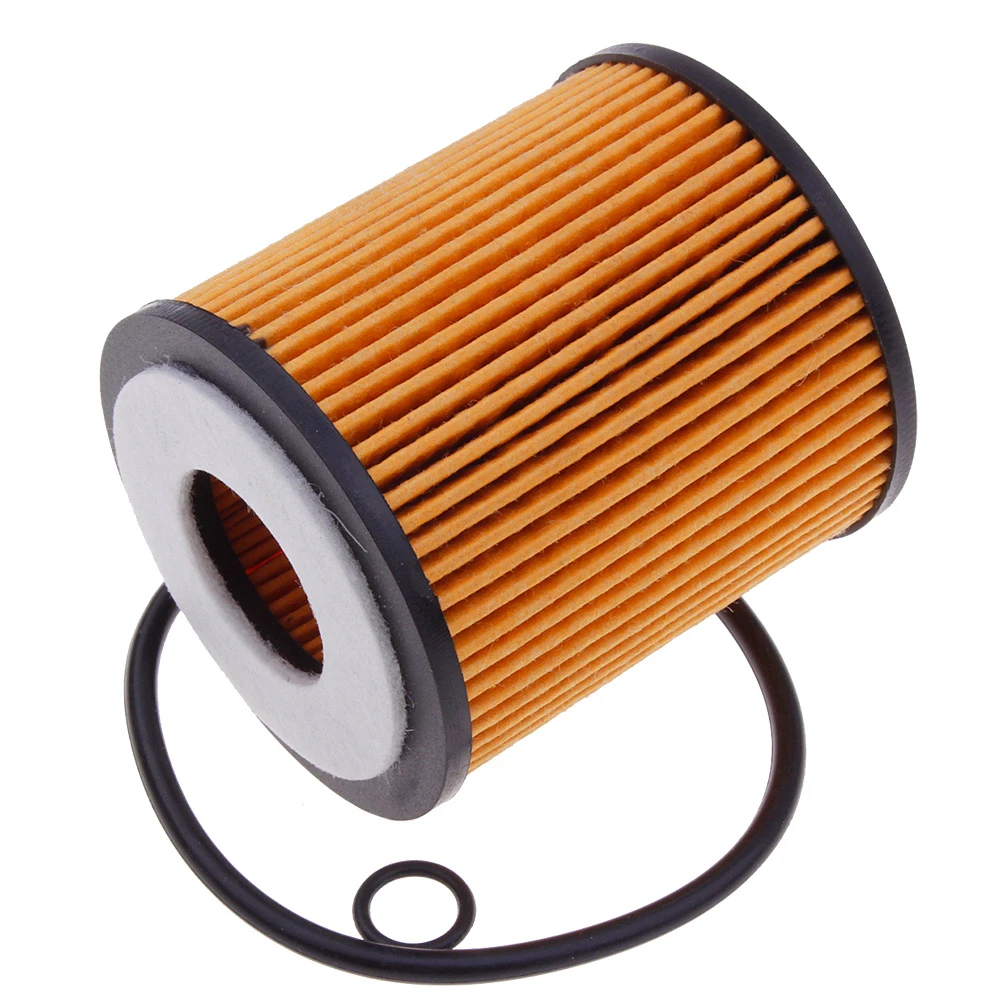
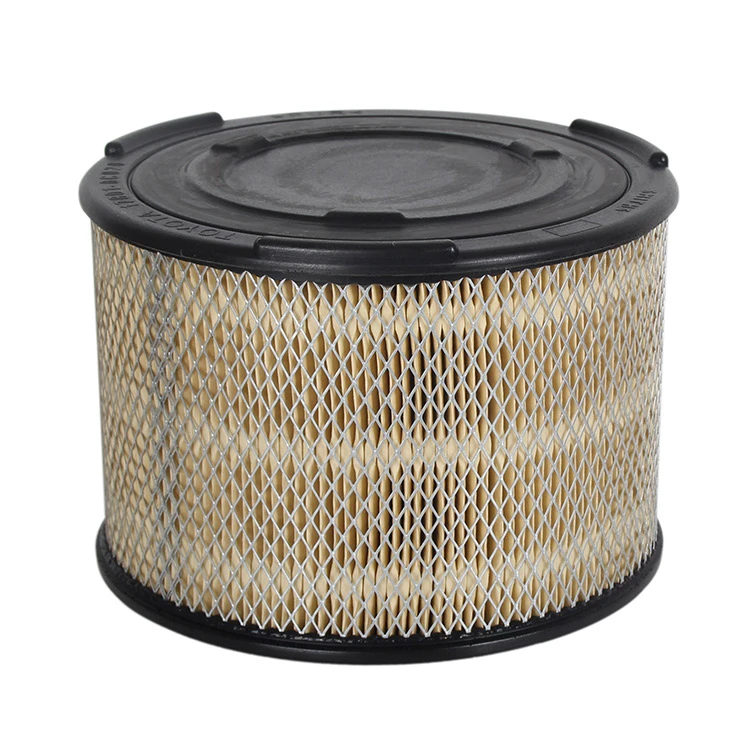
Not all filters are created equal. Paper filters are common and affordable, but some vehicles use foam or cotton gauze filters that can be cleaned and reused. Higher quality filters provide better airflow and longer durability but often come at a cost. So, cost versus performance is a balancing act here.
4. Mileage and Time-Based Recommendations
Most mechanics suggest changing engine air filters every 12,000 to 15,000 miles or once per year as a general rule—but it’s not one-size-fits-all. More frequent checks might be necessary for drivers putting on a lot of miles in tricky conditions.
Mini takeaway:
So, your change intervals depend on more than just the calendar. Environmental factors, filter type, and personal driving style all mix to influence when that filter should be swapped.
Worldwide Uses & Real-Life Examples
This question—when is it time to change your engine air filter?—has practical relevance across continents. For instance, heavy machinery operating in Southeast Asia's humid and dusty landscapes demands almost twice the maintenance due to rapid filter clogging. Similarly, in African regions where roads might be more rugged and environmental particles dense, fleet operators frequently replace filters to avoid costly breakdowns.
Emergency vehicles, delivery trucks, and bus fleets all benefit extensively when maintenance schedules are fine-tuned to local conditions. In fact, many organizations now use digital sensor tech to monitor filter status in real-time, tweaking change intervals dynamically. This approach isn’t just geeky tech-talk—it translates to operational savings and less environmental impact.
Product Specification Table: Typical Engine Air Filter Features
| Attribute | Typical Values | Notes |
|---|---|---|
| Filter Type | Paper / Cotton / Foam | Material affects lifespan & airflow |
| Recommended Replacement Interval | 12,000–15,000 miles / 1 year | Varies with environment & usage |
| Filtration Efficiency | >98% at 10 microns | Higher efficiency reduces engine wear |
| Airflow Rate | ~300 cubic feet per minute (CFM) | Ensures optimal combustion |
| Weight | Between 200 and 400 grams | Lightweight for fuel efficiency |
Advantages & Value of Timely Air Filter Replacement
- Cost Savings: Keeping your filter fresh means your engine isn’t working harder than necessary, resulting in better fuel economy and fewer repairs.
- Environmental Impact: Cleaner filters reduce harmful emissions, helping cities meet air quality standards and contributing to global sustainability goals.
- Engine Longevity: Avoid abrasive dust entering engine components, which extends the lifespan and reliability of your vehicle.
- Driving Experience: Expect smoother acceleration and consistent performance, making drives more enjoyable and less stressful.
- Safety & Trust: For commercial fleets or emergency vehicles, dependable engine health isn't just convenience—it's safety on the line.
Future Trends in Engine Air Filter Maintenance
Interestingly, technology is starting to reshape when and how we change filters. For one, smart filters equipped with sensors can now detect clog levels and alert drivers in real-time—no more guessing! Materials science is also evolving: biodegradable filters and advanced synthetic fibers promise longer-lasting, eco-friendly options. Plus, with the rise of electric vehicles, some industry players are exploring how air filtration functions might adapt, though combustion engines will likely remain with us for decades still, especially in developing economies.
Challenges and Modern Solutions
Despite all these advances, many drivers still neglect air filter replacement or simply follow generic mileage guidelines poorly suited to their driving habits. Limited awareness and varying vehicle complexity create a real challenge. Some experts recommend mobile apps linked to OBD-II scanners to schedule maintenance smarter — a simple digital nudge that could enhance filter care significantly.
Additionally, filter disposal and recycling remain issues. Environmentally-conscious disposal and reuse approaches are slowly gaining ground, illustrating the ongoing evolution of this everyday component.
Vendor Comparison Table: Popular Engine Air Filter Brands
| Brand | Typical Lifespan (Miles) | Material | Price range ($) | Special Features |
|---|---|---|---|---|
| K&N | Up to 50,000 | Washable cotton gauze | 40–60 | Reusable, high airflow |
| Bosch | 15,000–20,000 | Synthetic fiber paper | 15–30 | OEM quality, affordable |
| Mann-Filter | 20,000–25,000 | High-efficiency cellulose | 20–40 | Superior filtration, trusted by OEMs |
| Fram | 12,000–15,000 | Paper synthetic blend | 10–25 | Widely available, budget-friendly |
FAQ: Your Questions About When to Change Engine Air Filters, Answered
Q1: How often should I change my engine air filter if I mostly drive in the city?
If your driving is mainly stop-and-go in urban areas with moderate pollution, you might stick closer to manufacturer recommendations—usually every 12,000–15,000 miles or about once a year. However, keep an eye on fuel efficiency or engine power drop, as these can signal a dirty filter sooner.
Q2: Can a clogged air filter really damage my engine?
Yes. When the filter is clogged, less air flows into the engine, upsetting the air-fuel mix. Over time, dirt may bypass or abrasive particles could penetrate components, causing premature wear or even engine misfires.
Q3: Is it worth buying expensive reusable air filters?
Reusable filters, like cotton gauze types, can offer better airflow and longer lifespans if cleaned properly. They cost more upfront but might save money in the long run—though they do require maintenance, or else their performance can degrade.
Q4: What signs indicate that my air filter needs changing ASAP?
Look out for reduced acceleration, strange engine sounds, decreased fuel economy, or a black smoke exhaust. If you see any of these, check your filter—it may be time for a replacement.
Q5: How do I properly dispose of old engine air filters?
They should be disposed of as automotive waste with proper recycling where facilities exist. Avoid tossing them in regular trash since they contain trapped pollutants.
Wrapping Up: A Small Step With Big Impact
Understanding when should you change your engine air filter is one of those maintenance nuggets that packs a surprisingly powerful punch for your wallet, your vehicle’s health, and the planet. With upcoming innovations, including smart monitoring and eco-friendly filters, staying atop this simple task will only get easier—and more important. Need tips or genuine products? Visit our website: https://www.jyfilter.com to discover filters designed to keep you running clean and smooth no matter where the road takes you.
References:
-
Guide on how often do you need to replace engine air filterNewsApr.16,2026
-
Learn how often do you replace air filter in car for engine healthNewsApr.09,2026
-
How Often Do You Replace Car Air Filter For Optimal Engine PerformanceNewsApr.07,2026
-
How Often Do You Replace Engine Air Filter For Optimal Vehicle PerformanceNewsApr.04,2026
-
Understanding How Often Does Engine Air Filter Need to Be Replaced for Optimal PerformanceNewsMar.31,2026
-
How Often Engine Air Filter Change Impacts Performance and LongevityNewsMar.28,2026
-
Understanding How Often to Replace Your Car Air Filter for Optimal PerformanceNewsMar.26,2026
Related Products