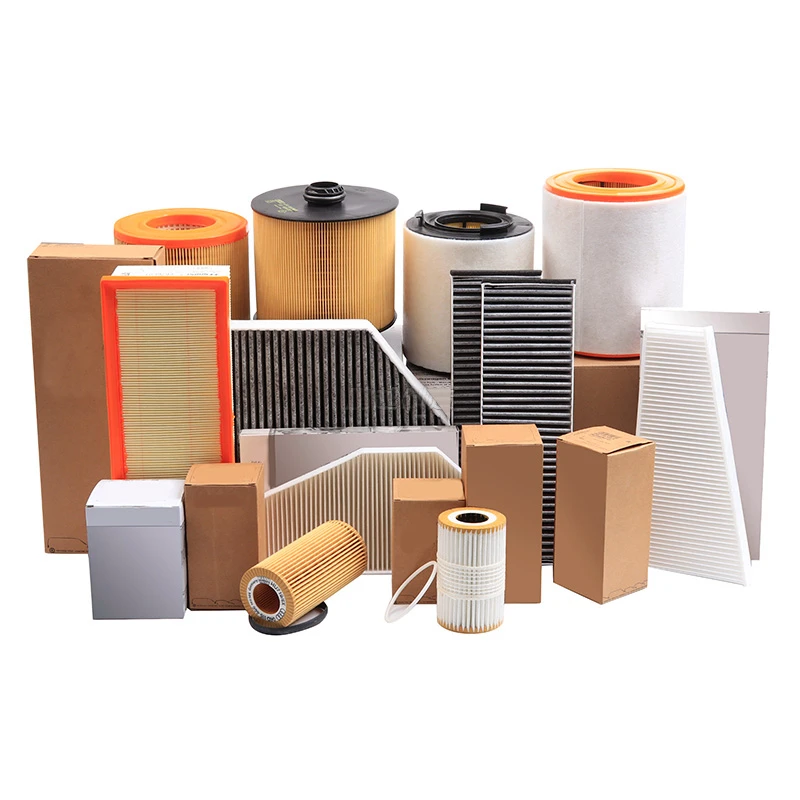
When to Change a Car Air Filter: Why It Really Matters
The question of when to change a car air filter is more than just routine car maintenance chatter; it’s actually tied to global concerns about fuel efficiency, emissions, and engine health. From bustling city streets in New York to dusty rural roads in India, ensuring your car breathes clean air is crucial. Understanding when to swap out the old filter means better mileage, fewer harmful emissions, and in the long run, a happier planet.
Air filters play the unsung hero role in automotive health. They catch dust, dirt, and tiny particles that otherwise would enter the engine, potentially causing damage or reducing performance. But exactly when does this filter become a liability? That’s where the debate begins—and honestly, it can vary more than most people think.
Global Context: The Bigger Picture Behind Car Air Filter Replacement
On a global scale, the automotive industry accounts for a significant chunk of air pollution. According to the International Energy Agency (IEA), road transport is responsible for nearly 24% of global CO₂ emissions from fuel combustion. Having a clean air filter might sound simple, but it directly affects combustion efficiency, which in turn influences pollutant output and fuel consumption.
Some regions suffer more than others. In parts of Asia and Africa with high particulate pollution, car filters clog much faster, meaning frequent replacements can significantly improve air quality locally. The UN’s Sustainable Development Goals highlight cleaner cities and climate action (#SDG11 and #SDG13), making this small maintenance task quietly impactful.
But despite the obvious benefits, many drivers still delay replacements, causing engines to work harder, guzzle more fuel, and pollute more. This ongoing challenge emphasizes why knowing when to change a car air filter is not just a technical nuisance, but a practical necessity worldwide.
What Exactly Is Meant by “When to Change a Car Air Filter”?
In simple terms, “when to change a car air filter” refers to the optimal point in time or mileage to replace this filter to maintain engine performance and protect the vehicle’s lifespan. Essentially, it’s about avoiding clogged or overly dirty filters which restrict airflow.
Modern vehicles often come with manufacturer-recommended intervals, usually between 12,000 to 15,000 miles, or about once a year. But the real-world conditions matter a lot. For example, dusty off-road driving or heavy urban pollution can shorten this timeline significantly.
From an industry perspective, timely air filter changes improve fuel economy and lower maintenance costs, aligning with more sustainable automotive practices and regulatory standards. In humanitarian or remote contexts, such as emergency vehicles in disaster zones, clean filters can be critical to reliable operation under tough conditions.
Mini Takeaway:
Changing your car air filter at the right time directly benefits engine health, fuel consumption, and environmental impact — but real-world conditions often demand flexibility beyond standard recommendations.
Key Factors to Consider on When to Replace a Car Air Filter
1. Mileage and Manufacturer Guidelines
Most car makers suggest changing filters every 12,000–15,000 miles, though high-quality filters may last longer. Checking your owner’s manual is always a good start.
2. Driving Environment
If you frequently drive on unpaved roads, through construction zones, or in heavy traffic, your filter clogs faster. Urban pollution and dust-laden rural areas accelerate dirt buildup.
3. Filter Material and Quality
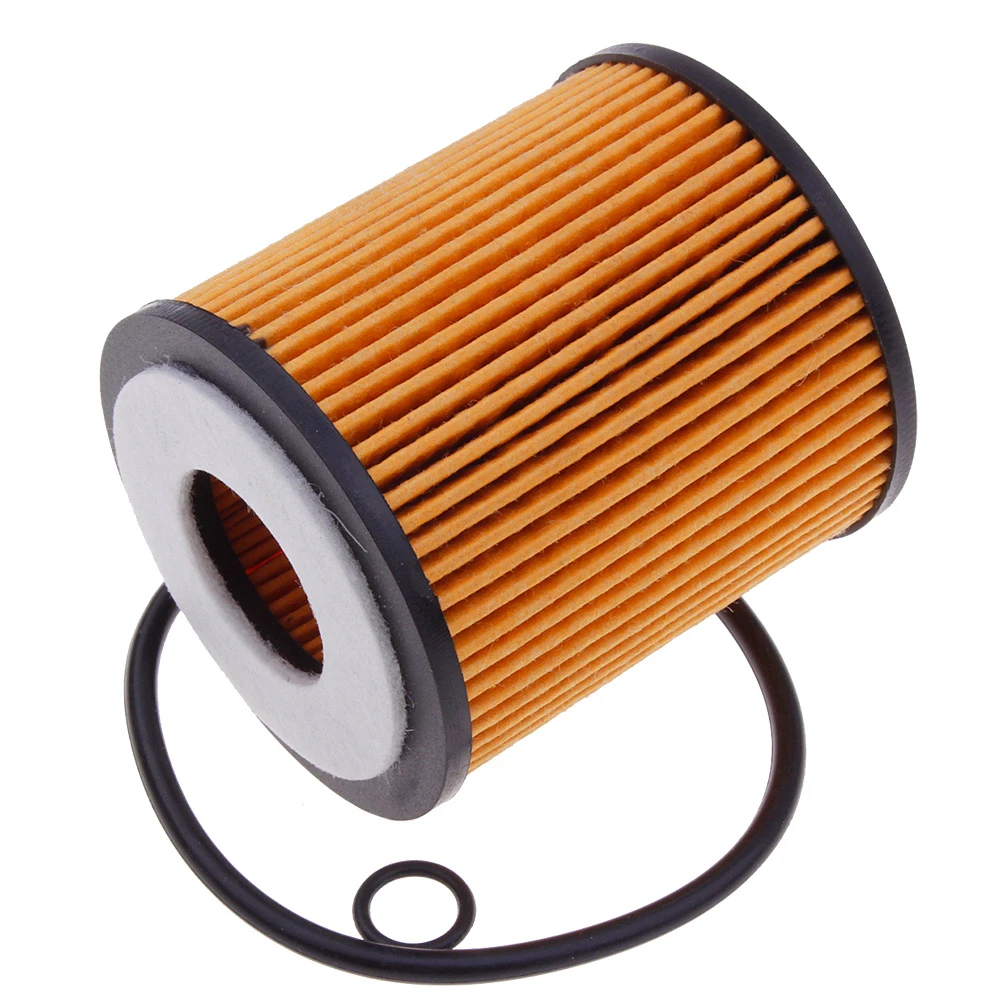
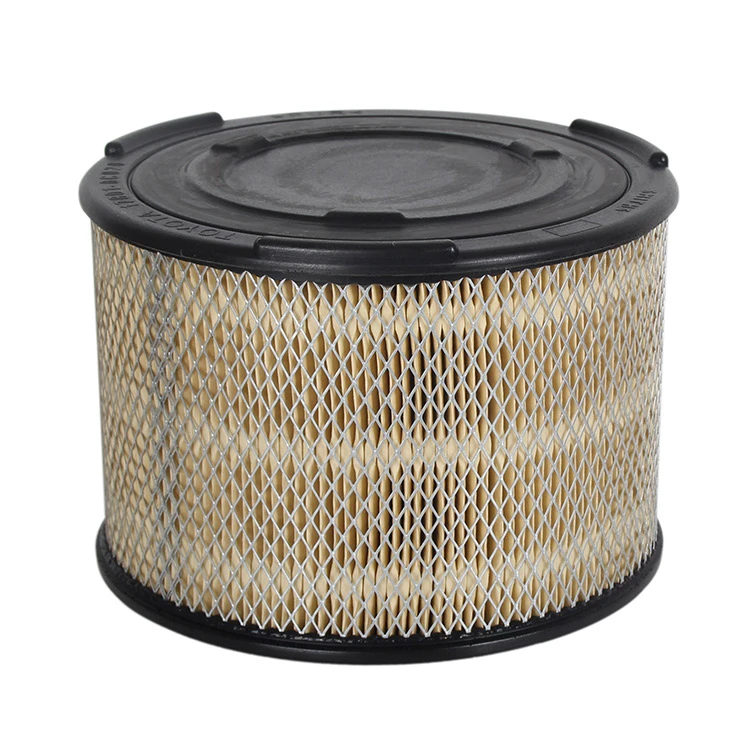
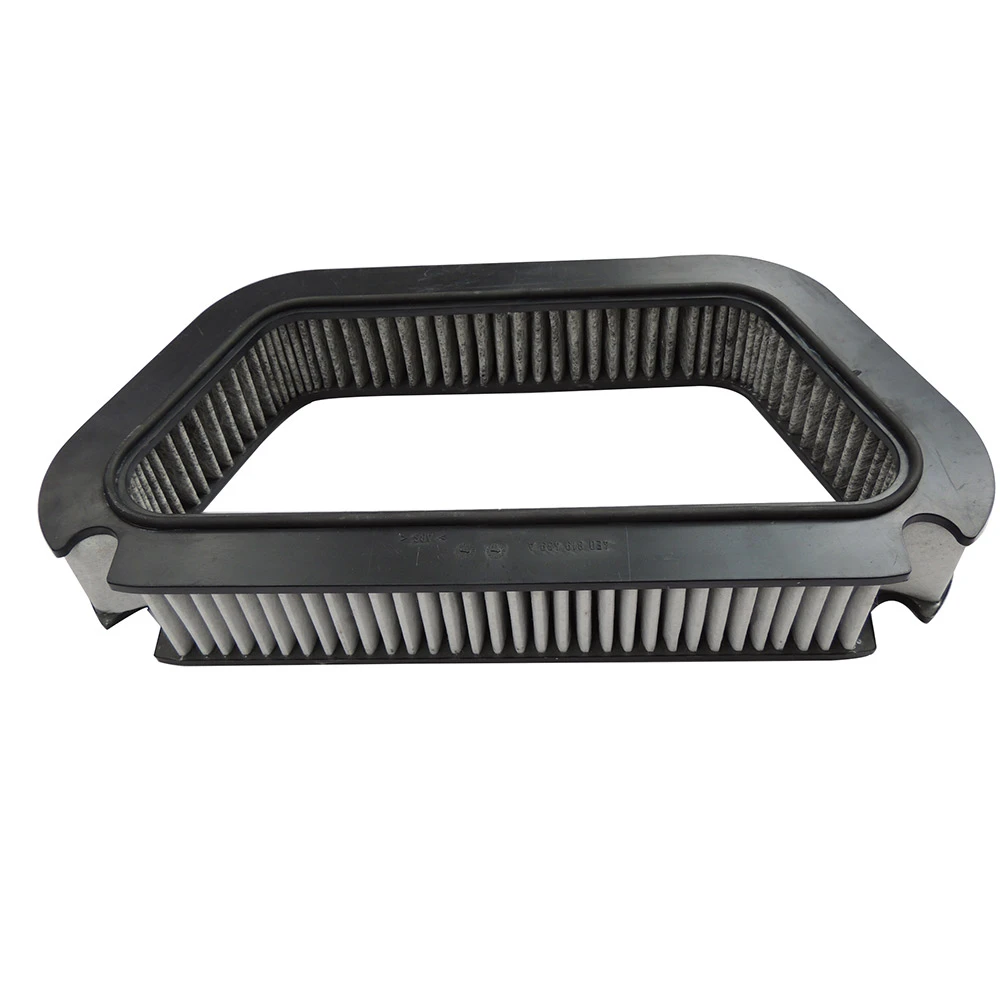
Filters come in paper, foam, or cotton varieties. Cotton and synthetic media usually filter better and last longer, but they cost more upfront.
4. Engine Performance Indicators
Warning signs such as reduced acceleration, engine misfires, or a drop in fuel economy often indicate a clogged filter.
5. Visual and Physical Inspection
Sometimes, looking at the filter itself is effective — a visibly dirty, clogged filter needs replacement even if under recommended mileage.
Mini Takeaway:
While mileage is important, factors like environment and driving behavior are equally crucial in determining when to change a car air filter.
Global Applications & Real-World Use Cases
Replacing air filters on time is a universal practice but takes on unique importance in various contexts:
- In megacities like Beijing or Cairo: where particulate matter is high, filters clog faster. Fleet operators in public transit emphasize frequent replacements to reduce emissions.
- In agricultural regions: dust and pollen accelerate clogging. Farmers’ tractors and pickups get checked often, especially during planting and harvest seasons.
- In humanitarian missions: vehicles must be reliable in remote, dusty terrains. Organizations like Médecins Sans Frontières maintain strict filter schedules to avoid breakdowns.
Advantages & Long-Term Benefits of Timely Air Filter Replacement
There are clear, tangible upsides:
- Fuel Savings: Clean air means better combustion. Many studies show savings of up to 10% in fuel economy.
- Lower Emissions: Removing pollutants at the source reduces the overall environmental footprint of vehicles.
- Enhanced Engine Longevity: Preventing particles from entering the engine extends its life and reduces costly repairs.
- Safety & Reliability: Vehicles perform better, reducing the likelihood of stalls or mechanical failures during crucial moments.
- Emotional Peace of Mind: Knowing your vehicle is maintained properly builds confidence and trust in your car’s performance.
Innovations & The Future of Car Air Filters
We’re starting to see some cool tech changing the game:
- Smart Sensors: Some modern cars now monitor filter health and alert drivers when it’s time for a change—a subtle but super practical innovation.
- Advanced Materials: Nano-fiber media and eco-friendly, biodegradable filter materials promise longer life with less waste.
- Air Quality Integration: Some systems adjust cabin air filtration depending on external pollution levels, indirectly influencing engine filter management.
- Sustainability Push: Recycling programs for used filters are emerging, cutting down on landfill waste and promoting circular economies.
Common Challenges & Practical Solutions
Yet challenges remain:
- Drivers Forget or Neglect: Because it’s out of sight, many ignore filter maintenance until performance suffers. Education and reminders solve this.
- One-size-fits-all Doesn’t Work: Standard replacement intervals don’t consider driving context. Some propose dynamic guidelines factoring in driving conditions.
- Access to Quality Filters: In remote regions, replacing with OEM-grade parts is costly or impossible. NGOs sometimes supply aftermarket options that balance cost and performance.
How to Overcome These:
- Regular visual inspection during routine servicing.
- Utilizing technologies with filter life monitoring.
- Choosing higher-quality filters if budget allows.
Product Specification Table: Typical Car Air Filter
| Specification | Value / Description |
|---|---|
| Filter Material | Pleated Paper / Synthetic Media |
| Typical Lifespan | 12,000 to 15,000 miles (20,000-25,000 km) |
| Filtration Efficiency | Up to 99% of particles >5 microns |
| Operating Temperature | -40°C to 85°C (-40°F to 185°F) |
| OEM vs Aftermarket | OEM preferred for fit & warranty; aftermarket budget-friendly |
Vendor Comparison: Leading Car Air Filter Providers
| Vendor | Price Range | Filter Material | Warranty | Special Features |
|---|---|---|---|---|
| ACDelco | $15 - $30 | Paper, Synthetic | 12 months | OEM fit, high dust capacity |
| K&N | $30 - $60 | Cotton Gauze | 10 years / 100,000 miles | Washable & reusable |
| Fram | $10 - $25 | Paper | 6 months | Budget-friendly, easy replacement |
FAQ: Common Questions About When to Change a Car Air Filter
Q1: How can I tell if my car air filter needs changing before reaching the recommended mileage?
A1: Look for signs such as reduced acceleration, decreased fuel efficiency, or unusual engine noises. Additionally, if you drive in dusty or polluted areas, inspecting the filter every few months and visually checking for dirt buildup can help decide if earlier replacement is needed.
Q2: Does changing the car air filter really improve gas mileage?
A2: Yes, a clean air filter allows optimal airflow to the engine, improving combustion efficiency. Studies have shown that replacing a dirty air filter can increase fuel economy by as much as 10%, though exact improvements vary by vehicle and driving conditions.
Q3: Can I clean and reuse my car air filter instead of replacing it?
A3: Some filters, like those made from cotton gauze (e.g., K&N), are designed to be cleaned and reused multiple times. Paper filters, however, are disposable and should be replaced when dirty for safety and performance reasons.
Q4: What happens if I wait too long to change the air filter?
A4: Overdue replacement can lead to decreased engine performance, higher fuel consumption, increased emissions, and potentially engine damage from unfiltered particles. It's best to stay on top of replacement schedules.
Q5: Where is the best place to buy quality car air filters?
A5: Authorized dealers, reputable auto parts retailers, and trusted online vendors offer high-quality filters, including OEM and aftermarket options. Brands like ACDelco, K&N, and Fram are widely available and reliable.
Conclusion: The Long-Term Payoff of Knowing When to Change a Car Air Filter
So, the bottom line? Staying in tune with when to change a car air filter isn’t just about ticking a maintenance box — it’s a strategic move that pays off in cost savings, environmental protection, and vehicle reliability. A relatively small investment in time and money can significantly extend your car’s life and reduce its carbon footprint. If you’re serious about sustainable driving and smart care, keeping that air filter timely swapped is a no-brainer.
Ready to find the best filter or check your replacement timing? Visit our website: https://www.jyfilter.com for expert advice, products, and tips.
References:
-
Guide on how often do you need to replace engine air filterNewsApr.16,2026
-
Learn how often do you replace air filter in car for engine healthNewsApr.09,2026
-
How Often Do You Replace Car Air Filter For Optimal Engine PerformanceNewsApr.07,2026
-
How Often Do You Replace Engine Air Filter For Optimal Vehicle PerformanceNewsApr.04,2026
-
Understanding How Often Does Engine Air Filter Need to Be Replaced for Optimal PerformanceNewsMar.31,2026
-
How Often Engine Air Filter Change Impacts Performance and LongevityNewsMar.28,2026
-
Understanding How Often to Replace Your Car Air Filter for Optimal PerformanceNewsMar.26,2026
Related Products