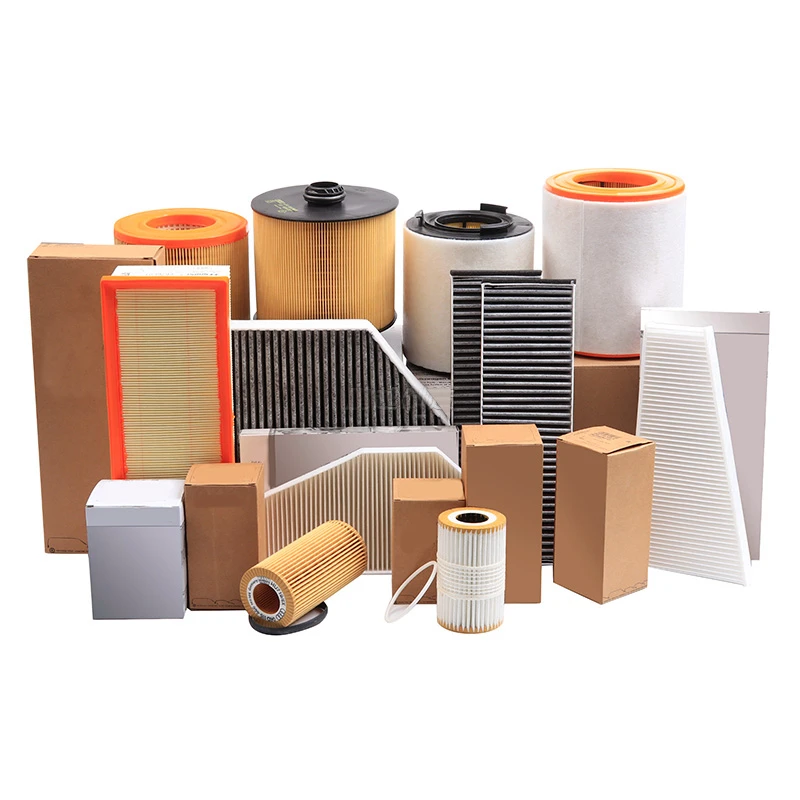
When Should You Change Your Car Air Filter? Understanding the Basics and Why it Matters
Car maintenance might not be the most glamorous topic at dinner parties, but knowing when should you change your car air filter is surprisingly important—and for more reasons than just keeping your ride smooth. Globally, vehicles account for nearly 15% of urban air pollution according to the United Nations Environment Programme (UNEP). An old or clogged air filter doesn’t just choke your engine; it results in poorer fuel economy and increased emissions. So, understanding when to replace this humble component can save money, reduce your carbon footprint, and extend your car's life.
In this article, we'll dive into the practical side of air filters, why the timing of their replacement holds global relevance, and explore real-world applications that may even surprise you.
Why Timing Your Air Filter Replacement Has Global Significance
Across the globe, over one billion vehicles hum along every day—cars, trucks, and buses feeding economies and communities. However, as of 2020, about 90% of urban residents breathe polluted air (World Health Organization). Car emissions, partly controlled by efficient air intake systems, remain a major concern.
Replacing an old air filter at the right time improves combustion efficiency, reducing harmful emissions such as particulate matter and volatile organic compounds, a key factor in urban smog. Aside from the environmental edge, many drivers don't realize that neglecting timely replacement could decrease engine power by up to 10%. That’s a notable drop that impacts everything from daily commutes to long-haul logistics.
On a practical note, fleets operating in regions like Southeast Asia or Eastern Europe, where dust and pollution are more aggressive, need to be extra vigilant about filter changes. It’s a challenge, but one that translates into real economic and environmental savings when done right.
What Does It Mean to Change Your Car Air Filter on Time?
Simply put, when should you change your car air filter refers to the optimal interval at which you replace the filter that traps dust, dirt, and other airborne particulates before they reach your engine. This interval isn’t fixed—varies widely by vehicle type, driving conditions, and even local air quality.
From a mechanical perspective, the air filter facilitates clean airflow for combustion. Over time, it becomes clogged, much like a kitchen sieve left unused for months collects dust. When it’s too dirty, it limits the airflow, forcing the engine to work harder and burn more fuel.
Beyond cars, filter changes echo in humanitarian contexts too—think mobile clinics or emergency vehicles operating in dusty or crisis zones. Here, maintenance is more than a technical detail; it’s a trust and safety issue.
Core Factors Influencing the Right Time to Change Your Air Filter
1. Durability and Filter Material Quality
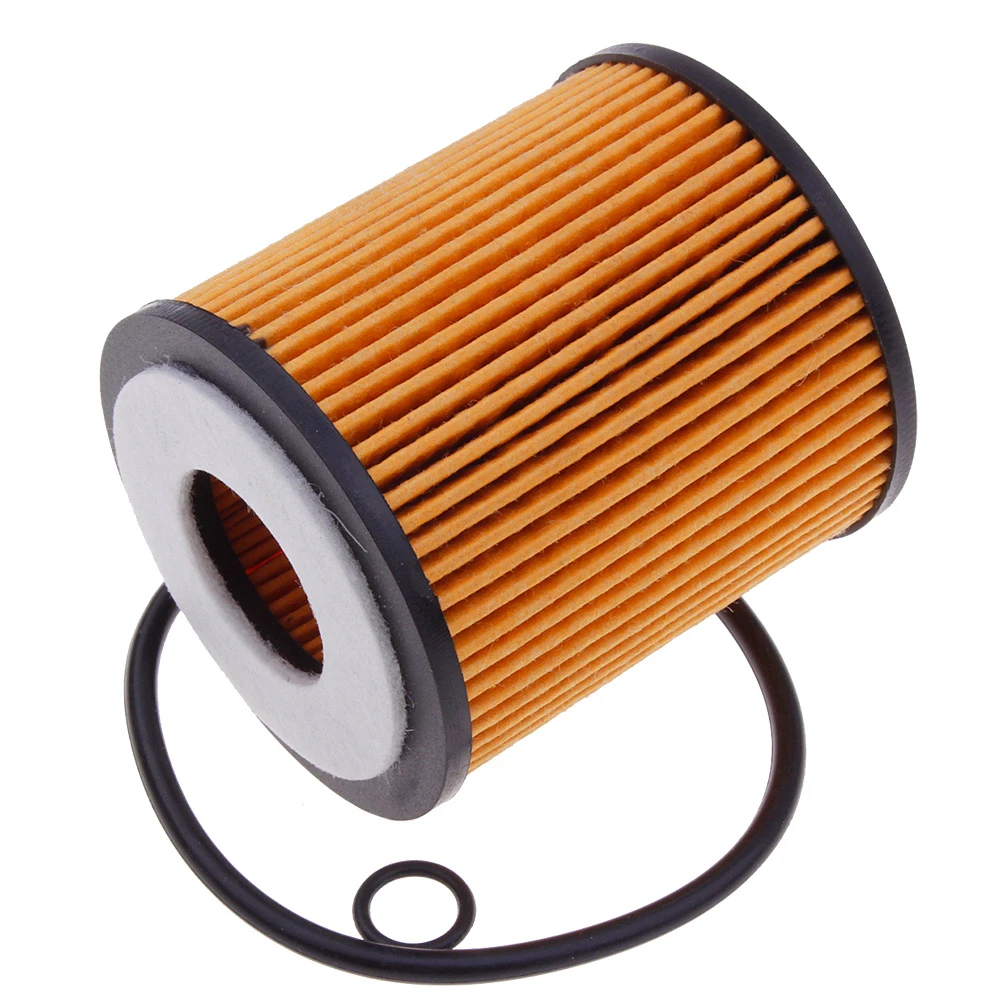
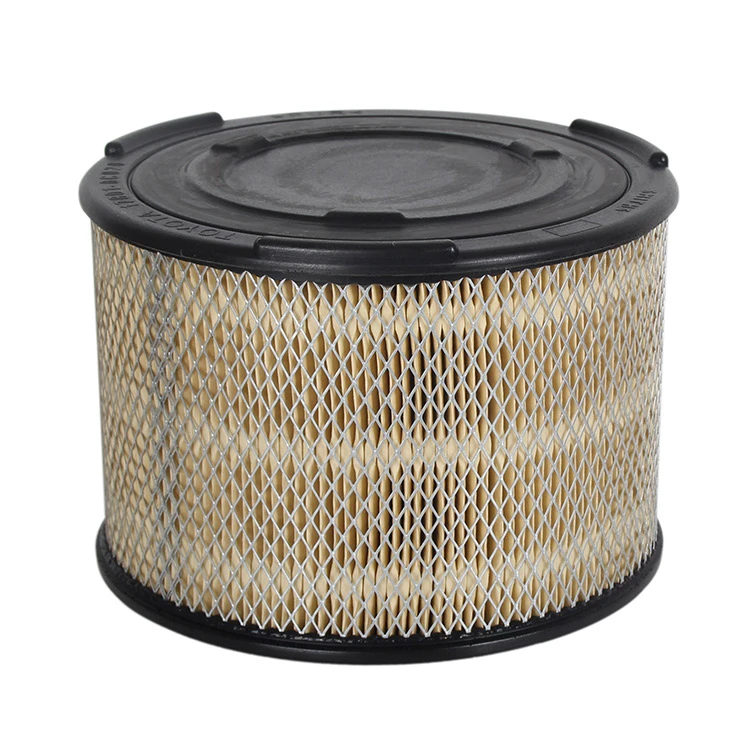
Not all air filters are created equal. Paper filters are common but have shorter lifespans, usually 12,000 to 15,000 miles. Foam or cotton filters often last longer, sometimes up to 30,000 miles, but require proper cleaning and oiling. High-performance vehicles might use specialized filters with different specs altogether.
2. Driving Conditions and Environment
City driving with pollution, dusty rural roads, or desert environments aggressively clog filters faster. Contrastingly, highway driving in clean air stretches out filter life. For example, drivers in dust-prone Middle Eastern regions may need changes every 6,000 to 8,000 miles instead of 15,000.
3. Vehicle Make and Engine Type
Some engines with turbochargers require cleaner and timelier air supply to avoid damage. Diesel and gasoline engines might respond differently to airflow restrictions too. Always check manufacturer guidelines, but don't be afraid to adjust for real-world conditions.
4. Fuel Efficiency and Performance Impact
A clogged filter can reduce fuel economy by approximately 10%. Some drivers notice a sluggish throttle response. These are signs that it’s time for a swap.
5. Routine Maintenance Scheduling
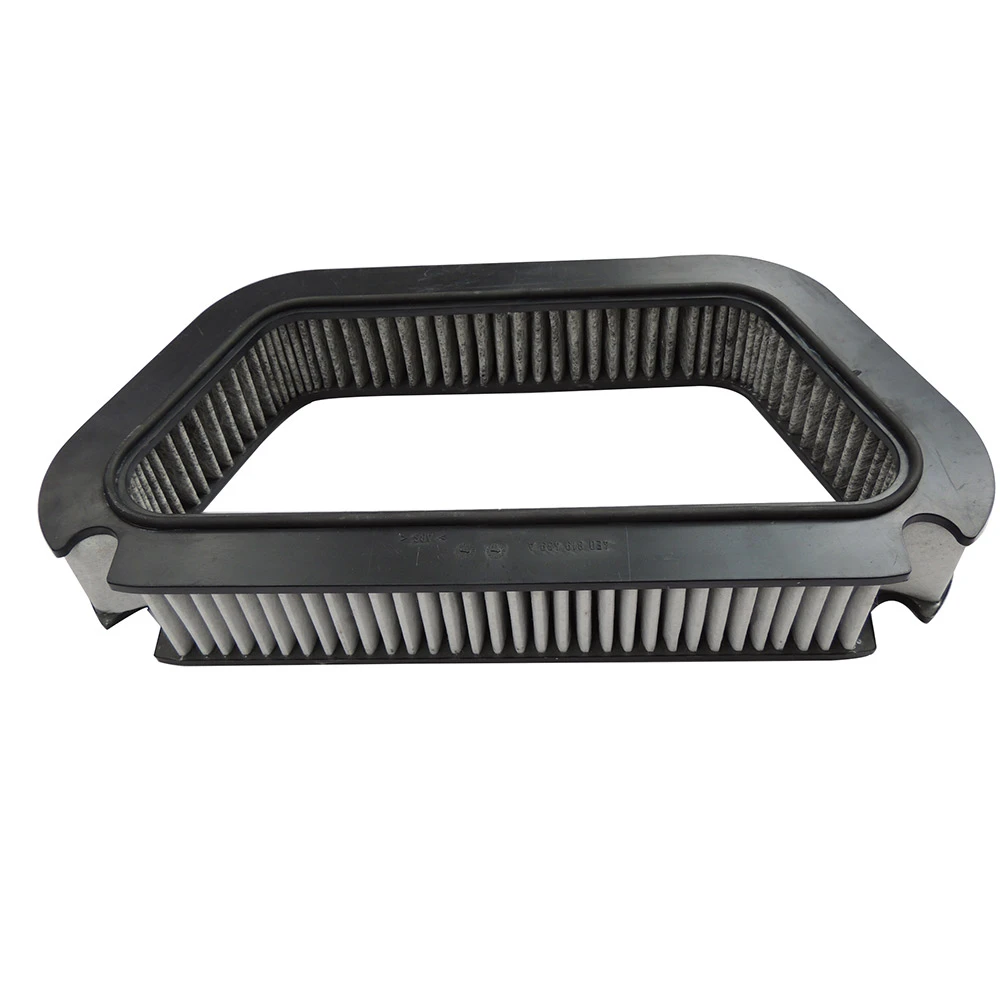
Most modern cars include air filter status in routine service checkups—digital dashboards help track this nowadays. But if you don’t trust the sensors, setting a mileage reminder or biannual check is wise.
Mini takeaway: There’s no one-size-fits-all answer. Thinking about air filter replacement as a dynamic balance tailored to your vehicle and environment will keep your engine running happy—and avoid the surprising costs down the road.
Global Applications and Practical Use Cases
Pretty much every vehicle worldwide—from commuter cars in New York to aid trucks in remote Nepal—relies on clean air filters to run properly. In places like Australia’s outback, off-road emergency responders maintain filters religiously to avoid breakdowns where help is hours away.
Large trucking companies in Europe use telematics to monitor engine performance correlated to air intake health, proactively scheduling replacements to minimize downtime. Even humanitarian organizations, such as Médecins Sans Frontières, rely on vehicle readiness to reach challenging terrains; a clogged air filter might delay critical deliveries.
Advantages of Replacing Your Car Air Filter at The Right Time
- Cost Savings: Avoid engine repairs and improve fuel efficiency; a cleaner engine lasts longer.
- Sustainability: Reduced emissions mean cleaner air — good for neighborhoods and wildlife alike.
- Safety and Reliability: Improves vehicle responsiveness and decreases the risk of breakdowns, a crucial factor in emergency or commercial use.
- Peace of Mind: Routine upkeep fosters trust—both in your vehicle and your broader responsibility to the environment.
Product Specification Table: Typical Car Air Filter
| Specification | Value |
|---|---|
| Filter Material | High-quality Paper or Cotton Gauze |
| Typical Replacement Interval | 12,000 - 15,000 miles (varies by conditions) |
| Efficiency (Particle Trapping) | Over 98% for particles >10 microns |
| Compatibility | Most standard passenger vehicles |
| Weight | Approx. 200-300 grams |
Comparing Air Filter Vendors: A Quick Look
| Vendor | Material Quality | Price Range | Warranty | Special Features |
|---|---|---|---|---|
| JyFilter Standard | High-grade paper | $15 - $25 | 12 months | Eco-friendly packaging |
| PureFlow Pro | Cotton gauze, washable | $30 - $45 | 24 months | Reusable, high flow design |
| EcoAir Filters | Recycled synthetic fibers | $18 - $30 | 18 months | Biodegradable |
What’s Next? Innovations and Trends in Air Filter Maintenance
With increased focus on sustainability and smart technology, air filters have stepped into the digital age. Some manufacturers are embedding sensors that alert drivers remotely when a filter is clogged—a real time-saver. Also, biodegradable and reusable filters are gaining traction as raw material innovations align with eco-goals set by ISO and other bodies.
Looking ahead, hybrid and electric vehicles still rely on clean cabin and motor cooling airflow. That means air filter relevance will persist, even as combustion engines phase down. Automation in maintenance scheduling and AI-driven predictive analytics might finally put air filter changes on autopilot—no pun intended.
Common Challenges and How to Overcome Them
- Awareness: Many vehicle owners neglect air filter upkeep. Education campaigns and integrated dashboard reminders help.
- Access: Rural or disaster-prone areas might struggle to get quality replacement filters. NGOs and governments can improve supply logistics.
- Variability: One-size recommendations can be misleading. Using tailored data from telematics or air quality sensors helps calibrate filter changes.
Experts encourage routine visual inspections at least twice a year alongside oil changes. And, as I’ve noticed personally, if your engine sounds rough or you smell exhaust inside the cabin, check that air filter first.
FAQ: Frequently Asked Questions About When Should You Change Your Car Air Filter
- How often should I typically replace my car air filter?
- Most manufacturers recommend every 12,000 to 15,000 miles. However, if you drive in dusty or polluted areas, consider changing it every 6,000 to 10,000 miles to ensure optimal performance.
- Can a dirty air filter cause engine problems?
- Yes, a clogged air filter restricts airflow, causing the engine to work harder, reducing power and fuel efficiency, and potentially causing rough idling or increased emissions.
- Is it expensive to change the car air filter?
- Not at all. Air filters typically cost between $15 and $45, depending on the type and brand. Changing it yourself saves labour fees, making it a very cost-effective maintenance task.
- How do I know if my air filter needs replacing?
- Signs include reduced fuel economy, engine misfires, unusual engine sounds, or visible dirt buildup on the filter itself. Some cars feature sensor alerts as well.
- Can I clean and reuse my air filter instead of replacing it?
- Some high-end reusable filters (like cotton gauze types) can be cleaned and re-oiled. But paper filters should always be replaced. Cleaning incorrectly can damage the filter and reduce efficiency.
Wrapping It Up: Why Timely Air Filter Changes Are Worth Your Attention
To circle back, knowing when should you change your car air filter isn’t just a trivial maintenance tip—it’s a small action with outsized effects on your wallet, your engine health, and the environment. Whether you’re a city commuter, a commercial fleet manager, or even a humanitarian aid driver, staying on top of this detail means safer, cleaner, and more efficient driving.
If you want to dive deeper or find the perfect filter for your vehicle, visit https://www.jyfilter.com—your source for quality air filters and expert guidance.
References
-
Guide on how often do you need to replace engine air filterNewsApr.16,2026
-
Learn how often do you replace air filter in car for engine healthNewsApr.09,2026
-
How Often Do You Replace Car Air Filter For Optimal Engine PerformanceNewsApr.07,2026
-
How Often Do You Replace Engine Air Filter For Optimal Vehicle PerformanceNewsApr.04,2026
-
Understanding How Often Does Engine Air Filter Need to Be Replaced for Optimal PerformanceNewsMar.31,2026
-
How Often Engine Air Filter Change Impacts Performance and LongevityNewsMar.28,2026
-
Understanding How Often to Replace Your Car Air Filter for Optimal PerformanceNewsMar.26,2026
Related Products