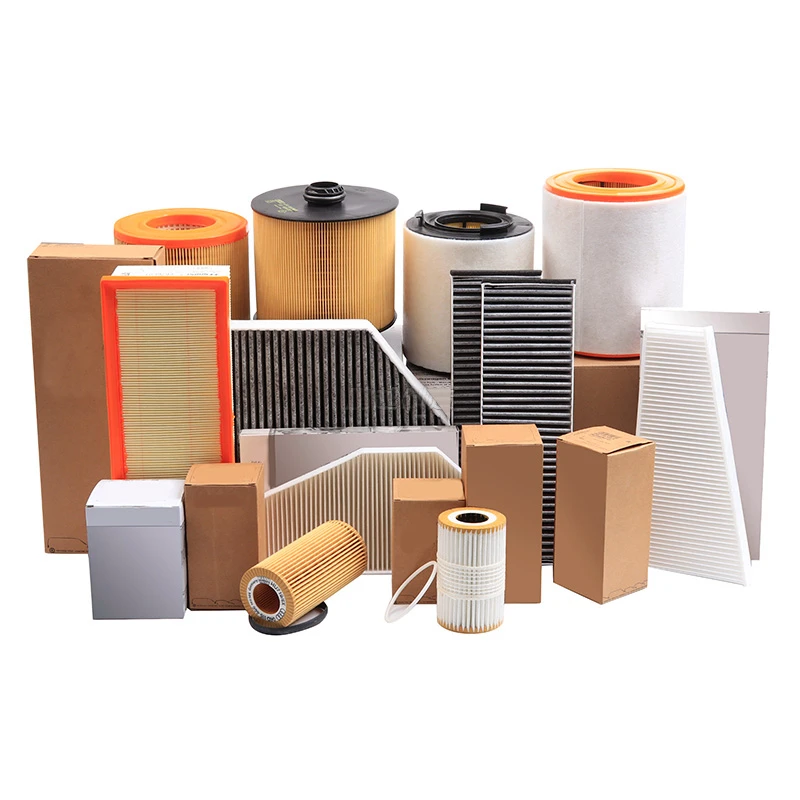
When Should You Change Car Air Filter: A Simple Guide with a Global View
If you’ve ever pulled off your driveway only to wonder, “when should you change car air filter?” – you’re not alone. It’s one of those questions that quietly shapes your car’s performance, fuel economy, and even your daily driving comfort. Globally, vehicle maintenance impacts air pollution and resource use, so knowing when and why to swap out that little filter actually matters more than most people realize.
Understanding when to replace car air filters isn’t just a neat mechanical tip; it’s a practical step towards cleaner engines, longer vehicle life, and less environmental strain. And if you think about it, the air filter is really your car’s first line of defense against dust, dirt, and debris — keeping everything running smooth inside.
Why This Matters on a Bigger Stage
According to data from the International Energy Agency (IEA), vehicles worldwide consume roughly 57 million barrels of oil per day, with fuel efficiency playing a crucial role in that number. A clogged or old air filter chokes your engine’s breath, decreasing efficiency and increasing emissions. The World Health Organization flags air pollution as a leading cause of premature death globally, which indirectly links to how well-maintained our vehicles are.
In real terms, glowing engines and billowing exhausts can often be traced back to neglected air filters. The fewer emissions, the better for urban air quality – something city planners and transport policymakers across continents are increasingly concerned about.
Defining When Should You Change Car Air Filter
Simply put: it’s about figuring out the ideal timing to swap your vehicle’s air filter before it hinders engine performance. Not too soon (wasting money), not too late (damaging engine parts or hurting fuel economy). Manufacturers usually suggest intervals around every 12,000 to 15,000 miles or annually — but that varies depending on driving conditions.
Practically, this means: if you’re often driving on dusty roads, in heavy city traffic, or in gritty climates—as you might in parts of Africa, India, or Central Australia—your air filter needs more frequent checks. Those filters trap microscopic particles that can otherwise act like sandpaper inside your engine’s cylinders.
On an industrial scale, the importance translates similarly. Fleet managers for delivery companies, taxis, or construction vehicles monitor air filters carefully to maximize uptime and reduce costly repairs. Even humanitarian convoys operating in dusty disaster zones keep a close eye on these components to ensure reliability when lives depend on quick transport.
Quick Takeaway:
- When should you change car air filter depends on mileage, environment, and performance signs.
- Ignoring it can lead to higher emissions, poor fuel economy, and engine damage.
- Seasonal and regional conditions heavily influence replacement intervals.
Core Factors Influencing Air Filter Replacement
1. Driving Conditions
Urban or rural? Dusty or clean air environment? Rough or smooth roads? In dusty regions like deserts or construction zones, filters clog faster. Meanwhile, stop-and-go city traffic can cause soot buildup. Understanding your normal driving landscape is the first clue to smarter timing.
2. Vehicle Type and Engine Design
Diesel engines, performance cars, and electric vehicles have different airflow needs. Turbocharged engines might stress filters more aggressively. Knowing your vehicle’s design specifics is more important than many casual car owners realize.
3. Driving Habits
Short trips cause less airflow through the filter but also less filter ‘self-cleaning’ action. Long highways essentially keep airflow steady, possibly prolonging filter life. Frequent stop-start in traffic might necessitate earlier changes.
4. Filter Material and Quality
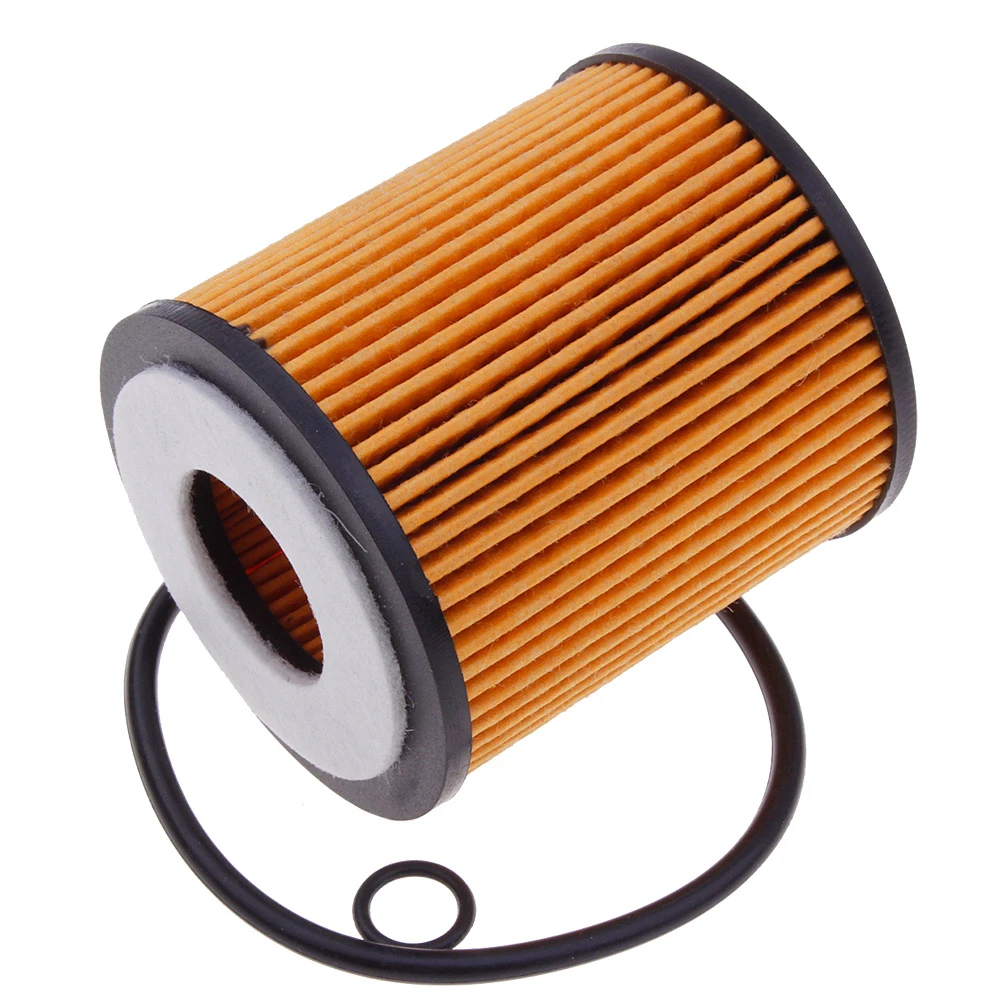
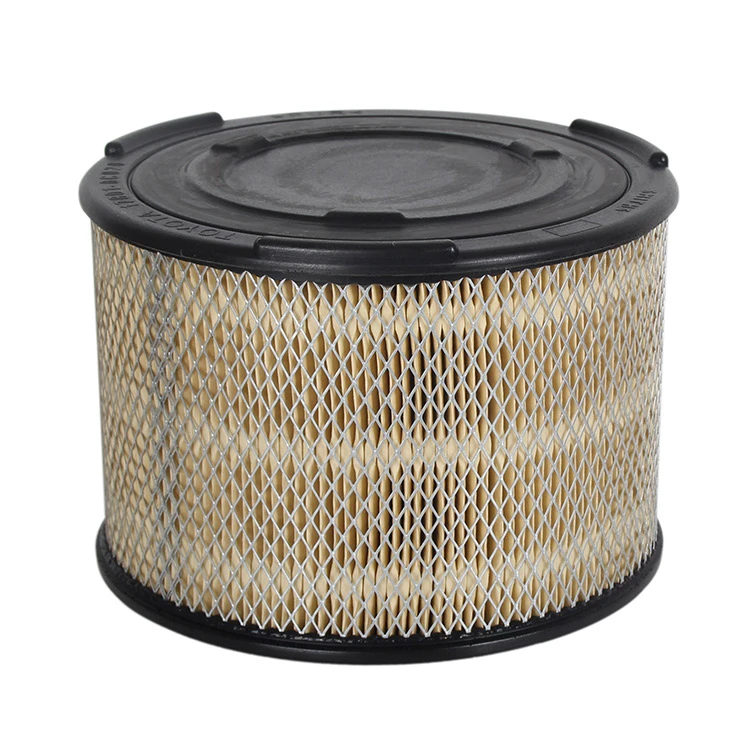
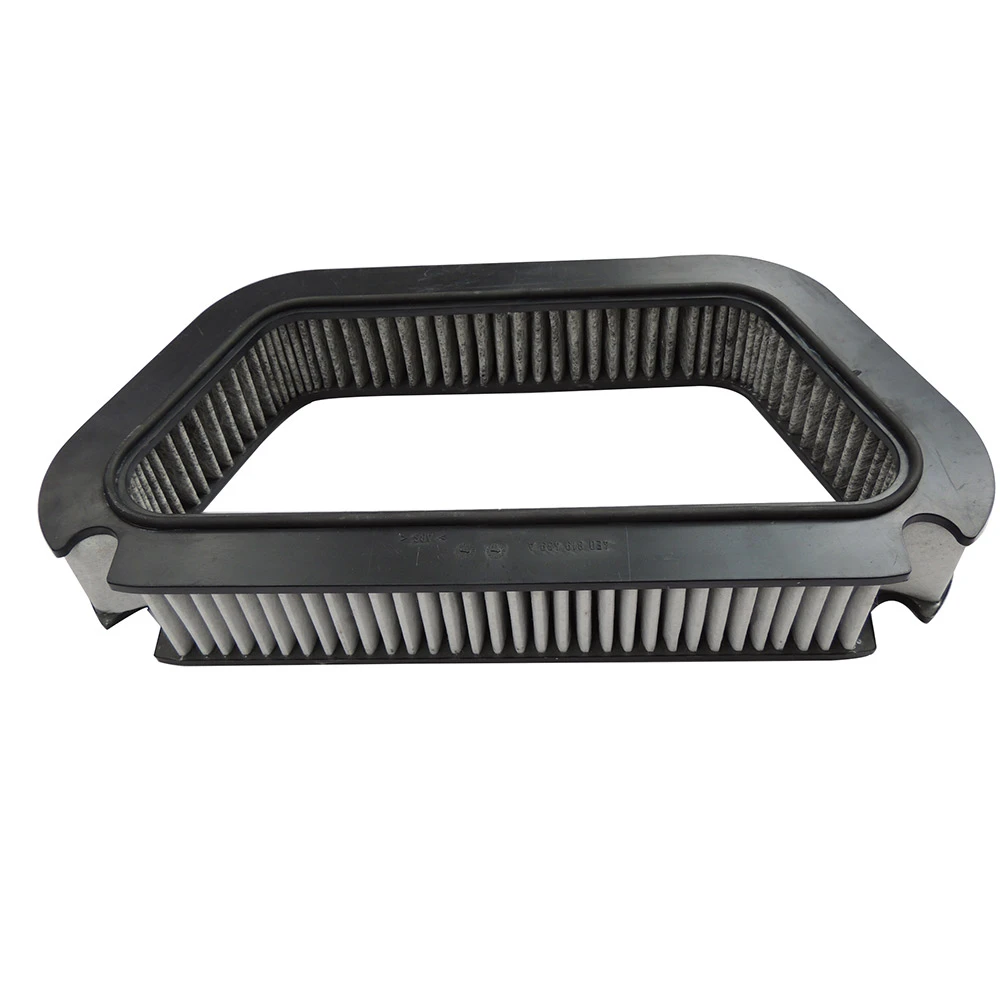
Not all air filters are created equal. Paper filters are common and cheap but less durable. Foam or cotton types offer longer life and better airflow but demand higher upfront investment.
5. Manufacturer Guidelines & Inspection Results
Nothing beats routine inspection. Many mechanics recommend checking air filters every oil change and replacing when visibly dirty. Some modern cars even warn you digitally, a glimpse into the future of vehicle maintenance.
Mini Takeaway:
- Replacement timing intertwines with environment, vehicle specs, and filter type.
- Following manufacturer recommendations paired with personal observations equates to optimal maintenance.
Global Cases Where Changing Air Filters Is Critical
In places like India and Southeast Asia, where urban smog levels are among the highest, fleet operators often replace air filters every 5,000 miles to manage engine health. Meanwhile, in North America, the average driver follows the typical 12,000–15,000 mile schedule but keeps a close eye on seasonal changes, especially in spring when pollen count spikes.
NGOs operating in humanitarian missions across sub-Saharan Africa encounter dusty, off-road terrains that necessitate not just regular but sometimes emergency filter swaps to keep vehicles moving in critical zones. It’s not just maintenance; it’s a lifeline for aid deliveries.
Even in Europe, where roads and air quality may be generally better, electric hybrid vehicles benefit from cleaner airflow and specialized filters to preserve electric motor components, underlining the evolving landscape.
Advantages of Regular Air Filter Replacement
- Improved Fuel Efficiency: Clean filters mean better air-fuel mixture and combustion.
- Lower Emissions: Reduces soot and pollutants released into the atmosphere.
- Greater Engine Longevity: Prevents debris from damaging internal components.
- Cost Savings: Less engine wear reduces repair bills and prolongs vehicle lifespan.
- Safety & Comfort: Smooth engine operation improves driving experience and reduces breakdown risk.
And frankly, for many drivers who rely on their vehicles daily, it’s peace of mind more than anything. A well-maintained filter means the car breathes better — and so do you.
Product Specification Table for Typical Car Air Filters
| Specification | Standard Paper Filter | Premium Cotton Filter | Foam Filter |
|---|---|---|---|
| Material | Cellulose Paper | Oiled Cotton Gauze | Polyurethane Foam |
| Typical Lifespan | 12,000 - 15,000 miles | 20,000 - 30,000 miles (reusable) | 10,000 - 15,000 miles |
| Maintenance | Replace only | Wash and re-oil | Replace or clean |
| Airflow Quality | Moderate | High | Moderate - High |
| Cost | Low | Higher initial cost | Low - Medium |
Choosing the Right Vendor: A Comparison
Choosing where to buy your replacement car air filter can make a surprising difference in product quality and lifespan. Here’s a quick vendor comparison based on product quality, price, availability, and support.
| Vendor | Product Quality | Typical Price Range | Availability | Customer Support |
|---|---|---|---|---|
| OEM Brands | High (certified to vehicle specs) | $$$ | Wide (dealerships & online) | Excellent |
| Aftermarket Chains | Varies (medium to good) | $ - $$ | Very wide | Good |
| Specialty Performance Vendors | Premium, reusable filters | $$$ - $$$$ | Limited | Specialized |
Emerging Trends: What’s Next for Car Air Filters?
As vehicles become smarter, so do their filters. Expect to see digital monitoring systems that alert drivers to air filter health in real time. Also, eco-friendly materials are gaining traction — biodegradable fibers and advanced composites that reduce waste.
Hybrid and electric vehicles introduce new air quality needs within battery compartments and cabin systems, which means filter tech is evolving beyond traditional combustion engines.
Researchers are even investigating self-cleaning filters that use vibration or airflow pulses to shake off dust. It all points to a future where “when should you change car air filter” might become a software notification rather than a manual guess.
Common Challenges and Practical Solutions
One big challenge is user awareness. Many drivers simply forget or don’t know how to check their air filter’s condition. Encouraging regular maintenance visits and better education can fix that.
Also, cheaper filters can be tempting but might end up costing you more if they degrade engine performance. The solution? Stick to trusted brands or consult with a mechanic, even if it means paying slightly more upfront.
FAQ: When Should You Change Car Air Filter?
Q1: How often should I replace my car air filter in normal city driving?
A: Generally, every 12,000 to 15,000 miles or once a year is the rule of thumb. If your city has a lot of dust or pollution, consider checking it more often to avoid clogging.
Q2: What are the signs that my air filter needs changing?
A: Poor fuel economy, engine misfire, reduced acceleration, or a check engine light could mean a clogged air filter. You can also visually inspect it; a dark, dusty filter needs replacement.
Q3: Can I clean a paper air filter instead of replacing it?
A: Paper filters are designed to be replaced, not cleaned. Attempting to wash them can cause damage. Foam or cotton filters, however, often can be cleaned and reused.
Q4: Does a dirty air filter affect my car’s emissions?
A: Absolutely. A clogged filter restricts airflow, leading to incomplete combustion and increased exhaust emissions.
Q5: Are premium reusable filters worth it?
A: For many drivers, yes. They allow washing and re-oiling, can improve airflow, and last longer — but expect a higher upfront cost.
Wrapping Up: The Long-Term Perks of Timely Filter Replacement
In the grand scheme, knowing “when should you change car air filter” is a simple yet powerful tool for car owners everywhere. It’s about cleaner engines, better mileage, and reduced environmental footprint — all small contributions that add up globally.
If you want to be proactive, start checking your air filter regularly or ask your mechanic during your next service. And hey, if you want a trusted place to learn more or order quality air filters, visit https://www.jyfilter.com. Your engine—and the planet—will thank you.
Key Takeaway:
- Replacing your car air filter on time safeguards engine health and improves fuel efficiency.
- Driving environment and habits influence replacement intervals significantly.
- Investing in quality filters yields both short-term comfort and long-term savings.
References
- International Energy Agency (IEA) – Global Vehicle Fuel Consumption Data
- World Health Organization (WHO) – Air Pollution and Health Effects
- Wikipedia – Air Filter Overview
-
Guide on how often do you need to replace engine air filterNewsApr.16,2026
-
Learn how often do you replace air filter in car for engine healthNewsApr.09,2026
-
How Often Do You Replace Car Air Filter For Optimal Engine PerformanceNewsApr.07,2026
-
How Often Do You Replace Engine Air Filter For Optimal Vehicle PerformanceNewsApr.04,2026
-
Understanding How Often Does Engine Air Filter Need to Be Replaced for Optimal PerformanceNewsMar.31,2026
-
How Often Engine Air Filter Change Impacts Performance and LongevityNewsMar.28,2026
-
Understanding How Often to Replace Your Car Air Filter for Optimal PerformanceNewsMar.26,2026
Related Products