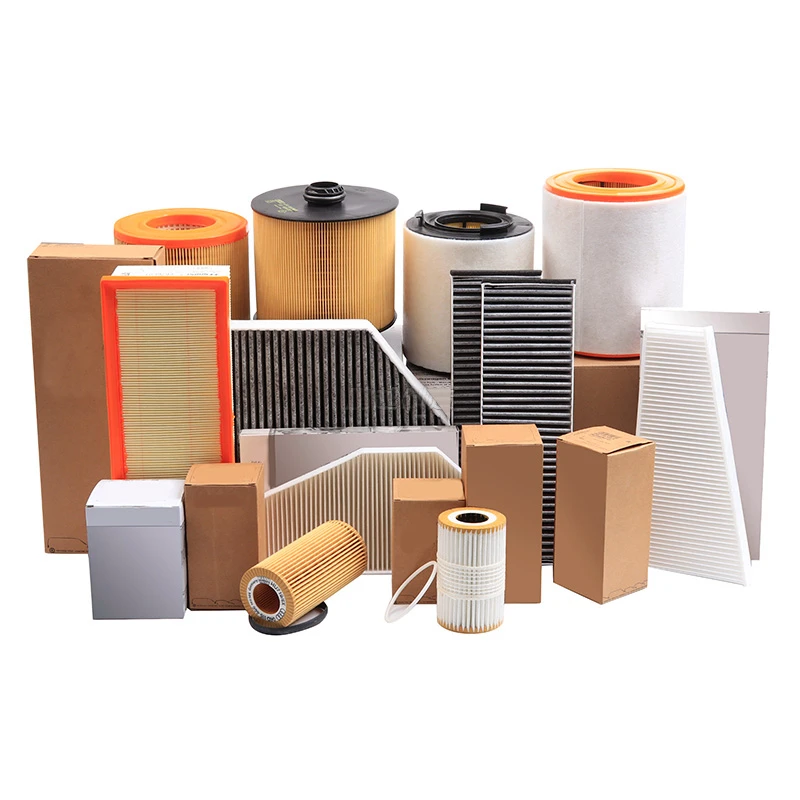
When Should You Change the Air Filter in Your Car? A Practical Guide
Car maintenance might not be top of mind until something goes wrong, but one small part that quietly makes a huge difference is the air filter. So, when should you change the air filter in your car? It’s a simple question with a surprisingly broad impact—from fuel efficiency to reducing emissions, and even passenger health. Globally, millions of drivers overlook this, which ultimately affects vehicle longevity and the environment. Understanding when to swap out your air filter isn't just about avoiding that check engine light; it’s about maintaining an efficient, cleaner, and more reliable vehicle on the road.
The Bigger Picture: Why Your Car's Air Filter Matters Globally
The global transport sector accounts for nearly 24% of direct CO₂ emissions from fuel combustion, according to the International Energy Agency (IEA). It’s no secret that improving fuel economy and reducing pollution are key to hitting climate goals. A clogged or dirty air filter hampers your car’s performance, forcing the engine to work harder and consume more fuel — which adds up to higher emissions worldwide. Plus, clean air filters help engines run smoothly, preventing costly repairs and promoting vehicle longevity.
But it’s not just about environmental stats. In many regions, especially where vehicle maintenance standards vary, neglecting something as simple as the air filter impacts air quality on a community level and puts more pressure on healthcare systems for pollution-related respiratory ailments.
It’s a small step with big global repercussions, really.
Mini takeaway:
- Dirty air filters decrease fuel efficiency and increase emissions.
- Regular filter changes support cleaner air and better engine health.
What Does “When Should You Change the Air Filter in Your Car” Actually Mean?
Basically, it boils down to knowing the right time to replace that dusty, clogged element up front of your engine’s breathing system. The air filter stops dirt, debris, pollen, and other nasty particles from getting sucked into the engine, which keeps everything running cleanly. Over time, the filter collects these particles and eventually restricts airflow, leading to decreased engine performance and fuel economy.
For modern vehicles, the “when” depends on manufacturer guidelines, driving conditions, and even geographic environment. Changes in climate, road dust, and driver habits—all of these shift the timeline.
In humanitarian or industrial contexts like emergency vehicle fleets, or remote mining operations, clean air filters help maintain reliability where breakdowns can cause major safety or operational interruptions.
What affects your timing the most?
- Driving conditions: Rough, dusty roads clog filters faster than smooth highways.
- Climate: Arid or polluted environments increase particle load.
- Manufacturer's specs: Usually between 12,000 and 15,000 miles (19,000–24,000 km), but check your car manual.
Mini takeaway:
Knowing exactly when to change your car’s air filter is key to keeping engines efficient and avoiding avoidable problems.
Core Factors to Consider When Changing Your Car’s Air Filter
1. Durability & Filter Material
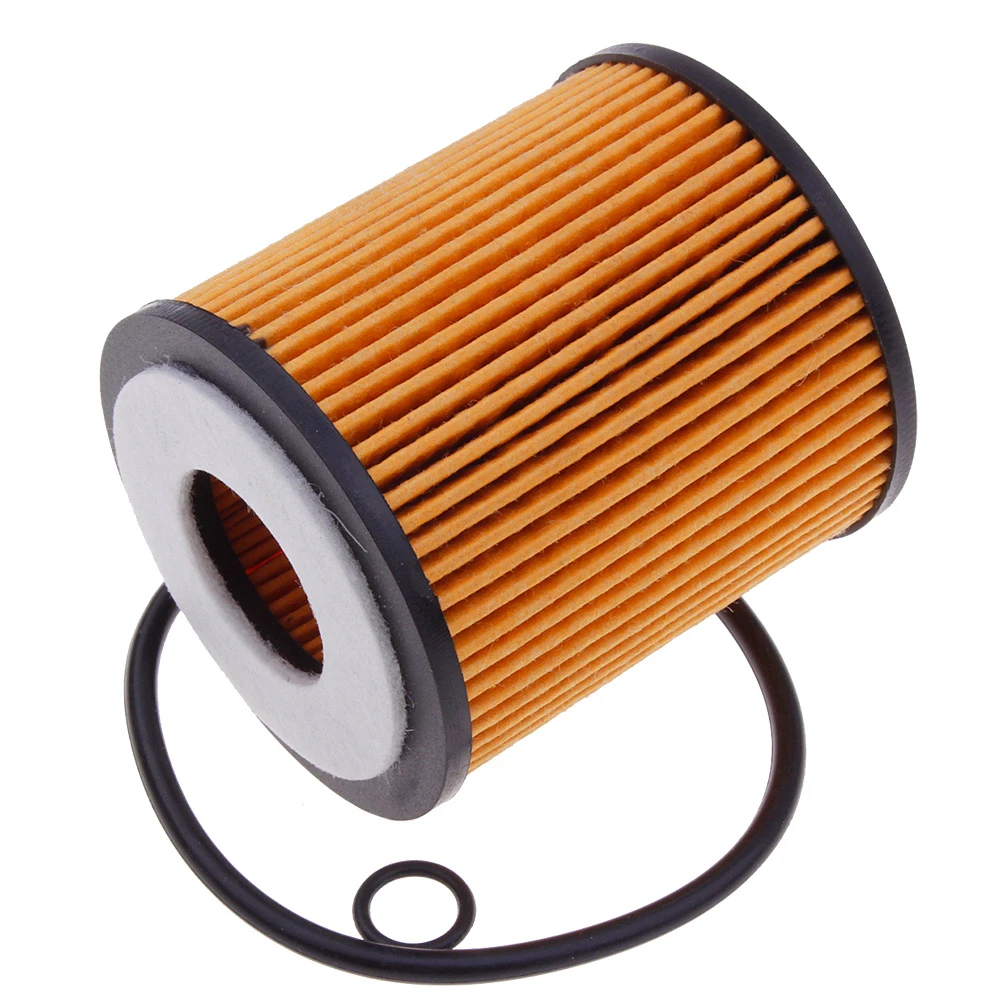
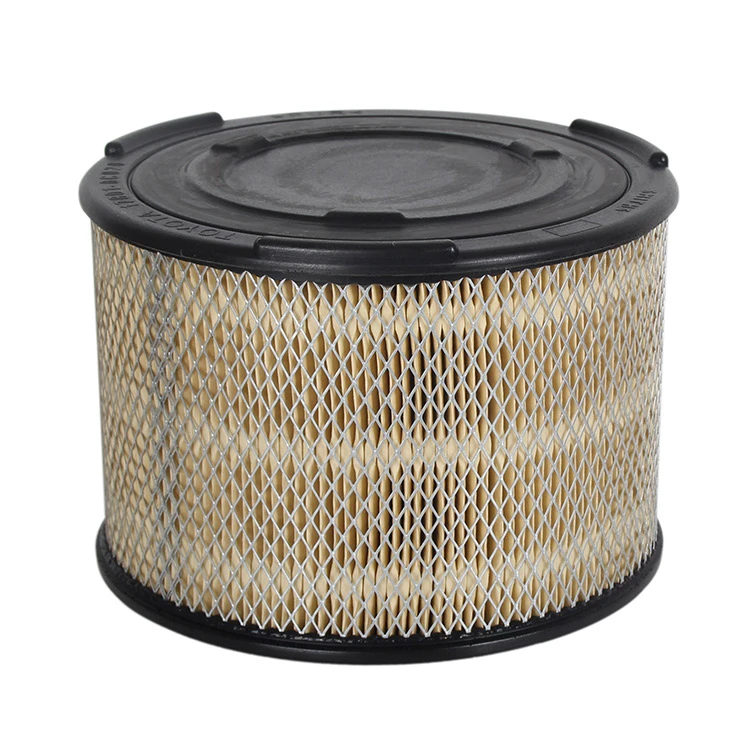
Not all filters are created equal. Paper, cotton gauze, or foam each have pros and cons affecting lifespan and air flow. For example, cotton filters can be reusable and cleaned, whereas paper filters are disposable but often cheaper upfront.
2. Performance Impact
A clean filter directly improves horsepower and acceleration. Many engineers say a clogged filter can reduce power by as much as 10%. If you feel sluggish acceleration, check that filter first!
3. Fuel Efficiency & Emissions
Studies have shown that dirty filters reduce fuel economy by up to 10%. This not only costs money but also increases greenhouse gas emissions—a win-win to avoid.
4. Cost Efficiency & Convenience
Air filters are relatively low-cost and easy to replace but ignoring them can lead to expensive repairs or increased fuel costs over time.
5. Environmental Factors and Geographic Location
Living in urban areas with heavy pollution or dusty rural roads means filters clog faster. Adapting maintenance schedules accordingly makes sense.
Mini takeaway:
Choosing the right filter and monitoring its condition regularly results in better car health, fuel savings, and a cleaner environment.
How This Applies Globally: Real-World Contexts and Use Cases
If you’ve ever driven in dusty or sandy regions like the Australian outback, parts of Africa, or the Middle East, you might have noticed your air filter gets grimy very fast. Transport fleets in such regions actually schedule air filter replacements way more often than the average driver to avoid breakdowns.
Post-disaster relief vehicles, for example, often run through rough terrain and dusty zones. Keeping air filters clean is crucial there to reduce vehicle downtime. Likewise, in urban megacities like Delhi or Mexico City where pollution is rampant, filters clog faster, and regular replacement helps keep emissions slightly lower.
Even logistics firms operating across Asia and Europe will adjust air filter change intervals based on routes and conditions, aiming to balance cost with vehicle uptime.
Mini takeaway:
- Maintenance schedules must adapt to environment and usage.
- Globally, better air filter care improves vehicle reliability and lowers emissions.
The Tangible Benefits: Why You Don’t Want to Skip This
Here’s the short list of why changing your air filter on time matters:
- Cost savings: Improved mileage means less fuel burned, less money spent.
- Engine protection: Stops abrasive particles from causing wear.
- Environmental sustainability: Lower emissions mean a smaller carbon footprint.
- Safety and comfort: Better air quality for engine and cabin filtration.
There’s emotional value too — knowing you’re doing your bit to save money, reduce pollution, and keep your vehicle healthy brings a kind of quiet pride, doesn’t it?
Looking Ahead: Innovations and Future Trends in Air Filter Maintenance
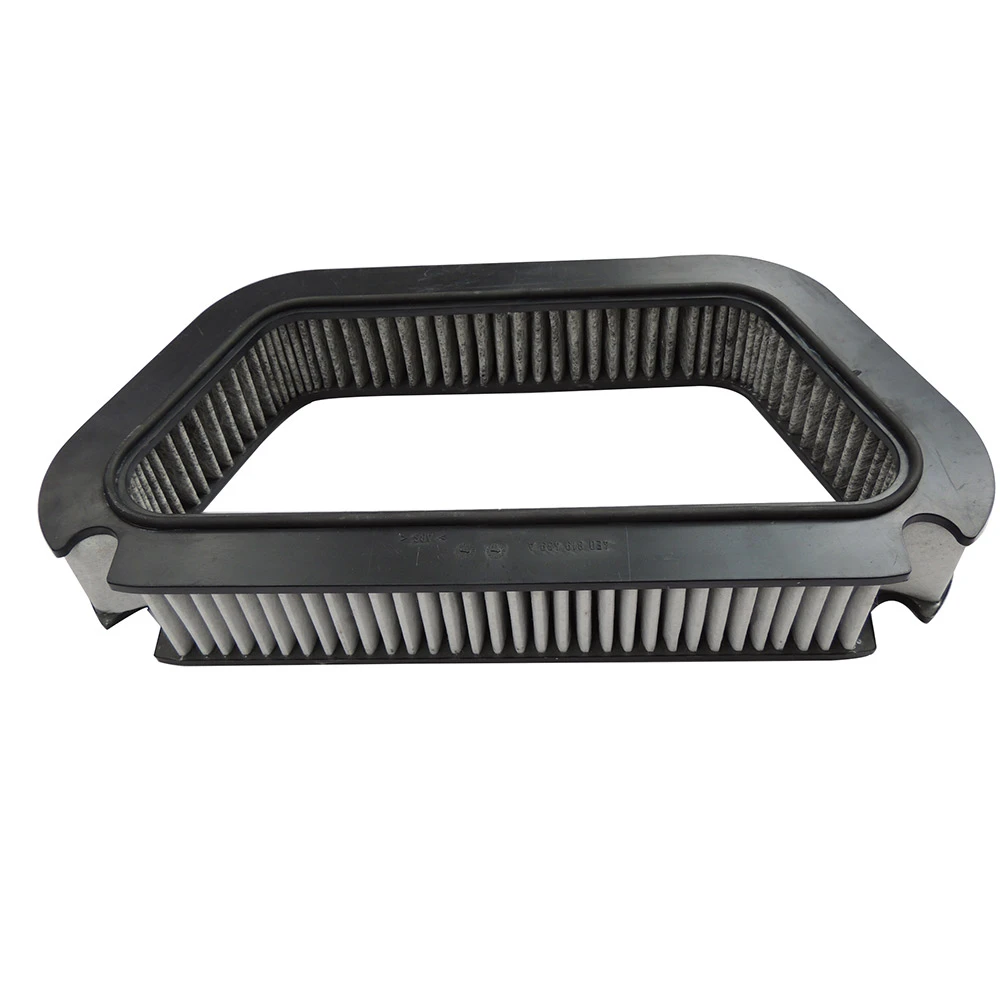
Some manufacturers now offer sensors that monitor air filter condition digitally, alerting drivers before performance suffers. With the rise of electric vehicles, the role of air filtration inside climate control cabins is also evolving, blending air filtration with health-conscious technologies.
Emerging filter materials promise better particle capture with longer service lives. Plus, additives resistant to mold and bacteria growth are improving air quality inside cars—combining sustainability with passenger comfort.
Automated systems and easy-swap filter designs mean future drivers might never have to guess when should you change the air filter in your car; the car will just tell you.
Common Challenges and How to Overcome Them
The main hurdle? People still assume air filters last forever or only change them when a mechanic suggests. This reactive approach misses the chance for smoother savings and performance.
Recently, some automotive service chains have begun offering bundled packages with affordable filter replacements and digital reminders. DIY enthusiasts can also find comprehensive guides for self-replacement to cut costs and delay maintenance procrastination.
Product Specification Table: Typical Car Air Filter Features
| Specification | Standard Paper Filter | Cotton Gauze (Reusable) | Foam Filter |
|---|---|---|---|
| Airflow (cfm) | Moderate (35-50) | High (50-70) | Moderate (40-60) |
| Lifespan | 12,000-15,000 miles | Up to 50,000 miles | 15,000-20,000 miles |
| Maintenance | Replace only | Wash & reuse | Replace |
| Price Range | $10 - $20 | $40 - $70 | $15 - $25 |
| Environmental Impact | Disposable waste | Reusable, less waste | Moderate waste |
Vendor Comparison Table: Popular Air Filter Suppliers (2024)
| Vendor | Range of Filters | Price Level | Special Features | Warranty |
|---|---|---|---|---|
| JyFilter | Standard, Premium, Reusable | Mid | Eco-friendly filters; digital maintenance reminders | 2 years |
| AutoClean | Standard & Performance | Low | Budget-friendly options; easy install kits | 1 year |
| PureAir Tech | Premium Cotton & Foam | High | Reusable filters with enhanced air flow technology | 3 years |
FAQ: Frequently Asked Questions About When Should You Change the Air Filter in Your Car
Q1: How often should I typically replace my car’s air filter?
The general recommendation is every 12,000 to 15,000 miles (19,000–24,000 km), but this depends significantly on your driving environment. If you often drive on dusty roads or in heavy city pollution, consider checking more frequently — sometimes as often as every 6,000 miles.
Q2: Can I clean and reuse my air filter, or should I always replace it?
This mostly depends on the filter type. Cotton gauze filters are designed for cleaning and reuse, while paper filters are disposable and should be replaced for optimal performance. Make sure to follow the specific instructions from your manufacturer.
Q3: What are the signs that my air filter needs to be changed?
If your engine feels sluggish, your fuel economy drops, or the “Check Engine” light comes on, it might be time to inspect your air filter. You can visually check it too—if it looks clogged or dark, replace it.
Q4: How much does changing the air filter impact my car’s fuel economy?
A clean air filter can improve fuel efficiency by up to 10%. Over time, that translates to real savings at the pump and fewer emissions—plus, your engine just breathes better.
Q5: Is it difficult to change an air filter myself?
Not at all. Most cars have easily accessible air filter housings that require only a screwdriver or clip release. It’s a good starter DIY maintenance task and can save you money on labor costs.
Final Thoughts: Keeping Your Car’s Air Filter Fresh Matters
It’s easy to underestimate the value of something as “basic” as air filter maintenance, but in reality, it’s one of the simplest ways to protect your engine, save money on fuel, and reduce environmental harm. Whether you’re on dusty country roads or gridlocked urban streets, “when should you change the air filter in your car” isn’t just a question of mileage but a practical decision that affects performance, safety, and emissions.
So before you hit the road, why not take a moment to check this little hero of your engine? Your wallet and the planet will thank you.
Need more tips on optimal maintenance? Visit our website: when should you change the air filter in your car for detailed resources and quality products.
References:
1. International Energy Agency (IEA), Transport Sector Emissions, 2023.
2. ISO 5011:2014 - Air intake filter test procedure for internal combustion engines.
3. Wikipedia - Air filter
-
Guide on how often do you need to replace engine air filterNewsApr.16,2026
-
Learn how often do you replace air filter in car for engine healthNewsApr.09,2026
-
How Often Do You Replace Car Air Filter For Optimal Engine PerformanceNewsApr.07,2026
-
How Often Do You Replace Engine Air Filter For Optimal Vehicle PerformanceNewsApr.04,2026
-
Understanding How Often Does Engine Air Filter Need to Be Replaced for Optimal PerformanceNewsMar.31,2026
-
How Often Engine Air Filter Change Impacts Performance and LongevityNewsMar.28,2026
-
Understanding How Often to Replace Your Car Air Filter for Optimal PerformanceNewsMar.26,2026
Related Products