When Should You Change the Air Filter in Your Car? Understanding This Critical Maintenance Step
Every car owner at some point stares at a dusty air filter and wonders, “When should you change air filter in car?” It might seem like a small detail in the grand scheme of vehicle maintenance, but this simple component plays a surprisingly big role in your car's performance, fuel economy, and even its emissions output. Worldwide, automotive experts and environmental agencies alike emphasize maintenance habits that improve air quality and lower pollution. Knowing when and why to replace your air filter isn't just good for your car, it’s good for the planet.
Before diving into exact timings or technicalities, let's consider how vital this is globally. Organizations like the International Organization for Standardization (ISO) have published standards on automotive maintenance partly because of the environmental footprint vehicles leave behind. Dirty air filters reduce efficiency, leading to increased fuel consumption and harmful emissions. So, understanding when to replace your air filter is a small but essential needle-moving habit in the complex machine of mitigating pollution globally.
Breaking Down the Basics: What Does “When Should You Change Air Filter in Car” Really Mean?
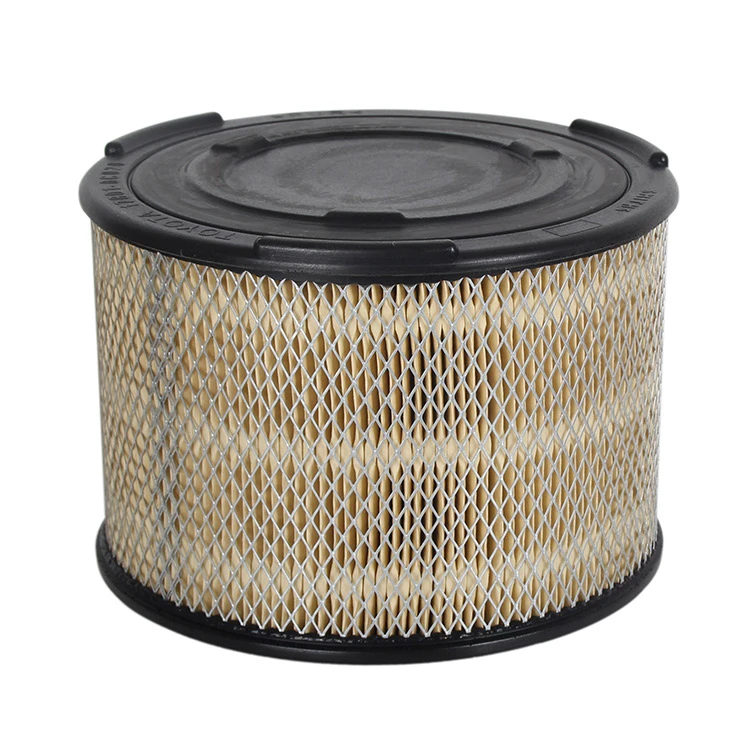
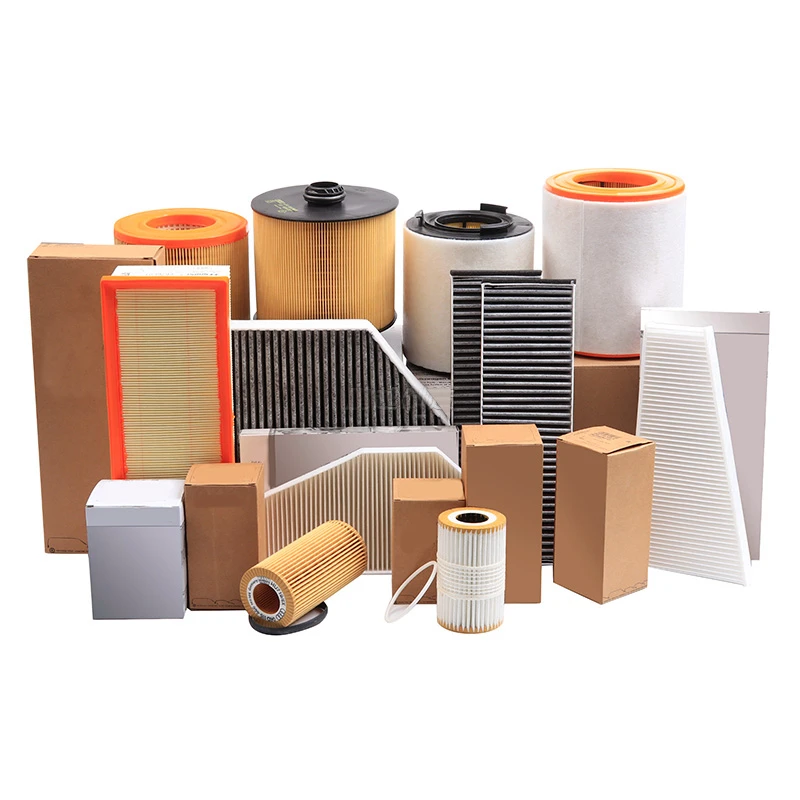
Let’s start simple: an air filter keeps dirt, dust, and other airborne particles from entering your engine’s combustion chamber. Over time, this filter traps more and more debris, eventually clogging up. This clogging not only impacts airflow but causes the engine to work harder, burn more fuel, and potentially increase emissions. So, the question “when should you change air filter in car?” points to the ideal balance—replace it just before performance starts to dip but not too often that it becomes costly or wasteful.
In human terms, imagine breathing through a mask coated in grime — not exactly comfortable, right? The car engine feels the same way. Modern vehicles often have recommended intervals listed in their service manuals, typically ranging between every 12,000 to 15,000 miles, but driving conditions and environment make a big difference.
Mini takeaway:
- An air filter prevents debris from harming your engine;
- Clogged filters degrade engine performance and increase emissions;
- Changing at the right time keeps your car healthy and eco-friendly.
Core Factors to Consider When Deciding When to Change Your Car Air Filter
1. Driving Environment
If you live in a dusty rural area or frequently drive on unpaved roads, your filter works overtime. Urban drivers, on the other hand, deal more with pollution and smog. Both conditions can shorten your filter’s life.
2. Manufacturer Recommendations
Car makers often suggest intervals based on lab tests — usually somewhere around 12,000–15,000 miles or once a year. But that’s a general guideline. For instance, when should you change air filter in car often depends on your specific make and model.
3. Visible Inspection
Clarity isn’t everything, but you can often tell a filter’s state by removing it and holding it up to light. If light barely gets through, it probably compromises airflow.
4. Performance Symptoms
Engine hesitation, lower fuel economy, or rough idling are red flags. You might need to replace the filter if these symptoms appear.
5. Time vs Mileage
Filters don’t just degrade because of miles—they age too. If your filter’s been in over a year, it’s worth checking regardless of mileage.
6. Air Pollution Levels
The Environmental Protection Agency (EPA) notes that in high pollution zones, vehicle maintenance must be stricter to reduce harmful emissions.
Mini takeaway:
- Environmental conditions can drastically affect filter life;
- Regular checks and manufacturer advice offer a good baseline;
- Performance issues may signal an overdue replacement.
The Many Faces of Air Filter Maintenance: Global Applications & Real-World Use Cases
From bustling megacities with air quality index warnings to remote desert regions filled with dust, the question of when should you change air filter in car takes on different urgency worldwide. In Europe and North America, stricter emissions laws encourage regular replacement, often verified during vehicle inspections. Japan’s meticulous car culture sees filters replaced almost routinely, enhancing performance and lifespan.
In developing regions or post-disaster relief vehicles, maintaining clean filters can be more challenging but critical. For example, NGO fleets operating in dust-heavy African zones know that frequent filter maintenance prevents costly engine failures and supports reliable transportation for aid delivery.
Meanwhile, taxi and delivery fleets in urban centers benefit from scheduled replacements, improving fuel efficiency and reducing downtime. Many transport companies now include air filter status monitoring in their fleet management software, harnessing digital tech that’s reshaping how maintenance operates.
Product Specification Table: Typical Engine Air Filter Features
| Specification | Typical Range | Remarks |
|---|---|---|
| Dimensions | 8–12 x 5–7 x 1.5–3 inches | Varies by car model |
| Material | Pleated paper, foam, cotton gauze | Different filtration efficiencies |
| Filtration Efficiency | Up to 98% of particles ≥ 10 microns | Critical for engine protection |
| Recommended Replacement Interval | 12,000-15,000 miles or 12 months | Depends on usage & environment |
Comparing Leading Air Filter Manufacturers
| Vendor | Filter Types | Average Lifespan | Price Range (USD) | Unique Features |
|---|---|---|---|---|
| K&N Engineering | Reusable cotton gauze | Up to 100,000 miles | $40 – $70 | Washable & durable |
| Fram | Disposable paper | 12,000 – 15,000 miles | $10 – $20 | Affordable, widely available |
| Bosch | Mixed media filters | Up to 20,000 miles | $15 – $35 | OEM quality, efficient |
Why Changing Your Car’s Air Filter Is A Win for Everyone
Replacing your air filter on time saves money, improves fuel efficiency by up to 10%, and ups engine longevity — all backed by studies from the Environmental Protection Agency (EPA). It also lowers emissions, contributing positively toward combating climate change on a micro scale.
On a personal level, it avoids engine stalls or costly repairs and keeps the ride smoother. There's also peace of mind in knowing your vehicle breathes cleanly. Many drivers say it’s analogous to having clean air at home — a simple luxury that easily slips under the radar.
Future of Air Filters: What’s Next in This Age-Old Maintenance Task?
Technology isn’t resting on its laurels. We’re seeing innovations in nanotechnology and synthetic fibers promising filters that last longer and trap smaller particles. Smart sensors embedded in filters can soon alert you digitally when replacement is due, making guesswork obsolete.
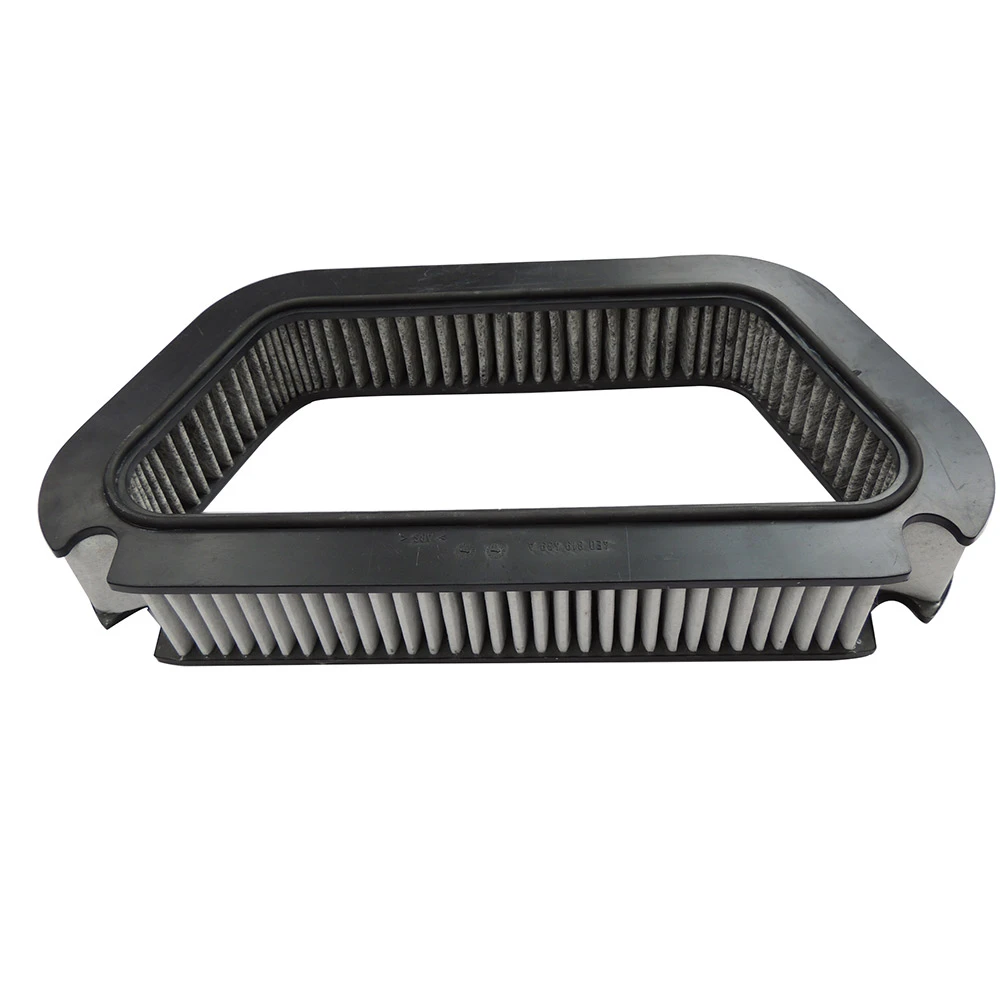
Electric vehicles pose a different challenge and opportunity — while they don’t need engine air filtration, cabin air filters for passenger comfort are gaining more attention due to rising urban pollution. Sustainable materials, biodegradability, and recycling are also shaping development trends.
Common Air Filter Replacement Challenges & Smart Solutions
One problem I often notice among casual drivers: skepticism about replacement frequency. Filters don’t show dramatic deterioration suddenly — they slow-drop, so waiting until the car “feels worse” can be too late. Education and integration of digital monitoring, like onboard diagnostics, can nudge maintenance behaviors.
Another is availability of quality filters in remote areas — using robust reusable types (like washable cotton gauze) balances cost and environmental concerns. Importers and NGOs sometimes partner with manufacturers to stockpile appropriate filters for fleets, especially in challenging geographies.
FAQ: When Should You Change the Air Filter in Car?
- How often should I replace my car’s air filter?
Generally, every 12,000–15,000 miles or roughly once a year. However, if you drive in dusty conditions, more frequent checks are advised. - Can a clogged air filter damage my engine?
Yes. A severely clogged filter restricts airflow causing incomplete combustion, reducing power and potentially harming engine components over time. - Is it okay to clean and reuse my air filter?
Some filters (like K&N) are designed to be washable and reusable. Check your filter type before attempting — disposable filters cannot be cleaned effectively. - What are symptoms of a dirty air filter?
Lower acceleration, reduced fuel economy, engine roughness, or unusual engine sounds can all indicate a dirty air filter. - Does changing air filters regularly help with car emissions?
Absolutely—clean filters improve combustion efficiency and reduce unburned fuel, lowering emissions significantly.
Wrapping Up: Your Car’s Air Filter Is More Important Than You Think
Understanding when should you change air filter in car is a quick win for your vehicle’s health and the environment at large. It’s low-cost, immediate, and impactful — sort of like brushing your teeth for your car. For detailed guidance and quality filters, do check out our site. Because, frankly, a happy car breathes easy and goes farther.
References
-
Guide on how often do you need to replace engine air filterNewsApr.16,2026
-
Learn how often do you replace air filter in car for engine healthNewsApr.09,2026
-
How Often Do You Replace Car Air Filter For Optimal Engine PerformanceNewsApr.07,2026
-
How Often Do You Replace Engine Air Filter For Optimal Vehicle PerformanceNewsApr.04,2026
-
Understanding How Often Does Engine Air Filter Need to Be Replaced for Optimal PerformanceNewsMar.31,2026
-
How Often Engine Air Filter Change Impacts Performance and LongevityNewsMar.28,2026
-
Understanding How Often to Replace Your Car Air Filter for Optimal PerformanceNewsMar.26,2026
Related Products