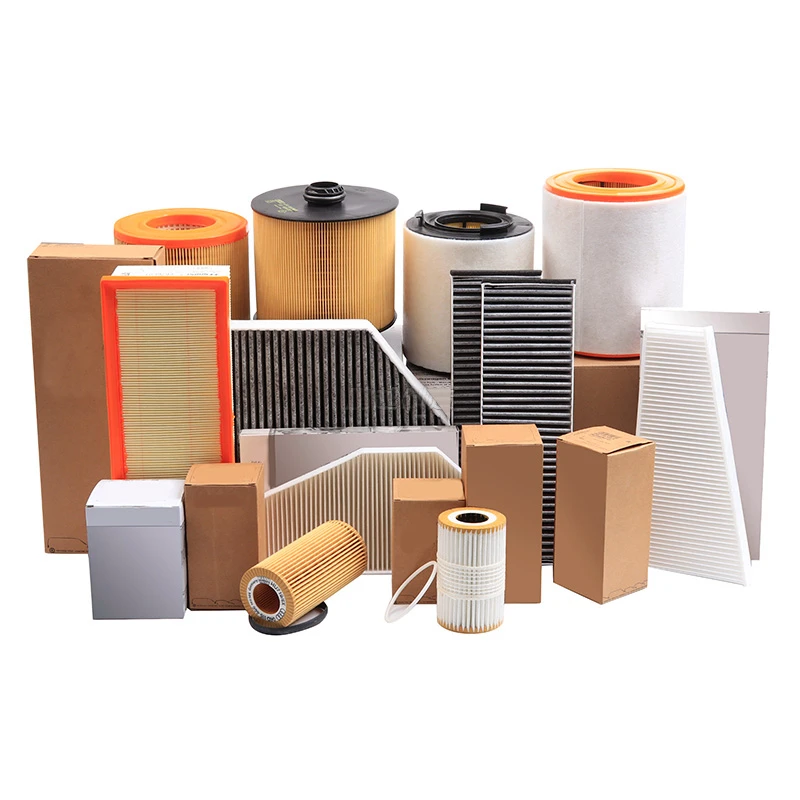
When Should I Replace Air Filter in Car? A Simple Yet Crucial Question
If you’ve ever wondered when should I replace air filter in car, you’re not alone. It might seem like a small detail in vehicle maintenance, but this question touches on a surprisingly wide scope—from fuel efficiency to air pollution control, and even the lifespan of your engine. Knowing when to replace an air filter is a bit like knowing when to water your plants—the timing affects performance, health, and longevity.
Globally, millions of vehicles rely on well-functioning air filters to reduce emissions and improve engine efficiency. The Environmental Protection Agency (EPA) notes that poor air filter maintenance contributes to increased fuel consumption and harmful pollutants. So, this isn’t just about your car’s “health” — it’s also an environmental concern that ripples worldwide.
Mini takeaway: Replacing your car’s air filter at the right time can save money, protect the environment, and keep your vehicle humming smoothly.
The Global Importance of Knowing When to Replace Your Car’s Air Filter
From the bustling streets of Tokyo to remote villages in Africa, cars and light trucks play a critical role in daily life. According to the International Energy Agency (IEA), the global vehicle fleet surpassed 1.4 billion in 2023 — and that number grows yearly. Each vehicle depends on clean, filtered air to maintain efficiency and meet strict emission standards.
However, the challenge is that many drivers either forget or don’t know when to replace their air filters, leading to clogged filters that reduce performance and increase harmful emissions. A clogged air filter can reduce fuel economy by up to 10%, according to the California Air Resources Board (CARB). That’s fuel wasted — and unnecessary greenhouse gases released.
It’s both a personal and environmental issue, impacting your wallet and the planet. So how do you get ahead of this problem?
Defining When Should I Replace Air Filter in Car
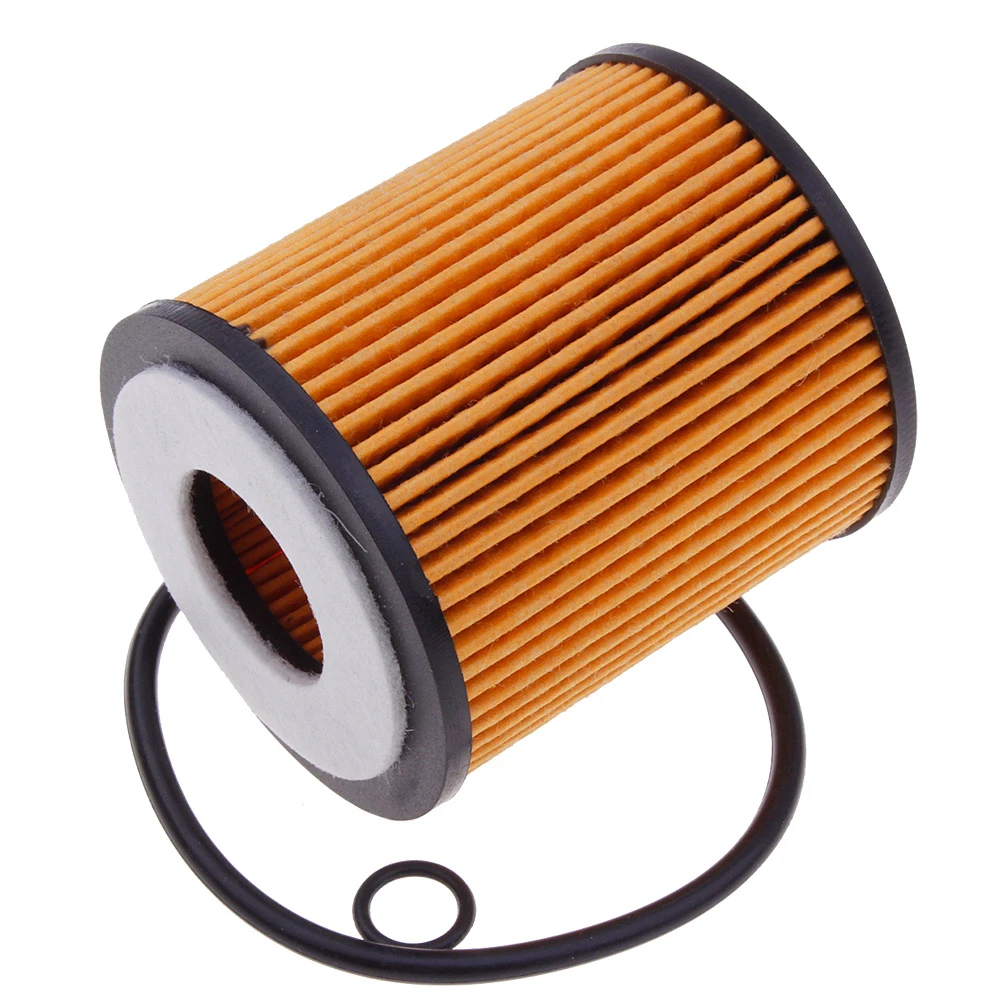
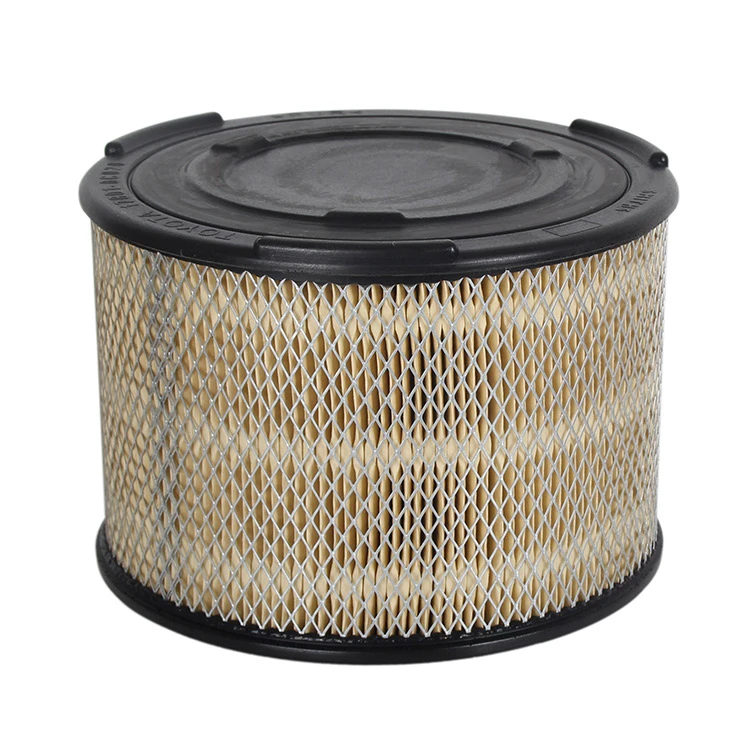
Simply put, “when should I replace air filter in car” refers to the optimal timing or mileage interval to change the engine’s air filter. This low-profile component keeps dust, pollen, and debris from entering your engine to improve combustion, prevent wear, and control emissions.
Modern cars tend to have service intervals suggested by the manufacturer, typically ranging between 12,000 to 15,000 miles. But it isn’t just a number game — the real-life environment and driving habits weigh heavily, too.
For instance, driving mostly on dusty roads or in urban areas with heavy smog might require more frequent replacements. So, it’s almost as much art as science — knowing how your conditions affect your air filter.
Key Factors that Influence When to Replace Your Air Filter
1. Durability
Air filters are made from a range of materials—from pleated paper to foam or cotton gauze. The durability of these materials often determines how long the filter will keep performing optimally. New materials and designs now focus on balancing filtration efficiency with airflow, a tricky combo.
2. Mileage and Time
Manufacturers often recommend replacing the air filter every 12,000 to 15,000 miles (19,000 to 24,000 km), or every 12 months, whichever comes first. But remember, mileage is a rough estimate—time itself degrades filter material.
3. Driving Conditions
If you live somewhere dusty or regularly drive on gravel roads, air filters get dirty much faster. Likewise, stop-and-go urban traffic with polluted air can clog filters sooner than steady highway driving.
4. Cost Efficiency
Replacing your air filter is a relatively low-cost maintenance task with high return on investment. It saves on fuel, reduces engine wear, and lowers emissions. Delaying it? That gets expensive, fast.
5. Impact on Engine Performance
A clogged air filter restricts airflow and clogs your engine’s intake, resulting in rough acceleration, reduced power, and sometimes even stalling—things you definitely want to avoid.
Product Specification Table: Typical Engine Air Filter Features
| Specification | Typical Value | Notes |
|---|---|---|
| Material | Pleated Paper / Foam / Cotton | Varies by manufacturer |
| Replacement Interval | 12,000–15,000 miles or 12 months | Can be shorter in harsh conditions |
| Dimensions | Varies by car model | Always consult manual |
| Weight | 100g – 300g | Lightweight for easy maintenance |
| HEPA Rating | Rarely applicable | Used mainly in specialized filters |
How Understanding When to Replace Your Car’s Air Filter Benefits You Worldwide
Knowing when to replace an air filter in your car isn’t just geeky car talk. It has practical applications worldwide, from private drivers to commercial fleets:
- Urban Drivers: Frequent stop-and-go traffic with pollution means more frequent exchange.
- Rural or Dusty Regions: Off-road use or dusty air requires much earlier filter replacement.
- Fleet Operators: Managing fuel costs and engine reliability hinges on timely filter changes.
- Environmental Agencies: Promote filter maintenance to regulate emissions and air quality.
Oddly enough, many seasoned drivers underestimate how severely a dirty air filter drags down efficiency. For example, in India, where urban air pollution frequently surpasses safe limits, vehicle maintenance, including air filter replacement, is pivotal to emission control.
Global Vendor Comparison for Air Filter Replacement Services
| Vendor | Average Cost (USD) | Replacement Interval (Miles) | Availability | Notable Features |
|---|---|---|---|---|
| AutoPro Services | $25–$40 | 12,000 | North America | OEM parts, warranty included |
| EcoDrive Solutions | $20–$35 | 15,000 | Europe, Asia | Eco-friendly filters, reusable options |
| FilterMax | $15–$30 | 10,000 | Global | Wide compatibility, budget options |
Advantages & Long-Term Value of Timely Air Filter Replacement
Let’s be real: replacing your air filter isn’t glamorous, but it’s a no-brainer investment in your car’s future. Here’s why engineers and drivers swear by it:
- Lower Fuel Bills: Cleaner air means more efficient combustion — fewer trips to the gas station.
- Environmental Protection: Reduces harmful particulate emissions and improves air quality.
- Engine Longevity: Prevents grit and debris from causing premature engine wear.
- Safer Driving: Improved acceleration and response aid driver confidence.
- Trust and Peace of Mind: Knowing your engine breathes easy is oddly comforting.
It’s a blend of emotional and logical benefits: you save money, help the planet, and keep your prized possession running happily for years.
Future Trends in Car Air Filter Replacement
Technology marches on, even in the humble air filter world. There’s growing interest in:
- Smart Filters: Sensors that tell you precisely when filters need replacement, removing guesswork.
- Eco-Friendly Materials: Biodegradable or recyclable filters to reduce landfill waste.
- Enhanced Filtration: Nanofibers and HEPA-like filtration to combat urban pollution and allergens.
- Automation: Integration with vehicle telematics for scheduled maintenance reminders.
Such innovations reflect a broader automotive shift toward sustainability and digital connectivity. Soon, your car might nudge you: “Hey, it’s time for a new air filter!”
Challenges and Practical Solutions for Air Filter Replacement
Some hurdles remain. For a start, many drivers overlook air filter checks, prompted neither by symptoms nor reminder systems. Additionally, poor-quality replacement filters can do more harm than good. There’s also the challenge of replacing filters on older or imported vehicles where parts may be scarce.
Experts recommend combining manual inspections with mileage tracking and, increasingly, using digital resources or professional servicing to keep tabs. Also, sticking to manufacturer-recommended or verified aftermarket parts helps avoid pitfalls.
FAQ: When Should I Replace Air Filter in Car?
Q1: How do I know if my car’s air filter needs changing?
A: Common signs include reduced acceleration, increased fuel consumption, and a rough idling engine. However, visually checking the filter for dirt or debris is the most direct way. If it looks gray or darkened, it’s time.
Q2: Can I clean and reuse my air filter instead of replacing it?
A: Some filters, like reusable cotton or foam types, can be cleaned following manufacturer instructions. But most paper filters are designed for single use. Improper cleaning can damage filter media and reduce effectiveness.
Q3: Is it safe to drive with a dirty air filter?
A: While occasional minor driving won’t immediately cause damage, chronic use of a clogged filter reduces engine efficiency and increases wear. It’s best to replace the filter promptly.
Q4: Does replacing an air filter improve air quality inside the car?
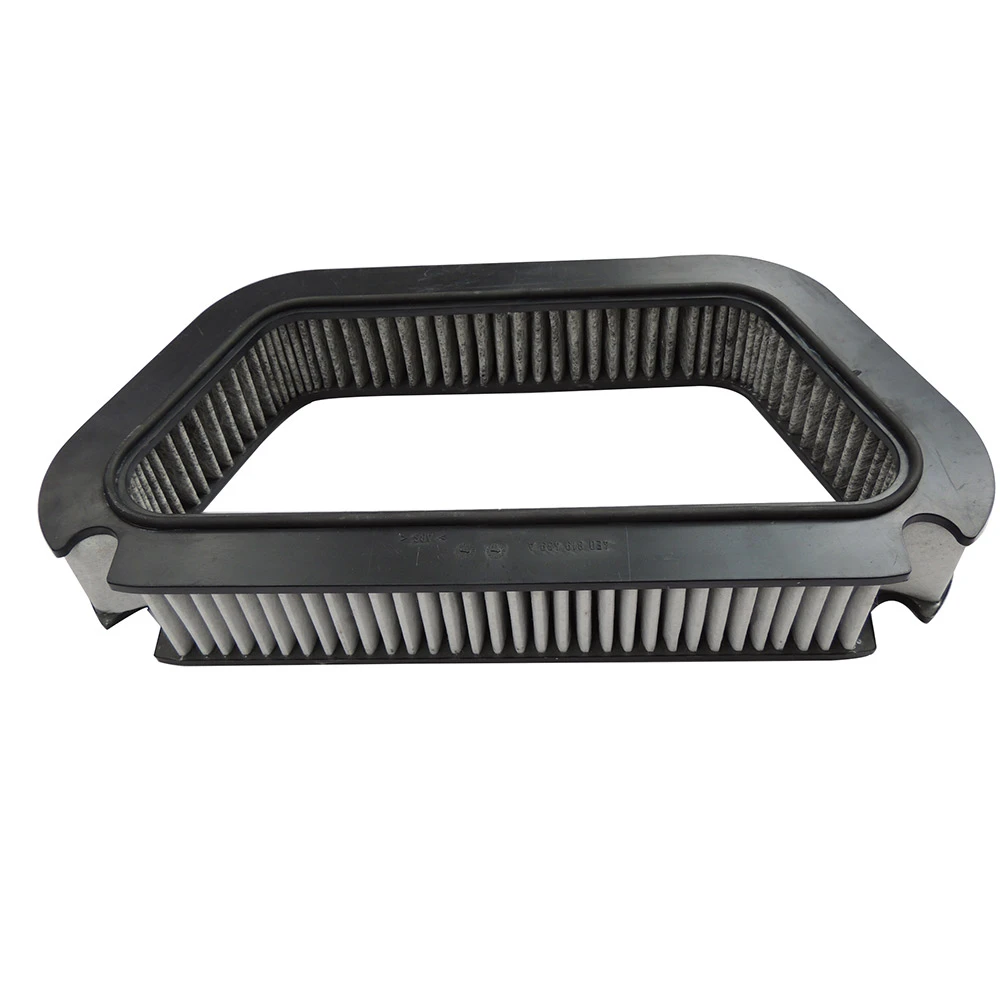
A: Engine air filters don't clean cabin air. For that, your vehicle has a separate cabin air filter. However, a clean engine filter supports overall vehicle health and emissions control.
Q5: Are aftermarket air filters as good as OEM parts?
A: Many aftermarket brands meet or exceed OEM standards—just ensure you buy from reputable vendors and check compatibility with your vehicle model.
Conclusion: Keep Your Engine Breathing Right
In the grand balance of your car’s health, when to replace the air filter in your car might not sound thrilling, but it’s fundamental. Timely replacement safeguards your engine, lowers fuel use, and reduces harmful emissions — benefits appreciated globally and personally. Don’t ignore it; treating your air filter right means your car performs better, lasts longer, and even helps the planet a bit.
For professional guidance and quality air filters, visit our website: https://www.jyfilter.com.
References:
-
Guide on how often do you need to replace engine air filterNewsApr.16,2026
-
Learn how often do you replace air filter in car for engine healthNewsApr.09,2026
-
How Often Do You Replace Car Air Filter For Optimal Engine PerformanceNewsApr.07,2026
-
How Often Do You Replace Engine Air Filter For Optimal Vehicle PerformanceNewsApr.04,2026
-
Understanding How Often Does Engine Air Filter Need to Be Replaced for Optimal PerformanceNewsMar.31,2026
-
How Often Engine Air Filter Change Impacts Performance and LongevityNewsMar.28,2026
-
Understanding How Often to Replace Your Car Air Filter for Optimal PerformanceNewsMar.26,2026
Related Products