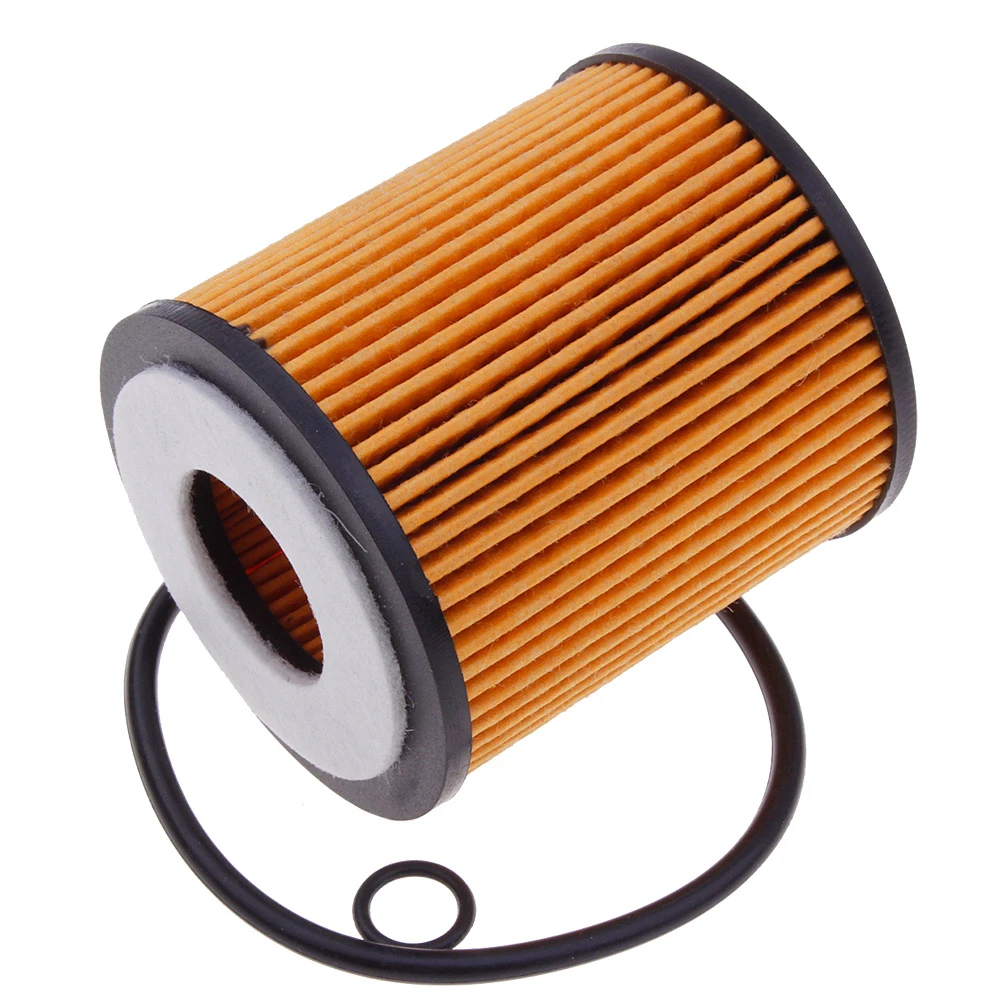
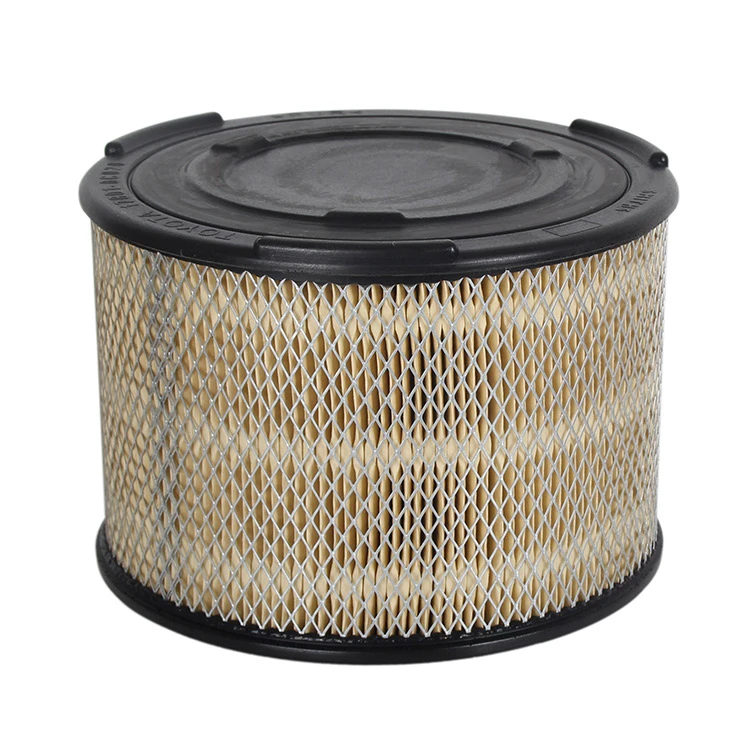
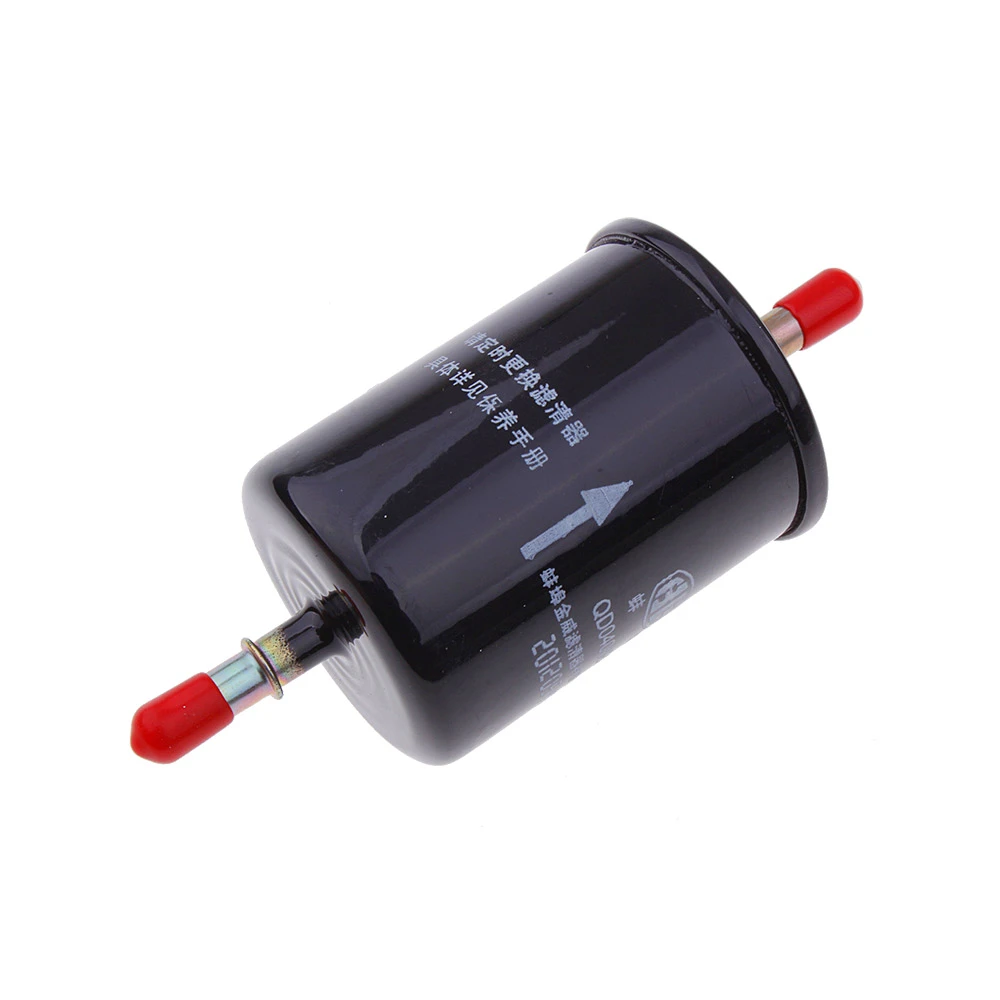
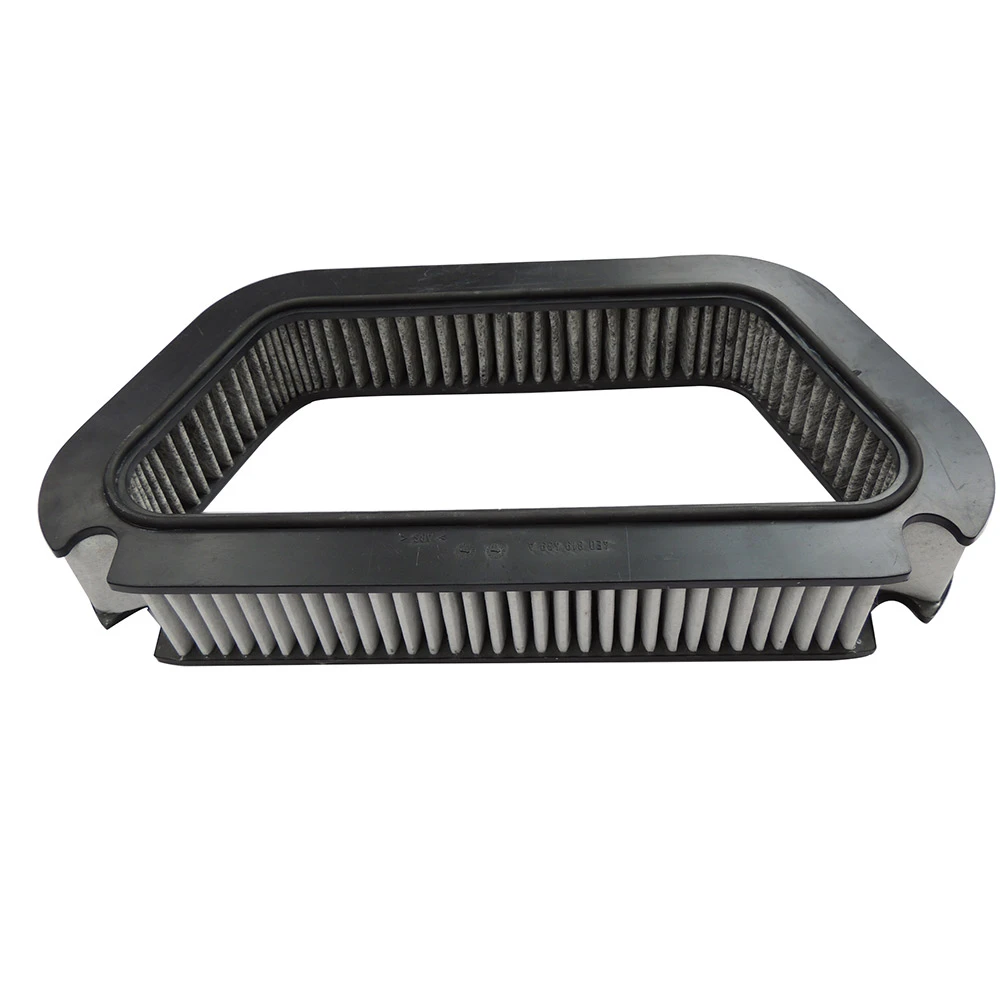
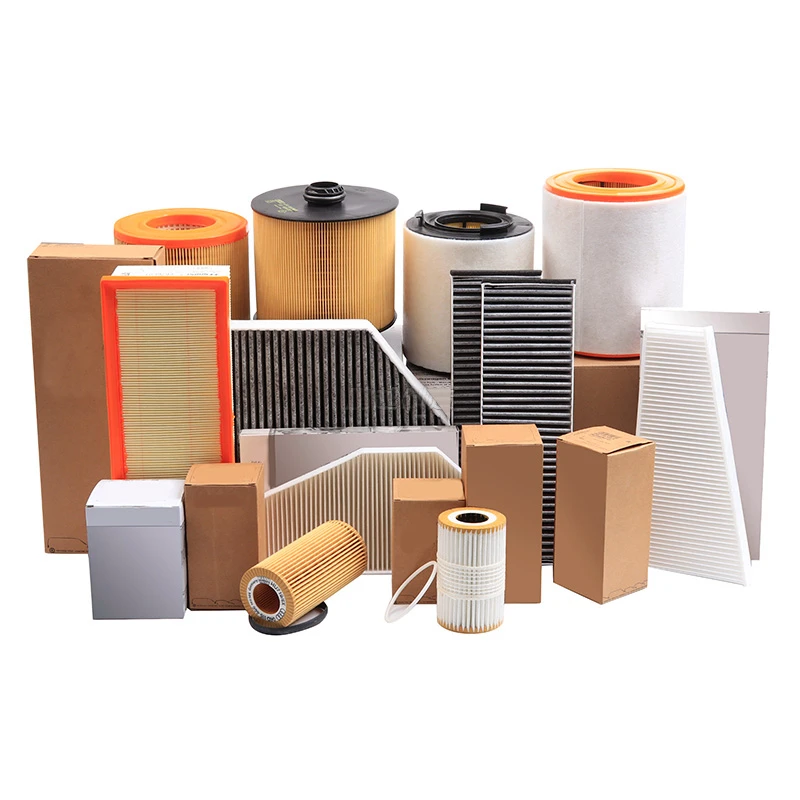
Understanding When Should I Change My Engine Air Filter and Why It Matters Globally
At first glance, "when should I change my engine air filter" might seem like a mundane, almost trivial maintenance question. Yet, the truth is, this simple query touches a significant global issue: vehicle efficiency, environmental impact, and long-term engine health. Considering that there are roughly 1.2 billion vehicles worldwide (according to the International Organization of Motor Vehicle Manufacturers), knowing the right time to switch out your engine air filter carries implications far beyond your own car. A clean air filter improves fuel economy, reduces emissions, and ultimately protects both your wallet and the planet.
In this article, we’ll unpack why the timing of replacing your engine air filter is critical, explore key factors influencing this decision, delve into global applications, and glance ahead at innovations. All while keeping things practical for you on the road — no jargon, just clear info.
The Global Perspective: Why Timing Your Engine Air Filter Change Is More Important Than You Think
Globally, as governments and industries push harder for cleaner air and reduced greenhouse gases, routine vehicle maintenance becomes a frontline defense. The World Bank notes that road transport accounts for over 20% of CO2 emissions worldwide. Engines clogged with dirty air filters can run rich (too much fuel, not enough air), leading to extra pollutants.
In regions dealing with heavy air pollution—like parts of India, China, and urban centers worldwide—filters accumulate dirt quickly. This raises two challenges: how to maintain engine efficiency in harsh conditions and how to reduce harmful exhaust emissions.
Ultimately, knowing when should i change my engine air filter is a key step toward sustainable driving habits. The challenge is that the timing can depend on many factors.
What Does “When Should I Change My Engine Air Filter” Really Mean?
Simply put, this question asks: How do you know the best time to swap out your engine’s air filter to keep your car running smoothly? The air filter’s job is to trap dust, pollen, and microscopic debris before air enters the engine. If the filter is neglected, airflow reduces, causing poor fuel combustion, engine strain, and higher emissions.
On a broader scale, proper maintenance of engine air filters ties into the automotive industry’s push for efficiency and to meet environmental standards like Euro 6 or EPA regulations. For individual vehicle owners and fleets alike, timely replacement keeps cars reliable, safe, and eco-friendly.
Core Aspects That Influence When You Should Change Your Engine Air Filter
1. Driving Environment and Conditions
If you're mostly driving on dusty roads, in construction zones, or rural areas, your filter will clog much faster than someone mostly on paved highways. Factors like humidity or pollution levels also matter.
2. Manufacturer’s Recommendations
Vehicle manuals often suggest changing at intervals between 12,000-15,000 miles (19,000-24,000 km), but this is a general guideline. Depending on use, you might need to replace it sooner or later.
3. Performance Symptoms
Experienced drivers often notice reduced acceleration, rough idling, or unusual engine sounds — clues that airflow may be restricted.
4. Filter Material and Quality
Modern air filters vary—from paper and foam to cotton gauze with oil coating. Higher-quality filters may resist clogging better but might require specialized cleaning or replacement cycles.
5. Cost Efficiency
Changing the filter too early wastes money; waiting too long risks engine damage and higher fuel expenses. Striking the right balance is key.
Mini takeaway:
All these factors blend into a somewhat personalized timeline. That’s why a simple “change every X miles” rule doesn’t cut it anymore — you have to adapt based on usage and environment.
Global Applications & Use Cases
From taxi fleets in bustling cities to agricultural vehicles in dusty farmlands, the timing of engine air filter replacement shows up everywhere.
- Urban Buses in Beijing: Frequent stops combined with dense pollution means air filters clog faster. Proper maintenance reduces pollutants and keeps schedules tight.
- Mining Vehicles in Chile: In the Atacama Desert, super fine dust requires filters to be changed sometimes twice as often as manufacturer specs.
- Emergency Response in Post-Disaster Zones: Vehicles used for relief efforts often operate in harsh, dusty conditions, making precise filter replacement critical for reliability.
Advantages & Long-Term Value of Changing Your Engine Air Filter Smartly
First, let’s talk money. A clean air filter can improve fuel efficiency by up to 10%, according to some EPA data. This translates into real savings at the pump over a vehicle’s lifetime.
On a sustainability front, ensuring clean airflow lowers toxic emissions, contributing to better air quality. There's also a safety angle—maintaining engine health reduces breakdowns, keeping drivers safe on the road.
Emotionally speaking, caring for your vehicle instills a sense of trust and pride — it’s a small act that feels like a nod of respect to your ride and to others sharing the road.
Product Specification Table: Typical Engine Air Filter Attributes
| Specification | Typical Values | Notes |
|---|---|---|
| Filter Life | 12,000–15,000 miles (19,000–24,000 km) | Varies by environment |
| Material | Paper / Cotton / Foam | Filters with oil coatings provide reusable options |
| Filtration Efficiency | Up to 99% of particles > 5 microns | Depends on filter design |
| Cost Range | $10–$50 per filter | OEM vs aftermarket |
Future Trends & Innovations in Engine Air Filter Maintenance
With the rise of smart vehicles, digital sensors that monitor air filter condition in real time are becoming popular. These sensors can notify drivers exactly when airflow drops below optimal levels — no guesswork involved.
Eco-friendly materials are also getting attention. Some new filters use biodegradable fibers or incorporate nanotechnology to trap even finer particles.
On a regulatory note, stricter emission standards worldwide are pushing automakers and drivers alike to maintain engine air quality vigilantly. This may eventually link with digital records for vehicle inspections — a sort of "filter health certificate."
Challenges & Practical Solutions
One persistent hurdle is uneven knowledge among vehicle owners. Many don’t realize their air filter's condition until performance suffers badly.
Some innovative aftermarket companies now offer easy-to-install, reusable filters with cleaning kits, making it simpler to prolong filter life without waiting for replacements.
Meanwhile, public awareness campaigns around vehicle maintenance in developing economies could reduce preventable engine damage and pollution spikes.
Vendor Comparison Table: Popular Engine Air Filter Brands
| Brand | Price Range | Material Type | Reusability | Average Lifespan |
|---|---|---|---|---|
| K&N | $40–$60 | Oiled Cotton Gauze | Yes, washable | Up to 50,000 miles |
| FRAM | $10–$30 | Pleated Paper | No | 12,000–15,000 miles |
| Bosch | $15–$35 | Synthetic Fiber | No | 15,000 miles |
FAQ: Frequently Asked Questions About When Should I Change My Engine Air Filter
Q1: How can I tell if my engine air filter needs replacing?
If you notice a drop in fuel efficiency, sluggish acceleration, or your check engine light comes on, it may signal a clogged air filter. Physically inspecting the filter for dirt buildup is a quick way; a dark, dusty filter often means it’s time for a change.
Q2: Can I clean my engine air filter instead of replacing it?
Some filters, especially oiled cotton gauze ones like K&N, can be cleaned and reused following the manufacturer's instructions. However, pleated paper filters typically cannot be cleaned effectively and need replacing when dirty.
Q3: Does changing the air filter really improve fuel economy?
Yes, a clean air filter improves airflow to the engine, allowing better fuel combustion which can increase mileage by up to 10% in some cases.
Q4: Is it safe to drive with a dirty air filter?
While you might get by for a short time, prolonged driving with a clogged air filter can stress the engine, reduce performance, and increase emissions — ultimately risking costly repairs.
Q5: How often should commercial fleets change their engine air filters?
Fleets operating in harsh or dusty environments often change filters every 6,000 to 10,000 miles or even more frequently, depending on conditions and manufacturer advice.
Conclusion: Keep Your Engine—and The Planet—Breathing Easy
So, when should I change my engine air filter? The honest answer: it depends, but erring on the side of vigilance is wise. Consider your driving environment, listen for performance cues, and consult your vehicle’s manual. Timely changes not only save money and enhance engine longevity but contribute to cleaner air and a happier planet, too.
Care for your car, care for your world. To learn more or shop high-quality engine air filters, visit our website: https://www.jyfilter.com.
References:
-
Guide on how often do you need to replace engine air filterNewsApr.16,2026
-
Learn how often do you replace air filter in car for engine healthNewsApr.09,2026
-
How Often Do You Replace Car Air Filter For Optimal Engine PerformanceNewsApr.07,2026
-
How Often Do You Replace Engine Air Filter For Optimal Vehicle PerformanceNewsApr.04,2026
-
Understanding How Often Does Engine Air Filter Need to Be Replaced for Optimal PerformanceNewsMar.31,2026
-
How Often Engine Air Filter Change Impacts Performance and LongevityNewsMar.28,2026
-
Understanding How Often to Replace Your Car Air Filter for Optimal PerformanceNewsMar.26,2026
Related Products