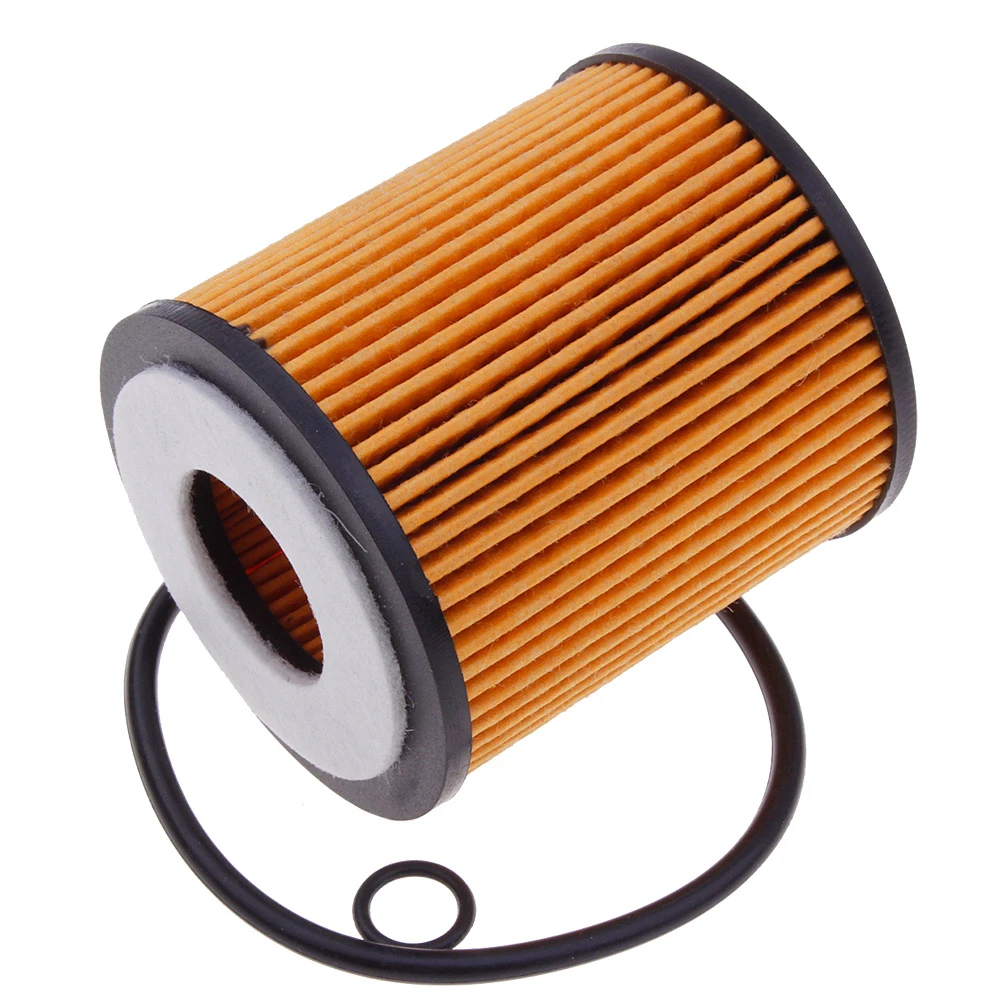
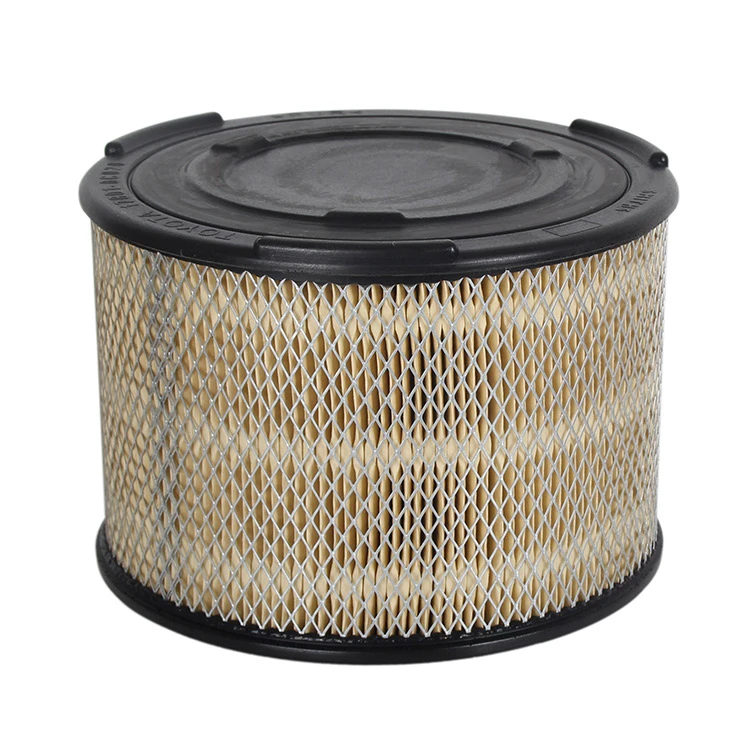
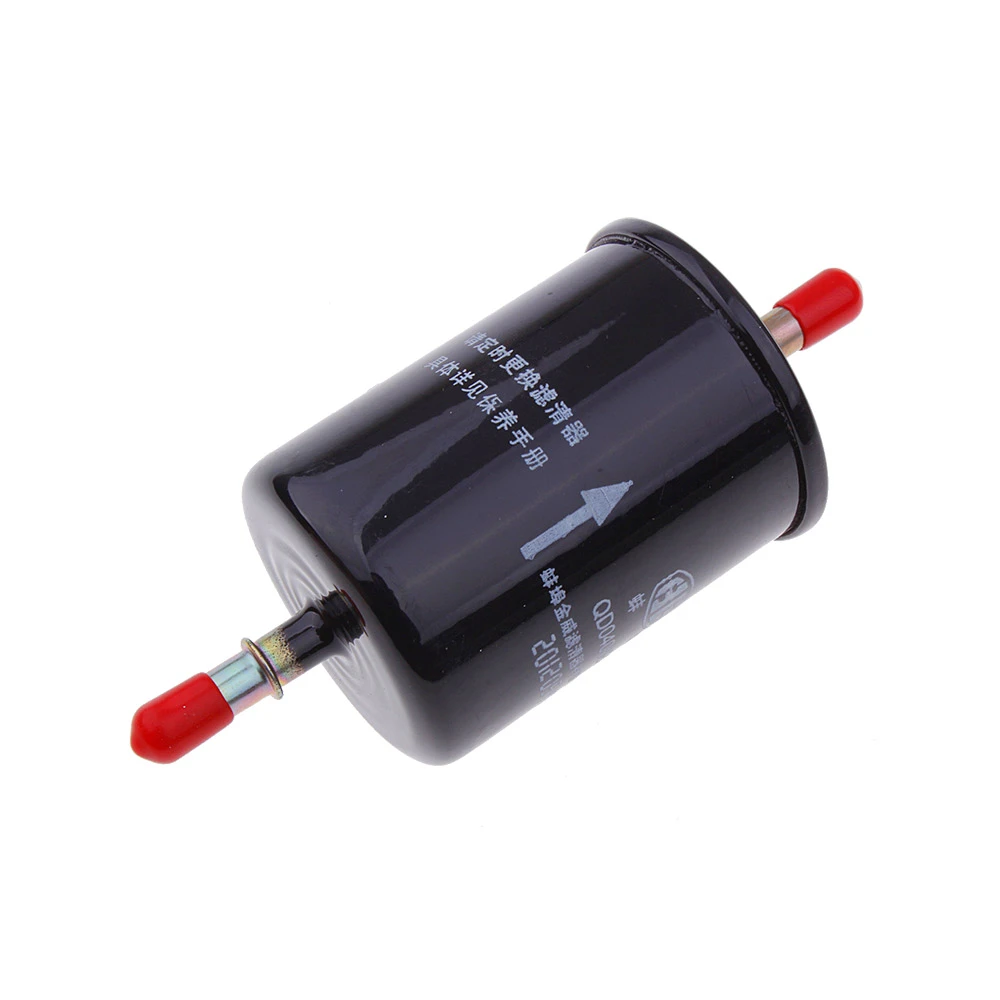
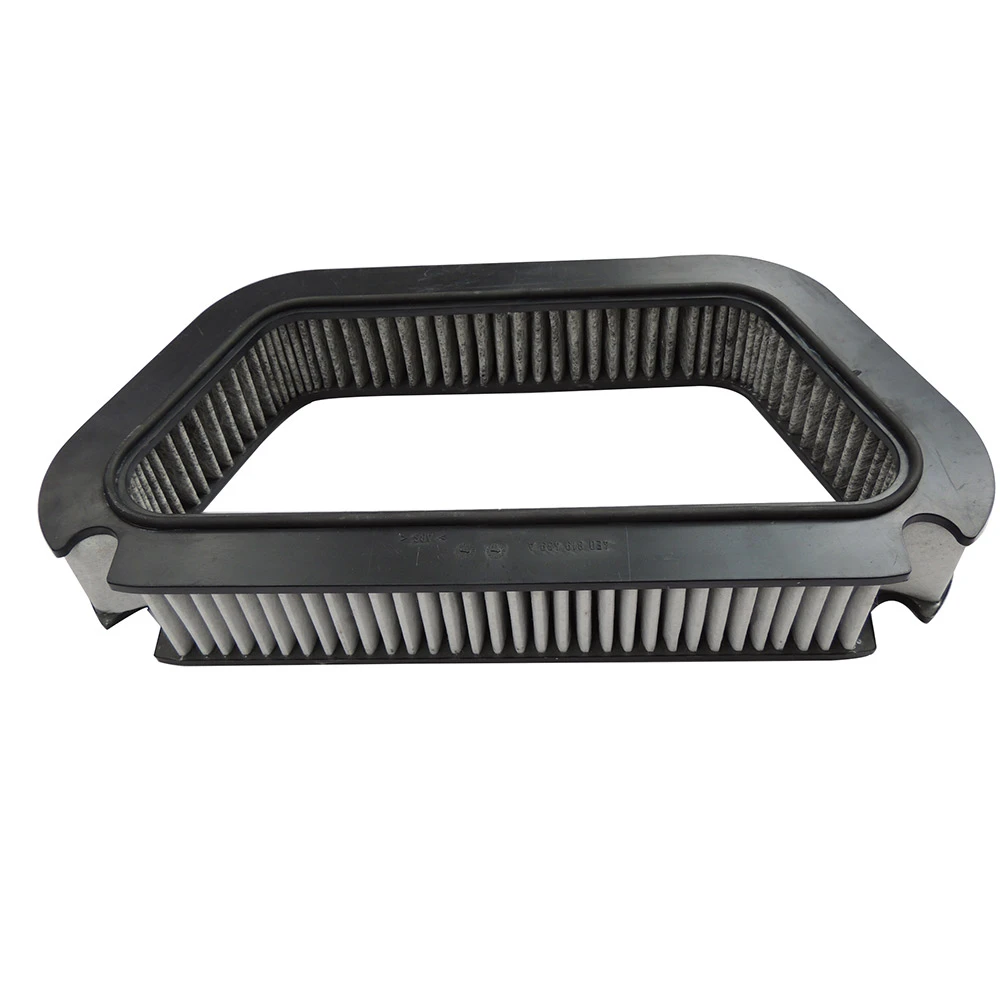
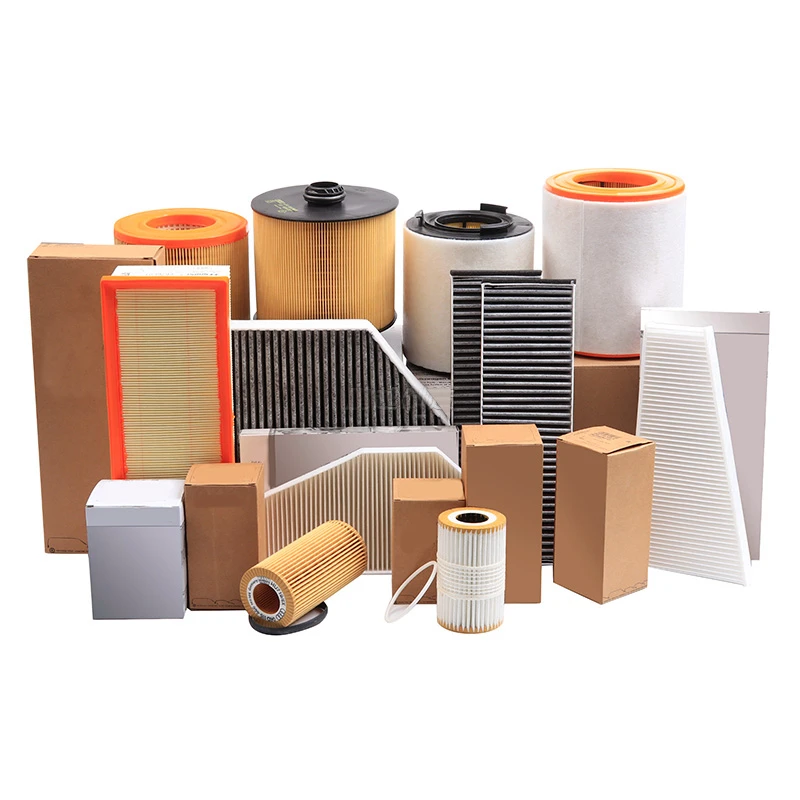
When Do You Change Air Filter in Car: Why It Matters More Than You Think
Alright, so you’ve probably heard the phrase “change your car’s air filter” at least once. But have you stopped to really think about when do you change air filter in car—and why it’s actually quite a big deal? For drivers worldwide, the air filter is a surprisingly silent hero keeping engines healthy, fuel-efficient, and even cleaner. Understanding when to swap it out isn’t just a mechanic’s jargon; it impacts emissions, engine longevity, and your wallet over time.
Globally, with over 1 billion registered vehicles running as of 2023, the question “when do you change air filter in car” isn’t trivia—it’s a key part of keeping the world moving with less pollution and better performance. According to the International Energy Agency (IEA), well-maintained engines can reduce CO2 emissions by up to 15%, and the humble air filter is central to that.
The Global Context: Why Timing Your Air Filter Change Counts
As urbanization accelerates and environmental standards tighten, vehicle maintenance like air filter replacement plays a surprisingly vital role. The World Bank reports that in many developing countries, outdated vehicle maintenance practices contribute heavily to poor air quality. With air quality linked to respiratory diseases, the timing of when to change air filter in car becomes more than just about your engine—it’s an indirect environmental and public health concern.
Furthermore, diesel and gasoline engines alike rely on clean air intake for optimal combustion. A clogged or dirty air filter chokes that airflow, causing reduced power, increased fuel consumption, and higher emissions. This isn’t just a minor inconvenience—over time, it can mean costly engine wear or even failure, straining global supply chains for spare parts.
Understanding When Do You Change Air Filter in Car: Breaking It Down
In straightforward terms, “when do you change air filter in car” means identifying the ideal replacement interval to maintain clean air entering your engine. Not too early to waste money, not too late to risk damage. Manufacturers typically recommend anywhere from every 12,000 to 15,000 miles, but that’s only the starting point.
Environmental factors heavily influence this timing. Dusty roads, urban pollution, and climate conditions can clog filters faster. So, the question “when do you change air filter in car” is less about a fixed schedule and more about staying tuned to your driving environment and habits. It’s practical maintenance meets attentive care.
Mini Takeaway:
- Changing your air filter at the right time keeps your engine healthy and efficient.
- Factory schedules are guides—not gospel; consider your driving context.
Key Factors Affecting When to Change Your Car’s Air Filter
1. Driving Environment
Urban drivers in heavy traffic might find their filters clogging with smog and particulate matter faster. Meanwhile, rural or off-road drivers battle dust and dirt. Both extremes accelerate filter replacement needs.
2. Filter Material and Design
Modern air filters come in a variety of materials—paper-based, cotton gauze, or even reusable foam. Their lifespan varies. High-performance cotton filters might last longer but require cleaning, whereas paper filters are disposable and need regular changing.
3. Vehicle Type and Engine Size
Smaller engines might be more sensitive to airflow restrictions; SUVs and trucks usually encounter harsher conditions but may have filters designed to last longer. Knowing your specific vehicle’s requirements helps answer the question “when do you change air filter in car” more accurately.
4. Mileage and Time
Even if you don’t drive much, air filters degrade over time, accumulating dust and losing efficiency. Roughly, changing filters annually or according to mileage recommendations keeps your maintenance on track.
Mini Takeaway:
- Environment, filter type, and vehicle specifics combine to affect filter lifespan.
- Keep an eye on mileage but don’t ignore driving conditions.
Real-World Applications: Where and Who Benefits Most
Across continents, different sectors rely heavily on timely air filter changes to keep engines running smooth. In Australia’s mining regions, dust storms are common, so operators schedule frequent filter swaps to avoid costly downtime. Freight companies in Europe integrate filter checks into their fleet service routines to lower emissions and avoid penalties under tightening EU pollution regulations.
Public transport providers in megacities like New York or Mumbai also see that proactive air filter maintenance contributes to their commitments to cleaner air and reduced fuel costs—a win-win for operators and citizens alike.
Advantages of Timely Air Filter Replacement
- Cost Efficiency: Fresh filters improve fuel economy by up to 10%, trimming expenses.
- Engine Longevity: Clean air means less abrasive particles in engine components.
- Environmental Impact: Lower emissions and reduced carbon footprint.
- Safety and Reliability: Avoid unexpected stalls or power loss during critical moments.
Product Specification Table: Typical Air Filter Features
| Feature | Description |
|---|---|
| Material | High-quality paper, cotton gauze, or synthetic fibers |
| Lifespan | Typically 12,000-15,000 miles or 1 year |
| Dimensions | Varies by vehicle make/model |
| Airflow Rate | Optimized to balance filtration and engine breathing |
| Maintenance | Disposable or washable, depending on material |
Comparing Popular Air Filter Vendors
| Vendor | Filter Type | Price Range | Warranty | Special Features |
|---|---|---|---|---|
| ACDelco | Paper disposable | $15–$30 | 1 year | OEM fit and filtration efficiency |
| K&N | Washable cotton gauze | $45–$85 | Limited lifetime | Reusable, high airflow performance |
| Mann+Hummel | Paper and synthetic blends | $20–$40 | 2 years | High dust holding capacity |
Future Trends: What’s Next for Air Filter Replacement Cycles?
The good news is that air filter technology isn’t standing still. Innovations in nanofiber materials promise filters that trap even smaller particulates without sacrificing airflow. Then there’s the integration of sensors that monitor filter clogging in real time—soon you might get a dashboard alert precisely telling when do you change air filter in car, tailored to your specific driving conditions.
And with the automotive world leaning into greener tech, some hybrids and electric vehicles might still need specialized air filters for cabin or battery cooling systems, reinventing the maintenance cycles we’re used to. It’s a tech revolution quietly brewing under the hood.
Common Roadblocks and How to Overcome Them
Despite the apparent simplicity, many drivers neglect their air filters or rely too heavily on mileage alone. Oddly enough, several surveys show that up to 40% of cars on the road have clogged filters, leading to poor performance and higher emissions. The challenge? Awareness and habit.
Solutions include better education at point-of-sale service, user-friendly apps reminding you to check filters, and workshop integration of environment-based recommendations. After all, a one-size-fits-all rule doesn't cut it.
FAQs About When Do You Change Air Filter in Car
Q1: How can I tell if my air filter needs changing before the recommended interval?
A: Visual inspection is a great first step—if your filter looks dark and clogged with dust, it’s time. You might also notice reduced fuel economy, rough idling, or decreased acceleration, which are signs the filter isn’t breathing well.
Q2: Can I drive with a dirty air filter without causing harm?
A: Occasionally, yes during short distances, but regularly driving with a clogged air filter stresses your engine and reduces efficiency, potentially causing long-term damage and higher emissions.
Q3: Are reusable air filters worth the investment?
A: Reusable filters like cotton gauze can last longer and often improve airflow, but they require cleaning and proper maintenance. For frequent drivers or enthusiasts, they can be cost-effective in the long run.
Q4: Does replacing the air filter really improve fuel economy?
A: Yes. A clean air filter supports optimal combustion, improving air-fuel mix and potentially boosting fuel economy by up to 10%, which adds up over time.
Q5: How does air filter maintenance impact car emissions?
A: Dirty filters restrict airflow, causing incomplete fuel combustion, which increases hydrocarbon and carbon monoxide emissions. Keeping filters clean helps your vehicle meet emission standards.
Wrapping It Up: Taking Control of Your Car’s Air Quality
Knowing when do you change air filter in car is a small action with big benefits. Beyond just extending your engine’s life, it means smarter fuel use, cleaner emissions, and less unexpected breakdown drama. The truth is, it’s practical maintenance layered with a dash of environmental consciousness. So, next time you peek under the hood, remember: your air filter might just be the most overlooked piece of the puzzle.
Want to keep your car breathing fresh? Check out our range of quality filters at jyfilter.com and make informed choices that give you more miles and less fuss.
Final Mini Takeaway:
- Your car’s air filter may be small, but when you change it smartly, it pays off significantly.
- Tailor replacements to your driving style, environment, and vehicle for best results.
References:
- International Energy Agency – Global CO2 Emissions
- World Bank – Air Pollution Data
- Wikipedia – Air Filter
Article by an experienced automotive maintenance writer. For more detailed guides and product info, visit jyfilter.com.
-
Guide on how often do you need to replace engine air filterNewsApr.16,2026
-
Learn how often do you replace air filter in car for engine healthNewsApr.09,2026
-
How Often Do You Replace Car Air Filter For Optimal Engine PerformanceNewsApr.07,2026
-
How Often Do You Replace Engine Air Filter For Optimal Vehicle PerformanceNewsApr.04,2026
-
Understanding How Often Does Engine Air Filter Need to Be Replaced for Optimal PerformanceNewsMar.31,2026
-
How Often Engine Air Filter Change Impacts Performance and LongevityNewsMar.28,2026
-
Understanding How Often to Replace Your Car Air Filter for Optimal PerformanceNewsMar.26,2026
Related Products