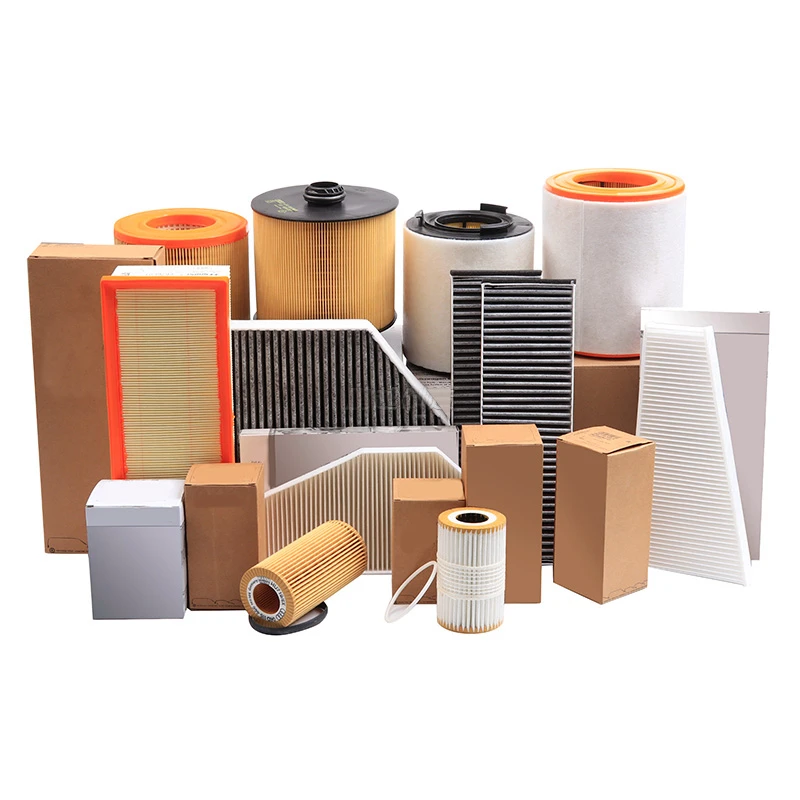
When Should Car Air Filters Be Changed? A Practical Guide
There's a quiet hero in your car’s engine bay — the air filter. It’s not flashy, but it plays a crucial role in your vehicle's performance, fuel efficiency, and longevity. Knowing when should car air filters be changed is more than routine maintenance; it’s about protecting your engine from dust, pollutants, and other gritty nasties that could cause damage.
Today, this topic isn't just relevant for individual drivers but holds global importance as well. Clean air intake means fewer emissions, which ties into broader environmental goals and sustainability ambitions across industries. It’s a small thing with a surprisingly big impact.
The Global Context: Why Care About Air Filter Maintenance?
Car ownership continues rising worldwide, with the International Energy Agency (IEA) reporting over 1.4 billion vehicles on the road globally as of 2023. Naturally, maintaining these vehicles efficiently impacts not just driver safety and fuel costs, but air quality at large. Poorly functioning air filters increase engine emissions, contributing to urban smog and health hazards.
One tricky challenge: many drivers don’t realize that neglecting air filter replacement can cause a stealthy decline in engine efficiency, sometimes worsening fuel consumption by up to 10%. It’s a classic “out of sight, out of mind” situation that fleets and daily drivers alike face.
What Does It Mean to Know When to Change Your Car's Air Filter?
In simple terms, when should car air filters be changed boils down to understanding the signs that your filter can no longer do its job properly. It’s a mix of manufacturer recommendations, real-world driving conditions, and usage patterns.
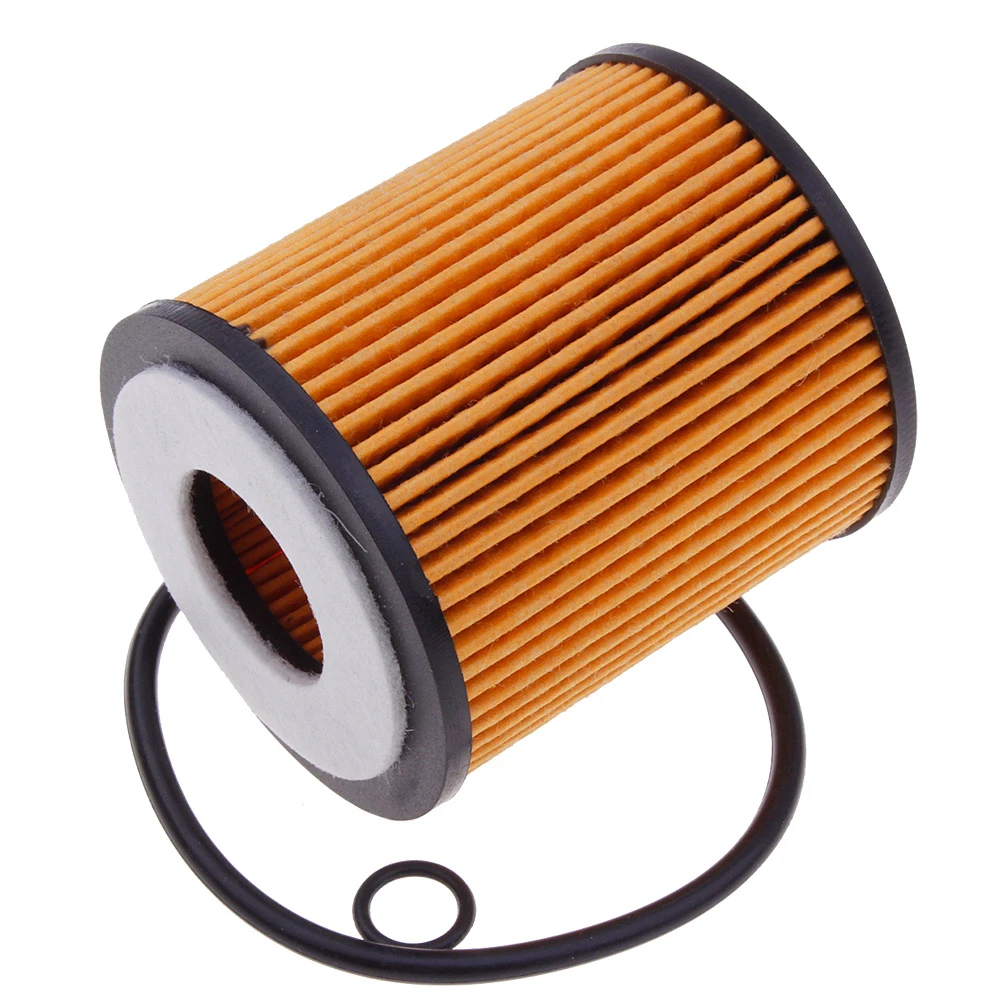
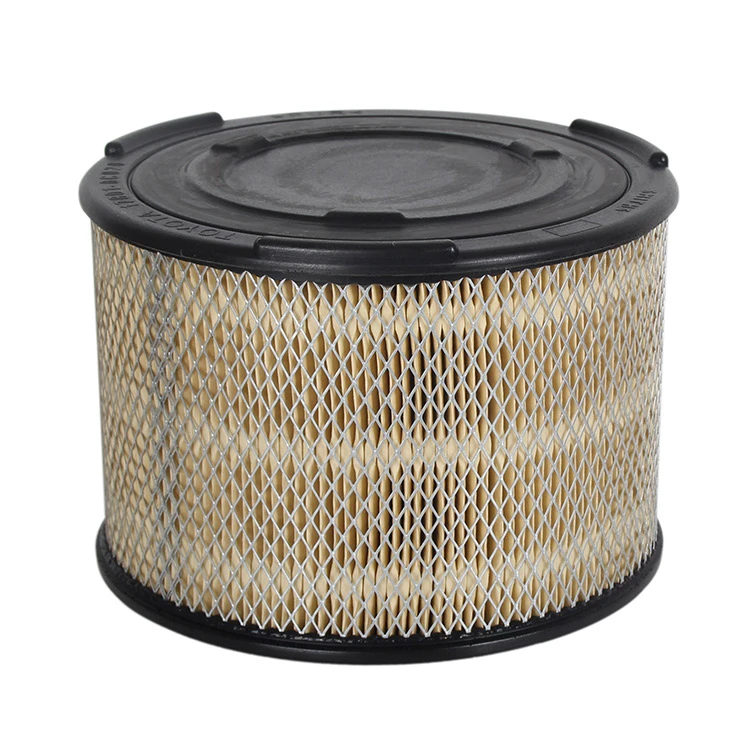
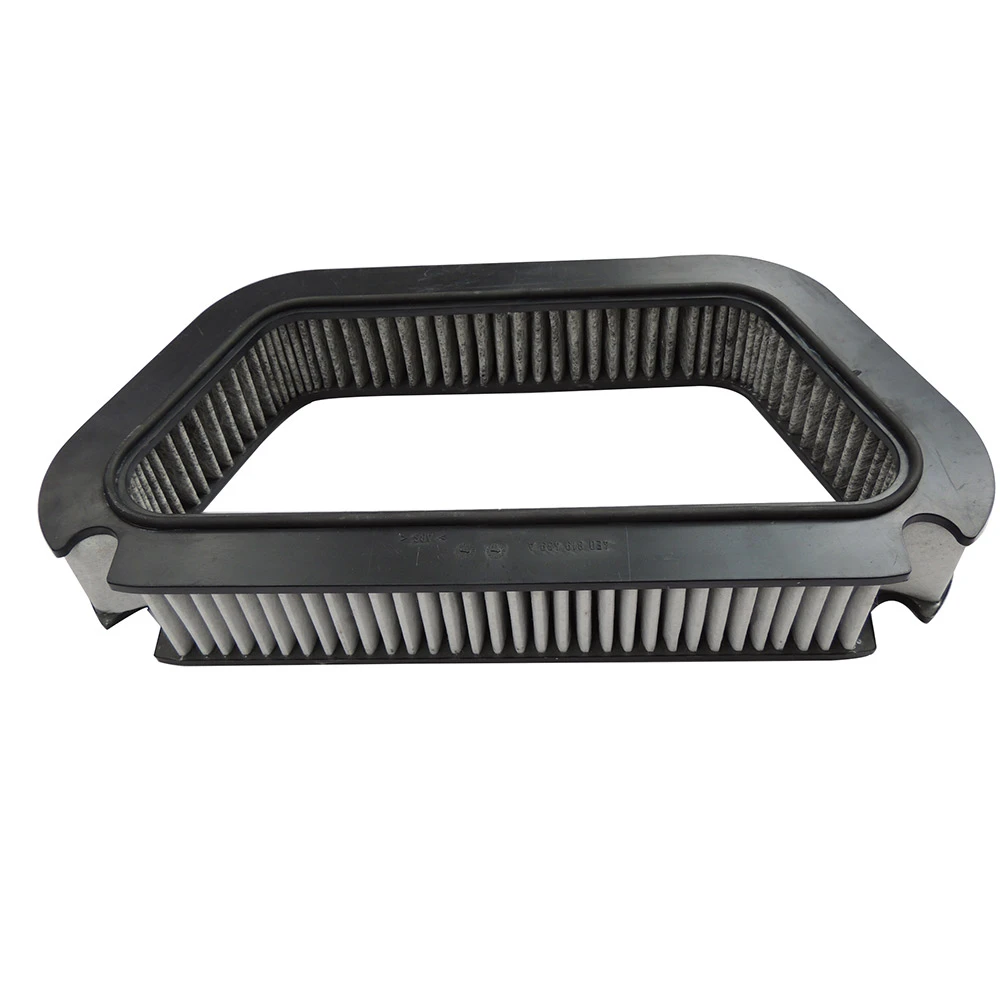
The air filter’s job is to trap airborne particulates before they reach the engine. Over time, these contaminants — dirt, pollen, soot — accumulate, reducing airflow and causing a “choking” effect. Changing the air filter regularly ensures the engine breathes easy, maintains optimal combustion, and operates smoothly.
From an industry perspective, this small maintenance act dovetails into vehicle lifecycle management and emission control practices — both vital topics in automotive engineering and policy today.
Key Factors to Consider When Changing an Air Filter
1. Driving Environment
Urban drivers in smog-heavy cities like Delhi or Mexico City face different air quality issues compared to those in rural or dusty settings such as Australia’s Outback or the American Southwest. Dirtier environments call for more frequent changes.
2. Manufacturer's Guidelines
Most carmakers specify a change interval — commonly every 12,000 to 15,000 miles — but these are rough estimates. They operate under "normal" conditions which may rarely apply true to your drive patterns.
3. Signs and Symptoms
- Reduced fuel efficiency
- Misfiring engine or rough idling
- Visual inspection revealing excessive dirt or damage
- Check engine light in some cases
4. Type of Air Filter
Traditional paper filters differ from reusable or high-performance ones — the former are replaced, the latter cleaned or serviced. This influences how and when to act.
Mini takeaway:
Simply put, knowing when to replace your car’s air filter involves paying attention to your driving environment, sticking loosely to manufacturer advice, and observing your vehicle’s behavior.
Real-World Applications: Where This Makes a Difference
In many developing regions such as parts of Africa and Southeast Asia, dusty roads and high pollution levels impose a significant burden on vehicle maintenance. NGOs operating mobile clinics or aid vehicles often prioritize filter replacements to keep their fleets running reliably.
Similarly, logistics companies in harsh climates — think Australia’s mining regions or the Middle East’s deserts — treat air filter maintenance as a critical step in their routine inspections to prevent costly downtime.
In cold climates like Scandinavia, filters also battle moisture and salt exposure, which add another layer to maintenance timing.
So yes, knowing when should car air filters be changed has real operational importance beyond just personal car care. It keeps the engines of commerce, aid, and everyday life sputtering along smoothly.
Advantages of Timely Air Filter Replacement
The benefits come in layers. First, fuel economy: a clean filter improves airflow, which directly relates to better combustion. Second, engine longevity: fewer contaminants reduce wear and tear. This means fewer repairs and lower costs over time.
Environmentally, less fuel burned means fewer harmful emissions — a small but meaningful step toward greener roads.
On a human level, there’s peace of mind. You know your car breathes clean, you’re not wasting gas, and you’ve done your bit to keep things running.
Product Specification Table: Typical Car Air Filter Parameters
| Specification | Standard Value | Range |
|---|---|---|
| Filter Type | Pleated Paper | Paper, Foam, Cotton |
| Dimensions | 250mm x 200mm x 50mm | Varies by vehicle |
| Service Interval | 12,000 miles or 12 months | 5,000 - 20,000 miles |
| Material Efficiency | Up to 95% particle filtration | 80-98% depending on type |
| Operating Temp | -40°C to 125°C | -50°C to 150°C |
Key Vendors Compared: Air Filter Options and Service
| Vendor | Filter Types Offered | Price Range (USD) | Warranty & Support |
|---|---|---|---|
| AQ Filters | Paper, High-Mileage, Performance | $15 - $45 | 12-month warranty, hotline support |
| ClearFlow Auto | Eco-friendly, Reusable Cotton | $30 - $60 | 24-month warranty, online tutorials |
| DriveGuard | Standard Paper, Foam | $10 - $40 | 6 months warranty, local dealer support |
Looking Ahead: Future Trends in Air Filter Maintenance
Car air filtration is quietly evolving. Think nanofiber filters with superior capture rates or bio-based materials replacing traditional paper — elegance meets green tech. Moreover, some manufacturers are embedding sensors that alert drivers when filters are clogged, which feels like the car's own little health monitor.
With digital transformation advancing, automation might soon play a role — imagine dealerships diagnosing filter condition remotely before your scheduled service. In an eco-conscious market, reusable filters will gain ground for their sustainability and cost benefits.
Challenges and Practical Solutions
Of course, regular filter changes face hurdles — uneven access to quality parts, lack of driver awareness, and sometimes environmental extremes that wear filters faster than usual.
Experts recommend scheduled inspections combined with visual checks, especially in challenging conditions. Some drivers keep a spare filter handy for quick swaps during long trips or remote-area drives. Community awareness programs and technical support from vendors also help bridge the education gap.
FAQ: Quick Answers About Changing Car Air Filters
- How often should I realistically change my car air filter?
- While manufacturers suggest every 12,000–15,000 miles, it really depends on where you drive. In dusty or polluted areas, consider every 5,000–7,000 miles. Always do a visual check if you’re uncertain.
- Can a clogged air filter cause engine problems?
- Yes! Restricted airflow can lead to poor fuel economy, rough idling, and even engine misfires. It’s like trying to breathe through a straw – your engine struggles to perform efficiently.
- Are reusable filters worth the investment?
- Reusable filters can be cost-effective and environmentally friendlier over time, but they require proper cleaning and care. They often suit enthusiasts or those wanting long-term savings.
- What signs indicate my air filter needs immediate replacement?
- Noticeable drops in fuel mileage, reduced acceleration, unusual engine sounds, or dirty filter media upon inspection are good clues it’s time to swap it out.
In Conclusion: Breathing Life into Your Engine
Understanding when should car air filters be changed isn’t just a maintenance chore — it’s an investment in your car’s health, your safety, and the environment. Regular attention to this small but mighty part helps keep engines running smoothly, cuts fuel costs, and reduces harmful emissions.
If you want a hassle-free way to stay ahead of this, check out our expert guides and quality filters to help you breathe easy — literally and figuratively.
Quick Recap:
- Change your air filter according to environment and usage, not just the calendar.
- Pay attention to signs like decreased fuel efficiency or rough idling.
- Consider quality and type of filters for best results.
- Stay informed about innovations that make maintenance easier.
References
-
Guide on how often do you need to replace engine air filterNewsApr.16,2026
-
Learn how often do you replace air filter in car for engine healthNewsApr.09,2026
-
How Often Do You Replace Car Air Filter For Optimal Engine PerformanceNewsApr.07,2026
-
How Often Do You Replace Engine Air Filter For Optimal Vehicle PerformanceNewsApr.04,2026
-
Understanding How Often Does Engine Air Filter Need to Be Replaced for Optimal PerformanceNewsMar.31,2026
-
How Often Engine Air Filter Change Impacts Performance and LongevityNewsMar.28,2026
-
Understanding How Often to Replace Your Car Air Filter for Optimal PerformanceNewsMar.26,2026
Related Products