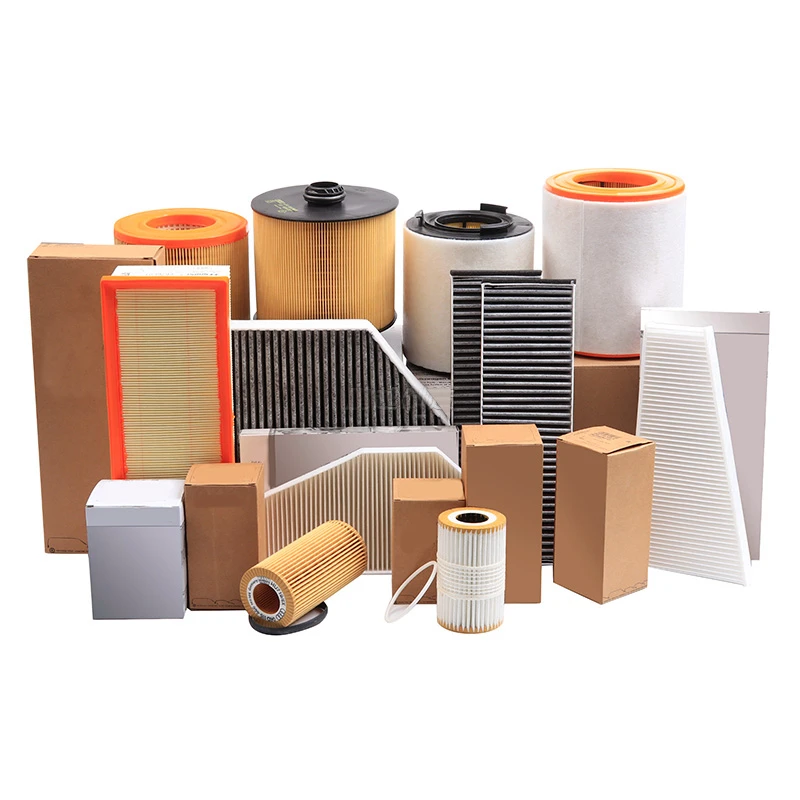
The Purpose of Air Cleaner in Car: Why It Matters More Than You Think
Have you ever wondered why every car has an air cleaner tucked away somewhere under the hood? Beyond just being a part of the regular maintenance schedule, the purpose of air cleaner in car is actually quite crucial—and goes way beyond simple dirt trapping. Globally, as vehicle populations explode and air quality concerns climb, understanding this small but mighty component can illuminate broader environmental and performance benefits. So in this article, we’ll unpack what exactly an air cleaner does, why it’s so vital to modern automotive use, and what innovations are shaping its future.
Why Should We Care? A Global Perspective
The world has more than 1.4 billion cars on the road today (according to the International Energy Agency), and that number's only growing. Every one of those vehicles requires clean air to operate efficiently. According to the United Nations Sustainable Development Goals, improving air quality is essential to reducing respiratory illnesses and combating climate change. The air cleaner in cars directly supports this effort by preventing pollutants from damaging engines which in turn decreases harmful emissions. Without it, engines struggle, fuel efficiency drops, and contamination increases. It’s a seemingly small piece of the puzzle but tied deeply to global goals on sustainability and health.
Mini takeaway: The purpose of air cleaner in car isn’t just a mechanical thing; it’s a frontline defense for cleaner air globally and better vehicle performance.
What Actually is the Purpose of Air Cleaner in Car?
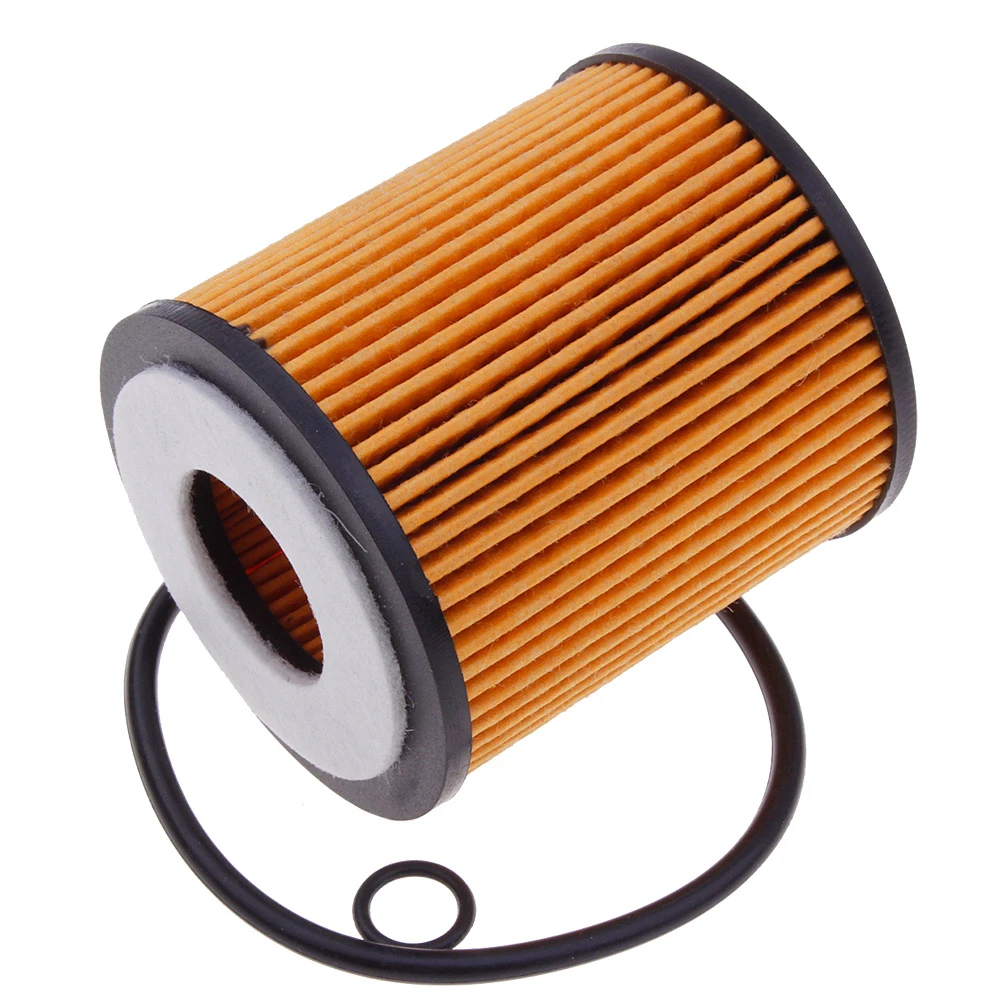
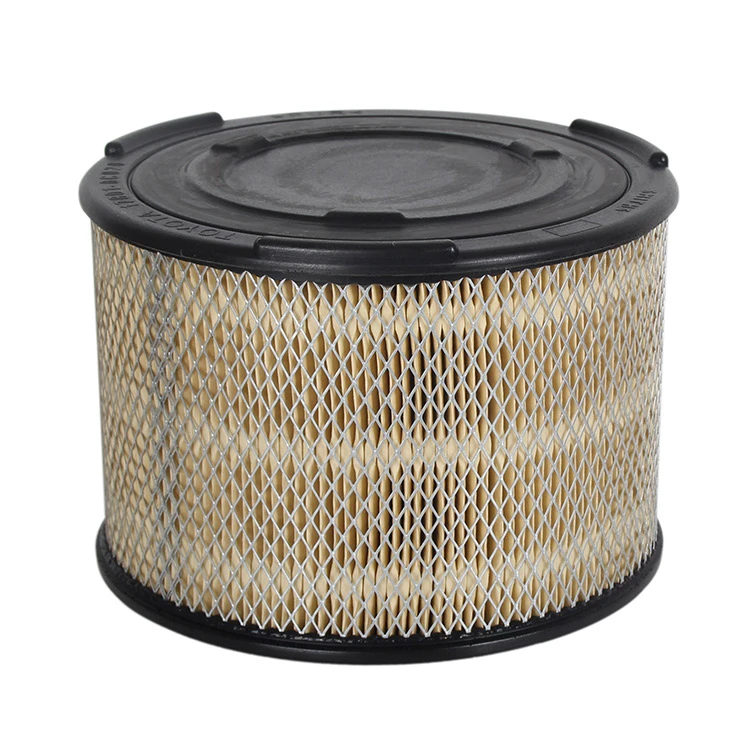
Simply put, the air cleaner (or air filter) in a car traps dust, pollen, and other airborne particles from entering the engine’s combustion chambers. Think of it as a lung shield for the engine. It ensures that the air, one of the primary ingredients for combustion, is free from contaminants that would cause wear, reduce efficiency, and ultimately shorten engine life.
Industrially, clean air intake is fundamental to vehicle longevity, emissions control, and consistent performance. On a humanitarian note, reducing engine emissions keeps the air cleaner for people living in dense urban areas, where car pollution significantly impacts respiratory health.
Key Components and Factors Affecting Air Cleaners
1. Filtration Efficiency
This is the heart of the air cleaner in car. It determines how effectively the filter traps contaminants without overly restricting air flow. Too coarse, and harmful particles sneak in; too dense, and the engine chokes for air.
2. Durability and Material
Filters are made from paper, foam, cotton gauze, or synthetic fibers. Choosing the right material affects how long the filter lasts, how often it needs replacing, and its cost.
3. Maintenance and Replacement Intervals
Regular inspections and changing filters at recommended mileage ensures optimal performance. Neglect can lead to clogged filters, reduced fuel economy, or expensive engine repairs.
4. Environmental Adaptability
Some filters are designed for harsh environments — dusty deserts, construction sites, or polluted city streets. Matching the filter to the vehicle’s use case is essential.
5. Cost Efficiency
A great air cleaner balances price with longevity and performance — a critical consideration for fleet operators and individual owners alike.
Mini takeaway: Air cleaner design balances filtration efficiency, durability, and cost to protect engines while supporting performance.
Global Applications & Real-World Use Cases
From the snowy streets of Scandinavia to dusty roads in India, the purpose of air cleaner in car is universal. For example, in mining operations in Australia, trucks use heavy-duty air filters designed to withstand fine particulate. In megacities like Mexico City, where air pollution is infamous, routine filter replacements help curb vehicle emissions and keep engines running cleaner longer.
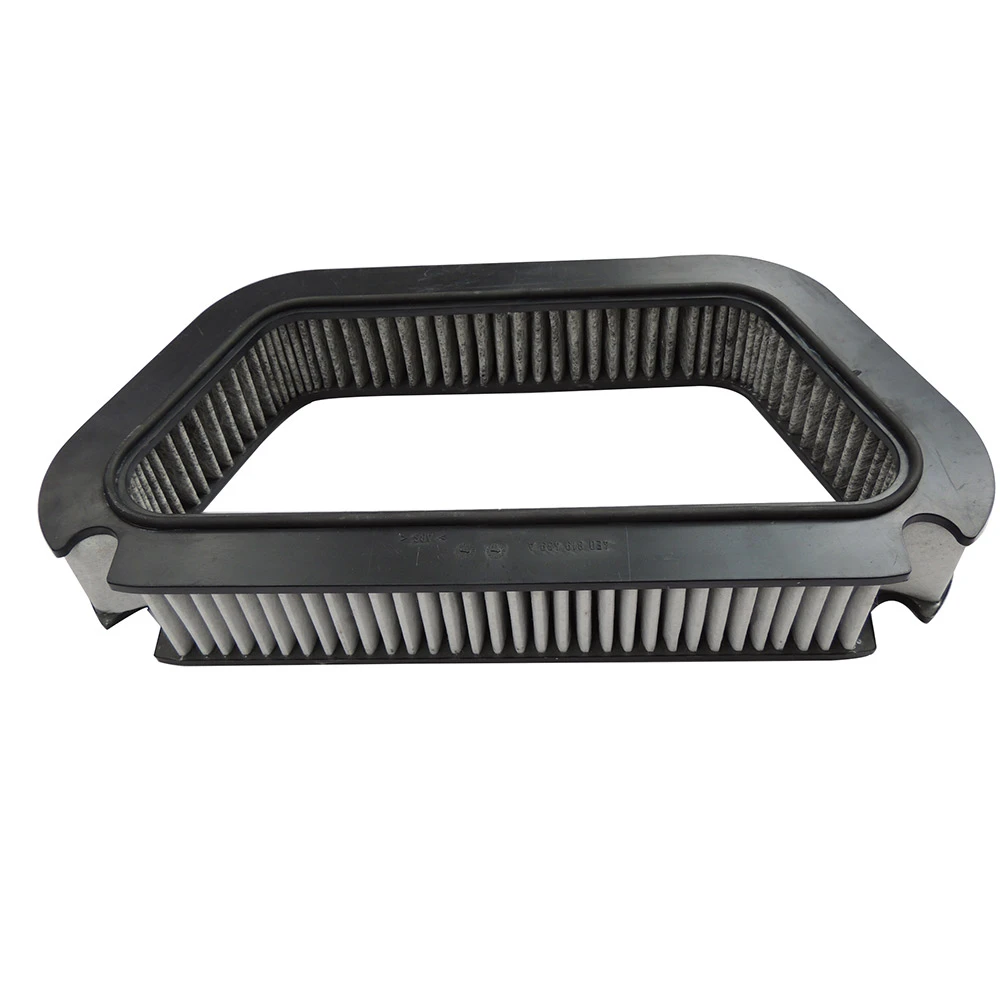
Emergency services vehicles, especially during disasters, rely heavily on high-quality air cleaners because they often operate in conditions choking with dust, smoke, or debris. Even luxury electric vehicles, while not using traditional combustion engines, incorporate cabin air filters focused on occupant health, tying back to the overall air cleanliness lifecycle.
Advantages & Long-Term Value of Air Cleaners in Cars
- Engine Protection: Prolongs engine life by preventing particle ingestion.
- Fuel Economy: Cleaner air mix improves combustion efficiency.
- Emission Control: Supports lower harmful exhaust emissions.
- Cost Savings: Prevents costly engine repairs or premature wear.
- Health Impact: Indirectly improves urban air quality and occupant safety.
It’s easy to overlook the air cleaner’s role until something goes wrong. But many engineers I spoke with say it’s a fundamental component — the single piece protecting hundreds of other parts from premature failure, and one of the first lines of defense for a car's “health.”
Emerging Trends & Innovations
Digital monitoring systems are increasingly common, alerting drivers electronically when air cleaner performance declines. Manufacturers are experimenting with nanofiber materials to improve fine particle filtration while retaining airflow. There's also a greenhouse focus with biodegradable filters to reduce environmental waste.
With the rising tide of electric vehicles, the traditional air cleaner’s role may evolve, but the general principle of maintaining air quality — both for engines or cabin environments — remains critical. Industry players are also tackling challenges in providing better filters tailored to harsh environments and diverse climates.
Challenges & How the Industry is Addressing Them
Despite advances, challenges remain:
- Filter Clogging: Environmental extremes accelerate dirt buildup, reducing efficiency.
- Cost Pressure: Balancing affordability with advanced filtration remains tricky.
- Maintenance Compliance: Many vehicle owners delay replacement, negating benefits.
Innovations like reusable filters, advanced diagnostics, and better public education aim to solve these issues. For example, some vendors now design filters with antimicrobial coatings to reduce microbial growth in humid climates — a subtle but impactful improvement.
Frequently Asked Questions about the Purpose of Air Cleaner in Car
Q1: How often should I replace my car’s air cleaner?
A: Typically, air cleaners should be checked every 12,000 to 15,000 miles, or once a year. However, if you drive in dusty or polluted areas, more frequent replacement is advisable to maintain performance.
Q2: Can a clogged air cleaner affect my car’s fuel efficiency?
A: Yes. A clogged air filter restricts airflow, causing the engine to work harder and consume more fuel. Replacing it often results in noticeable improvements in fuel economy.
Q3: Are all air cleaners the same across car models?
A: Not really. Air cleaners vary by design, size, and filtration material according to engine specs and environmental needs. Always use the manufacturer-recommended filter for your car.
Q4: Do high-performance cars need different air cleaners?
A: Often, yes. Performance vehicles may use specialized filters to maximize airflow without compromising filtration, sometimes opting for reusable cotton or synthetic fibers.
Q5: Can an air cleaner impact the amount of pollutants my car emits?
A: Indirectly, yes. By ensuring clean air enters the combustion chamber, the engine burns fuel efficiently, producing fewer harmful emissions.
Quick Product Specification Table: Typical Car Air Cleaner
| Specification | Typical Value | Notes |
|---|---|---|
| Filter Type | Pleated Paper / Synthetic | Most common materials |
| Efficiency Rating | Up to 99% at 10 microns | Fine particulate filtration |
| Replacement Interval | 12,000 to 15,000 miles | Varies by environment |
| Service Life | Approx. 1 year | Depends on conditions |
Vendor Comparison Table: Popular Car Air Cleaner Brands
| Brand | Filter Type | Average Cost (USD) | Replacement Interval | Special Features |
|---|---|---|---|---|
| ACDelco | Paper Pleated | $15 - $25 | 12,000 miles | OEM standards |
| K&N | Reusable Cotton Gauze | $40 - $60 | Up to 100,000 miles (washable) | High airflow, reusable |
| Fram | Paper + Synthetic Blend | $10 - $20 | 15,000 miles | Affordable, widely available |
| Bosch | High-efficiency Synthetic | $20 - $35 | 12,000 miles | OEM quality, advanced filtration |
Final Thoughts & Next Steps
In real terms, the purpose of air cleaner in car is foundational for both mechanical health and environmental responsibility. It’s a small component that punches above its weight, influencing fuel economy, emissions, and engine longevity. As we move towards cleaner technologies and smarter materials, the humble air cleaner will continue evolving, especially with rising awareness around sustainable driving.
If you’d like to learn more about how air cleaners work and impact your vehicle’s health, or explore various product options and expert advice, please visit our website. Keeping your car breathing clean is a simple step with wide-reaching benefits — and frankly, it’s something every driver should care about.
References:
-
Guide on how often do you need to replace engine air filterNewsApr.16,2026
-
Learn how often do you replace air filter in car for engine healthNewsApr.09,2026
-
How Often Do You Replace Car Air Filter For Optimal Engine PerformanceNewsApr.07,2026
-
How Often Do You Replace Engine Air Filter For Optimal Vehicle PerformanceNewsApr.04,2026
-
Understanding How Often Does Engine Air Filter Need to Be Replaced for Optimal PerformanceNewsMar.31,2026
-
How Often Engine Air Filter Change Impacts Performance and LongevityNewsMar.28,2026
-
Understanding How Often to Replace Your Car Air Filter for Optimal PerformanceNewsMar.26,2026
Related Products