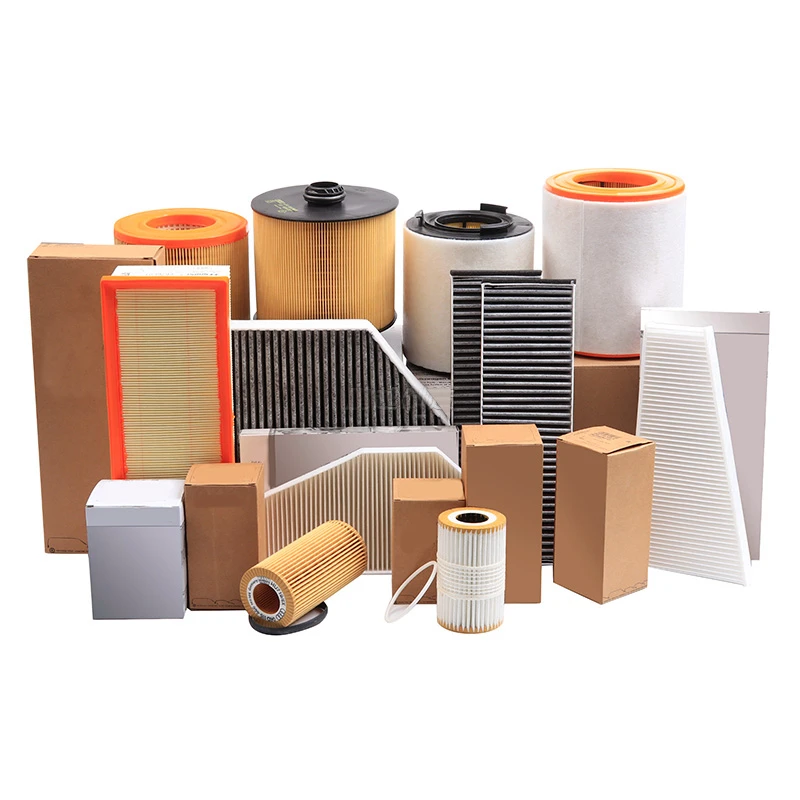
Understanding How Often You Should Change Your Engine Air Filter in Your Car
It’s one of those car maintenance questions that you might only remember when dust clouds are kicking up behind you on a dirt road: how often should you change engine air filter in car? While it sounds straightforward, this isn’t just a minor tune-up detail — it's a globally relevant topic that ties into vehicle efficiency, environmental impact, and long-term cost savings.
Why does this matter so much? Well, consider this: engines breathe air to burn fuel efficiently. If that air is clogged with dust, pollen, or pollution, it’s like trying to breathe through a dirty mask all day — not great, right? Around the world, millions of vehicles rely on clean air intakes to perform optimally. According to the International Organization for Standardization (ISO), regular air filter maintenance contributes to as much as a 10% improvement in fuel economy, which can lead to considerable reductions in carbon emissions globally.
So knowing how often should you change engine air filter in car is key for your wallet, your car’s health, and yes, even the planet. Let’s dig deeper.
Why Keeping Tabs on Your Engine Air Filter Is More Critical Than You Think
Globally, cars contribute a significant percentage of air pollution, but paradoxically, they also depend on clean air inputs. In especially dusty environments — think India, parts of Africa, or mining operations in Australia — the air filter doesn't just improve performance; it protects the engine from costly damage. The United Nations Environmental Program estimates that vehicle maintenance, including proper air filter changes, can curb unnecessary emissions by up to 30% in some urban areas.
The challenge? Drivers often neglect or forget this small yet vital component, leading to more frequent repairs and higher fuel consumption. Car manufacturers typically suggest different air filter change intervals, ranging from 12,000 to 15,000 miles, but this is a rough estimate that assumes “average” driving conditions. Your local climate, whether you drive on paved roads or gravel, really influences how often the engine air filter needs swapping out.
What Is an Engine Air Filter, and Why Does Its Replacement Frequency Matter?
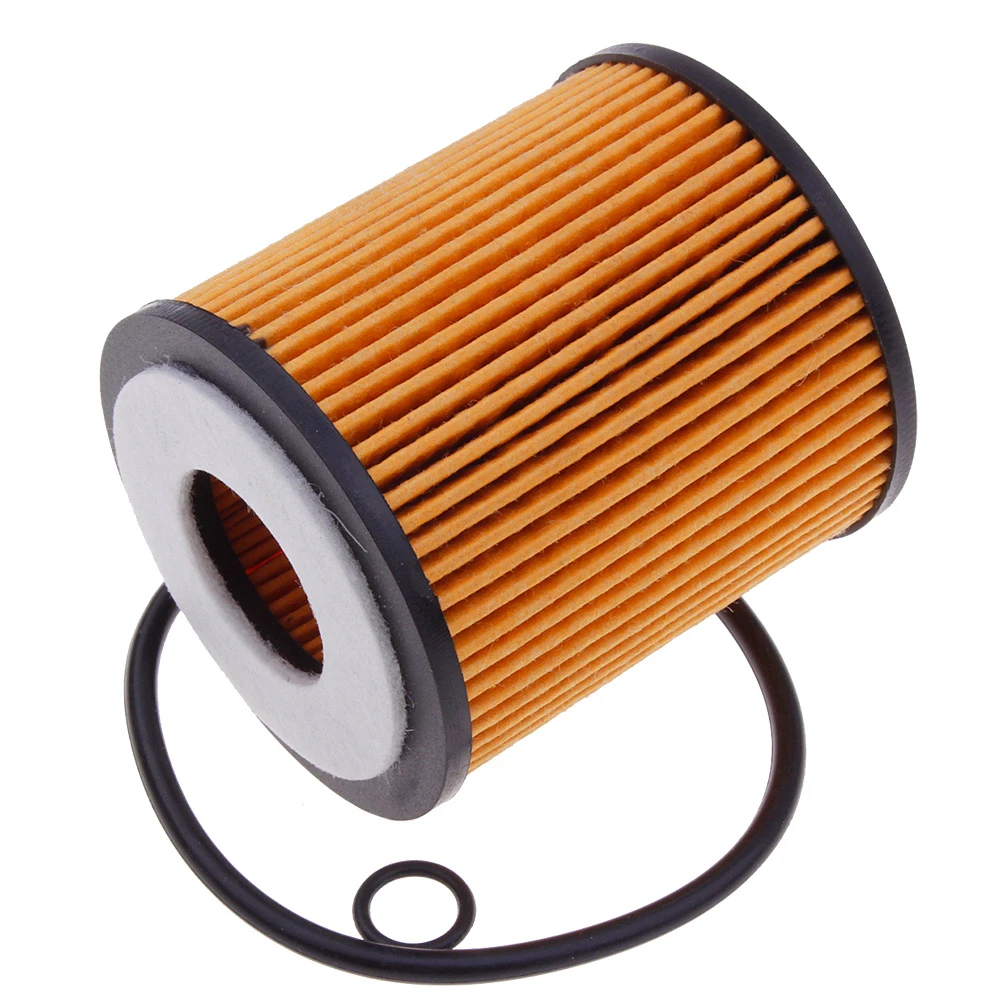
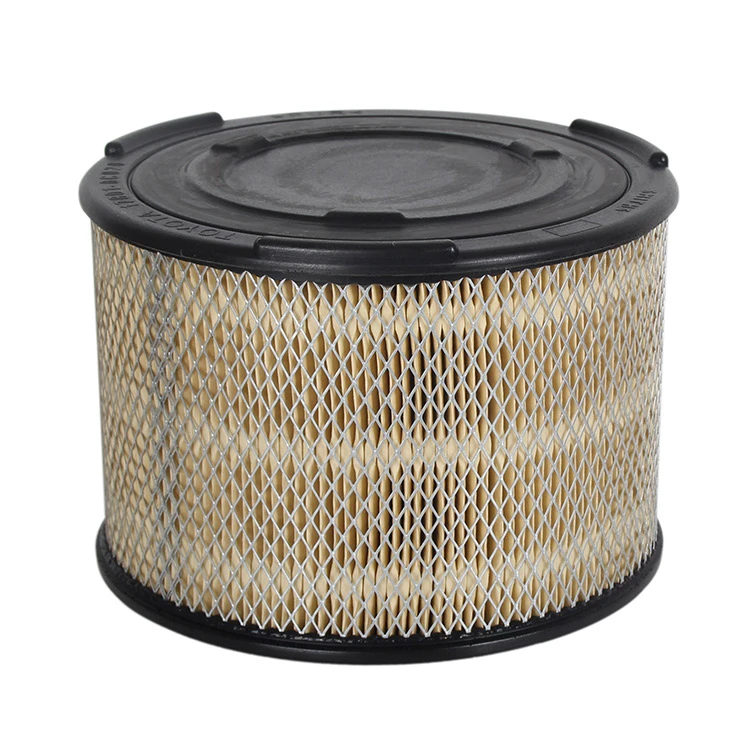
Simply put, an engine air filter is a component that cleans the air entering your car’s engine, removing particles like dust, pollen, and microscopic debris. Without it, contaminants would enter the combustion chamber, leading to inefficient fuel burn and premature engine wear.
The importance of knowing how often to change an engine air filter can't be overstated. A clogged filter reduces airflow, making the engine work harder and potentially harming emissions systems like catalytic converters. It’s not just about mileage; it’s also about conditions — urban pollution, off-road dust, seasonal pollen, even wildfire smoke can drastically shorten your filter’s life.
Key Factors Influencing Engine Air Filter Replacement
1. Driving Environment
Are you cruising on highways, or battling dusty backroads? Driving in dusty or polluted areas means your filter collects contaminants much faster.
2. Vehicle Type and Engine Design
Performance cars and trucks often have larger filters or dual intake systems requiring different maintenance regimes than compact city cars.
3. Manufacturer Recommendations
Every car maker provides guidelines — typically found in your owner’s manual — but these are often idealized conditions.
4. Visual Inspection
Many mechanics suggest checking filters during oil changes or routine maintenance — a simple glance often reveals more than a gauge.
5. Filter Material and Technology
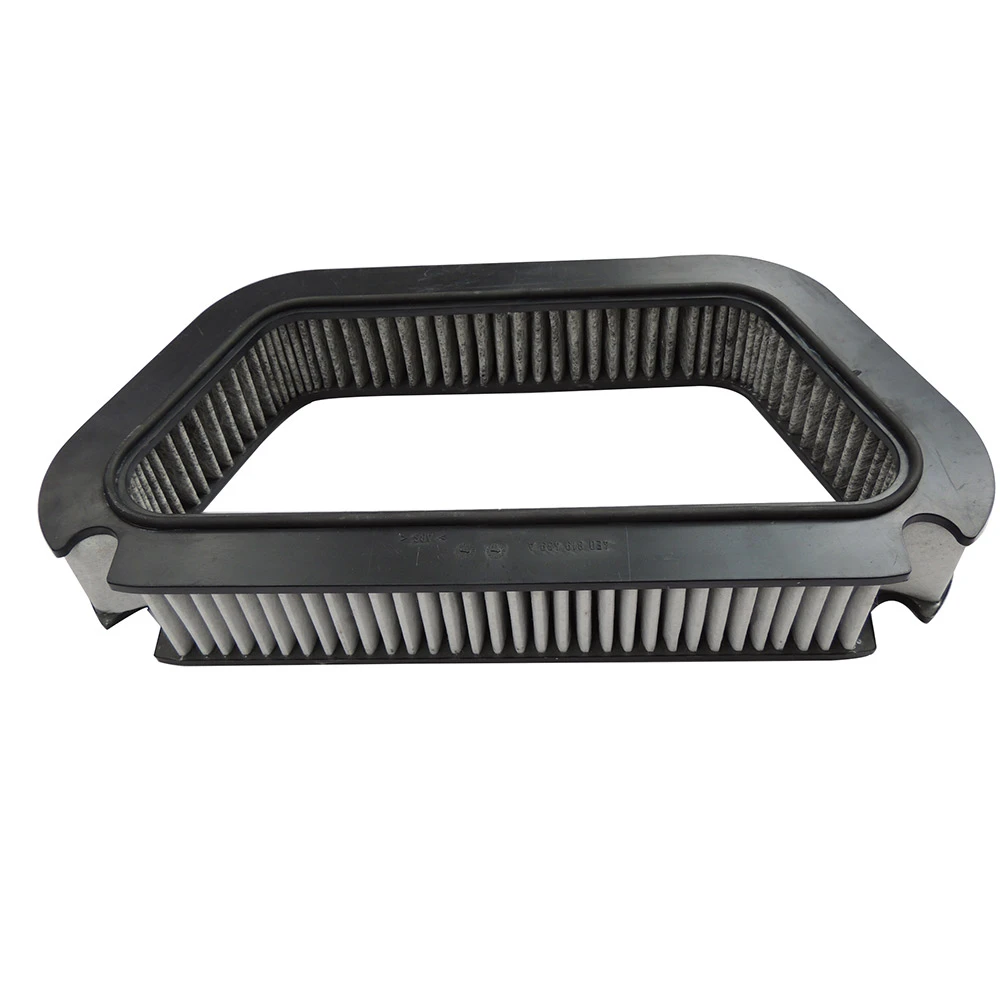
Some advanced filters use synthetic media or activated carbon for extra filtration and longer life, adjusting the replacement intervals accordingly.
Mini Takeaway
Whether you throttle through the Sahara or commute in a leafy suburb, these factors shape the timeline for replacing your engine air filter. Mileage is a guide, but conditions play a starring role.
Worldwide Use Cases: From Daily Commuters to Industrial Giants
Consider a taxi driver in Cairo, navigating dusty streets all day. Their engine air filter life might be as short as 6,000 miles. Meanwhile, a family car in Scandinavian cities with cleaner air can comfortably reach 15,000 miles before needing a change.
In industrial zones, say, mining areas in Chile, specialized heavy-duty vehicles use reinforced filters that need inspection every 3,000 miles or even more often. Developments in fleet management software now allow automatic reminders for filter changes, improving uptime and cutting costs.
Emergency and relief vehicles operating post-wildfire zones or during dust storms in Australia also require tighter maintenance schedules — their engines literally fight for survival in the air quality.
Advantages of Timely Engine Air Filter Changes: Beyond Just Cleaner Air
- Fuel Economy: A clean filter helps maintain optimal air-fuel mix, so your engine burns fuel efficiently.
- Performance: Improved horsepower and smoother acceleration, which can feel like a small boost.
- Lower Emissions: Cleaner air intake means fewer pollutants emitted, helping urban air quality.
- Engine Longevity: Protects vital components from wear and tear.
- Cost Savings: Reducing the risk of engine damage and optimizing fuel consumption saves money long-term.
- Peace of Mind: You’re less likely to get stranded due to engine issues; safety matters.
What’s Next? Emerging Trends in Engine Air Filter Maintenance
It might surprise some that engine air filters are entering the digital age. Smart sensors embedded in filters can now detect clogging levels and send alerts directly to your smartphone — a neat mix of old-school mechanical and new-school tech.
Sustainability is driving innovation too: biodegradable filter materials and reusable washable filters are on the rise. While once limited to niche markets, these solutions aim to cut waste and support circular economies.
Interestingly, with electric vehicles gaining ground, forecasts suggest a shift, but for internal combustion engines, filters will remain crucial in the foreseeable future — especially hybrid models where the engine alternates between electric and petrol or diesel.
Common Hurdles & How to Overcome Them
One challenge many drivers face is simply recognizing when a filter needs changing without professional help. Using visual checks alone can be misleading because some dirt accumulates more deeply.
Experts recommend combining mileage tracking with periodic professional assessment, which can be facilitated by mobile apps and service reminders. Also, questionable aftermarket filters sometimes fail to meet OEM standards, so sourcing quality replacements is vital.
Practical FAQ on Engine Air Filter Replacement
- Q: How can I tell if my engine air filter needs replacing before the recommended mileage?
- A: Look for signs like reduced acceleration, poor fuel economy, or visual dirtiness when inspected physically. Some vehicles also have indicator lights.
- Q: Is it okay to drive with a dirty air filter?
- A: It’s best avoided. A clogged filter starves the engine of air, leading to poor performance and potential engine damage over time.
- Q: Can I clean and reuse my engine air filter?
- A: Some filters are washable — especially reusable high-performance types — but most paper filters are disposable. Consult your owner's manual.
- Q: Does replacing the air filter improve fuel economy significantly?
- A: It can improve fuel efficiency by up to 10%, though results vary. A clean filter ensures optimal air-fuel mixture and combustion.
- Q: Are aftermarket air filters as good as OEM filters?
- A: Quality varies. Opt for filters that meet or exceed OEM specifications to avoid engine damage or warranty issues.
Product Specification Table
| Specification | Standard Filter | High-Performance Filter | Washable Reusable Filter |
|---|---|---|---|
| Filter Material | Paper/Fiber | Synthetic/Multi-Layer | Cotton Gauze/Plastic Frame |
| Recommended Change Interval | 12,000-15,000 miles | 15,000-20,000 miles | Clean every 20,000 miles |
| Filter Efficiency | Standard (95% particles >10 microns) | High (99+% particles >5 microns) | Good (Washable, reusable) |
| Price Range | $10-$20 | $25-$40 | $35-$60 |
Vendor Comparison: Finding the Right Engine Air Filter Supplier
| Feature | JyFilter | AutoAirPro | CleanFlow Filters |
|---|---|---|---|
| Product Range | Standard and premium filters, OEM certified | Wide selection, focus on aftermarket | Specializes in eco-friendly washable models |
| Pricing | Competitive, mid-range | Lower budget options | Premium pricing |
| Warranty | 1-year standard warranty | Limited warranty | 2-year warranty on reusable filters |
| Customer Support | 24/7 online chat and phone | Business hours only | Email support with slow response |
| Delivery Options | Worldwide shipping, quick dispatch | Domestic only | Select global distributors |
Final Thoughts: Why This Topic Should Stay on Your Radar
So, how often should you change engine air filter in car? Frankly, there’s no one-size-fits-all answer, but being aware of the variables can put you miles ahead, literally and figuratively. In every corner of the globe, whether you’re idling in urban smog or carving trails off-road, keeping your engine’s lungs clean is key to a happy, efficient car — and a smaller carbon footprint.
If this has got you thinking about your next filter change, don’t hesitate to learn more or browse quality options over at https://www.jyfilter.com. Your car (and the planet) will thank you.
References
-
Guide on how often do you need to replace engine air filterNewsApr.16,2026
-
Learn how often do you replace air filter in car for engine healthNewsApr.09,2026
-
How Often Do You Replace Car Air Filter For Optimal Engine PerformanceNewsApr.07,2026
-
How Often Do You Replace Engine Air Filter For Optimal Vehicle PerformanceNewsApr.04,2026
-
Understanding How Often Does Engine Air Filter Need to Be Replaced for Optimal PerformanceNewsMar.31,2026
-
How Often Engine Air Filter Change Impacts Performance and LongevityNewsMar.28,2026
-
Understanding How Often to Replace Your Car Air Filter for Optimal PerformanceNewsMar.26,2026
Related Products