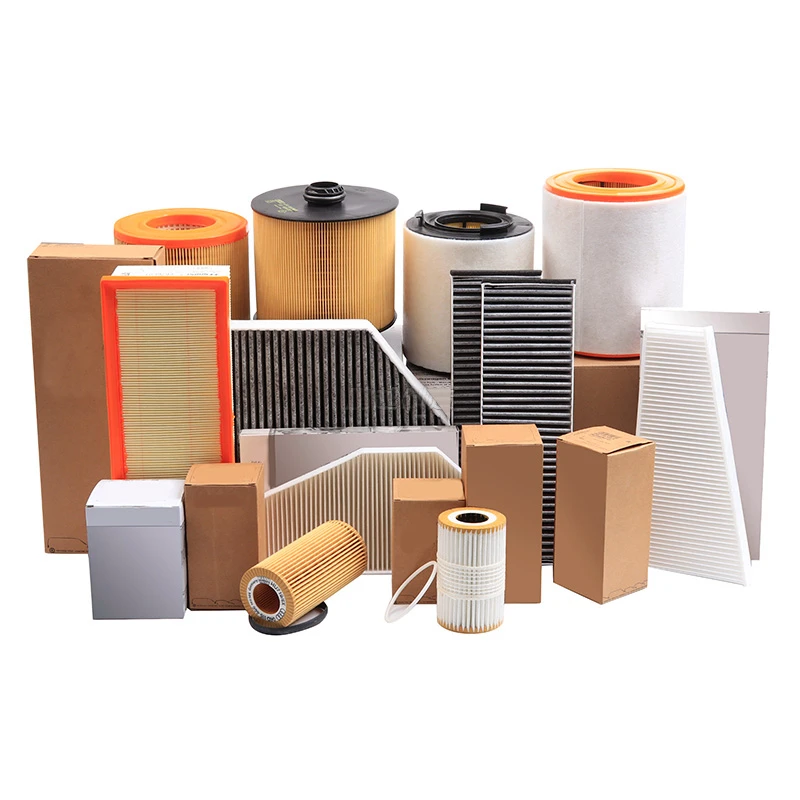
Understanding How Often Should You Change Engine Air Filter—and Why It Really Matters
At first glance, the question how often should you change engine air filter might seem like a simple maintenance tip tossed around by mechanics or car enthusiasts. But if you peel back the layers, it’s a surprisingly global and practical issue that impacts everything from vehicle efficiency to environmental health worldwide. After all, dirty or clogged air filters do more than just make your car cough and sputter — they undermine fuel economy, increase emissions, and, frankly, cost people money and time they often can’t spare. And with transportation accounting for nearly 24% of global CO2 emissions, according to the International Energy Agency, the stakes are higher than you might expect.
Simply put: mastering when and why to change your engine air filter saves money, decreases your carbon footprint, and keeps engines running smoothly longer. But how often is often enough, and why should industries worldwide care? Let's take a deeper look.
The Global Importance of Changing Engine Air Filters on Schedule
It’s interesting (and a bit surprising) to find that vehicle maintenance variances reflect economic and environmental disparities worldwide. The United Nations Environment Programme highlights that proper vehicle upkeep, including timely air filter changes, explicitly contributes to reducing harmful air pollutants—especially in rapidly growing urban regions where smog and particulates threaten public health.
According to ISO standards and regional automotive authorities, engine air filters should generally be replaced between 12,000 to 15,000 miles (about 19,300 to 24,100 kilometers). Yet, in dusty or industrial areas—like parts of India, African deserts, or Australian mining sectors—filters need to be swapped more frequently to maintain engine health. The problem is, many vehicle owners either don’t know or can’t afford strict schedules, leading to premature engine wear or increased emissions.
Oddly enough, knowing the right timing isn’t just a car owner’s issue; logistics and manufacturing industries worldwide depend heavily on maintaining vehicle fleets to ensure reliability and meet environmental legislation.
So, What Does “How Often Should You Change Engine Air Filter” Really Mean?
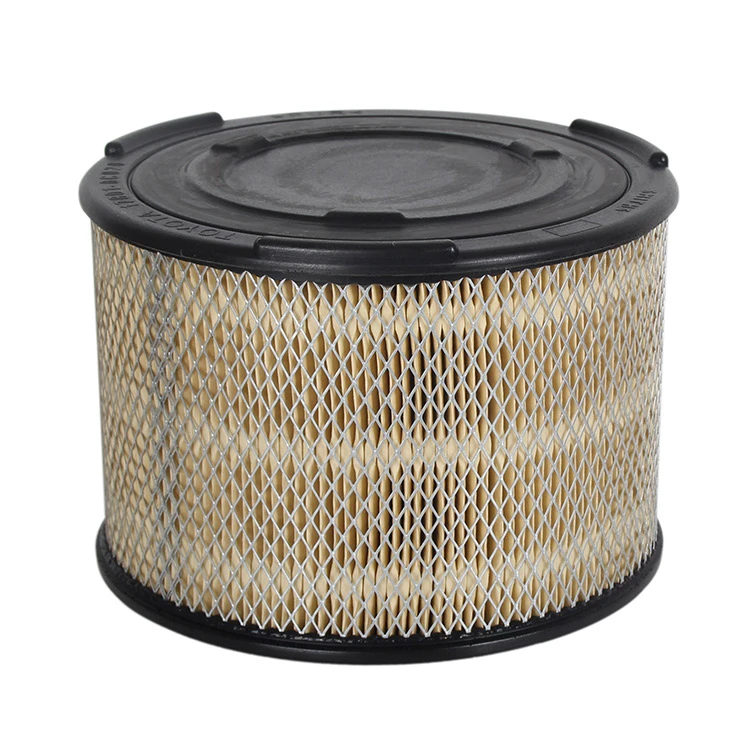
At its core, this question asks about the ideal frequency to replace a device filtering the air intake before it reaches the combustion chamber. This filter traps dust, dirt, and other harmful particles, preventing them from entering the engine and causing damage or inefficiency.
In more technical terms, it's about balancing filtration efficiency (how well the filter removes particulates) and airflow (how easily air reaches the engine). When clogged, filters reduce airflow, forcing the engine to work harder, burn more fuel, and emit more pollutants — a chain reaction nobody wants.
In humanitarian or industrial contexts, like emergency vehicles in disaster zones or trucks transporting vital supplies through dusty environments, this becomes critical. Neglecting proper air filter maintenance here could delay aid or increase costs—imagine the consequences in those situations.
Mini Takeaway:
Simply put, knowing how often should you change engine air filter links vehicle care to bigger-picture reliability and environmental health.
Key Factors That Influence How Often to Replace Your Engine Air Filter
1. Driving Conditions
One cannot stress this enough. Are you mainly cruising on smooth highways? Or tackling dusty rural roads and off-road trails? Rougher conditions jam filters up faster. Construction zones or desert environments might require changing filters every 6,000 miles or even sooner.
2. Vehicle Type and Engine Design
A turbocharged or high-performance engine might draw in air differently compared to a commuter sedan, affecting the rate at which filters clog. Generally, larger or older engines may have different requirements, so manufacturer recommendations are a good baseline.
3. Filter Material and Quality
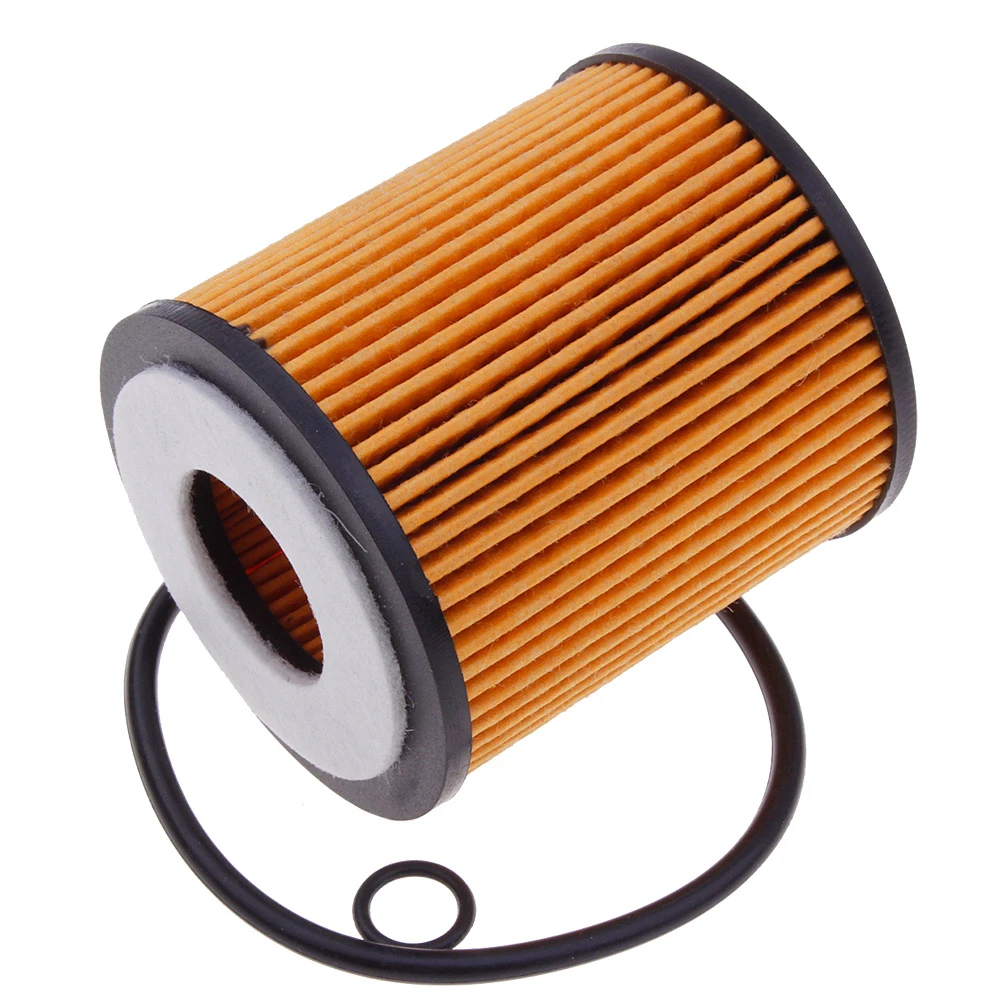
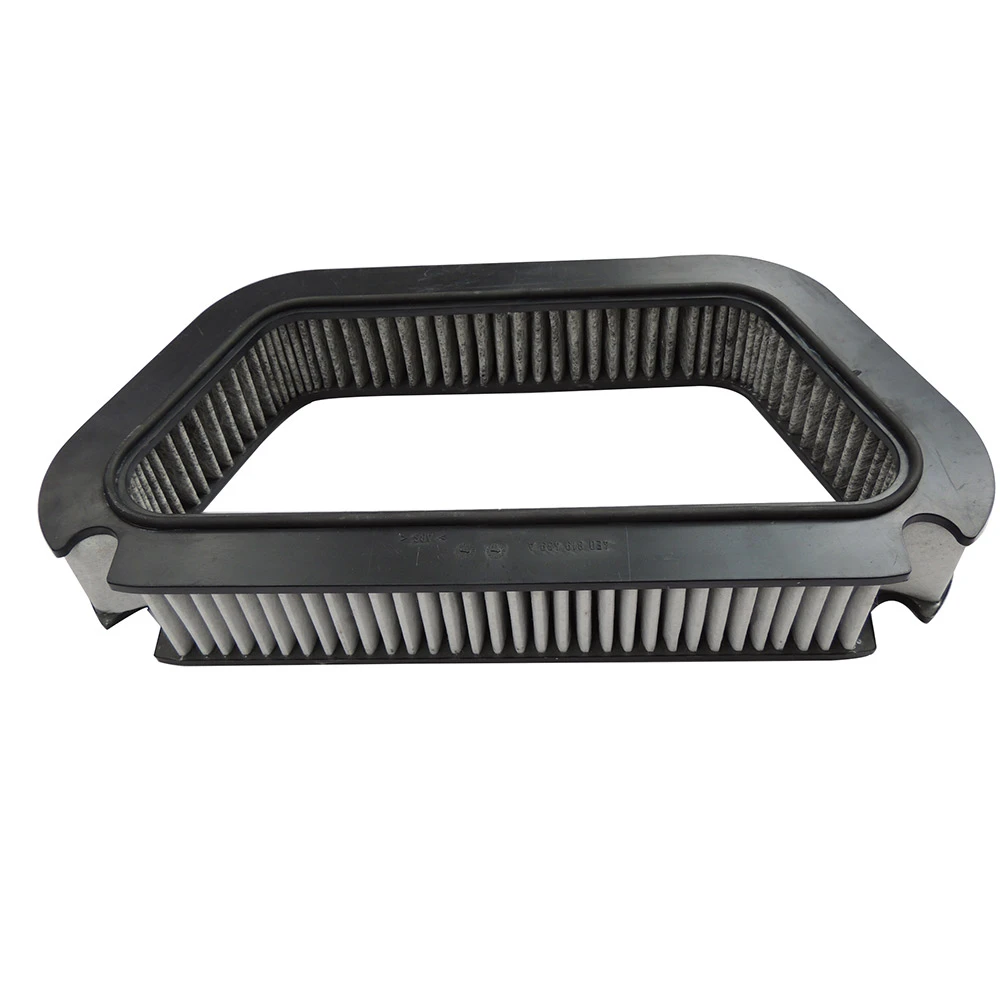
Not all filters are created equal. Paper filters are common but clog sooner; foam or cotton gauze variants allow better airflow for longer but usually cost more up front. Some brands even offer reusable filters you can clean periodically—a balancing act between upfront versus lifetime costs.
4. Environmental Regulations
Some countries enforce more stringent vehicle maintenance standards, pushing more frequent checks and replacements. Especially in Europe or Japan, vehicle inspection programs often include air filter conditions.
5. Mileage and Time
Even if you drive less frequently, air filters can degrade over time due to moisture or contaminants. A typical rule of thumb is to inspect or change filters annually or once the mileage threshold is reached.
6. Engine Performance Cues
If you notice reduced acceleration, lower fuel economy, or unusual engine noises, it might be a clue your filter’s overdue for replacement.
Mini Takeaway:
So, it's a combination of conditions, vehicle specifics, and filter type — there’s no one-size-fits-all. Being aware of these factors helps you decide when to act.
Global Use Cases: Where Scheduled Air Filter Replacement Makes a Difference
In industrial zones like the Middle East's oilfields, machinery operates in fine particulate-laden atmospheres where filters clog fast. Scheduled replacement minimizes downtime and expensive repairs. Similarly, NGOs running vehicle fleets in sub-Saharan Africa rely on planned filter changes to keep supply routes operational despite dusty roads.
Even urban delivery services in megacities such as New York or Mumbai benefit by reducing emissions and wear. Moreover, automotive manufacturers globally embed air filter maintenance recommendations into onboard diagnostics to alert drivers, nudging better upkeep habits.
| Product Specification | Typical Value |
|---|---|
| Filter Type | Pleated Paper / Cotton Gauze |
| Replacement Interval (Mileage) | 12,000–15,000 miles (19,300–24,100 km) |
| Replacement Interval (Time) | 12 months (whichever comes first) |
| Typical Cost Range | $10 to $50 |
| Average Filter Lifespan in Dusty Conditions | 6,000–8,000 miles (9,656–12,875 km) |
Benefits of Timely Engine Air Filter Replacement: From Pocketbooks to Planet
- Improved Fuel Efficiency: Clean filters ensure optimal airflow, preventing unnecessary fuel waste.
- Lower Emissions: Cleaner combustion means fewer pollutants released into the atmosphere.
- Extended Engine Life: Prevent abrasive particles from damaging cylinders and pistons.
- Cost Savings: Avoid expensive repairs and better mileage saves money at the pump.
- Peace of Mind: Knowing your vehicle runs reliably and safely—no surprise breakdowns.
Emotionally, these outcomes promote trust in your vehicle, safety on the road, and pride in contributing (even if in a small way) to cleaner air and sustainability efforts.
Looking Forward: Trends Changing How and When Air Filters Get Changed
The industry isn’t standing still. Smart sensors integrated into modern cars now monitor real-time filter condition and automatically notify drivers—far beyond static mileages. Technologies like nanofiber materials promise longer-lasting, higher-efficiency filters.
Meanwhile, electric and hybrid vehicles shift the focus away from internal combustion, but for the millions still relying on traditional engines, improved filter design remains key. Additionally, environmental policies worldwide are nudging vehicle owners toward stricter maintenance regimes to comply with emissions standards.
Common Challenges and Expert Solutions
Despite all these benefits, many drivers still overlook or delay air filter changes, often due to ignorance, access issues, or cost concerns. In dusty or polluted areas, frequent replacements may strain budgets.
Experts increasingly promote user-friendly modular filter units and offer affordable aftermarket options. Moreover, educating drivers through service reminders and digital apps proves highly effective. In some developing markets, NGOs and vehicle fleet operators set maintenance schedules as a key part of operational protocols.
| Vendor | Filter Types Offered | Price Range | Global Availability | Special Features |
|---|---|---|---|---|
| ACME Filters | Pleated Paper, Reusable Foam | $15–$45 | North America, Europe | Lifetime warranty on reusable models |
| Global AirTech | Cotton Gauze, Nanofiber | $25–$55 | Worldwide | Smart sensor integration available |
| EcoFilter Solutions | Biodegradable Paper Filters | $12–$40 | Europe, Asia | Focus on sustainability and recyclability |
FAQ: Quick Answers About How Often Should You Change Engine Air Filter
Q1: How do I know if my engine air filter needs changing before reaching recommended mileage?
A1: Watch for signs like reduced acceleration, engine misfires, lower fuel economy, or unusual engine sounds. Visually inspecting the filter for heavy dirt or damage is also helpful. Some newer vehicles have dashboard indicators that alert you when airflow is restricted.
Q2: Can I clean and reuse my engine air filter?
A2: It depends on the filter type. Some cotton or foam filters are designed to be cleaned and reused with appropriate kits. However, most paper pleated filters are disposable and must be replaced. Always check your vehicle manual or filter packaging.
Q3: Is it worth paying more for premium air filters?
A3: Premium filters often offer better airflow and filtration efficiency, potentially improving engine performance and longevity. If you drive in harsh conditions or prioritize fuel economy, investing a bit more can make sense.
Q4: Does changing the air filter improve fuel economy significantly?
A4: Yes, a clean filter that maintains proper airflow helps the engine burn fuel efficiently. A clogged filter can reduce fuel economy by up to 10-15%, which adds up over time.
Q5: What happens if I forget to change the engine air filter?
A5: Over time, a clogged filter chokes the engine's airflow, causing reduced power, higher emissions, and increased fuel consumption. It can also lead to premature engine wear and costly repairs.
Conclusion: Keep Your Engine Breathing to Keep It Running
In real terms, knowing how often should you change engine air filter isn’t just a practical vehicle tip — it’s a small but meaningful action with ripple effects on performance, economics, and the environment. Whether you’re managing a personal vehicle, a fleet, or industrial equipment, timely filter changes keep engines breathing easy, save costs, and reduce emissions. In a world increasingly conscious about sustainability and efficiency, staying on top of maintenance basics matters now more than ever.
Ready to improve your vehicle’s health? Check out our detailed guides and replacements at how often should you change engine air filter. Because it’s the small changes that keep engines and the planet running smoothly.
References:
-
Guide on how often do you need to replace engine air filterNewsApr.16,2026
-
Learn how often do you replace air filter in car for engine healthNewsApr.09,2026
-
How Often Do You Replace Car Air Filter For Optimal Engine PerformanceNewsApr.07,2026
-
How Often Do You Replace Engine Air Filter For Optimal Vehicle PerformanceNewsApr.04,2026
-
Understanding How Often Does Engine Air Filter Need to Be Replaced for Optimal PerformanceNewsMar.31,2026
-
How Often Engine Air Filter Change Impacts Performance and LongevityNewsMar.28,2026
-
Understanding How Often to Replace Your Car Air Filter for Optimal PerformanceNewsMar.26,2026
Related Products