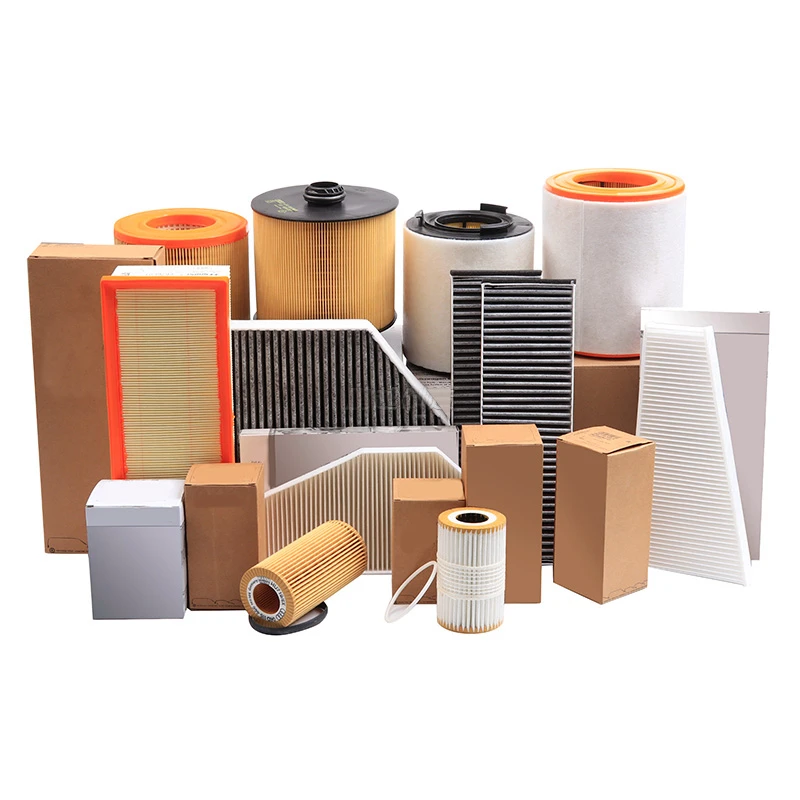
How Often Should You Change the Car Air Filter? Understanding its Global Importance
It might seem like a small detail, but knowing how often you should change the car air filter plays a surprisingly big role — not only for your car’s performance but for the environment, fuel economy, and even public health worldwide. That dusty, often ignored component influences every journey you take, affecting engine life and air quality. With more than 1.4 billion cars on the road globally (1), the question of timely air filter replacement becomes a significant piece in the puzzle of sustainable transportation and maintenance.
Getting a grasp on this simple maintenance task can save drivers money, reduce emissions, and keep vehicles running smoothly longer. In other words, it’s a small fix with big implications — an unsung hero of automotive care.
The Global Context: Why Air Filter Maintenance Matters More Than Ever
Automotive emissions contribute approximately 14% of global greenhouse gases (2), and inefficient engines burn more fuel, making air quality worse. The UN and World Bank have noted that better vehicle upkeep, including regular air filter changes, can help curb pollution and carbon footprints. Yet, many car owners either overlook or misunderstand how often should you change the car air filter, leading to decreased engine efficiency and higher emissions.
Frankly, it’s a universal issue — whether you’re in the smoggy streets of Beijing or the dusty highways of Arizona. Neglecting air filter replacement lets dirt and debris choke your engine, affecting horsepower and even potentially causing damage that costs hundreds or thousands to fix later. In real terms, it’s a classic case of “a stitch in time saves nine.”
Defining Car Air Filter Replacement Frequency
So, when we talk about how often should you change the car air filter, we’re asking: “How frequently should this crucial component be swapped to keep a vehicle running optimally?” Manufacturers generally recommend replacing it every 12,000 to 15,000 miles (about 19,000 to 24,000 km), but real-world variables — driving conditions, climate, and pollution levels — can shift this timeline substantially.
Put simply, the car air filter acts like the lungs of your engine, sifting out grit, pollen, and small particles that, if left unchecked, damage internal parts or reduce combustion efficiency. As cleaner engines contribute to lower urban pollution, the simple act of changing your filter on time aligns with broader sustainability goals.
Key Factors in Determining Air Filter Replacement Intervals
1. Driving Conditions
If you frequently cruise down highways in clear weather, your filter will last longer than if you spend your time idling in traffic or driving through dusty environments. Off-roaders and city dwellers alike encounter different air quality and dust loads that impact filter clogging rates.
2. Air Filter Type and Quality
Standard paper filters are cost-effective but may need quicker replacement. On the other hand, premium cotton or synthetic filters often last longer and sometimes are washable, though opinions vary on their suitability for different engines.
3. Vehicle Manufacturer Recommendations
Always check the owner's manual — those guidelines factor in the vehicle model and engine design. Modern cars with advanced filtration systems might have longer intervals compared to older models.
4. Environmental Pollution Level
Urban centers with high particulate matter concentration increase filter wear rates. Interestingly, many cities monitor air quality indexes (AQI) — something drivers can consider when planning replacement schedules.
5. Mileage Vs. Time
Even if you drive less, air filters degrade over time. A filter unused for a year may still lose effectiveness because of dust accumulation or moisture effects.
Quick takeaway: Changing your car's air filter depends on how and where you drive, the quality of the filter, and even how long it sits in there.
Practical Product Specifications: Popular Car Air Filters in the Market
| Model | Type | Lifespan (Miles) | Material | Price Range (USD) |
|---|---|---|---|---|
| ACME Standard | Paper | 12,000 - 15,000 | Cellulose | $15 - $25 |
| EcoFlow Premium | Synthetic | 20,000 - 25,000 | Microfiber | $35 - $50 |
| CleanAir Washable | Reusable Cotton | Up to 50,000 | Cotton Gauze | $40 - $60 |
Requires cleaning every 20,000 miles to maintain performance.
How Different Vendors Stack Up
| Vendor | Filter Range | Price | Eco Credentials | Availability |
|---|---|---|---|---|
| AutoParts Co. | Standard & Premium | $$ | Mostly recyclable materials | Global e-commerce + dealers |
| GreenFilters | Reusable & Synthetic | $$$ | 100% biodegradable packaging | North America & Europe |
| DriveSafe | Budget Paper Filters | $ | Standard waste management | Widespread in Asia & Latin America |
Global Applications and Real-World Examples
Think about ride-sharing fleets in Mumbai or delivery trucks in Chicago — without proper air filter maintenance, their engines suffer, fuel consumption spikes, and emissions increase. NGOs working in disaster zones, like flood-hit areas in Southeast Asia, rely on well-maintained vehicles to distribute aid quickly. Here, how often should you change the car air filter tips can mean the difference between swift response and costly breakdowns.
In rural Africa, where roads are often gravel and dust-filled, filters clog faster. Drivers there learn quickly the value of more frequent air filter checks, often doubling the manufacturer’s recommended intervals for replacement. Oddly enough, that hands-on experience often beats theoretical guidelines.
Advantages of Regular Air Filter Replacement: Beyond Performance
- Improved Fuel Efficiency: Cleaner filters mean better airflow, so engines burn fuel more efficiently.
- Reduced Emissions: Cleaner combustion produces less smog-forming pollutants.
- Engine Longevity: Prevents abrasive debris from damaging costly parts.
- Safety and Reliability: Less chance of unexpected breakdowns on busy highways or remote trips.
- Lower Maintenance Costs: Avoid expensive repairs from neglect.
Emotionally, it’s about trust — trusting your car to get you and your loved ones safely. It’s a kind of dignity too; much like breathing clean air in your home, your engine deserves a breath of fresh air now and then.
Future Trends and Innovations
Manufacturers are developing smart air filters with sensors that alert you when performance drops — no more guessing games. Advances in nanomaterials enable filters to trap even smaller particles without hindering airflow. Sustainability trends are encouraging biodegradable or recyclable components to reduce landfill waste.
Digital transformation also plays a role. Connected cars might soon sync filter health data with apps, helping drivers monitor how often you should change the car air filter in real-time based on actual conditions — a win-win for cost savings and environmental responsibility.
Challenges and Practical Solutions
Despite its importance, the main challenge remains awareness — lots of drivers don’t even know when to start thinking about changing their filters. Another issue is accessibility: not all regions have easy access to high-quality replacements. Sometimes, replacements are postponed because of cost concerns or simply being “out of sight, out of mind.”
Experts suggest routine vehicle check-ups, combined with easy-to-understand maintenance schedules. Some shops even offer free air filter inspections during oil changes — a neat way to nudge drivers into better habits. Plus, increasing online education and clear labeling can demystify the task.
Frequently Asked Questions About How Often Should You Change the Car Air Filter
- Q: How do I know if my car’s air filter needs changing sooner than the recommended interval?
- A: Signs include reduced fuel efficiency, sluggish acceleration, unusual engine sounds, or visible dirt when inspecting the filter. If you drive in dusty or polluted areas regularly, checking more often is wise.
- Q: Can I clean and reuse my car air filter instead of replacing it?
- A: Some filters, like washable cotton types, can be cleaned carefully and reused. However, most paper filters can’t be cleaned effectively, and washing may damage their filtering ability.
- Q: Does a dirty air filter affect emissions?
- A: Yes, a clogged air filter reduces airflow, causing incomplete combustion which increases harmful emissions like carbon monoxide and hydrocarbons.
- Q: Is it expensive to replace a car air filter?
- A: Generally, no. Basic filters cost between $15-$30, and installation is often DIY-friendly or included in routine service costs.
- Q: How does climate impact air filter replacement frequency?
- A: In dusty or dry climates, filters clog faster and require earlier replacement compared to humid, less dusty areas.
Wrapping It Up: A Simple Step With Big Rewards
So, to answer the enduring question — how often should you change the car air filter? It depends on miles driven, environment, and filter type, but roughly every 12,000 to 15,000 miles is a trusted general rule. Yet, real-world conditions and smart monitoring increasingly tailor that advice to individual drivers. Beyond the convenience and engine care, timely filter replacement is a practical way to contribute to cleaner air and greener driving — a small maintenance task with big ripple effects.
If you’re curious to dive deeper or shop for quality filters, visit our website for expert advice and products designed with you — and the planet — in mind.
Reflections often remind me how interconnected simple things like car maintenance are to grand challenges like pollution and sustainability. Pretty fascinating, eh?
References
-
Guide on how often do you need to replace engine air filterNewsApr.16,2026
-
Learn how often do you replace air filter in car for engine healthNewsApr.09,2026
-
How Often Do You Replace Car Air Filter For Optimal Engine PerformanceNewsApr.07,2026
-
How Often Do You Replace Engine Air Filter For Optimal Vehicle PerformanceNewsApr.04,2026
-
Understanding How Often Does Engine Air Filter Need to Be Replaced for Optimal PerformanceNewsMar.31,2026
-
How Often Engine Air Filter Change Impacts Performance and LongevityNewsMar.28,2026
-
Understanding How Often to Replace Your Car Air Filter for Optimal PerformanceNewsMar.26,2026
Related Products