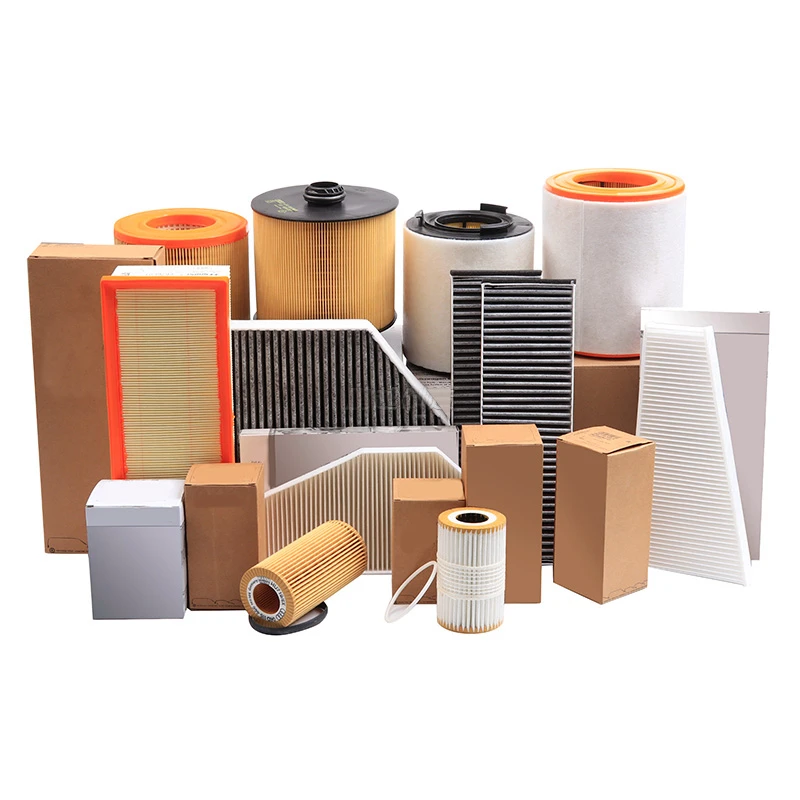
What Does a Cabin Air Filter Do? Insights from the Industrial Equipment Trenches
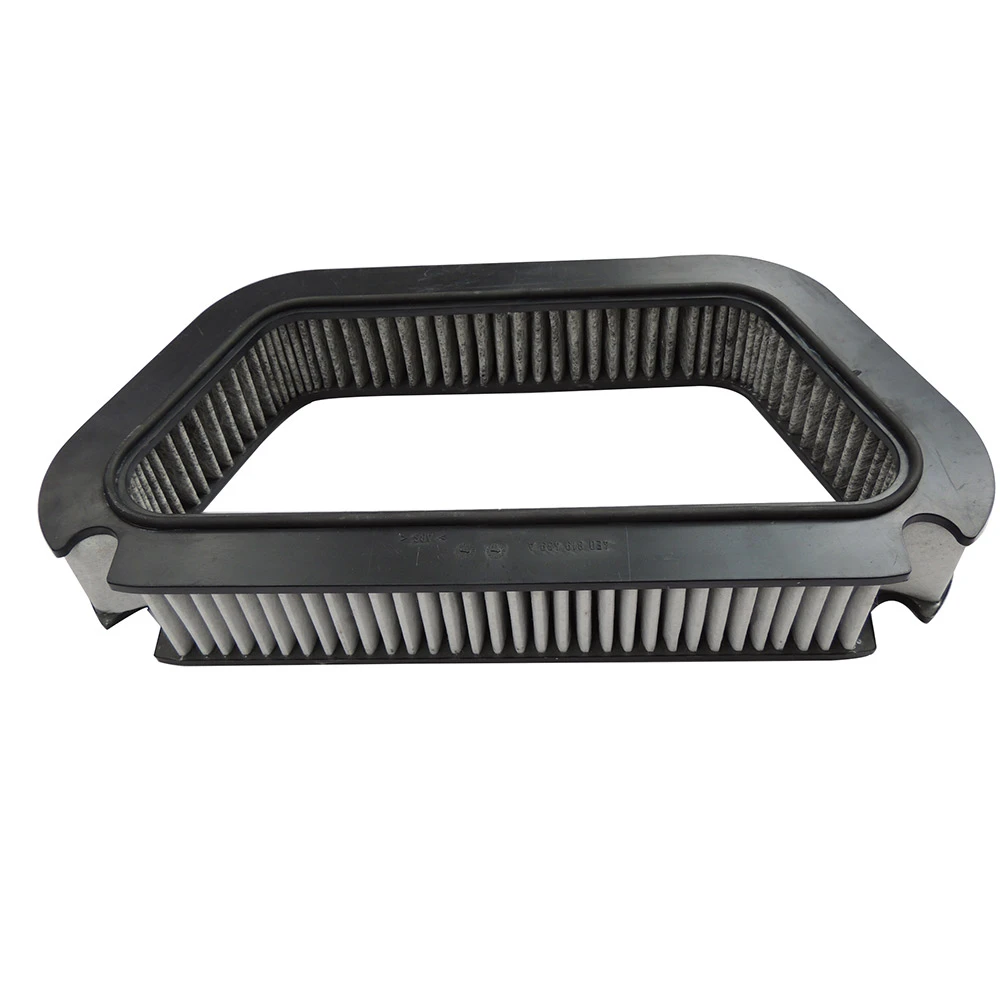
Having spent years dealing with industrial equipment filtration, I can tell you the cabin air filter is one of those unassuming heroes most folks barely think about—until their AC starts smelling funky, or allergens turn a routine drive into a sneezy ordeal. So, what exactly does it do? Well, frankly, it’s the first line of defense for your vehicle’s interior air quality, trapping dust, pollen, soot, and other airborne nasties before they make it inside. Kind of like a personal air purifier, tucked away behind the glove compartment.
In the industrial sector, where equipment operates in dusty, sometimes downright brutal environments, the role of such filters can’t be overstated. Early on in my career, I noticed a correlation between poor cabin filter maintenance and increased operator fatigue on heavy machinery—apparently, breathing cleaner air really does keep you sharper. The technology itself has matured quite a bit. We moved from simple paper filters packed tightly to advanced media that includes activated carbon layers, helping to neutralize odors and harmful gases.
Material-wise, the trend leans toward multi-layer synthetic composites these days, since they balance airflow and filtration efficiency better than pure cellulose fibers—sort of a holy grail in filter design. And while the basics remain the same across brands, manufacturers vary as to how aggressively their filters trap different particle sizes.
| Specification | Typical Cabin Air Filter |
|---|---|
| Filter Media | Multi-layer synthetic with activated carbon |
| Particle Filtration Efficiency | Up to 95% for PM2.5 particles |
| Airflow Rate | 15-25 CFM (cubic feet per minute) |
| Service Life | 12,000-15,000 miles or 1 year |
| Typical Dimensions | Various – depends on vehicle model |
One of the issues I often talk about with colleagues is the “fit factor.” You see, many filters claim high performance, but if they don’t fit precisely, their effectiveness goes down the drain—air leaks bypass the filter media altogether. That’s why customization or at least vehicle-specific manufacturing is key in this domain. The experts at JYFilter, for example, emphasize tailor-made solutions for industrial cabins, ensuring a snug fit and consistent air quality.
Just to give you a feel for the market, here’s a quick comparison between a few well-known cabin air filter vendors I’ve worked with or researched extensively:
| Vendor | Material Quality | Filtration Efficiency | Customization Options | Typical Use Case |
|---|---|---|---|---|
| JYFilter | Premium synthetic + activated carbon | Up to 95% PM2.5 | Highly customizable for industrial cabins | Heavy machinery, commercial vehicles |
| Brand A | Mixed synthetic-cellulose | ~85% PM2.5 | Limited size options | Passenger vehicles |
| Brand B | Standard paper media | ~70% PM10 | Off-the-shelf sizes only | General consumer cars |
There’s also something to be said about filter testing. Reliable vendors perform rigorous lab tests that go beyond the usual industrial standards—some even simulate months of real-world operating conditions. That’s not always visible to the casual buyer but trust me, it’s a huge deal in reliability and operator health.
I recall a small project where a forestry equipment operator complained about frequent sneezing and headaches during long shifts. Once we installed a high-grade cabin air filter tailored for his machinery, these symptoms noticeably decreased. That’s when it struck me how much of a difference this “simple” component makes in real terms.
If you haven’t changed your cabin air filter in a while, it’s worth a look. Beyond protecting your HVAC system, it’s about safeguarding the air you and your team breathe daily—made all the more important in dusty or polluted industrial sites.
So, to wrap it up: cabin air filters might not be flashy, but they definitely deserve some appreciation (and regular replacement). I suppose the next time you’re thanking your HVAC for fresh air, spare a thought for that little filter quietly working hard behind the scenes.
References:
1. ISO 5011: Air Cleaner Testing Standards
2. JYFilter Technical Bulletins
3. Industry interviews and field experience, 2012-2023
-
Guide on how often do you need to replace engine air filterNewsApr.16,2026
-
Learn how often do you replace air filter in car for engine healthNewsApr.09,2026
-
How Often Do You Replace Car Air Filter For Optimal Engine PerformanceNewsApr.07,2026
-
How Often Do You Replace Engine Air Filter For Optimal Vehicle PerformanceNewsApr.04,2026
-
Understanding How Often Does Engine Air Filter Need to Be Replaced for Optimal PerformanceNewsMar.31,2026
-
How Often Engine Air Filter Change Impacts Performance and LongevityNewsMar.28,2026
-
Understanding How Often to Replace Your Car Air Filter for Optimal PerformanceNewsMar.26,2026
Related Products