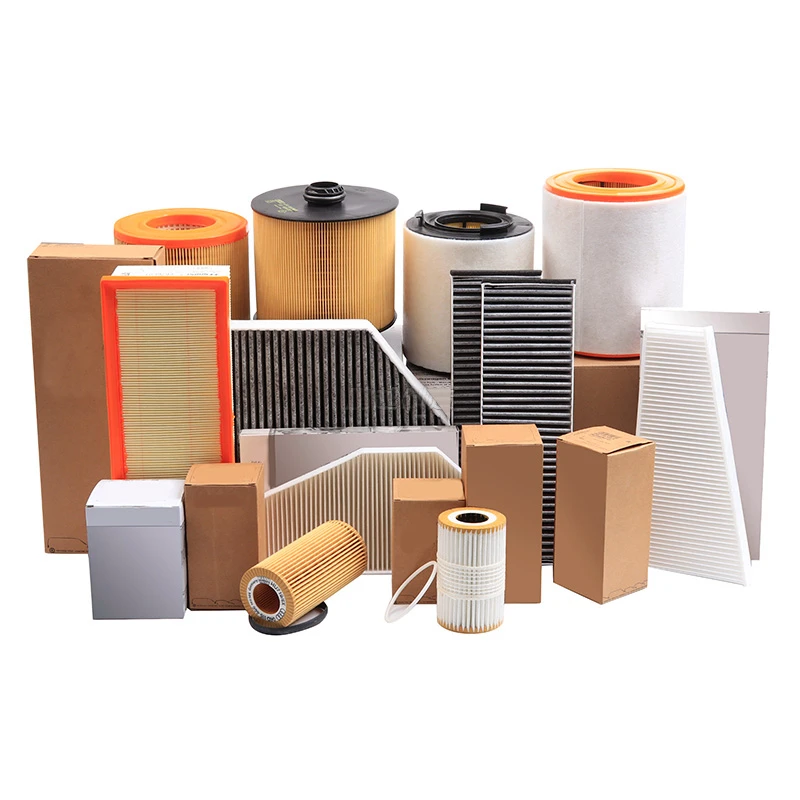
How Often Should You Change Your Cabin Air Filter?
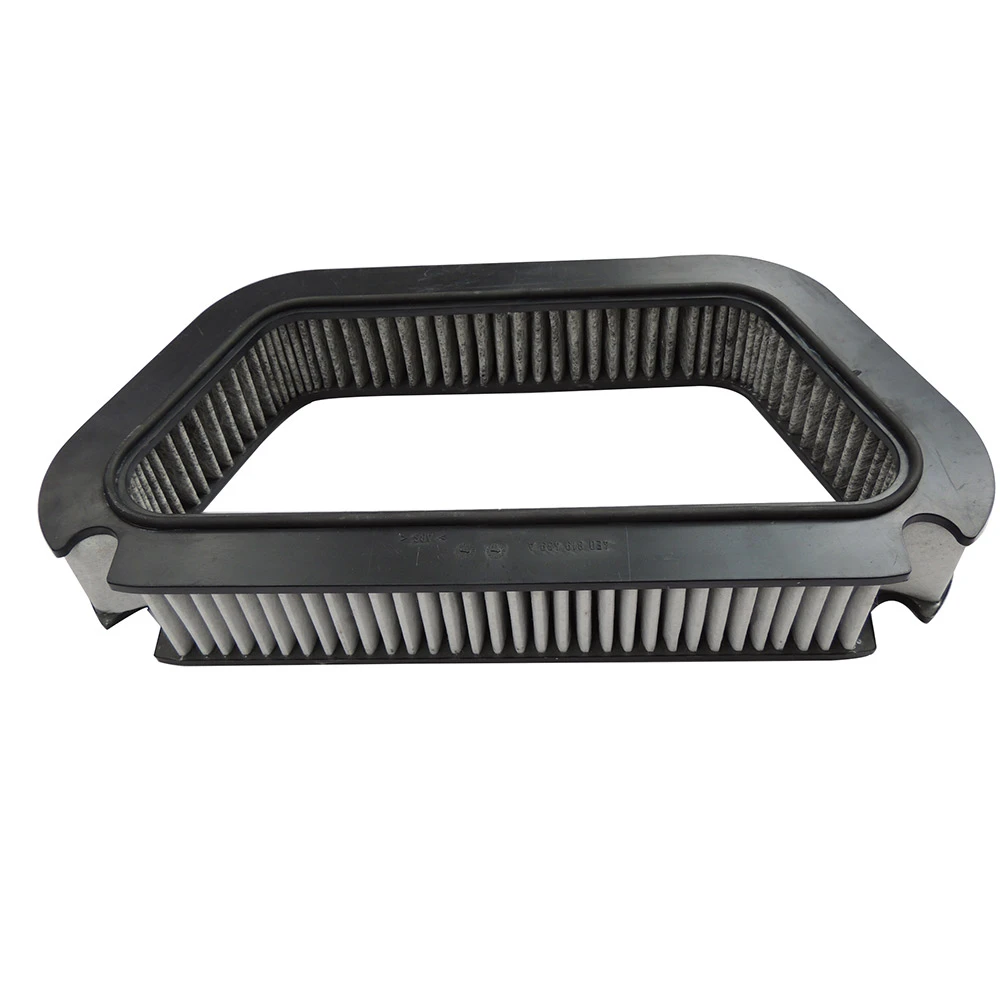
Having worked in the industrial equipment sector for more than a decade, I’ve seen firsthand how small maintenance items tend to get overlooked — cabin air filters included. But Frankly, they’re an unsung hero of vehicle health and comfort. The cabin air filter keeps the air inside your vehicle clean by trapping dust, pollen, and other pollutants. And if you’re wondering how often to change it, you’re not alone.
Cabin air filter replacement frequency depends largely on driving conditions, but a general rule of thumb many technicians agree on is every 12,000 to 15,000 miles, or roughly once a year. However, this isn’t etched in stone. For drivers in dusty or polluted environments, more frequent changes could prevent that nasty, musty smell and ensure optimal air quality.
Oddly enough, I often hear from fleet operators that even though filters are inexpensive, they sometimes skimp on replacements until noticeable problems appear—like reduced airflow or foggy windows. That’s not ideal. The filter’s job is critical: it helps keep HVAC components clean and functioning, reducing wear and ensuring passenger comfort. In a way, it’s kind of like a first line of defense for your vehicle’s interior climate system.
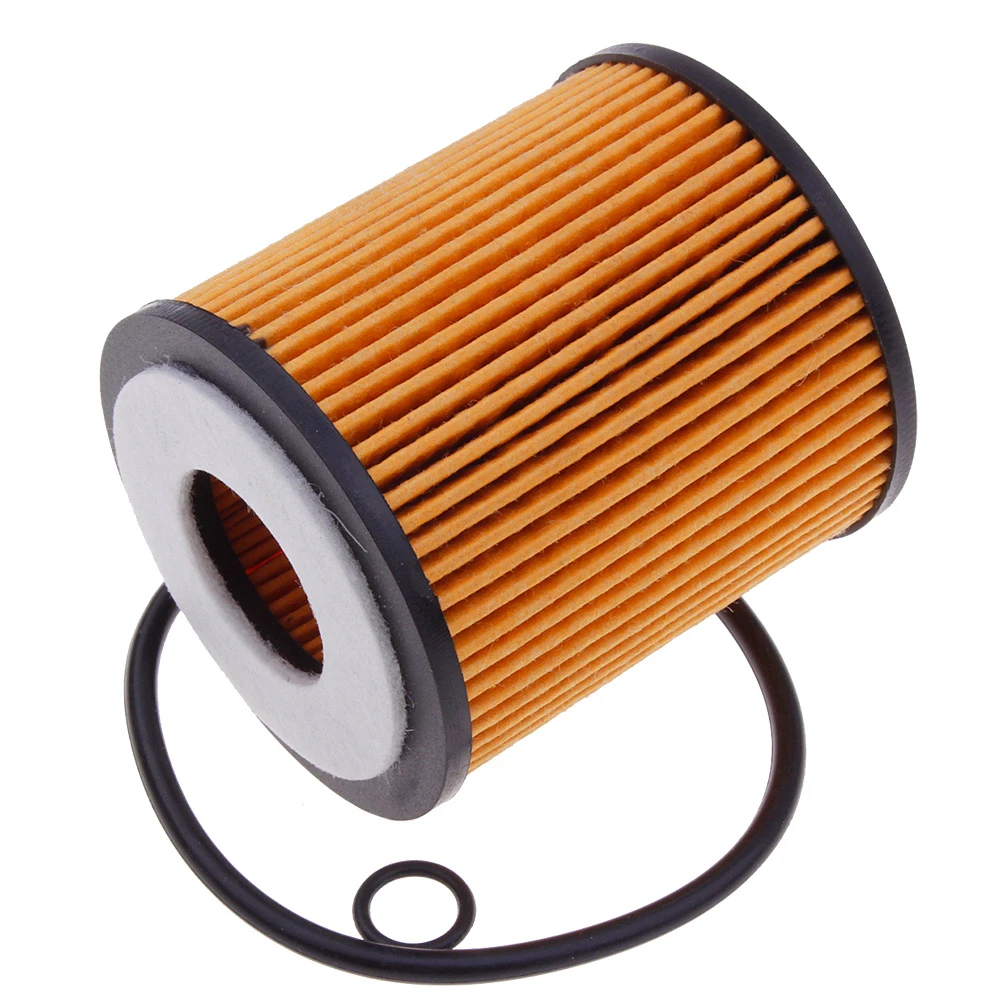
Modern cabin air filters use layers of pleated paper or synthetic materials combined with activated carbon to trap odors and finer particles. I recall when activated carbon filters started gaining popularity a few years ago — many engineers I know found they improved interior air freshness remarkably. Testing in labs showed these filters could capture microscopic particulates as effectively as HEPA filters used in air purifiers, which was impressive for automotive applications.
A client I worked with last year noticed his employees with allergies had fewer complaints after switching to high-efficiency cabin air filters during routine maintenance. Anecdotally, it feels like these small changes improve workplace wellbeing more than we give credit for.
Cabin Air Filter Product Specifications
| Feature | Specification |
|---|---|
| Filter Media | Multi-layer synthetic fiber + activated carbon |
| Filtration Efficiency | Up to 95% of particles ≥ 2 microns |
| Dimensions | Varies by model – custom sizes supported |
| Recommended Replacement Interval | 12,000–15,000 miles or yearly |
| Temperature Range | -40°C to +85°C (-40°F to 185°F) |
Comparing Cabin Air Filter Vendors
| Vendor | Filter Type | Material | Price Range | Key Advantage |
|---|---|---|---|---|
| JY Filter | Activated Carbon + Synthetic | High-density fiber | $$ | Custom sizing, good longevity |
| Brand X | Synthetic only | Polyester fibers | $ | Affordable but less effective odor control |
| Brand Y | Activated Carbon | Carbon impregnated fibers | $$$ | Excellent filtration but premium price |
The takeaway? If you want to keep your vehicle’s atmosphere fresh and ensure the HVAC system is not unnecessarily burdened, plan to check or replace your cabin air filter annually or more frequently if conditions demand it. It might seem small, but this little component helps avoid bigger headaches down the road.
As I often say after a decade on the shop floor, “It’s the small things done consistently that keep equipment running well.” So don’t forget your cabin air filter. It’s a simple fix with real benefits.
References:
1. Automotive Maintenance Guide, 2023 Edition
2. Industrial Air Filtration Journal, Vol. 15
3. JY Filter Product Testing Reports, 2022
-
Guide on how often do you need to replace engine air filterNewsApr.16,2026
-
Learn how often do you replace air filter in car for engine healthNewsApr.09,2026
-
How Often Do You Replace Car Air Filter For Optimal Engine PerformanceNewsApr.07,2026
-
How Often Do You Replace Engine Air Filter For Optimal Vehicle PerformanceNewsApr.04,2026
-
Understanding How Often Does Engine Air Filter Need to Be Replaced for Optimal PerformanceNewsMar.31,2026
-
How Often Engine Air Filter Change Impacts Performance and LongevityNewsMar.28,2026
-
Understanding How Often to Replace Your Car Air Filter for Optimal PerformanceNewsMar.26,2026
Related Products