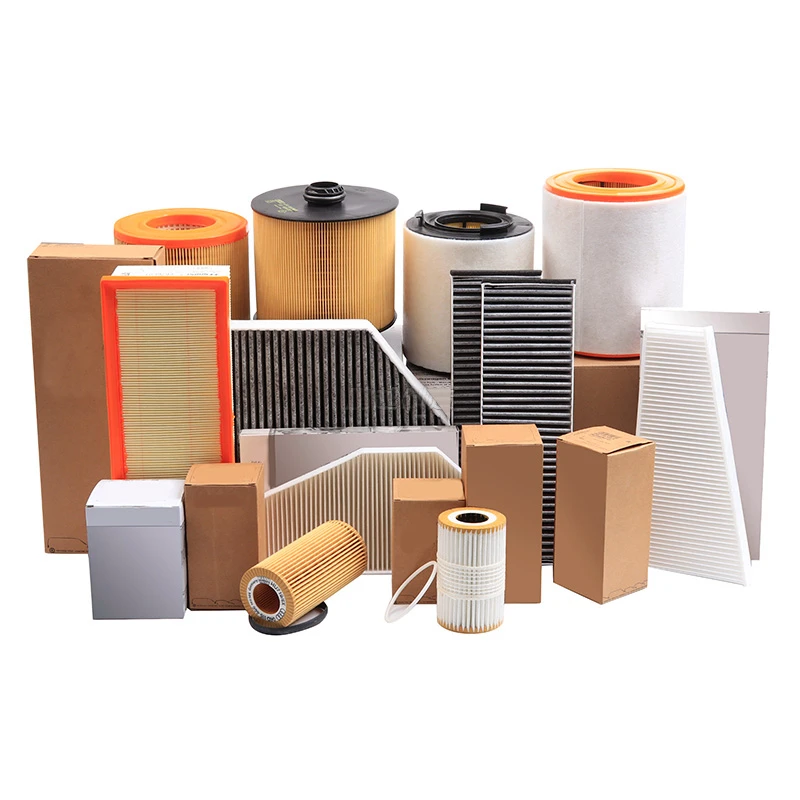
Cabin Filter: What Does It Do?
To put it simply, the cabin filter is one of those small, often overlooked components in your vehicle that plays a surprisingly big role in your comfort and health. Globally, as urban pollution steadily climbs—thanks to increasing traffic and industrial emissions—understanding cabin filter what does it do goes beyond mere car maintenance. It's about breathing cleaner air inside your vehicle, reducing allergens and pollutants that can impact millions of people worldwide who spend hours inside their cars daily. From reducing smog particles to pollen and dust, the cabin filter's role can't be overstated.
Mini takeaway: Cabin filters are a critical frontline defense for healthier, cleaner air inside vehicles, especially in polluted regions, improving driver alertness and passenger comfort.
Introduction: Why Cabin Filter Matters Globally
With the UN estimating that over 90% of the world’s population lives in places where air quality exceeds recommended pollution limits (WHO, 2021), it's no surprise that indoor air quality—and by extension, inside vehicles—is a growing concern. Cars, trucks, trains: they are mobile microenvironments where polluted air can accumulate if not filtered.
Cabin air filter technology has followed suit, evolving rapidly to tackle challenges like allergens, vehicle emissions, and increasingly, new viral particles. Oddly enough, as vehicles get more sealed for efficiency and noise reduction, the air inside becomes more reliant on smart filtration systems. Without a properly functioning cabin filter, harmful particulates and gases seep right into the personal space of drivers and passengers.
What Is a Cabin Filter and What Does It Do?
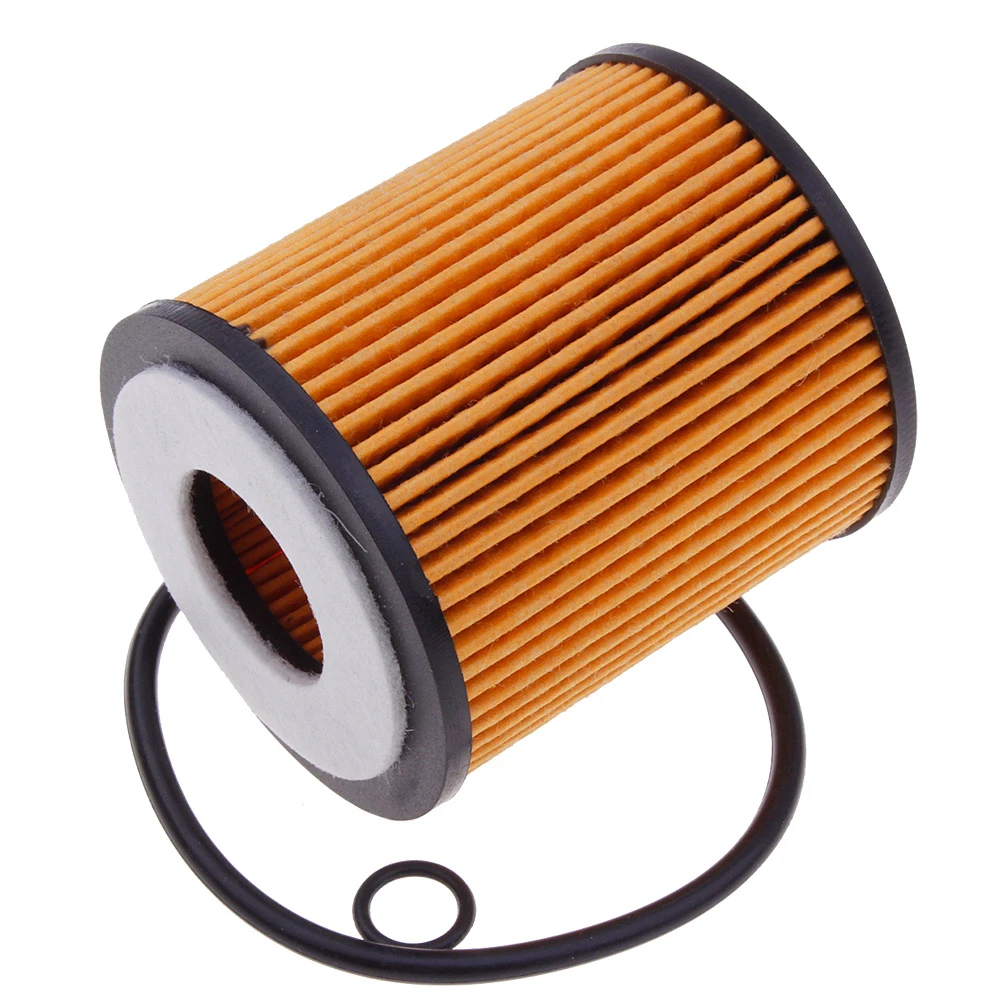
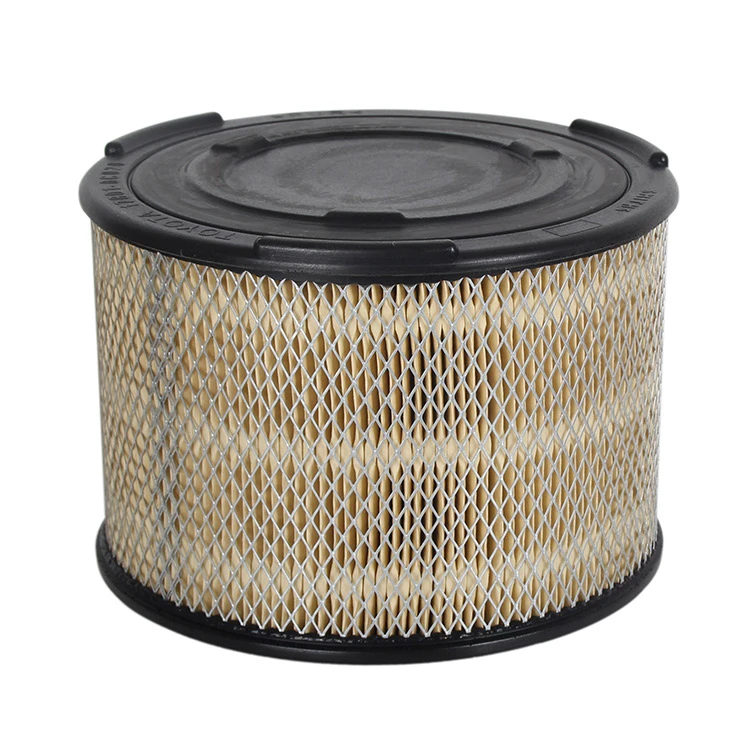
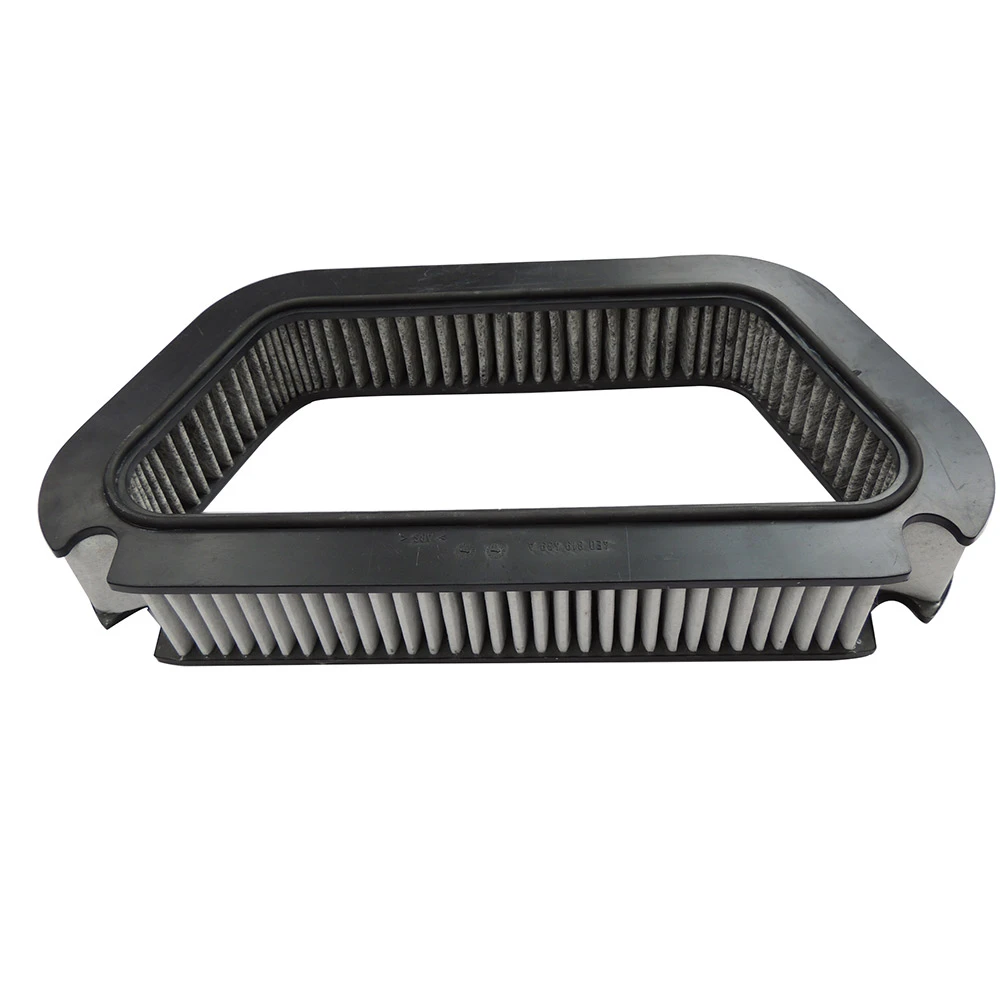
A cabin filter is essentially a specialized air filter designed to clean the air entering the vehicle’s interior through the heating, ventilation, and air conditioning (HVAC) system. Think of it as a mask for your car’s lungs. It traps dust, pollen, spores, exhaust gases, and microbes, which can otherwise cause allergies, respiratory discomfort, and general fatigue.
In the bigger picture, cabin filters intersect with modern-day industry because better air quality inside vehicles can contribute to safer driving conditions and improved overall health. This fits into larger sustainability and health goals advocated by many governments and organizations globally.
Key Factors That Define Cabin Filter Efficiency
- Filtration Media Quality: Most cabin filters use pleated paper or cotton, sometimes enhanced with activated carbon to adsorb odors and gases. The mix determines particle retention—larger filters can trap finer particles.
- Durability: Given their exposure to harsh conditions (heat, moisture), filters need materials that hold up over 12,000–15,000 miles or roughly 12 months.
- Compatibility: Filters must fit specific vehicle makes and models, aligning with airflow rates to avoid reducing HVAC system performance.
- Cost Efficiency: A balance of effectiveness and price is key. A durable, efficient filter that’s too costly won’t do well commercially.
- Environmental Impact: Some filters now incorporate eco-friendly materials or recycling programs, tying into the broader sustainability narrative.
Mini takeaway: The best cabin filters combine filtration power, fit, durability, and cost, while increasingly emphasizing greener production practices.
Global Applications & Use Cases of Cabin Filters
Cabin filters aren’t just about everyday cars in bustling megacities like Mumbai or Los Angeles. In mining trucks where dust is rampant, or in ambulances racing through polluted urban centers, clean air inside the cabin is vital. Even subway systems have started using similar filters within operator cabs to protect staff from particulate overload.
Regions with intense weather conditions—such as the Middle East with sandstorms or China’s industrial zones—report higher demand for advanced cabin filters. Emergency disaster response vehicles, logistic fleets, and public transport operators also rely heavily on filtration to maintain driver health during long shifts.
Sample Cabin Filter Product Specs
| Feature | Specification |
|---|---|
| Filter Type | Activated Carbon + Pleated Paper |
| Particle Removal Efficiency | Up to 98% for particles ≥1 micron |
| Airflow Resistance | Max 15 Pa at rated airflow |
| Recommended Replacement Interval | 12 months or 12,000 miles |
| Material Sustainability | Biodegradable outer layers |
Comparing Top Cabin Filter Vendors
| Vendor | Filter Technology | Lifetime | Price Range (USD) | Eco-Friendly Options |
|---|---|---|---|---|
| AC-Mann Filter | Multi-layer pleated with activated carbon | 12 months | $20 – $35 | Yes |
| Bosch | HEPA-grade filters | 15 months | $25 – $40 | Limited |
| Fram | Activated carbon media | 12 months | $15 – $30 | No |
Advantages and Long-Term Value of Cabin Filters
When you consider the tangible benefits, it’s not just “clean air.” Cabin filters help reduce driver fatigue, a factor linked to accident risk in many studies. They protect sensitive passengers—children, elderly, asthma sufferers—from allergens and harmful VOCs (volatile organic compounds). Plus, it feels like a small luxury: stepping into a car cabin that smells fresh, not like exhaust fumes or dampness.
On a social level, investing in quality cabin filters empowers drivers and fleets to align with public health efforts and environmental standards, fostering trust with consumers and authorities.
Future Trends in Cabin Filtration Technology
The future is pretty exciting here. Manufacturers are integrating nanofibers and electrostatic elements to trap particles as small as viruses, which clearly came into sharper focus after the COVID-19 pandemic. There’s also talk of self-cleaning filters, hybrid electric-HEPA designs, and smart sensors that tell you exactly when to replace your filter—wildly convenient.
On the sustainability front, more bio-based and recyclable filters are hitting the market, supported by ISO standards encouraging greener automotive parts. Automation in manufacturing means higher precision and less waste, too.
Challenges & Solutions
One of the tricky parts is that cabin filters can get overlooked—many drivers simply don’t know they exist or forget to replace them regularly. This leads to clogged filters that reduce airflow and HVAC effectiveness, ironically making air quality worse.
Awareness campaigns and in-car reminders are emerging solutions. On the tech side, durable materials resistant to moisture and wear are being developed. Also, more universal fits or modular designs might ease replacement hassles.
FAQ: Frequently Asked Questions About Cabin Filter What Does It Do
- How often should I replace my cabin filter?
- Most manufacturers recommend replacing it every 12,000 to 15,000 miles, or annually. However, if you drive in dusty or polluted areas, more frequent replacement is prudent.
- Can a cabin filter improve my car’s air conditioning performance?
- Yes, a clean filter allows proper airflow through your HVAC system, making air conditioning more efficient. A clogged filter restricts airflow and can cause unpleasant odors.
- Are all cabin filters the same?
- No. They vary by material, filtration efficiency, and compatibility with vehicle models. Some use activated carbon for odor removal; others are HEPA-grade for medical-grade filtration.
- Can cabin filters block viruses or bacteria?
- Most standard filters remove dust and allergens but aren’t designed to filter viral particles. High-end HEPA and nanofiber filters have improved capabilities, but no filter can guarantee 100% blockage of viruses.
- Is it expensive to upgrade to a higher-quality cabin filter?
- High-quality filters may cost more—typically $20 to $40—but the health benefits and improved air quality justify the investment, especially if you suffer allergies or live in polluted environments.
Conclusion
Cabin filters might fly under the radar for many drivers, but understanding cabin filter what does it do reveals their undeniable value—improving air quality, driver alertness, and long-term health. As environmental challenges mount and technologies evolve, investing in a quality cabin filter is both a practical and forward-looking choice.
Want to explore more about cabin filters and find the right fit for your vehicle? Visit our website: https://www.jyfilter.com for a full range of high-quality options and expert advice.
Reflection: It’s fascinating how such a small, inexpensive part can have so much impact—sometimes the tiniest filters lead to the biggest breathers.
References
-
Guide on how often do you need to replace engine air filterNewsApr.16,2026
-
Learn how often do you replace air filter in car for engine healthNewsApr.09,2026
-
How Often Do You Replace Car Air Filter For Optimal Engine PerformanceNewsApr.07,2026
-
How Often Do You Replace Engine Air Filter For Optimal Vehicle PerformanceNewsApr.04,2026
-
Understanding How Often Does Engine Air Filter Need to Be Replaced for Optimal PerformanceNewsMar.31,2026
-
How Often Engine Air Filter Change Impacts Performance and LongevityNewsMar.28,2026
-
Understanding How Often to Replace Your Car Air Filter for Optimal PerformanceNewsMar.26,2026
Related Products