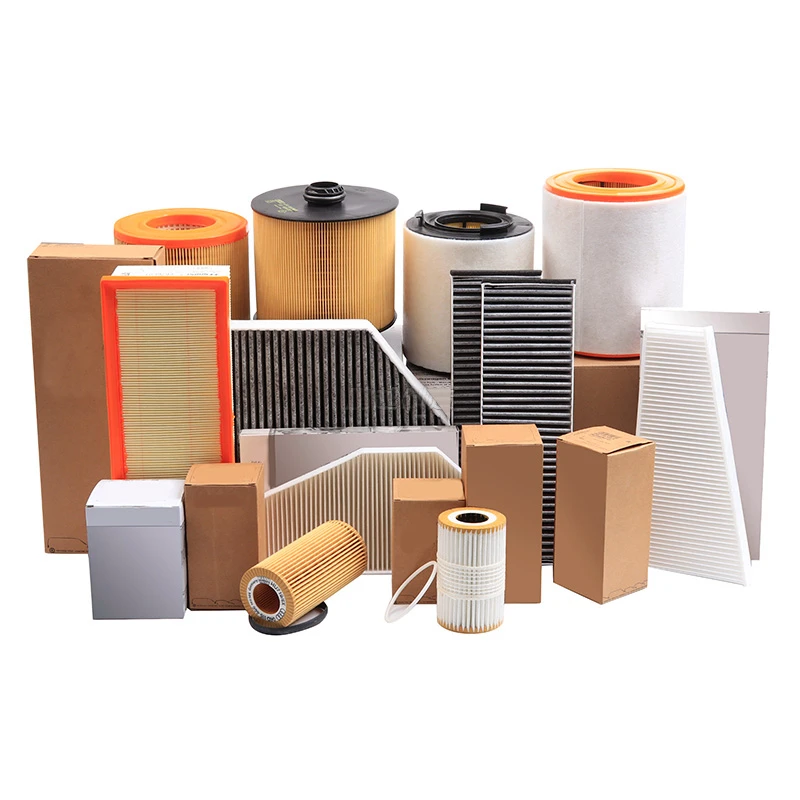
How to Change Cabin Air Filter in Car: Why It Matters and What You Need to Know
If you’ve never thought much about your car’s cabin air filter, you’re not alone. Yet, this small, often-overlooked component plays a crucial role in the quality of the air you breathe on every drive. Understanding how to change cabin air filter in car isn’t just a handy DIY skill; it has bigger environmental, health, and comfort implications. Globally, as urban air pollution continues to rise and people spend longer commuting, maintaining clean cabin air is more vital than ever.
Replacing your cabin air filter regularly ensures fresh airflow, reduces allergens and pollutants, and even enhances your vehicle’s HVAC efficiency — saving fuel indirectly through less strain. It’s one of those simple maintenance jobs that yields surprisingly big benefits. Let’s dive into exactly why this is the case, and how you can master the swap yourself without breaking a sweat.
The Worldwide Context: Why Cabin Air Filters Matter More Than You’d Think
Air quality isn’t just a headline issue for some cities anymore. The World Health Organization estimates that ambient air pollution contributes to around 4.2 million premature deaths worldwide each year. In many metropolises—think New Delhi, Los Angeles, or Beijing—particulate matter and allergens are a constant hazard.
Now imagine spending hours daily in a car surrounded by that polluted air with nowhere to escape. This is where the humble cabin air filter steps in, acting as a first line of defense, filtering out dust, pollen, smog particles, and sometimes even bacteria.
However, filters get clogged, reducing airflow and letting contaminants slip through. That’s why learning how to change cabin air filter in car is a must-have skill for any everyday driver concerned with health and air cleanliness. Regular replacement is also aligned with ISO automotive maintenance standards, ensuring your vehicle meets recommended air quality benchmarks.
What Exactly Is a Cabin Air Filter and How Does it Work?
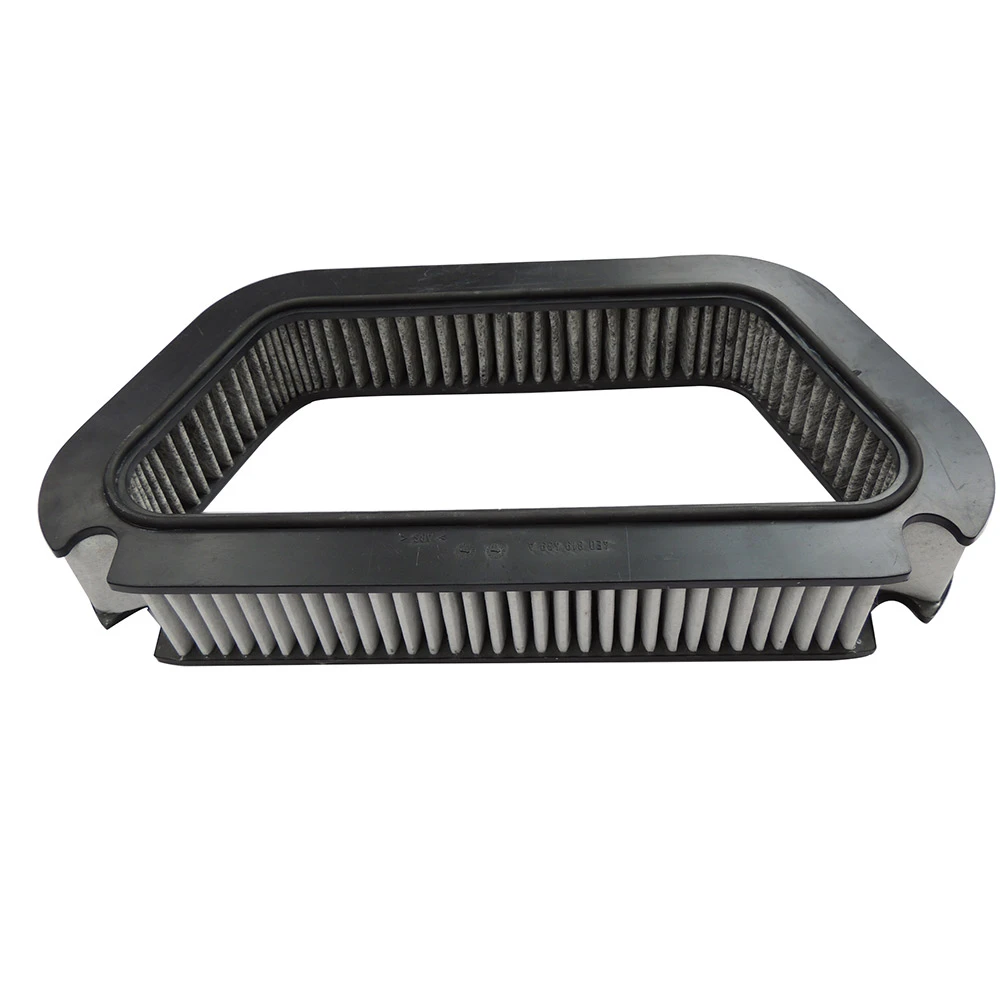
Simply put, a cabin air filter is a small, usually rectangular piece of material packed with fibrous layers designed to trap airborne particles before air enters the vehicle’s interior through the heating and air conditioning system. Think of it as a mask for your car’s lungs.
This filter isn’t just about comfort. In modern vehicles, it also ensures the HVAC system doesn’t become clogged—which helps maintain its efficiency and longevity. In humanitarian contexts, like ambulances or mobile clinics, good air filtration can literally protect vulnerable patients on the move.
Key Components and Factors When Changing Your Cabin Air Filter
1. Filter Type and Quality
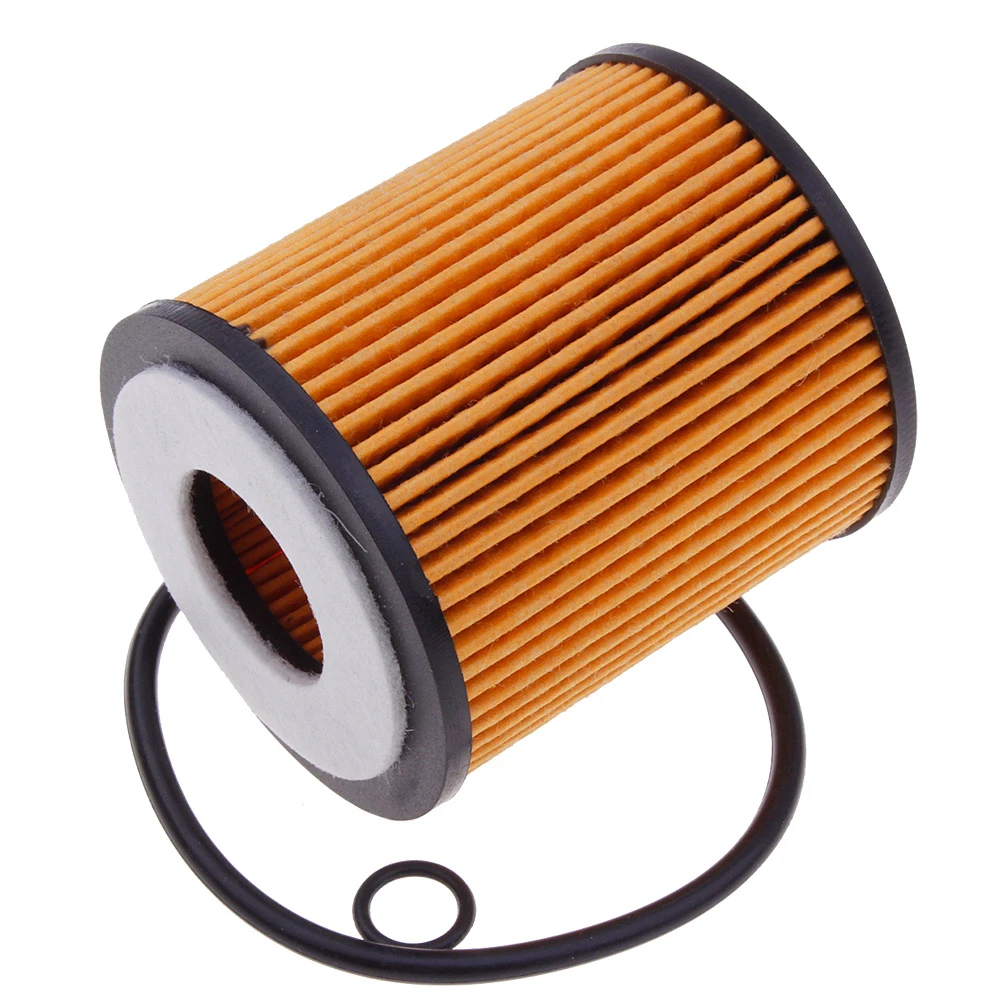
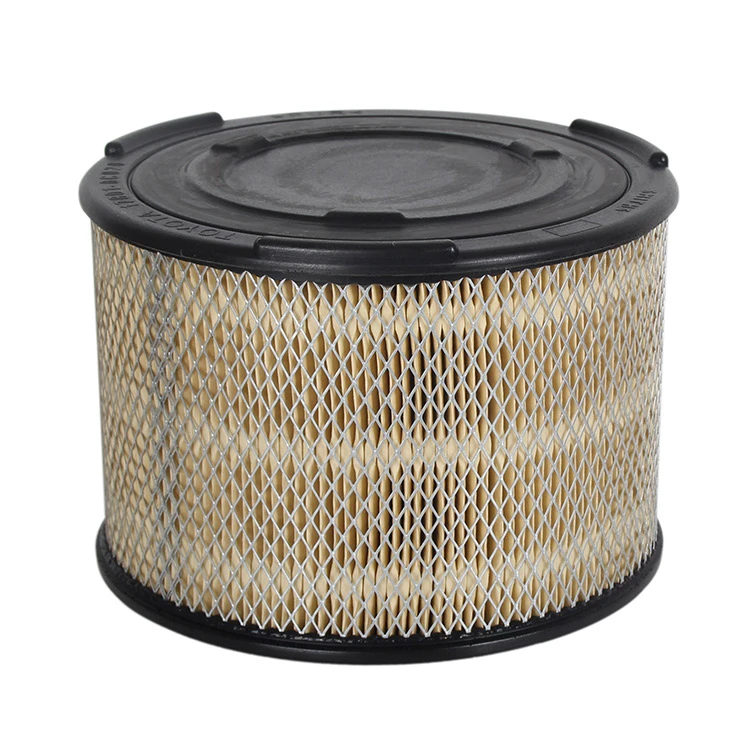
Not all cabin filters are built equal. You’ll find basic paper filters, activated carbon versions (which absorb odors and gases), and premium HEPA-grade filters for the ultimate in cleanliness.
2. Accessibility and Location
Each car model differs. Some filters hide behind the glove box or under the hood, accessible with basic tools; others are trickier. Knowing your vehicle specifics can save you lots of headache.
3. Maintenance Interval
The general rule? Replace your cabin air filter every 12,000 to 15,000 miles—or sooner if you often drive in dusty or polluted environments.
4. Health Considerations
For allergy sufferers or those with respiratory sensitivities, opting for high-grade filters and changing them regularly isn’t just about car upkeep but personal health.
5. Environmental Impact
Using and disposing of cabin filters responsibly minimizes waste. Some brands now offer recyclable filters, contributing to broader green initiatives.
Mini Takeaway: Choosing the right filter and sticking to replacement schedules is a blend of practicality, health, and environmental mindfulness.
Global Real-World Applications and Examples
From bustling cities in Europe to dusty industrial zones in Africa, cabin air filters help millions breathe safer while driving. In places like California, where wildfire smoke can impact air quality for weeks, many drivers swap filters more frequently to combat heavy particulate loads.
In the humanitarian arena, mobile clinics and emergency vehicles in disaster zones rely on these filters to ensure clean airflows in often harsh, dusty environments. This small component significantly boosts operational reliability and patient well-being.
Advantages and Long-Term Benefits of Proper Cabin Air Filter Maintenance
- Cost Efficiency: Cleaner filters reduce strain on HVAC systems, lowering fuel consumption and maintenance bills over time.
- Sustainability: Longer-lasting HVAC components mean less waste and resource use.
- Health Impact: Reduces allergy triggers and protects respiratory health inside the vehicle.
- Comfort & Safety: Maintains clear visibility by reducing window fogging caused by excessive moisture trapped in a clogged filter.
It’s interesting — many drivers only realize the value of a clean air filter during allergy season or when their system starts making odd noises. Understanding how to change cabin air filter in car doesn’t just keep your ride fresh — it’s a small trust-building ritual between you and your vehicle ensuring safety and efficiency for thousands of miles ahead.
Product Specification Table: Popular Cabin Air Filters compared
| Model | Filter Type | Filtration Efficiency | Lifespan (miles) | Price Range |
|---|---|---|---|---|
| CleanAir Pro | Activated Carbon | Up to 95% particles & odors | 12,000 | $25 - $30 |
| EcoFilter HEPA | HEPA | >99.9% fine particulates | 15,000 | $40 - $50 |
| BasicShield Paper | Paper | ~70% particulates | 10,000 | $10 - $15 |
Vendor Comparison: Choosing the Right Cabin Air Filter Provider
| Vendor | Product Quality | Price Competitiveness | Availability | Customer Support |
|---|---|---|---|---|
| AutoParts Co. | High | $$ | Wide national network | 24/7 support line |
| FilterEasy | Medium | $ | Online only | Email support |
| ProClean Filters | Very High (HEPA range) | $$$ | Select dealers | Dedicated rep service |
What’s Next? Trends and Innovations in Cabin Air Filtration
The auto industry is seeing a push towards smart cabin air filters: sort of filters embedded with sensors that monitor air quality in real-time, alerting drivers when it’s time for a change. Coupled with electric and hydrogen-powered vehicles, these innovations target improved urban air conditions and reduce pollutants.
Additionally, biodegradable and recyclable materials are gaining traction for more sustainable filter manufacturing, reflecting broader shifts toward greener vehicle accessories. AI-driven diagnostics integrated in some newer models even help optimize filter performance without guesswork.
Common Challenges and How to Manage Them
Honestly, the toughest part about changing your cabin air filter often is figuring out “where exactly is it?” Some models bury the filter behind complex covers or beneath glove compartments. But once you discover your vehicle’s HVAC layout, replacement becomes… well, pretty straightforward.
Another issue: using low-quality filters can sometimes block airflow excessively or fail to trap pollutants effectively. The trick is buying from trusted vendors and sticking to replacement intervals. Many auto forums encourage taking photos during removal to ensure proper reinstallation. I have to say, that tip saved me more than once.
FAQ: Your Quick Cabin Air Filter Questions Answered
- How often should I replace my car's cabin air filter?
- The typical recommendation is every 12,000 to 15,000 miles, but if you frequently drive in urban pollution, dusty roads, or wildfire-prone areas, changing it more often is wise.
- Can I use any cabin air filter, or must it be specific to my car model?
- Cabin filters are designed to fit specific vehicles. Using the wrong one might reduce filtration quality or airflow. Check your car manual or filter packaging for compatibility.
- Is changing a cabin air filter difficult or expensive?
- For most vehicles, it’s a simple process requiring minimal tools and about 10–20 minutes. Filters range from $10 to $50, depending on type and brand. DIY replaces a costly mechanic visit.
- Will a dirty cabin air filter affect my car’s AC performance?
- Yes. Clogged filters restrict airflow, making your HVAC work harder. You might notice reduced cooling or heating efficiency, increased fogging, or odd odors.
- Are there recyclable or eco-friendly cabin air filter options?
- Yes, several brands now offer filters made from recycled materials or designed to be disposed of responsibly. Moving toward these options helps reduce landfill waste.
Wrapping Up: Take Charge of Your In-Car Air Quality
Knowing how to change cabin air filter in car might seem like a niche skill but it directly impacts your daily comfort, health, and vehicle efficiency. It's a small job that pays dividends across cost savings, cleaner air, and environmental conscientiousness. So, take a few minutes, peek inside your dashboard, and give your car the fresh breath it deserves.
For more detailed guides, product options, and expert tips, visit our website at https://www.jyfilter.com — see you there!
References & Further Reading
-
Guide on how often do you need to replace engine air filterNewsApr.16,2026
-
Learn how often do you replace air filter in car for engine healthNewsApr.09,2026
-
How Often Do You Replace Car Air Filter For Optimal Engine PerformanceNewsApr.07,2026
-
How Often Do You Replace Engine Air Filter For Optimal Vehicle PerformanceNewsApr.04,2026
-
Understanding How Often Does Engine Air Filter Need to Be Replaced for Optimal PerformanceNewsMar.31,2026
-
How Often Engine Air Filter Change Impacts Performance and LongevityNewsMar.28,2026
-
Understanding How Often to Replace Your Car Air Filter for Optimal PerformanceNewsMar.26,2026
Related Products