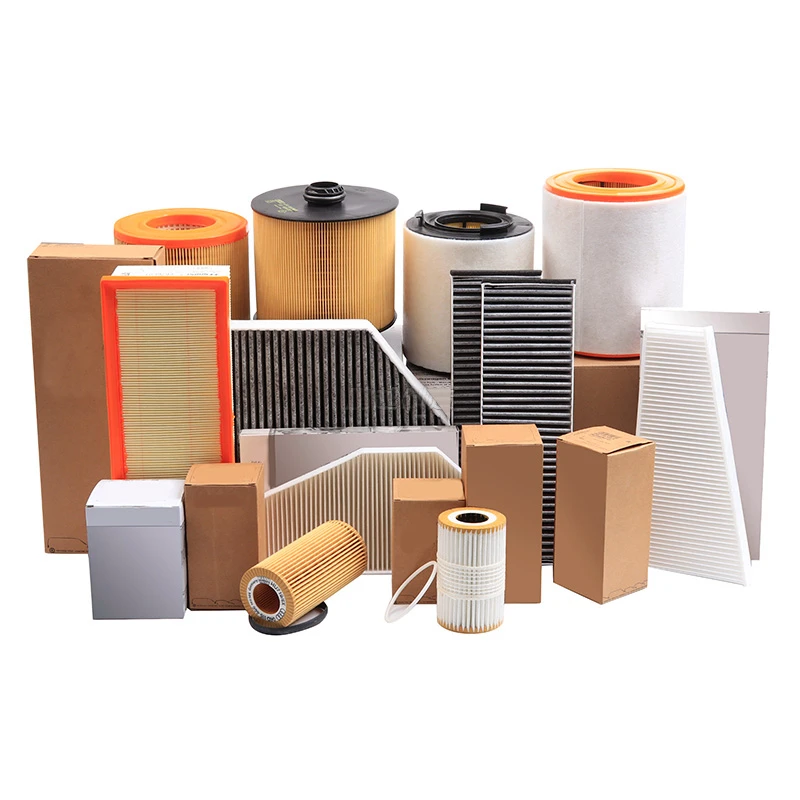
Understanding the Role of a Car Air Filter Manufacturer in Today’s Automotive World
If you’ve ever peeked under the hood of your car or wondered about the tiny components that keep your engine breathing easy, then you’re in the right place. The car air filter manufacturer industry is a quietly pivotal piece of automotive engineering that most drivers overlook — yet it matters globally, affecting everything from vehicle efficiency and emissions to health and environmental concerns.
Why the fuss? Well, with over 1.4 billion cars cruising worldwide today, clean air intake isn’t just about engines running smoothly. It directly influences air pollution control, vehicle longevity, and even compliance with environmental regulations across continents (source: World Bank). A quality air filter keeps harmful particles out of engines, reduces fuel consumption, and lowers emissions — benefits that add up from both economic and ecological standpoints.
Mini takeaway: Though small, car air filters and their manufacturers play a surprisingly large role in global sustainability and automotive performance.
Global Challenges and Why Manufacturing Quality Air Filters Matters
The automotive industry is under increasing pressure to innovate amid rising environmental concerns. Governments worldwide push for tighter emissions standards: the ISO 5011 air filter standards, for example, ensure manufacturers maintain strict quality benchmarks. This is where reliable car air filter manufacturers step up, providing products that meet robust efficiency and durability demands.
Vehicle owners, large fleets, and even industrial operators all face the challenge of balancing cost against performance and environmental impact. Poor air filtration means engines consume more fuel and spew more pollutants. So, car air filter manufacturers are not just supply chain links — they are crucial allies in tackling pollution and optimizing fuel use at scale.
So, What Exactly is a Car Air Filter Manufacturer?
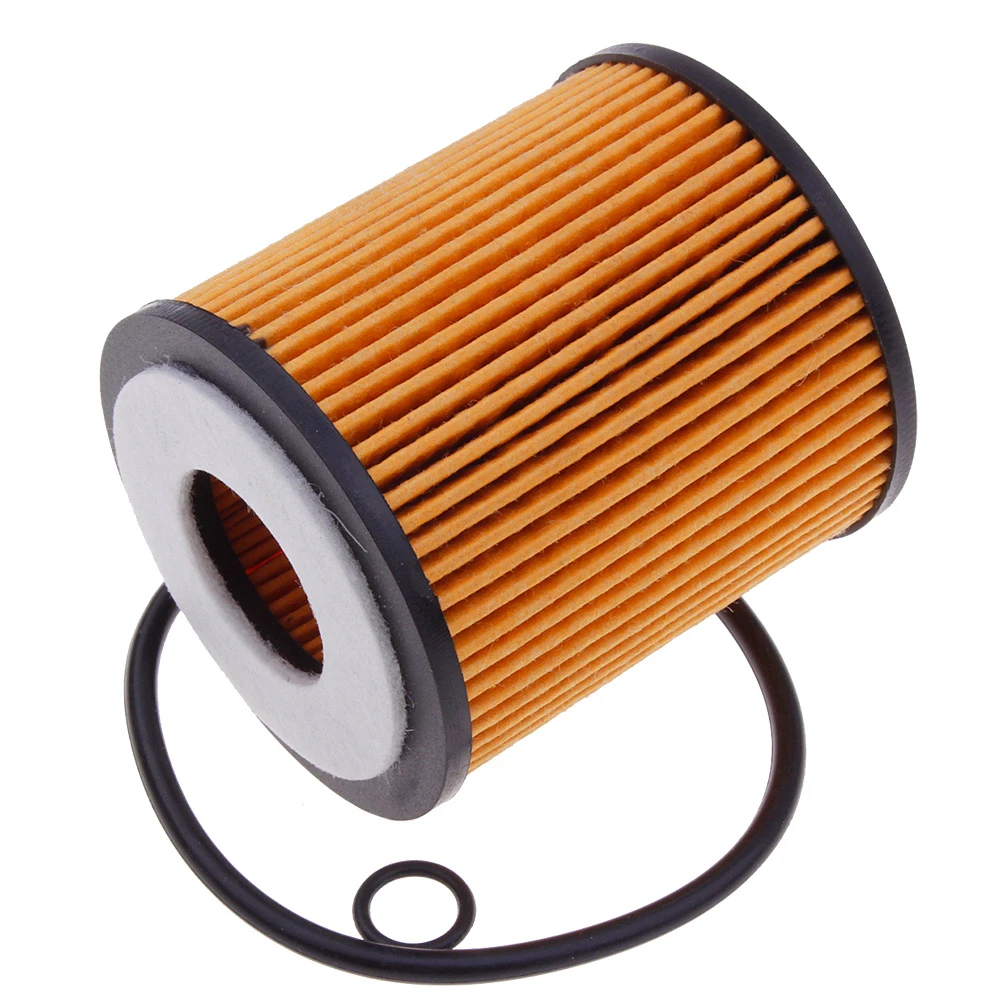
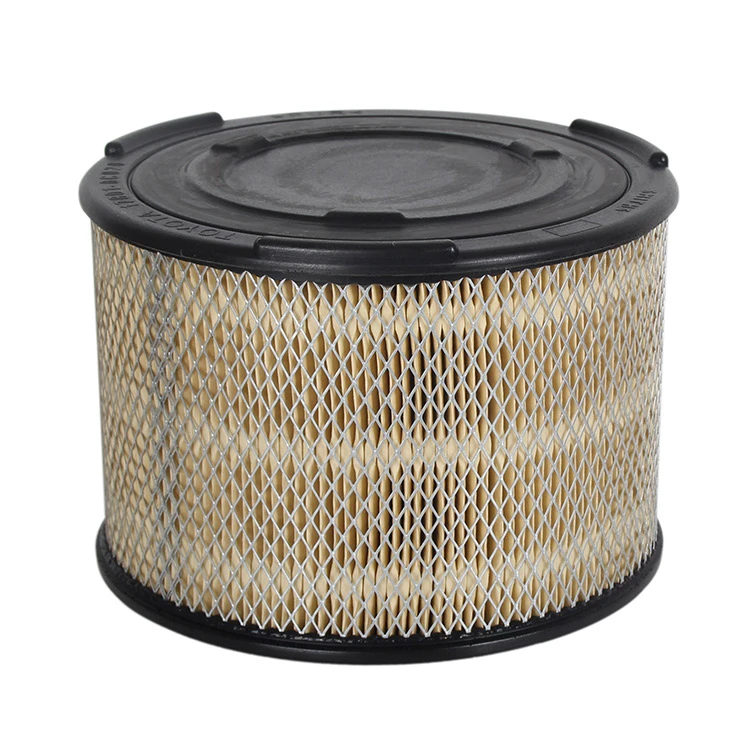
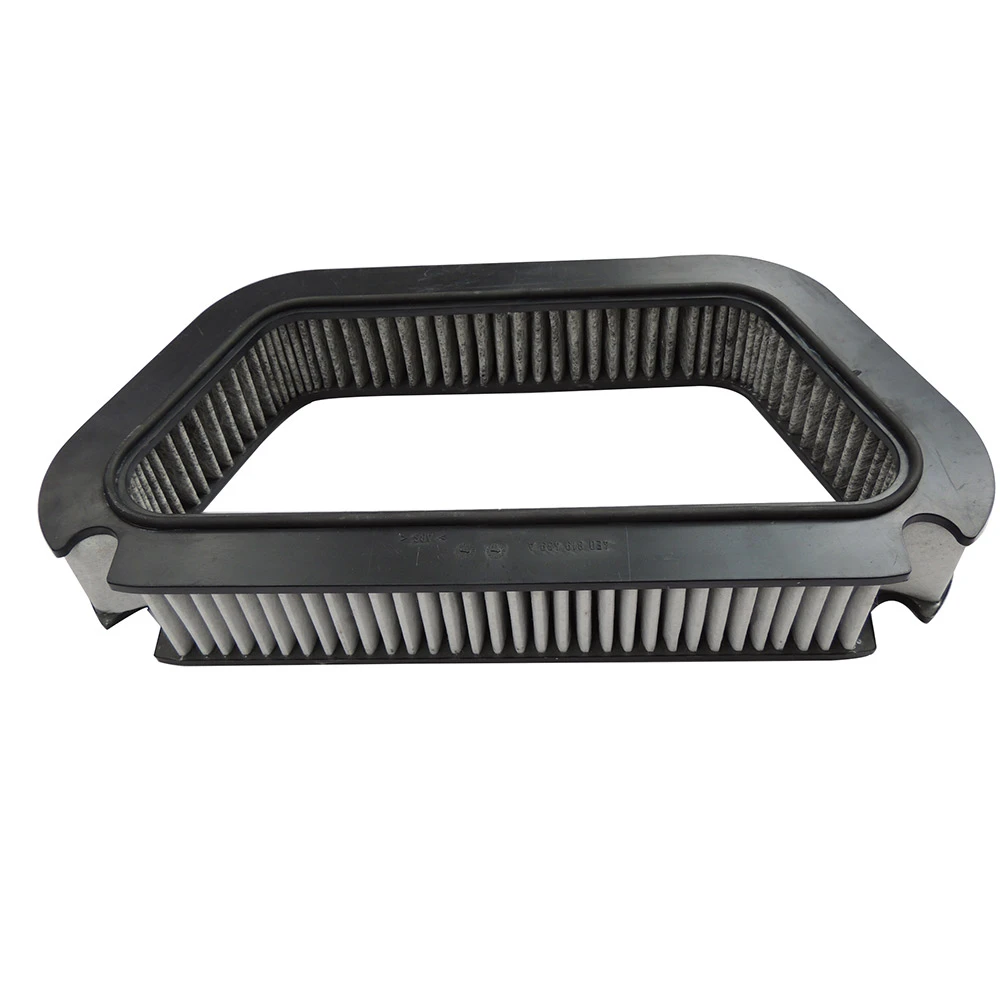
In simple terms, a car air filter manufacturer is a company that designs, produces, and delivers air filters specifically designed for automotive engines. These filters trap unwanted particles like dust, pollen, and debris, preventing engine damage and improving air quality intake. Beyond just production, many manufacturers now focus on innovative materials and designs to boost filtration capacity and service life.
Interestingly, the role of these manufacturers has grown beyond just automotive sectors. Some extend their expertise to related industries, including heavy machinery and even air purification systems for humanitarian relief vehicles. It’s a solid example of how specialization serves broader industrial and social needs.
Key Aspects That Define a Quality Car Air Filter Manufacturer
1. Durability and Material Quality
Long-lasting filters mean fewer replacements and less waste. Manufacturers often use synthetic fibers, cotton gauze, or multi-layered paper designed to withstand harsh conditions and maintain consistent filtration efficiency over thousands of miles.
2. Filtration Efficiency
Efficiency metrics measure how well the filter captures particles. Many top manufacturers meet or exceed particulate removal rates of 98%, keeping engines clean and emissions low.
3. Cost Efficiency and Scalability
Efficient production methods, such as automated assembly lines, help manufacturers offer competitive pricing while scaling to meet global demand — whether for consumer vehicles or large fleet orders.
4. Customization and Product Range
A good manufacturer provides filters catering to different engine types, vehicles, and operating environments, from dusty deserts to humid urban jungles.
5. Compliance with Global Standards
Adherence to regulatory compliance (EPA, ISO, CARB certifications) is essential for global sales and environmental stewardship.
6. Innovation and Sustainability Focus
Leading manufacturers invest in green materials and processes, such as biodegradable media and reduced solvent use, to minimize environmental footprints.
Mini takeaway: It’s clear that behind every reliable air filter lies a complex balance of technology, economics, and ecological awareness.
How Car Air Filter Manufacturers Impact the Real World
The reach of car air filter manufacturers spreads far beyond factory walls. Think of high-traffic cities battling smog, where vehicle emissions are a major problem. Here, the demand for high-quality filters that reduce pollutants is critical. In industrial zones with heavy machinery, robust filtration prevents contaminants from accelerating engine wear, saving costly repairs.
In remote regions or post-disaster relief operations, where vehicle reliability can be vital for delivering aid, dust-proof air filters ensure engines don't fail unexpectedly. Even military and humanitarian vehicle fleets depend on these components to operate efficiently under extreme conditions.
Regions like Southeast Asia, Middle East, and parts of Africa see a rising demand for durable, cost-effective filters that can stand dusty, hot climates. Manufacturers who understand and serve these contexts not only help local economies but also reduce their environmental impact.
Product Specification Table of a Popular Car Air Filter
| Specification | Detail |
|---|---|
| Filter Media | Multi-layered Synthetic Fiber |
| Filtration Efficiency | Up to 99.7% at 0.3 microns |
| Operating Temperature | -40°C to 120°C (-40°F to 248°F) |
| Filter Life | 12,000 miles or 12 months |
| Certifications | ISO 5011, EPA, CARB |
Advantages That Make Quality Manufacturers Stand Out
- Cost Savings: By improving fuel efficiency and reducing engine wear, a good air filter saves money in the long run.
- Environmentally Responsible: Enhanced filters curb harmful emissions, supporting global green initiatives.
- Reliability & Trust: High-quality filters foster confidence among vehicle operators, especially in demanding conditions.
- Encourages Innovation: Manufacturers focusing on R&D push the automotive industry forward with smarter, eco-friendly materials.
A Quick Look: Comparing Top Car Air Filter Manufacturers
| Feature | JyFilter | AutoPure | CleanAir Corp |
|---|---|---|---|
| Filtration Efficiency | 99.7% | 98.5% | 98% |
| Eco-Friendly Materials | Yes | Limited | No |
| Global Certification | ISO, EPA, CARB | ISO, EPA | EPA only |
| Customization Options | Extensive | Moderate | Limited |
The Road Ahead: Future Trends in Car Air Filter Manufacturing
Looking forward, there’s a clear shift toward sustainability and smart technology integration. Manufacturers are experimenting with bio-based filter media and reusable designs, cutting waste and carbon footprints. Digital transformation is another trend — sensors embedded in air filters monitor air quality and usage, alerting drivers when it’s time for replacements. Automation in production lines improves precision while lowering costs.
Governments and industry bodies are increasingly encouraging greener transport solutions, which naturally boost the importance of clean air intake components. It all suggests that car air filter manufacturers who embrace innovation and sustainability will be the biggest winners in the coming decade.
Challenges Facing Car Air Filter Manufacturers & How They Overcome Them
Despite advances, challenges remain. Sourcing high-quality, eco-friendly materials at scale isn’t always straightforward. There’s also the balancing act between affordability and premium performance, crucial for appealing to both budget consumers and commercial clients.
Another tricky point is adapting to rapidly evolving engine technologies—think electric vehicles (EVs) with different air system needs. Some manufacturers are diversifying into cabin air filters and HVAC components to stay relevant.
Key solutions include investing in R&D, building agile supply chains, and enhancing collaboration across automotive ecosystems. And frankly, partnering with trusted car air filter manufacturer firms can dramatically simplify navigating these hurdles.
FAQs About Car Air Filter Manufacturers
- Q: How often should I replace my car air filter for optimal performance?
- A: Typically, replacing your air filter every 12,000 to 15,000 miles is recommended, but dusty or polluted environments may require more frequent changes to maintain engine efficiency and emissions control.
- Q: What differentiates a premium car air filter from a standard one?
- A: Premium filters use higher-grade media that trap smaller particles more effectively, last longer, and may incorporate eco-friendly materials, contributing to better engine protection and sustainability.
- Q: Does the choice of air filter affect fuel economy?
- A: Absolutely. A clean and efficient air filter ensures proper air flow, which improves combustion and can enhance fuel economy by up to 10% under certain conditions.
- Q: Can car air filter manufacturers supply customized filters for specialized vehicles?
- A: Many manufacturers offer customized solutions tailored to specific engine types, climates, and operational needs, making them flexible partners in various industries.
- Q: How do regulations impact car air filter manufacturing?
- A: Regulations like EPA and CARB set air quality and emissions standards that manufacturers must meet, influencing filter design, materials used, and certification processes globally.
Final Thoughts: Why Choosing the Right Car Air Filter Manufacturer Matters
At the end of the day, the choice of car air filter manufacturer impacts not just your vehicle’s health, but also your wallet, the environment, and in many ways, the future of cleaner automotive transport. It feels like an overlooked but vital decision that can ease long-term maintenance, reduce carbon footprints, and keep engines purring smoothly worldwide.
For anyone serious about quality, reliability, and innovation in air filters, I recommend checking out car air filter manufacturer options that prioritize sustainability and advanced technology. Because these tiny guardians of your engine really do make a big difference.
References:
1. ISO 5011 - Air Filters for Automotive Applications
2. World Bank Data - Global Vehicle Fleet
3. Wikipedia - Vehicle Emission Standards
-
Guide on how often do you need to replace engine air filterNewsApr.16,2026
-
Learn how often do you replace air filter in car for engine healthNewsApr.09,2026
-
How Often Do You Replace Car Air Filter For Optimal Engine PerformanceNewsApr.07,2026
-
How Often Do You Replace Engine Air Filter For Optimal Vehicle PerformanceNewsApr.04,2026
-
Understanding How Often Does Engine Air Filter Need to Be Replaced for Optimal PerformanceNewsMar.31,2026
-
How Often Engine Air Filter Change Impacts Performance and LongevityNewsMar.28,2026
-
Understanding How Often to Replace Your Car Air Filter for Optimal PerformanceNewsMar.26,2026
Related Products