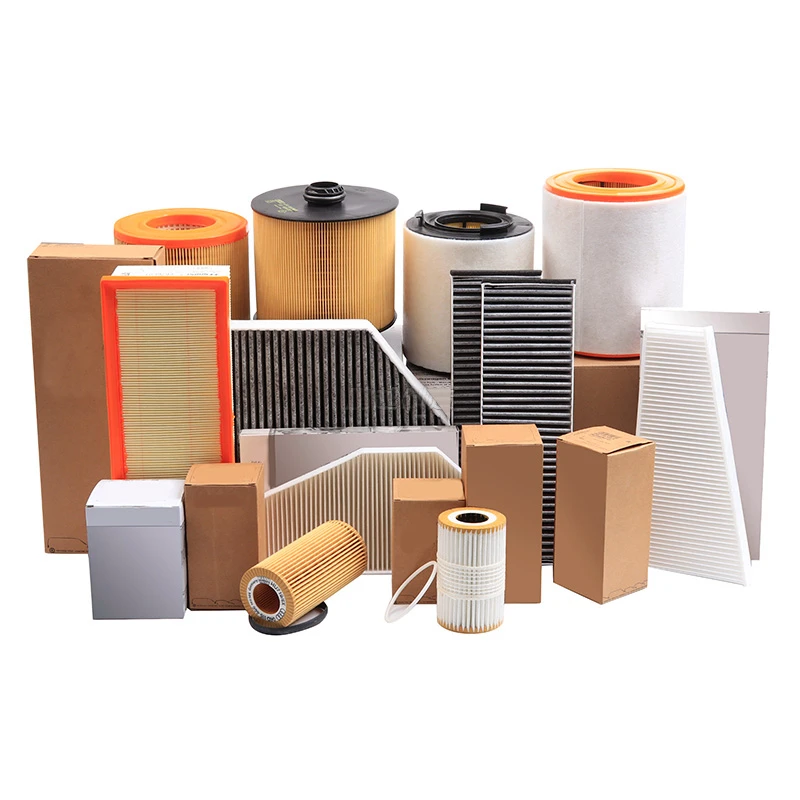
Why Understanding Vehicle Filters Matters in Today’s World
Whether you're a mechanic, a fleet manager, or just a curious driver, knowing about vehicle filters is more important than you might think. These often overlooked components play a massive role in protecting engines, enhancing fuel efficiency, and reducing emissions. On a global scale, vehicle filters help tackle air pollution and extend vehicle lifespans, which ultimately influences everything from urban air quality to economic sustainability.
Think about it: billions of vehicles worldwide depend on filters to keep harmful particles from wreaking havoc internally and externally. So understanding their design, applications, and future innovations can help industries — automotive, logistics, even humanitarian relief fleets — operate smarter and cleaner.
Introduction: The Global Impact of Vehicle Filters
According to the United Nations Environment Programme (UNEP), road transport contributes roughly 15% of global CO₂ emissions. While electrification is on the rise, the world still relies heavily on internal combustion engines. This makes the humble vehicle filter critical for keeping emissions down and maintaining engine efficiency. In fact, industry reports estimate that proper filtration can improve engine durability by 30% and reduce fuel consumption by up to 10%.
But there’s a challenge: as engines evolve, so too must their filters. They need to handle finer particles, cope with biofuels, and adapt to harsher climate conditions — all while staying cost-effective. This raises critical questions about durability, sustainability, and performance across different geographies.
What Exactly Is a Vehicle Filter?
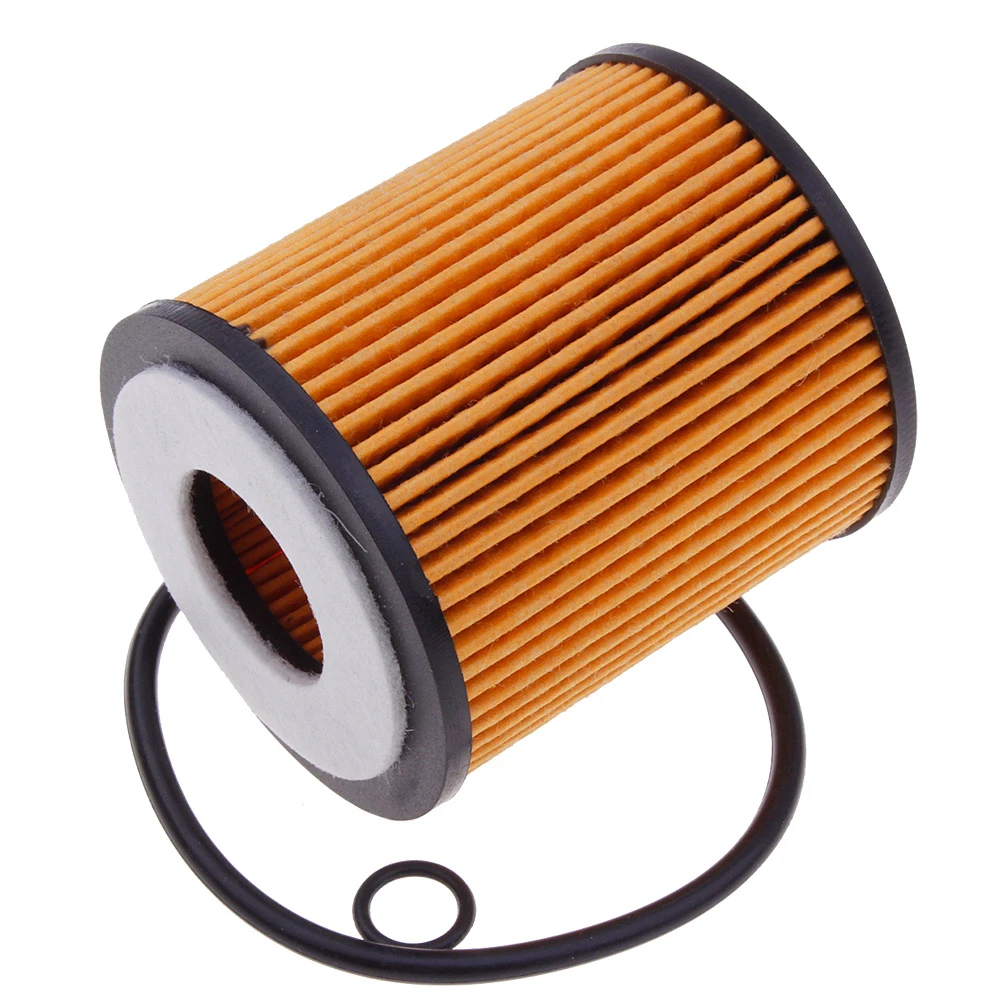
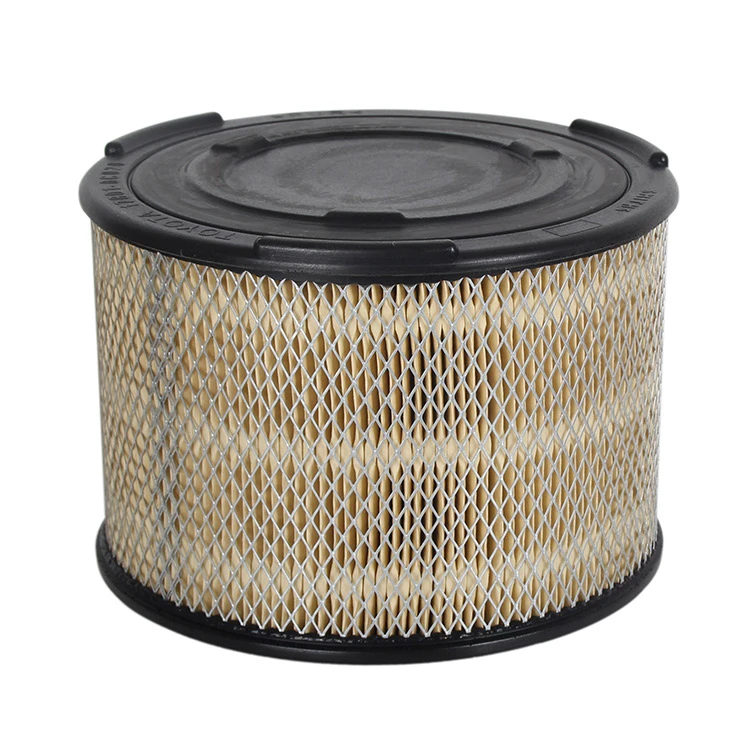
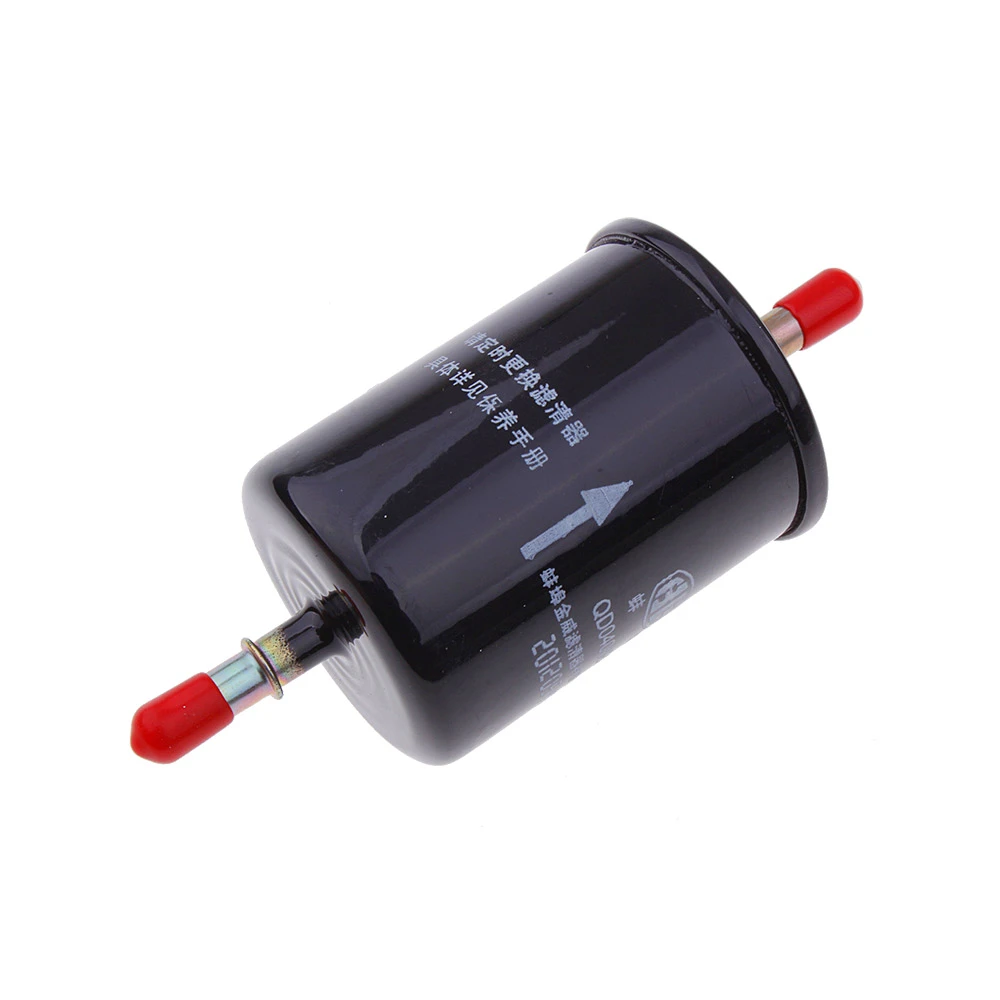
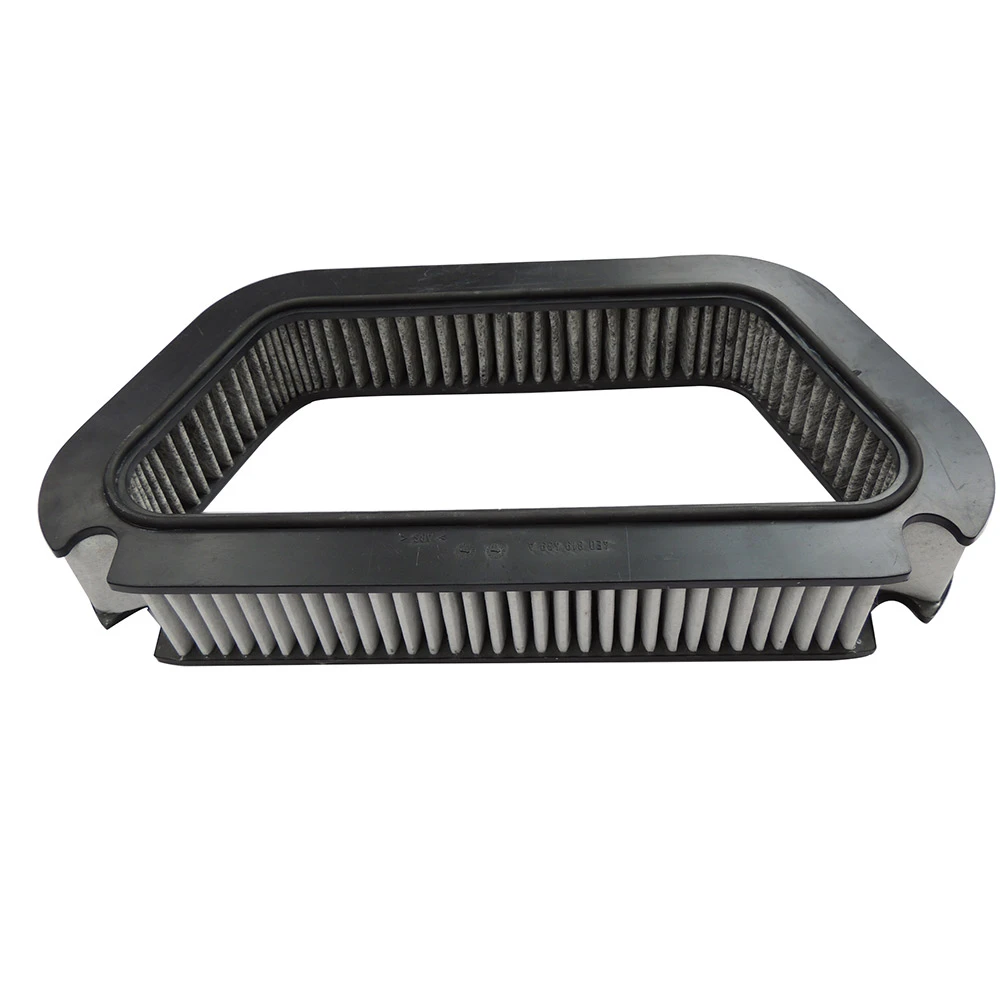
In simple terms, a vehicle filter is a device that removes unwanted particles from air, fuel, or oil before they reach the engine’s sensitive components. Whether it’s air intake, fuel injection, or engine lubrication, filters guard against dirt, dust, and other contaminants that can cause wear and tear or breakdowns.
Beyond just prolonging the life of an engine, filters also contribute to cleaner exhausts, making them vital in meeting environmental standards worldwide. From bustling megacities to remote humanitarian missions, their role is quietly pivotal.
Core Components of Quality Vehicle Filters
1. Durability
Filters must withstand extreme temperatures, pressure, and vibrations. Many engineers swear by synthetic fiber media for its resilience—far outlasting paper-based filters.
2. Filtration Efficiency
This is the heart of the matter: how well does a filter trap particles without choking airflow? Higher efficiency means fewer particles get through, preserving engine health and reducing emissions.
3. Flow Rate
Balancing filtration and fluid flow is tricky. Too restrictive, and you lose engine power and fuel economy; too lenient, and contaminants sneak inside. Experts often mention this balance as the deciding factor in filter design.
4. Cost Efficiency
For fleet operators, replacement cost and lifespan matter just as much as technical specs. Filters offering longer service intervals without compromising quality usually win the day.
5. Environmental Adaptability
Filters deployed in dusty deserts or muddy fields must perform consistently despite harsh conditions — a fact NGOs often consider when equipping vehicles for relief missions.
Real-World Applications Where Vehicle Filters Shine
Vehicle filters are everywhere, but some applications really showcase their importance:
- Urban Transit Fleets: In cities struggling with air pollution, well-maintained filters reduce particulate emissions, helping meet air quality standards.
- Disaster Relief Operations: Post-disaster zones often feature dusty, debris-filled environments. Filters in humanitarian vehicles prevent engine failures that would otherwise hamper relief efforts.
- Remote Industrial Zones: Mining and logging trucks operate in challenging conditions. Engine filters protect costly machinery and reduce downtime.
- Agricultural Equipment: Tractors working in dusty fields rely heavily on robust filters to maintain engine performance through harvest season.
Mini takeaway: Vehicle filters aren’t just mechanical parts; they’re key enablers for industries that keep societies moving.
Advantages and Long-Term Value of Investing in Quality Filters
Aside from the obvious technical perks like engine preservation and better fuel economy, vehicle filters carry long-term value on multiple levels:
- Cost Savings: Preventing engine repairs and fuel wastage translates into significant financial savings over time.
- Environmental Benefits: Cleaner exhaust emissions mean healthier air, aligning with increasingly strict emission regulations worldwide.
- Social Impact: In humanitarian uses, reliable filters ensure vehicles remain in service during critical relief windows, safeguarding human dignity.
- Trust & Innovation: Brands that adopt cutting-edge filtration technologies often gain customer trust and a reputation for innovation.
It’s odd how something so small can create a ripple effect that supports big-picture goals like sustainability and safety.
Product Specification Table: Typical Vehicle Filter Parameters
| Specification | Typical Range | Notes |
|---|---|---|
| Filtration Efficiency | 95–99% (microns ≥ 5) | Varies by media and application |
| Operating Temperature | -40°C to 120°C | Must match vehicle environment |
| Service Life | 10,000 – 30,000 miles | Depends on vehicle type and conditions |
| Pressure Drop (Flow Restriction) | Critical for engine performance | |
| Material | Synthetic Fiber / Cellulose | Synthetic preferred for durability |
Comparing Leading Vehicle Filter Vendors
| Vendor | Filter Types | Key Strength | Price Range |
|---|---|---|---|
| FilterMax | Air, Oil, Fuel | High filtration efficiency | $$$ |
| EcoFilter Solutions | Air, Fuel | Eco-friendly materials | $$ |
| Duraflow | Oil, Hydraulic | Durability under harsh conditions | $$$ |
| BudgetFilters | Air, Oil | Low-cost options | $ |
Looking Ahead: The Future of Vehicle Filters
Innovation in vehicle filtration is shaping up to be an exciting field, especially with green energy and digitalization trends taking hold. For example, smart filters embedded with sensors can monitor filter health in real-time, alerting operators before failure occurs — a big deal for critical fleets.
Meanwhile, new sustainable materials like biodegradable fibers are entering the fray, pushing filters to become more eco-friendly without compromising performance. This is particularly relevant as governments tighten emission standards and the automotive world gravitates towards hybrid and biofuel engines.
Automation in manufacturing promises more precise, consistent filters that reduce waste and improve scalability. So, while filters may seem traditional, their future is surprisingly high-tech and green.
Common Challenges & Smart Solutions in Vehicle Filtration
Not everything is smooth sailing. Common challenges include premature clogging in dusty environments, variability in filter quality across vendors, and difficulties in disposal or recycling of used filters. These issues can lead to vehicle downtime or environmental harm.
Experts recommend:
- Using multi-layered filter media for higher debris retention and longer life
- Strict vendor selection supported by testing and certifications
- Implementing filter change protocols based on actual vehicle usage, not just mileage
- Partnering with recycling programs to manage used filter waste responsibly
Frankly, approaching filtration with a systems mindset unlocks the best outcomes — the right product, maintenance, and disposal all matter.
FAQ: Frequently Asked Questions About Vehicle Filters
Q1: How often should I replace my vehicle filter?
The standard recommendation is every 15,000 to 30,000 miles, but it depends on driving conditions. Dusty or harsh environments require more frequent changes. Always check your vehicle’s manual and inspect filters during routine maintenance.
Q2: Can low-quality filters damage my engine?
Yes. Cheap filters might not trap harmful particles effectively, allowing debris to enter the engine, which can cause wear or even failures. Investing in reputable brands is worth it in the long run.
Q3: Are synthetic filters better than paper ones?
Synthetic filters generally offer better durability, higher filtration efficiency, and longer service life than traditional cellulose paper filters. They also handle moisture and high temperatures better.
Q4: How do filters impact emissions?
By filtering out impurities before fuel combustion and reducing engine wear, vehicle filters help engines run cleaner and more efficiently, directly lowering pollutant output.
Q5: Can I upgrade my current vehicle filters for better performance?
Upgrading to premium or high-performance filters is possible for many models and can improve airflow and filtration efficiency. Consult your mechanic or parts vendor to ensure compatibility.
Conclusion: The Unsung Hero in Vehicle Maintenance
Vehicle filters might not make headlines, but their impact resonates through engine longevity, fleet economics, and environmental health. Investing in quality filters is a no-brainer for anyone serious about vehicle care or operating sustainable transportation networks. To learn more and explore top-tier filtration options, visit our website: https://www.jyfilter.com.
Mini takeaway? A small part, sure, but one with outsized influence on mobility and sustainability worldwide.
References
-
Guide on how often do you need to replace engine air filterNewsApr.16,2026
-
Learn how often do you replace air filter in car for engine healthNewsApr.09,2026
-
How Often Do You Replace Car Air Filter For Optimal Engine PerformanceNewsApr.07,2026
-
How Often Do You Replace Engine Air Filter For Optimal Vehicle PerformanceNewsApr.04,2026
-
Understanding How Often Does Engine Air Filter Need to Be Replaced for Optimal PerformanceNewsMar.31,2026
-
How Often Engine Air Filter Change Impacts Performance and LongevityNewsMar.28,2026
-
Understanding How Often to Replace Your Car Air Filter for Optimal PerformanceNewsMar.26,2026
Related Products