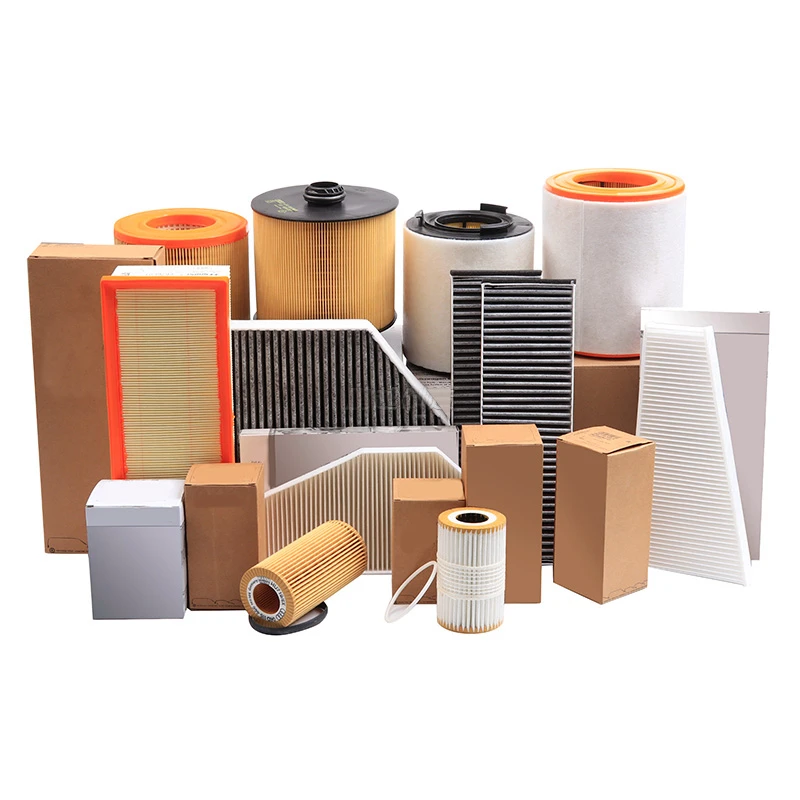
What’s a Car Filter Company & Why Do They Matter Worldwide?
At first glance, "car filter company" might sound pretty niche, but in reality, it’s a cornerstone of both automotive efficiency and environmental health on a global scale. These companies specialize in designing and manufacturing filters that keep your car’s engine breathing clean air, maintain the purity of its fuel, and ensure fluids remain uncontaminated. Why does it matter beyond just your daily commute? Well, globally, air pollution and harmful emissions from vehicles are a major environmental headache — and quality filtration plays a surprisingly big role in keeping it manageable.
Understanding the ins and outs of these companies helps us appreciate how small, seemingly invisible components contribute to broader goals like reducing pollutants and extending vehicle life, which ultimately impacts energy consumption and sustainability worldwide. In a world that’s obsessed with green energy and emission standards, car filter companies are quietly part of the solution.
Mini takeaway: Car filter companies, though behind the scenes, are vital for cleaner engines and contributing to global sustainability efforts.
The Global Relevance of Car Filter Companies
According to the International Organization for Standardization (ISO), automotive air pollution accounts for nearly 12% of global man-made carbon emissions. The World Bank reported that vehicle ownership is increasing daily, especially in emerging economies, fueling greater demand for reliable filtration systems. That’s where car filter companies come into play: they provide essential components that help vehicles meet tightening emission standards.
But it's not without challenge. Car filters must be increasingly durable and efficient to handle diverse environments — from Europe’s harsh winters to dusty highways in Sub-Saharan Africa. Air quality directives like the European Union’s Euro 6 regulations put pressure on manufacturers to innovate filters that trap finer particles, reduce engine wear, and limit harmful emissions.
Mini takeaway: Global vehicle growth and environmental policies make car filter companies critical to balancing performance, emissions, and regulatory compliance worldwide.
Defining a Car Filter Company
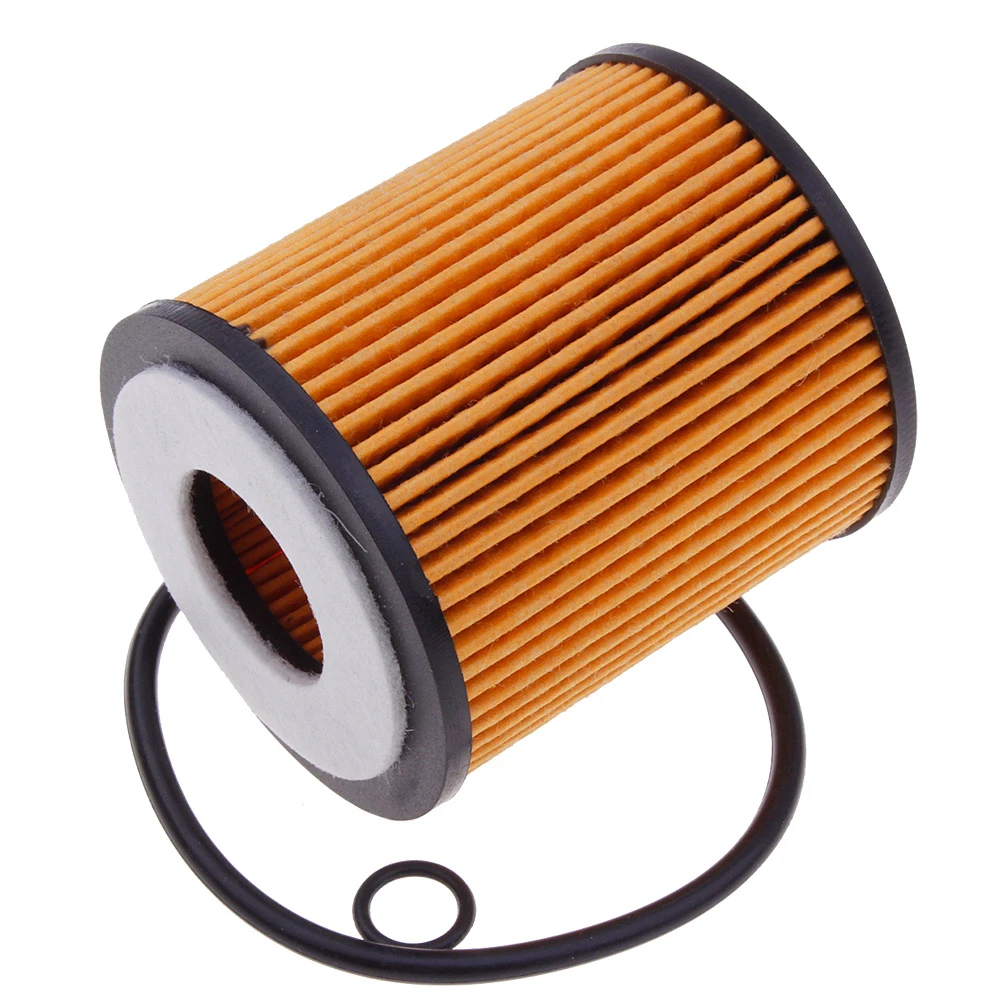
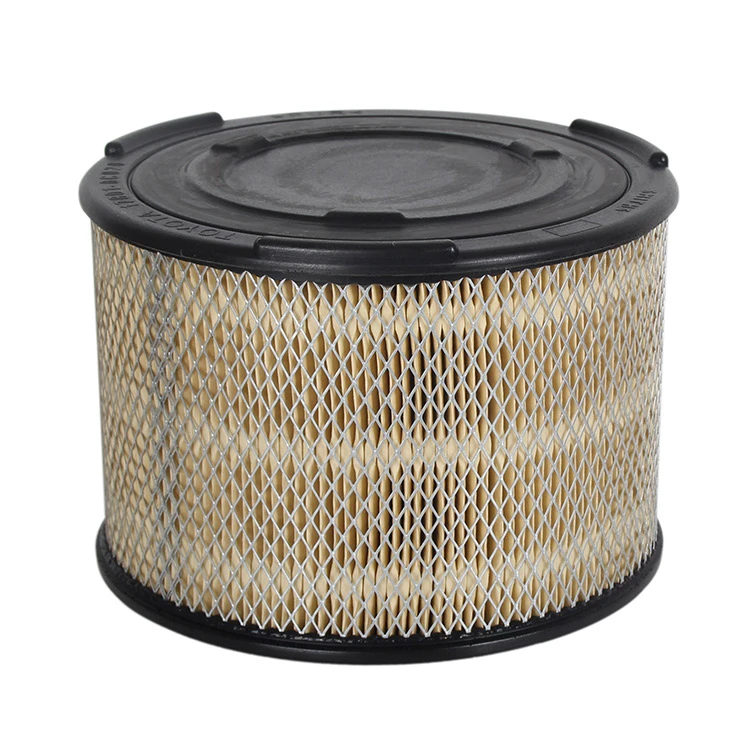
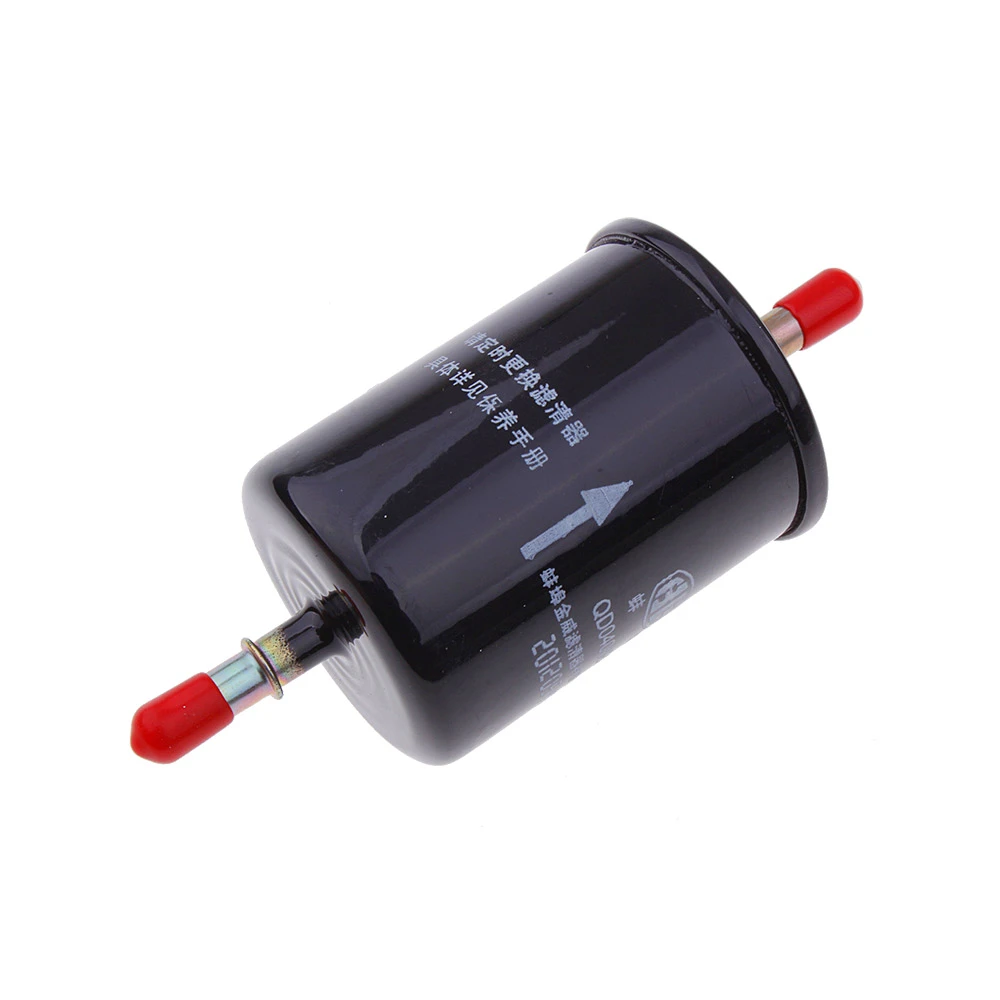
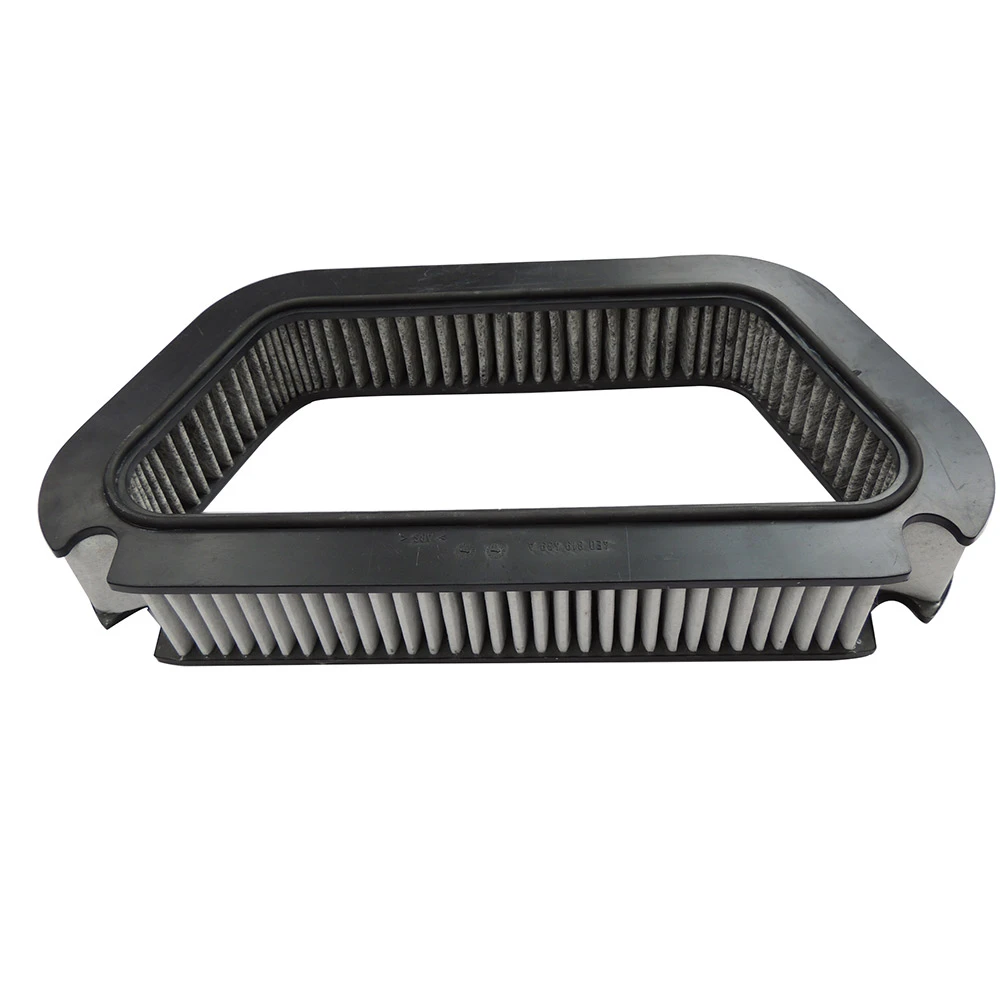
Simply put, a car filter company designs, produces, and distributes various filtration components for automobiles. This includes air filters, oil filters, fuel filters, and cabin (or pollen) filters. Each type serves a specific purpose — for example, air filters keep dust and debris out of the engine’s intake, while cabin filters improve in-car air quality for passengers.
Beyond just product manufacturing, these companies are often involved with research to improve filter materials and sustainability, especially as cars become more eco-conscious and integrated with sophisticated onboard diagnostics. In humanitarian terms, clean automotive engines mean fewer emissions, which supports cleaner urban environments and less respiratory distress, especially in crowded cities.
Core Components That Make Car Filter Companies Tick
1. Product Durability
Filters must withstand extreme temperatures, vibrations, and corrosive conditions. A durable filter avoids breakdowns and safeguards the engine. Many engineers say robust construction is the difference between a reliable model and a frequent-replacement hassle.
2. Filtration Efficiency
The finer the mesh of the filter media, the better it catches microscopic particles. This efficiency is vital for both engine longevity and meeting clean air mandates.
3. Material Innovation
Vendors increasingly rely on synthetic fibers, nanofibers, or biodegradable materials. These improve performance and sometimes environmental impact — a growing trend especially in Europe and Japan.
4. Cost Efficiency
Consumers and fleet operators want filters that balance price with quality. A cheap, poorly made filter can cause costly engine damage, while premium filters target long-term savings.
5. Scale and Supply Chain
Leading car filter companies operate globally, ensuring steady supply through complex logistics that adjust to seasonal demands and regional vehicle types.
6. Customization
Many filter makers offer tailor-made products for electric vehicles (EVs) or hybrids, reflecting the evolving automotive landscape.
Mini takeaway: From materials to production scale, these core components define both product quality and company reputation in the car filter market.
Real-World Applications of Car Filter Companies
Filter makers serve diverse industries and lifestyles:
- Urban commuting: Cabin filters help reduce allergies and irritants in congested cities, benefiting millions in places like New York or Delhi.
- Industrial fleets: Heavy-duty filters keep trucks running across Africa’s dusty roads or Australia’s outback.
- Post-disaster zones: Filters are crucial in humanitarian aid vehicles that operate in polluted or debris-heavy environments, maintaining reliability.
- Electric vehicle shifts: Even EVs need cabin and HVAC filters, driving innovation in specialty filtration solutions.
Many automotive OEMs collaborate closely with specialized car filter companies to integrate filters seamlessly into new models — which is critical for compliance and user satisfaction.
Mini takeaway: Their products touch many geographies and sectors, from densely populated urban centers to remote industrial regions.
Advantages and Long-Term Benefits of Quality Filters
When you choose products from a reputable car filter company, you’re likely investing in:
- Engine health: Cleaner air and fluids mean less wear, fewer repairs, and longer vehicle lifespans.
- Environmental protection: Reducing particulate emissions supports cleaner air, improving community health.
- Driver comfort & safety: High-quality cabin filters improve in-car air, reducing allergens and pollutants.
- Financial savings: Better filters mean less frequent replacements and lower long-term maintenance costs.
- Brand trust: A reliable filter company builds credibility with manufacturers and consumers alike.
In short, the right automotive filter isn’t just a part; it's a silent guardian of performance and sustainability.
Emerging Trends and Innovations in Car Filter Companies
Technology never stands still, and neither do the filter companies. Here are some near-future developments:
- Nanomaterials: Ultra-fine filtration capable of capturing nanoparticles, supporting improved emission controls.
- Eco-friendly Media: Biodegradable filter elements aim to reduce environmental impact from disposal.
- Smart Filters: Embedded sensors that monitor performance and notify drivers when replacements are needed.
- Customization for EVs: While EVs lack traditional combustion engines, air quality filters for the cabin and battery cooling systems require innovation.
Common Challenges Faced and How Car Filter Companies Solve Them
Some hurdles persist:
- Cost vs. performance trade-offs: Balancing affordable pricing with high-quality designs.
- Supply chain fragility: Global disruptions can delay critical parts and raw materials.
- Regulatory compliance: Rapidly changing emission standards require fast product iteration.
- Material sustainability: Reducing plastic and synthetic waste without sacrificing filter lifespan.
Innovative companies are tackling these with modular designs, diversified sourcing, and heavy R&D investments in alternative materials.
Product Specifications at a Glance
| Filter Type | Material | Efficiency (%) | Lifespan (km) | Approx. Price (USD) |
|---|---|---|---|---|
| Engine Air Filter | Synthetic Fiber | 95-98 | 15,000 - 20,000 | $20 - $40 |
| Oil Filter | Cellulose/Synthetic Blend | >99 | 10,000 - 15,000 | $8 - $20 |
| Fuel Filter | Microfiber, Paper | 98-99 | 20,000 - 30,000 | $15 - $35 |
| Cabin Air Filter | Activated Carbon + Synthetic | 85-95 | 10,000 - 12,000 | $12 - $25 |
Top Car Filter Companies Compared
| Company | Key Strengths | Global Presence | Material Innovation | Pricing Range |
|---|---|---|---|---|
| FilterPro Inc. | High Efficiency, Durable Products | Worldwide (50+ Countries) | Nanofiber Technology | Mid to Premium |
| ClearAir Filters | Eco-Friendly Materials, Affordable | Europe, Asia | Biodegradable Media | Budget to Mid-Range |
| AutoPure Ltd. | Custom Solutions for EVs | North America, Asia | Advanced Activated Carbon Filters | Premium |
Frequently Asked Questions About Car Filter Companies
Q1: What is the lifespan of typical car filters?
The lifespan varies by filter type and driving conditions but generally ranges from 10,000 to 30,000 kilometers. For instance, cabin air filters may need replacement every 12,000 km, while engine air filters can last longer if driving in cleaner environments.
Q2: How do eco-friendly filters compare in effectiveness?
Eco-friendly filters often use biodegradable materials and sometimes deliver similar filtration efficiencies as traditional filters, especially for cabin air. However, for engine or fuel filters, synthetic materials remain dominant due to durability and performance demands.
Q3: Can car filter companies customize filters for electric vehicles?
Yes, as EVs become mainstream, many companies are innovating filters focused on HVAC air quality and battery cooling systems. While EVs don't need fuel or oil filters, cabin comfort remains a priority, prompting new product lines.
Q4: How can I choose the right car filter company for my fleet?
Consider their track record for reliability, material quality, cost-effectiveness, and geographic support. Also, look at their certifications and compliance with emission standards. Vendor comparisons like the table above can help narrow down choices.
Q5: Are there smart filters that notify when they need replacement?
Emerging products with embedded sensors do exist—but currently remain niche and higher priced. This technology is expected to become more common in the next 5–10 years.
Conclusion: The Quiet Power of Car Filter Companies
It’s odd when you think about it — tiny bits of filter media shaping the fate of engines, cities, and even global emissions. The right car filter company combines engineering, environmental responsibility, and customer focus to keep vehicles running clean and smooth, while supporting a healthier planet.
For those who care about quality, innovation, and sustainability in automotive filtration, exploring offerings from a reliable car filter company is simply step one. Visit https://www.jyfilter.com to learn more about top solutions designed for today’s automotive challenges.
References
-
Guide on how often do you need to replace engine air filterNewsApr.16,2026
-
Learn how often do you replace air filter in car for engine healthNewsApr.09,2026
-
How Often Do You Replace Car Air Filter For Optimal Engine PerformanceNewsApr.07,2026
-
How Often Do You Replace Engine Air Filter For Optimal Vehicle PerformanceNewsApr.04,2026
-
Understanding How Often Does Engine Air Filter Need to Be Replaced for Optimal PerformanceNewsMar.31,2026
-
How Often Engine Air Filter Change Impacts Performance and LongevityNewsMar.28,2026
-
Understanding How Often to Replace Your Car Air Filter for Optimal PerformanceNewsMar.26,2026
Related Products