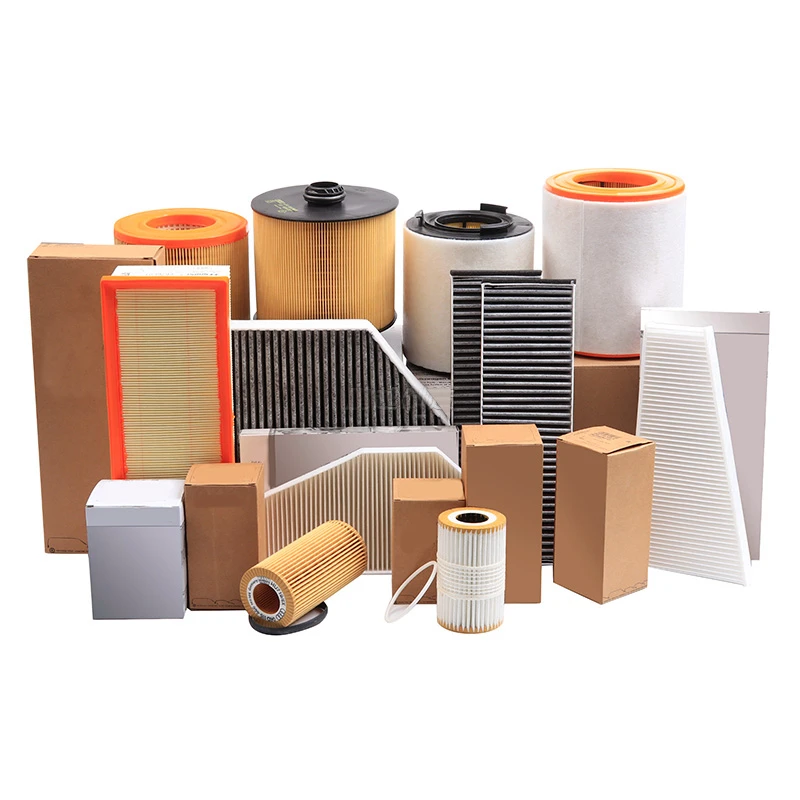
In the rapidly evolving automotive landscape, the quality of air within a vehicle's cabin and the purity of air supplied to its engine are paramount. This extends beyond mere comfort, directly impacting passenger health, vehicle performance, and operational longevity. Advanced filtration systems, encompassing the car air cabin filter and engine air filter, are no longer mere accessories but critical components engineered for peak efficiency and protection. Understanding their intricate mechanisms, performance metrics, and the distinctions between a cabin filter and engine filter is essential for B2B stakeholders, including fleet managers, automotive manufacturers, and maintenance professionals, aiming to optimize vehicle fleets and ensure compliance with stringent environmental and health standards.
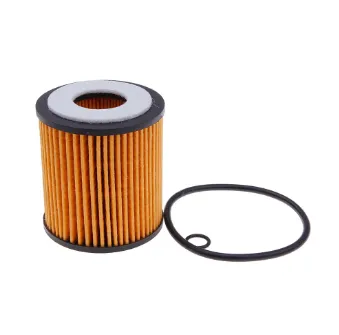
The demand for superior filtration is driven by escalating environmental pollution, heightened health awareness, and the pursuit of enhanced engine efficiency. Innovations in filter media, construction, and reusability, such as the emergence of the reusable cabin air filter, are reshaping industry practices. This comprehensive overview delves into the technical nuances, market trends, and strategic considerations surrounding automotive air filtration, offering data-driven insights to facilitate informed decision-making in procurement and maintenance strategies.
Industry Trends & Technological Advancements in Air Filtration
Shifting Paradigms: From Basic Filtration to Intelligent Solutions
The automotive filtration industry is experiencing a profound transformation, moving beyond conventional particulate filtration to embrace multi-functional, intelligent solutions. Key trends include the integration of advanced media technologies, enhanced allergen and pollutant removal capabilities, and a strong push towards sustainable and cost-effective alternatives like the reusable cabin air filter. These advancements are critical for addressing the growing concerns about in-cabin air quality (IAQ) and extending engine life in increasingly harsh operating environments.
- Advanced Filtration Media:The transition from paper-based media to synthetic, multi-layered, and electrostatically charged materials significantly boosts filtration efficiency for sub-micron particles, pollen, dust, and even microscopic pollutants. Activated carbon layers are now standard in many car air cabin filter designs to absorb harmful gases like NOx, SOx, and ozone, as well as unpleasant odors.
- Smart Filter Technology:Emerging technologies include filters with integrated sensors that monitor differential pressure or particulate accumulation, signaling optimal replacement times. This predictive maintenance approach minimizes downtime and ensures consistent filtration performance, optimizing the service interval for both the cabin filter and engine filter.
- Sustainability and Reusability:A significant trend is the development and adoption of reusable cabin air filter These filters are designed for durability and can be cleaned and reinstalled, reducing waste and offering long-term economic benefits, impacting the overall cabin and engine air filter cost over the vehicle's lifespan.
- Regulatory Compliance:Stricter global emissions standards and health regulations compel manufacturers to innovate, ensuring filters meet or exceed required particulate matter (PM2.5) and volatile organic compound (VOC) removal efficiencies.
These trends reflect a holistic approach to vehicle air management, where the focus is not only on protecting the engine but also on safeguarding the health and comfort of occupants. For B2B buyers, understanding these developments is crucial for selecting filtration solutions that deliver superior performance, cost-efficiency, and environmental responsibility.
Unpacking Car Cabin Filters: Design, Functionality, and Benefits
The Core of In-Cabin Air Quality
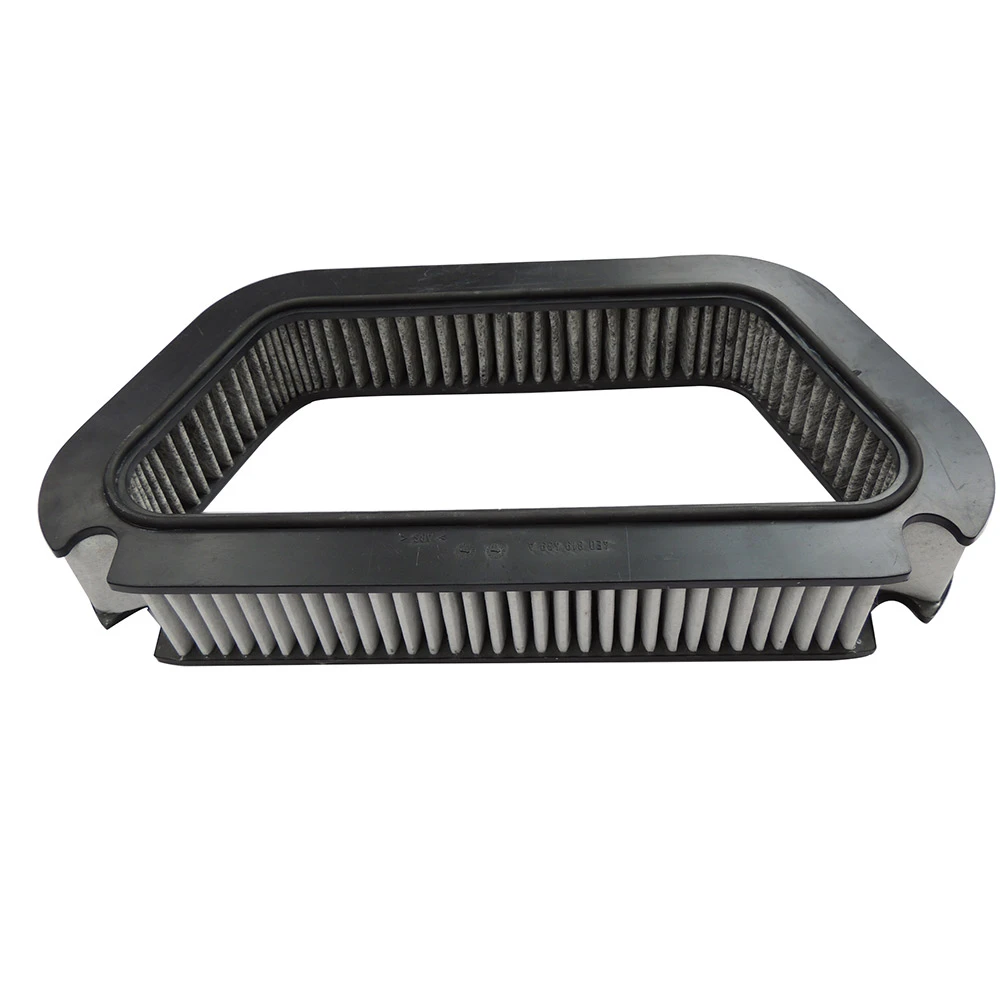
A car air cabin filter is a fundamental component of a vehicle's HVAC system, meticulously designed to purify the air entering the passenger compartment. Positioned either in the engine bay near the fresh air intake or behind the glove box, it serves as the first line of defense against a myriad of airborne contaminants. Its primary function is to trap pollutants before they can circulate within the cabin, ensuring a healthier and more comfortable environment for occupants.
Types of Cabin Air Filters:
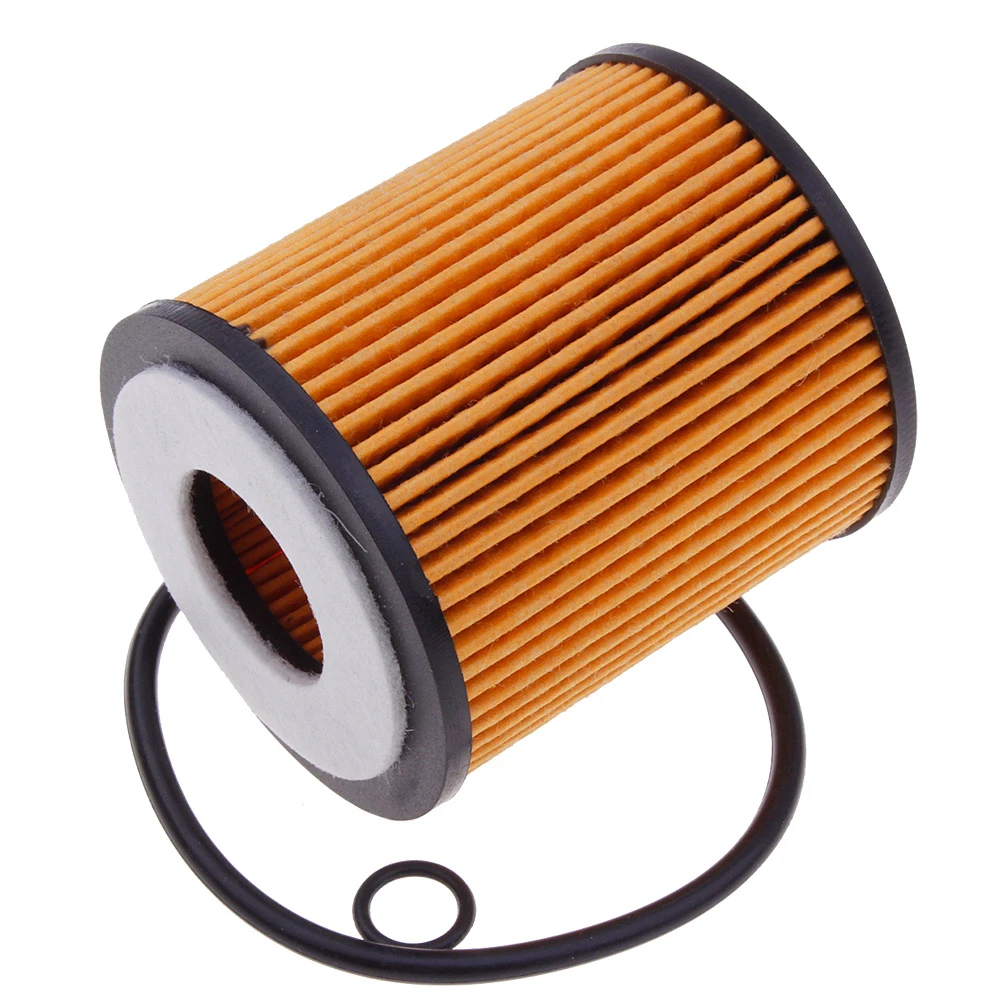
- Particle Filters:These are the most basic type, made from pleated paper or synthetic fiber media. They effectively block dust, pollen, leaves, and other large particulates from entering the cabin.
- Activated Carbon Filters (Combination Filters):Incorporating an additional layer of activated carbon granules, these filters excel at adsorbing harmful gases, odors, and VOCs (Volatile Organic Compounds) alongside particulate matter. This dual-action capability makes them highly effective in urban environments with high levels of exhaust fumes.
- Allergen/Biofunctional Filters:Advanced designs may include antimicrobial layers or special coatings that inhibit the growth of bacteria and mold, further enhancing in-cabin air hygiene. These are particularly beneficial for individuals with allergies or respiratory sensitivities.
Distinction: Cabin Filter and Engine Filter
While both types of filters are crucial for vehicle health, their functions are distinct:
- Car Air Cabin Filter:Focuses on occupant health and comfort by filtering air entering the HVAC system. Protects passengers from dust, pollen, pollutants, and odors.
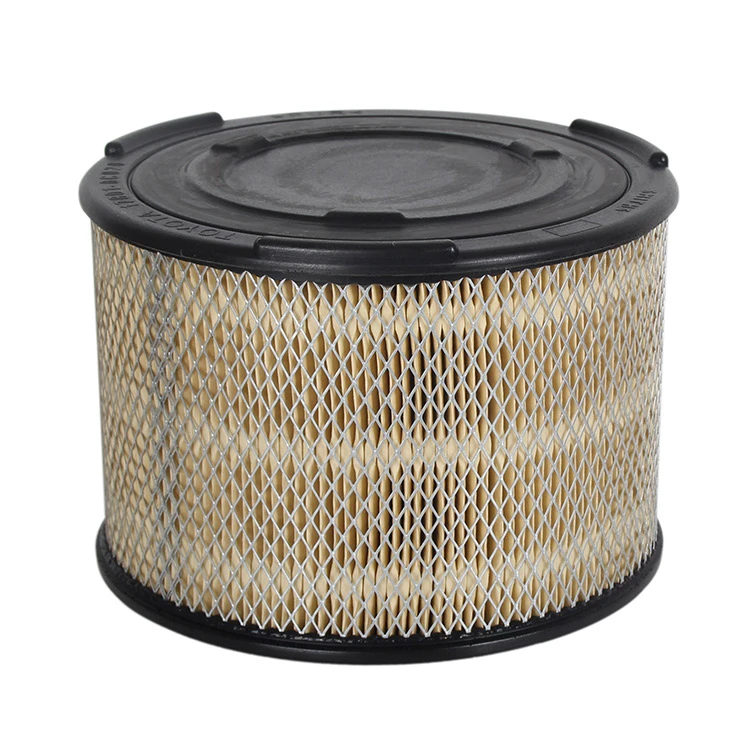
- Engine Air Filter:Protects the engine by filtering air entering the combustion chamber. Prevents abrasive particles like dust, sand, and debris from causing wear to internal engine components, thereby maintaining optimal engine performance, fuel efficiency, and longevity. A clogged engine filter can severely restrict airflow, leading to reduced horsepower and increased fuel consumption.
The difference in function directly impacts their design and maintenance schedules. Proper selection and timely replacement of both types are critical for comprehensive vehicle care, influencing both safety and the long-term cabin and engine air filter cost.
The Manufacturing Process of High-Performance Automotive Filters
Precision Engineering for Optimal Filtration
The production of a high-quality car air cabin filter or engine air filter is a testament to precision engineering, involving sophisticated materials and stringent quality control. This multi-stage process ensures that each filter meets the demanding performance specifications required by modern vehicles and regulatory standards.
Key Manufacturing Stages:
- Material Selection and Preparation:This critical first step involves choosing appropriate filter media. For particulate filters, synthetic fibers (e.g., polyester, polypropylene) or cellulosic blends are used, often in multiple layers to achieve progressive filtration. Activated carbon media, for combination filters, involves sourcing high-purity carbon granules and integrating them into a non-woven fabric or binding them directly onto the particulate media. Materials are selected based on pore size, strength, chemical resistance, and airflow characteristics.
- Pleating:The chosen media is then precisely pleated to maximize the surface area within a compact design. This pleating process is crucial for achieving high dust-holding capacity and optimal airflow, directly influencing the filter's service life and efficiency. Automated pleating machines ensure uniform pleat height and spacing, which are vital for consistent performance.
- Bonding and Frame Assembly:After pleating, the media pack is typically sealed into a robust frame, which can be made from polyurethane, plastic, or a composite material. This frame provides structural integrity and ensures a tight seal within the filter housing, preventing unfiltered air bypass. Adhesives are carefully applied using automated dispensing systems to secure the media to the frame and often to bond individual pleats together for stability.
- Curing and Finishing:Once assembled, the filters undergo a curing process, especially for polyurethane frames or adhesive bonds, to ensure maximum strength and durability. Final trimming, inspection, and packaging complete the manufacturing cycle.
Quality Control and Standards:
Adherence to international standards like ISO 9001 (Quality Management) and IATF 16949 (Automotive Quality Management) is non-negotiable. Filters undergo rigorous testing for:
- Filtration Efficiency:Measured against specified particle sizes (e.g., ISO 5011 for engine air filters, ISO 11155 for car air cabin filter).
- Airflow Resistance:Ensures the filter does not unduly restrict air intake for either the engine or cabin.
- Dust Holding Capacity:Indicates how much particulate matter the filter can accumulate before requiring replacement.
- Structural Integrity:Testing for burst strength, vibration resistance, and resistance to environmental factors (temperature, humidity).
These meticulous processes ensure that each filter, whether a standard or reusable cabin air filter, delivers consistent, reliable performance throughout its specified service life, protecting both occupants and critical engine components.
Technical Parameters & Performance Metrics for Air Filters
Quantifying Filtration Excellence
Understanding the technical parameters of automotive filters is crucial for B2B professionals to make informed purchasing decisions. These metrics quantify a filter's effectiveness, durability, and suitability for specific applications, directly influencing factors such as maintenance intervals and the long-term cabin and engine air filter cost.
Key Technical Specifications:
- Filtration Efficiency:Expressed as a percentage, this indicates the filter's ability to capture particles of a specific size. For a car air cabin filter, it often refers to particles down to 0.3 microns (e.g., 99.5% at 0.3µm for HEPA-like performance). For engine filters, efficiency against various dust particle sizes is critical to prevent engine wear.
- Airflow Resistance (Pressure Drop):Measured in Pascals (Pa) or inches of water (inH₂O), this indicates how much the filter impedes air flow. A lower pressure drop is desirable for both engine and cabin filters to ensure optimal performance and energy efficiency. Excessive resistance can reduce engine power or strain the HVAC blower motor.
- Dust Holding Capacity (DHC):This metric, usually measured in grams, represents the total amount of dust a filter can accumulate before reaching a predefined terminal pressure drop, at which point it should be replaced. A higher DHC translates to a longer service life and reduced maintenance frequency.
- Burst Strength:Critical for engine air filters, this measures the maximum pressure differential the filter media can withstand before structural failure, ensuring integrity under extreme engine loads.
- Service Life:Specified in mileage (km/miles) or time (months), this is the recommended interval for replacement. For a reusable cabin air filter, this refers to the overall lifespan of the filter element itself, with regular cleaning cycles.
- Material Composition:Specifies the media type (e.g., synthetic multi-layer, activated carbon, cellulosic) and frame material, which impacts performance characteristics like moisture resistance and rigidity.
Comparative Data: Car Air Cabin Filter and Engine Filter Specifications
|
Parameter |
Standard Particle Filter (Cabin) |
Activated Carbon Filter (Cabin) |
High-Performance Engine Filter |
Reusable Cabin Air Filter |
|
Filtration Efficiency (PM2.5) |
~70-85% |
~90-99% |
~99.5% @ >5µm |
~85-95% (Washable Media) |
|
Gas/Odor Removal |
No |
Yes (VOCs, NOx, SOx, O₃) |
No |
Some (If carbon layer included) |
|
Typical Service Life |
15,000-25,000 km / 12 months |
15,000-20,000 km / 12 months |
30,000-50,000 km / 24 months |
Up to 100,000 km / 5 years (with cleaning) |
|
Primary Media |
Synthetic fiber / Paper |
Synthetic fiber + Activated carbon |
Pleated paper / Synthetic blend |
Cotton gauze / Synthetic mesh |
|
Application Focus |
Occupant comfort & health |
Occupant health (allergies, odors) |
Engine protection & performance |
Occupant comfort, sustainability |
The data above illustrates the specialized roles and capabilities of different filter types. When considering the cabin and engine air filter cost, it's vital to weigh initial investment against service life, performance, and the benefits of enhanced health and engine protection. For example, while a reusable cabin air filter might have a higher upfront cost, its extended service life and reduced waste can offer significant long-term value.
Application Scenarios, Advantages, and Environmental Impact
Optimizing Vehicle Performance and Human Well-being
The appropriate selection and maintenance of filtration systems directly impact a broad spectrum of stakeholders, from individual drivers to large fleet operators and environmental advocates. The advantages of high-performance filters extend far beyond simple air purification.
Key Application Scenarios and Advantages:
- Passenger Health & Comfort:A superior car air cabin filter is indispensable in urban centers, agricultural regions, or areas prone to wildfires. It significantly reduces exposure to PM2.5, pollen, dust, soot, and industrial pollutants, alleviating allergy symptoms and respiratory issues. This is particularly crucial for ride-sharing fleets and public transport, enhancing passenger experience and potentially reducing health-related absenteeism for professional drivers.
- HVAC System Longevity:By preventing contaminants from reaching the evaporator core and blower motor, cabin filters protect sensitive HVAC components from premature wear and blockages, reducing costly repairs and maintaining optimal cooling/heating efficiency.
- Engine Protection & Fuel Efficiency:The engine air filter is vital for the combustion process. A clean engine filter ensures a precise air-to-fuel ratio, preventing engine misfires, reducing carbon deposits, and maintaining peak horsepower. This direct link between a clean cabin filter and engine filter highlights a comprehensive approach to vehicle maintenance that yields tangible economic benefits through improved fuel economy and extended engine life, thereby optimizing the long-term cabin and engine air filter cost.
- Environmental Sustainability:The advent of the reusable cabin air filter represents a significant step towards environmental stewardship. By minimizing waste from disposable filters, companies can reduce their ecological footprint, align with corporate sustainability goals, and potentially qualify for green procurement initiatives.
- Specific Industry Applications:In sectors like construction, mining, or agriculture, where vehicles operate in extremely dusty conditions, specialized heavy-duty engine and cabin filters are essential. They feature enhanced dust-holding capacity and robust construction to withstand harsh environments, protecting both expensive machinery and operator health.
The holistic impact of effective air filtration underscores its status as a critical investment rather than a mere expenditure, yielding benefits in health, operational efficiency, and environmental responsibility across diverse industrial and commercial applications.
Cost Analysis: Understanding Cabin and Engine Air Filter Cost
Investment vs. Expenditure: A Strategic View
The perceived cost of air filters often misleads businesses into choosing cheaper alternatives, overlooking the long-term implications. A strategic analysis of the cabin and engine air filter cost reveals that initial price is just one component; true cost encompasses maintenance, operational efficiency, and vehicle longevity.
Factors Influencing Filter Cost:
- Material Composition:Basic paper filters are less expensive than multi-layered synthetic media, activated carbon, or HEPA-grade materials. The advanced composition of a premium car air cabin filter or engine filter directly impacts its manufacturing cost.
- Brand and OEM vs. Aftermarket:Original Equipment Manufacturer (OEM) filters often carry a higher price point due to brand reputation, guaranteed fit, and stringent testing. Reputable aftermarket brands offer competitive pricing with comparable quality, while budget options may compromise performance.
- Type of Filter:A standard particulate car air cabin filter will be less costly than an activated carbon variant. Similarly, a high-performance engine filter designed for heavy-duty applications will command a higher price than a standard passenger vehicle filter.
- Reusable vs. Disposable:A reusable cabin air filter typically has a higher upfront cost but offers significant savings over its lifespan due to reduced replacement frequency.
Long-Term Cost Analysis: Disposable vs. Reusable Cabin Air Filter
|
Factor |
Disposable Filter (e.g., standard car air cabin filter) |
Reusable Cabin Air Filter |
|
Initial Purchase Price |
Low ($15-$40) |
High ($60-$120) |
|
Replacement Frequency |
Every 15,000-25,000 km or 12 months |
Clean every 15,000-25,000 km, replace filter element every 50,000-100,000 km or 5 years |
|
Cost Over 5 Years (e.g., 100,000 km) |
$75-$200 (5 replacements) |
$60-$120 (1 initial purchase, cleaning kits) |
|
Labor Cost (Installation) |
Recurring (if not DIY) |
Less frequent, or part of regular wash |
|
Environmental Impact |
Higher waste generation |
Significantly lower waste |
This comparison highlights that while the upfront cabin and engine air filter cost for reusable options may be higher, the total cost of ownership over the vehicle's lifespan can be significantly lower. Furthermore, the reduced waste contributes to corporate sustainability goals. B2B decision-makers should consider the total cost of ownership, including the impact on fuel efficiency (for engine filters) and employee health (for cabin filters), when evaluating filtration solutions.
Manufacturer Comparison, Customization, and Case Studies
Strategic Partnerships for Filtration Excellence
The market for automotive air filters is highly competitive, featuring both global giants and specialized innovators. For B2B buyers, selecting the right manufacturer involves assessing not just product quality but also R&D capabilities, production flexibility, and commitment to service.
Key Players and Differentiators:
- Major OEMs and Tier-1 Suppliers:Companies like Mann+Hummel, Donaldson, Mahle, and Sogefi are leaders, known for their extensive R&D, broad product lines covering both car air cabin filter and engine filter solutions, and deep integration with automotive manufacturers globally. They often set industry benchmarks for performance and durability.
- Specialized Innovators:Smaller, agile companies often excel in niche areas, such as developing advanced electrostatic media or perfecting the reusable cabin air filter They may offer more flexible customization options and rapid prototyping.
- Quality & Certifications:Look for manufacturers with IATF 16949 certification, ISO 14001 (environmental management), and adherence to relevant industry test standards (e.g., ISO 11155, ISO 5011).
Customization for Specific Needs:
For OEMs, fleet managers, and specialized vehicle manufacturers, off-the-shelf filters may not always be optimal. Leading suppliers offer bespoke solutions including:
- Tailored Media:Developing specific media blends for environments with unique pollutant profiles (e.g., higher dust load, specific chemical vapors).
- Optimized Geometry:Designing filters to fit non-standard housings or to maximize surface area within existing constraints for specific vehicle models.
- Enhanced Durability:Filters with reinforced frames or media for heavy-duty applications, extending the service life for both cabin filter and engine filter.
- Private Labeling & Packaging:Custom branding and packaging for aftermarket distribution.
Application Case Studies:
- Fleet Management for Logistics Company:A major logistics firm operating a fleet of 500 delivery vans upgraded from standard particulate cabin filters to activated carbon car air cabin filter After one year, driver feedback reported a 60% reduction in perceived odors and a 25% decrease in allergy-related complaints, leading to improved driver comfort and retention. The initial increase in cabin and engine air filter cost was offset by reduced health-related downtime.
- Mining Equipment Protection:In an open-pit mining operation, heavy machinery faced severe dust ingress, leading to frequent engine filter replacements and premature engine wear. Collaborating with a specialized filter manufacturer, custom engine filters with enhanced dust-holding capacity and more robust synthetic media were developed. This resulted in a 40% extension of filter service life and a projected 15% reduction in engine overhaul frequency, demonstrating substantial operational savings.
- Sustainable Urban Bus Fleet:A municipal bus company implemented reusable cabin air filter systems across its 200-bus fleet. While initial investment was higher, the lifecycle analysis over three years showed a 30% reduction in total filter procurement and waste disposal costs, alongside a positive public relations impact for their commitment to sustainability. The filters maintained excellent air quality as verified by quarterly air sampling.
These case studies underscore the tangible benefits of strategic filter selection and customization, showcasing how the right filtration solution can enhance operational efficiency, ensure occupant well-being, and drive sustainability.
Quality Assurance, Trustworthiness, and Customer Support
Building Confidence Through Reliability and Service
In the B2B sector, trust is built on consistent quality, transparent processes, and reliable support. For critical components like the car air cabin filter and engine filter, these aspects are paramount to ensure operational continuity and protect investments.
Our Commitment to Quality and Trust:
- Rigorous Testing Protocols:All our filters, including every reusable cabin air filter variant, undergo comprehensive testing in accredited laboratories. This includes ISO 11155 (Cabin Air Filters), ISO 5011 (Engine Air Filters), and SAE J726 standards, ensuring validated performance in efficiency, dust-holding capacity, and pressure drop. Batch testing and statistical process control (SPC) are integral to our manufacturing.
- Certifications and Compliance:We maintain IATF 16949 certification for automotive quality management and ISO 9001 for general quality systems. Our products also comply with REACH and RoHS directives where applicable, demonstrating our commitment to environmental responsibility and product safety.
- Transparent Supply Chain:We ensure full traceability of raw materials and components, providing confidence in the origin and quality of every cabin filter and engine filter we supply.
- Robust Warranty & Support:We stand behind our products with a comprehensive warranty against manufacturing defects, typically covering 12-24 months or specific mileage. Our dedicated technical support team is available for installation guidance, troubleshooting, and application-specific advice, ensuring optimal performance and extending the service life of both cabin filter and engine filter
- Efficient Delivery & Logistics:Understanding the critical nature of timely component supply for B2B operations, we operate with optimized logistics networks to ensure reliable delivery schedules and minimize lead times for both standard and customized orders. Our average lead time for standard products is 2-4 weeks, with expedited options available.
By adhering to these principles, we aim to be more than just a supplier; we strive to be a trusted partner in ensuring the health of your fleet and the well-being of its occupants, while optimizing your overall cabin and engine air filter cost.
Professional Q&A on Automotive Air Filtration
1. What is the primary difference in media between a standard car air cabin filter and an activated carbon cabin filter?
A standard car air cabin filter typically uses pleated paper or synthetic fiber media to capture particulate matter like dust, pollen, and debris. An activated carbon cabin filter incorporates an additional layer of activated carbon granules (often embedded within the synthetic media) which uses adsorption to trap gaseous pollutants, odors, and VOCs that a standard filter cannot. This provides a more comprehensive purification of the cabin air.
2. How does a clogged cabin filter and engine filter impact vehicle performance and maintenance?
A clogged car air cabin filter restricts airflow to the HVAC system, leading to reduced fan speed efficiency, poor defogging, and increased strain on the blower motor. A clogged engine air filter, conversely, starves the engine of vital air, causing a rich air-fuel mixture. This results in decreased engine power, reduced fuel efficiency, increased emissions, and potential long-term engine damage due to carbon buildup. Both lead to increased maintenance and operational cabin and engine air filter cost over time.
3. What are the advantages of investing in a reusable cabin air filter for a fleet?
Investing in a reusable cabin air filter offers several advantages for fleets: significant reduction in waste (environmental benefit), lower long-term acquisition costs (despite higher initial outlay), reduced need for frequent filter purchases, and consistent performance over an extended lifespan through regular cleaning. This aligns with sustainability goals and optimizes the overall cabin and engine air filter cost for fleet operations.
4. What are the critical parameters for measuring filtration efficiency for a car air cabin filter?
Critical parameters include Fractional Efficiency (the percentage of particles captured at specific micron sizes, e.g., 0.3µm, 0.5µm, 1.0µm, 2.5µm, and 5.0µm), and Gravimetric Efficiency (overall weight of dust captured). Standards like ISO 11155-1 define testing methodologies for these parameters, ensuring filters effectively reduce particulate matter within the cabin.
5. How do ISO and IATF standards relate to filter manufacturing quality?
ISO 9001 (Quality Management System) ensures consistent product quality and customer satisfaction through documented processes. IATF 16949 is an automotive-specific quality management system standard, building on ISO 9001 with additional requirements for risk management, customer-specific requirements, and continuous improvement in the automotive supply chain. Adherence to these standards guarantees that a manufacturer follows best practices for producing reliable and high-quality car air cabin filter and engine filter products.
6. What is Dust Holding Capacity (DHC) and why is it important for an engine filter?
Dust Holding Capacity (DHC) is the total amount of dust a filter can hold before its airflow resistance reaches a predefined limit (terminal pressure drop), signaling it needs replacement. For an engine filter, a higher DHC is crucial as it directly correlates to a longer service life in dusty operating conditions. Filters with high DHC protect the engine for longer periods, reducing the frequency of replacements and contributing positively to the overall cabin and engine air filter cost by extending maintenance intervals.
7. Can a reusable cabin air filter achieve the same filtration efficiency as a disposable activated carbon filter?
While many reusable cabin air filter designs focus on particulate filtration, achieving the same gas and odor removal efficiency as a high-quality disposable activated carbon filter depends on the reusable filter's specific design. Some reusable filters integrate washable carbon layers or synthetic media that offer decent gas adsorption, but it may not always match the broad-spectrum efficacy of a dedicated multi-layer activated carbon filter in capturing a wide range of chemical pollutants. It's crucial to check the specific filter's specifications and third-party test results for gas removal capabilities.
References
- ISO 11155-1: Road vehicles — Filter elements for air filters of the passenger compartment — Part 1: Test for particulate filtration. International Organization for Standardization.
- ISO 5011: Internal combustion engines — Intake air filters — Performance testing. International Organization for Standardization.
- SAE J726: Air Cleaner Test Code. Society of Automotive Engineers.
- Mann+Hummel. (2023). Filtration Solutions for Automotive Applications. Retrieved from [Industry Report/Company Whitepaper].
- Mahle GmbH. (2023). Air Management and Filtration Systems Technical Overview. Retrieved from [Technical Journal/Corporate Publication].
- Donaldson Company, Inc. (2022). Heavy-Duty Filtration Solutions for Fleets. Retrieved from [Technical Article/Case Study].
-
Guide on how often do you need to replace engine air filterNewsApr.16,2026
-
Learn how often do you replace air filter in car for engine healthNewsApr.09,2026
-
How Often Do You Replace Car Air Filter For Optimal Engine PerformanceNewsApr.07,2026
-
How Often Do You Replace Engine Air Filter For Optimal Vehicle PerformanceNewsApr.04,2026
-
Understanding How Often Does Engine Air Filter Need to Be Replaced for Optimal PerformanceNewsMar.31,2026
-
How Often Engine Air Filter Change Impacts Performance and LongevityNewsMar.28,2026
-
Understanding How Often to Replace Your Car Air Filter for Optimal PerformanceNewsMar.26,2026
Related Products