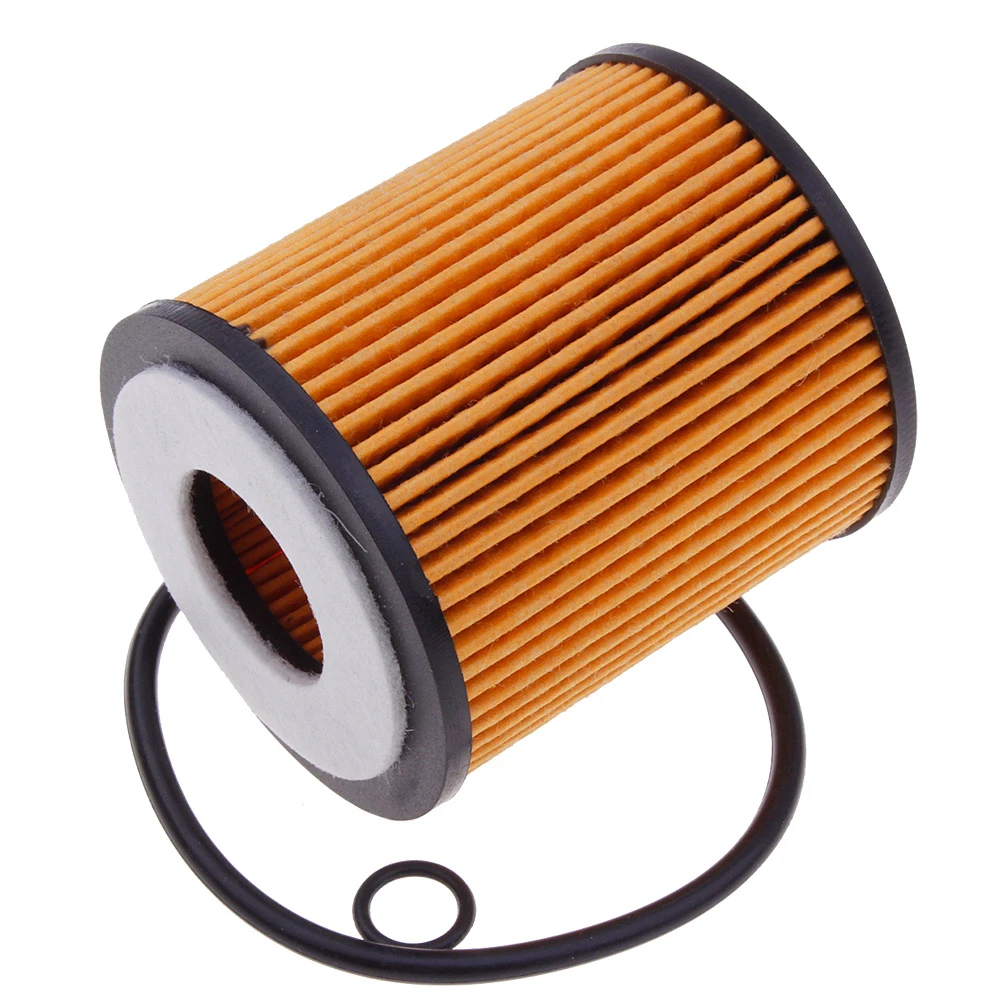
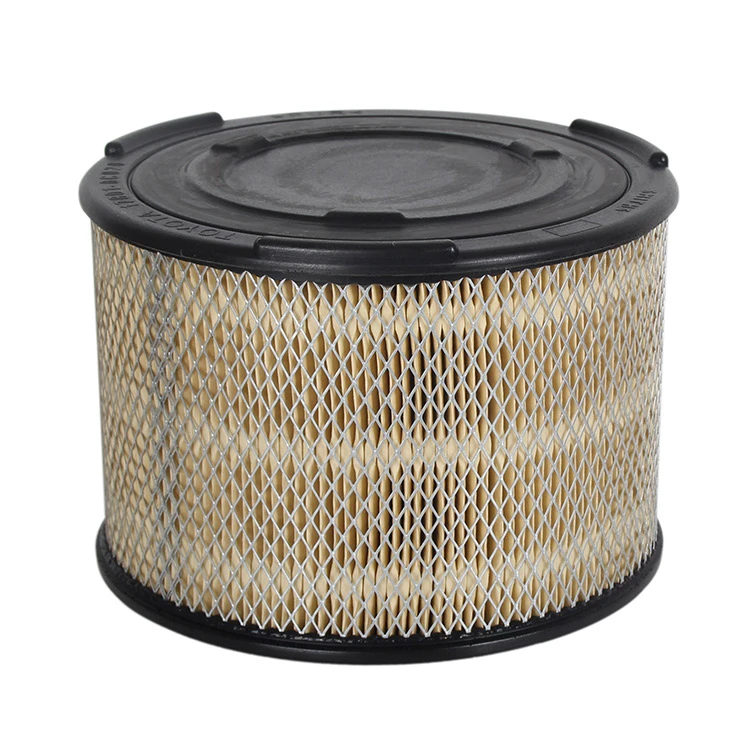
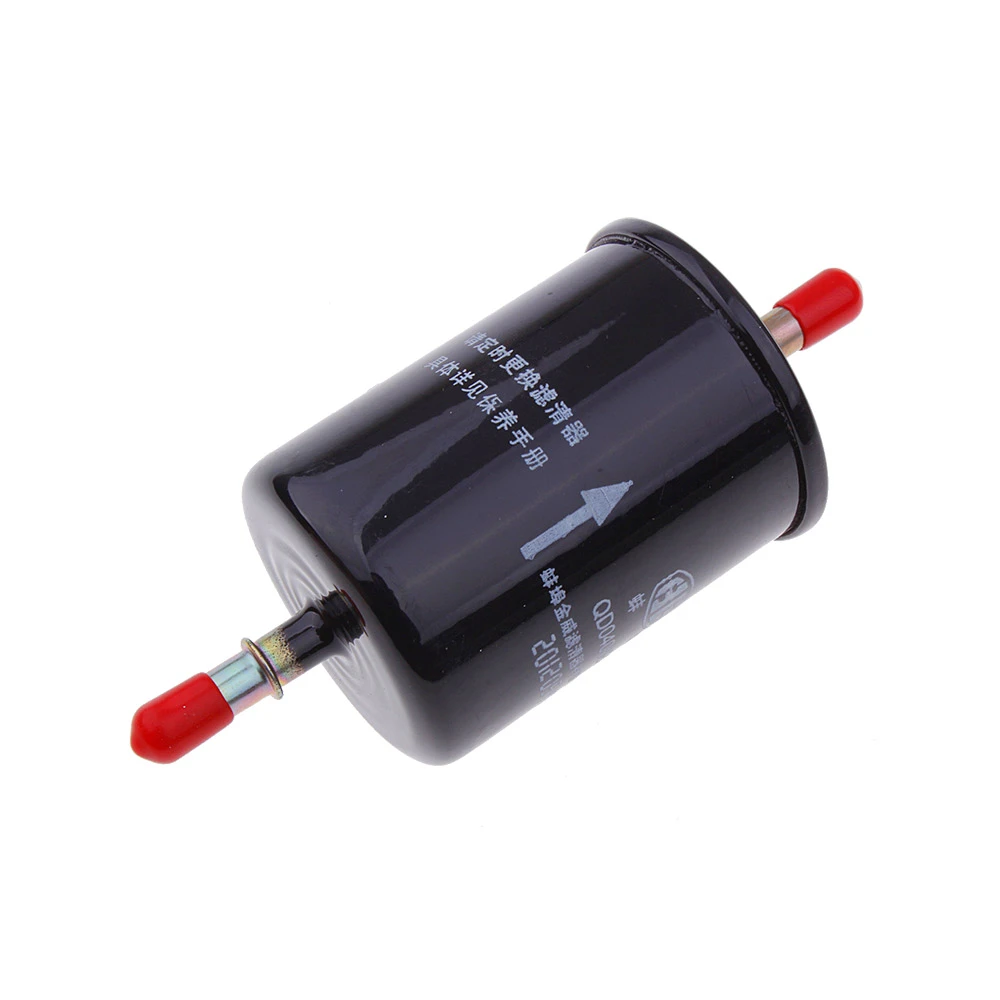
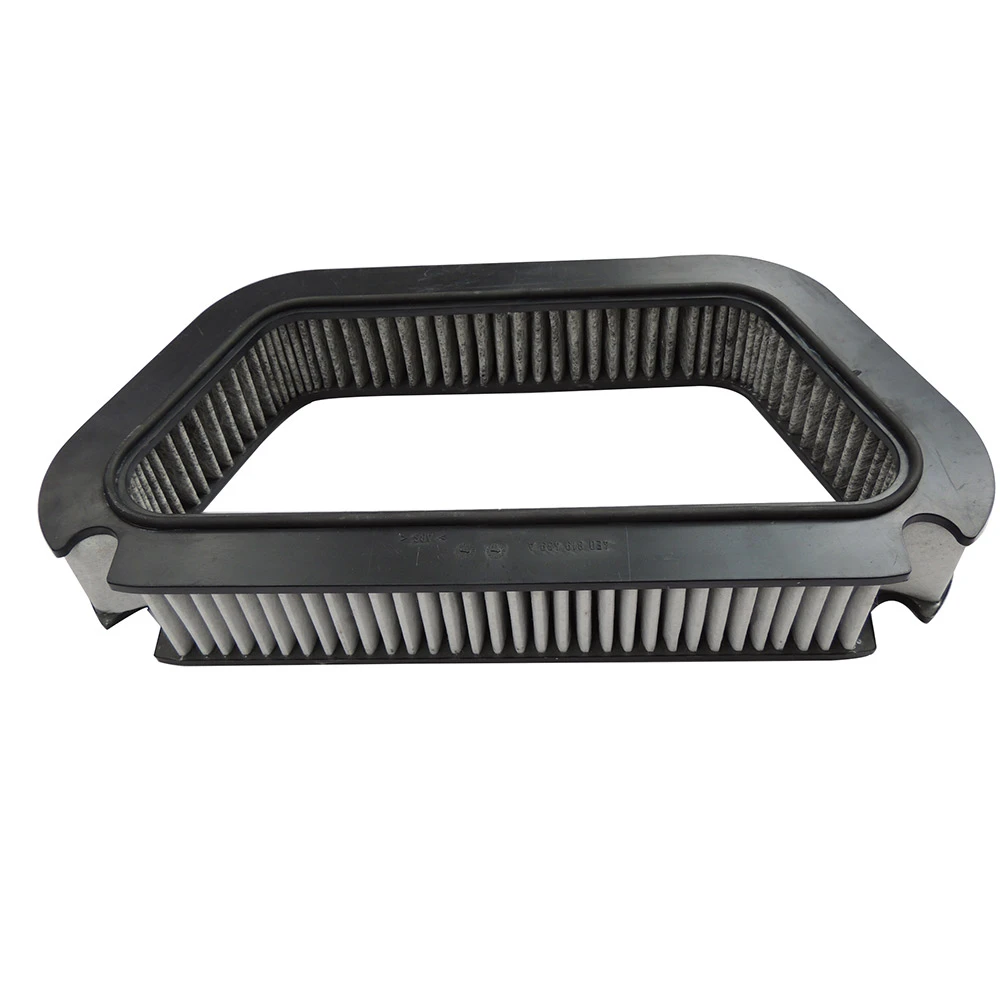
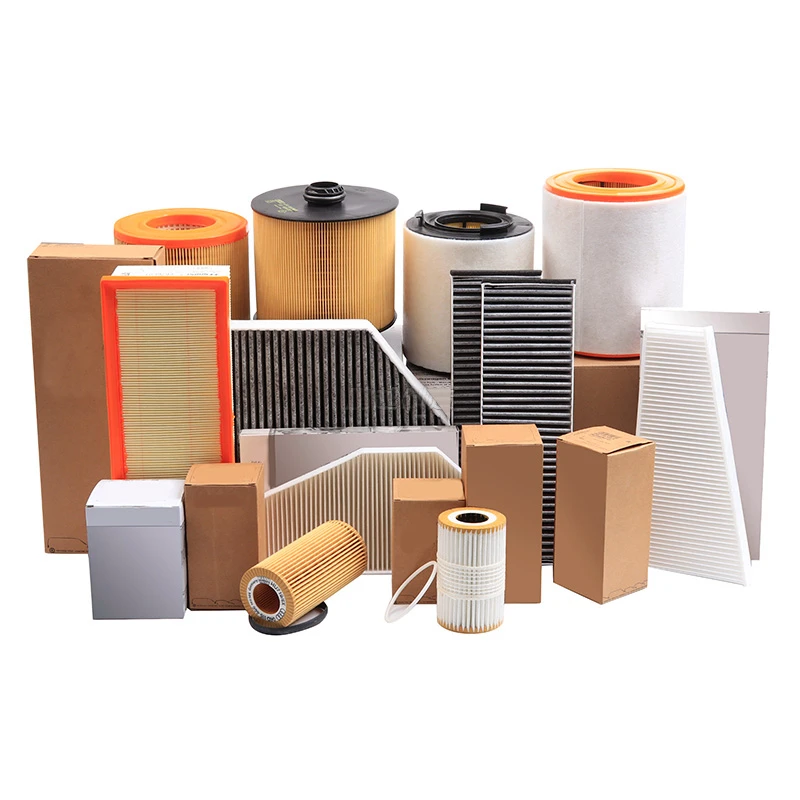
In the demanding landscape of automotive and heavy-duty truck operations, the integrity and longevity of critical components hinge significantly on effective filtration systems. From safeguarding internal combustion engines against abrasive particulates to ensuring pristine cabin air quality, robust car filter technologies are indispensable. This comprehensive overview delves into the intricate world of vehicle filtration, covering essential types like performance air filter for car, truck air filter, and engine fuel filter, alongside the critical aspect of cabin air filter cost. We will explore industry trends, technical specifications, manufacturing precision, and the tangible benefits these systems deliver to fleets and individual vehicle owners, underscoring their impact on operational efficiency, regulatory compliance, and overall driver well-being.
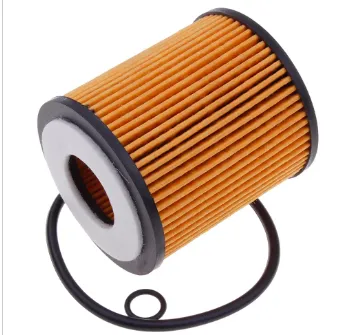
The continuous evolution of engine technologies and stringent emission standards necessitates equally advanced filtration solutions. Manufacturers are driven to innovate, developing filters that offer higher efficiency, extended service intervals, and superior particulate capture without compromising airflow or fuel delivery. This includes advancements in media materials, pleat design, and seal integrity, all contributing to a more resilient and effective filtration ecosystem for both light-duty vehicles and heavy-duty applications.
Industry Trends and Core Filter Parameters
The automotive filtration market is characterized by a strong drive towards enhanced efficiency, sustainability, and longevity. Emerging trends include multi-layer filter media, bio-based or recyclable materials, and smart filters equipped with sensors for real-time monitoring of filter life and contamination levels. These innovations directly impact the performance and cost-effectiveness of solutions like a performance air filter for car, offering superior air intake quality and extended engine life. Similarly, the design of a truck air filter is constantly being refined to handle the extreme operating conditions and higher airflow demands of commercial vehicles, leading to improved fuel economy and reduced downtime.
Understanding the technical parameters of different filters is paramount for B2B procurement and maintenance professionals. Below is a comparative overview of key parameters for common vehicle filters, highlighting the distinctions and specific considerations for each type. This data assists in making informed decisions, balancing initial cabin air filter cost against long-term operational benefits and passenger health.
|
Comparative Parameters of Key Automotive Filters |
|||||
|
Filter Type |
Primary Function |
Typical Filtration Efficiency |
Service Interval (km/miles) |
Key Contaminants |
Impact on Vehicle |
|
Engine Air Filter (General Car Filter) |
Protects engine from airborne particles |
98-99.9% (PM2.5 to PM10) |
15,000-30,000 km (10,000-20,000 miles) |
Dust, pollen, sand, debris |
Engine longevity, fuel economy, power output |
|
Performance Air Filter for Car |
Optimizes airflow for enhanced engine response |
97-99% (often slightly lower than OEM for higher flow) |
40,000-80,000 km (25,000-50,000 miles) (reusable) |
Dust, fine particulates |
Increased horsepower & torque, better throttle response |
|
Truck Air Filter (Heavy-duty) |
Protects large diesel engines in harsh environments |
99.5-99.99% (sub-micron particles) |
80,000-160,000 km (50,000-100,000 miles) |
Heavy dust, soot, construction debris |
Engine protection, fuel efficiency, emissions compliance |
|
Cabin Air Filter (Affects Cabin Air Filter Cost) |
Filters air entering vehicle cabin |
80-99% (pollen, dust, odors for activated carbon types) |
15,000-25,000 km (10,000-15,000 miles) or annually |
Pollen, dust, exhaust fumes, odors, bacteria |
Passenger health, HVAC system efficiency, odor reduction |
|
Engine Fuel Filter |
Removes contaminants from fuel before injection |
90-99% (particles as small as 2-5 microns) |
30,000-60,000 km (20,000-40,000 miles) |
Dirt, rust, water, debris from fuel tank |
Fuel injector protection, optimal combustion, engine starting |
Precision Manufacturing and Quality Assurance
The manufacturing of high-quality automotive filters, including critical components like an engine fuel filter or a robust truck air filter, involves a sophisticated series of processes engineered for precision and durability. The core of any effective car filter lies in its media, typically composed of cellulose, synthetic fibers, or multi-layered composites. The manufacturing process begins with the careful selection of raw materials, ensuring they meet stringent performance requirements such as filtration efficiency, dust holding capacity, and airflow resistance. For high-performance applications, specialized synthetic media are often employed, offering superior dirt retention and longevity.
Key manufacturing steps include precision pleating of the filter media to maximize surface area, ensuring optimal flow and contaminant capture. This is followed by robust bonding methods, such as heat sealing or adhesive application, to secure the pleats and prevent bypass. Housings, often made from durable plastics or corrosion-resistant metals, are typically formed through injection molding or stamping processes. For specialized applications, CNC machining may be utilized for critical dimensions. Each production stage is subject to rigorous quality control measures, including burst pressure tests, filtration efficiency validation, and dimensional accuracy checks. Compliance with international standards such as ISO 5011 (for air filters) and ISO 16889 (for hydraulic filters, relevant to fuel systems) is non-negotiable, ensuring product reliability and performance across various applicable industries, from petrochemical to heavy construction. This meticulous approach guarantees products that deliver exceptional performance, such as superior anti-corrosion properties and significant energy savings due to optimized engine operation.
For example, the manufacturing of an engine fuel filter requires precision bonding and sealing to prevent fuel bypass, ensuring even microscopic contaminants are removed before reaching sensitive fuel injectors. This prevents costly repairs and maintains engine efficiency. Similarly, a performance air filter for car might utilize a unique oil-impregnated cotton gauze or dry synthetic media with specific pleat geometries to achieve both high airflow and excellent filtration, balancing power gains with engine protection.
Application Scenarios and Technical Advantages
The diverse range of filters serves distinct, yet equally critical, functions across various vehicle types and operating environments. A high-efficiency car filter is essential for passenger vehicles operating in urban environments, protecting sensitive engine components from exhaust soot and airborne dust. The technical advantage here lies in maintaining optimal fuel-air mixture, which directly translates to improved fuel efficiency and reduced emissions, a crucial factor for compliance with environmental regulations.
In heavy-duty applications, the truck air filter faces exceptionally challenging conditions, often in construction, agriculture, or mining sectors where dust loads are immense. These filters are designed with robust media and structural integrity to prevent premature clogging and ensure a steady supply of clean air to large diesel engines. The primary technical advantage is extended engine life and prevention of costly component wear, such as piston rings and cylinder liners, which can be severely damaged by abrasive particles. For passenger comfort and health, the cabin air filter cost is a small investment for significant benefits. Advanced cabin filters featuring activated carbon layers excel in odor absorption and filtration of fine particulate matter (PM2.5), mitigating issues like allergic reactions and respiratory discomfort for occupants. This is especially vital in densely populated or polluted areas, making them an invaluable addition to modern vehicles.
Furthermore, the sophisticated engine fuel filter is crucial for maintaining the precision and performance of modern fuel injection systems. It effectively removes contaminants such as rust, dirt, and water from fuel, preventing damage to fuel pumps and injectors which operate under extremely high pressures and tight tolerances. This protection ensures consistent engine performance, prevents misfires, and prolongs the life of the entire fuel delivery system, providing a clear technical advantage in terms of reliability and reduced maintenance expenditure.
Product Focus: Car Air Cabin Filters & Data Insights
The `car air cabin filter` plays an increasingly vital role in modern vehicles, directly impacting occupant health and comfort. As public awareness of air quality grows, so does the demand for highly efficient cabin filtration. While cabin air filter cost varies significantly based on media type and brand, the long-term benefits in terms of well-being and HVAC system longevity often outweigh the initial outlay. Below, we present key technical indicators and data visualizations to illustrate the performance metrics of advanced cabin filters.
Comparison of Car Air Cabin Filter Types
|
Technical Specifications Comparison: Car Air Cabin Filters |
|||
|
Feature/Type |
Standard Particulate Filter |
Activated Carbon Filter |
Premium Multi-Layer Filter |
|
Media Material |
Synthetic fiber/cellulose |
Synthetic fiber + Activated Carbon |
Multi-layer synthetic + Carbon + Anti-allergen |
|
Pollen Filtration (%) |
>80% |
>90% |
>99% |
|
PM2.5 Filtration (%) |
Up to 50% |
Up to 70% |
Up to 90%+ |
|
Odor Absorption |
Limited |
Good |
Excellent |
|
Anti-allergen/Bacteria |
No |
No |
Yes (special coating) |
|
Pressure Drop (Pa) |
<50 (new) |
<60 (new) |
<65 (new) |
|
Typical Cabin Air Filter Cost Range (USD) |
$10-25 |
$20-40 |
$35-60+ |
Material Composition of a Premium Car Air Cabin Filter (Pie Chart Representation)
A typical premium `car air cabin filter` is composed of several critical elements, each contributing to its overall performance. This distribution highlights the emphasis on specialized media for enhanced filtration.
|
Premium Cabin Filter Material Composition |
|
|
Component |
Percentage (%) |
|
Melt-blown Polypropylene Filtration Media |
40% |
|
Activated Carbon Layer |
30% |
|
Non-woven Pre-filter Layer |
15% |
|
Frame & Sealing Material (e.g., PU Foam) |
10% |
|
Anti-bacterial/Allergen Coating |
5% |
Filtration Efficiency vs. Particle Size (Line Chart Representation)
The performance of a `car air cabin filter` is often evaluated by its ability to capture particles of varying sizes. This data illustrates how efficiency generally increases for larger particles but remains significant even for sub-micron contaminants.
|
Filtration Efficiency by Particle Size (Premium Cabin Filter) |
|
|
Particle Size (Microns) |
Filtration Efficiency (%) |
|
0.3 µm (MPPS) |
85% |
|
1.0 µm (Fine Dust) |
92% |
|
2.5 µm (PM2.5) |
95% |
|
5.0 µm (Coarse Dust) |
98% |
|
10.0 µm (Pollen) |
99%+ |
Customized Solutions and Manufacturer Differentiation
For B2B clients, particularly fleet operators and original equipment manufacturers (OEMs), the ability to procure customized filtration solutions is a significant advantage. Whether it's a specialized truck air filter designed for extreme desert conditions or a bespoke engine fuel filter for alternative fuels, manufacturers with robust R&D capabilities can deliver tailored products. Customization extends beyond basic dimensions to include specific media formulations, enhanced sealing technologies, and integration with advanced sensor systems for predictive maintenance. This ensures optimal performance and compatibility within unique operational parameters, yielding superior long-term value.
Differentiating between filter manufacturers involves assessing several critical factors:
- Certifications:Adherence to international standards like ISO 9001 (Quality Management) and IATF 16949 (Automotive Quality Management) is non-negotiable. Product-specific certifications such as ISO 5011 for air filter testing further validate performance claims.
- R&D Investment:A manufacturer's commitment to research and development indicates their capacity for innovation, leading to filters with superior performance characteristics, such as higher efficiency or extended service life, impacting the overall car filter
- Material Sourcing & Quality Control:Transparency in raw material origins and stringent internal QC processes are indicative of consistent product quality.
- Global Reach & Support:For international operations, a manufacturer's global supply chain and technical support network are crucial for seamless procurement and problem resolution.
Choosing a reputable partner ensures not only product quality but also provides access to expertise that can optimize filtration strategies for specific fleet needs or manufacturing lines.
Case Study & Authoritative Insights
Enhanced Fleet Efficiency with Advanced Filtration
A major logistics company operating a fleet of 500 heavy-duty trucks faced persistent issues with premature engine wear and reduced fuel efficiency, primarily attributed to inconsistent truck air filter performance in dusty environments. By collaborating with a certified filter manufacturer, they implemented a tailored filtration solution featuring multi-stage air filters with advanced synthetic media and improved sealing mechanisms. Over a 12-month pilot program, the fleet observed a 7% reduction in fuel consumption, a 25% increase in engine component lifespan, and a significant decrease in unscheduled maintenance. This translates to substantial operational cost savings and improved vehicle uptime, demonstrating the tangible return on investment from high-quality, application-specific filtration. The overall car filter strategy was optimized for severe-duty cycles, far surpassing previous standard offerings.
Impact of Engine Fuel Filter on Modern Diesel Systems
With the advent of common rail direct injection (CRDI) systems in diesel engines, the precision and cleanliness of fuel delivery are paramount. These systems operate at extremely high pressures (up to 2,500 bar) and feature injectors with micron-level tolerances. Water or particulate contamination, even at minute levels, can lead to immediate and severe damage, resulting in injector failure, reduced combustion efficiency, and costly repairs. An OEM study published by the Society of Automotive Engineers (SAE) demonstrated that upgrading a standard engine fuel filter to a multi-stage water-separator and particulate filter with a 2-micron absolute rating could extend injector life by 30% and reduce unscheduled downtimes by 15%, highlighting the critical role of filtration in preventing premature system failures.
Trustworthiness: FAQ, Delivery & Warranty
Frequently Asked Questions (FAQ)
Q1: What is the significance of the "micron rating" for an engine fuel filter?
A1: The micron rating indicates the smallest particle size a filter can capture. For fuel filters, a lower micron rating (e.g., 2-5 microns) means finer filtration, essential for protecting sensitive fuel injectors in modern high-pressure common rail systems from abrasive contaminants.
Q2: How does a performance air filter for car differ from a standard one?
A2: Performance air filters typically use less restrictive media (e.g., oiled cotton gauze or high-flow synthetics) and larger surface areas to maximize airflow to the engine, potentially increasing horsepower and torque. While they still filter effectively, their primary focus is on optimizing engine breathing for power, often requiring specific cleaning and re-oiling maintenance.
Q3: What causes variations in cabin air filter cost?
A3: Cost variations are primarily due to media type (standard particulate vs. activated carbon vs. multi-layer anti-allergen), brand reputation, vehicle model complexity, and filtration efficiency. Advanced materials and features like odor absorption or antimicrobial coatings increase the price.
Q4: Are truck air filter elements interchangeable between manufacturers?
A4: While some may appear similar, it is highly recommended to use filters that strictly adhere to OEM specifications or equivalent high-quality aftermarket replacements. Dimensions, sealing mechanisms, and media specifications are critical for proper fit, airflow, and filtration efficiency, ensuring the longevity of the heavy-duty engine.
Q5: What is ISO 5011 standard for car filter testing?
A5: ISO 5011 is an international standard that specifies a method for testing the performance of air filters for internal combustion engines and compressors. It evaluates parameters such as initial pressure drop, dust holding capacity, and filtration efficiency under controlled test conditions, providing a standardized measure of filter performance.
Q6: How often should a `car air cabin filter` be replaced?
A6: Generally, a `car air cabin filter` should be replaced every 15,000 to 25,000 kilometers (10,000 to 15,000 miles) or once a year, whichever comes first. However, vehicles operating in dusty or polluted environments may require more frequent replacement.
Q7: What benefits does a high-quality car filter bring for fleet operators?
A7: For fleet operators, high-quality filters lead to numerous benefits including reduced engine wear and tear, extended service intervals, improved fuel economy, lower emissions, enhanced driver comfort, and ultimately, a reduction in overall operating costs and increased asset uptime.
Delivery & Quality Assurance
We are committed to reliable and timely delivery of all filtration products, understanding the critical nature of supply chains in B2B operations. Our logistics are optimized to ensure efficient order fulfillment, with clear communication on delivery schedules and tracking information. Each car filter product, from performance air filter for car to heavy-duty truck air filter and engine fuel filter, is backed by stringent quality assurance protocols, including multi-stage inspection and adherence to ISO/IATF standards.
Warranty & Customer Support
Our filters are supplied with a comprehensive warranty, covering manufacturing defects and ensuring performance under specified operating conditions. This commitment reflects our confidence in the quality and durability of our products. Our dedicated customer support team provides expert technical assistance, from product selection guidance to installation best practices and troubleshooting, ensuring maximum satisfaction and operational efficiency for our clients. We strive to be more than just a supplier; we aim to be a trusted partner in your filtration strategy.
References
- Society of Automotive Engineers (SAE) Technical Papers on Engine Filtration.
- International Organization for Standardization (ISO) Standard 5011: Road vehicles – Filter elements for air filters – Methods of test for full-flow lubricating oil filters for internal combustion engines.
- Journal of Filtration and Separation Technology (JFST) publications on media advancements.
- European Automobile Manufacturers' Association (ACEA) reports on emissions and filtration requirements.
- Environmental Protection Agency (EPA) research on particulate matter and vehicle emissions control.
-
Guide on how often do you need to replace engine air filterNewsApr.16,2026
-
Learn how often do you replace air filter in car for engine healthNewsApr.09,2026
-
How Often Do You Replace Car Air Filter For Optimal Engine PerformanceNewsApr.07,2026
-
How Often Do You Replace Engine Air Filter For Optimal Vehicle PerformanceNewsApr.04,2026
-
Understanding How Often Does Engine Air Filter Need to Be Replaced for Optimal PerformanceNewsMar.31,2026
-
How Often Engine Air Filter Change Impacts Performance and LongevityNewsMar.28,2026
-
Understanding How Often to Replace Your Car Air Filter for Optimal PerformanceNewsMar.26,2026
Related Products