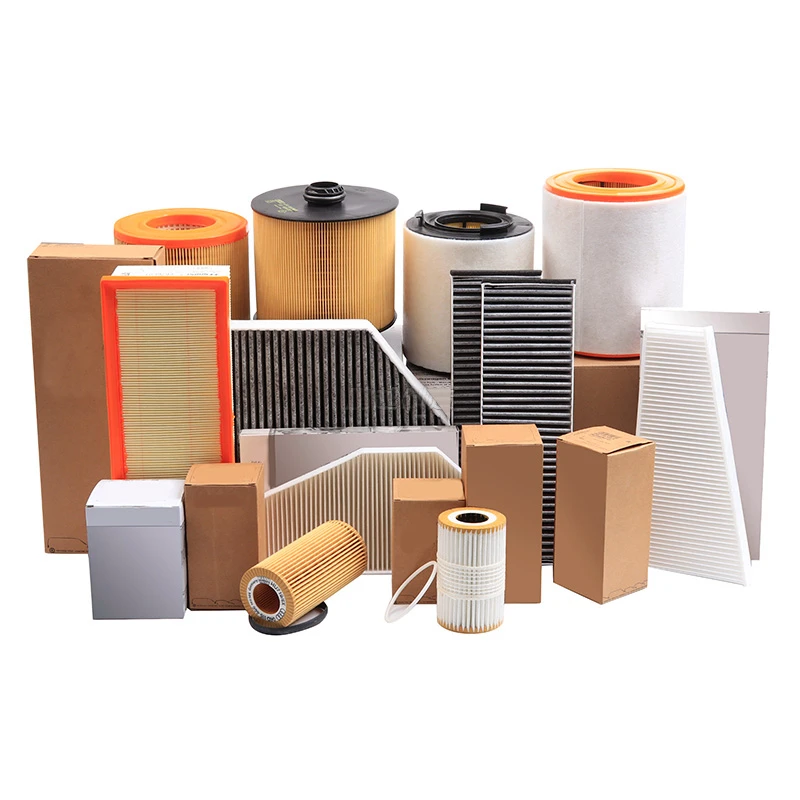
Introduction to Advanced Fuel Filtration Systems
In industrial operations, the integrity and purity of fuel are paramount to ensuring the optimal performance and longevity of machinery. Contaminants such as particulate matter, water, and microbial growth can lead to significant operational disruptions, increased maintenance costs, and premature equipment failure. This is where advanced filtration solutions, particularly the gasoline filter funnel, play a critical role. Designed for precision and durability, these devices are engineered to provide a robust barrier against impurities, thereby protecting sensitive engine components and fuel injection systems. Our focus is on delivering high-performance filtration technology that meets the stringent demands of modern industrial environments.
The demand for superior fuel quality is escalating across various sectors, driven by stricter emission regulations and the increasing sophistication of engine technologies. As a result, the effectiveness of fuel filtration directly impacts operational efficiency and environmental compliance. Understanding the intricacies of these filtration systems, from their core design principles to their manufacturing precision, is essential for B2B decision-makers seeking reliable and cost-effective solutions.
Industry Trends in Fuel Filtration Technology
The global fuel filtration market is experiencing dynamic growth, propelled by several key industry trends. A significant driver is the increasing adoption of advanced engine technologies that require cleaner fuels to operate efficiently. For instance, the advent of common rail direct injection (CRDI) systems, while improving fuel efficiency and reducing emissions, also mandates ultra-fine filtration to protect delicate injectors from even microscopic particulates. Market reports indicate a compound annual growth rate (CAGR) of approximately 5-7% for the industrial fuel filtration market, projected over the next five years, largely due to these technological advancements and the escalating focus on equipment uptime.
Environmental regulations, such as EPA and Euro emissions standards, further emphasize the need for effective fuel management, indirectly boosting demand for superior filtration. Biodiesel and other alternative fuels, while environmentally friendly, often introduce new filtration challenges due to their hygroscopic nature and propensity for microbial growth, necessitating specialized filtration media. Furthermore, the trend towards predictive maintenance and IoT integration in industrial machinery means that filtration systems are evolving to include sensors for real-time monitoring of filter condition and fuel quality, transforming simple filters into smart components of a larger maintenance ecosystem. This shift underscores the importance of a robust gasoline filter funnel system that can adapt to these evolving demands.
Technical Specifications and Design Principles
The efficacy of a fuel filtration system, particularly a high-performance gasoline filter funnel, lies in its meticulous design and material selection. These funnels typically incorporate a multi-stage filtration process, beginning with coarser screens to remove larger debris, followed by finer mesh or synthetic media for trapping microscopic particles. Key design principles focus on maximizing surface area for filtration, ensuring optimal flow rates, and facilitating ease of use and maintenance.
Materials commonly used include high-grade aluminum or engineered plastics for the funnel body, offering excellent corrosion resistance and lightweight properties. The filter media itself is often constructed from stainless steel mesh (for durability and reusability, forming the core of a robust gasoline filter screen), polyester, or specialized synthetic polymers designed for specific fuel types and contaminant sizes. Filtration ratings, typically measured in microns, range from 100 microns for pre-filtration down to 5 microns or less for critical applications, ensuring the removal of even the finest particulates that could harm fuel injectors.
Key Product Specifications for Gasoline Filters
| Parameter | Specification | Details |
|---|---|---|
| Material (Body) | Anodized Aluminum / High-Density Polyethylene (HDPE) | Corrosion-resistant, durable, chemical compatibility. |
| Filter Media | Stainless Steel Mesh / Synthetic Polymer | Specific media for water separation and particulate removal. |
| Filtration Rating | 10 microns (primary), 5 microns (secondary) | ISO 4406 Cleanliness Standards achievable. |
| Flow Rate Capacity | Up to 5 gallons per minute (GPM) | Optimized for efficient transfer without compromising filtration. |
| Temperature Range | -20°C to +80°C (-4°F to +176°F) | Suitable for diverse operating environments. |
| Dimensions | Specific to model (e.g., 8" diameter, 10" height) | Ergonomic design for ease of handling. |
| Compliance | ISO 2941, ASTM D975, CE Certified | Ensures product quality and safety standards. |
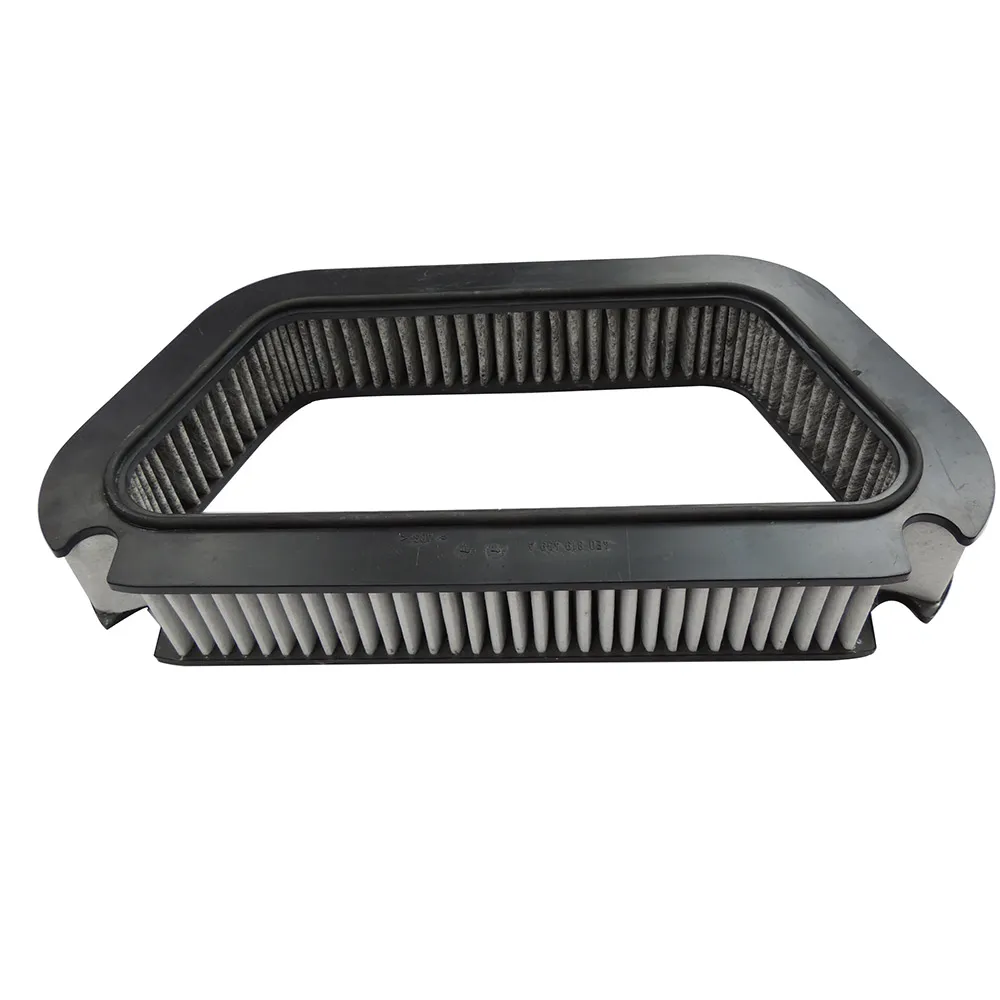
Manufacturing Process of Gasoline Filter Funnels
The production of a high-quality gasoline filter funnel involves a sophisticated multi-stage manufacturing process, meticulously controlled to ensure superior performance and durability. This process integrates advanced engineering with stringent quality assurance protocols.
Process Flow Diagram:
-
Step 1: Material Sourcing & Preparation
High-grade raw materials such as aviation-grade aluminum alloys or chemical-resistant HDPE granules are sourced from certified suppliers. These materials undergo initial quality checks for composition, purity, and mechanical properties. -
Step 2: Component Manufacturing (Body & Housing)
For metal funnels, precision CNC machining shapes the aluminum blocks into the funnel body and housing components, ensuring tight tolerances for sealing and fit. For plastic funnels, injection molding techniques are employed to create the intricate funnel shape and internal structures with high consistency. Casting and forging are used for specialized, high-strength variants requiring extreme durability. -
Step 3: Filter Media Production
The filtration screen, often a gasoline filter screen, is precisely woven from stainless steel wire or manufactured from multi-layer synthetic polymer fibers. This involves processes like precision weaving, sintering (for metallic media), or melt-blowing (for polymer media) to achieve the specified micron rating and structural integrity. -
Step 4: Assembly
Individual components – the funnel body, filter media, gaskets, and any integrated valves or screens – are meticulously assembled. Ultrasonic welding or precise mechanical fastening ensures a leak-proof and robust construction. -
Step 5: Quality Control & Testing
Each finished gasoline filter funnel undergoes rigorous testing. This includes pressure decay tests for seal integrity, flow rate verification, and particulate retention efficiency tests conforming to international standards like ISO 4572 or ISO 16889 for multi-pass filtration. Materials are also tested for chemical compatibility and resistance to various fuel types, including aggressive additives. Adherence to standards such as ANSI/AWWA C207 and C213 for industrial applications, and broader ISO 9001 quality management ensures consistency. -
Step 6: Finishing & Packaging
Surfaces are often treated for enhanced corrosion resistance (e.g., anodizing for aluminum). Products are then carefully packaged to prevent damage during transit, ready for distribution to target industries such as petrochemical, metallurgy, power generation, and water supply & drainage sectors, where service life typically extends beyond 5 years under recommended conditions.
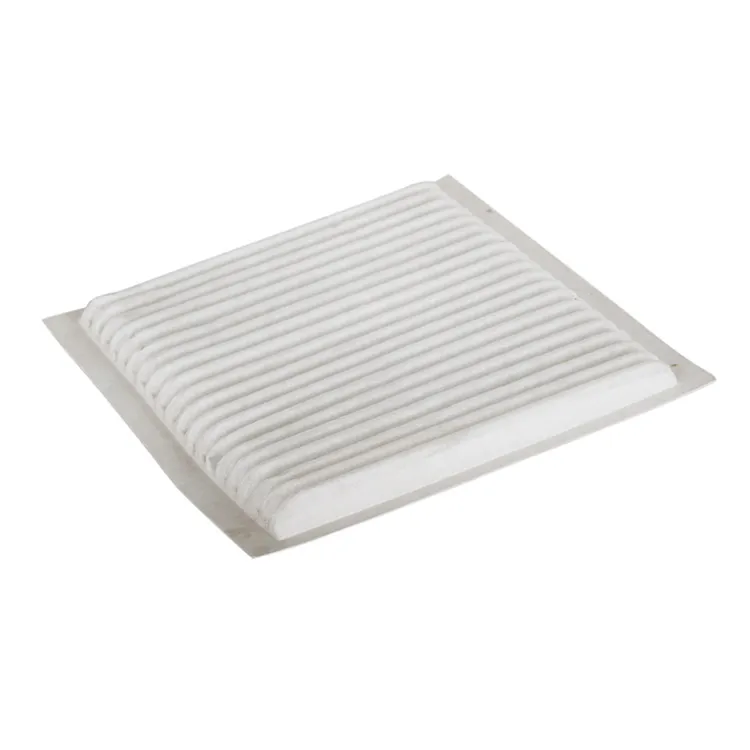
Technical Advantages and Performance Metrics
The technical advantages of a well-engineered gasoline filter funnel are numerous and translate directly into significant operational benefits for industrial clients. Our filters are designed to excel in challenging environments, offering superior performance where it matters most.
- ✓ Enhanced Fuel Purity: Achieves ISO 4406 cleanliness codes, significantly reducing abrasive wear on fuel system components, including injectors and pumps. This directly extends the lifespan of expensive machinery, reducing the gas filter cost in the long run by preventing premature failures.
- ✓ Superior Water Separation: Utilizing hydrophobic filter media, our funnels effectively coalesce and separate free water from fuel, preventing corrosion and microbial growth within storage tanks and fuel lines. This is crucial for maintaining fuel quality and preventing system damage.
- ✓ Corrosion Resistance: Constructed from materials like anodized aluminum or advanced polymers, our funnels offer excellent resistance to corrosive elements found in various fuel types and environmental conditions, ensuring product longevity.
- ✓ Optimized Flow Dynamics: Engineered to minimize pressure drop while maximizing filtration efficiency, ensuring that fuel transfer operations remain swift and uninterrupted, contributing to energy saving by reducing pump workload.
- ✓ Extended Service Life & Reusability: Many models feature washable and reusable filter elements, offering a lower total cost of ownership and reducing waste. Robust construction guarantees a service life often exceeding industry averages.
- ✓ Operational Simplicity: Designed for intuitive use, minimizing training requirements and facilitating quick, clean fuel transfers, even in demanding field conditions.
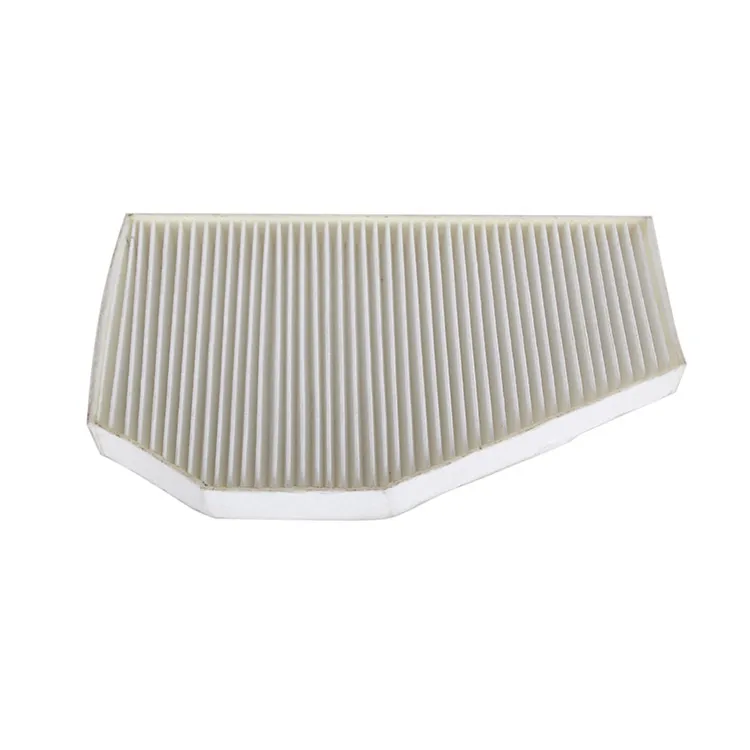
Application Scenarios and Target Industries
The versatility and robust performance of our filtration solutions make them indispensable across a broad spectrum of industries where fuel cleanliness is non-negotiable. From preventing catastrophic equipment failure to optimizing operational efficiency, the applications are diverse.
- Petrochemical Industry: Essential for protecting sensitive refining equipment and ensuring the purity of refined products before distribution. Filtration minimizes downtime caused by clogged nozzles or damaged pumps.
- Power Generation: Crucial for maintaining the integrity of diesel generators and gas turbines. Contaminant-free fuel prevents injector fouling and ensures consistent power output, particularly in critical backup systems.
- Mining and Construction: Heavy-duty machinery operates in harsh, dusty environments. Portable gasoline strainer and funnel systems are vital for refueling operations in the field, preventing airborne particulates and water from entering fuel tanks.
- Marine Applications: Marine engines are particularly vulnerable to water contamination due to condensation in fuel tanks. Our systems provide critical water separation, protecting engines from corrosion and failure at sea.
- Agriculture: Farm machinery often uses bulk fuel storage, which can accumulate sediments and water. Effective filtration ensures tractors and other equipment operate reliably during critical planting and harvesting seasons.
- Water Supply & Drainage (for pump and generator fuels): While not directly filtering water, these sectors utilize extensive pumping and generator equipment that rely on clean fuel. Our systems safeguard these critical assets, ensuring uninterrupted service.
- Automotive Service & Fleet Management: For workshops and fleet operators, using a specialized gasoline filter funnel during vehicle refueling or fluid transfer is a preventative measure that significantly reduces future maintenance costs related to fuel system contamination.
Vendor Comparison and Selection Criteria
Selecting the right vendor for fuel filtration solutions, including a high-quality gasoline filter funnel, is a strategic decision that impacts operational costs, equipment longevity, and compliance. While many suppliers offer various gasoline strainer products, discerning buyers look beyond initial gas filter cost to evaluate total value.
Key Comparison Factors:
- ● Filtration Efficiency & Micron Rating: Verify ISO 4406 or equivalent cleanliness certifications. A higher efficiency at a finer micron rating signifies superior protection.
- ● Material Durability & Chemical Compatibility: Ensure materials are resistant to modern fuel additives and potential harsh environmental conditions.
- ● Flow Rate & Pressure Drop: Optimal design minimizes pressure drop, preventing strain on pumps and ensuring efficient refueling.
- ● Service Life & Maintenance: Consider filters with longer service intervals or reusable elements to reduce operational expenditure and waste.
- ● Certifications & Compliance: Look for products that meet international standards (ISO, CE, ATEX for hazardous environments) indicating reliable quality and safety.
- ● Customization Options & Technical Support: A vendor capable of providing tailored solutions and strong technical support adds significant value.
Product Comparison: Standard vs. Advanced Filtration Funnels
| Feature | Standard Gasoline Strainer | Advanced Gasoline Filter Funnel |
|---|---|---|
| Primary Filtration Media | Simple Wire Mesh (e.g., 100-200 micron) | Multi-layered Synthetic or Stainless Steel Mesh (5-10 micron) |
| Water Separation Capability | Limited to none | Excellent (Hydrophobic media, coalescing action) |
| Material Construction | Basic Plastics, Stamped Metal | Anodized Aluminum, Engineered HDPE, Viton seals |
| Durability & Service Life | Moderate, prone to wear | High, designed for extended use (5+ years) |
| Certifications | Generally none specific | ISO 9001, CE, specific fuel standards (e.g., ASTM D975) |
| Typical Application | Small engine, occasional use | Industrial, marine, fleet, critical equipment fueling |
Customized Solutions
Recognizing that standard products may not always address unique operational challenges, we offer comprehensive customized solutions for our gasoline filtration systems. Our engineering team collaborates closely with clients to develop tailor-made filtration funnels that integrate seamlessly into existing workflows and meet specific performance requirements.
Customization options include varying micron ratings for specialized fuel types or target cleanliness levels, alternative material choices for extreme temperature or chemical compatibility requirements, and specific flow rate capacities to match refueling infrastructure. We also provide bespoke design modifications for ergonomic handling in unique operational environments, as well as integrated features such as static dissipation kits or specialized nozzle attachments. Our expertise extends to designing unique gasoline filter screen configurations to optimize filtration for challenging contaminants or high viscosity fuels.
Application Case Studies
Real-world applications demonstrate the tangible benefits of deploying advanced fuel filtration systems. Our clients consistently report significant improvements in operational efficiency and reduced maintenance costs.
-
Case Study 1: Marine Fleet Operations
A large commercial marine fleet operating in coastal waters faced persistent issues with engine injector fouling and fuel pump wear, primarily due to water ingress and particulate contamination in their diesel fuel. After implementing our specialized gasoline filter funnel systems for all onboard refueling operations, the fleet experienced a dramatic reduction in unscheduled engine maintenance by 35% within the first year. Fuel injector lifespan increased by an average of 40%, leading to substantial savings on parts and labor. The integrated water separation capability proved particularly effective in mitigating the challenging marine environment.
-
Case Study 2: Remote Mining Site Power Generation
A remote mining operation relied on several large diesel generators for continuous power. Dust, silica, and occasional water contamination in fuel deliveries were leading to frequent gasoline strainer blockages and premature filter changes, impacting uptime. By integrating our high-capacity, multi-stage filtration funnels at their bulk fuel transfer points, the site achieved an average of 50% longer intervals between fuel filter changes for their generators. This resulted in a 15% reduction in overall gas filter cost (due to fewer replacements) and improved generator reliability, critical for maintaining mining operations.
Ensuring Trustworthiness and Client Support
Our commitment to our clients extends beyond delivering high-quality products. We prioritize transparency, reliability, and robust support to build lasting partnerships based on trust and mutual success, adhering to the highest standards.
Authoritativeness & Certifications:
Our manufacturing facilities operate under strict ISO 9001:2015 quality management systems, ensuring consistent product quality and process control. Our products meet or exceed relevant industry standards such as ASTM D975 for diesel fuels, and our filtration media often adheres to ISO 16889 for multi-pass performance testing. We are proud partners with leading industrial equipment manufacturers, reflecting over 20 years of dedicated service in the fluid filtration sector.
Warranty & After-Sales Support:
We stand by the quality of our filtration products with a comprehensive 2-year warranty against manufacturing defects. Our dedicated technical support team is available during business hours to provide expert advice, troubleshooting, and assistance with product selection and integration. We offer readily available spare parts and maintenance kits to ensure minimal downtime for our clients.
Lead Time & Fulfillment:
Standard orders for common filtration funnels are typically fulfilled within 5-7 business days, with expedited shipping options available. For customized solutions or large volume orders, lead times will be provided upon project scope finalization, typically ranging from 2-4 weeks. We maintain robust inventory management and logistics partnerships to ensure timely and efficient delivery worldwide.
Frequently Asked Questions (FAQ):
Conclusion
The strategic integration of high-performance fuel filtration, exemplified by our advanced gasoline filter funnel systems, is no longer merely an option but a critical requirement for maintaining operational excellence in demanding industrial sectors. By mitigating the risks associated with fuel contamination, these systems directly contribute to enhanced equipment reliability, reduced maintenance expenditures, and improved environmental compliance. As industries continue to evolve with stricter standards and more sensitive machinery, the role of sophisticated fuel filtration will only grow in importance.
Our commitment to precision engineering, rigorous quality control, and comprehensive client support ensures that our filtration solutions provide unparalleled value. Partner with us to safeguard your assets, optimize your operations, and achieve sustainable performance in the long term.
References
- International Organization for Standardization (ISO). ISO 4406:2017 - Hydraulic fluid power — Fluids — Method for coding the level of contamination by solid particles.
- ASTM International. ASTM D975 - Standard Specification for Diesel Fuel Oils.
- U.S. Environmental Protection Agency (EPA). Various regulations on fuel quality and emissions.
- Hydraulic & Lubricant Analysis Magazine. "The Impact of Fuel Contamination on Engine Life," Vol. 15, No. 3, 2022.
-
Guide on how often do you need to replace engine air filterNewsApr.16,2026
-
Learn how often do you replace air filter in car for engine healthNewsApr.09,2026
-
How Often Do You Replace Car Air Filter For Optimal Engine PerformanceNewsApr.07,2026
-
How Often Do You Replace Engine Air Filter For Optimal Vehicle PerformanceNewsApr.04,2026
-
Understanding How Often Does Engine Air Filter Need to Be Replaced for Optimal PerformanceNewsMar.31,2026
-
How Often Engine Air Filter Change Impacts Performance and LongevityNewsMar.28,2026
-
Understanding How Often to Replace Your Car Air Filter for Optimal PerformanceNewsMar.26,2026
Related Products