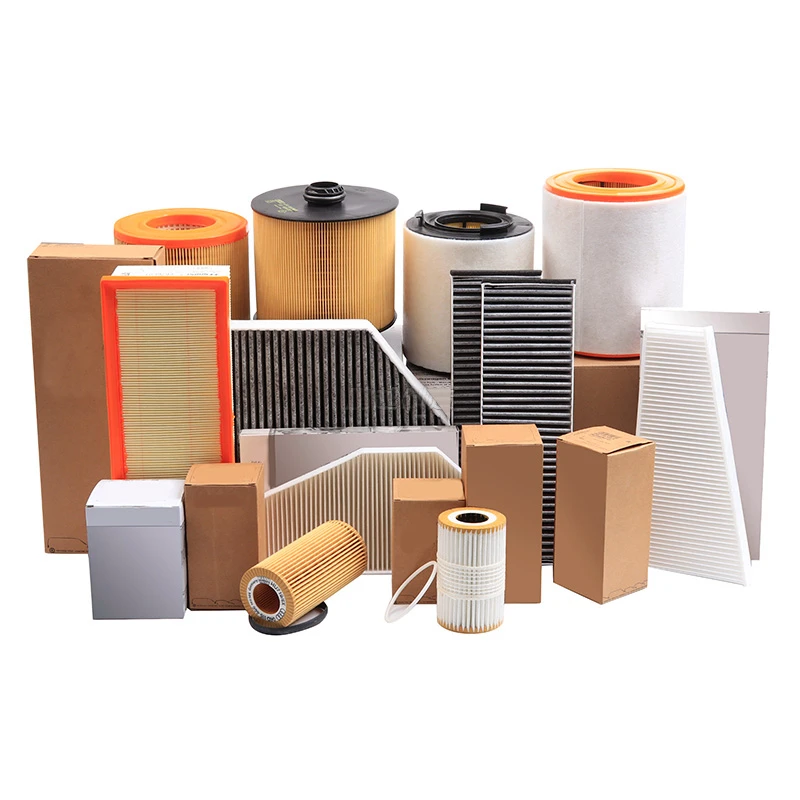
Understanding Automotive Cabin Air Filters: Why They Matter Globally
Automotive cabin air filters might sound like a small, unassuming component tucked away inside your vehicle’s ventilation system, but oddly enough, they play a really vital role worldwide. As global urbanization rises and air pollution becomes a mounting concern, these filters help keep the air inside our cars breathable and safe. From a global perspective, this is more than convenience—it’s about health, comfort, and reducing exposure to allergens and pollutants while you’re on the move.
Introduction: The Global Context of Automotive Cabin Air Filters
According to the World Health Organization, around 91% of the world’s population lives in places where air quality levels exceed recommended limits. What does this mean for drivers and passengers? It means the air inside vehicles can often be a concentrated mix of dust, pollen, vehicle emissions, and even microscopic toxins. Automotive cabin air filters are the frontline defense tackling this invisible threat. Globally, the market for these filters is growing steadily – with increasing awareness of respiratory health and tighter international vehicle standards, the need for efficient and reliable cabin air filtration is only gaining momentum.
Still, a big challenge remains: not all filters are created equal, and in some developing regions, vehicles often run without any effective filtration at all, exposing occupants unnecessarily. The gap in quality, availability, and technology presents a clear area of opportunity and improvement worldwide.
Defining Automotive Cabin Air Filters
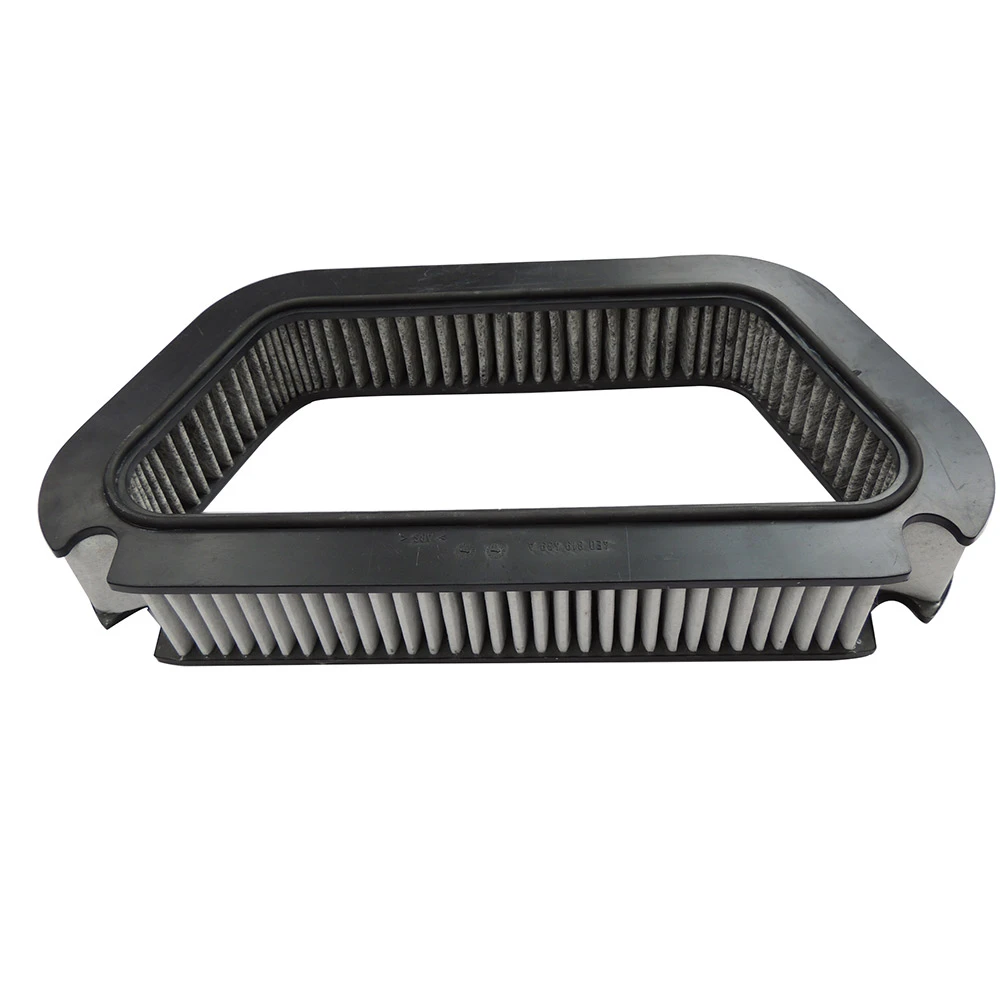
At its simplest, an automotive cabin air filter is a device installed in vehicles that filters the incoming air before it reaches the passengers’ breathing zone. Think of it as a tiny air purifier tasked with catching dust, pollen, mold spores, and even harmful gases like nitrogen oxides or ozone. It’s a technical component but serves an entirely human need: the desire to breathe clean air while driving.
In a broader sense, cabin filters tie closely to modern industry standards and humanitarian needs—for instance, ensuring safe transportation for populations in heavily polluted urban centers or providing clean air during logistics operations in disaster zones.
Key Factors in Automotive Cabin Air Filters
1. Filtration Efficiency
The core purpose of a cabin air filter is its ability to trap particles of varying sizes. High-efficiency particulate air (HEPA)-like filters can capture up to 99.97% of particles larger than 0.3 microns, which is crucial for allergy sufferers and people in urban smogs alike.
2. Durability & Lifespan
Filters need to perform reliably across varying climates and pollution levels—and for a reasonable stretch of miles. Typically, manufacturers recommend replacement every 12,000 to 15,000 miles, but this varies depending on usage and environmental factors.
3. Material Composition
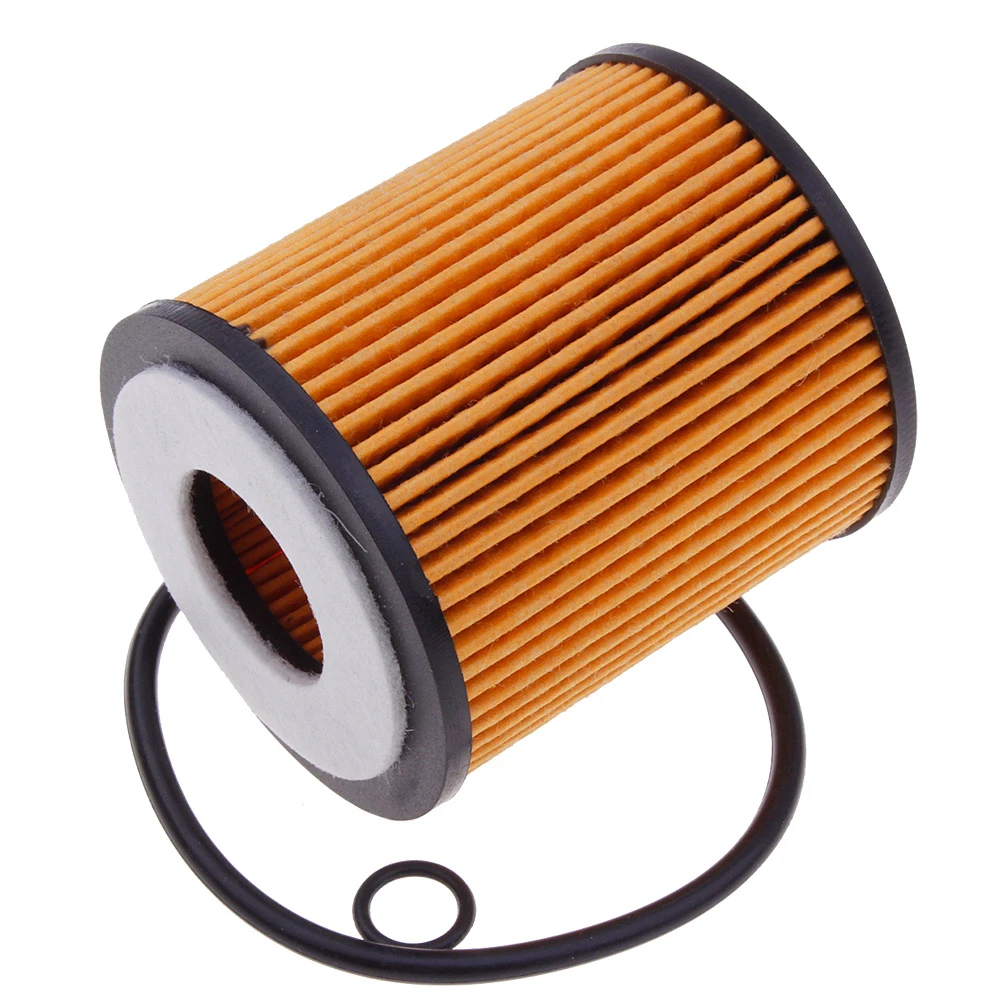
Most filters are made from pleated paper or synthetic fibers; some advance into activated carbon layers to trap odors and chemical gases. This multi-layer approach elevates the filter’s ability to clean the air comprehensively.
4. Cost Efficiency
Considering replacement frequency and price, there’s a tradeoff between upfront cost and long-term effectiveness. Some premium filters cost more but last longer or deliver superior protection.
5. Compatibility & Scalability
Filters must fit a wide range of models — from economy cars to luxury SUVs — and scale well for both personal vehicles and commercial fleets.
Product Specification Table: Typical Automotive Cabin Air Filter
| Specification | Detail |
|---|---|
| Filter Media | Pleated Synthetic Fiber with Activated Carbon Layer |
| Micron Rating | 0.3 microns |
| Replacement Interval | Every 12,000 - 15,000 miles |
| Dimensions | Varies by vehicle make/model |
| Typical Price Range | $15 - $50 |
Global Applications and Use Cases
The benefits of automotive cabin air filters stretch across continents, industries, and social needs. In bustling metropolitan areas such as Beijing or Los Angeles, these filters help daily commuters reduce exposure to smog and allergens. In Europe, increasingly strict ISO air quality standards compel vehicle manufacturers to include high-quality filtration systems.
Beyond city driving, humanitarian organizations operating in disaster-affected regions rely on vehicles equipped with robust air filters as relief convoys traverse dusty terrain, providing safe transport amidst environmental hazards. Similarly, industries with remote operations—like mining in parts of Africa or Australia—value filters for protecting workers during transit amid airborne particle-rich environments.
Vendor Comparison Table: Top Automotive Cabin Air Filter Brands
| Brand | Filter Type | Price Range | Notable Features |
|---|---|---|---|
| Brand A | Pleated Synthetic with Carbon | $18 - $40 | High odor absorption |
| Brand B | HEPA-grade | $30 - $55 | Ultra-high filtration efficiency |
| Brand C | Standard Pleated Paper | $12 - $25 | Economical choice for standard vehicles |
Advantages and Long-Term Value
One of the clear-cut benefits of using quality automotive cabin air filters is improved respiratory health. For allergy sufferers or those with asthma, filtering out dust, pollen, and mold spores inside the vehicle can be life-changing. Beyond health, there’s the psychological reassurance—a feeling of safety and care when you step into your car.
Financially speaking, regularly replacing cabin air filters prevents HVAC system strain and preserves system efficiency, potentially avoiding costly repairs down the line. On a broader scale, energy-efficient filters contribute modestly to fuel savings by easing airflow resistance.
Future Trends and Innovations
Looking ahead, I find it fascinating how sustainability and smart technology intersect in this space. Research into biodegradable filter materials aims to reduce environmental impact after disposal. Some newer filters incorporate nanomaterials that can actively break down pollutants—an exciting leap forward.
Moreover, digital transformation brings smart sensors into vehicles that monitor filter condition in real-time, reminding drivers when replacement is needed rather than relying on fixed mileage. Autonomous and electric vehicles will also demand filters optimized for unique airflows and HVAC configurations.
Challenges and Solutions
Despite advances, challenges persist. For instance, in less regulated markets, low-quality knockoffs flood the replacement filter space, risking performance failures. And in harsh environments, filter clogging can occur sooner than expected, requiring better durability.
Solutions include improving global standards compliance, encouraging manufacturers to use EU or ISO certifications, and promoting consumer education on maintaining ventilation systems. Innovative designs with self-cleaning or modular filter elements show promise, too.
Frequently Asked Questions About Automotive Cabin Air Filters
- Q1: How often should I replace my automotive cabin air filter?
A1: Generally, every 12,000 to 15,000 miles is recommended, but if you drive in dusty or polluted areas, more frequent replacement might be necessary to maintain optimal filtration. - Q2: Can a cabin air filter improve my car’s HVAC system performance?
A2: Yes, a clean filter supports proper airflow, lowers strain on the HVAC system, and can improve heating and cooling efficiency. - Q3: Are activated carbon cabin air filters better than standard ones?
A3: Activated carbon filters add odor and harmful gas absorption benefits, making them a good choice for urban areas or smokers, though they sometimes cost more. - Q4: Can I install a cabin air filter myself?
A4: Most modern vehicles make filter replacement straightforward, often accessible behind the glove box. Consult your owner's manual and consider simple DIY guides. - Q5: Are cabin air filters eco-friendly?
A5: Traditional filters are disposable, but newer models are exploring biodegradable materials and recycling initiatives to improve their environmental footprint.
Conclusion: Why You Should Care About Automotive Cabin Air Filters
In a nutshell, automotive cabin air filters are small but mighty components that contribute directly to healthier, safer driving experiences around the world. Beyond just trapping dust and pollen, they reflect our evolving priorities—clean air, sustainability, and innovation. Staying on top of your vehicle’s cabin filtration isn’t just good maintenance; it’s a simple step toward a better quality of life. For those interested in exploring a broad selection of quality automotive cabin air filters, I highly recommend visiting the linked site to check out options tailored to various vehicle types and budgets.
At the end of the day, breathing easy inside your car isn’t just luxury—it’s a global necessity gaining deserved recognition.
Mini Takeaways:
- Automotive cabin air filters are essential in protecting vehicle occupants from harmful airborne contaminants.
- Global urban pollution trends underscore the rising importance of effective in-car air filtration.
- New technologies and eco-friendly materials promise a greener and smarter future for vehicle filters.
References
-
Guide on how often do you need to replace engine air filterNewsApr.16,2026
-
Learn how often do you replace air filter in car for engine healthNewsApr.09,2026
-
How Often Do You Replace Car Air Filter For Optimal Engine PerformanceNewsApr.07,2026
-
How Often Do You Replace Engine Air Filter For Optimal Vehicle PerformanceNewsApr.04,2026
-
Understanding How Often Does Engine Air Filter Need to Be Replaced for Optimal PerformanceNewsMar.31,2026
-
How Often Engine Air Filter Change Impacts Performance and LongevityNewsMar.28,2026
-
Understanding How Often to Replace Your Car Air Filter for Optimal PerformanceNewsMar.26,2026
Related Products