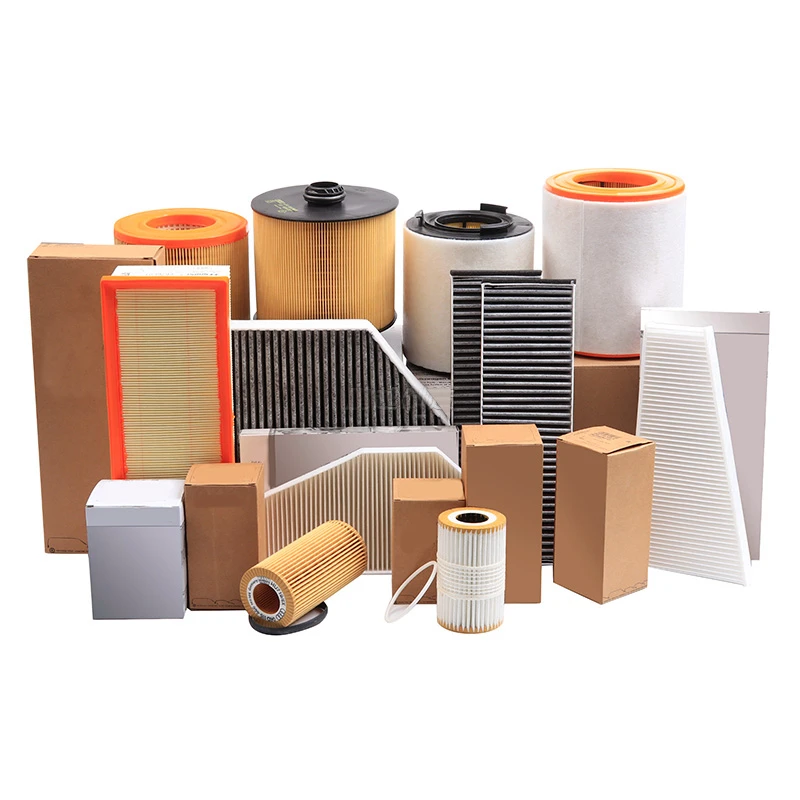
Installing a Cabin Air Filter: What You Need to Know and Why It Matters
Whether you’re a car enthusiast or just looking to keep your daily ride fresh and safe, installing a cabin air filter is a small task with big benefits. Globally, air quality inside vehicles is becoming a growing concern, and understanding how a cabin air filter works and why you should install one helps keep you healthy and comfortable on the road.
In this article, we'll dive into the whole angle—what cabin air filters are, why they matter on a global scale, how to install them effectively, and what innovations are shaping their future. Along the way, you’ll find practical tips, product comparisons, and answers to common questions.
Introduction: Global Context of Installing a Cabin Air Filter
Did you know the World Health Organization estimates 90% of people worldwide breathe air exceeding recommended pollution limits? Your car's cabin might actually trap harmful particles like dust, pollen, and even fine smog—but a quality cabin air filter can make a difference. With urbanization on the rise and more vehicles on roads globally, keeping in-cabin air clean is a bit like having your own mini air purifier on wheels.
Auto standards organizations like the ISO highlight cabin air filtration as a critical vehicle safety and comfort feature. Yet, many drivers neglect this simple upgrade that can improve air quality and reduce allergy symptoms or respiratory issues.
Mini takeaway: Installing a cabin air filter isn’t just about cleanliness—it’s a practical, global response to rising air pollution affecting car interiors.
What Does Installing a Cabin Air Filter Mean?
At its core, installing a cabin air filter means replacing or installing a filter unit within your vehicle's HVAC (heating, ventilation, and air conditioning) system. This filter screens incoming air, catching particulates like dust, bacteria, pollen, and exhaust fumes before they make it to your vehicle’s interior.
It helps maintain a healthier environment inside your car, protecting passengers, especially those with allergies or respiratory conditions. Plus, modern cars often come with cabin filters, but their lifespan can vary. Knowing when and how to replace or install these filters is key to keeping their effectiveness.
Mini takeaway: Installing or changing a cabin air filter keeps your vehicle’s internal air fresh, breathable, and safer — a small step with an outsized impact.
Key Components in Installing a Cabin Air Filter
1. Compatibility
Filters come in many shapes and sizes depending on your car's make, model, and year — so finding the right match is half the battle. Most manufacturers publish specs, or you can consult classic guides to installing a cabin air filter for your model.
2. Filter Material and Filtration Efficiency
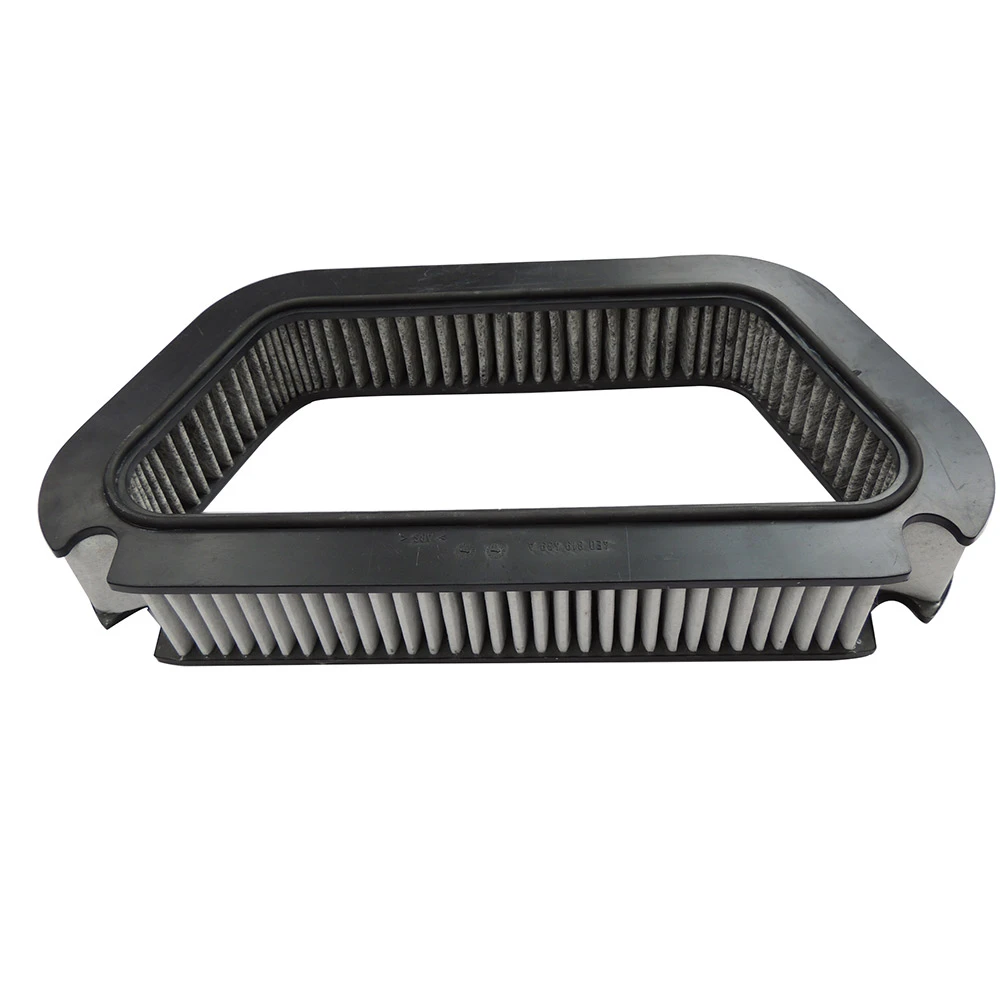
Filters are typically made of pleated paper or activated carbon. The latter is great at absorbing odors and harmful gases, which pleated paper filters don’t always catch. Look for filters meeting MERV (Minimum Efficiency Reporting Value) standards when picking the right one.
3. Installation Accessibility
Some cars offer easy-to-access filter compartments, while others can be a bit tricky—under the glove box, behind panels, or under the hood. This affects how quickly and successfully you can install or change the filter yourself.
4. Maintenance Interval
Manufacturers usually recommend replacing filters every 12,000 to 15,000 miles or once a year, but it depends on environment and usage. City dwellers might swap them out more frequently due to higher pollution.
5. Cost Effectiveness
Quality cabin air filters range from budget options at $10 to premium models approaching $40. However, investing a bit more upfront can save you from respiratory discomfort or costly HVAC repairs.
6. Environmental Impact
Eco-friendly filters made from biodegradable or recyclable materials are emerging, reflecting the auto industry’s broader shift toward sustainability.
Mini takeaway: Picking the right cabin air filter means balancing compatibility, filtration quality, installation ease, cost, and eco-considerations.
Global Use Cases & Applications
Across the globe, installing a cabin air filter is more than a convenience—it's an essential health safeguard:
- Urban Commuters in Mega Cities: Cities like New York, Beijing, and Delhi suffer heavy pollution; cabin filters help shield drivers from smog-related health risks.
- Post-disaster and Relief Vehicles: In disaster zones where dust and debris abound, relief vehicles use advanced cabin filters to protect medical staff and patients.
- Industrial Zones and Mining Areas: Vehicles operating in dust-heavy zones rely on high-efficiency cabin air filters to protect drivers and delicate electronics alike.
- Luxury and Electric Vehicles: Premium and electric car brands emphasize top-tier cabin filtration as part of delivering a clean, quiet, and healthy ride.
Mini takeaway: Whether for daily commuting or specialized missions, cabin air filters adapt globally to keep people safe from airborne contaminants.
Advantages & Long-Term Value
Why should anyone spend time installing a cabin air filter? Here’s the real deal:
- Health Protection: Removes allergens, bacteria, and pollutants reducing irritation and respiratory triggers.
- Odor Control: Especially with activated carbon filters that trap smells from exhaust and smoke.
- HVAC System Longevity: Protects HVAC components from dust buildup, potentially lowering repair and maintenance costs.
- Cost-Effective: Filters are cheap compared to health issues or mechanical repairs caused by poor air quality.
- Emotional Comfort: Riding in a fresh, clean-smelling cabin boosts mental well-being during commutes.
Mini takeaway: Clean cabin air filters deliver value far beyond price tags — enhancing health, comfort, and your car’s durability.
Future Trends & Innovations in Cabin Air Filters
Oddly enough, the humble cabin air filter is evolving with cutting-edge tech:
- Smart Filters: Sensors that indicate when a filter needs replacement, syncing with your smartphone.
- Advanced Materials: Nano-fiber and antimicrobial coatings designed to trap ultrafine particles and inhibit germs.
- Reusable and Washable Filters: Eco-conscious designs aiming to reduce waste.
- Integration with Vehicle HVAC Systems: Filtration adapting dynamically based on external air quality data.
Mini takeaway: Cabin air filters are poised to become smarter, greener, and more effective as technology progresses.
Challenges & Practical Solutions
In theory, installing a cabin air filter sounds straightforward, but there are a few speed bumps:
- Accessibility Issues: Not all vehicles provide easy access, sometimes requiring professional help.
- Variability in Quality: The market is flooded with cheap, ineffective filters—buyers must be careful.
- Neglect and Forgetting: Drivers often skip replacement schedules, reducing filter effectiveness.
Experts suggest keeping a maintenance journal, setting reminders, and consulting trusted vendors for high-quality, compatible filters. Oddly enough, once drivers experience the freshness of a new cabin air filter, they rarely skip replacements again.
Product Specification Table: Common Cabin Air Filter Types
| Type | Material | Filtration Efficiency | Replace Interval | Cost Range |
|---|---|---|---|---|
| Pleated Paper | Cellulose fibers | Moderate (PM2.5 and larger) | Every 12,000 miles / 1 year | $10–$20 |
| Activated Carbon | Carbon fiber + paper | High (PM0.3 and odors) | Every 10,000 miles / 1 year | $20–$40 |
| Nano-fiber / Antimicrobial | Nano fibers + coatings | Very high (PM0.1, germs) | Every 15,000 miles / 1 year | $30–$50+ |
Vendor Comparison: Popular Cabin Air Filter Brands
| Brand | Price Range | Filter Types Offered | Notable Features | Availability |
|---|---|---|---|---|
| 3M | $15–$40 | Activated Carbon, Standard | High filtration efficiency, odor control | Online, Auto Stores |
| FRAM | $10–$30 | Pleated Paper, Activated Carbon | Affordable, wide compatibility | Retail & Online |
| Mann-Filter | $20–$35 | Activated Carbon, High-grade Paper | OEM quality, durability | OEM, Specialists |
Frequently Asked Questions About Installing a Cabin Air Filter
- How often should I replace my cabin air filter?
- Generally, replacing your cabin air filter every 12,000 to 15,000 miles, or about once a year, is recommended. However, if you drive in heavy traffic, dusty or polluted areas, more frequent replacements may be necessary to maintain air quality.
- Can I install a cabin air filter myself or do I need a professional?
- Many vehicles have easily accessible compartments for cabin air filters—often behind the glove box—making DIY installation straightforward. However, some models might be trickier, so if you’re unsure, consulting your vehicle’s manual or seeking professional help is wise.
- What’s the difference between regular and activated carbon cabin air filters?
- Regular pleated paper filters mainly trap dust and pollen, while activated carbon filters add the ability to absorb odors, exhaust fumes, and some gaseous pollutants. If you’re sensitive to smells or live in a smoggy area, an activated carbon filter might be worth the upgrade.
- How do I know if my cabin air filter needs replacing?
- Common signs include reduced airflow from the vehicle vents, unpleasant odors, or an increase in allergy symptoms while inside the vehicle. Some modern cars have sensors that notify you; otherwise, scheduled maintenance is best.
- Are eco-friendly cabin air filters effective?
- Emerging eco-friendly filters often use biodegradable materials or reusable designs. While promising, their filtration efficiency varies, so check third-party test results or certifications before choosing one.
Conclusion and Call to Action
Installing a cabin air filter is a simple upgrade that offers long-lasting benefits—from cleaner, healthier air inside your vehicle to protecting HVAC components and improving driving comfort. It’s a small investment in your well-being and your vehicle’s longevity.
Ready to improve your cabin air quality today? Visit us at https://www.jyfilter.com to explore a range of high-quality filters and expert guides on installing a cabin air filter tailored to your vehicle.
In short: Clean air inside your car cabin might be invisible, but its benefits? They’re clear as day.
References
-
Guide on how often do you need to replace engine air filterNewsApr.16,2026
-
Learn how often do you replace air filter in car for engine healthNewsApr.09,2026
-
How Often Do You Replace Car Air Filter For Optimal Engine PerformanceNewsApr.07,2026
-
How Often Do You Replace Engine Air Filter For Optimal Vehicle PerformanceNewsApr.04,2026
-
Understanding How Often Does Engine Air Filter Need to Be Replaced for Optimal PerformanceNewsMar.31,2026
-
How Often Engine Air Filter Change Impacts Performance and LongevityNewsMar.28,2026
-
Understanding How Often to Replace Your Car Air Filter for Optimal PerformanceNewsMar.26,2026
Related Products