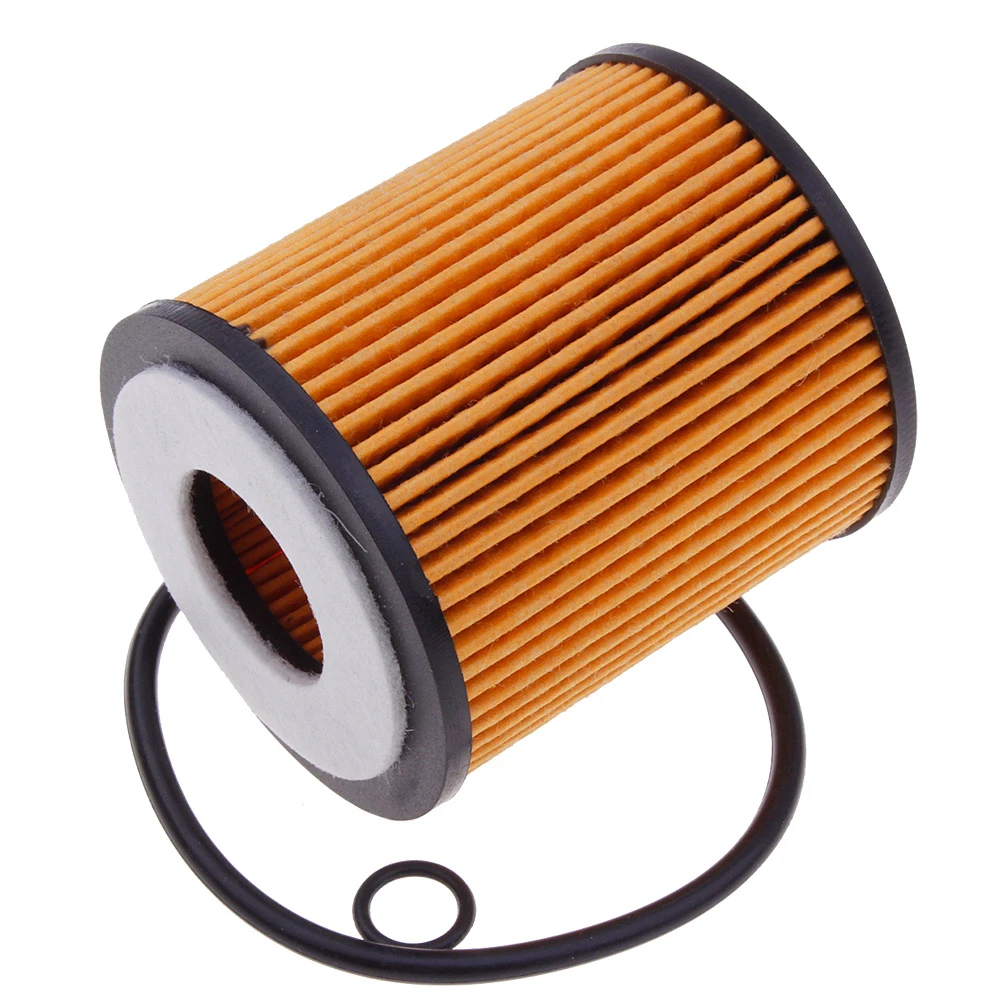
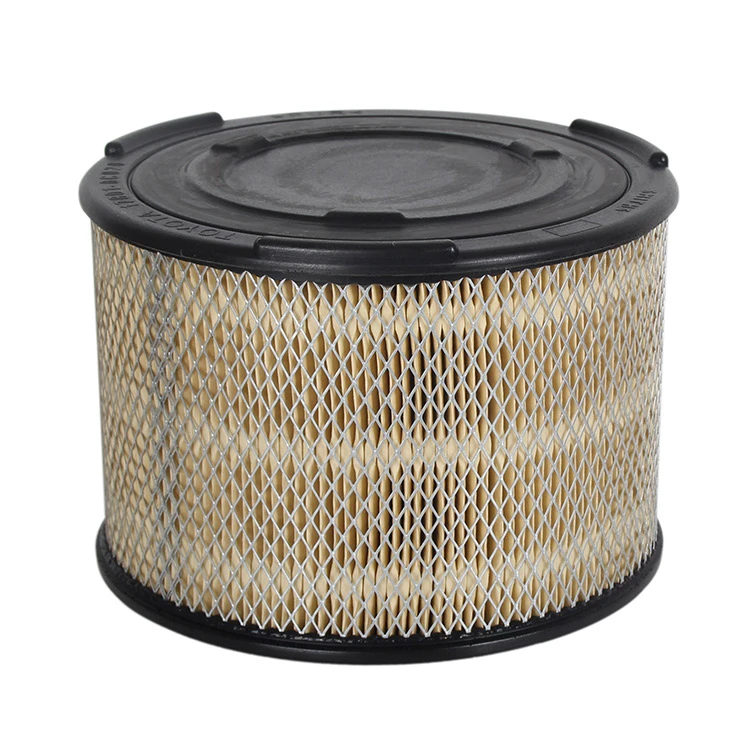
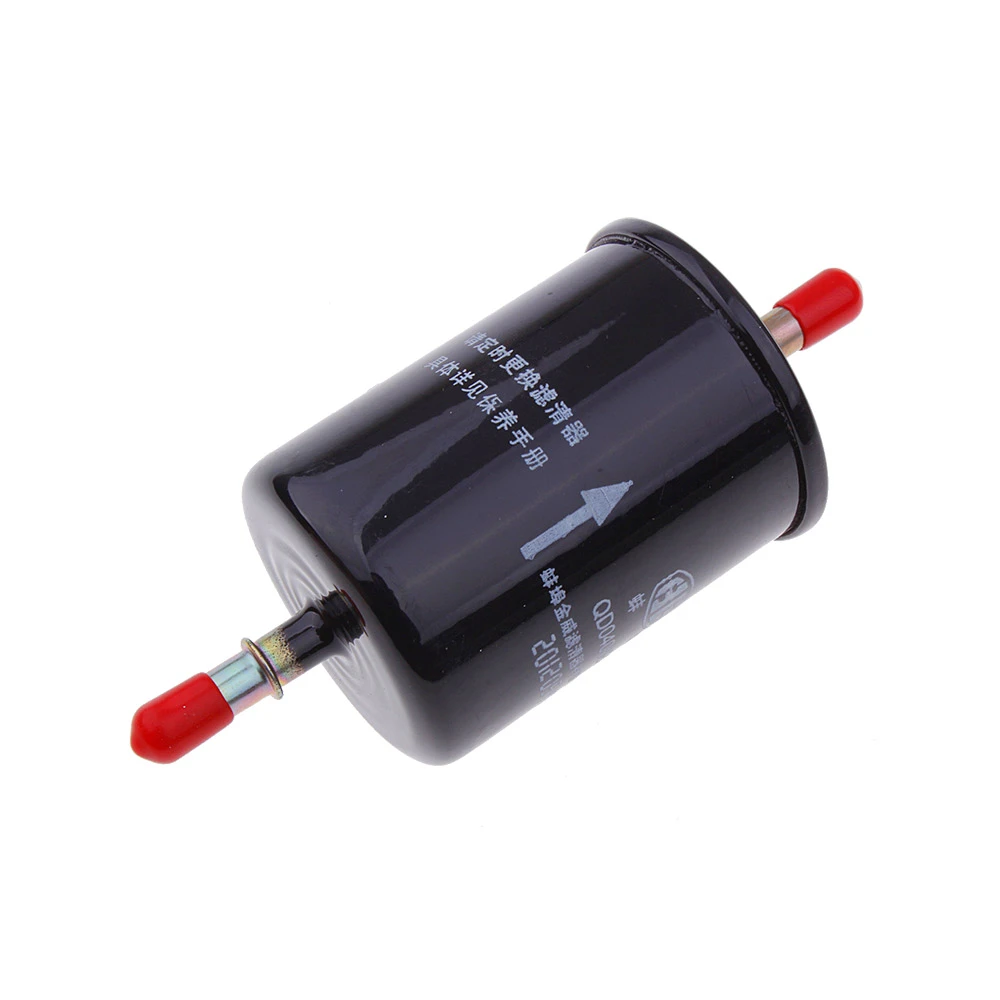
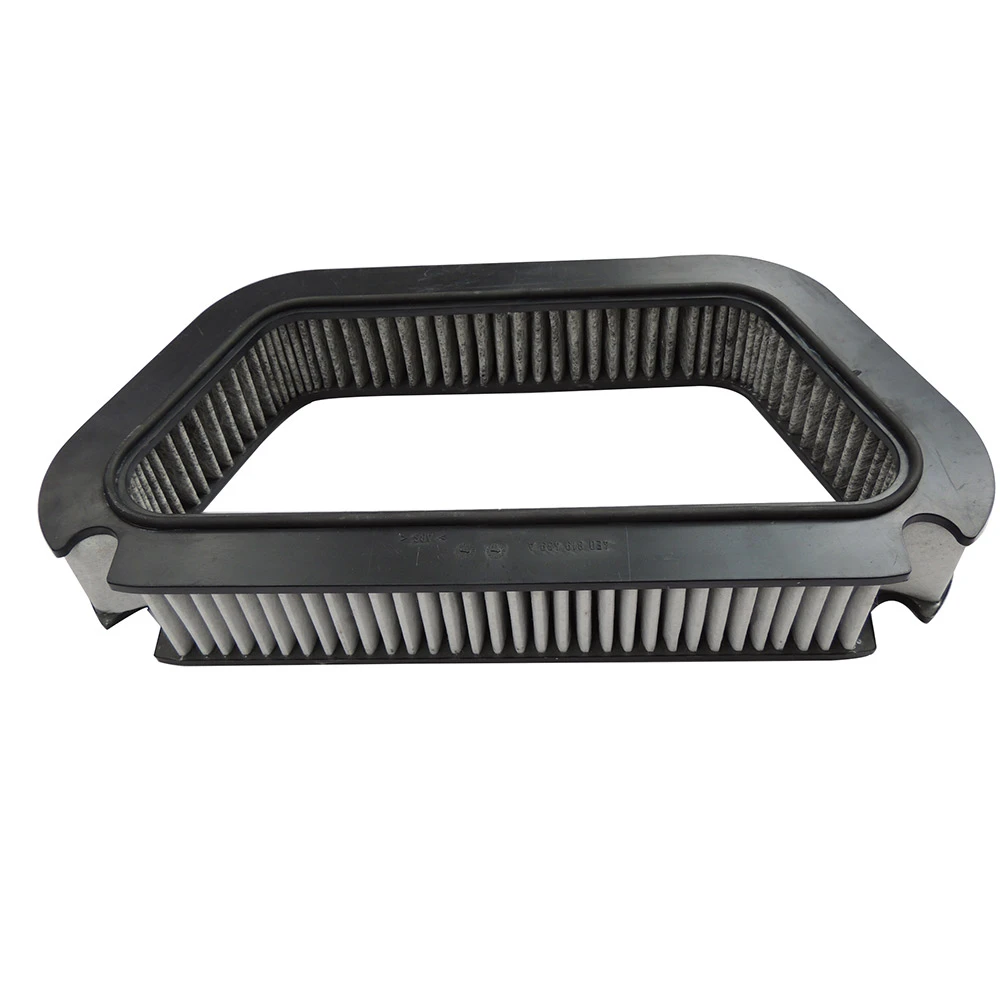
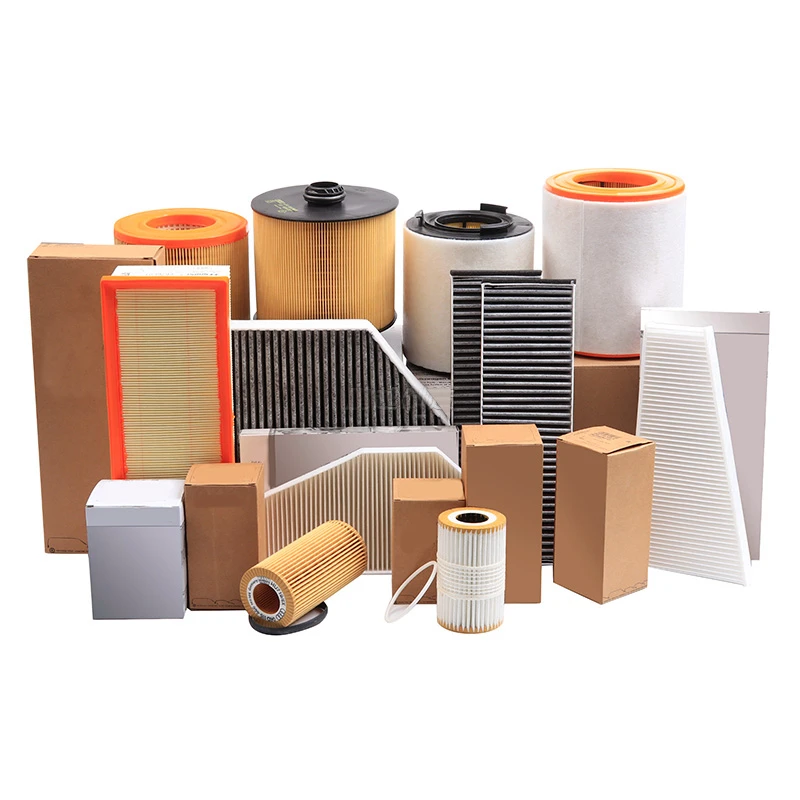
Understanding Cabin Filter and Engine Filter: Why It Matters Globally
When was the last time you thought about the air inside your car or what keeps your engine running smoothly against the barrage of contaminants? It might sound a bit mundane, but cabin filter and engine filter technologies are quietly solving big challenges worldwide—from improving air quality to supporting sustainable automotive practices. Understanding these filters doesn’t just impact your daily drive; it resonates globally with environmental concerns and evolving industry standards that affect how vehicles perform and how communities breathe cleaner air.
Oddly enough, these seemingly simple components play a pivotal role in reducing emissions, improving fuel efficiency, and even safeguarding human health by filtering toxins and particulates. So, why does this matter to a broader audience beyond just car lovers or mechanics? Well, urban pollution is climbing (according to the World Health Organization), and the automotive industry’s push towards sustainability intensifies the demand for smarter filtration.
Mini takeaway: Grasping the role of cabin and engine filters connects us all—from drivers breathing cleaner air to global efforts combating pollution and fostering vehicle longevity.
A Global Perspective on Cabin Filter and Engine Filter
Vehicles are everywhere — over 1.4 billion motor vehicles globally as reported by the International Organization of Motor Vehicle Manufacturers. Each has these vital filters that protect interiors and engines alike, but their performance becomes critical in vastly different geographic and economic landscapes. For example, in densely populated Asian cities, cabin filters help protect passengers from smog and dust; meanwhile, engine filters are essential in industrial zones, where heavy particulate matter can seriously impair engine function.
One challenge these filters address is the complex variety of airborne contaminants—from pollen to exhaust fumes. Without reliable filtration, vehicle efficiency and passenger health suffer. So global sustainability efforts and stricter emissions standards, like those from the ISO, push OEMs (original equipment manufacturers) to innovate here.
Mini takeaway: Cabin and engine filters are far from trivial—they respond to environmental pressures and regulatory demands worldwide, turning challenges into technological opportunities.
What Exactly Are Cabin Filter and Engine Filter?
Simply put, a cabin filter is designed to clean the air entering a vehicle’s interior, blocking dust, pollen, spores, and other pollutants. It's the unsung hero ensuring you breathe cleaner air while driving.
The engine filter (typically an air filter) protects the engine by filtering harmful particulates such as dirt, grit, and debris from the air before it mixes with fuel for combustion. Without it, engine parts degrade faster, efficiency drops, and emissions spike.
Both filters tie directly into modern concerns: improving indoor air quality inside vehicles caters to human health, while engine filters help reduce maintenance costs and environmental impact. Their importance covers everyday commuters, commercial fleets, and even humanitarian logistics where reliable vehicle operation matters greatly.
Mini takeaway: These filters connect tech with everyday life, making vehicles healthier and engines more efficient, proving their place in modern automotive engineering.
Key Components and Factors of Cabin and Engine Filters
- Filtration Efficiency: How well filters capture tiny particles like PM2.5 or allergens — critical for health and engine longevity.
- Durability: Resistance to moisture, heat, and dirt impacts lifespan and performance consistency.
- Material Quality: Advanced fibers, electrostatic media, or activated carbon layers enhance performance.
- Cost Efficiency: Finding the sweet spot between filter life and price, especially for fleet owners.
- Ease of Maintenance: User-friendly replacement designs save time and reduce errors.
- Environmental Impact: Options for recyclable or biodegradable filter materials address sustainability concerns.
Practical application depends on balancing these. For instance, activated charcoal cabin filters excel in odor removal, while high-efficiency particulate air (HEPA)-like engine filters better capture submicron debris.
Mini takeaway: Knowing what makes filters tick simplifies choices, whether replacing parts or designing new ones for specific conditions.
Global Applications & Use Cases
Cabin and engine filters extend beyond private cars. In harsh environments like mining operations in Australia or urban bus fleets in Europe, these filters play strategic roles in health and cost management. Humanitarian organizations also rely on vehicles with robust filtration in post-disaster zones where dust and airborne hazards spike.
For example:
- In Africa’s growing urban centers, cabin filters reduce pollens and allergens, improving passenger comfort.
- In heavy industries across the US, engine filters minimize downtime caused by particulate-induced wear.
- In transportation in Southeast Asia, where air pollution is intense, filters are frequently replaced to maintain safety.
These diverse uses underline their flexibility and critical value in various sectors.
Mini takeaway: Cabin and engine filters adapt to global demands, proving essential in health, safety, and operational reliability across industries and regions.
Advantages and Long-Term Value
From a pragmatic point of view, good filters save money through prolonged engine life and enhanced fuel efficiency. Emotionally, they contribute to a safer, cleaner cabin environment — important for families or drivers with allergies.
Long-term, they enhance a vehicle's resale value by ensuring internal and mechanical health. And on a wider scale, effective filtration is a practical step toward reducing harmful emissions, supporting environmental regulations, and contributing to social responsibility in automotive manufacturing.
| Filter Type | Primary Function | Typical Lifespan | Average Cost |
|---|---|---|---|
| Cabin Filter (Basic) | Removes dust, pollen | 12,000 - 15,000 miles | $15 - $35 |
| Cabin Filter (With Activated Carbon) | Reduces odors and gases | 12,000 - 20,000 miles | $30 - $60 |
| Engine Air Filter (Paper) | Blocks dirt and dust | 15,000 - 20,000 miles | $10 - $25 |
| Engine Air Filter (High Performance Foam) | Reusable, better airflow | 30,000+ miles | $45 - $90 |
Trends & Innovations Shaping the Future
Looking ahead, expect more eco-friendly materials like biodegradable fibers to gain traction. Smart filters embedded with sensors to report filter status through your vehicle’s dashboard or smartphone apps? That’s already happening — the digital transformation touches filters too.
Hybrid and electric vehicles bring fresh challenges, with less engine air intake required but higher cabin air quality demands. Green energy pushes for lower emissions, increasing filter importance in controlling particulate matter. Some companies even explore antimicrobial cabin filters—a nod to post-pandemic awareness around indoor air.
Mini takeaway: The future is smart, sustainable, and health-conscious, with cabin and engine filters evolving to meet these complex requirements.
Challenges and Practical Solutions
Of course, filters aren’t perfect. Common issues include clogged filters reducing airflow, difficulty sourcing high-quality replacements in remote areas, and the environmental cost of disposable filters.
Innovative solutions include:
- Developing reusable and washable filters to reduce waste.
- Improving supply chains to ensure availability in underserved regions.
- Incorporating IoT tech for predictive maintenance that alerts users before performance drops.
Engaging both users and manufacturers is crucial. Many engineers I spoke with emphasize education around the importance of timely replacement — skipping this leads to often unseen but costly problems.
Selecting the Right Filter Vendor: A Quick Comparison
| Vendor | Product Range | Sustainability Focus | Global Reach | Price Range |
|---|---|---|---|---|
| JyFilter Co. | Wide: cabin & engine filters | Active R&D in eco-filters | Asia, Europe, Americas | Affordable to mid-range |
| FilterTech Global | Mostly engine filters | Some recyclable options | Primarily North America | Mid to high-end |
| PureAir Solutions | Focus on cabin filters | Leads in antimicrobial tech | Europe, Asia | Premium pricing |
FAQ: Common Questions About Cabin Filter and Engine Filter
- Q: How often should I replace my cabin filter to ensure good air quality?
A: Generally, cabin filters should be replaced every 12,000 to 15,000 miles or once a year, but check your vehicle’s manual. In highly polluted areas, more frequent changes may be necessary. - Q: Can a dirty engine filter really affect fuel economy?
A: Yes, a clogged engine air filter restricts airflow, causing the engine to burn more fuel. Replacing the filter can improve fuel efficiency and reduce emissions. - Q: Are activated carbon cabin filters better than basic ones?
A: Activated carbon filters do a better job of removing odors and harmful gases in addition to dust and pollen, offering enhanced cabin air comfort. - Q: Is it environmentally friendly to use reusable engine filters?
A: Absolutely. Reusable filters reduce waste and often improve airflow. Just ensure you follow cleaning instructions to maintain effectiveness. - Q: How can companies source quality cabin and engine filters internationally?
A: Partnering with reputable vendors like JyFilter ensures access to certified, high-performance filters with global shipping support.
Conclusion: The Long-Term Value of Cabin and Engine Filters
In the grand scheme, cabin filter and engine filter technologies might not always grab headlines, but their impact echoes across health, sustainability, and vehicle performance globally. They help us breathe easier, go further, and do so with a smaller environmental footprint. Staying informed and choosing the right filters brings practical benefits and contributes to wider societal goals.
For those keen to explore high-quality, innovative filtration solutions, feel free to visit: https://www.jyfilter.com.
It's funny how the smallest parts inside our cars often have the biggest stories to tell about where we're going—both literally and figuratively.
References:
1. World Health Organization — Ambient Air Pollution: WHO Ambient Air Quality
2. International Organization of Motor Vehicle Manufacturers (OICA) Statistics: OICA Number of Vehicles
3. ISO Standards on Vehicle Emissions and Air Quality: ISO Environment & Vehicle Standards
-
Guide on how often do you need to replace engine air filterNewsApr.16,2026
-
Learn how often do you replace air filter in car for engine healthNewsApr.09,2026
-
How Often Do You Replace Car Air Filter For Optimal Engine PerformanceNewsApr.07,2026
-
How Often Do You Replace Engine Air Filter For Optimal Vehicle PerformanceNewsApr.04,2026
-
Understanding How Often Does Engine Air Filter Need to Be Replaced for Optimal PerformanceNewsMar.31,2026
-
How Often Engine Air Filter Change Impacts Performance and LongevityNewsMar.28,2026
-
Understanding How Often to Replace Your Car Air Filter for Optimal PerformanceNewsMar.26,2026
Related Products