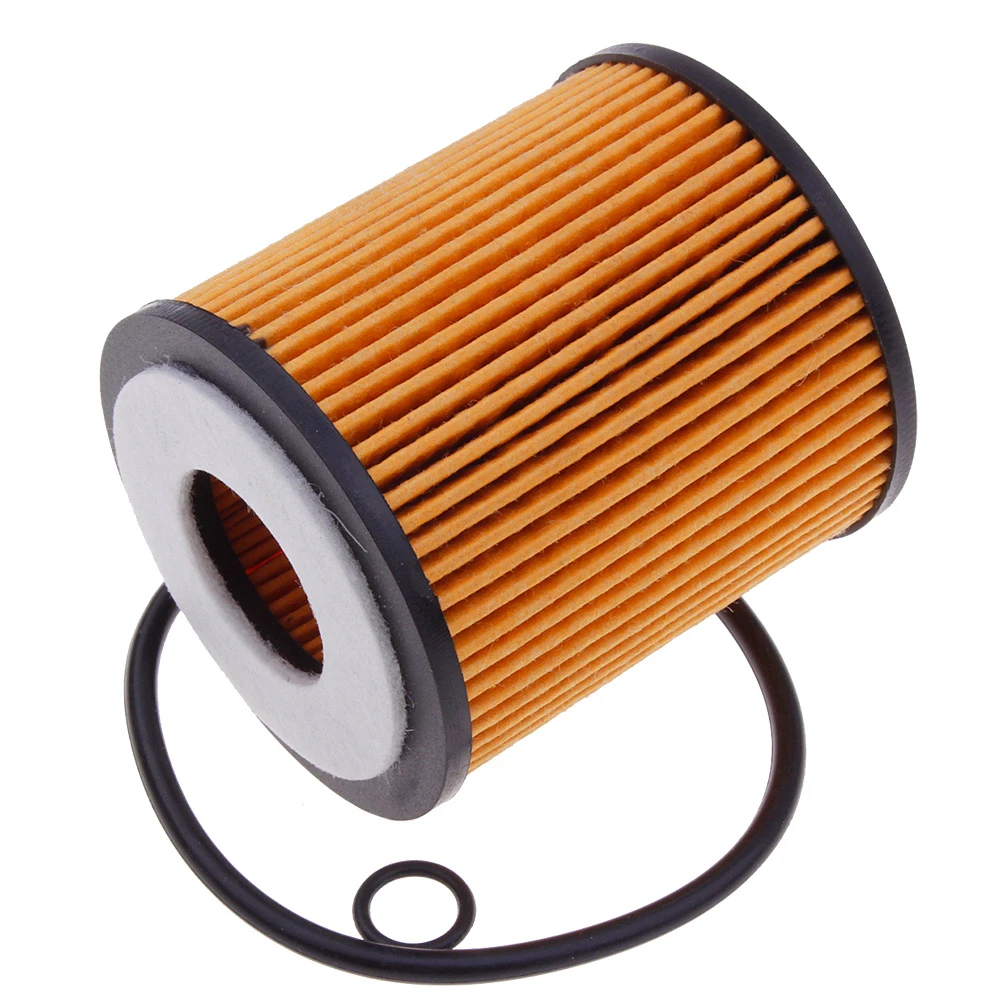
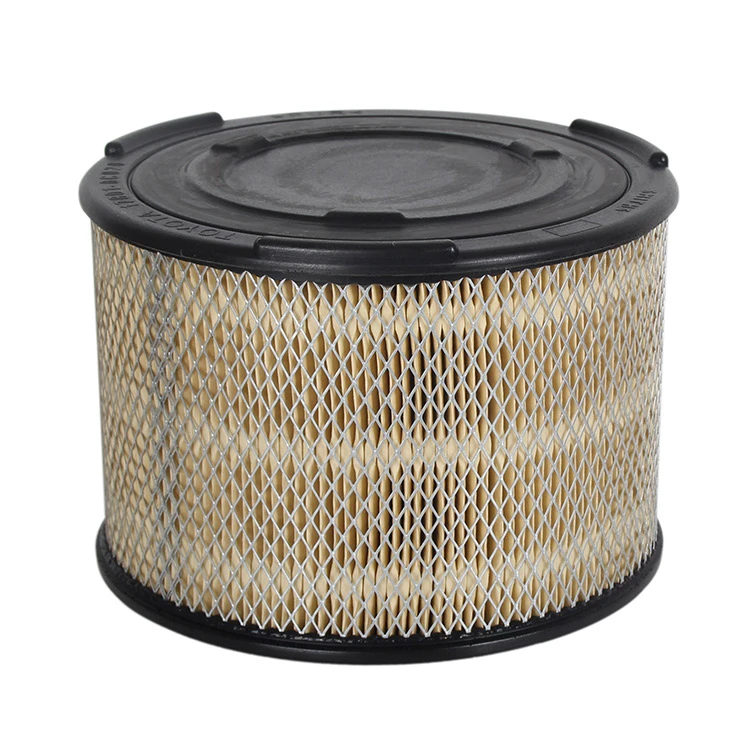
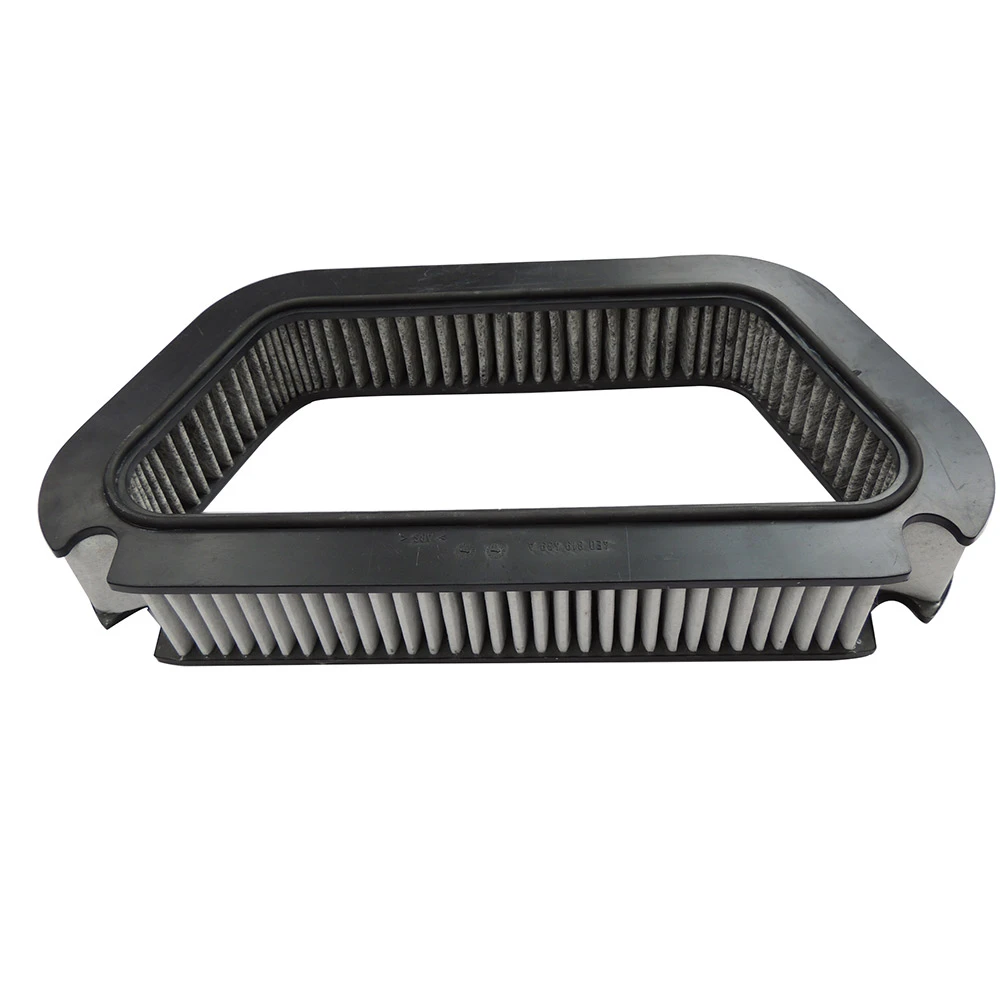
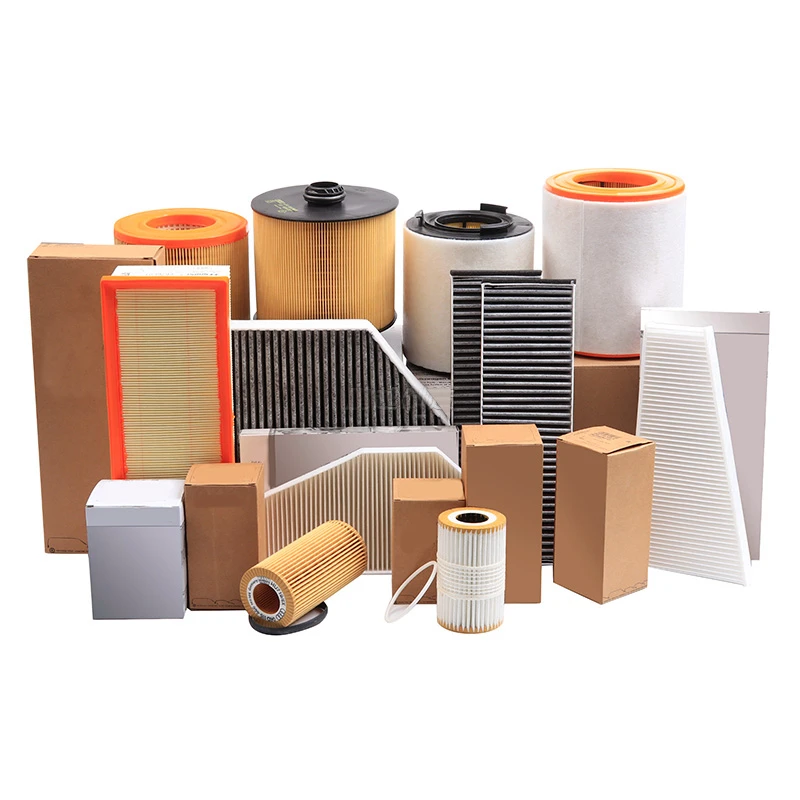
In today's automotive landscape, maintaining optimal indoor air quality is no longer a luxury but a necessity, both for passenger comfort and health. The car aircon filter, also commonly known as the cabin air filter, plays a pivotal role in achieving this by purifying the air entering the vehicle's cabin through the heating, ventilation, and air conditioning (HVAC) system. As vehicles become increasingly sophisticated and environmental concerns grow, the demand for advanced filtration solutions is accelerating. This segment delves into the core functions, technological advancements, and operational significance of these essential components, emphasizing their impact on passenger well-being and overall vehicle performance.
Understanding the factors influencing cabin filter cost and the best practices for car cabin filter replacement is vital for vehicle owners and fleet managers alike. With rising pollution levels in urban areas, these filters are exposed to a complex cocktail of airborne contaminants, including dust, pollen, soot, and even harmful gases. A high-quality cabin filter not only protects occupants from these particulates but also safeguards the HVAC system itself from accumulation of debris, ensuring its longevity and efficient operation. Proactive maintenance and selecting the right filter are critical decisions that directly affect both air quality and operational expenses.
Industry Trends and Technological Advancements in Cabin Air Filtration
The market for Car Cabin Filters is evolving rapidly, driven by stricter environmental regulations and increasing consumer awareness of air quality. Current trends highlight a shift towards multi-layer filtration media, incorporating advanced materials beyond conventional paper-based filters. Activated carbon layers are now common, effectively absorbing noxious gases, odors, and volatile organic compounds (VOCs). Furthermore, the integration of electrostatic media significantly enhances the capture of fine particulate matter (PM2.5, PM10), offering superior protection against microscopic pollutants that are particularly harmful to respiratory health.
Innovations also include anti-allergen and anti-bacterial coatings, crucial for sensitive individuals and for preventing the growth of mold and mildew within the HVAC system. Manufacturers are increasingly focusing on developing filters with extended service life, reducing the frequency of car cabin filter replacement while maintaining high filtration efficiency. This not only offers convenience but also contributes to sustainability. The adoption of smart filter technology, where sensors monitor filter saturation and alert the driver for replacement, represents the next frontier, optimizing maintenance schedules and ensuring consistent air quality.
The Detailed Manufacturing Process of Car Cabin Filters
The production of a high-performance car aircon filter involves several meticulous stages, ensuring both structural integrity and filtration efficacy. The process begins with Material Selection, typically utilizing non-woven synthetic fibers (like polypropylene or polyester) for their excellent particle capture capabilities. For enhanced filtration, melt-blown and spun-bond technologies are employed to create media with specific pore sizes. Activated carbon granules, often derived from coconut shells, are integrated into a secondary layer to absorb gaseous pollutants.
- Media Preparation: Large rolls of filtration media are cut to precise dimensions and then subjected to a pleating process. Pleating significantly increases the filter's surface area, allowing for higher dust-holding capacity and lower airflow restriction over its lifespan.
- Frame Manufacturing: The frame, usually made from durable plastic or moisture-resistant cardboard, is molded or cut to the exact specifications required for various vehicle models. This ensures a tight seal within the HVAC housing.
- Assembly: The pleated media is carefully inserted into the frame. High-quality adhesive or ultrasonic welding is used to seal the media securely to the frame, preventing bypass air from flowing around the filter instead of through it.
- Quality Control (QC): Every batch undergoes stringent QC tests. This includes airflow resistance testing, particle filtration efficiency (PFE) according to standards like ISO 11155-1 or EN 779, and structural integrity checks. Filters are also tested for their capacity to absorb specific gases and their dust-holding capacity.
- Packaging: Finished filters are individually packaged to protect them from contamination and damage during transport and storage.
These filters are critical across various industries, from personal automotive to commercial fleets and even specialized vehicles in mining or construction, where severe dust conditions necessitate robust air purification. Their primary advantage lies in safeguarding both human health and expensive HVAC equipment by preventing corrosive particles and moisture from entering sensitive components. The meticulous design and manufacturing ensure an extended service life and consistent performance under diverse operating conditions, often exceeding OEM specifications.
Key Technical Parameters and Advantages of Car Cabin Filters
The effectiveness of a Car Cabin Filter is quantified by several critical technical parameters. Filtration Efficiency (e.g., F7, F8, F9 ratings) indicates the percentage of particles of a given size that the filter can capture. Premium filters often achieve >90% efficiency for particles as small as 0.3 microns. Airflow Resistance measures how much the filter impedes air movement; lower resistance means better HVAC performance and less strain on the blower motor. Dust Holding Capacity refers to the amount of dust a filter can accumulate before its efficiency drops or resistance becomes too high.
The advantages of a high-quality car aircon filter are multifaceted:
- Improved Air Quality: Significantly reduces exposure to pollen, dust, soot, bacteria, and allergens, crucial for passengers with respiratory issues.
- Odor Elimination: Activated carbon layers neutralize unpleasant odors from exhaust fumes, industrial emissions, and even spoiled food.
- Enhanced HVAC Longevity: Protects the evaporator core, blower motor, and other sensitive components from debris buildup, preventing costly repairs and extending the system's life.
- Optimized HVAC Performance: Ensures consistent airflow, which is essential for efficient heating and cooling, preventing system strain and potential energy waste.
- Reduced Fogging: By removing moisture-laden particles, filters can contribute to better defogging performance, enhancing visibility and safety.
Understanding these parameters is crucial when evaluating the cabin filter cost against its performance benefits. Investing in a superior filter often translates to long-term savings by protecting the HVAC system and ensuring better health outcomes for vehicle occupants.
Application Scenarios and Custom Solutions
Car Cabin Filters are indispensable across a wide spectrum of vehicles and environments. In densely populated urban centers, filters with enhanced PM2.5 and activated carbon layers are critical for protecting against smog, industrial emissions, and traffic-related pollutants. For vehicles operating in rural or agricultural settings, robust dust filtration is paramount. Fleet operators, such as taxi services or delivery companies, benefit significantly from premium filters that ensure driver comfort and minimize health-related absences, which translates directly to operational efficiency.
Customized solutions are becoming increasingly common, particularly for original equipment manufacturers (OEMs) and specialized vehicle applications. This includes filters designed to specific dimensions, airflow requirements, and filtration media tailored to unique environmental challenges (e.g., high humidity, extreme temperatures). Our expertise allows for the development of bespoke car aircon filter solutions, optimizing performance for specific vehicle models and operational contexts, ensuring compatibility and peak efficiency that often exceeds standard aftermarket offerings.
Understanding Cabin Filter Cost and Car Cabin Filter Replacement
The cabin filter cost can vary significantly based on several factors, including the filter's type (standard particulate, activated carbon, HEPA-grade), the vehicle's make and model, and whether it's an OEM part or an aftermarket equivalent. While standard filters are generally inexpensive, advanced multi-layer filters command a higher price point due to their superior materials and complex construction. However, considering the health benefits and protection for the HVAC system, the investment in a higher-grade filter often yields long-term value.
Car cabin filter replacement is a critical maintenance task, typically recommended every 12,000 to 15,000 miles or once a year, though this can be more frequent in dusty or polluted environments. Neglecting replacement can lead to reduced airflow, musty odors, decreased defogging performance, and an influx of allergens and pollutants into the cabin. The actual replacement process is often straightforward, making it a manageable DIY task for many vehicle owners, further reducing the overall ownership cost.
For businesses managing large fleets, understanding the total cost of ownership, including the cabin filter cost and the labor involved in car cabin filter replacement, is essential for budgeting and operational planning. We provide competitive pricing and bulk solutions tailored to fleet requirements, ensuring optimal performance without compromising budgetary constraints.
A Practical Guide to Installing a Cabin Air Filter
The process of installing a cabin air filter is generally straightforward, making it an accessible maintenance task for many. While exact steps may vary by vehicle make and model, the general procedure involves locating the filter, removing the old one, and inserting the new one correctly.
- Locate the Filter: Most cabin air filters are found behind the glove compartment, under the hood near the windshield, or beneath the dashboard. Consult your vehicle's owner's manual for the precise location.
- Access the Housing: For glove compartment access, you typically need to unclip or unscrew it to allow it to swing down or be removed. For engine bay locations, a cover or panel may need to be unlatched.
- Remove the Old Filter: Once the housing is exposed, you'll see the old filter. Note its orientation (usually indicated by an airflow arrow). Carefully pull it out.
- Clean the Housing: Before installing a cabin air filter, it’s a good practice to wipe down the filter housing to remove any accumulated debris or leaves.
- Insert the New Filter: Ensure the new filter's airflow arrow points in the correct direction (typically towards the vehicle's interior). Slide the new filter into the housing until it seats properly.
- Reassemble: Close the filter housing cover and reattach the glove compartment or panel.
This simple procedure significantly contributes to maintaining healthy cabin air and the efficiency of your HVAC system. Regular checks and timely car cabin filter replacement are key to prolonging the life of your entire air conditioning system and ensuring a comfortable driving experience.
Market Parameters and Product Specifications Overview
The market for car aircon filter solutions is diverse, offering options from basic particulate filters to advanced multi-stage systems. Below is a summary of typical market parameters and product specifications that influence choices and cabin filter cost.
Market Parameters for Cabin Filters
|
Parameter |
Typical Range / Description |
Impact on Customer |
|
Replacement Interval |
12,000 - 15,000 miles or 1 year (more frequent in harsh conditions) |
Maintenance frequency, air quality consistency. |
|
Cabin Filter Cost (Aftermarket) |
USD 15 - 50 (Particulate), USD 25 - 80 (Activated Carbon/HEPA) |
Budget considerations, value for money. |
|
Installation Time |
10 - 30 minutes (DIY), 0.5 - 1.0 hour (Mechanic) |
Labor cost for installing a cabin air filter. |
|
Key Filtration Standards |
ISO 11155-1, EN 779 (F7, F8, F9), SAE J1664 |
Assurance of performance and quality. |
Car Cabin Filter - Technical Specifications Comparison
Choosing the right filter involves comparing key technical indicators. This table illustrates the differences across common types.
|
Feature/Type |
Standard Particulate Filter |
Activated Carbon Filter |
HEPA-Grade Filter (or equivalent) |
|
Primary Filtration |
Dust, pollen, larger particles (>5 microns) |
Dust, pollen, odors, gases (VOCs, NOx, SOx) |
Ultrafine particles (PM2.5, PM0.3), bacteria, viruses, allergens |
|
Material Composition |
Non-woven synthetic fibers, paper media |
Multi-layer: synthetic fibers + activated carbon layer |
Dense synthetic fibers, often electrostatic charge, sometimes activated carbon |
|
Filtration Efficiency (0.3 micron) |
20-40% |
40-70% |
≥95% (often >99%) |
|
Odor Absorption |
Minimal |
Excellent |
Good (if combined with activated carbon) |
Car Cabin Filter - Performance Distribution (Representing a Pie Chart)
Based on average market share and performance metrics for aftermarket filters, here's a representation of common filter types.
- Standard Particulate Filters: ~45% (Focus on basic dust/pollen, lower cabin filter cost)
- Activated Carbon Filters: ~40% (Balanced particulate and odor filtration)
- High-Efficiency/HEPA-grade Filters: ~15% (Premium protection against fine particles and allergens)
Impact of Filter Condition on HVAC Performance (Representing a Line Chart)
This illustrates how a dirty filter degrades airflow over time, necessitating car cabin filter replacement.
|
Usage Duration (Months) |
Airflow Reduction (%) |
Blower Motor Strain Increase (%) |
|
New Filter (0) |
0% |
0% |
|
3 Months |
5-10% |
5-10% |
|
6 Months |
15-25% |
10-20% |
|
12 Months (Recommended Replacement) |
30-50% |
25-40% |
Professional Q&A on Car Cabin Filters
Here are answers to common technical and practical questions regarding Car Cabin Filters:
- What are the primary materials used in advanced cabin air filters?
Advanced filters typically use multiple layers, including non-woven synthetic fibers (e.g., melt-blown polypropylene for particulate filtration) and activated carbon (often from coconut shells) for gas and odor absorption. Some also feature electrostatic media or anti-microbial treatments. - How does an activated carbon layer work in a car aircon filter?
Activated carbon is highly porous with a large surface area, allowing it to chemically bond with (adsorb) gas molecules, odors, and Volatile Organic Compounds (VOCs) that pass through the filter, effectively neutralizing them before they enter the cabin. - What does "PM2.5 filtration" mean for a cabin filter?
5 refers to particulate matter smaller than 2.5 micrometers. Filters with PM2.5 capability are designed to capture these extremely fine particles, which are particularly harmful to human health and are prevalent in urban pollution. - Are all car cabin filters compatible with all vehicles?
No, filters are vehicle-specific. Each filter is designed to fit a particular make, model, and year, ensuring a proper seal and preventing air bypass. Always check the filter's specifications against your vehicle's requirements. - What are the signs that indicate a need for car cabin filter replacement?
Common indicators include reduced airflow from the AC/heating vents, persistent musty or unpleasant odors in the cabin, increased fan noise, and visible dirt or debris on the filter itself when inspected. - Does installing a cabin air filter with higher efficiency affect HVAC performance?
While higher efficiency filters naturally have slightly greater airflow resistance, reputable manufacturers engineer them to minimize this impact. Excessive restriction would lead to reduced airflow and strain on the blower motor. Modern HEPA-grade filters are designed for optimal balance. - What is the typical service life and warranty period for a premium car aircon filter?
Service life is typically 12-15 months or 12,000-15,000 miles, varying with environmental conditions. Premium manufacturers often provide a warranty of 1 year or 12,000 miles against manufacturing defects.
Ensuring Trustworthiness: Warranty, Delivery, and Support
We are committed to providing Car Cabin Filters that meet the highest standards of quality and performance. Our products are manufactured under strict ISO 9001 quality management systems, ensuring consistent excellence. We offer a comprehensive warranty of 12 months or 12,000 miles (whichever comes first) on all our car aircon filter products, covering manufacturing defects.
Our standard delivery cycle for bulk orders typically ranges from 7 to 14 business days, depending on customization requirements and destination. Expedited shipping options are available upon request. For technical inquiries, custom solutions, or support related to installing a cabin air filter, our dedicated customer service and technical support teams are available via phone and email to assist B2B clients and ensure a seamless experience. We believe that a reliable product is backed by reliable service, making your investment in our filters a trusted choice.
Conclusion
The humble Car Cabin Filter is an indispensable component in modern vehicles, offering critical protection for both occupants and the HVAC system. From understanding the nuances of cabin filter cost to mastering the process of car cabin filter replacement and installing a cabin air filter, informed decisions are key to maintaining optimal in-cabin air quality. Investing in high-quality filtration solutions not only enhances comfort and well-being but also contributes to the longevity and efficiency of the vehicle's air conditioning system, making it a wise choice for every vehicle owner and fleet manager.
References
- International Organization for Standardization (ISO) 11155-1. (2001). Road vehicles — Air filters for passenger compartments — Part 1: Test for particulate filtration.
- European Standard EN 779. (2012). Particulate air filters for general ventilation — Determination of the filtration performance.
- Society of Automotive Engineers (SAE) J1664. (1998). Cabin Air Filtration Test Procedure.
- Environmental Protection Agency (EPA). (2023). AirNow - Particulate Matter (PM2.5) Basics.
-
Guide on how often do you need to replace engine air filterNewsApr.16,2026
-
Learn how often do you replace air filter in car for engine healthNewsApr.09,2026
-
How Often Do You Replace Car Air Filter For Optimal Engine PerformanceNewsApr.07,2026
-
How Often Do You Replace Engine Air Filter For Optimal Vehicle PerformanceNewsApr.04,2026
-
Understanding How Often Does Engine Air Filter Need to Be Replaced for Optimal PerformanceNewsMar.31,2026
-
How Often Engine Air Filter Change Impacts Performance and LongevityNewsMar.28,2026
-
Understanding How Often to Replace Your Car Air Filter for Optimal PerformanceNewsMar.26,2026
Related Products