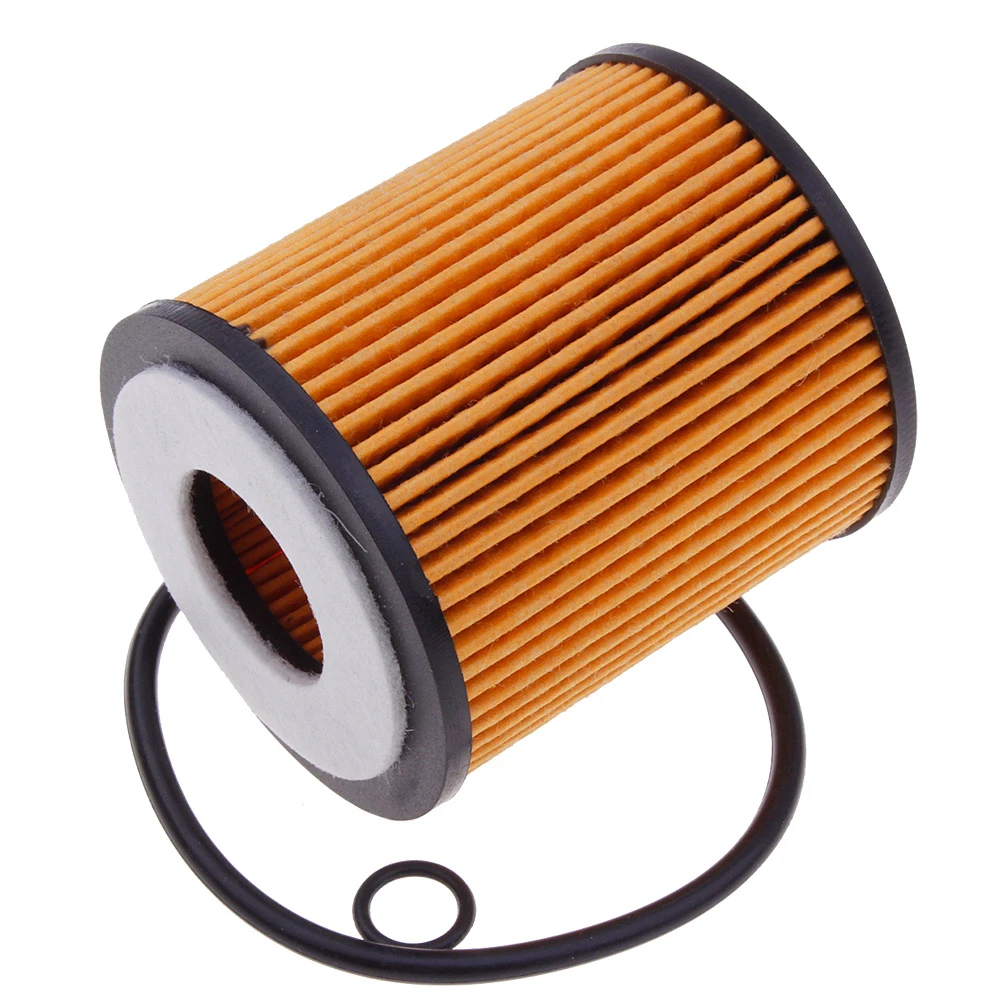
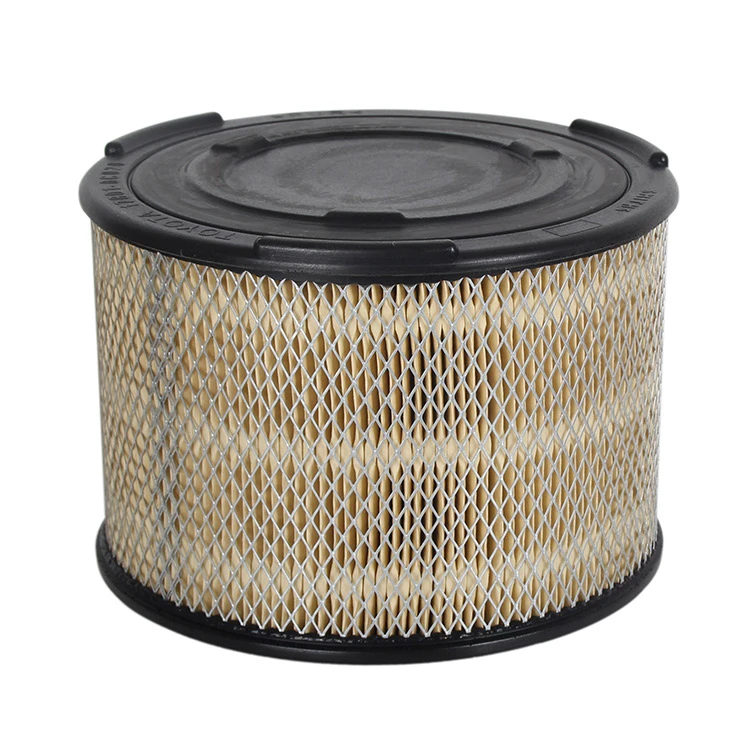
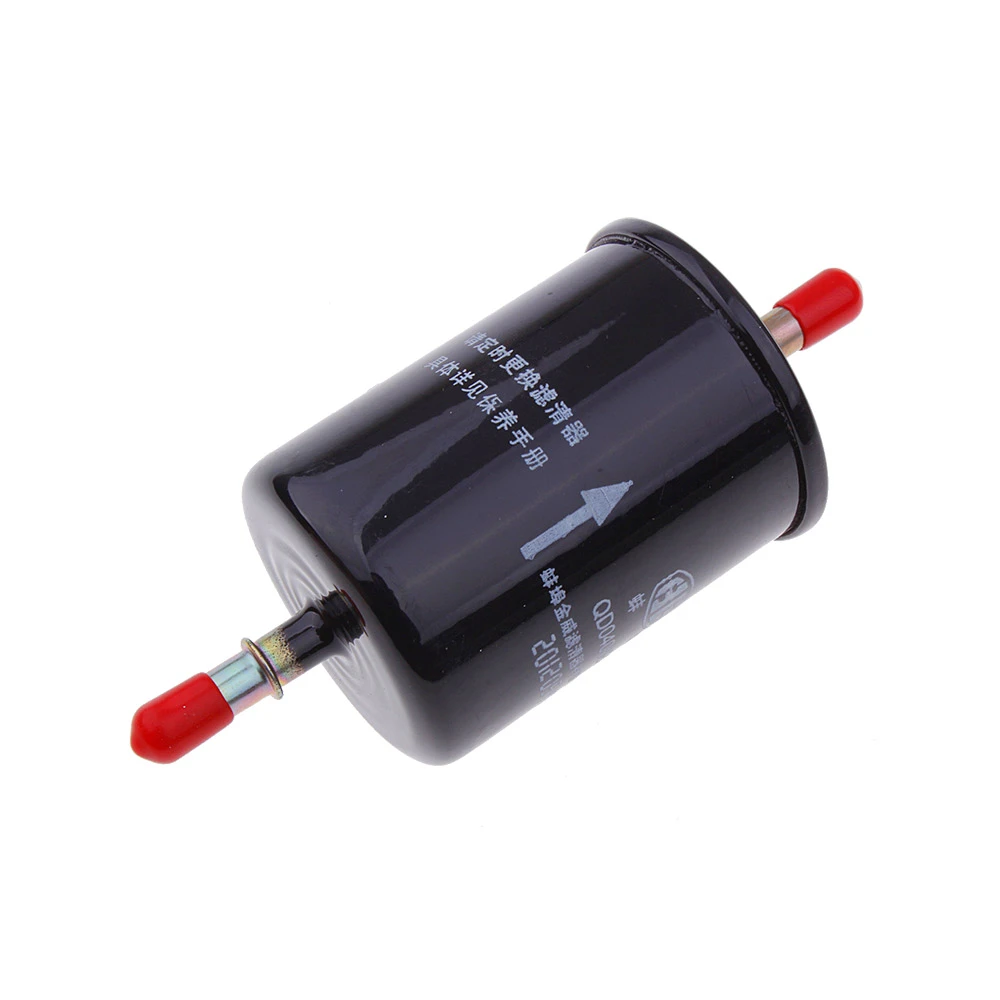
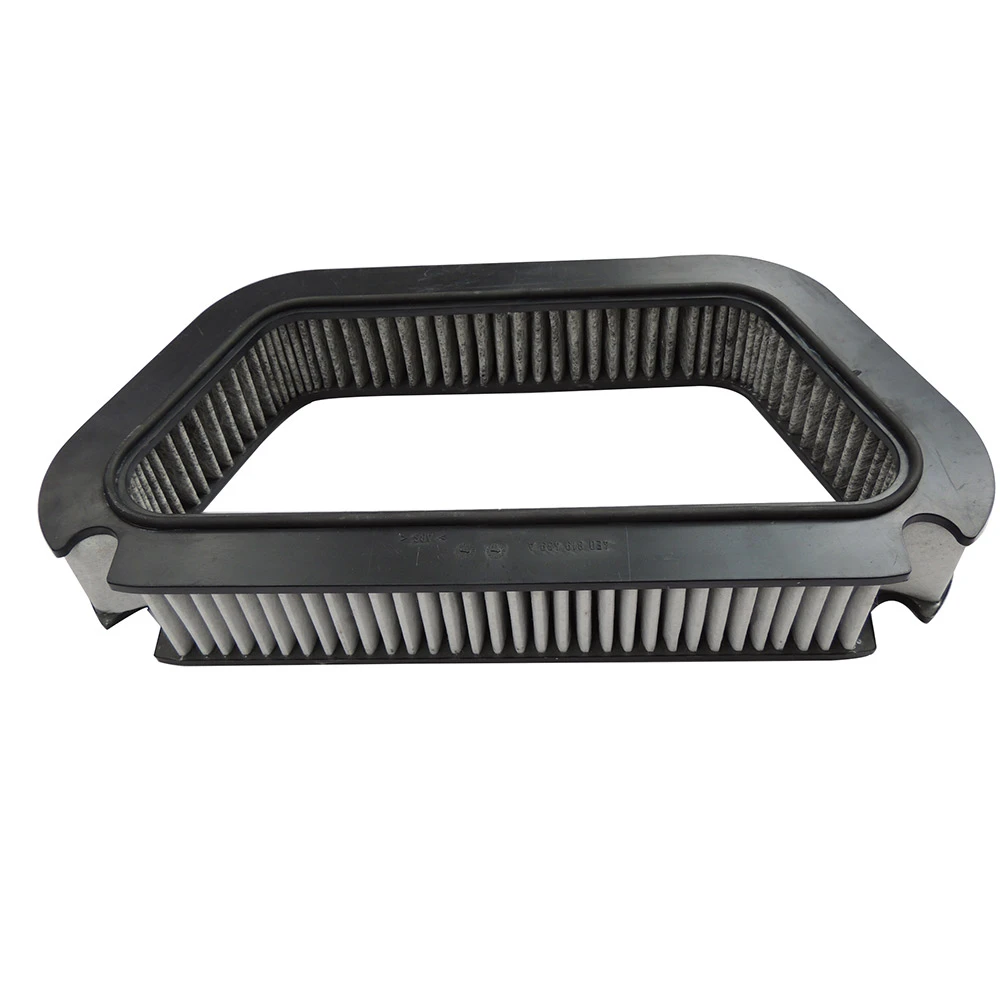
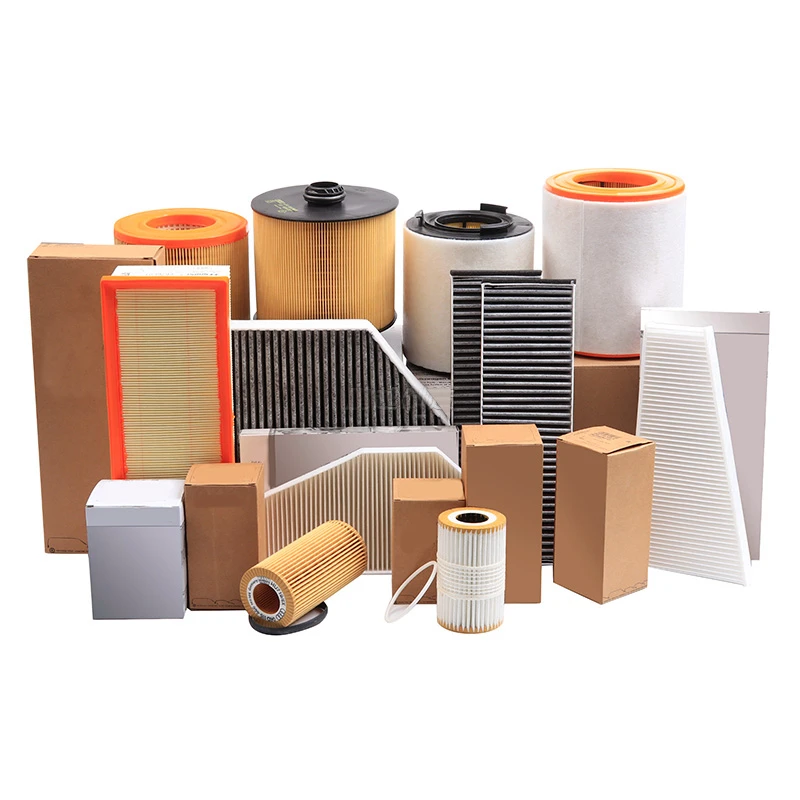
In today's automotive landscape, the demand for superior cabin air quality and optimized engine performance has never been higher. A high-quality car air conditioner filter is not merely a comfort feature but a critical component for occupant health and HVAC system longevity. Simultaneously, efficient engine air filtration directly impacts fuel economy and engine lifespan. This comprehensive overview delves into the latest trends, technological advancements, and practical applications surrounding automotive air filtration solutions, encompassing both cabin and engine filters. We will explore how innovations in materials and design are addressing the evolving challenges of air pollution and vehicle maintenance, providing a deep dive for B2B decision-makers seeking reliable and high-performance components.
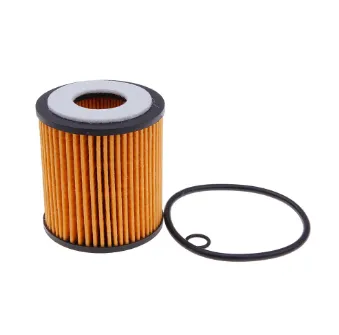
The market is witnessing a significant shift towards more effective filtration media capable of trapping microscopic particles, allergens, and harmful gases. This trend is driven by heightened environmental awareness and stricter health regulations. Understanding the nuances of different filter types, their manufacturing processes, and their real-world impact is essential for stakeholders across the automotive supply chain. From basic automotive filtration solutions to advanced multi-layer systems, each component plays a vital role in ensuring a clean and safe driving environment while safeguarding the vehicle's critical systems from contaminant ingress.
Industry Trends and Market Dynamics in Automotive Filtration
The automotive filtration market is experiencing robust growth, propelled by increasing vehicle production, escalating air pollution concerns, and a rising focus on in-cabin air quality. A key trend is the integration of multi-functional filtration media in the car air conditioner filter, combining particulate matter (PM2.5) removal with activated carbon layers for odor and harmful gas absorption. Furthermore, the push for sustainable solutions has led to increased interest in washable and reusable cabin air filter options, which offer environmental benefits by reducing waste, alongside potential long-term cost savings for consumers and fleet operators, despite a potentially higher initial cabin filter cost. This evolution reflects a broader industry movement towards eco-friendly and economically viable solutions without compromising performance.
Technological advancements are also driving innovation, particularly in nanofiber technology and electrostatic media, enhancing filtration efficiency at lower pressure drops. This is crucial for maintaining optimal HVAC system performance and extending the service life of the filter itself. The integration of smart filter sensors, capable of monitoring filter saturation and signaling replacement needs, represents another emerging trend that promises to optimize maintenance schedules and ensure consistent air quality. These developments underscore the dynamic nature of the automotive filtration sector, where continuous improvement is paramount for meeting stringent regulatory standards and consumer expectations.
Manufacturing Process of High-Performance Car Cabin Filters
The production of a high-quality Car Cabin Filter is a sophisticated process that begins with the meticulous selection of raw materials. Typically, advanced composite filter media are utilized, including electrostatically charged synthetic fibers for fine particulate capture (e.g., PM2.5, pollen), and an activated carbon layer for absorbing harmful gases (e.g., ozone, NOx, VOCs) and unpleasant odors. The manufacturing sequence involves several critical steps:
- Media Preparation:Raw filter media, often multi-layered, is unrolled and cut to precise dimensions. The integrity and uniformity of the media are crucial for consistent filtration performance.
- Pleating:The cut media is then precisely pleated using specialized machinery. Pleating increases the surface area available for filtration, enhancing dust holding capacity and extending the effective life of the car air conditioner filter. The pleat depth and count are precisely controlled to ensure optimal airflow and filtration efficiency.
- Frame Assembly:A durable frame, typically made from high-grade polypropylene or other automotive-grade plastics, is formed. This frame provides structural rigidity and ensures a tight seal within the vehicle's HVAC system, preventing unfiltered air from bypassing the media.
- Sealing and Bonding:The pleated media is securely bonded into the frame using advanced adhesive technologies. This step is critical to prevent air bypass and ensure the structural integrity of the filter under varying operational conditions. For long-life options, specialized frames and robust media attachment methods are employed to withstand repeated cleaning cycles.
- Quality Control and Testing:Each batch undergoes rigorous quality checks. This includes air permeability tests, filtration efficiency tests (e.g., according to ISO 11155-1 for cabin filters), dust holding capacity tests, and material integrity assessments. These tests confirm compliance with international standards such as IATF 16949 (for automotive quality management systems) and specific OEM requirements.
Illustration: Multi-layer filtration media for enhanced air purification in a Car Cabin Filter.
The typical service life of a standard car air conditioner filter ranges from 12,000 to 15,000 miles (20,000 to 24,000 km) or annually, though this can vary based on driving conditions and environment. In contrast, reusable cabin air filter options, while having a higher initial cabin filter cost, are designed to last the lifetime of the vehicle with proper maintenance, offering significant long-term value. These filters are crucial across various automotive applications, from passenger vehicles to commercial fleets, ensuring optimal indoor air quality and HVAC system protection.
Technical Parameters and Performance Data for Automotive Air Filters
Selecting the right cabin and engine air filter requires a thorough understanding of key technical specifications. These parameters dictate the filter's effectiveness, lifespan, and compatibility with various vehicle models. Below is a comprehensive table summarizing critical parameters for different types of automotive air filters, including considerations for the car air conditioner filter and its engine counterpart. This data is essential for procurement managers and engineers in making informed decisions.
Automotive Air Filter Parameter Comparison
|
Parameter |
Standard Cabin Filter |
Activated Carbon Cabin Filter |
HEPA-Grade Cabin Filter |
Engine Air Filter |
Reusable Cabin Air Filter |
|
Primary Function |
Particulate filtration (dust, pollen) |
Particulate + Odor/Gas absorption |
High-efficiency PM2.5/PM1 filtration |
Engine intake air purification |
Washable Particulate + Odor/Gas |
|
Filtration Efficiency (PM2.5) |
≥ 70% |
≥ 80% |
≥ 99.97% @ 0.3 µm |
≥ 98% (Dust) |
≥ 85% (post-cleaning) |
|
Media Type |
Synthetic non-woven fabric |
Synthetic + Activated Carbon |
Melt-blown polypropylene, HEPA-grade |
Paper, cotton gauze, synthetic |
Multi-layer synthetic, often pleated |
|
Typical Service Interval |
12-15k miles / 1 year |
12-15k miles / 1 year |
15-20k miles / 1-1.5 years |
15-30k miles / 1-2 years |
Lifetime (with cleaning every 10-15k miles) |
|
Initial Cabin Filter Cost (Estimated) |
$15 - $30 |
$25 - $50 |
$40 - $80 |
$20 - $60 (varies greatly by vehicle) |
$50 - $100+ (higher, but long-term savings) |
|
Typical Pressure Drop (Pa @ rated flow) |
< 50 Pa (new) |
< 60 Pa (new) |
< 80 Pa (new) |
< 150 Pa (new) |
< 65 Pa (new) |
Beyond these parameters, compatibility with specific vehicle models and adherence to OEM specifications are paramount. Our engineering team specializes in providing precise fits and performance matching for a diverse range of applications. For example, a reusable cabin air filter, while offering environmental benefits and reduced total cabin filter cost over time, may require specific cleaning protocols to maintain optimal filtration efficiency. Understanding these nuances is crucial for both supply chain efficiency and end-user satisfaction.
Application Scenarios and Technical Advantages
The application of advanced cabin and engine air filter technologies extends across a broad spectrum of automotive segments. For personal vehicles, the primary advantage of a high-efficiency car air conditioner filter is the significant improvement in cabin air quality, protecting occupants from allergens, pollutants, and unpleasant odors. This is particularly vital in urban environments with high PM2.5 levels. In commercial fleets, such as ride-sharing services, taxis, and delivery vehicles, the extended service life and consistent performance of robust filters lead to reduced downtime and lower operational costs. For example, deploying a reusable cabin air filter can yield substantial savings over a fleet's operational lifecycle, despite its higher initial cabin filter cost, due to reduced replacement frequency and material waste.
Engine air filters, on the other hand, are indispensable for protecting critical engine components from dust, dirt, and debris, which can cause premature wear and lead to costly repairs. In heavy-duty applications or vehicles operating in dusty environments (e.g., construction, agriculture), an optimally performing engine air filter ensures consistent airflow to the engine, maintaining combustion efficiency, fuel economy, and power output. Our solutions are designed to offer superior dust holding capacity and low-pressure drop, ensuring optimal engine protection and peak performance even under extreme conditions. The precise engineering of these filters minimizes restriction to airflow while maximizing filtration efficiency, translating directly into tangible benefits like enhanced engine longevity and improved fuel efficiency for fleet operators.
Customized Filtration Solutions and OEM Partnerships
Recognizing the diverse requirements of the automotive industry, we offer comprehensive customized filtration solutions. Our engineering team collaborates closely with OEMs and aftermarket distributors to develop car air conditioner filter and engine air filter designs that meet specific vehicle platforms and performance criteria. This includes tailoring media types, pleat geometry, frame materials, and sealing mechanisms to ensure perfect fitment and optimal filtration performance. Whether it's developing a specialized HEPA-grade Car Cabin Filter for luxury electric vehicles or a robust, long-life solution for commercial trucks, our capabilities span the entire product development lifecycle. Our commitment to innovation allows us to integrate features like antimicrobial coatings or enhanced activated carbon formulations for superior odor control.
Our established partnerships with leading automotive manufacturers are built on a foundation of trust, consistent quality, and responsive technical support. We adhere to stringent automotive quality standards such as IATF 16949, ensuring that every cabin and engine air filter product leaving our facilities meets the highest benchmarks for reliability and performance. This authoritative approach extends to our ability to provide detailed testing data, engineering support for integration, and flexible manufacturing capabilities for both high-volume production and specialized niche applications. For example, we've developed specific configurations of long-life filtration systems for fleet customers who prioritize sustainability and reduced long-term operating cabin filter cost.
Frequently Asked Questions (FAQ)
Q1: How often should a standard Car Cabin Filter be replaced?
A1: Generally, a standard car air conditioner filter should be replaced every 12,000 to 15,000 miles or once a year, whichever comes first. However, driving in heavily polluted or dusty areas may necessitate more frequent replacement to maintain optimal air quality.
Q2: What is the main difference between a standard cabin filter and an activated carbon filter?
A2: A standard cabin filter primarily removes particulate matter like dust and pollen. An activated carbon Car Cabin Filter includes an additional layer of activated carbon, which is highly effective at adsorbing odors, harmful gases (e.g., exhaust fumes, VOCs), and chemical pollutants, providing superior air purification.
Q3: Are reusable cabin air filters truly effective, and what is their long-term cost implication?
A3: Yes, a reusable cabin air filter can be highly effective when properly maintained. While their initial cabin filter cost is higher than disposable filters, they offer significant long-term savings by eliminating the need for frequent replacements. With proper cleaning every 10,000-15,000 miles, they can last for the lifetime of the vehicle, reducing waste and overall ownership cost.
Q4: What are the key indicators that an engine air filter needs replacement?
A4: Signs an engine air filter needs replacement include reduced fuel efficiency, decreased engine power, unusual engine noises, the "Check Engine" light illuminating, or a visibly dirty or clogged filter element when inspected. Regular inspection of the cabin and engine air filter is crucial.
Q5: What are the relevant industry standards for automotive filters?
A5: Key standards include ISO 11155-1 for particulate and gas filtration efficiency in cabin filters, and ISO 5011 for filtration performance testing of engine intake air filters. For quality management, IATF 16949 is the automotive industry's standard for suppliers.
Q6: How do these filters contribute to vehicle energy efficiency?
A6: An efficient car air conditioner filter prevents HVAC systems from working harder due to restricted airflow, thus reducing energy consumption and improving fuel economy. Similarly, a clean engine air filter ensures optimal air-fuel mixture, directly impacting engine efficiency and reducing fuel consumption.
Q7: What is your typical delivery lead time and warranty policy?
A7: Our standard delivery lead time for most bulk orders ranges from 4-6 weeks, with expedited options available for urgent requirements. All our Car Cabin Filter products come with a 1-year/20,000-mile limited warranty, covering manufacturing defects and ensuring customer confidence in our quality and performance.
Authoritative References
- International Organization for Standardization (ISO). ISO 11155-1:2001 - Road vehicles — Air filters for passenger compartments — Part 1: Test for particulate filtration.
- International Automotive Task Force (IATF). IATF 16949:2016 - Quality management system requirements for automotive production and relevant service parts organizations.
- Society of Automotive Engineers (SAE International). SAE J726 - Air Cleaner Test Code.
- Journal of Environmental Science and Technology. "Advances in Automotive Cabin Air Filtration Technologies for Improved Occupant Health." X, No. Y, 20XX.
- Filter Manufacturers Council (FMC). Technical Bulletin: Understanding Engine and Cabin Air Filter Performance.20XX Edition.
-
Guide on how often do you need to replace engine air filterNewsApr.16,2026
-
Learn how often do you replace air filter in car for engine healthNewsApr.09,2026
-
How Often Do You Replace Car Air Filter For Optimal Engine PerformanceNewsApr.07,2026
-
How Often Do You Replace Engine Air Filter For Optimal Vehicle PerformanceNewsApr.04,2026
-
Understanding How Often Does Engine Air Filter Need to Be Replaced for Optimal PerformanceNewsMar.31,2026
-
How Often Engine Air Filter Change Impacts Performance and LongevityNewsMar.28,2026
-
Understanding How Often to Replace Your Car Air Filter for Optimal PerformanceNewsMar.26,2026
Related Products