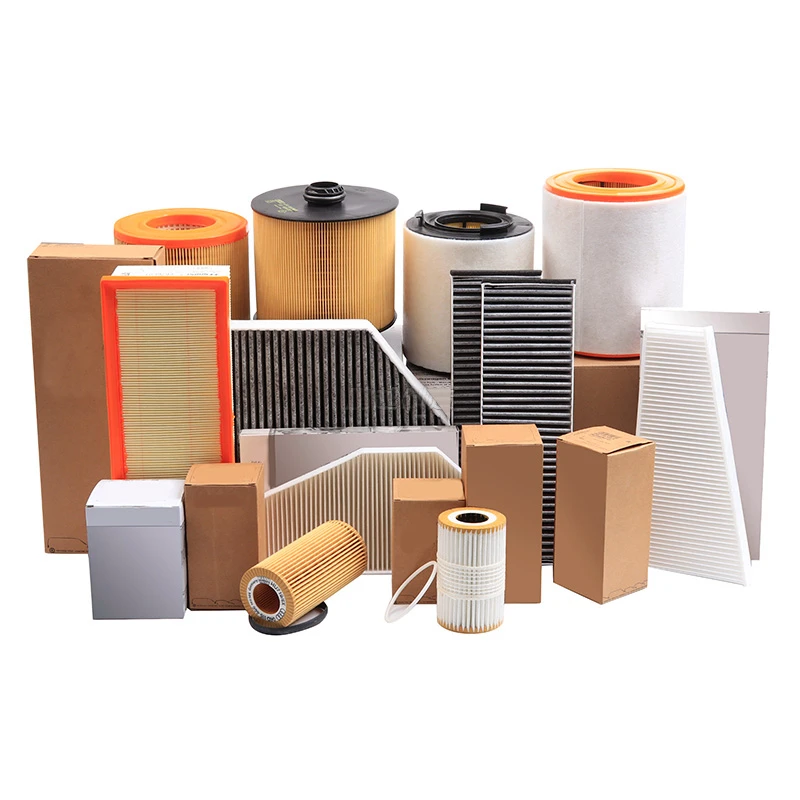
Industry Trends & The Indispensable Role of Fuel Filtration
The global demand for clean fuel is intensifying across all sectors, driven by stricter environmental regulations, the rising cost of engine maintenance, and the increasing complexity of modern fuel injection systems. Impurities in fuel, such as particulate matter, water, and microbial contaminants, can severely compromise engine performance, lead to premature wear, and even catastrophic failure. This evolving landscape underscores the critical importance of effective fuel filtration solutions.
In this context, the gasoline filter funnel emerges as a vital, often overlooked, component in maintaining fuel integrity. While often perceived as a simple device, advanced gasoline filter funnels incorporate sophisticated filtration media designed to capture even microscopic contaminants, preventing them from entering sensitive fuel tanks and systems. Current trends indicate a shift towards multi-stage filtration capabilities within these funnels, alongside enhanced material durability to withstand aggressive fuel additives and varying environmental conditions. The increasing adoption of biofuels and ethanol blends further complicates filtration requirements, necessitating materials and media resistant to chemical degradation and water emulsification. The market for sophisticated fuel pre-filtration tools, including advanced gasoline filter screens and gasoline strainers, is experiencing steady growth as end-users recognize the long-term cost savings associated with superior fuel hygiene.
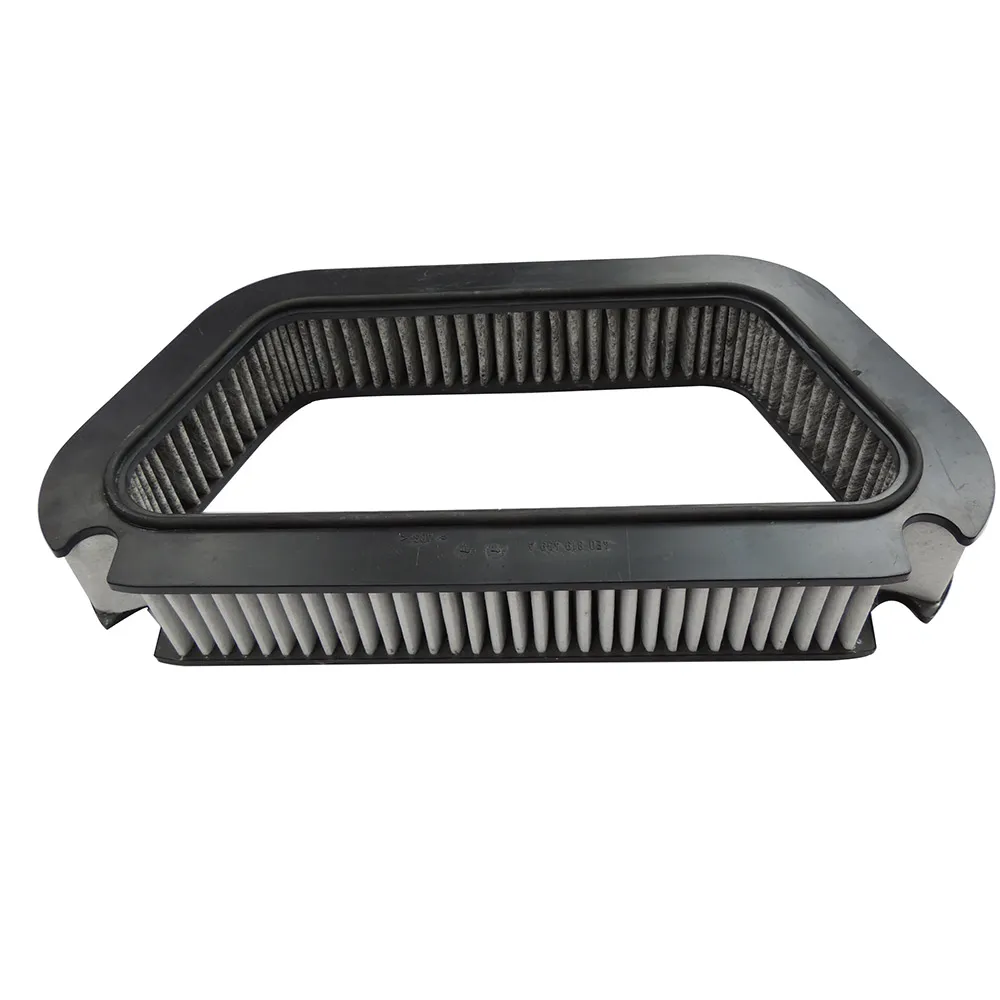
Manufacturing Process Flow for Advanced Gasoline Filter Funnels
The production of a high-performance gasoline filter funnel involves a meticulous multi-stage manufacturing process, ensuring both robust construction and exceptional filtration efficiency. Our commitment to quality adheres strictly to international standards such as ISO 9001 for quality management and relevant ANSI standards for dimensional accuracy.
Key Process Steps:
- Material Selection & Preparation: High-grade, chemically resistant materials are chosen. For the funnel body, this often includes durable polypropylene (PP) or high-density polyethylene (HDPE), known for their chemical inertness to various fuels and additives, as well as excellent impact resistance. The filtration media, often a multi-layered mesh, is typically fabricated from stainless steel (e.g., 304 or 316L for enhanced corrosion resistance) or specialized synthetic polymer fabrics. Incoming materials undergo stringent quality checks to meet specifications for purity and mechanical properties, adhering to ISO 2941 (Fluid power filter elements — Verification of collapse/burst resistance) and ISO 2942 (Fluid power filter elements — Verification of fabrication integrity).
- Funnel Body Formation (Injection Molding): The funnel structure is typically created through precision injection molding. Polymer pellets are melted and injected under high pressure into meticulously designed molds. This process ensures a consistent, seamless, and structurally sound funnel body, critical for preventing leaks and maintaining ergonomic design. Computer Numerical Control (CNC) machining is used in mold creation to ensure dimensional accuracy.
- Filter Media Fabrication: The heart of the system, the gasoline filter screen, is carefully manufactured. Stainless steel mesh is often woven or sintered to specific micron ratings (e.g., 50, 100, 250 microns). For finer filtration, multi-layered synthetic media may be precisely cut and pleated to maximize surface area within the compact funnel design. Pleating is crucial for achieving high flow rates while maintaining efficient particulate capture.
- Assembly & Sealing: The fabricated filter media is integrated into the funnel body. Advanced sealing techniques, such as ultrasonic welding or heat staking, are employed to create a secure, leak-proof bond between the filter element and the funnel housing. This prevents bypass filtration, ensuring all fuel passes through the media.
- Quality Control & Testing: Each unit undergoes rigorous testing. This includes visual inspections for defects, leak testing to ensure structural integrity, and flow rate performance verification. Random samples may undergo bubble point testing (ISO 2942) to confirm media integrity and micron rating. For critical applications, contamination level analysis using gravimetric methods may be performed. Our products consistently demonstrate a service life exceeding industry averages, often rated for thousands of liters of fuel throughput depending on fuel cleanliness and maintenance.
These manufacturing protocols ensure that our gasoline filter funnels provide exceptional advantages in typical application scenarios across target industries like petrochemicals, metallurgy, and water supply & drainage (for fuel storage and transfer systems). Advantages include significant energy saving by preventing fuel pump and injector clogging, superior corrosion resistance due to material selection, and extended equipment lifespan.
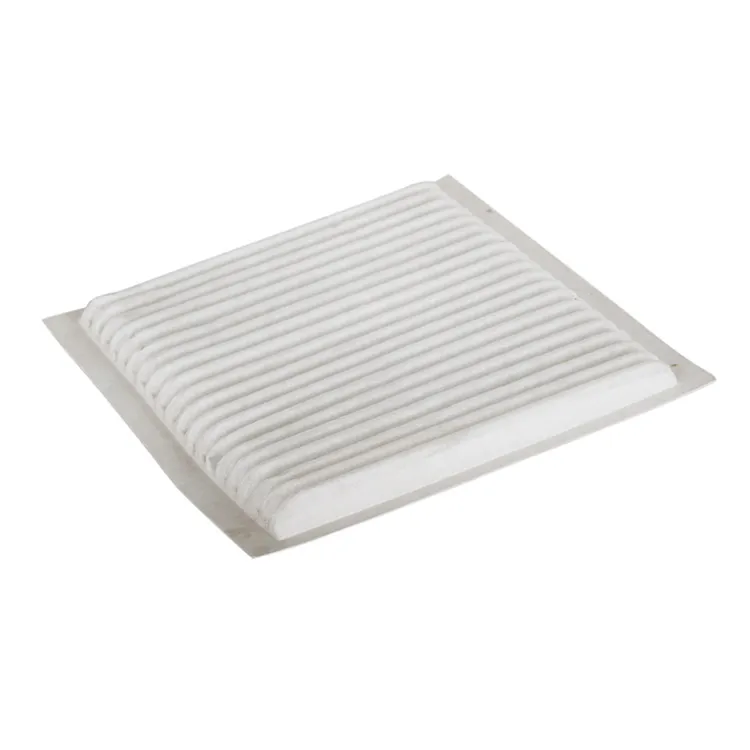
Technical Specifications & Performance Parameters
Understanding the technical specifications of a gasoline filter funnel is paramount for B2B decision-makers and engineers to select the appropriate solution for their specific operational demands. These parameters define the filtration efficiency, flow capacity, and durability of the device. Our products are engineered to meet and often exceed stringent performance benchmarks.
Typical Gasoline Filter Funnel Specifications:
| Parameter | Value/Description |
|---|---|
| Filtration Micron Rating | 50 micron (standard), 100 micron, 250 micron (coarse pre-filtration) |
| Flow Rate Capacity | Up to 15 liters per minute (LPM) / 4 gallons per minute (GPM) |
| Materials of Construction (Funnel) | High-Density Polyethylene (HDPE), Polypropylene (PP) – UV stabilized |
| Materials of Construction (Filter Screen) | 304 Stainless Steel Mesh, Advanced Synthetic Polymers |
| Operating Temperature Range | -20°C to +60°C (-4°F to +140°F) |
| Chemical Compatibility | Compatible with Gasoline, Diesel, Kerosene, Heating Oil, Ethanol Blends (E10, E15) |
| Dimensions (Example 1) | Funnel Diameter: 8 inches (200mm), Height: 10 inches (250mm) |
| Certifications | ISO 9001 Manufacturing, CE Compliant Materials |
Filtration Media Comparison (Gasoline Filter Screen Options):
| Media Type | Typical Micron Rating | Advantages | Disadvantages |
|---|---|---|---|
| Stainless Steel Mesh | 50-250 microns | Reusable, high strength, excellent chemical resistance, durable for coarse particles. | Limited fine particle removal, requires cleaning. |
| Synthetic Polymer Fabric | 10-100 microns | Finer filtration, good water separation (hydrophobic properties), disposable options. | Lower chemical resistance than SS, not typically reusable. |
These specifications ensure that our gasoline filter funnels effectively mitigate issues such as differential pressure build-up and maintain optimal flow rates, which are crucial for efficient fuel transfer operations. The selection of the appropriate micron rating, in conjunction with the fuel filter cost, is a critical economic and operational decision.
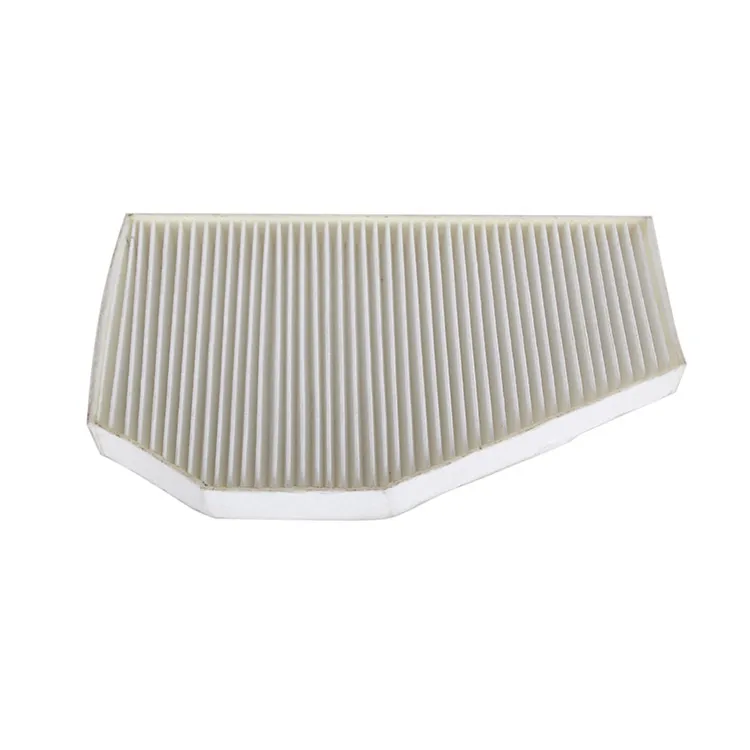
Application Scenarios & Technical Advantages
The robust design and superior filtration capabilities of our gasoline filter funnel systems make them indispensable across a wide array of industrial and commercial applications. The prevention of particulate contamination and water ingress at the point of refueling or transfer is critical for protecting high-value assets and ensuring operational continuity.
Target Industries & Usage Scenarios:
- Agriculture: Refueling tractors, combine harvesters, and other heavy machinery directly from farm storage tanks or drums. Prevents rust, sediment, and organic matter from entering sensitive fuel systems, which often encounter fuel from less-than-ideal storage conditions.
- Construction: On-site refueling of excavators, bulldozers, generators, and light towers. Construction environments are inherently dirty, making a reliable gasoline strainer crucial for preventing abrasive wear in engines.
- Marine: Filtering fuel for boats, yachts, and marine generators. Water in fuel is a pervasive issue in marine environments; our funnels with water-separating media protect against fuel system corrosion and microbial growth.
- Power Generation: Ensuring clean fuel for standby generators, critical for data centers, hospitals, and emergency services. Unfiltered fuel can lead to generator downtime, which is unacceptable in these scenarios.
- Industrial & Commercial Fleets: Refueling vehicles, forklifts, and industrial equipment. Regular use of a gasoline filter funnel reduces the total gas filter cost by extending the life of in-line filters and engine components.
Technical Advantages:
- Enhanced Engine Protection: By effectively removing abrasive particles and water, our funnels significantly reduce wear on fuel injectors, fuel pumps, and other critical engine components, leading to extended engine life and fewer costly repairs.
- Improved Fuel Economy: Clean fuel ensures optimal combustion, which translates directly to better fuel efficiency. Preventing injector fouling maintains precise fuel atomization, minimizing fuel waste.
- Reduced Maintenance & Downtime: Proactive filtration minimizes the need for reactive maintenance, such as fuel system flushes or filter replacements, reducing operational downtime and labor costs.
- Corrosion Resistance: Utilizing high-quality, fuel-compatible plastics and stainless steel for the filter mesh ensures long-term durability, even with aggressive modern fuels and harsh operating environments. This is particularly crucial for preventing rust and degradation of the filter itself.
- Environmental Compliance: By maintaining cleaner fuel and more efficient combustion, our solutions contribute to reduced emissions, helping organizations meet environmental regulations and sustain green initiatives.
- Simple & Cost-Effective Pre-Filtration: As a primary line of defense, the gasoline filter funnel is a low-cost, high-impact solution that dramatically extends the life of more expensive, finer inline filters.
These technical advantages directly translate into operational efficiencies and significant cost savings for businesses relying on fuel-powered equipment.
Vendor Comparison & Customized Solutions
In a competitive market, selecting the right supplier for critical components like a gasoline filter funnel requires a thorough evaluation beyond initial acquisition costs. Our company emphasizes not just product quality but also comprehensive support and the flexibility to meet unique client requirements.
Vendor Comparison Considerations:
| Feature | Our Offering (JY Filter) | Typical Competitor |
|---|---|---|
| Filtration Efficiency | Multi-stage, up to 50-micron nominal, effective water separation (99.9% free water removal) | Single-stage, often 100-250 micron, limited water separation |
| Material Durability | High-grade HDPE/PP with UV stabilization, 304/316L SS mesh. Chemical and impact resistant. | Standard PP, basic mesh. May degrade faster with aggressive fuels or UV exposure. |
| Customization Options | Micron rating, funnel size/shape, material grade, color, branding. OEM/ODM services. | Limited standard sizes and micron ratings. |
| Testing & Certifications | ISO 9001 certified manufacturing, performance tested to ISO 16889, CE compliant materials. | May lack independent testing or comprehensive certifications. |
| After-Sales Support | Dedicated technical support, 1-year warranty, spare parts availability. | Varies, often limited. |
Customized Solutions:
Recognizing that off-the-shelf solutions may not always perfectly align with complex industrial requirements, we offer extensive customization options for our gasoline filter funnels:
- Tailored Micron Ratings: From coarse 250-micron gasoline strainers for initial bulk transfer to fine 50-micron filters for critical applications, we can engineer filter media to precise specifications.
- Specific Material Requirements: For environments requiring enhanced chemical resistance or higher temperature tolerance, alternative polymer grades or specialized stainless steel alloys (e.g., Duplex SS) can be incorporated.
- Dimensional Adjustments: Funnel dimensions, spout configurations, and handle designs can be customized to integrate seamlessly with existing fueling equipment or to meet specific ergonomic needs for different operational contexts.
- OEM/ODM Services: We partner with equipment manufacturers to design and produce branded gasoline filter funnels that integrate perfectly with their product lines, offering a complete, high-quality solution to their end-users.
Our engineering team collaborates closely with clients to develop solutions that not only meet performance objectives but also optimize the overall gas filter cost through extended product life and reduced maintenance. We have partnered with leading energy distribution companies and agricultural equipment manufacturers, validating our commitment to quality and custom engineering over many years of service.
Application Case Studies: Proving Filtration Value
Real-world applications demonstrate the tangible benefits of employing a high-quality gasoline filter funnel. These case studies highlight how effective pre-filtration contributes to operational reliability and significant cost savings.
Case Study 1: Large-Scale Agricultural Fleet Management
A major agricultural cooperative operating a fleet of 50+ tractors and combine harvesters faced persistent issues with clogged fuel injectors and premature wear of fuel pumps. Fuel was sourced from bulk storage tanks on various farm sites, often exposed to environmental contaminants. Their existing refueling process involved basic funnels with coarse mesh screens, acting as a rudimentary gasoline strainer.
- Challenge: Frequent equipment downtime, high maintenance costs for fuel system components, and inconsistent fuel economy across the fleet. Total annual fuel system maintenance costs were estimated at $45,000.
- Solution: The cooperative implemented our advanced gasoline filter funnels with 50-micron multi-layered synthetic media for all on-site refueling operations. This provided a superior gasoline filter screen at the initial point of transfer.
- Results (Over 12 Months):
- Reduced fuel system-related downtime by 65%.
- A 40% reduction in annual fuel system maintenance costs, saving over $18,000.
- Reported a 2-3% improvement in average fleet fuel economy due to cleaner combustion.
- Extended the service interval for inline fuel filters by 30%, further reducing the overall gas filter cost.
Case Study 2: Marine Service & Rental Company
A marine service and rental company specializing in recreational boats experienced frequent water contamination in their fuel tanks, leading to microbial growth and engine issues. Their existing funnels provided minimal protection against water.
- Challenge: High incidence of fuel system issues caused by water in fuel, requiring costly fuel polishing and tank draining, impacting boat availability for rentals.
- Solution: The company adopted our specialized gasoline filter funnel with integrated water-separating filter media. This allowed them to visually confirm water removal during refueling.
- Results (Over 6 Months):
- Eliminated instances of water-related fuel system failures.
- Reduced the need for costly fuel biocide treatments by 80%.
- Increased rental boat availability by 15%, directly boosting revenue.
- Positive customer feedback on engine reliability and performance.
Frequently Asked Questions (FAQ)
Addressing Common Inquiries About Gasoline Filter Funnels
-
Q1: How often should the filter media in a gasoline filter funnel be cleaned or replaced?
A1: The frequency depends on the fuel cleanliness and usage volume. For reusable stainless steel mesh, it should be cleaned when flow rate visibly diminishes, or after every 200-500 gallons (750-1900 liters) of fuel passed. For synthetic media, which often isn't designed for cleaning, replacement is recommended when the flow slows significantly, typically after 500-1000 gallons (1900-3800 liters) or annually, whichever comes first. Regular inspection is key.
-
Q2: Can this funnel be used for fuels other than gasoline, such as diesel or kerosene?
A2: Yes, our funnels are designed for broad chemical compatibility and can effectively filter diesel, kerosene, and heating oil. The primary concern is ensuring the filter media's micron rating is appropriate for the target fuel and application. Using separate funnels for different fuel types is always recommended to prevent cross-contamination.
-
Q3: How effective is the funnel at separating water from fuel?
A3: Our specialized models incorporate hydrophobic filter media, which effectively repels free water while allowing fuel to pass. These can achieve over 99% removal of free water, which is visible as separate droplets or a layer at the bottom of the funnel. It is important to note that these funnels target free water, not emulsified water, which requires different filtration techniques.
-
Q4: What are the advantages of using a filtered funnel over a standard inline fuel filter?
A4: A filtered funnel acts as a critical first line of defense, catching gross contamination and free water before it enters the fuel tank or the vehicle's primary filtration system. This extends the life of more expensive inline filters, reduces their replacement frequency, and mitigates the risk of severe damage to fuel system components from large particles. It represents a proactive, rather than reactive, approach to fuel purity, ultimately lowering the overall gas filter cost.
-
Q5: Are these funnels suitable for commercial and industrial applications?
A5: Absolutely. Our funnels are designed with robust, chemically resistant materials and engineered for high flow rates, making them ideal for heavy-duty commercial and industrial environments where fuel cleanliness is paramount for machinery and operational uptime.
Lead Time, Warranty, & Customer Support
We understand the importance of reliable supply chains and comprehensive post-sales support for our B2B partners. Our commitment extends beyond product delivery to ensure long-term satisfaction and operational continuity.
Lead Time & Fulfillment:
- Standard Orders: For standard models of our gasoline filter funnel, typical lead times are 3-5 weeks from order confirmation to dispatch, depending on order volume and current production schedules. Expedited options may be available upon request.
- Customized Solutions: Lead times for customized funnels, including specific micron ratings, materials, or OEM branding, typically range from 6-10 weeks, allowing for design, prototyping, and specialized production runs. Our sales team provides detailed timelines for each custom project.
- Logistics: We partner with trusted global logistics providers to ensure efficient and secure delivery to your specified location. Freight options and tracking details are provided with each shipment.
Warranty Commitment:
We stand by the quality and durability of our products. All JY Filter Gasoline Filter Funnels are backed by a comprehensive 1-year limited warranty from the date of purchase. This warranty covers manufacturing defects in materials and workmanship under normal use and service conditions. It does not cover damage caused by misuse, abuse, unauthorized modification, or normal wear and tear of filter media. For detailed warranty terms and conditions, please refer to our official documentation.
Dedicated Customer Support:
- Technical Assistance: Our team of experienced engineers and product specialists is available to provide expert advice on product selection, application, installation, and troubleshooting.
- Sales Inquiries: For new orders, quotations, or partnership opportunities, our dedicated sales representatives are ready to assist you.
- After-Sales Service: For any post-purchase support, warranty claims, or feedback, our customer service team is committed to prompt and effective resolution.
- Contact Information: Please visit our website at www.jyfilter.com or reach out to our support team directly via email or phone for immediate assistance.
Our goal is to build long-standing relationships with our clients, underpinned by reliable products and exceptional service.
Conclusion
In an era where fuel quality directly impacts operational efficiency and equipment longevity, the strategic implementation of a high-quality gasoline filter funnel is no longer a mere accessory but an essential component of comprehensive fuel management. By providing a robust first line of defense against particulate contamination and water, these pre-filtration devices significantly reduce the risk of costly engine damage, minimize downtime, and extend the service life of both fuel systems and primary filters. Our commitment to stringent manufacturing processes, adherence to international quality standards, and offering customized solutions ensures that our gasoline filter funnels deliver unparalleled performance and reliability, ultimately safeguarding your critical assets and contributing to a more sustainable operational footprint.
References
- 1. International Organization for Standardization. ISO 4406: Hydraulic fluid power — Fluids — Method for coding the level of contamination by solid particles.
- 2. Society of Automotive Engineers. SAE J1488: Diesel Fuel Filters.
- 3. U.S. Environmental Protection Agency. Fuel Quality Standards.
- 4. American Society of Mechanical Engineers. ASME B16.34: Valves — Flanged, Threaded, and Welding End. (Relevant for material specifications and pressure ratings in filter housings).
- 5. National Renewable Energy Laboratory (NREL). Research on Biofuel Contaminants and Filtration.
-
Guide on how often do you need to replace engine air filterNewsApr.16,2026
-
Learn how often do you replace air filter in car for engine healthNewsApr.09,2026
-
How Often Do You Replace Car Air Filter For Optimal Engine PerformanceNewsApr.07,2026
-
How Often Do You Replace Engine Air Filter For Optimal Vehicle PerformanceNewsApr.04,2026
-
Understanding How Often Does Engine Air Filter Need to Be Replaced for Optimal PerformanceNewsMar.31,2026
-
How Often Engine Air Filter Change Impacts Performance and LongevityNewsMar.28,2026
-
Understanding How Often to Replace Your Car Air Filter for Optimal PerformanceNewsMar.26,2026
Related Products