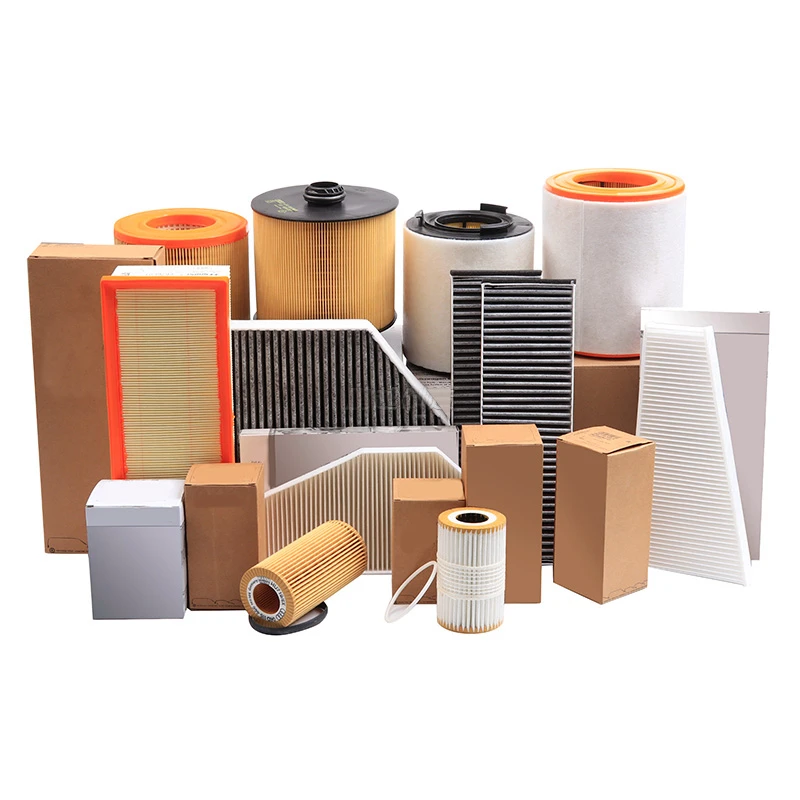
Introduction to Advanced Fuel Filtration Systems
In industrial and commercial operations, ensuring fuel purity is paramount for optimal equipment performance, longevity, and operational efficiency. Contaminants such as particulate matter, water, and microbial growth can severely compromise engine components, leading to costly downtime and maintenance. This is where a high-efficiency gasoline filter funnel becomes an indispensable tool. Designed to pre-filter fuel before it enters sensitive systems, these specialized funnels represent a critical first line of defense against fuel-borne impurities, safeguarding valuable assets across diverse sectors.
Our discussion will delve into the technical intricacies, application benefits, and strategic considerations for deploying advanced fuel filtration solutions, emphasizing their role in enhancing operational reliability and reducing overall gas filter cost over the equipment lifecycle.
Industry Trends in Fuel Filtration
The global fuel filtration market is experiencing robust growth, driven by stringent environmental regulations, increasing demand for fuel efficiency, and the proliferation of advanced, sensitive engine technologies. Key trends include the shift towards finer micron ratings, the integration of smart monitoring systems, and the development of sustainable, recyclable filter media.
- Enhanced Filtration Efficiency: Modern engines with high-pressure common rail (HPCR) systems demand ultra-clean fuel, necessitating filters capable of removing sub-micron particles and emulsified water. The evolution of filter media, including synthetic fibers and multi-layered designs, is crucial for achieving this.
- Biodiesel Compatibility: The increasing use of biodiesel blends presents new challenges, as these fuels can exacerbate microbial growth and carry more suspended solids. Filtration solutions must be specifically designed to handle these properties without compromising filter life or efficiency.
- Sustainable Materials: There is a growing emphasis on using environmentally friendly, biodegradable, or easily recyclable materials in filter construction, aligning with global sustainability initiatives.
- Preventative Maintenance & Monitoring: Predictive maintenance strategies are gaining traction, with filters incorporating sensors to monitor differential pressure, water accumulation, and filter saturation, providing real-time data for optimized replacement schedules.
These trends underscore the critical role of sophisticated filtration solutions, such as an advanced gasoline filter funnel, in maintaining operational integrity and environmental compliance.
Detailed Manufacturing Process Flow of a Gasoline Filter Funnel
The production of a high-performance gasoline filter funnel involves a series of precision-engineered steps designed to ensure durability, filtration efficacy, and chemical resistance. Our manufacturing process adheres strictly to international standards like ISO 9001 for quality management and relevant ANSI standards for material and design.
Step 1: Material Selection & Preparation
Primary materials for the funnel body include high-density polyethylene (HDPE) or chemically resistant polypropylene (PP) for lightweight, corrosion-resistant applications, or stainless steel (e.g., 304, 316L) for heavy-duty, industrial environments requiring extreme durability and chemical compatibility. Filter media, often a gasoline filter screen, typically consists of fine mesh woven polyester, nylon, or stainless steel, selected based on desired micron rating (e.g., 50-micron down to 10-micron). Incoming materials undergo stringent quality checks to meet ASTM or equivalent standards.
Step 2: Funnel Body Fabrication (Molding/Casting)
For polymer funnels, injection molding is employed. High-precision molds ensure consistent dimensions and smooth internal surfaces to prevent particulate accumulation. For metallic variants, casting processes (e.g., sand casting, investment casting) are followed by CNC machining to achieve exact tolerances and thread specifications for secure attachments. This stage emphasizes structural integrity and ergonomic design.
Step 3: Filter Element Integration
The chosen gasoline strainer element is precisely cut or formed and integrated into the funnel's lower section. This often involves ultrasonic welding for polymer filters to create a hermetic seal, or secure mechanical fastening for metallic mesh filters. The filter element's frame is designed for maximum surface area and minimal flow restriction.
Step 4: Assembly & Surface Treatment
Components such as handles, overflow prevention features, and anti-splash rims are assembled. Metallic funnels may undergo passivation or specialized coatings (e.g., epoxy, Teflon) to enhance chemical resistance and longevity. All joints and seals are meticulously checked.
Step 5: Quality Control & Testing
Each finished gasoline filter funnel undergoes rigorous testing. This includes visual inspection for defects, dimensional verification (ANSI B46.1), flow rate testing, and integrity checks of the filter media to ensure no bypass leakage. Burst pressure testing and material compatibility tests are performed on batches. Our products are designed for a service life exceeding 5 years under typical operating conditions.
Step 6: Packaging & Dispatch
Products are securely packaged to prevent damage during transit, with clear labeling indicating specifications and safety information. Target industries include petrochemical, oil & gas, marine, agriculture, and general automotive service, where energy saving and corrosion resistance are critical advantages.
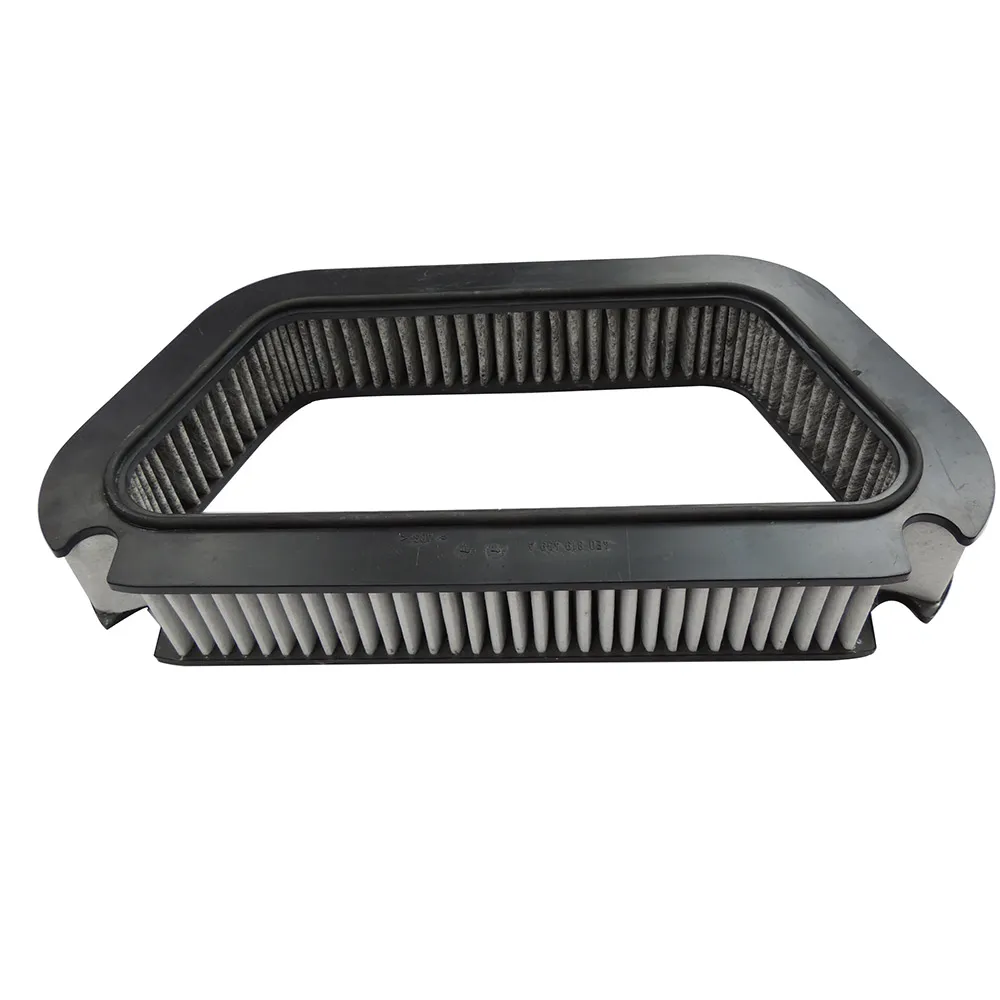
Figure 1: Illustration of a precision-engineered gasoline filter funnel.
Technical Specifications & Parameters
Understanding the technical specifications of a gasoline filter funnel is crucial for proper selection and integration into fuel handling protocols. The following table outlines key parameters based on industry standards and typical product offerings, emphasizing the robust performance of our gasoline filtration solutions.
| Parameter | Description | Typical Value Range | Unit |
|---|---|---|---|
| Material (Funnel Body) | High-density polyethylene (HDPE), Polypropylene (PP), 304/316L Stainless Steel | Varies by model | N/A |
| Filter Media Material | Woven Polyester, Stainless Steel Mesh, Fluorocarbon-treated Polymer | Varies by application | N/A |
| Micron Rating | Particle retention capability (nominal) | 10 to 100 | Microns |
| Flow Rate Capacity | Maximum flow without excessive pressure drop | Up to 20 | Gallons per minute (GPM) |
| Operating Temperature | Range for safe operation | -20 to +60 | °C |
| Chemical Compatibility | Resistance to gasoline, diesel, ethanol blends (E10, E85) | Excellent | N/A |
| Water Separation Efficiency | Ability to separate free water from fuel | Up to 98% | N/A |
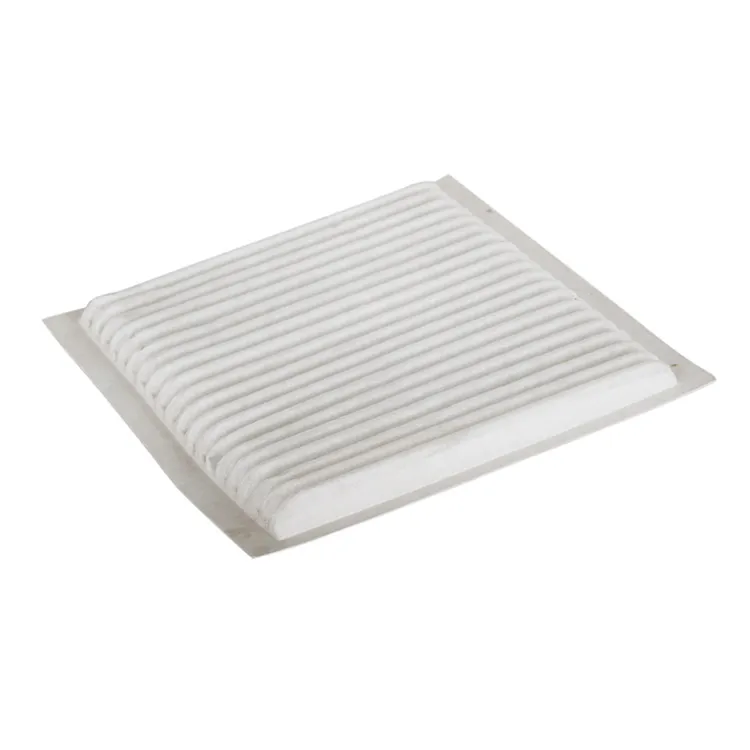
Figure 2: Cutaway view illustrating the multi-stage filtration design.
Technical Advantages of Our Gasoline Filter Funnels
Our gasoline filtration solutions offer distinct technical advantages that translate directly into operational benefits, cost savings, and enhanced equipment reliability. These advantages are a result of meticulous engineering and the selection of advanced materials.
- Superior Contaminant Removal: Employing specialized filter media, our funnels effectively capture particulate matter, rust, sediment, and free water, which are common culprits behind fuel system failures. The integrated gasoline filter screen is designed for optimal flow while ensuring maximum filtration efficiency.
- Extended Equipment Lifespan: By delivering exceptionally clean fuel, our filters significantly reduce wear and tear on injectors, fuel pumps, carburetors, and other critical engine components. This proactive protection extends the operational life of machinery and vehicles, minimizing the need for premature replacements and associated gas filter cost.
- Enhanced Fuel System Reliability: Clean fuel prevents blockages and malfunctions, ensuring consistent fuel delivery and optimal combustion. This is vital for critical applications where uninterrupted operation is non-negotiable.
- Corrosion Resistance: Constructed from chemically resistant polymers or marine-grade stainless steel, our funnels withstand the corrosive effects of various fuels, including ethanol and biodiesel blends, ensuring long-term integrity and performance even in harsh environments.
- User-Friendly Design: Features such as integrated water traps, wide-mouth openings, and sturdy handles make our funnels easy to use and maintain, promoting compliance with best practices for fuel handling.
- Compliance with Standards: Our manufacturing processes and products adhere to industry standards for fuel handling safety and environmental protection, providing peace of mind to our B2B clients.
Application Scenarios & Benefits
The versatility and critical importance of a high-quality gasoline filter funnel are evident across a multitude of industrial and commercial applications. Its primary function is to safeguard fuel quality at the point of transfer, preventing costly issues down the line.
- Petrochemical & Oil & Gas Operations: In demanding environments like oil rigs, refineries, and fuel transfer stations, ensuring the purity of fuel being delivered to generators, pumps, and heavy machinery is crucial. Our funnels prevent the ingress of sand, rust, and water from storage tanks into operational equipment, enhancing energy saving through optimized combustion and reducing maintenance cycles.
- Marine Industry: Boat owners, commercial fishing fleets, and offshore support vessels rely on clean fuel to prevent engine breakdowns at sea. A marine-grade gasoline filter funnel designed for corrosion resistance is essential for refueling, protecting sensitive marine engines from salt water intrusion and contaminants.
- Agriculture & Construction: Farm machinery, excavators, and construction vehicles often refuel from portable tanks in dusty, harsh conditions. Our robust funnels provide critical protection against airborne particulates and sediment from bulk storage, extending the life of expensive diesel and gasoline engines.
- Emergency Services & Remote Power Generation: For critical infrastructure like hospitals, data centers, and telecommunication towers that rely on backup generators, absolute fuel purity is non-negotiable. Utilizing a reliable gasoline filter funnel during emergency refueling operations ensures readiness and prevents system failure.
- Fleet Management & Transportation: Commercial truck fleets, bus companies, and logistics operations can significantly reduce fuel system maintenance costs and improve vehicle uptime by implementing filtered refueling practices. This translates directly to better operational efficiency and a lower total gas filter cost.
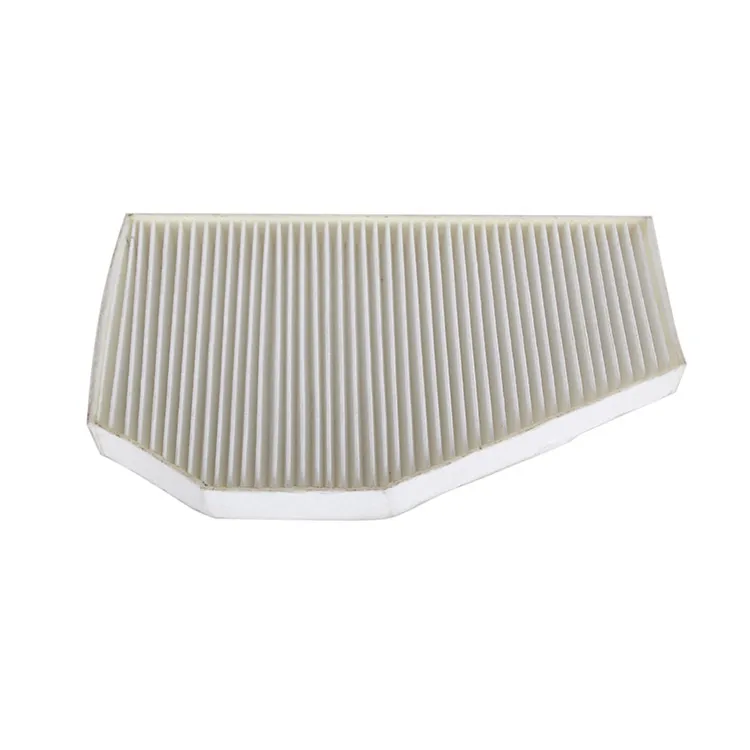
Figure 3: Gasoline filter funnels in an industrial refueling application.
Customized Solutions for Specific Needs
Recognizing that standard products may not always meet the unique challenges of every B2B application, we offer comprehensive customized solutions for gasoline filter funnel design and manufacturing. Our engineering team works closely with clients to develop filtration solutions precisely tailored to their operational requirements.
- Material Adaptation: Selection of specific polymers (e.g., anti-static, UV-resistant) or specialized metal alloys (e.g., Hastelloy for extreme chemical resistance) to match unique fuel compositions or environmental conditions.
- Micron Rating & Flow Optimization: Custom-designed filter media with precise pore sizes and optimized surface area to achieve specific filtration efficiency targets and flow rates for particular dispensing systems or fuel types. This includes multi-stage filtration capabilities.
- Ergonomic & Integration Design: Modifying funnel dimensions, spout designs, handle configurations, or adding specific mounting points for seamless integration into existing fuel handling infrastructure or machinery.
- Specialized Coatings: Application of internal or external coatings (e.g., hydrophobic, oleophobic, anti-bacterial) to enhance water separation, prevent microbial growth, or improve chemical resistance.
- Branding & Certification: Custom branding, color-coding, and specific certifications (e.g., ATEX for explosive atmospheres, marine classification societies) to meet industry-specific compliance requirements.
Our capability to deliver custom gasoline filter funnel solutions ensures that even the most niche and demanding filtration needs are met with unparalleled precision and reliability.
Vendor Comparison: Evaluating Gasoline Filter Funnel Suppliers
Selecting the right supplier for a gasoline filter funnel involves evaluating various factors beyond just the initial purchase price. A comprehensive assessment of product quality, technical support, customization capabilities, and long-term value is essential for B2B decision-makers. Below is a comparative overview to aid in this process.
| Feature/Criterion | JYFilter (Our Company) | Competitor A (Generalist) | Competitor B (Budget) |
|---|---|---|---|
| Filtration Efficiency | High (Down to 10 micron, 98% water sep.) | Moderate (50-100 micron, 85% water sep.) | Basic (100+ micron, minimal water sep.) |
| Material Quality | Premium (Virgin HDPE/PP, 316L SS options) | Standard (Recycled HDPE, 304 SS) | Economy (Mixed plastics, basic steel) |
| Customization Options | Extensive (Material, size, micron, features) | Limited (Color, basic branding) | None |
| Certifications | ISO 9001, CE, specific material certs | Basic CE marking | None specified |
| Warranty | 2-5 years (product dependent) | 1 year | 90 days |
| Technical Support | Dedicated engineering support, application guidance | Standard customer service | Email support only |
| Average Gas Filter Cost (Unit) | Mid-High (Reflects quality & features) | Mid | Low |
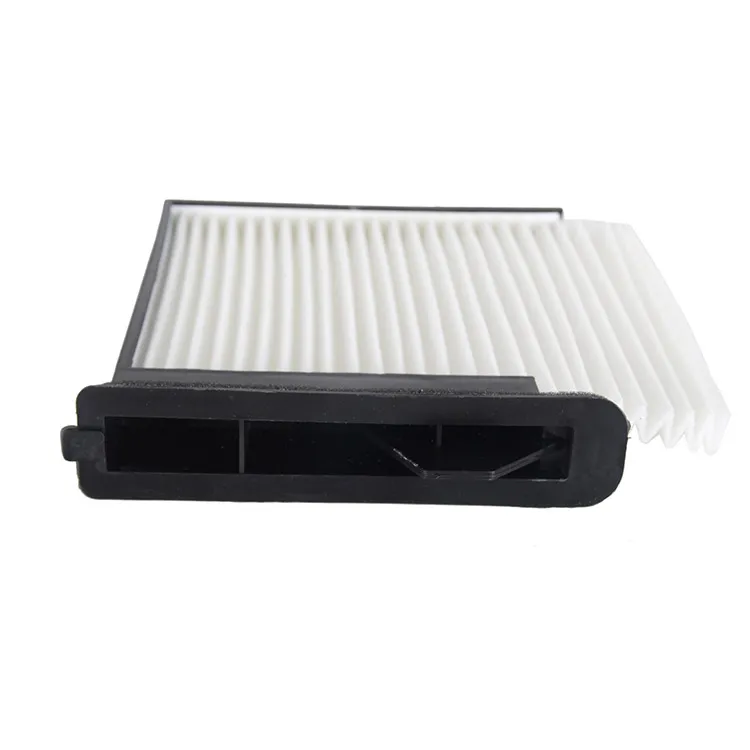
Figure 4: A range of gasoline filter funnels demonstrating diverse designs.
Application Case Studies
Real-world scenarios demonstrate the tangible benefits of integrating high-quality gasoline filter funnel solutions into fuel management protocols. Our experience with various clients underscores the importance of reliable filtration.
Case Study 1: Remote Power Generation Facility
A client operating a critical remote power generation facility in a desert environment faced recurring issues with generator downtime due to fuel contamination. Dust and sand frequently infiltrated bulk fuel tanks, leading to clogged fuel injectors and premature wear of fuel pumps. Upon implementing our custom-designed gasoline filter funnel with a 25-micron gasoline filter screen and enhanced dust sealing features, the facility observed a 60% reduction in fuel system-related maintenance events within the first year. This resulted in significant cost savings in parts and labor, and more importantly, ensured uninterrupted power supply, a critical factor for their operations.
Case Study 2: Commercial Marine Fleet
A commercial marine fleet experienced frequent engine performance issues and injector failures, attributed to water and particulate ingress during ship-to-shore bunkering. They adopted our marine-grade gasoline filter funnel, constructed from 316L stainless steel with a high-efficiency water-separating media. The result was a dramatic improvement in fuel quality delivered to their vessels. Engine component lifespan increased by an average of 35%, and unscheduled maintenance due to fuel contamination was virtually eliminated, leading to substantial operational savings and improved fleet reliability.
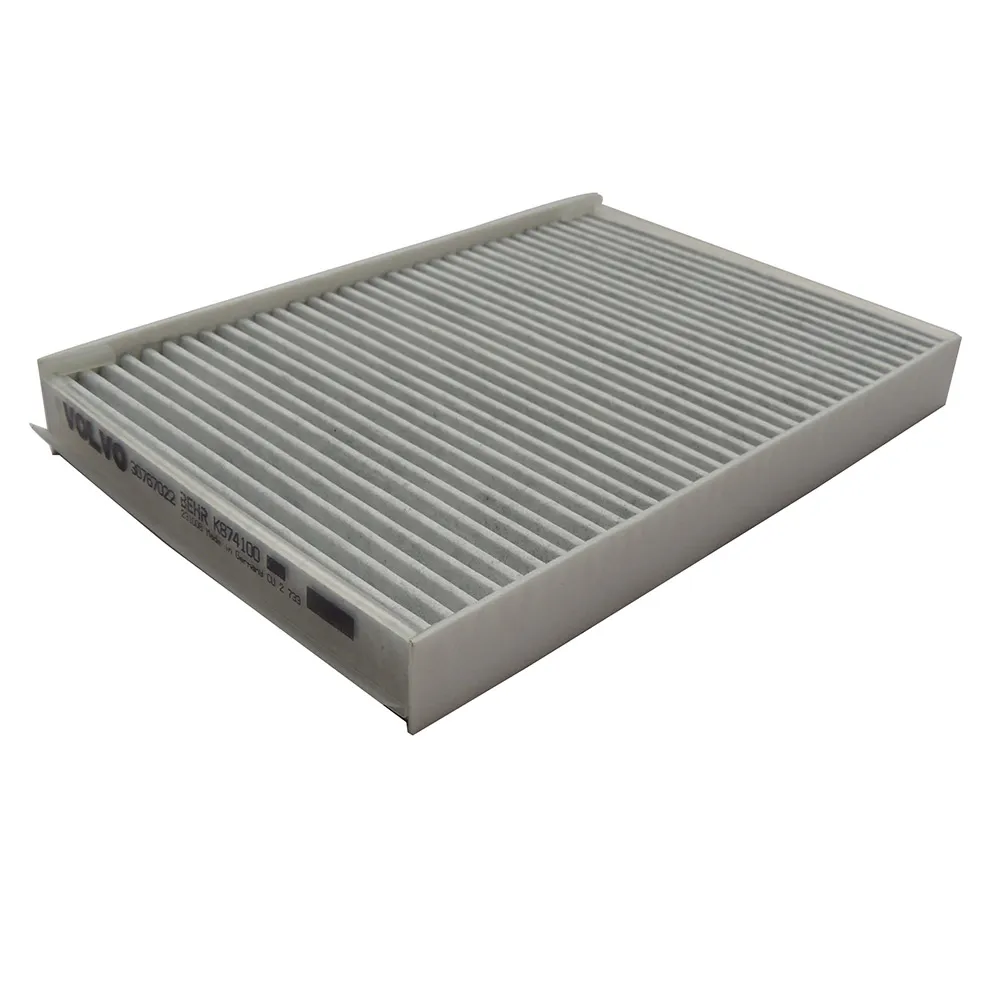
Figure 5: Practical application of a gasoline filter funnel in a field environment.
Frequently Asked Questions (FAQ)
- Q1: How often should a gasoline filter funnel be cleaned or replaced?
- A1: The frequency depends on the fuel quality and volume filtered. For reusable funnels, the filter screen should be cleaned with a suitable solvent after every few uses or when a noticeable reduction in flow rate occurs. Replace the screen if any damage or degradation is observed. For disposable types, replace after specified usage or visible contamination.
- Q2: Can your gasoline filter funnel handle different fuel types, like E85 or diesel?
- A2: Yes, our standard funnels are designed for broad chemical compatibility, including gasoline, diesel, kerosene, and ethanol blends up to E85. For highly specialized fuels or additives, we recommend consulting our technical team for material compatibility verification or custom solutions.
- Q3: What micron rating is recommended for general-purpose fuel filtration?
- A3: For general-purpose pre-filtration using a gasoline strainer, a 50-micron rating is typically effective for removing visible particulates. For more sensitive equipment (e.g., modern diesel engines, HPCR systems), a finer 25 or 10-micron rating is recommended to prevent damage to precision components.
- Q4: What is the typical lead time for custom gasoline filter funnel orders?
- A4: Standard products typically ship within 3-5 business days. For customized solutions, lead times vary based on design complexity, material sourcing, and production schedules, usually ranging from 4 to 8 weeks after final design approval. We provide precise estimates upon project scope definition.
- Q5: What warranty do you offer on your products?
- A5: We offer a comprehensive warranty against manufacturing defects. The standard warranty period is 2 years for most products, with extended warranties up to 5 years available for select industrial-grade funnels and components. Specific warranty details are provided with each product quotation.
Lead Time, Fulfillment, Warranty & Customer Support
Lead Time & Fulfillment
We understand the importance of timely delivery in industrial operations. For standard gasoline filter funnel products, our typical lead time is 3-5 business days for ex-works shipment, assuming stock availability. Large volume orders or custom solutions will have lead times quoted on a project-specific basis, factoring in raw material procurement and manufacturing complexity. We utilize efficient logistics partners to ensure global reach and reliable delivery.
Warranty Commitments
All our gasoline filter funnel products are backed by a robust warranty against defects in materials and workmanship. The standard warranty period is two (2) years from the date of purchase. For certain high-performance industrial models, an extended warranty of up to five (5) years is available. This commitment reflects our confidence in the quality and durability of our filtration solutions, ensuring peace of mind for our clients and minimizing the long-term gas filter cost.
Customer Support
Our dedicated customer support team is available to assist with product selection, technical inquiries, installation guidance, and troubleshooting. Support channels include:
- Technical Hotlines: Direct access to engineering experts for complex queries.
- Email Support: Responsive assistance for detailed questions and documentation requests.
- Online Portal: Access to product manuals, FAQs, and order tracking information.
- Field Support: On-site assistance available for critical applications or complex system integrations.
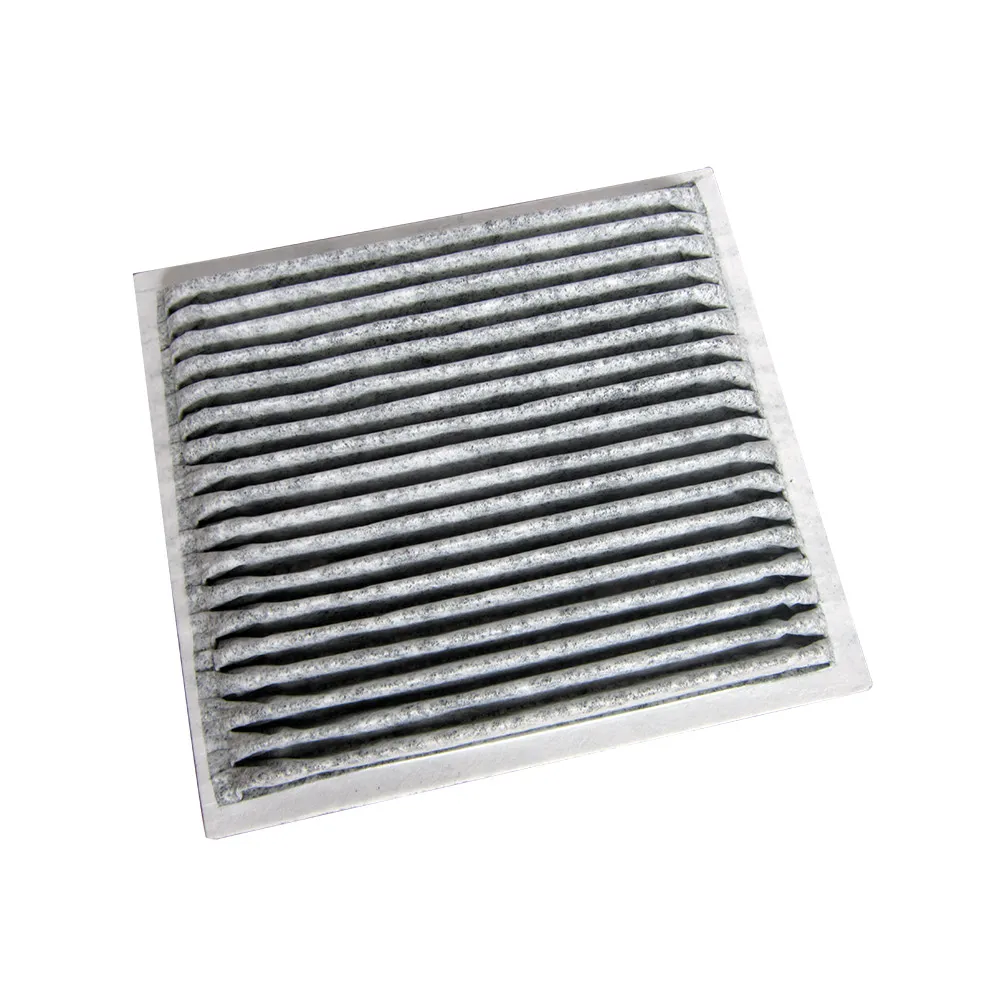
Figure 6: Professional packaging ensuring product integrity during transit.
Conclusion
The strategic implementation of a high-quality gasoline filter funnel is a cornerstone of effective fuel management in any industrial or commercial setting. From safeguarding delicate engine components against microscopic contaminants and water to extending equipment lifespan and ensuring operational continuity, the benefits are clear and quantifiable. By choosing a solution designed for precision, durability, and adaptability, businesses can significantly mitigate risks associated with fuel contamination, optimize performance, and achieve substantial long-term savings in maintenance and replacement costs. Our commitment to engineering excellence, rigorous quality control, and comprehensive customer support ensures that our filtration products deliver unparalleled reliability and value.
References
- SAE International. (2021). J1488: Fuel Filter Test Procedure. Warrendale, PA: SAE International.
- International Organization for Standardization. (2018). ISO 2941: Hydraulic fluid power - Filter elements - Verification of collapse/burst pressure rating. Geneva, Switzerland: ISO.
- American National Standards Institute. (2016). ANSI B31.3: Process Piping. New York, NY: ASME.
- Journal of Fluid Mechanics. (2019). "Studies on Particle Filtration Efficiency in Porous Media." Cambridge University Press.
- Environmental Protection Agency. (2023). "Fuel Quality Standards and Regulations." Washington D.C.: EPA.
-
Guide on how often do you need to replace engine air filterNewsApr.16,2026
-
Learn how often do you replace air filter in car for engine healthNewsApr.09,2026
-
How Often Do You Replace Car Air Filter For Optimal Engine PerformanceNewsApr.07,2026
-
How Often Do You Replace Engine Air Filter For Optimal Vehicle PerformanceNewsApr.04,2026
-
Understanding How Often Does Engine Air Filter Need to Be Replaced for Optimal PerformanceNewsMar.31,2026
-
How Often Engine Air Filter Change Impacts Performance and LongevityNewsMar.28,2026
-
Understanding How Often to Replace Your Car Air Filter for Optimal PerformanceNewsMar.26,2026
Related Products