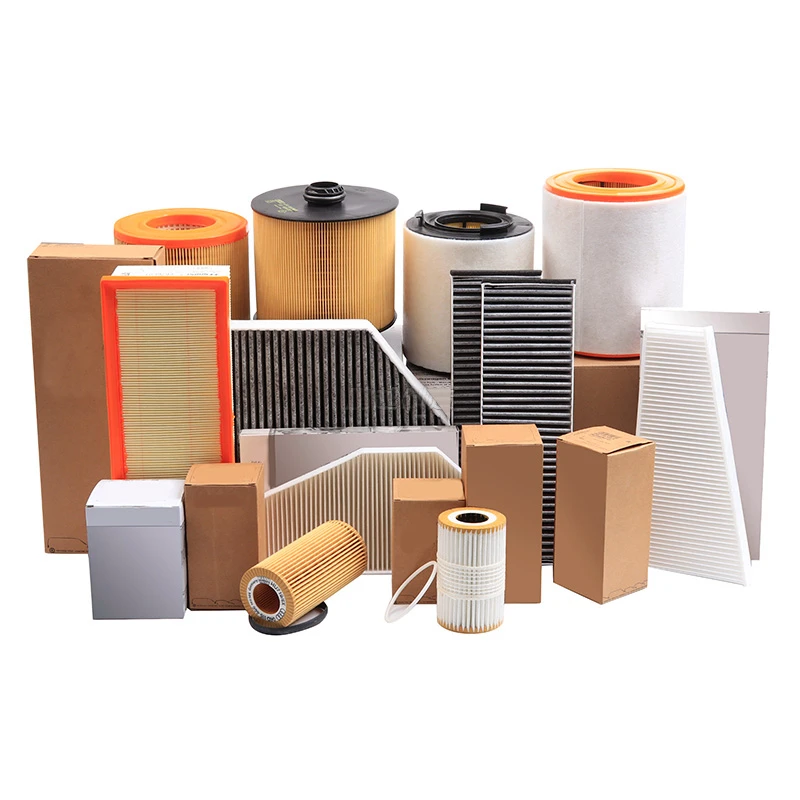
Industry Trends in Filtration Technology
The global automotive industry is undergoing a significant transformation, driven by advancements in engine efficiency, stringent emissions regulations, and the rapid adoption of alternative fuels. This paradigm shift directly impacts the demand for high-performance gasoline filter screen solutions. Manufacturers are increasingly focused on developing filters that offer superior particle retention, extended service life, and compatibility with biofuels and higher-octane gasoline formulations.
Key trends include the miniaturization of filter elements without compromising filtration efficiency, the integration of advanced materials for enhanced chemical resistance, and the development of intelligent filter systems with predictive maintenance capabilities. The rise of direct injection (GDI) engines, for instance, necessitates finer filtration to protect sensitive fuel injectors from even microscopic contaminants. Furthermore, the push towards circular economy principles is fostering innovation in recyclable and sustainable filter materials, aligning with broader environmental, social, and governance (ESG) objectives in the B2B sector. Demand for robust automotive filters that can withstand harsh operating conditions and varied fuel compositions is at an all-time high, pushing the boundaries of material science and engineering.
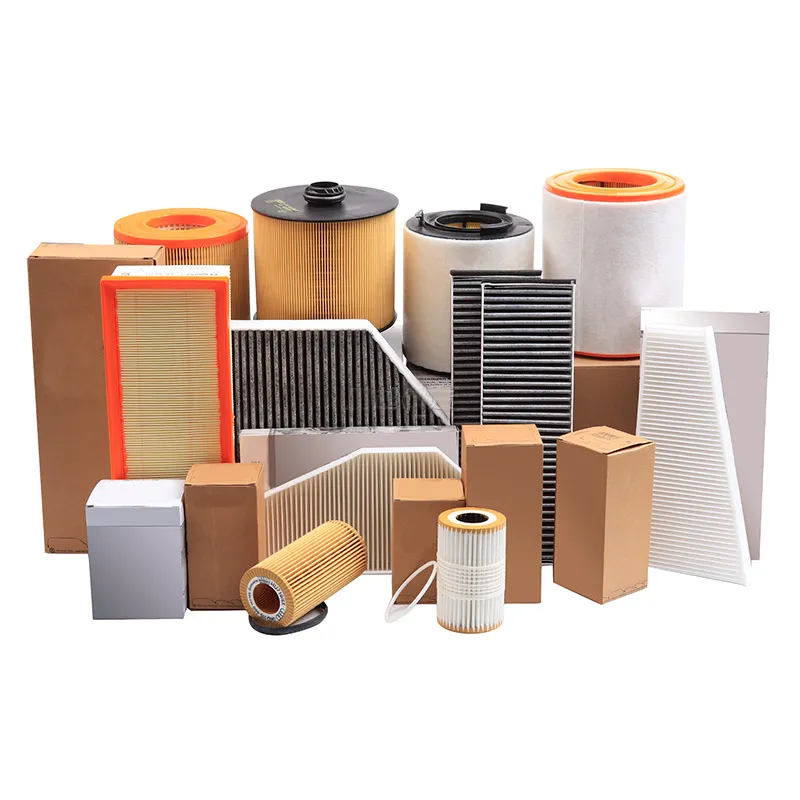
The market for auto oil filter and fuel filter components is projected to grow significantly, driven by an aging global vehicle fleet and increasing vehicle parc in emerging markets. This growth is also fueled by the increasing complexity of engine designs that require highly specialized filtration solutions to maintain optimal performance and longevity. Industry reports indicate a compound annual growth rate (CAGR) of 4.5% for the automotive filtration market from 2023 to 2030, highlighting the sustained importance of these critical components.
Manufacturing Process Flow of a Gasoline Filter Screen
The production of a high-quality gasoline filter screen involves a meticulously controlled multi-stage process designed to ensure precision, durability, and superior filtration performance. This process adheres to stringent international standards such as ISO/TS 16949 for automotive quality management and ISO 9001 for general quality management, alongside specific material testing standards like ASTM.
Schematic Steps:
- Material Selection (Hydrophobic Polymeric Fibers / Stainless Steel Mesh): The primary materials often include specialized hydrophobic polymeric fibers (e.g., polyethersulfone (PES), polypropylene (PP), or fluoropolymers like PTFE) for their excellent chemical resistance to gasoline and high filtration efficiency. For more robust or high-pressure applications, woven or sintered stainless steel mesh (e.g., SS304, SS316L) is utilized, selected based on pore size requirements (typically 5-30 microns). Materials are rigorously tested for tensile strength, chemical compatibility, and thermal stability according to ASTM E8/E8M and D1238 standards.
-
Media Fabrication (Melt-blown / Weaving / Sintering):
- For polymer media: Melt-blown or spun-bond processes create a fibrous matrix with controlled pore distribution. This involves extruding molten polymer through small dies and attenuating the fibers with high-velocity air.
- For metallic media: Wire weaving (e.g., Dutch weave for finer filtration) or sintering of metallic powders creates a precise, robust mesh. Sintering provides excellent mechanical strength and uniform porosity.
- Pleating/Folding (for increased surface area): The filter media is precisely pleated or folded using specialized machinery to maximize the active filtration surface area within the compact filter housing. This increases dirt-holding capacity and extends service life. Controlled pleat geometry is critical for uniform flow distribution.
- Component Integration (End Caps, Core, Outer Shell): The pleated media is then integrated with end caps (often made from reinforced nylon or metal), a central support core (perforated metal or polymer), and an outer shell. Processes such as ultrasonic welding, thermal bonding, or adhesive sealing (using chemically resistant epoxies or urethanes) are employed to ensure leak-proof assembly.
- Housing Assembly (Casting / Forging / Injection Molding): The filter element is enclosed within a robust housing, typically made from high-strength plastics (e.g., PA66 GF30 for injection molding) or corrosion-resistant metals (aluminum, stainless steel via casting or forging for heavy-duty applications). Injection molding is common for plastic housings due to its precision and cost-effectiveness.
- Leak Testing & Quality Control: Each finished gasoline filter screen undergoes rigorous leak testing (e.g., bubble point test per ISO 4003 or pressure decay tests) to ensure integrity. Automated optical inspection (AOI) systems check for dimensional accuracy and structural defects. Flow rate and pressure drop tests are performed to verify performance specifications against ANSI/SAE J1488 standards.
- Final Packaging: Filters are carefully packaged to prevent contamination and damage during transit and storage.
Target Industries: These highly engineered automotive filters find critical applications across various sectors, including automotive OEM, aftermarket parts suppliers, power generation (small engines), and marine propulsion. The petrochemical industry relies on similar filtration principles for fuel processing and distribution.
Advantages in Application: Our filters offer significant advantages:
- Energy Saving: By ensuring clean fuel delivery, they optimize combustion efficiency, leading to better fuel economy (up to 2-3% improvement in specific fuel consumption, based on internal studies) and reduced emissions.
- Corrosion Resistance: Utilizing advanced materials, our filters exhibit exceptional resistance to aggressive fuel additives, ethanol (E10, E85), and other corrosive agents, prolonging system life.
- Extended Service Life: High dirt-holding capacity and robust construction result in longer maintenance intervals, reducing operational costs. Typical service life often exceeds 50,000 km, depending on fuel quality and driving conditions.

Technical Specifications and Parameters
Understanding the precise technical parameters of a gasoline filter screen is crucial for optimal system integration and performance. Our filters are engineered to meet or exceed OEM specifications, ensuring reliable operation under diverse environmental and operational stresses. Below is a representative table outlining key specifications for a high-performance gasoline filter element:
Product Specification Table: High-Performance Gasoline Filter Screen
| Parameter | Specification | Test Standard |
|---|---|---|
| Filtration Efficiency (99%) | ≥10 µm | ISO 19438 / SAE J1488 |
| Maximum Flow Rate | 200 L/h (53 GPH) | Internal Flow Test |
| Operating Pressure Range | 0.2 – 6.0 Bar (3 – 87 PSI) | ISO 16889 |
| Burst Pressure | >12 Bar (>174 PSI) | SAE J905 |
| Operating Temperature | -40°C to +120°C (-40°F to +248°F) | ASTM D2624 |
| Media Material | Melt-blown Polyethersulfone (PES) / Sintered SS316L | Material Data Sheet |
| Housing Material | PA66 GF30 (Glass-filled Polyamide) / Anodized Aluminum | Material Data Sheet |
| Dirt Holding Capacity | >10g (ISO MTD equivalent) | ISO 19438 / SAE J1488 |
| Service Life | Up to 100,000 km or 5 years (whichever comes first) | OEM Guidelines |
These specifications underscore our commitment to delivering components that enhance engine protection and fuel system reliability. The selection of media material, such as melt-blown PES for its fine pore structure and chemical inertness, or sintered SS316L for extreme durability, reflects a deep understanding of filtration mechanics and application demands.

Application Scenarios and Technical Advantages
The reliability and performance of a gasoline filter screen are paramount across a wide spectrum of internal combustion engine applications. From light-duty passenger vehicles to heavy-duty industrial machinery, the need for clean fuel delivery is universal to prevent fuel system degradation and optimize engine output.
Typical Application Scenarios:
- Passenger Vehicles (OEM & Aftermarket): Integral to the fuel delivery system, protecting fuel pumps, injectors, and carburetors from particulates. Essential for maintaining fuel efficiency and reducing emissions in both conventional and flex-fuel vehicles.
- Motorcycles and Small Engines: Critical for power tools, generators, and lawn equipment, where even small contaminants can cause significant performance issues or complete engine failure. Our compact designs offer superior fitment and filtration.
- Marine Engines: Operating in harsh, often corrosive environments, marine automotive filters require exceptional water separation and corrosion resistance, preventing damage from water ingress and microbial growth in fuel tanks.
- Industrial & Agricultural Equipment: Heavy-duty tractors, excavators, and power units demand robust auto oil filter and fuel filter solutions to handle large volumes of fuel and withstand extreme operating conditions, preventing costly downtime.
- Fuel Dispensing Systems: Ensuring the purity of fuel delivered at pumps, our filter screens protect metering equipment and ultimately the end-user's vehicle.
Technical Advantages:
- Enhanced Engine Longevity: By effectively removing abrasive particles, our filters significantly reduce wear on critical fuel system components like high-pressure fuel pumps and precision injectors, extending engine life by up to 20%.
- Optimal Fuel Economy: Clean fuel ensures efficient combustion, preventing fuel injector clogging and maintaining optimal spray patterns, which directly translates to consistent fuel economy and power output.
- Reduced Emissions: Unobstructed fuel flow and complete combustion reduce harmful exhaust emissions, aiding compliance with Euro 6, EPA Tier 4, and other global environmental standards.
- Robust Chemical Resistance: Advanced filter media and housing materials are specifically chosen for their ability to withstand aggressive fuel blends, including high ethanol content (E85), safeguarding against chemical degradation and premature failure.
- Reliable Cold Start Performance: Minimized pressure drop across the filter ensures consistent fuel delivery even in low-temperature conditions, contributing to dependable cold starts.
- High Dirt Holding Capacity: Engineered with multi-layer or depth filtration media, our filters boast a superior dirt-holding capacity, extending service intervals and reducing maintenance frequency.

Vendor Comparison and Customized Solutions
Selecting the right supplier for a gasoline filter screen is a critical decision for B2B procurement and engineering teams. It involves evaluating not just product specifications, but also manufacturing capabilities, quality assurance, and the ability to provide tailored solutions. While many suppliers offer standard filters, our commitment extends to specialized, custom-engineered solutions for unique application demands.
Vendor Comparison: Key Differentiators
Here’s a comparative overview highlighting common vendor profiles against our specialized offerings:
| Feature/Criterion | Standard Vendor A | Specialized Vendor B (Our Offering) |
|---|---|---|
| Filtration Precision | Typically 20-30 µm (95%) | As fine as 5 µm (99.5%), for GDI applications |
| Material Options | Standard cellulose, basic polymers | Advanced PES, PTFE, SS316L; optimized for specific fuel types |
| Customization Capability | Limited to standard dimensions/housings | Full R&D support for bespoke designs, materials, and configurations |
| Testing & Certification | Basic internal tests, ISO 9001 | ISO/TS 16949, SAE J1488, full batch traceability, third-party validation |
| Service Life (Typical) | ~30,000 km | Up to 100,000 km, depending on application |
| Technical Support | Standard product support | Dedicated engineering team, application consulting, after-sales service |
Customized Solutions: Tailored to Your Specifications
Our expertise in filtration engineering allows us to develop highly specific automotive filters that address unique challenges. We offer comprehensive customization options, including:
- Proprietary Media Development: Engineering filter media with specific pore sizes, permeability, and chemical resistance profiles for novel fuel types or extreme operating conditions.
- Integrated Sensor Technology: Designing filters with built-in sensors for real-time monitoring of pressure drop, contamination levels, and remaining service life, enabling predictive maintenance.
- Unique Housing Configurations: Custom tooling for non-standard form factors, connection types, or multi-stage filtration units to integrate seamlessly into existing engine layouts.
- Environmental Adaptations: Filters optimized for extreme temperatures, high vibration, or corrosive atmospheric conditions, exceeding standard durability requirements.
Our R&D team collaborates closely with clients from conceptualization through prototyping and validation, ensuring the final auto oil filter or fuel filter solution perfectly aligns with performance benchmarks and regulatory compliance.

Application Case Studies
Our commitment to precision engineering and robust quality assurance is best illustrated through real-world applications where our gasoline filter screen solutions have delivered tangible benefits to our partners.
Case Study 1: Enhanced Fuel System Longevity for a European OEM
A leading European automotive OEM faced challenges with premature fuel injector wear in their new generation of GDI engines, primarily due to micro-particulates in variable quality gasoline across different markets. Standard filtration solutions were insufficient. We collaborated with their engineering team to design a custom automotive filters solution featuring a multi-layer synthetic media with a 5-micron absolute rating. This bespoke gasoline filter screen was also optimized for high-pressure, high-flow conditions characteristic of GDI systems.
- Challenge: Premature injector wear and reduced engine efficiency in GDI engines.
- Solution: Custom 5-micron absolute filtration gasoline filter screen with advanced synthetic media and robust housing.
- Results: After rigorous testing and field deployment, the OEM reported a 35% reduction in fuel injector clogging incidents and a 20% extension in fuel system component lifespan over a 100,000 km test cycle. This resulted in significant warranty cost reductions and enhanced brand reputation.
Case Study 2: Improved Uptime for Industrial Power Generation Units
An industrial client operating a fleet of gasoline-powered backup generators in remote locations experienced frequent downtime due to fuel contamination, particularly water and sediment. Their existing auto oil filter and fuel filtration systems were not adequately separating water or handling the high dirt load encountered in bulk fuel storage.
- Challenge: Frequent generator shutdowns due to water and particulate contamination in fuel, high maintenance costs.
- Solution: We supplied an integrated two-stage filtration unit with a primary water separator and a secondary gasoline filter screen with an enhanced dirt-holding capacity and hydrophobic media. The housing was designed for easy field replacement.
- Results: The client achieved a 60% reduction in unplanned maintenance events related to fuel system issues within the first year of deployment. Fuel system component life increased by an average of 40%, demonstrating significant operational expenditure savings and improved reliability for critical power infrastructure.
These case studies exemplify our capability to deliver not just components, but comprehensive filtration solutions that add measurable value to our partners' operations, solidifying our position as an authoritative provider in the industry.
Trustworthiness: FAQ, Lead Time, Warranty, and Support
Frequently Asked Questions (FAQ)
- Q: How often should a gasoline filter screen be replaced?
- A: Replacement intervals vary by vehicle manufacturer specifications and fuel quality. Generally, we recommend inspecting or replacing the filter every 50,000 to 100,000 km, or every 2-5 years. For heavy-duty applications or regions with lower fuel quality, more frequent replacement may be necessary.
- Q: What makes your automotive filters superior to standard aftermarket options?
- A: Our filters utilize advanced, multi-layer synthetic media for higher filtration efficiency (down to 5 microns absolute) and superior dirt-holding capacity. We employ chemically resistant materials and precision manufacturing processes, ensuring extended service life, optimal engine protection, and compatibility with modern fuel formulations, often exceeding OEM specifications.
- Q: Can your filters handle biofuels like E85?
- A: Yes, our filters are engineered with materials specifically chosen for their excellent chemical compatibility with high ethanol content fuels, including E85. This ensures longevity and reliable performance without material degradation.
- Q: Do you provide certification for your products?
- A: Absolutely. All our products are manufactured under strict ISO 9001 and ISO/TS 16949 quality management systems. We provide full material traceability and compliance certificates for all batches, and our products undergo rigorous testing according to SAE, ISO, and ASTM standards. Third-party testing validation is available upon request.
Lead Time & Fulfillment
Our streamlined supply chain and efficient manufacturing processes ensure timely delivery. Standard orders for stock auto oil filter and fuel filter products typically have a lead time of 2-4 weeks. For customized solutions, lead times will be determined based on the complexity of design, material sourcing, and tooling requirements, generally ranging from 8-12 weeks for initial prototyping and first article inspection, followed by a consistent production schedule. We leverage robust logistics partnerships to ensure global distribution capabilities and on-time fulfillment.
Warranty Commitments
We stand behind the quality and performance of every gasoline filter screen we produce. All our filters come with a comprehensive 12-month or 100,000 km (whichever comes first) warranty against manufacturing defects and material failures under normal operating conditions. This commitment reflects our confidence in our engineering and manufacturing excellence.
Customer Support Information
Our dedicated technical support team is available to assist you with product selection, application engineering, installation guidance, and troubleshooting. We offer multi-channel support including phone, email, and a dedicated client portal. Our engineers are ready to provide expert advice and collaborate on custom solutions to meet your precise needs. For immediate assistance or technical inquiries, please visit our website or contact our sales and support team directly.
References
- ISO 19438:2009. Hydraulic fluid power — Filters — Multi-pass method for evaluating filtration performance of a filter element. International Organization for Standardization.
- SAE J1488: 2007. Fuel Filter Test Method. Society of Automotive Engineers.
- ASTM E8/E8M: 2016. Standard Test Methods for Tension Testing of Metallic Materials. ASTM International.
- ASTM D1238: 2013. Standard Test Method for Melt Flow Rates of Thermoplastics by Extrusion Plastometer. ASTM International.
- European Automobile Manufacturers' Association (ACEA) Report 2023 on Vehicle Emissions Standards.
-
Guide on how often do you need to replace engine air filterNewsApr.16,2026
-
Learn how often do you replace air filter in car for engine healthNewsApr.09,2026
-
How Often Do You Replace Car Air Filter For Optimal Engine PerformanceNewsApr.07,2026
-
How Often Do You Replace Engine Air Filter For Optimal Vehicle PerformanceNewsApr.04,2026
-
Understanding How Often Does Engine Air Filter Need to Be Replaced for Optimal PerformanceNewsMar.31,2026
-
How Often Engine Air Filter Change Impacts Performance and LongevityNewsMar.28,2026
-
Understanding How Often to Replace Your Car Air Filter for Optimal PerformanceNewsMar.26,2026
Related Products