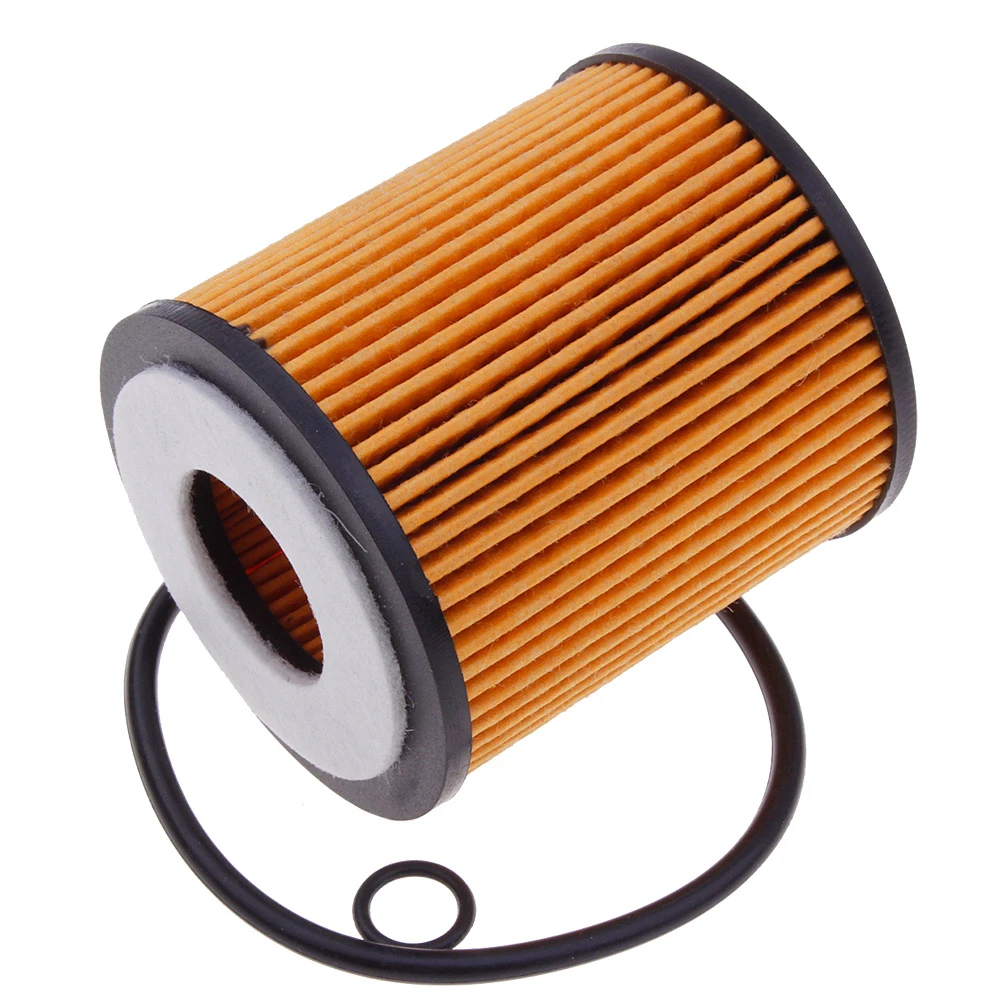
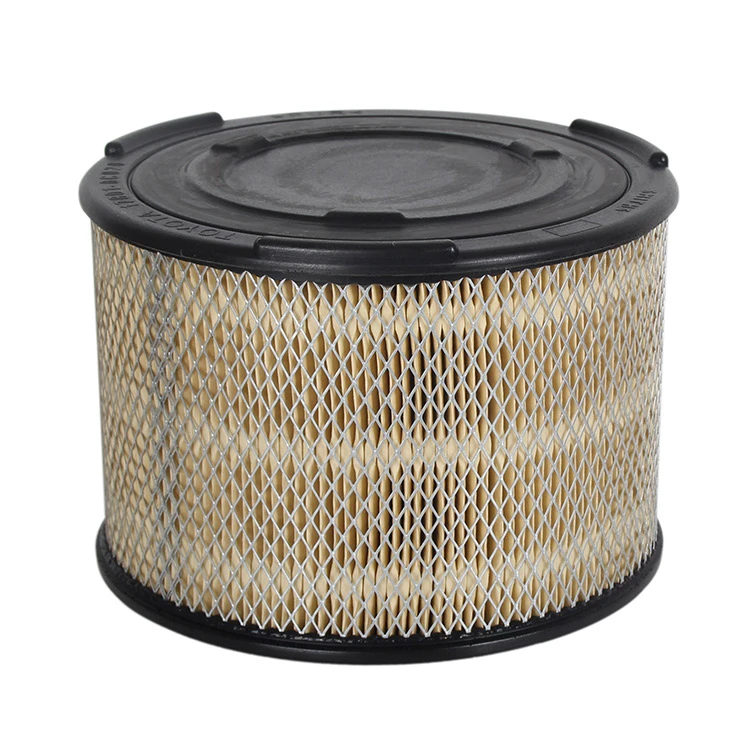
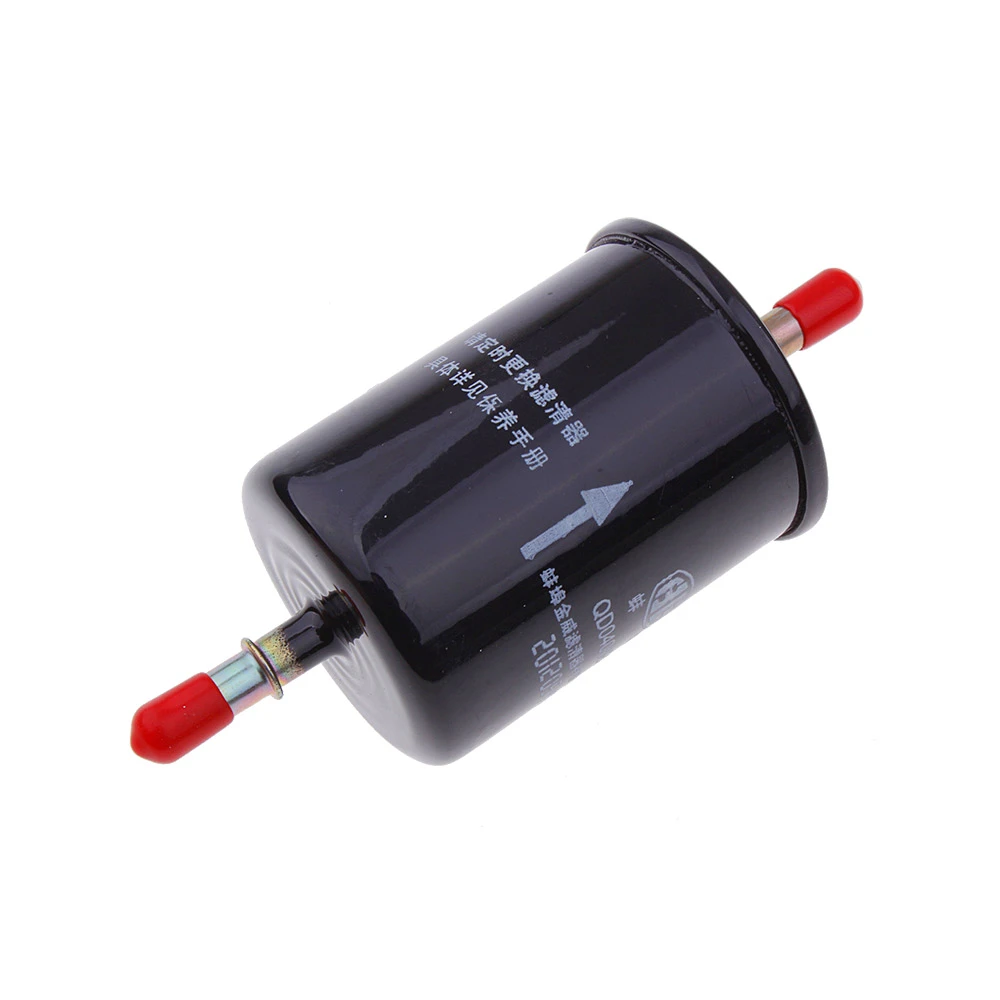
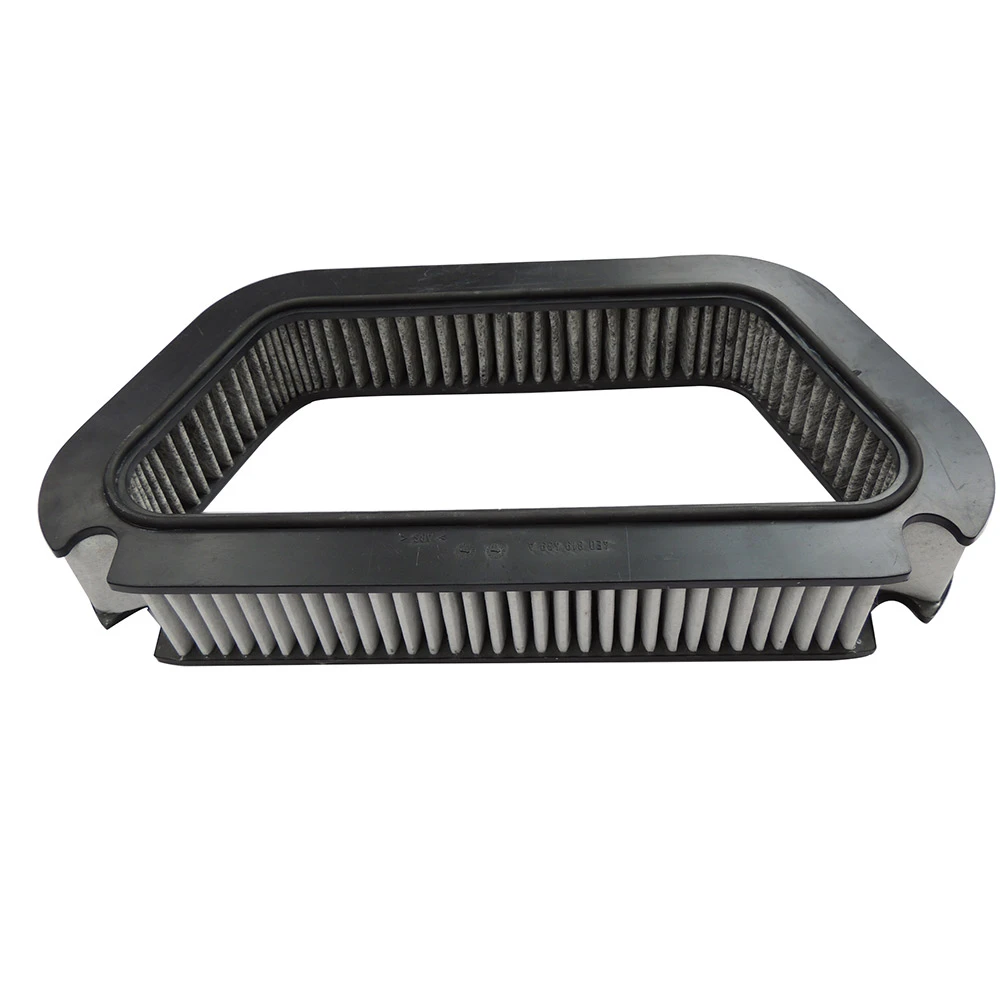
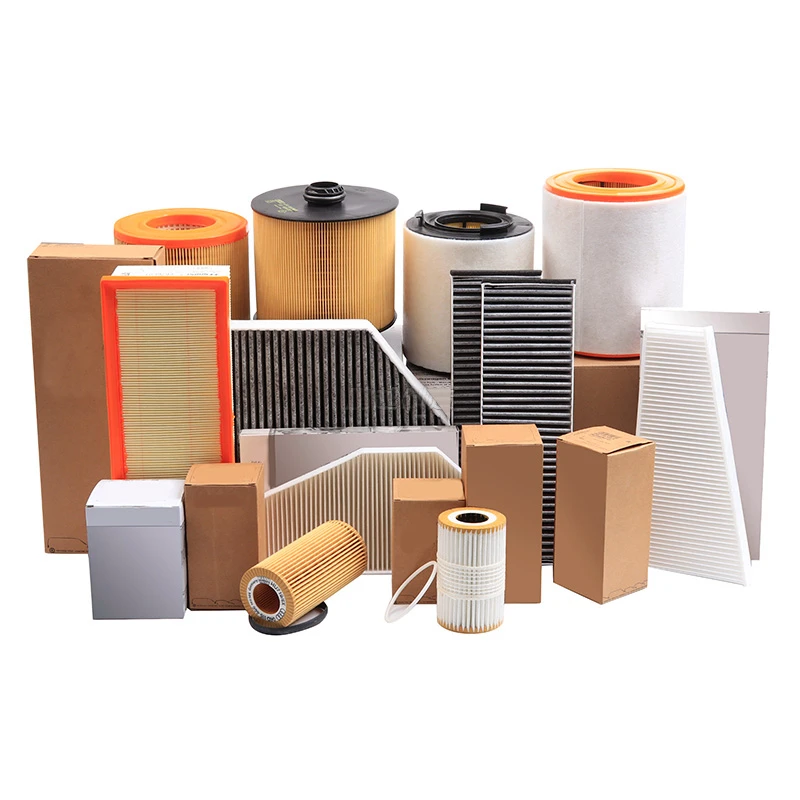
Precision Engineering: The Core of High-Performance Automotive Filtration
In the intricate ecosystem of internal combustion engines, the integrity of the air intake system is paramount. At its heart lies the car air filter, a critical component responsible for safeguarding the engine from airborne contaminants. These contaminants, ranging from microscopic dust particles and pollen to larger debris, can cause significant wear and tear on engine components, leading to decreased performance, reduced fuel efficiency, and ultimately, premature engine failure. For B2B stakeholders, including automotive OEMs, aftermarket distributors, and fleet managers, understanding the nuances of filter technology, manufacturing excellence, and application-specific advantages is essential for operational efficiency and long-term asset protection. This article delves into the sophisticated world of automotive air filtration, outlining key technical aspects, industry benchmarks, and strategic considerations for optimal procurement and maintenance.
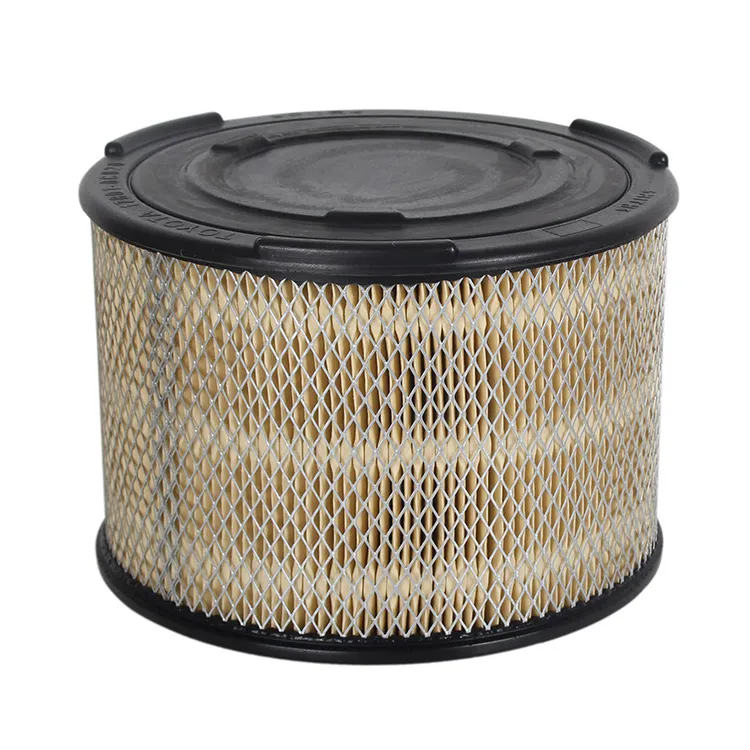
The Manufacturing Process: Crafting the Automotive Sentinel
The production of a high-quality car air filter is a testament to precision engineering, combining advanced materials with stringent manufacturing processes. The objective is to create a filter that offers optimal filtration efficiency with minimal airflow restriction throughout its service life. The process typically involves several critical stages, adhering to international quality standards such as ISO 5011 for filtration performance and durability.
Detailed Process Flow:
- 1. Material Sourcing and Preparation: The foundation of any effective car air filter lies in its media. High-grade filter media, typically composed of cellulose, synthetic fibers (e.g., polyester, polypropylene), or a blend, is selected for its specific filtration characteristics—pore size distribution, dust holding capacity, and resistance to moisture and chemicals. Frame materials, such as durable polyurethane (PU), robust rubber, or galvanized steel mesh, are also sourced to ensure structural integrity.
- 2. Media Pleating: The flat filter media is precisely pleated using specialized machinery. This critical step increases the effective surface area of the filter, allowing it to capture more contaminants and extend its dust-holding capacity, directly impacting the car air filter life. Pleat consistency and depth are vital for uniform airflow and filtration.
- 3. Frame Molding and Sealing: The pleated media pack is then integrated into a frame. For panel filters, this often involves injection molding of polyurethane directly onto the media edges, creating a robust, airtight seal. For circular filters, metal end caps are attached and sealed with specialized adhesives or gaskets. This ensures that all incoming air passes through the media and not around it.
- 4. Curing and Finishing: Post-molding, the filters undergo a curing process, often involving heat, to solidify the frame materials and adhesives, ensuring dimensional stability and long-term durability. Some filters may receive additional treatments, such as flame retardant coatings or antimicrobial treatments.
-
5. Quality Control and Testing: Each batch of filters undergoes rigorous testing to ensure compliance with performance specifications. Key tests include:
- Filtration Efficiency: Measured against various particle sizes (e.g., ISO 5011, SAE J726) to ensure effective capture of dust, pollen, and other particulates.
- Dust Holding Capacity: Determines how much dust the filter can hold before its performance degrades, directly affecting car air filter life.
- Airflow Restriction (Pressure Drop): Ensures the filter allows sufficient air into the engine without unduly restricting flow, which impacts fuel economy and power.
- Structural Integrity: Tests for burst strength, vibration resistance, and temperature tolerance.
- 6. Packaging and Distribution: Filters are carefully packaged to prevent damage during transit and storage, ready for global distribution to OEMs, aftermarket channels, and industrial clients.
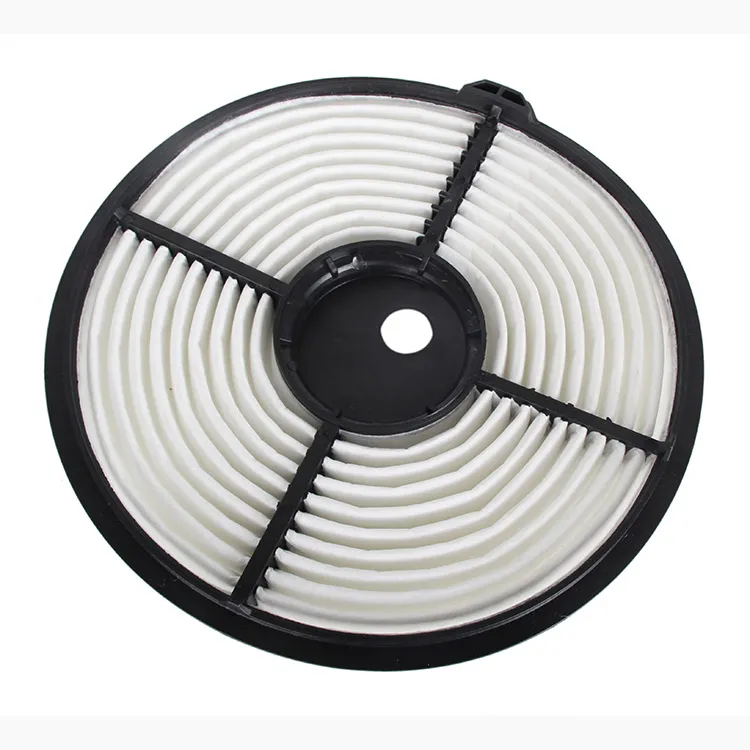
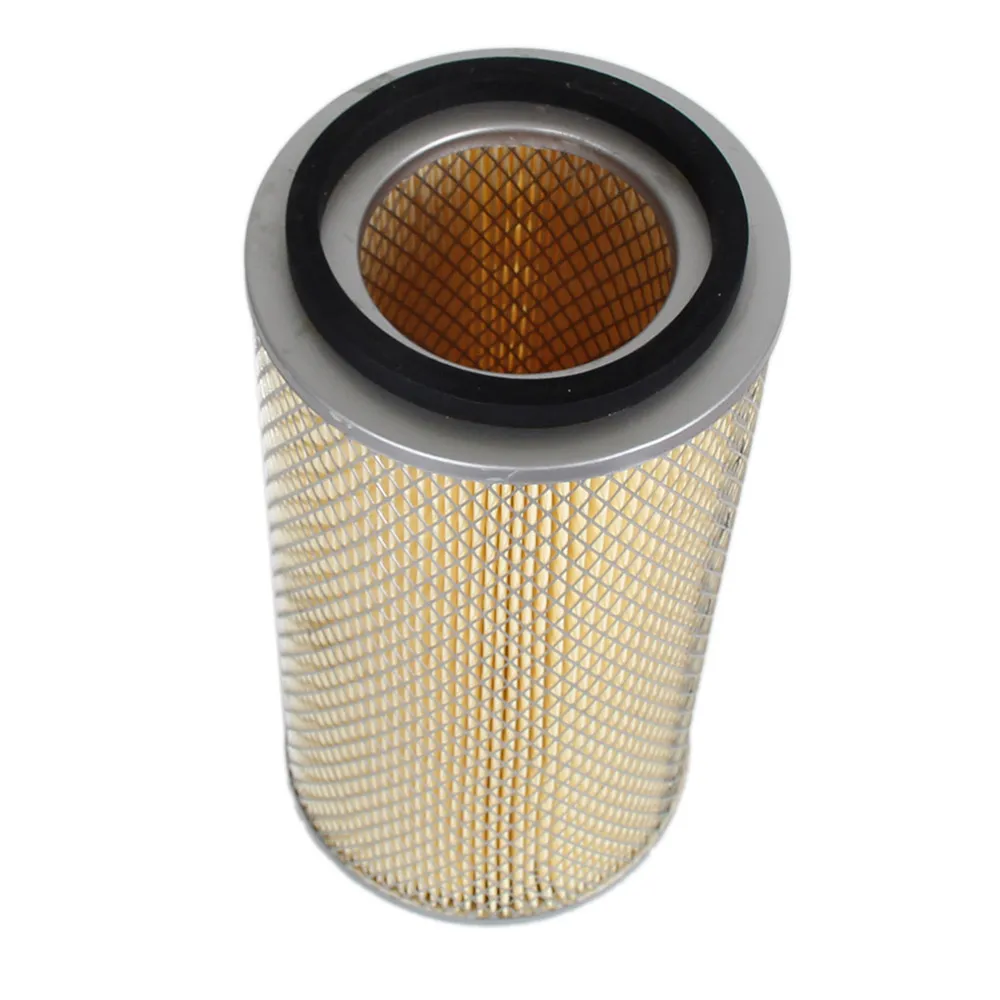
This meticulous process ensures that each car air filter delivered provides optimal engine protection, contributes to energy saving by maintaining fuel efficiency, and exhibits superior corrosion resistance due to quality materials, making them suitable for demanding environments across target industries such as automotive manufacturing, fleet management, and even certain light industrial applications requiring robust filtration.
Industry Trends and Future Outlook for Automotive Air Filtration
The automotive filtration market is dynamic, driven by stringent emission regulations, advancements in engine technology, and increasing consumer awareness regarding vehicle performance and cabin air quality. Key trends shaping the future of the car air filter include:
- Enhanced Filtration Media: Development of advanced synthetic and multi-layered media, including nanofiber technologies, to achieve higher filtration efficiencies (up to 99.9% for specific particle sizes) while minimizing pressure drop. This directly extends the effective car air filter life.
- Longer Service Intervals: Innovations in media technology and filter design are enabling filters to last longer, aligning with extended vehicle service intervals and reducing maintenance costs for fleet operators. This impacts the overall car air filter price over the vehicle's lifespan.
- Eco-Friendly Materials: A growing emphasis on sustainability is driving the adoption of biodegradable, recyclable, and lightweight materials for filter components, reducing environmental impact.
- Smart Filter Technology: Integration of sensors to monitor filter saturation levels, airflow restriction, and even particle counts, providing real-time data to the vehicle's ECU. This allows for predictive maintenance and optimized filter replacement schedules, moving beyond traditional mileage-based recommendations.
- Electrification Impact: While EVs don't have traditional internal combustion engine air filters, the growth of hybrids and the continued dominance of ICE vehicles for decades to come ensure a robust market for engine air filters. Moreover, cabin air filtration in EVs is becoming even more critical, driving innovation in that segment.
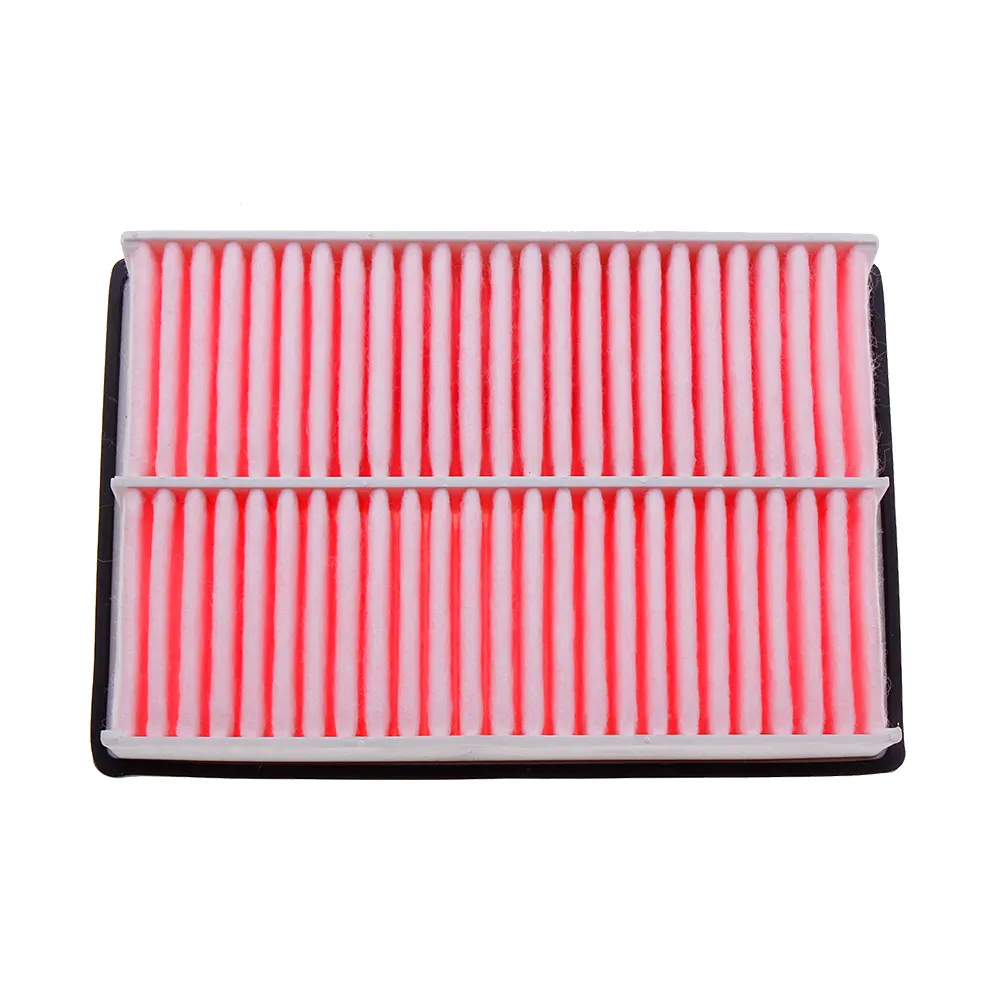
These trends reflect a continuous effort to enhance engine protection, optimize fuel efficiency, and reduce the total cost of ownership for automotive assets, all while meeting increasingly strict environmental standards.
Technical Specifications and Performance Parameters
For B2B buyers, understanding the technical specifications of a car air filter is crucial for making informed procurement decisions. These parameters dictate a filter's effectiveness and suitability for specific applications.
Key Parameters:
- Filtration Efficiency: The percentage of particles of a given size that the filter can capture. Often expressed in MERV (Minimum Efficiency Reporting Value) ratings for HVAC, or specific ISO/SAE classifications for automotive filters (e.g., ISO 5011, which tests against various dust types).
- Dust Holding Capacity (DHC): The total amount of dust a filter can hold before reaching a specified terminal pressure drop. A higher DHC means a longer car air filter life.
- Airflow Restriction (Pressure Drop): The resistance to airflow across the filter. Lower initial pressure drop is desirable to ensure optimal engine performance and fuel efficiency.
- Service Life: The manufacturer's recommended interval for replacement, typically based on mileage or operating hours, but influenced by DHC and operating conditions. Key consideration for car air filter use and the decision to replace car air filter.
- Material Composition: The specific blend of media (cellulose, synthetic, blend), type of adhesive, and frame material (PU, rubber, metal).
- Operating Temperature Range: The ambient temperature range within which the filter is designed to operate effectively without material degradation.
- Dimensions: Precision dimensions (length, width, height for panel filters; outer diameter, inner diameter, height for circular filters) are critical for proper fitment and sealing within the airbox.
Typical Product Specification Table:
| Parameter | Typical High-Performance Automotive Air Filter | Standard OEM (for comparison) |
|---|---|---|
| Filtration Efficiency (ISO 5011 Fine Dust) | >99.5% @ 0.3 µm - 5 µm | >98.0% @ 0.3 µm - 5 µm |
| Dust Holding Capacity (DHC) | >200 g/m² | 150 - 200 g/m² |
| Initial Pressure Drop | Typically | Typically |
| Service Life Recommendation | Up to 25,000 miles or 2 years | 12,000 - 15,000 miles or 1 year |
| Media Type | Multi-layered synthetic blend (e.g., non-woven fabric, melt-blown) | Pleated cellulose or basic synthetic |
| Frame Material | High-grade Polyurethane (PU) or ABS | Polypropylene or standard PU |
| Operating Temperature Range | -30°C to +80°C | -25°C to +70°C |
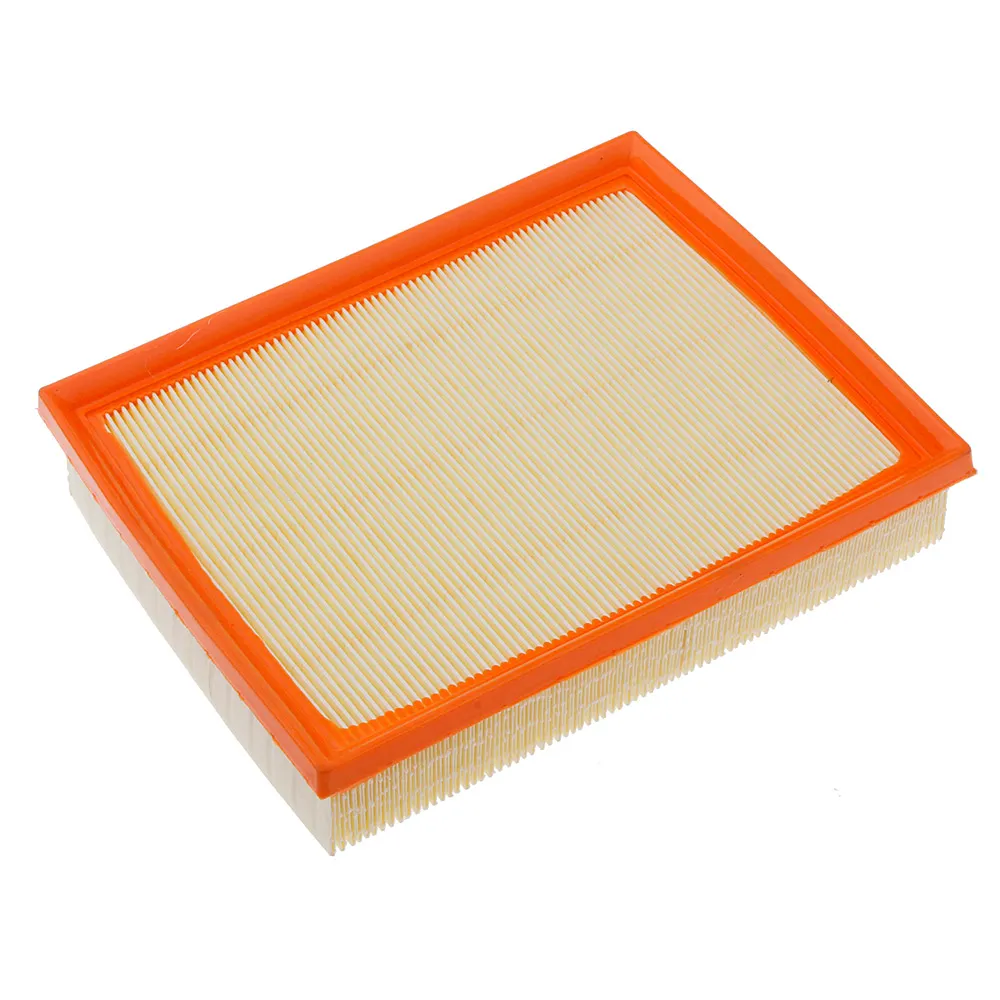
These specifications directly influence the performance, longevity, and overall value of a car air filter within a vehicle system.
Versatile Application Scenarios for High-Performance Filters
The application of a robust car air filter extends across a broad spectrum of the automotive sector, from individual passenger vehicles to extensive commercial fleets and specialized industrial machinery. The critical function of air filtration remains consistent: protect the engine and optimize performance.
- Passenger Vehicle Fleets: For rental companies, ride-sharing services, or corporate fleets, consistent maintenance and reliable filtration are vital for minimizing downtime and maximizing asset utilization. High-quality car air filter use ensures longevity and efficiency across thousands of vehicles.
- Commercial Transport (Trucks & Buses): Heavy-duty vehicles operate under more demanding conditions, often accumulating high mileage in dusty or polluted environments. The engine's continuous operation demands a car air filter with superior dust holding capacity and structural integrity to prevent premature clogging and engine wear.
- Off-Road and Construction Equipment: Vehicles operating in mining, agriculture, or construction sites are exposed to extreme levels of dust and debris. Specialized heavy-duty car air filters are essential here, designed to withstand harsh conditions and prevent catastrophic engine damage.
- Specialty Vehicles & Generators: This includes emergency vehicles, military vehicles, and stationary generators, where reliability and uninterrupted operation are paramount. A robust car air filter ensures these critical systems remain operational under varied and challenging circumstances.
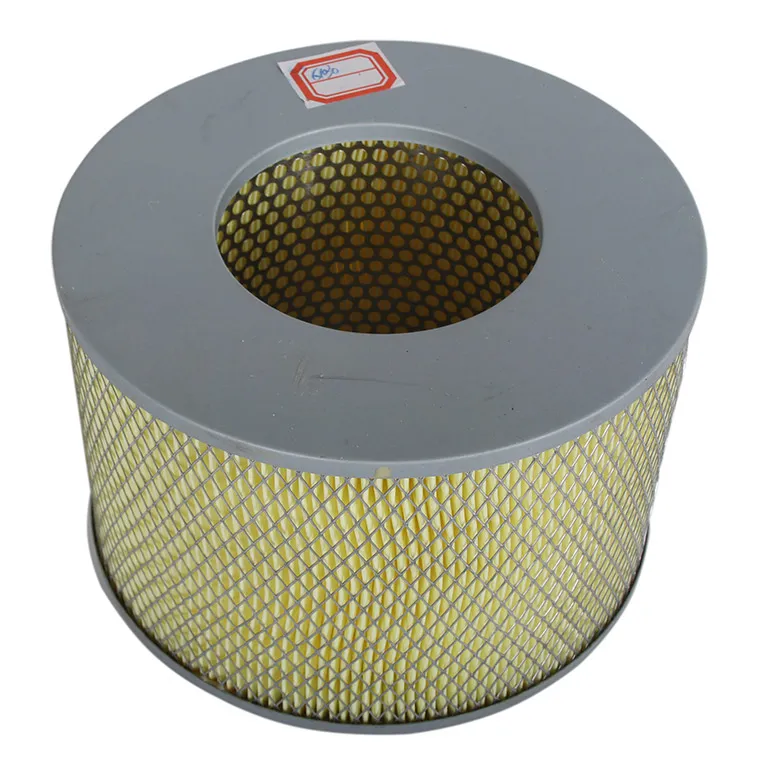
In each of these scenarios, the strategic choice of a high-performance car air filter translates directly into tangible benefits such as reduced operational costs, extended equipment lifespan, and enhanced overall productivity.
Technical Advantages of Premium Automotive Air Filters
Investing in a premium car air filter offers a suite of technical advantages that directly translate into operational efficiencies and cost savings for B2B entities. These benefits extend beyond mere filtration, impacting the entire vehicle lifecycle.
- Superior Engine Protection: Advanced filtration media captures a higher percentage of abrasive particles, preventing them from entering the combustion chamber and causing wear on critical components like pistons, cylinder walls, and valve trains. This significantly extends engine life.
- Optimized Fuel Efficiency: A clean filter ensures unobstructed airflow to the engine, allowing it to "breathe" efficiently. Reduced airflow restriction means the engine doesn't have to work harder to pull in air, leading to optimal combustion and better fuel economy.
- Consistent Peak Performance: By maintaining consistent airflow and preventing harmful contaminants, a high-quality car air filter helps the engine maintain its designed power output and responsiveness throughout its operational period.
- Reduced Emissions: An engine operating with clean air and optimal combustion produces fewer harmful emissions, contributing to environmental compliance and potentially avoiding penalties for commercial fleets.
- Extended Component Lifespan: Beyond the engine, clean intake air also protects other sensitive components such as mass airflow sensors (MAFS) from contamination and premature failure, reducing overall maintenance costs.
- Durability and Reliability: Constructed with high-grade materials and precise manufacturing, premium filters offer enhanced durability against vibration, moisture, and temperature extremes, ensuring consistent performance even in challenging conditions. This contributes to a longer car air filter life.
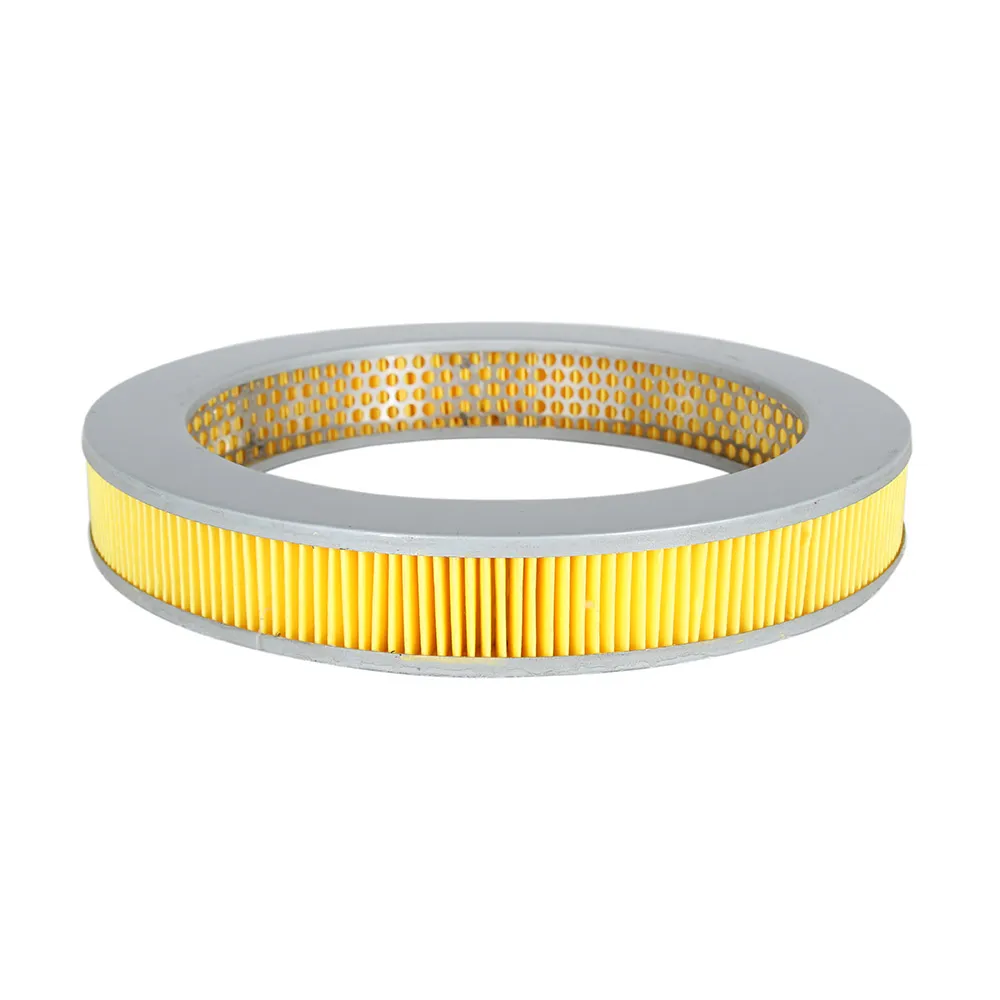
These technical advantages underscore why choosing a superior car air filter is not merely a replacement decision but a strategic investment in vehicle asset management.
Vendor Comparison: Evaluating Car Air Filter Suppliers
Selecting the right supplier for car air filters involves more than just comparing the car air filter price. It requires a comprehensive evaluation of vendor capabilities, product quality, and long-term support. B2B decision-makers should consider the following differentiators:
- R&D and Innovation: A strong vendor invests in research and development, offering cutting-edge filtration media and designs that address evolving engine technologies and environmental standards.
- Manufacturing Excellence: Look for ISO/IATF certified facilities that demonstrate precision in manufacturing, robust quality control processes, and the ability to scale production.
- Certifications and Compliance: Adherence to international standards (e.g., ISO 5011, SAE J726) and regional regulations signifies a commitment to proven performance and safety.
- Product Range and Coverage: A broad product portfolio covering various vehicle makes and models, including light-duty, heavy-duty, and off-road applications, simplifies procurement for diverse fleets.
- Technical Support and Expertise: The ability to provide expert advice on product selection, installation, and troubleshooting adds significant value, particularly for complex fleet requirements.
- Supply Chain Reliability: A robust global distribution network and efficient logistics ensure timely delivery and minimize supply disruptions, which is crucial for maintaining fleet operations.
Product Comparison Table: OEM vs. Premium Aftermarket vs. Standard Aftermarket Car Air Filters
| Feature/Aspect | OEM (Original Equipment Manufacturer) | Premium Aftermarket | Standard Aftermarket |
|---|---|---|---|
| Filtration Efficiency | Meets vehicle specific requirements (>98%) | Often exceeds OEM specifications (>99%) | Meets basic requirements (90-95%) |
| Dust Holding Capacity | Good, optimized for standard service intervals | Excellent, supports extended service intervals (longer car air filter life) | Average, may require more frequent replacement |
| Media Material | High-quality cellulose/synthetic blend | Advanced synthetic multi-layer, sometimes nanofiber | Basic cellulose or non-woven fabric |
| Construction Quality | Very High, designed for specific vehicle | Very High, often uses superior materials | Varies, may have lower structural integrity |
| Car Air Filter Price | Highest | Mid-High (Excellent Value) | Lowest |
| Brand Authority / Trust | Extremely High (Vehicle Manufacturer) | High (Reputable Filter Specialist) | Variable, typically lower |
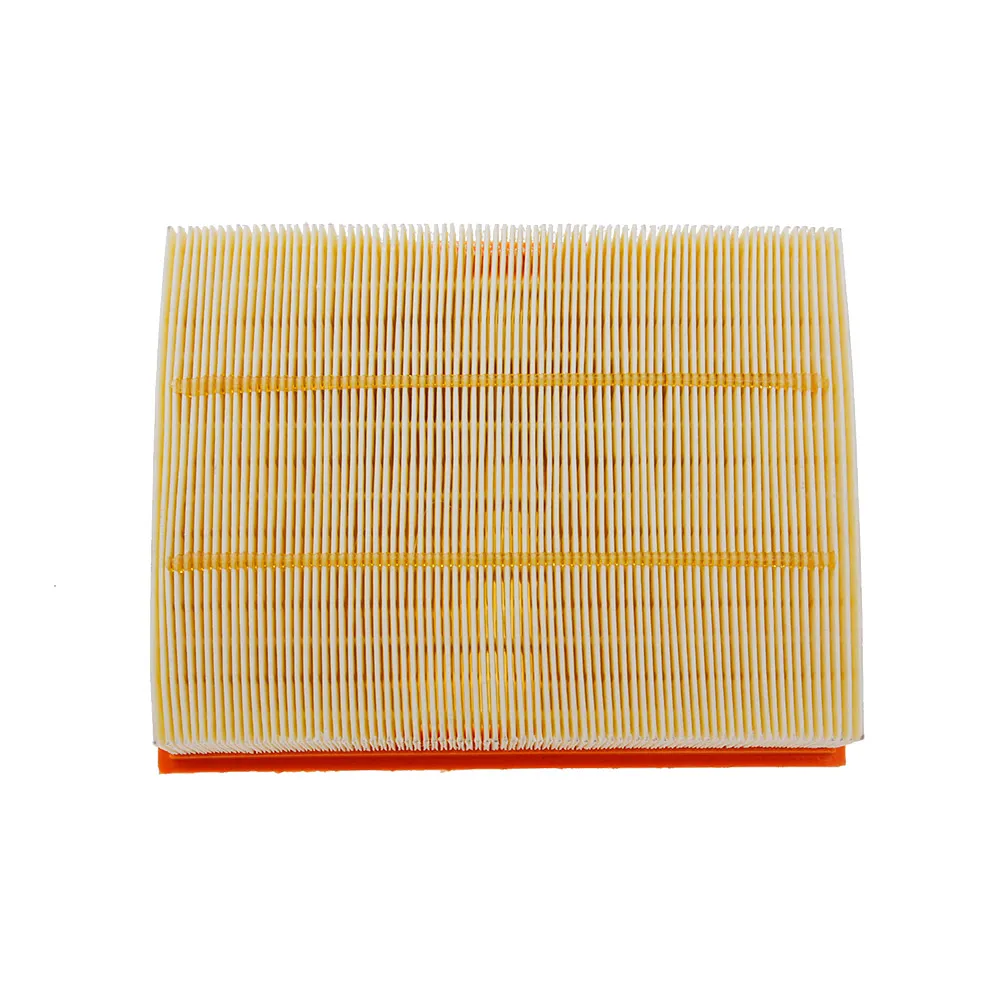
While the initial car air filters price might seem attractive for standard aftermarket options, the long-term total cost of ownership, including engine wear, fuel efficiency, and maintenance intervals, often favors premium aftermarket or OEM options.
Customized Solutions for Unique Filtration Needs
For B2B clients with specialized vehicle fleets, prototypes, or unique operational environments, off-the-shelf car air filters may not always suffice. Leading manufacturers offer customized filtration solutions tailored to specific requirements. This collaboration typically involves:
- Application Analysis: Detailed assessment of vehicle type, engine specifications, operating conditions (e.g., extreme dust, temperature, humidity), and filtration performance targets.
- Media Selection: Engineering teams select or develop specific filter media (e.g., higher efficiency synthetics, oil-impregnated media for harsh environments, water-repellent media) to meet the desired filtration goals.
- Design and Prototyping: Custom dimensions, pleat configurations, frame materials, and sealing mechanisms are designed using CAD software, followed by rapid prototyping and rigorous testing.
- Validation and Certification: Prototypes undergo extensive testing (e.g., ISO 5011, customer-specific protocols) to validate performance and durability before mass production.
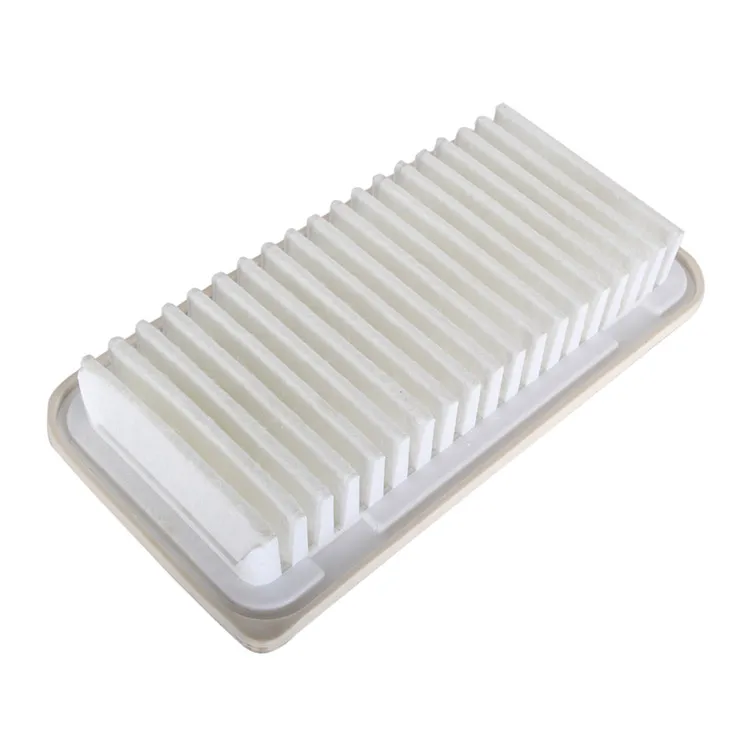
Customized solutions ensure optimal engine protection and operational efficiency, especially for high-value assets or vehicles operating in challenging conditions where standard filters might fall short.
Application Case Studies: Real-World Impact of Superior Filtration
The tangible benefits of high-quality car air filters are best illustrated through real-world application case studies, demonstrating enhanced performance, cost savings, and extended asset life.
Case Study 1: Large Commercial Fleet Operator
A leading logistics company with a fleet of over 500 delivery trucks faced consistent issues with premature engine wear and excessive fuel consumption, particularly for vehicles operating in dusty urban and semi-rural areas. Their standard car air filters required frequent replacement, increasing maintenance costs and vehicle downtime.
- Solution: They transitioned to a premium synthetic-media car air filter, known for higher dust holding capacity and superior filtration efficiency.
- Outcome: Over 12 months, the fleet observed a 20% reduction in air filter replacement frequency, extending car air filter life. Engine diagnostics showed significantly lower particulate ingress, leading to a 15% decrease in unscheduled engine maintenance events and a measurable improvement in average fuel economy (approx. 2-3%). This resulted in substantial annual savings and increased fleet operational uptime.
Case Study 2: Agricultural Machinery Manufacturer
An OEM of high-performance agricultural machinery encountered warranty claims related to engine component wear in tractors operating in extremely dusty field conditions. The original equipment car air filters were struggling to cope with the severe particulate loads.
- Solution: Partnered with a specialized filter manufacturer to develop a custom heavy-duty car air filter with a multi-stage filtration design and robust, moisture-resistant synthetic media, specifically engineered for agricultural environments.
- Outcome: Post-implementation, the OEM reported a 90% reduction in engine-related warranty claims linked to particulate contamination. Customer feedback highlighted improved engine responsiveness and significantly extended intervals before needing to replace car air filter, enhancing machine reliability and farmer satisfaction.
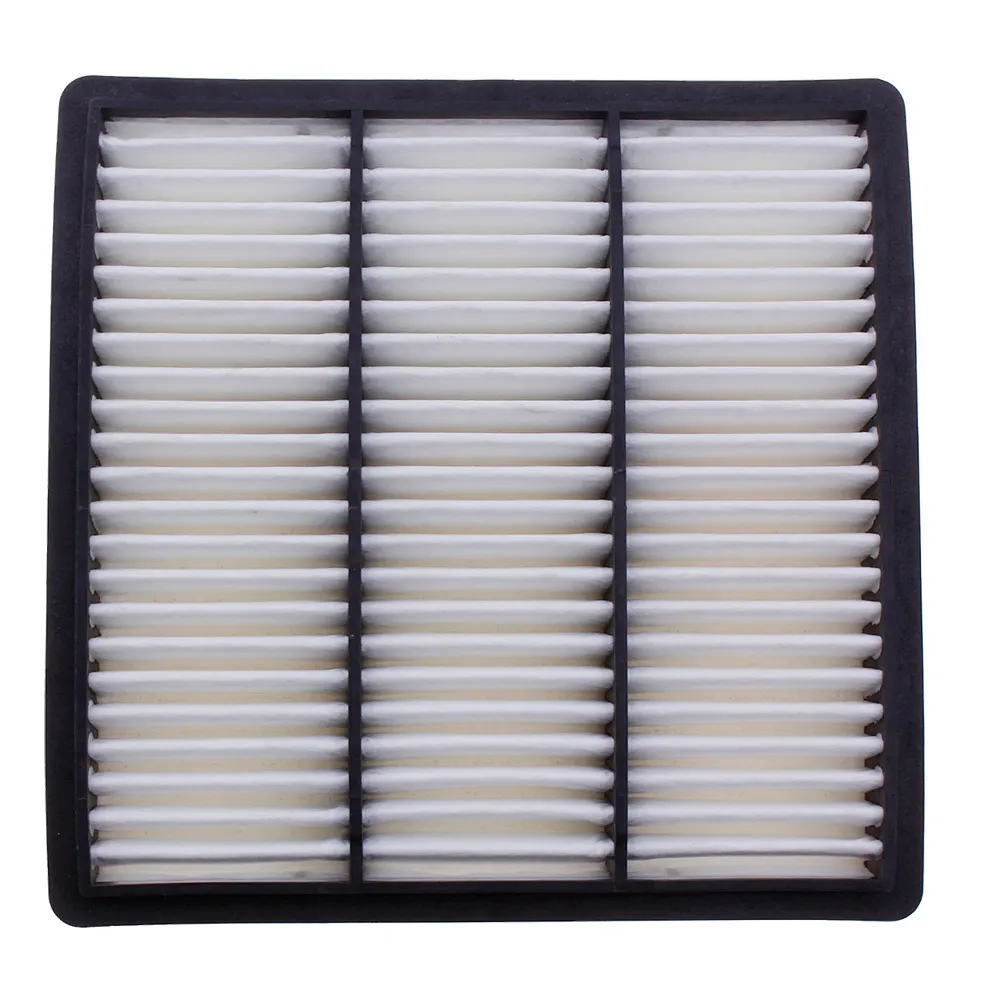
These cases exemplify how a strategic focus on superior air filtration technology directly contributes to operational resilience and financial performance in diverse B2B contexts.
Frequently Asked Questions (FAQs)
Q1: How often should I replace car air filter in a commercial fleet vehicle?
A1: The optimal interval to replace car air filter depends heavily on operating conditions and the type of filter. While a general guideline is every 12,000 to 15,000 miles (20,000 to 25,000 km) or annually for passenger cars, commercial vehicles operating in dusty or severe environments may require replacement every 5,000 to 10,000 miles (8,000 to 16,000 km). Always refer to the vehicle manufacturer's recommendations and the filter manufacturer's specifications for car air filter life, and consider implementing a predictive maintenance schedule based on real-world usage and filter inspection.
Q2: What is the impact of a dirty car air filter on engine performance and fuel economy?
A2: A clogged or dirty car air filter restricts airflow to the engine, forcing it to work harder to draw in sufficient air. This can lead to a noticeable decrease in engine power and acceleration. More critically, it can disrupt the air-fuel mixture, causing the engine to run "rich" (too much fuel, not enough air), which directly results in reduced fuel efficiency, increased emissions, and potential long-term damage to engine components like spark plugs and catalytic converters.
Q3: Are aftermarket car air filters price-competitive while maintaining quality?
A3: Yes, reputable aftermarket manufacturers often offer car air filters that meet or even exceed OEM specifications at a more competitive car air filter price point. These manufacturers specialize in filtration, leveraging advanced materials and rigorous testing (e.g., ISO 5011) to deliver high performance. It's crucial for B2B buyers to differentiate between generic, low-cost options and premium aftermarket brands that prioritize quality, certifications, and proven performance data.
Q4: How does a car air filter contribute to engine longevity?
A4: The primary role of a car air filter is to prevent abrasive airborne contaminants like dust, sand, and debris from entering the engine's combustion chambers. These particles act like sandpaper, causing premature wear on critical internal components such as cylinder walls, piston rings, and valve seats. By effectively filtering these particulates, a high-quality air filter significantly reduces friction and wear, thereby extending the overall lifespan of the engine and minimizing costly repairs.
Order & Support Information
We are committed to providing seamless procurement and comprehensive support for our B2B partners.
Lead Time & Fulfillment:
- Standard Orders: Typical lead time for standard car air filter models is 15-30 business days, depending on order volume and current production schedules.
- Custom Solutions: Lead times for customized car air filter solutions will vary based on design complexity, testing requirements, and tooling, typically ranging from 45-90 days from design approval.
- Logistics: We facilitate global shipping via trusted logistics partners, offering various options to meet your delivery deadlines and budget.
Warranty Commitments:
All our car air filters come with a comprehensive warranty against manufacturing defects and material failures under normal operating conditions. Our standard warranty period is 12 months or 20,000 miles (whichever comes first) from the date of installation. Specific warranty details for OEM partnerships or customized solutions will be outlined in respective supply agreements. We stand behind the quality and performance of our products.
Customer Support:
- Technical Assistance: Our team of filtration experts is available to provide technical guidance on product selection, application, and troubleshooting.
- Dedicated Account Management: B2B partners benefit from dedicated account managers to streamline communication and support their specific procurement needs.
- After-Sales Service: We provide robust after-sales support, including handling warranty claims efficiently and offering product training for your maintenance teams.
For inquiries, customized quotes, or further information, please contact our sales team directly.
Conclusion: Driving Performance and Protecting Assets
The car air filter, while seemingly a simple component, is a sophisticated engineered product vital for the longevity, efficiency, and environmental compliance of modern vehicles. For B2B stakeholders, prioritizing high-quality filtration solutions translates directly into reduced operational costs, prolonged asset life, and enhanced brand reputation. By understanding the intricacies of manufacturing, adhering to stringent technical specifications, and partnering with innovative suppliers, businesses can ensure their automotive assets perform optimally, even in the most demanding conditions. Investing in superior air filtration is not merely a maintenance task; it is a strategic decision that drives performance and protects critical investments.
References:
- ISO 5011:2014 - Inlet air cleaning equipment for internal combustion engines and compressors -- Performance testing. International Organization for Standardization.
- SAE J726 - Air Cleaner Test Code. Society of Automotive Engineers.
- IATF 16949:2016 - Quality management system standard for the automotive industry. International Automotive Task Force.
- Engine Air Filtration: A Guide to Principles and Applications. Filtration and Separation Journal.
- Automotive Filtration Market Analysis – Industry Trends & Forecast. Grand View Research.
-
Guide on how often do you need to replace engine air filterNewsApr.16,2026
-
Learn how often do you replace air filter in car for engine healthNewsApr.09,2026
-
How Often Do You Replace Car Air Filter For Optimal Engine PerformanceNewsApr.07,2026
-
How Often Do You Replace Engine Air Filter For Optimal Vehicle PerformanceNewsApr.04,2026
-
Understanding How Often Does Engine Air Filter Need to Be Replaced for Optimal PerformanceNewsMar.31,2026
-
How Often Engine Air Filter Change Impacts Performance and LongevityNewsMar.28,2026
-
Understanding How Often to Replace Your Car Air Filter for Optimal PerformanceNewsMar.26,2026
Related Products