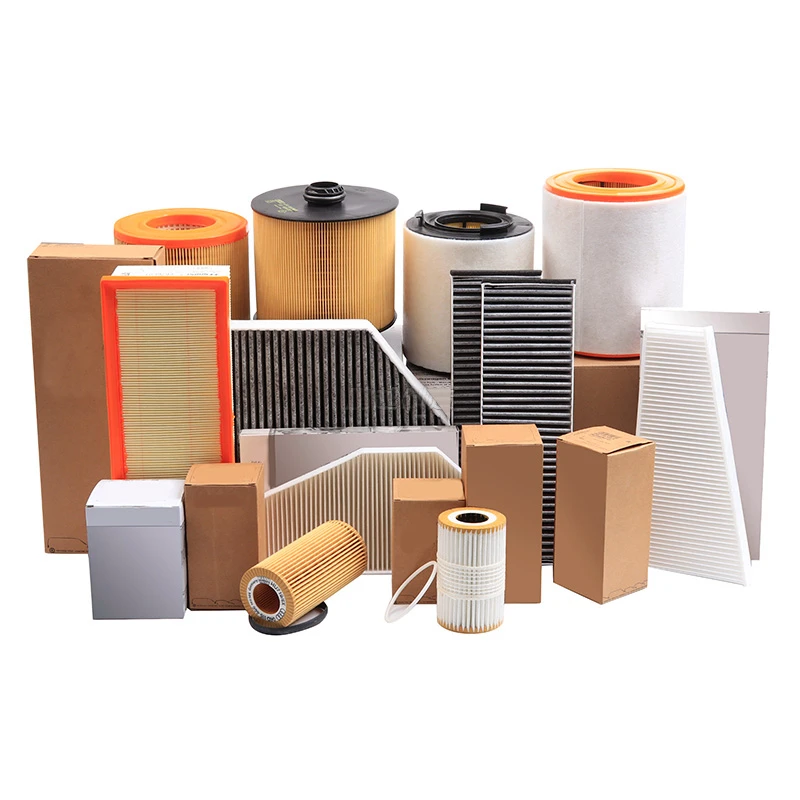
The Critical Role of Automotive Filters in Modern Vehicle Performance
In the intricate architecture of modern vehicles, filtration systems play an indispensable role, safeguarding vital components and ensuring optimal operational efficiency. Among these, automotive filters, particularly the car fuel filter, stand as guardians against contaminants that can compromise engine integrity and performance. As a B2B professional, understanding the advanced mechanics and strategic importance of these components is crucial for procurement, maintenance, and system design.
The automotive industry is in a perpetual state of evolution, driven by stringent environmental regulations, technological advancements, and increasing demands for vehicle longevity and efficiency. Current trends highlight a shift towards higher filtration efficiency, extended service intervals, and the integration of smart monitoring capabilities. This emphasis is particularly pronounced for the car fuel filter, where even microscopic particles can lead to significant issues in high-pressure direct injection systems. Innovations in filter media, housing materials, and bypass valve technologies are constantly being introduced to meet these evolving requirements, ensuring that engines receive a pristine fuel supply. The demand for robust, reliable, and cost-effective filtration solutions continues to grow, impacting everything from the initial car fuel filter price to long-term operational expenditures.
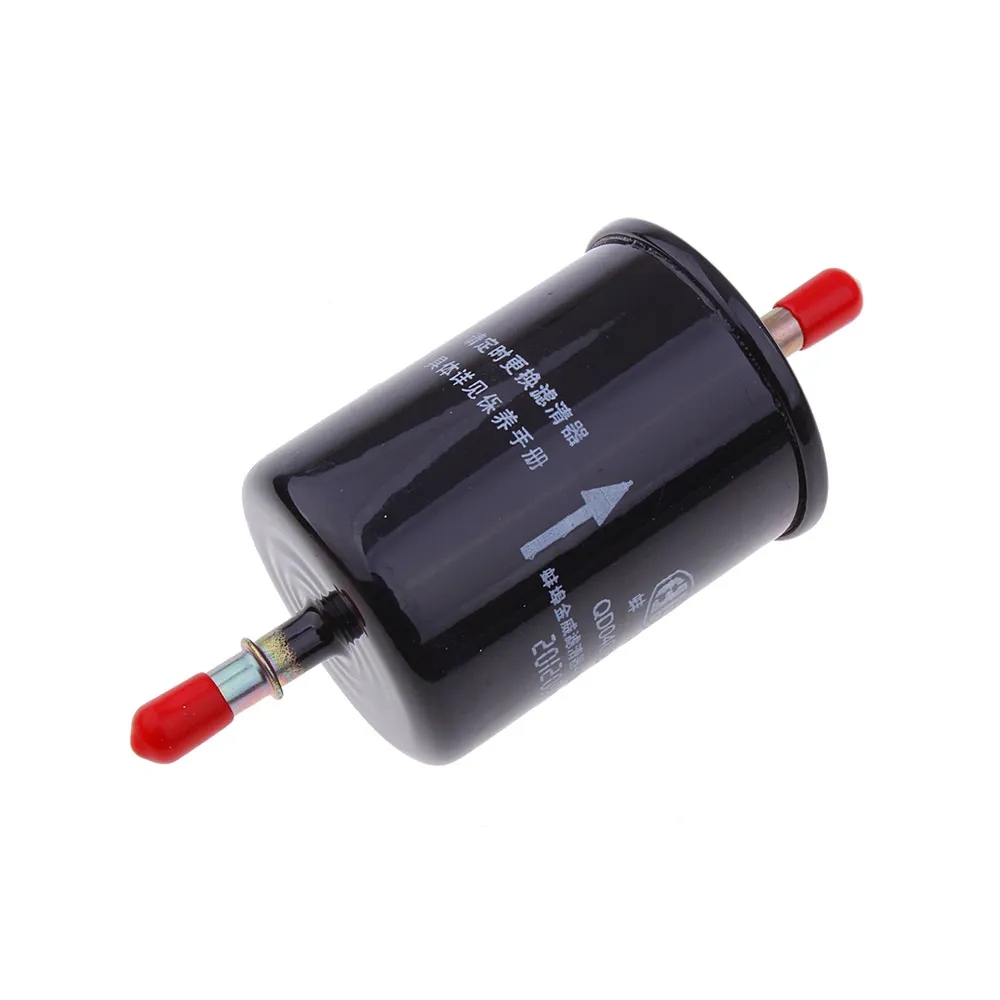
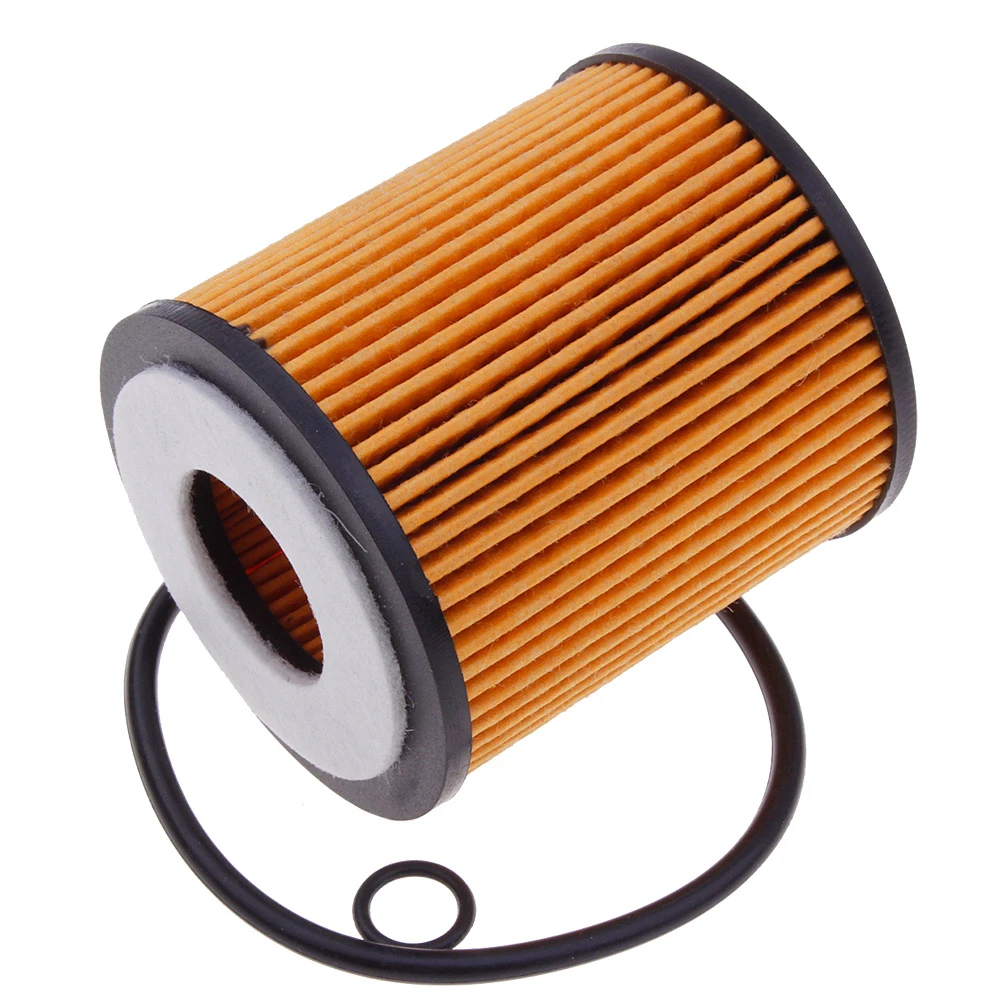
Ensuring peak engine performance through advanced filtration.
Furthermore, the increasing complexity of fuel systems, including the widespread adoption of common rail diesel injection and gasoline direct injection (GDI), necessitates even finer filtration. This has led to the development of sophisticated multi-stage filtration systems and advancements in filter media to capture particles as small as 2-5 microns. The rise of biofuels and alternative fuels also presents new challenges, requiring filter designs that can withstand different chemical compositions and potential microbial growth. For commercial fleets and industrial applications, an efficient inline car fuel filter is paramount for maintaining operational continuity and reducing unscheduled downtime.
Manufacturing Process Flow of Advanced Automotive Filters
The production of high-performance automotive filters is a highly specialized process, combining precision engineering with material science expertise. The objective is to produce filters capable of reliable performance under extreme conditions, adhering to strict industry standards. The typical manufacturing process involves several critical stages:
- Material Sourcing and Preparation: This initial stage focuses on selecting the highest quality materials. For the filter media, this often includes high-grade cellulose, synthetic fibers (e.g., glass fiber, polyester, polypropylene), or composite blends, chosen for specific filtration efficiency and dirt-holding capacity. Housing materials typically consist of corrosion-resistant steel, aluminum alloys, or engineered plastics, depending on the application and fuel type. Gaskets and seals are made from durable elastomers like nitrile rubber (NBR) or fluoroelastomers (FKM) to ensure leak-proof performance.
- Filter Media Pleating and Assembly: The flat filter media is precisely pleated to maximize the surface area within a compact volume. This step is critical for achieving high dirt-holding capacity and low-pressure drop. Advanced pleating technologies, including "M-pleating" or "V-pleating," are employed to ensure consistent pleat spacing and geometry. The pleated media is then formed into the desired shape, often a cylindrical cartridge, and secured with end caps made of metal or plastic.
- Housing Fabrication: The filter housing is manufactured using various processes. Metal housings might involve deep drawing, stamping, and welding for robust construction, often utilizing CNC machining for precise接口 and fittings. Plastic housings are typically produced via injection molding, allowing for complex geometries and integrated features like mounting brackets or sensor ports. These processes ensure dimensional accuracy and structural integrity.
- Component Assembly and Sealing: The filter media assembly is integrated into the housing. This involves carefully seating seals and gaskets to prevent bypass leakage. For some filters, a bypass valve is incorporated, which opens if the filter becomes excessively clogged, ensuring a continuous (though unfiltered) fuel flow to prevent engine starvation. Ultrasonic welding or adhesive bonding might be used to securely join components.
- Quality Control and Testing: Rigorous testing is performed at multiple stages. This includes dimensional checks, material integrity tests, and critical performance evaluations. Filters undergo tests for filtration efficiency (e.g., ISO 16889, ISO 19438 for fuel filters), dirt-holding capacity, pressure resistance, burst pressure (e.g., SAE J806), vibration resistance, and leak detection (e.g., using helium leak testing or bubble point tests). Adherence to international standards like ISO and ANSI is paramount to ensure product reliability and interoperability.
The resulting car fuel filter is designed for a specific service life, typically ranging from 30,000 to 100,000 miles, depending on the vehicle manufacturer's specifications and operating conditions. These advanced filters offer significant advantages, including enhanced energy saving by reducing fuel pump strain, and superior corrosion resistance, crucial for handling diverse fuel qualities and challenging environmental conditions. While primarily focused on automotive, the principles of robust design, material selection, and rigorous testing draw parallels with filtration solutions used in target industries such as petrochemical, metallurgy, and water supply & drainage, where contaminant control is equally critical.
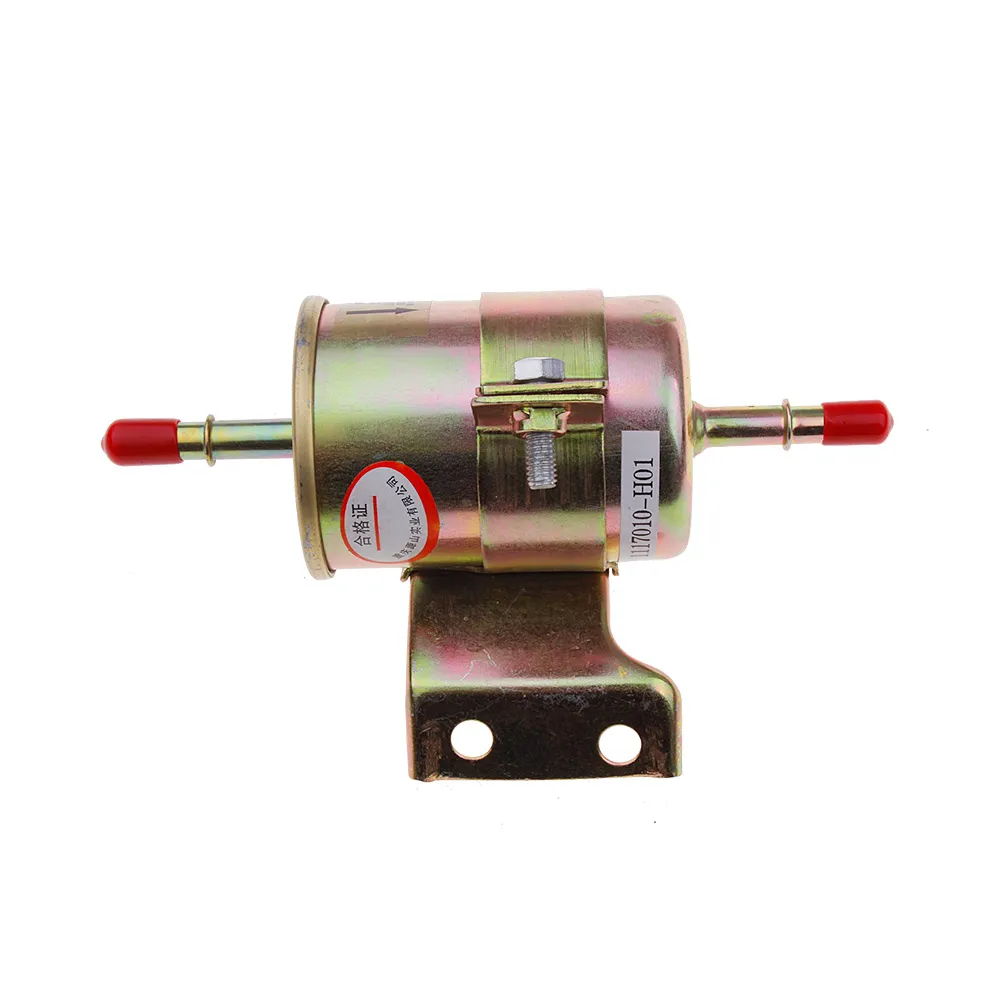
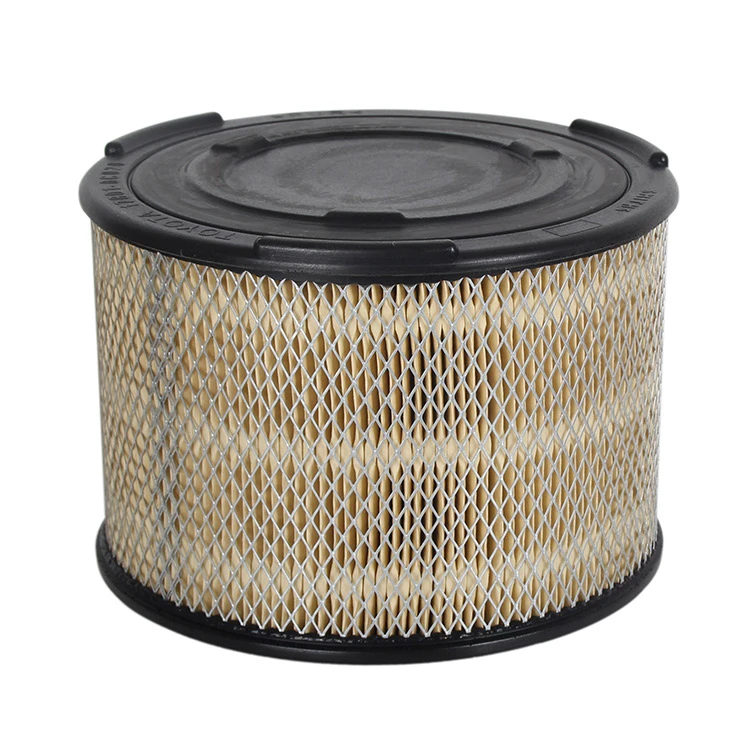
Precision engineering for superior filtration performance.
Technical Specifications and Performance Parameters
The performance of an automotive filter is quantified by a range of critical technical parameters. For B2B decision-makers, understanding these specifications is vital for selecting the appropriate filtration solution that ensures both engine protection and operational efficiency. Below is a breakdown of key parameters:
- Filtration Efficiency (Micron Rating): This indicates the smallest particle size the filter can effectively capture and the percentage of those particles removed. Modern car fuel filter units often achieve efficiencies of 95% or higher for particles in the 2-10 micron range, crucial for protecting sensitive fuel injectors in direct injection systems. Beta ratios (e.g., Beta 200 at 5 microns) are commonly used to denote absolute filtration efficiency.
- Flow Rate: The volume of fuel (or air, for air filters) that can pass through the filter per unit of time (e.g., Liters per hour or Gallons per minute) without excessive pressure drop. It must match or exceed the engine's peak fuel demand.
- Pressure Drop: The reduction in fuel pressure as it passes through the filter. A lower initial pressure drop is desirable to minimize strain on the fuel pump and ensure adequate fuel delivery. As the filter accumulates contaminants, the pressure drop increases, indicating the need for replacement.
- Dirt Holding Capacity: The amount of contaminant (in grams) a filter can hold before reaching a specified terminal pressure drop. A higher dirt-holding capacity translates to a longer service life and extended maintenance intervals.
- Burst Pressure: The maximum pressure the filter housing and internal components can withstand before structural failure. This parameter ensures safety under abnormal operating conditions, often exceeding typical system operating pressures by a significant margin.
- Operating Temperature Range: The range of temperatures (e.g., -40°C to +120°C) over which the filter is designed to operate effectively, accounting for fuel temperature variations and ambient conditions.
- Water Separation Efficiency: Particularly crucial for diesel fuel filters, this measures the filter's ability to remove free and emulsified water from the fuel, preventing corrosion and microbial growth in the fuel system.
The car fuel filter price often correlates with these technical specifications; higher performance filters utilizing advanced media and robust construction typically come at a premium, but offer superior protection and longer service life, leading to lower total cost of ownership.
Typical Car Fuel Filter Specification Table
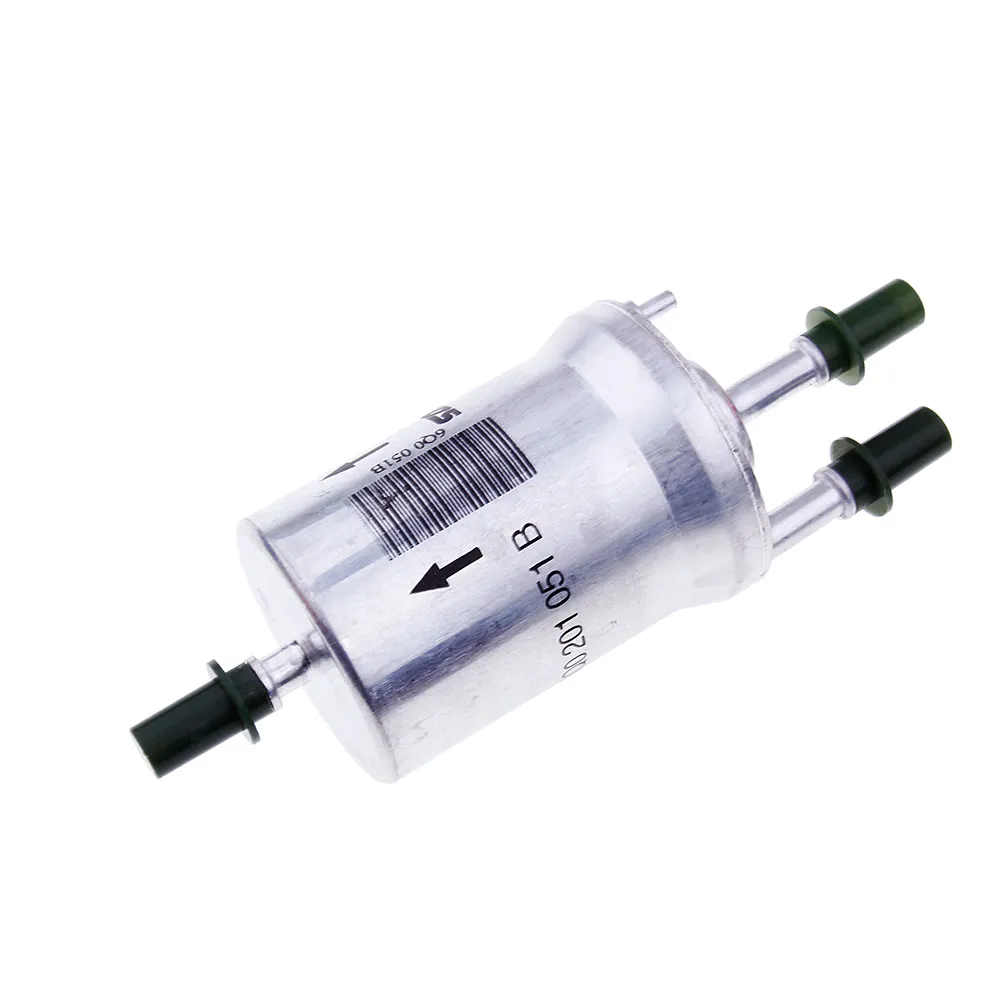
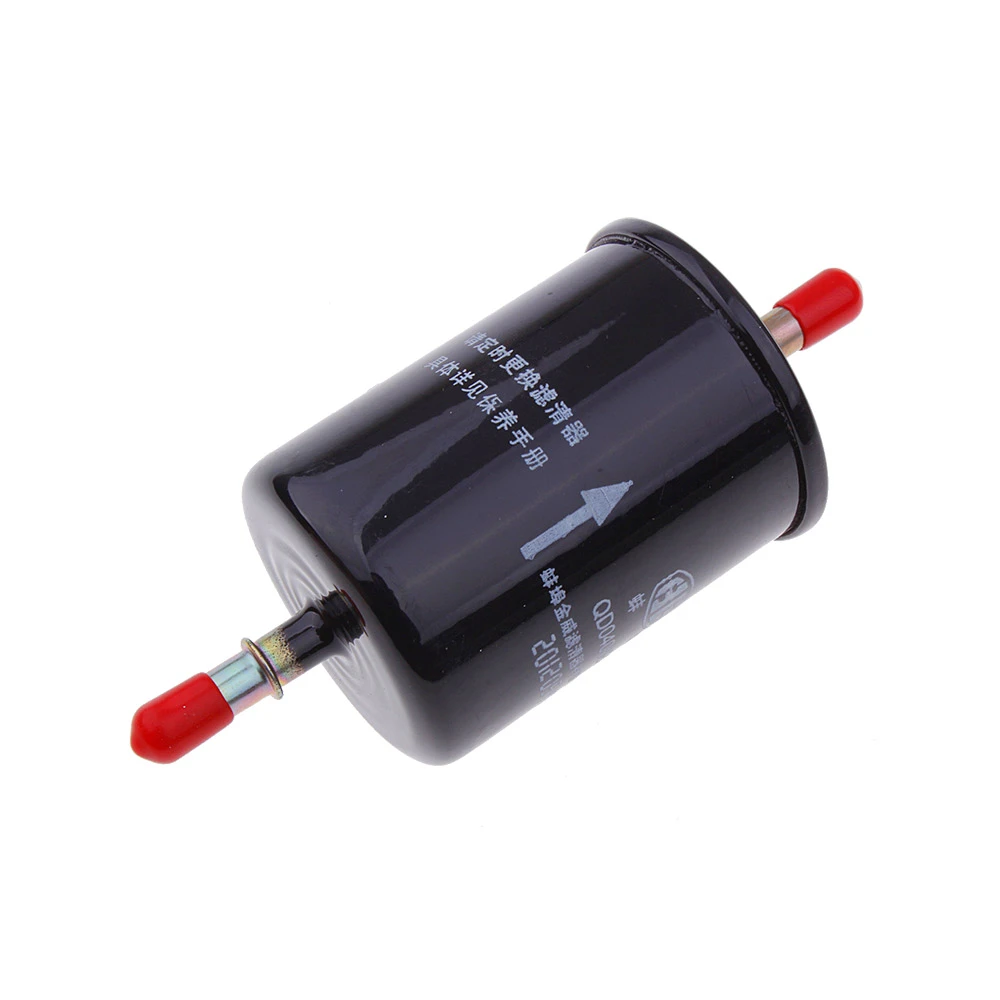
Detailed analysis of filter media and housing for optimal performance.
Application Scenarios and Technical Advantages
The versatility and critical importance of automotive filters extend across a broad spectrum of vehicle applications, each demanding specific filtration characteristics. Understanding these scenarios and the inherent technical advantages they provide is key for automotive professionals.
Application Scenarios:
- Gasoline Engines: In gasoline vehicles, a high-quality car fuel filter protects the fuel pump, fuel lines, and sensitive fuel injectors from particles, rust, and debris that can originate from the fuel tank or fuel delivery system. This is especially vital for modern GDI engines where injector nozzles are extremely fine and susceptible to clogging.
- Diesel Engines (Common Rail Systems): Diesel engines, particularly those equipped with common rail direct injection (CRDI) systems, require exceptionally fine filtration due to the extremely high pressures (up to 2500+ bar) and tight tolerances of their injectors. Diesel fuel filters often include water separators to prevent water from reaching the delicate injection components, which can cause severe damage. The performance of an inline car fuel filter in these systems directly impacts injector longevity and fuel efficiency.
- High-Performance Vehicles: Sports cars and heavy-duty commercial vehicles demand filters that can handle high flow rates without significant pressure drops, ensuring consistent fuel delivery under extreme load and high RPMs. These filters are engineered for maximum durability and often feature enhanced dirt-holding capacities.
- Off-Road and Industrial Equipment: Vehicles operating in harsh, dusty, or rugged environments (e.g., construction, agriculture) require robust filtration solutions that can withstand severe vibrations, temperature fluctuations, and high levels of contaminants. Their filtration systems are often multi-stage and designed for extended durability.
Technical Advantages:
- Engine Protection and Extended Life: The primary advantage is safeguarding sensitive fuel system components—injectors, fuel pumps, and fuel lines—from abrasive particles and corrosive water. This drastically reduces wear and tear, preventing costly repairs and significantly extending the overall lifespan of the engine.
- Improved Fuel Efficiency: By ensuring a clean, unimpeded flow of fuel, filters contribute to optimal combustion. Clogged filters can lead to a lean fuel mixture, reducing engine power and increasing fuel consumption. A well-maintained car fuel filter helps maintain the engine's designed fuel efficiency, contributing to energy saving.
- Reduced Emissions: An efficiently burning engine produces fewer harmful emissions. By preventing fuel contamination that can lead to incomplete combustion, quality fuel filters support environmental compliance and reduce a vehicle’s carbon footprint.
- Reliable Cold Starts: Especially in colder climates, water contamination can lead to fuel line freezing. Filters with effective water separation capabilities ensure that only pure fuel reaches the engine, facilitating reliable starting even in challenging conditions.
- Corrosion Resistance: Utilizing advanced housing materials and internal coatings, modern fuel filters offer superior corrosion resistance, protecting against the corrosive effects of various fuel additives, biofuels, and water contamination. This is crucial for maintaining the structural integrity of the filter over its service life.
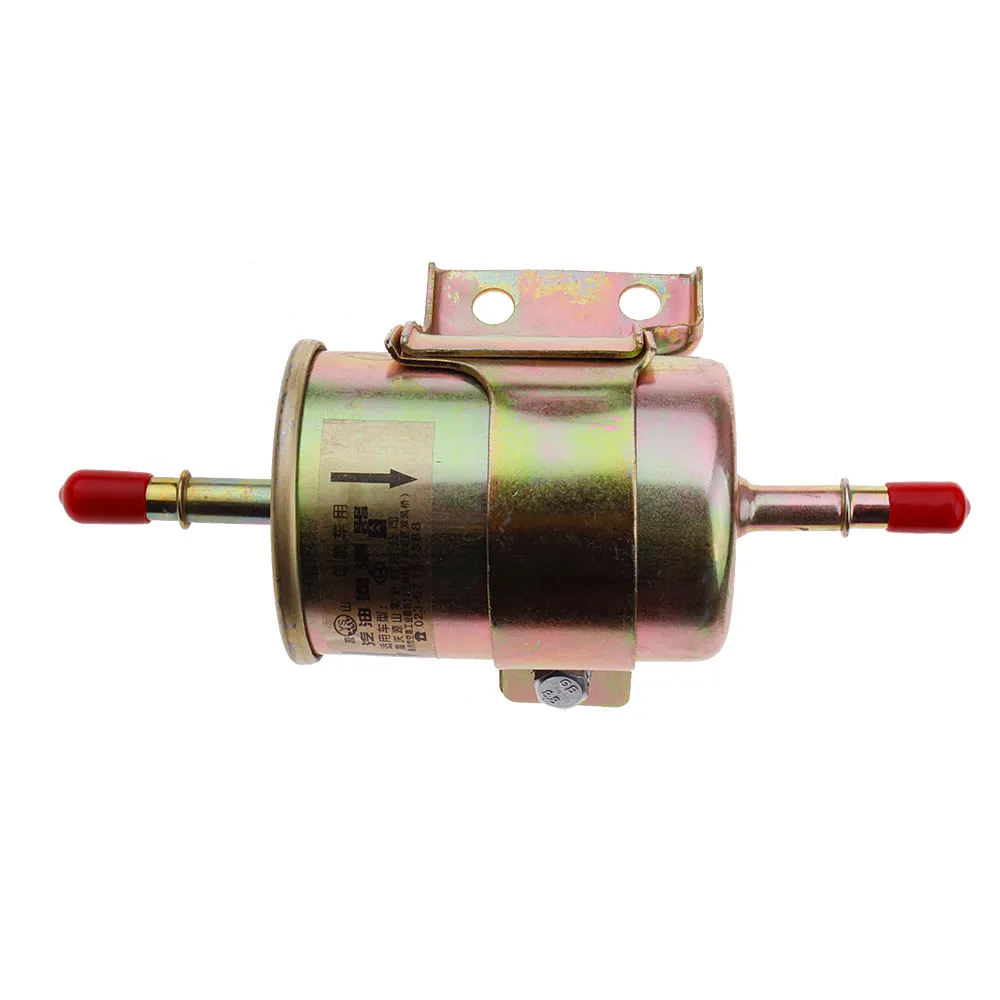
Ensuring precise fuel delivery for peak engine performance.
Vendor Comparison and Customized Solutions
When sourcing automotive filters, B2B buyers face a diverse market. A discerning comparison between vendors is essential, focusing not just on the car fuel filter price, but on the comprehensive value proposition, including product quality, innovation, and support for customized solutions. While a universal car fuel filter might suffice for some basic applications, specialized requirements often necessitate a more tailored approach.
Key Differentiators in Vendor Comparison:
- Quality of Filter Media: Top-tier vendors invest in advanced filter media, often proprietary blends of synthetic and cellulose fibers, engineered for superior efficiency, dirt-holding capacity, and longevity. Inferior media can lead to premature clogging and inadequate protection.
- Construction and Durability: The robustness of the housing, integrity of seals, and overall manufacturing precision directly impact the filter's ability to withstand operational pressures, vibrations, and corrosive environments over its service life. Certifications like ISO/TS 16949 are indicators of manufacturing excellence.
- Research and Development: Leading manufacturers continuously innovate, developing new materials and designs to meet evolving engine technologies and stricter emission standards. This includes advancements in water separation, fuel heating elements, and sensor integration.
- Testing and Validation: Reputable vendors subject their products to extensive in-house and third-party testing, often exceeding industry standards, to validate performance parameters such as filtration efficiency, burst pressure, and fatigue resistance.
- Technical Support and Expertise: Access to technical specialists who can provide application-specific advice, troubleshoot issues, and support integration efforts is invaluable for B2B clients.
The Power of Customized Solutions:
While a universal car fuel filter may offer broad compatibility, it often involves compromises in optimal performance for specific engine types or unique operational environments. For OEMs, fleet operators, or specialized machinery manufacturers, customized filtration solutions offer distinct advantages:
- Optimized Performance: Custom filters can be precisely engineered for specific flow rates, pressure drops, filtration efficiencies, and dirt-holding capacities, perfectly matching the engine's requirements and fuel system architecture.
- Application-Specific Materials: Tailoring filter media and housing materials to withstand unique fuel compositions (e.g., high-ethanol blends, specific biofuels) or extreme operating temperatures and pressures.
- Integration and Packaging: Designing filters to seamlessly integrate into existing engine compartments, optimizing space utilization, and simplifying installation. This can include custom port configurations, mounting brackets, or integrated sensors.
- Cost-Effectiveness over Lifecycle: While initial development costs may be higher, customized solutions often lead to significant long-term savings through extended service intervals, reduced maintenance, and improved fuel economy, ultimately affecting the overall car fuel filter price in a positive way over the vehicle’s life.
Product Comparison: Standard vs. High-Performance Fuel Filters
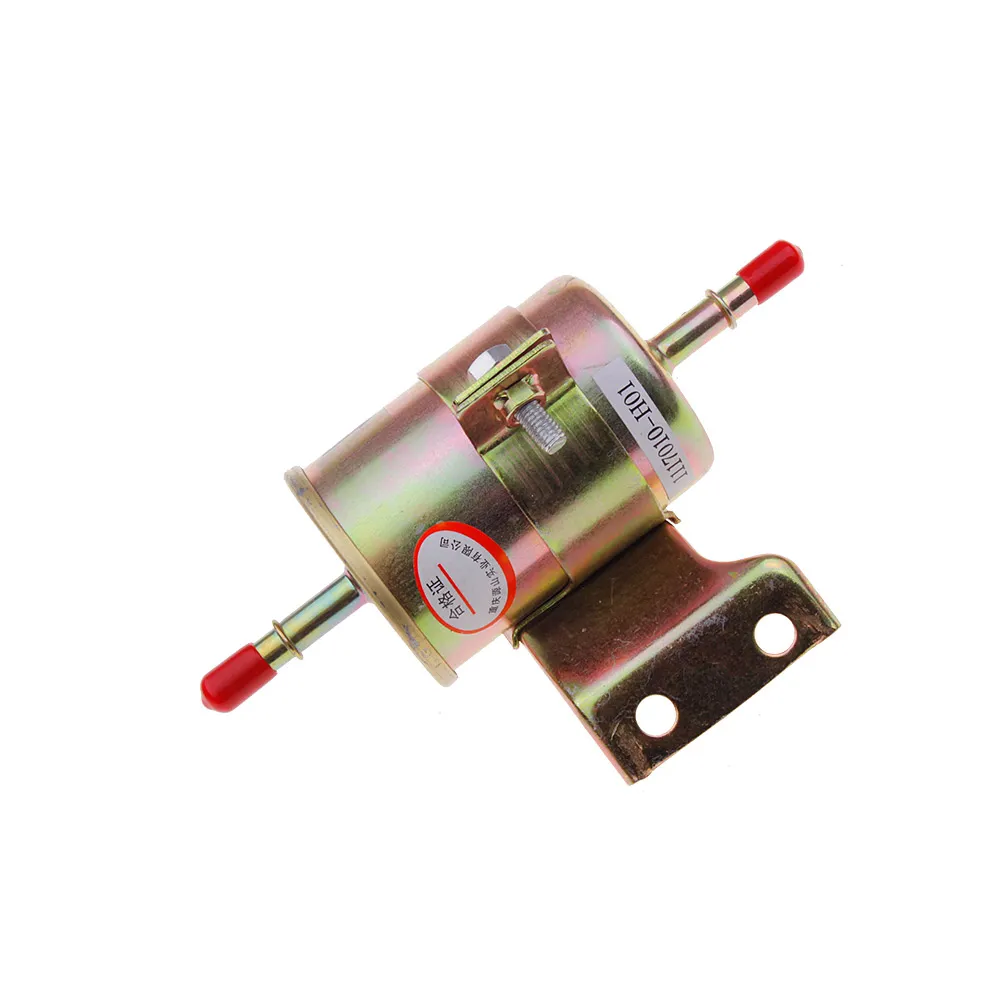
Tailored filtration solutions for specific automotive demands.
Application Case Studies: Realizing Value with Advanced Filtration
The theoretical advantages of superior automotive filters translate into tangible benefits in real-world applications. These case studies illustrate how strategic filtration choices lead to improved operational efficiency, reduced costs, and enhanced reliability for B2B partners.
Case Study 1: OEM Partnership for Next-Generation Diesel Engines
Challenge: A leading automotive OEM was developing a new series of heavy-duty diesel engines designed to meet Euro VII emission standards. The engine's common rail system featured ultra-fine injectors with extremely tight tolerances, demanding an unprecedented level of fuel cleanliness and water separation. Existing car fuel filter solutions failed to consistently meet the required 98% efficiency at 2-micron particle size and water removal down to 50 ppm.
Solution: We partnered with the OEM to develop a custom inline car fuel filter solution. This involved designing a multi-stage filter with a proprietary synthetic blend media, featuring an integrated water-in-fuel sensor and a compact, corrosion-resistant aluminum housing. Extensive R&D and co-engineering led to a filter capable of 99.5% efficiency at 2 microns and over 95% water separation efficiency, validated through ISO 19438 and ASTM D7619 standards.
Results: The custom filter enabled the OEM to meet the stringent emission targets and significantly extend injector life, reducing warranty claims related to fuel system failures by 40%. The robust design also allowed for a doubled service interval, translating to substantial maintenance cost savings for end-users and improving the OEM's reputation for reliability. Customer feedback highlighted the enhanced engine smoothness and consistent power delivery even under varied fuel quality conditions.
Case Study 2: Fleet Management Optimization for Logistics Company
Challenge: A large logistics company operating a fleet of 500 delivery vans was experiencing higher-than-expected fuel consumption and frequent injector clogs, leading to increased maintenance costs and vehicle downtime. Their existing off-the-shelf car fuel filter replacements, chosen primarily based on car fuel filter price, were failing to provide adequate protection against regional fuel quality variations.
Solution: We conducted an analysis of their fleet's operating conditions and fuel sources. Based on this, we recommended switching to a higher-grade filtration solution, specifically an upgraded automotive filter designed for improved dirt-holding capacity and enhanced water separation, even though the initial car fuel filter price was slightly higher. We also provided training for their maintenance staff on proper installation and service intervals, emphasizing the long-term benefits of quality filtration.
Results: Over a 12-month pilot, the fleet observed a 7% reduction in average fuel consumption across the vehicles equipped with the new filters. Injector-related repairs decreased by 60%, leading to a 25% reduction in overall unscheduled maintenance costs. The extended filter life also allowed for more predictable maintenance scheduling, reducing vehicle downtime by 15%. This demonstrated a clear return on investment, validating that a slightly higher initial car fuel filter price was a worthwhile investment for the significant operational savings and reliability gains. The company has since implemented the upgraded filtration system across its entire fleet, becoming a long-term partner.
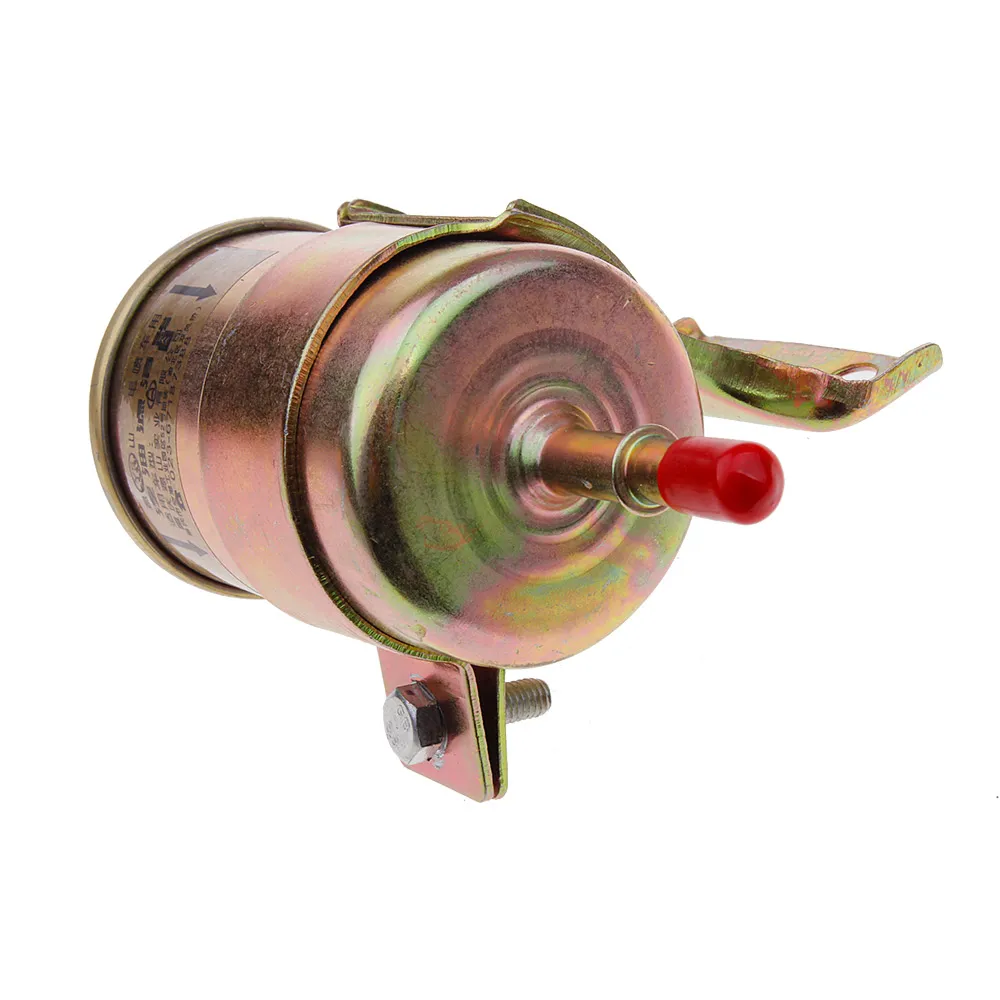
Optimizing fleet performance with advanced filtration solutions.
Trust, Transparency, and Support
Building lasting relationships in the B2B sector requires more than just high-quality products; it demands transparency, robust support, and unwavering commitment to customer satisfaction. We uphold these principles to ensure our partners receive the best possible experience when procuring automotive filters.
Frequently Asked Questions (FAQ):
Q1: How often should a car fuel filter be replaced?
A1: Replacement intervals vary by vehicle manufacturer, fuel quality, and driving conditions. Generally, it ranges from every 30,000 to 100,000 kilometers (20,000 to 60,000 miles). Consult your vehicle's service manual or our technical support for specific recommendations.
Q2: What are the signs of a clogged automotive filter?
A2: Common symptoms include reduced engine power (especially under acceleration), stalling, difficulty starting, rough idling, and decreased fuel efficiency. In severe cases, a "check engine" light might illuminate.
Q3: What is the difference between an inline car fuel filter and an in-tank filter?
A3: An inline car fuel filter is typically located along the fuel line outside the fuel tank, making it easily accessible for servicing. An in-tank filter is submerged within the fuel tank, often integrated with the fuel pump module, and typically has a longer service life but is more complex to replace.
Q4: How does filtration efficiency affect engine performance?
A4: Higher filtration efficiency means fewer contaminants reach the engine's precision components, preventing wear on injectors and fuel pumps. This ensures optimal fuel atomization, leading to more efficient combustion, better fuel economy, lower emissions, and extended engine lifespan.
Q5: Is a higher car fuel filter price always indicative of better quality?
A5: While quality filters using advanced materials and manufacturing processes typically have a higher initial cost, they often offer superior filtration, extended service life, and better protection, leading to a lower total cost of ownership by reducing repairs and improving fuel economy. It's about value, not just price.
Lead Time and Fulfillment:
We understand the importance of timely delivery for your operational continuity. For standard automotive filters, our typical lead time is 7-14 business days from order confirmation, depending on volume. Customized solutions, due to their intricate design and manufacturing process, usually require 4-8 weeks for initial prototyping and testing, followed by agreed-upon production lead times. We maintain robust inventory levels and efficient logistics networks to ensure reliable fulfillment and minimize disruptions to your supply chain. Expedited shipping options are available upon request.
Warranty Commitments:
All our car fuel filter products are backed by a comprehensive warranty, typically covering manufacturing defects and material failures for 12 months or 20,000 kilometers (whichever comes first), aligning with OEM standards. Our commitment extends to ensuring our products meet or exceed stated performance specifications. Detailed warranty terms and conditions are provided with every order and are available through our customer support channels.
Dedicated Customer Support:
Our team of experienced technical professionals and customer service representatives is dedicated to providing unparalleled support. From product selection and technical inquiries to order tracking and after-sales assistance, we are here to help. You can reach us via phone during business hours, email for detailed inquiries, or through our dedicated online portal for quick assistance. Our technical support team possesses deep industry knowledge, ready to assist with complex application challenges or performance optimization queries related to our automotive filters.
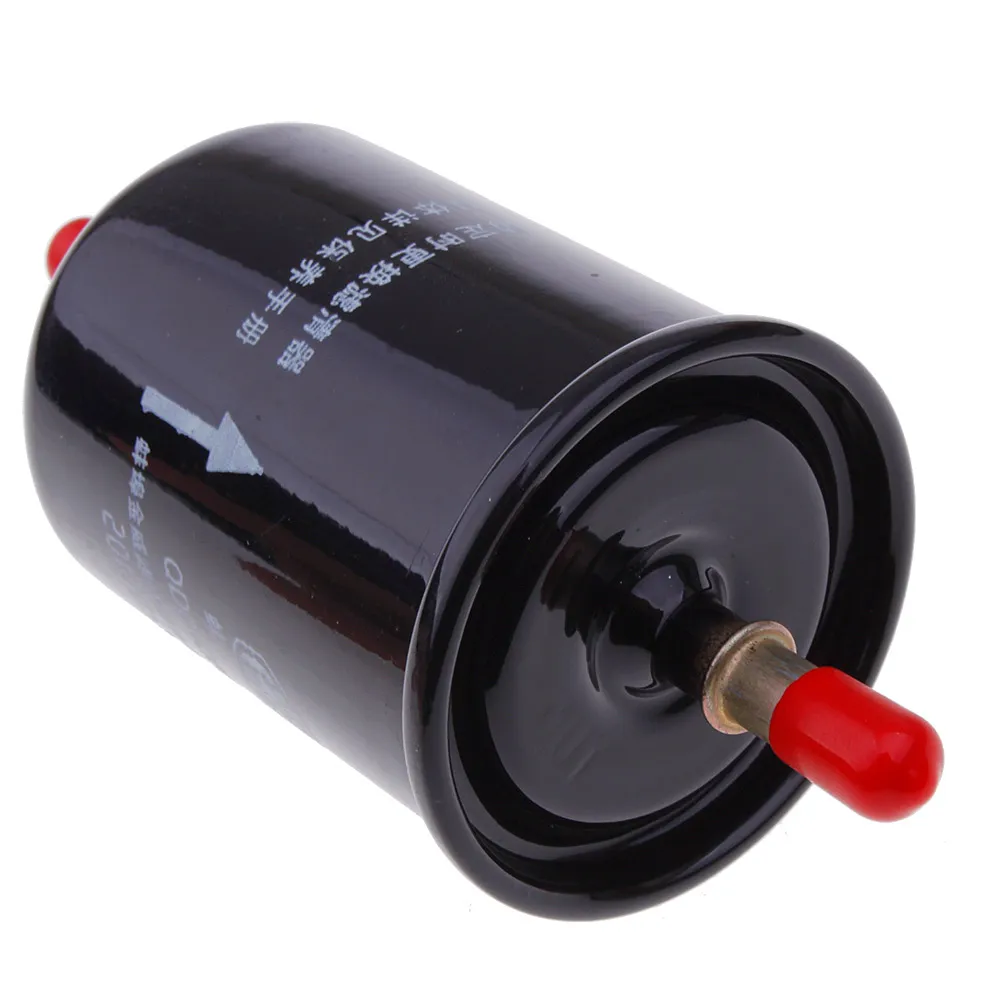
Committed to robust support and customer satisfaction.
Authoritative References
- International Organization for Standardization (ISO). ISO 16889: Hydraulic fluid power – Filters – Multi-pass method for evaluating filtration performance of a filter element.
- International Organization for Standardization (ISO). ISO 19438: Diesel fuel and petrol filters for internal combustion engines – Filtration efficiency by particle counting and contaminant retention capacity.
- Society of Automotive Engineers (SAE). SAE J806: Test Method for the Filtered Life of Fuel Filters.
- Bosch Global. Automotive Handbook, 9th Edition. Robert Bosch GmbH, 2014.
- Mahle Filter Systems. Filter Technology in Internal Combustion Engines. Mahle GmbH, 2010.
-
Guide on how often do you need to replace engine air filterNewsApr.16,2026
-
Learn how often do you replace air filter in car for engine healthNewsApr.09,2026
-
How Often Do You Replace Car Air Filter For Optimal Engine PerformanceNewsApr.07,2026
-
How Often Do You Replace Engine Air Filter For Optimal Vehicle PerformanceNewsApr.04,2026
-
Understanding How Often Does Engine Air Filter Need to Be Replaced for Optimal PerformanceNewsMar.31,2026
-
How Often Engine Air Filter Change Impacts Performance and LongevityNewsMar.28,2026
-
Understanding How Often to Replace Your Car Air Filter for Optimal PerformanceNewsMar.26,2026
Related Products