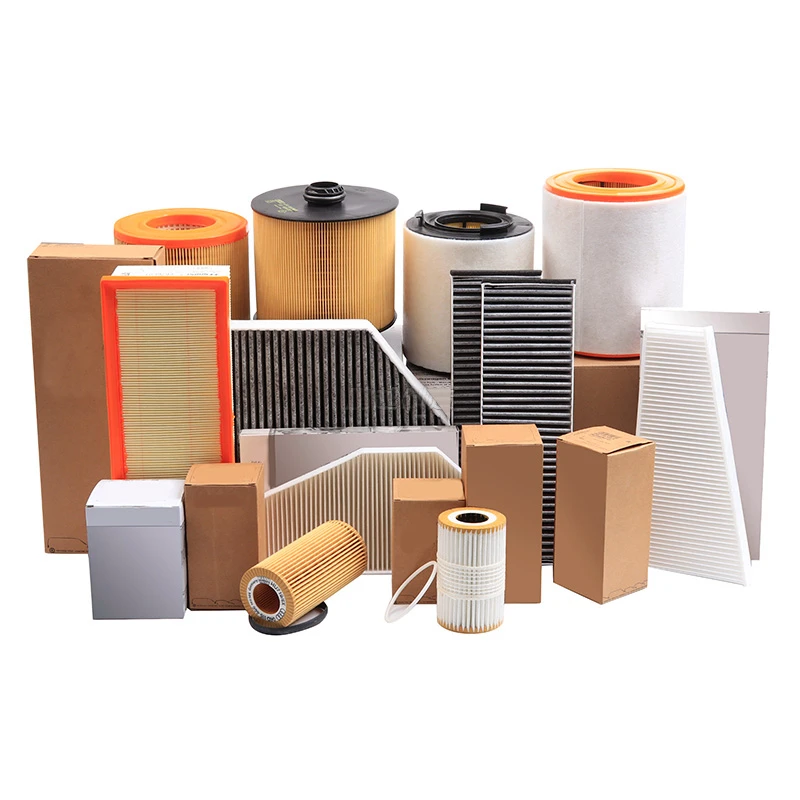
The Unseen Guardian: Elevating Fuel Purity with Advanced Filtration Solutions
In the intricate world of industrial machinery, transportation, and refined petroleum operations, the purity of fuel is not merely a preference but a critical determinant of operational efficiency, longevity, and safety. Contaminants—be they particulate matter, water, or microbial growth—can wreak havoc on sensitive components, leading to costly downtime, decreased performance, and premature equipment failure. This is where the crucial role of advanced filtration solutions, particularly the gasoline filter funnel, becomes paramount. Designed to provide a robust first line of defense, these specialized funnels are engineered not just to strain but to meticulously filter fuel, safeguarding engines and machinery against the insidious threat of impurities. The persistent presence of even microscopic impurities in fuel can lead to abrasive wear in precision-engineered fuel injectors, corrosion within fuel lines and tanks, and the proliferation of 'diesel bug'—microbial contamination that chokes fuel systems and accelerates component degradation. Without effective pre-filtration, these issues quickly escalate from minor annoyances to major operational liabilities, impacting everything from fuel economy to the structural integrity of vital machinery.
The demand for superior fuel filtration has never been higher, driven by tighter environmental regulations, the advent of more sophisticated and sensitive engine technologies, and the imperative for uninterrupted industrial processes. Modern common-rail direct injection (CRDI) systems, for instance, operate with extremely tight tolerances, often requiring fuel free of particles larger than 4 microns. Even trace amounts of water can lead to significant issues, including hydrolysis of fuel components, growth of microorganisms, and accelerated wear. From petrochemical refineries to large-scale construction sites, marine applications, and emergency power generation, the integrity of fuel directly impacts productivity, profitability, and safety. Our discussion delves deep into the technology, applications, and strategic importance of these indispensable filtration tools, exploring how they stand as a testament to engineering excellence in fuel management and contribute significantly to overall operational reliability.
Understanding the Core: What is a Gasoline Filter Funnel?
A gasoline filter funnel, often interchangeably referred to in certain contexts as a gasoline filter screen or gasoline strainer, is more than just a simple pouring device. It's an intricately designed tool specifically engineered to remove solid contaminants and water from gasoline, diesel, kerosene, and other light fuels as they are transferred from storage container111s to fuel tanks. Unlike conventional funnels that merely guide liquid, these units incorporate sophisticated filtration media, typically a finely woven mesh, a composite filter element, or a hydrophobic barrier, which traps impurities while allowing clean fuel to pass through. This dual-action capability—both straining larger particles and coalescing water—is what sets advanced fuel funnels apart, offering a crucial layer of protection right at the point of refueling, preventing contaminated fuel from ever reaching sensitive engine components.
The principle behind its operation is deceptively simple yet highly effective. As fuel is poured into the funnel, it first encounters a coarse screen that captures larger debris like rust, dirt, and sediment. Subsequently, it flows through a secondary, much finer filter element. For water removal, this element often utilizes a super-absorbent polymer or a treated mesh that possesses hydrophobic properties, meaning it repels hydrocarbons but allows water molecules to adhere and be separated. The water collects at the bottom of the funnel, visibly separated from the fuel, allowing for easy disposal. The design ensures that only purified fuel reaches the receiving tank, significantly reducing the risk of engine damage, fuel system corrosion, and operational inefficiencies caused by contaminated fuel. This fundamental component is critical in a wide array of sectors where fuel purity cannot be compromised, making it an essential investment for maintaining equipment health and operational continuity.
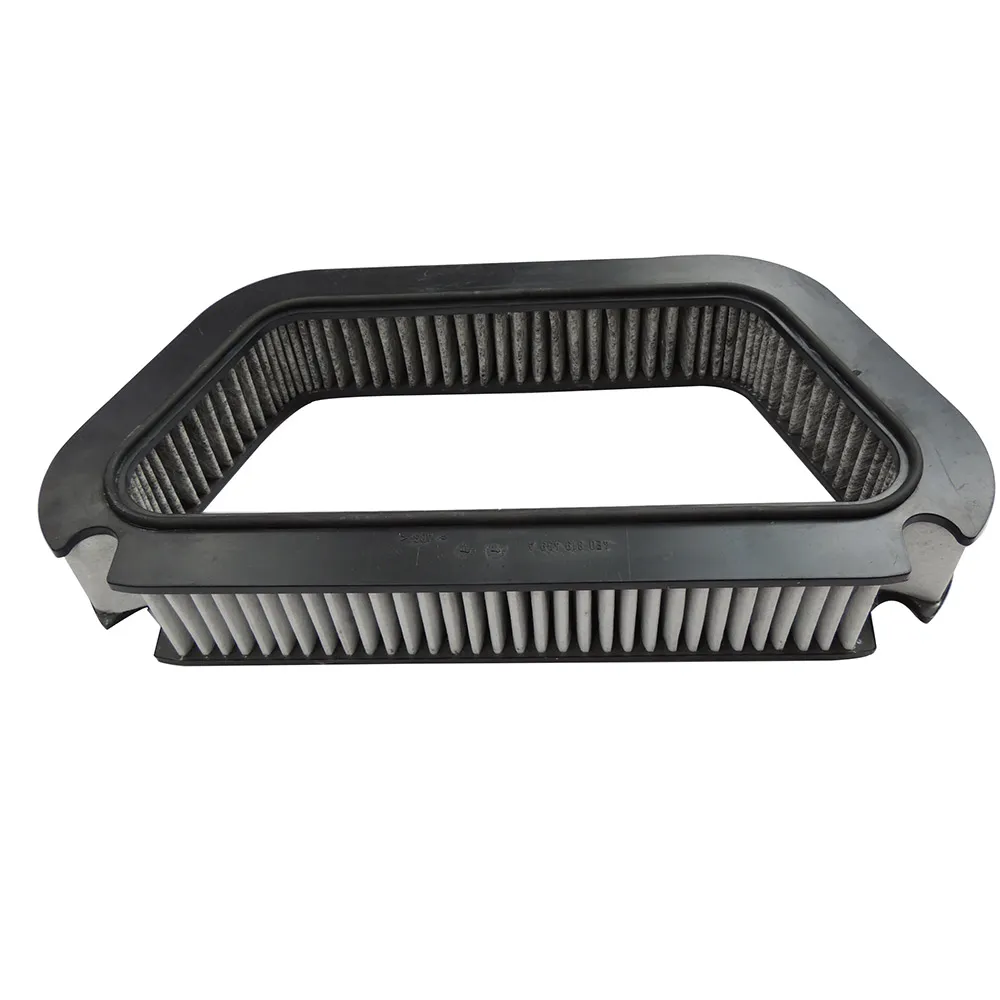
The Critical Role of Filtration in Modern Fuel Systems: Industry Trends
Modern fuel injection systems, particularly those in high-performance engines and industrial machinery, operate with extremely tight tolerances, making them highly susceptible to damage from even microscopic contaminants. The average clearance between moving parts in a fuel injector can be as small as 2-5 microns. Even slightly larger particles can cause abrasive wear, leading to reduced fuel atomization, decreased engine efficiency, and eventually, injector failure. This sensitivity necessitates stringent fuel quality standards, a trend amplified by global efforts towards cleaner energy and stricter emission regulations.
The general trend in the petrochemical industry shows a rising awareness of fuel quality at every stage of the supply chain, from refining to dispensing. According to a study by the National Renewable Energy Laboratory (NREL), the increasing adoption of biofuels and ultra-low sulfur diesel (ULSD) presents new challenges. While beneficial for emissions, these fuels can sometimes exhibit reduced lubricity or an increased propensity for water absorption, creating an ideal environment for microbial growth, commonly known as "diesel bug." This evolving landscape amplifies the need for effective fuel filtration solutions like the gasoline filter funnel, which provides immediate, on-site purification. The proactive removal of contaminants ensures compliance with stringent emission standards (e.g., Euro VI, EPA Tier 4), extends the lifespan of expensive capital equipment, and significantly reduces the overall gas filter cost associated with reactive maintenance, premature component replacement, and unforeseen operational downtime. The minimal investment in a high-quality gasoline filter funnel therefore yields substantial long-term savings and enhances operational reliability across the board.
- Increased Engine Sensitivity: Modern common-rail direct injection (CRDI) and gasoline direct injection (GDI) systems rely on highly precise components. Contaminants as small as 4 microns can cause significant damage to these systems over time.
- Biofuel Challenges: Biofuels are hygroscopic, meaning they readily absorb water, creating an ideal environment for microbial contamination (e.g., diesel bug). This necessitates advanced water separation capabilities in a gasoline strainer.
- Regulatory Compliance: Stricter emission standards globally indirectly demand cleaner fuel to ensure exhaust after-treatment systems (like DPFs and SCRs) function optimally and are not poisoned or damaged by fuel impurities, demonstrating the value of a quality gasoline filter funnel.
- Economic Impact: Unfiltered fuel leads to increased fuel consumption due to inefficient combustion, higher maintenance frequencies, and accelerated wear on critical engine parts, all contributing to elevated operational expenditures far exceeding the initial gas filter cost.
Craft Process Deep Dive: Manufacturing Excellence of the Gasoline Filter Funnel
The manufacturing of a high-performance gasoline filter funnel is a precise engineering discipline, combining advanced material science with sophisticated production techniques. The objective is to produce a durable, efficient, and reliable product capable of withstanding harsh operating environments and effectively purifying diverse fuel types. Each stage of the process is meticulously controlled to ensure superior quality and long-term performance, making it a critical component in any fuel management strategy.
1. Material Selection: Foundation of Durability and Chemical Resistance
The choice of materials is paramount for a gasoline filter funnel, as it must maintain structural integrity and filtration efficacy when exposed to various fuel compositions, temperatures, and environmental conditions. For the body of the funnel, high-grade polymers such as high-density polyethylene (HDPE) or polypropylene (PP) are commonly used due to their excellent chemical resistance to hydrocarbons (including gasoline, diesel, and biofuels), light weight for ease of handling, and exceptional impact resistance, preventing cracks or breaks in demanding industrial settings. For the intricate filtration media, materials vary based on the desired filtration precision and the type of contaminant being targeted:
- Stainless Steel Mesh: Typically 304 or 316 stainless steel, used for durable pre-filtration or coarser gasoline filter screen applications. It offers exceptional corrosion resistance, high mechanical strength, and is reusable after cleaning.
- Hydrophobic Media: Specialized synthetic fabrics (e.g., advanced polyester or proprietary polymer blends) are treated to aggressively repel water while allowing fuel to pass freely. These are critical for highly efficient water separation, often achieving efficiency rates exceeding 99% for free water.
- Super-Absorbent Polymers (SAPs): Used in some designs as a secondary defense, these polymers chemically bind and retain dissolved or emulsified water, providing a clear visual indication (e.g., swelling or color change) when the filter is saturated and requires replacement or regeneration.
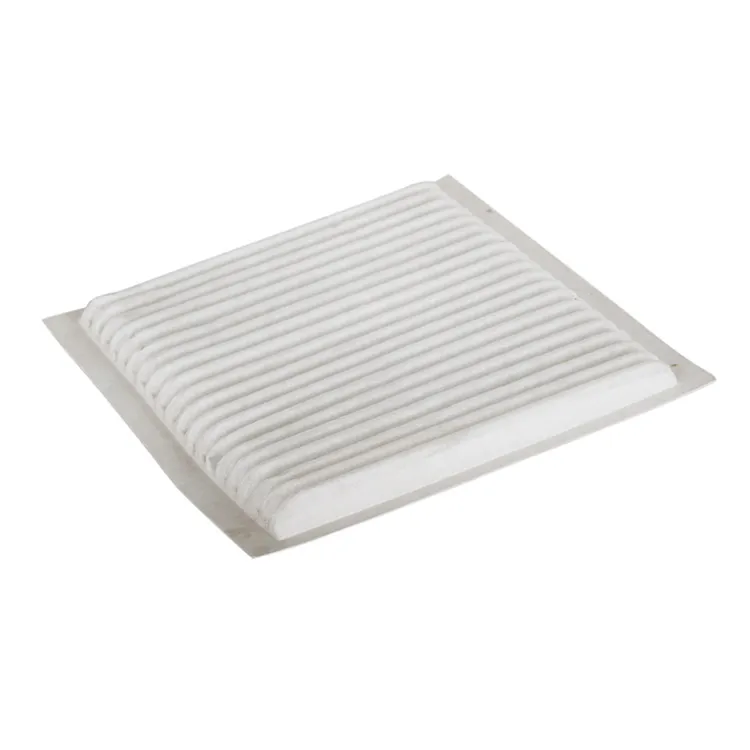
2. Manufacturing Processes: Precision Engineering for Optimal Performance
The production of a robust gasoline strainer involves several sophisticated manufacturing techniques, ensuring both structural integrity and precise filtration capabilities. Each process is carefully calibrated to meet the demanding specifications required for industrial fuel handling:
- Injection Molding: This is the primary method for forming the seamless plastic funnel body. It ensures high precision, repeatable dimensions, and cost-effective mass production. Modern molding techniques allow for complex geometries that integrate internal flow paths, anti-splash features, and secure filter seating, minimizing potential bypass.
- Advanced Welding/Bonding: The filtration media must be securely integrated into the funnel structure to prevent any unfiltered fuel from bypassing the filter element. This can involve ultrasonic welding for polymeric filters, thermal bonding, or precise chemical bonding agents, ensuring a leak-proof and robust seal that withstands fuel flow and pressure.
- CNC Machining (for specialized components): While less common for the main funnel body, CNC machining might be employed for specific metallic inserts, calibration tools, or components that require extremely tight tolerances and intricate designs, ensuring precision in complex designs.
- Assembly and Integration: Components are carefully assembled, often in cleanroom environments to prevent initial contamination. This includes securing the filter element, sealing the funnel, and integrating any additional features like flow indicators, static dissipation elements, or ergonomic handles.
3. Quality Control and Inspection Standards: Guaranteeing Uncompromised Performance
Adherence to international standards and rigorous internal quality control is non-negotiable for products critical to fuel quality. Our manufacturing processes are meticulously controlled and tested against globally recognized benchmarks to ensure every gasoline filter funnel delivers consistent and reliable performance:
- ISO 9001:2015 Certification: This certification ensures a robust Quality Management System (QMS) is in place, covering design, development, production, installation, and servicing. It is a fundamental guarantee of consistent product quality and continuous improvement.
- ASTM Standards: We rigorously apply relevant ASTM (American Society for Testing and Materials) standards for material properties (e.g., chemical resistance, tensile strength, environmental stress cracking of plastics) and filtration performance. This includes tests for particulate removal efficiency (e.g., ASTM D2276 for aviation fuels' cleanliness) and water separation capabilities, ensuring optimal performance from the gasoline filter screen.
- Performance Testing: Each batch undergoes stringent performance tests, including flow rate validation, pressure drop measurement across the filter media, and actual contaminant removal efficiency tests using simulated fuel mixtures. This ensures every funnel meets its specified micron rating and water separation efficiency.
- Visual and Dimensional Inspections: Components and finished products undergo detailed visual and dimensional inspections using precision instruments to detect any manufacturing defects or deviations from design specifications.
4. Service Life and Industry Application Advantages: Long-Term Value
The expected service life of a high-quality gasoline filter funnel depends on fuel cleanliness, usage frequency, and adherence to maintenance guidelines, but industrial-grade funnels are designed for extended use, often several years, with proper cleaning and care. In typical applications, they offer distinct, quantifiable advantages:
- Petrochemical Industry: Essential for transferring fuels between various storage and dispensing points, preventing contamination that can affect refining processes, product purity, or end-user equipment. They serve as a final defense before fuel enters sensitive pipelines or distribution networks.
- Metallurgy: Used in operations where fuel powers heavy machinery, generators, and industrial furnaces. Ensuring clean fuel is critical for maintaining equipment reliability, reducing costly maintenance intervals, and ensuring continuous production processes.
- Water Supply and Drainage: For backup generators and pumping stations that rely on diesel or gasoline for continuous operation, especially during emergencies. The gasoline filter funnel ensures clean fuel, minimizing the risk of system failure due to contaminated fuel.
- Energy Savings: By preventing fuel injector fouling and ensuring cleaner combustion, equipment can experience significant energy savings, potentially improving fuel efficiency by 5-10%, directly translating to lower operational costs and a superior return on the initial gas filter cost.
- Corrosion Prevention: Effective water removal by the gasoline strainer prevents internal corrosion of fuel tanks, lines, and engine components, inhibiting microbial growth and the formation of corrosive acidic byproducts in the fuel system.
These advantages collectively lead to enhanced operational longevity, reduced total cost of ownership, and improved safety across a wide range of industrial applications, solidifying the gasoline filter funnel's position as an indispensable tool.
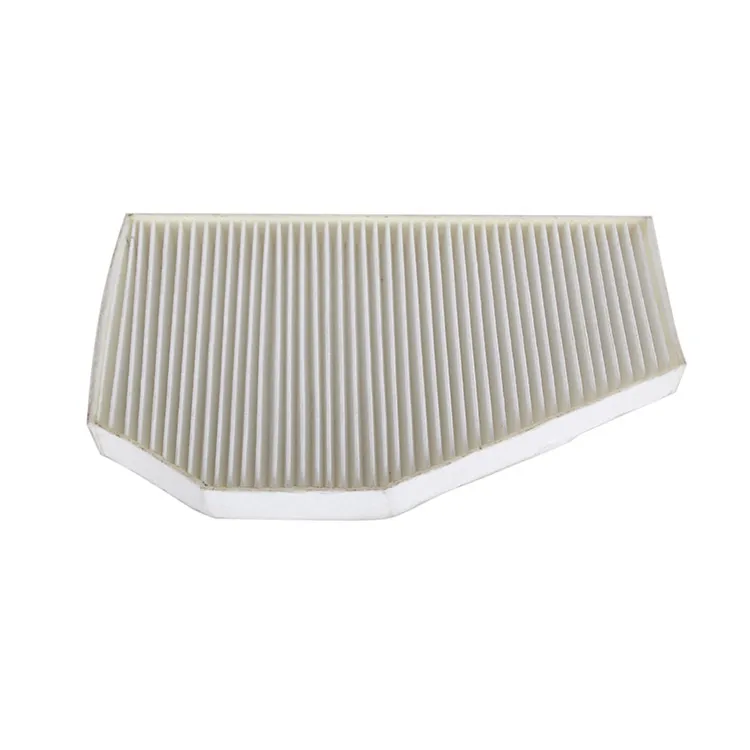
Technical Specifications & Performance Parameters of Industrial Gasoline Filter Funnels
Selecting the right gasoline filter funnel requires a detailed understanding of its technical specifications. These parameters dictate its suitability for specific applications, its overall performance, and its long-term reliability. Below is a representative table outlining typical specifications for industrial-grade gasoline filter funnels, providing B2B decision-makers with the critical information needed for informed procurement.
Understanding these comprehensive parameters is crucial for B2B procurement and engineering teams to ensure the selected gasoline filter funnel aligns perfectly with operational requirements, fuel quality objectives, and budgetary considerations, ultimately contributing to a favorable gas filter cost to benefit ratio.
Application Scenarios Across Diverse Industries: Protecting Critical Assets
The versatility and necessity of the gasoline filter funnel span a broad spectrum of industrial and commercial applications, wherever fuel transfer occurs and purity is non-negotiable. Its robust design, advanced filtration capabilities, and ease of use make it an indispensable tool for maintaining operational integrity, extending equipment lifespan, and minimizing unexpected downtime across various sectors. The inherent portability and effectiveness of the gasoline strainer make it ideal for both stationary and mobile fueling operations.
- Construction and Heavy Equipment: Earthmoving machinery, bulldozers, excavators, large generators, and heavy-duty vehicles often refuel from bulk storage tanks or barrels on rugged, unpaved construction sites. The gasoline filter funnel is critical here, preventing dirt, rust, concrete dust, and condensation from entering sensitive diesel and gasoline engines, a common and damaging issue in such demanding environments.
- Agriculture: Tractors, combines, sprayers, and irrigation pumps depend on impeccably clean fuel for uninterrupted operation during critical planting and harvesting seasons. Filtering fuel at the point of transfer minimizes injector clogs, fuel pump failures, and engine wear from field-sourced contamination, ensuring maximum productivity when it matters most.
- Marine Sector: Boats and ships, from commercial fishing vessels to large cargo ships, are particularly susceptible to water contamination in fuel tanks due to condensation from temperature fluctuations and humid environments. A specialized gasoline strainer with robust water separation capabilities is vital for protecting marine engines from severe corrosion and aggressive microbial growth, which can lead to significant engine damage and power loss at sea, far from repair facilities.
- Emergency Services and Municipalities: Fire trucks, ambulances, police vehicles, and crucial backup generators in hospitals, data centers, or municipal buildings require absolute reliability. Pre-filtering fuel ensures these critical assets are always ready for deployment, safeguarding public safety and essential services, where fuel contamination could have dire consequences.
- Power Generation: From portable generators used in remote locations to industrial standby power units for factories, clean fuel is essential for consistent and reliable energy supply. The gasoline filter funnel acts as an immediate safeguard against contaminated fuel compromising generator performance during outages or peak demand.
- Fleet Management: Companies managing large fleets of vehicles, from delivery vans to long-haul commercial trucks, extensively use these funnels to maintain fuel quality across their depots and mobile refueling operations, significantly reducing fleet maintenance costs, improving vehicle uptime, and extending the operational life of expensive engines.
In each of these sectors, the immediate and visible benefit of using a gasoline filter funnel is the prevention of equipment failure, reduction in reactive maintenance, and a significant contribution to operational longevity and cost efficiency. The relatively low gas filter cost compared to the exorbitant expenses of engine repairs or unscheduled downtime makes it an essential preventative maintenance tool and a smart operational investment.
Technological Advantages & Innovation in Filtration: Beyond Basic Straining
The evolution of the gasoline filter funnel is characterized by continuous innovation aimed at improving filtration efficiency, durability, and user convenience. Modern designs incorporate several key technological advantages that elevate them far beyond simple straining devices, offering a sophisticated defense against fuel contamination and enhancing overall operational safety and efficiency.
- Advanced Hydrophobic Filtration Media: These cutting-edge media are engineered at a microscopic level using specially treated polymers. They aggressively repel water (both free and some emulsified forms) while allowing hydrocarbons to pass freely and efficiently. This goes beyond simple straining, effectively coalescing even finely dispersed water droplets into larger ones that can be easily separated and retained, safeguarding against corrosion and microbial growth.
- Multi-Stage Filtration Architecture: Many high-performance funnels employ a staged filtration process to maximize efficiency and extend service life. A coarser pre-filter (e.g., a 100 micron gasoline filter screen) removes larger debris, thereby protecting the finer secondary filter (e.g., 25, 10, or even 5 micron) from premature clogging and allowing it to focus on minute particulates and water separation. This design ensures consistent flow and prolonged filter effectiveness.
- Static Dissipation Technology: Fuel transfer, especially in dry conditions, can generate static electricity, posing a significant fire risk, particularly with volatile fuels like gasoline. Advanced funnels incorporate integrated grounding elements, conductive materials, or anti-static design features to safely dissipate static charges during refueling, significantly enhancing safety, especially in industrial environments.
- Integrated Flow Indicators & Visual Clarity: Some models feature transparent sections or built-in indicators that allow users to visually inspect fuel quality as it flows through the funnel, or monitor the accumulation of separated water and debris at the bottom. This provides immediate, real-time feedback on fuel cleanliness and filter saturation status, enabling proactive maintenance.
- Ergonomic and Robust Design: Beyond functionality, ease of use and durability are critical. Modern gasoline filter funnel designs incorporate ergonomic handles for comfortable and secure grip, stable bases to prevent tipping, and appropriate spout sizes for efficient pouring. The robust construction ensures the funnel withstands repeated use and harsh industrial conditions, minimizing risk of spills and enhancing operational safety.
- Enhanced Chemical and UV Resistance: The materials used in contemporary funnels are increasingly designed to withstand prolonged exposure to various fuel additives, aggressive chemicals, and harsh UV radiation from outdoor use. This ensures long-term material integrity, preventing degradation, cracking, or leaching that could compromise filtration performance or introduce secondary contamination.
These technological advancements translate directly into tangible benefits for industrial users: significantly extended equipment life, reduced maintenance intervals and associated costs, improved fuel economy due to cleaner combustion and reduced injector fouling, and enhanced safety during fuel handling operations. The initial gas filter cost is quickly offset by these substantial operational savings and the increased reliability and uptime of valuable capital equipment.
Customization Solutions for Specific Industrial Needs
While standard gasoline filter funnel models address a wide range of applications, specific industrial requirements often necessitate tailored solutions. Recognizing that a one-size-fits-all approach is insufficient for complex B2B environments, leading manufacturers like JY Filter offer comprehensive customization services to optimize filtration performance and operational integration, ensuring the product perfectly aligns with unique client needs and challenging operational contexts.
Customization options can include, but are not limited to, the following:
- Variable Filtration Micron Ratings: For highly sensitive fuel systems (e.g., in aviation ground support or precision manufacturing), the primary filter can be customized to achieve ultra-fine particulate removal (e.g., down to 2 or 5 microns). Conversely, less critical applications might opt for coarser filtration for higher flow rates when very large volumes of fuel need rapid transfer.
- Specialized Chemical Compatibility: If the funnel is to be used with unique industrial solvents, corrosive chemicals, or non-standard fuel blends (e.g., high-ethanol content fuels beyond E10, or specific industrial lubricants), specialized material compounds and coatings can be selected to ensure specific chemical resistance, preventing material degradation or cross-contamination.
- Optimized Flow Rate & Capacity: For high-volume fuel transfer operations (e.g., refueling large earthmovers or marine vessels), funnels can be designed with larger diameters, optimized internal geometries, and increased filter surface area to accommodate very high flow rates (e.g., up to 100 LPM) without compromising filtration efficiency or causing frustrating back-ups.
- Integrated Monitoring Features: Advanced customization might involve incorporating sophisticated sensors for real-time water detection, particulate build-up, or even temperature monitoring. These features can provide immediate alerts for filter saturation or contamination, allowing for predictive maintenance and minimizing human error.
- Tailored Ergonomic Modifications: For unique dispensing setups, operator requirements, or confined spaces, aspects like handle design (e.g., multi-grip options), spout length and angle, or base stability can be specifically modified to improve usability, reduce physical strain, and enhance safety during prolonged use.
- Branding and Color Coding: For large enterprises, customization can extend to brand integration (e.g., company logo molding or printing) or specific color-coding for different fuel types or departmental use. This enhances organizational efficiency, prevents cross-contamination of fuel types, and reinforces brand identity.
This bespoke approach ensures that businesses receive a filtration solution that is not just effective, but also perfectly integrated into their existing operational workflows, maximizing efficiency, ensuring compliance, and delivering a superior return on investment while effectively managing the overall gas filter cost over the product's extended lifecycle.
Real-world Application Case Studies & Customer Success: Proven Performance
The practical impact and tangible benefits of high-quality filtration are best illustrated through real-world applications and documented customer success stories. Our clients, spanning various heavy industries and critical sectors, have consistently reported significant improvements in operational efficiency, equipment longevity, and substantial cost savings after integrating our advanced filtration solutions, including the gasoline filter funnel, into their daily operations.
Case Study 1: Large-Scale Agricultural Fleet Management
A major agricultural cooperative in the Midwest, managing over 500 tractors, combines, and various harvesting machines, faced recurring and costly issues with fuel injector clogging and premature fuel pump failures. Post-analysis by their technical team revealed consistently high levels of particulate matter and free water in their bulk diesel storage tanks, a problem exacerbated by frequent field refueling operations in dusty, humid environments. After implementing a fleet-wide protocol requiring the mandatory use of our 25-micron gasoline filter funnel during all refueling events, they observed:
- A significant 40% reduction in fuel system-related maintenance and repair costs within the first twelve months of implementation.
- A measurable 15% improvement in average fuel efficiency across the fleet, attributed to cleaner combustion and optimal fuel injector performance.
- Increased equipment uptime by 20% during critical planting and harvesting seasons, directly contributing to higher overall productivity and yield.
Case Study 2: Marine Operations and Coastal Transport Fleet
A prominent coastal transport company operating a fleet of passenger ferries and cargo vessels experienced persistent issues with "diesel bug" (microbial contamination) and severe water ingress in their marine fuel tanks. This led to significant engine damage, fuel filter blockages, and unscheduled dry-docking for expensive tank cleaning and engine overhauls. By adopting our gasoline strainer with advanced hydrophobic media for all bunkering operations from shore-based tanks and refuelling barges, they achieved remarkable results:
- Complete elimination of water-related fuel contamination issues, consistently confirmed by periodic fuel sampling and analysis.
- A substantial 60% decrease in engine component replacements (injectors, pumps, filters) directly related to fuel quality over a two-year period.
- Improved voyage schedules and punctuality due to drastically reduced unexpected maintenance, reinforcing customer trust and operational reliability.
These compelling case studies underscore the tangible economic and operational benefits of investing in reliable, high-quality fuel filtration solutions like our gasoline filter funnel. They highlight how the minimal gas filter cost serves as a robust preventative measure, safeguarding against far more significant expenditures in repairs, downtime, and reputational damage. Proactive fuel quality management is not just a best practice; it's a proven strategy for maximizing asset life and profitability.
Ensuring Quality and Reliability: Certifications and Authoritative Validation
For B2B clients, trust is built on verifiable quality, adherence to recognized industry standards, and a proven track record. Our unwavering commitment to excellence in producing the gasoline filter funnel and other filtration products is underpinned by rigorous quality control processes, authoritative third-party certifications, and deep industry experience. This holistic approach ensures that every product leaving our facility meets the highest benchmarks for performance and reliability.
- ISO 9001:2015 Certified Manufacturing: Our production facilities operate under a stringent ISO 9001:2015 Quality Management System. This internationally recognized certification ensures consistency in product design, development, manufacturing processes, and customer service. It signifies our dedication to meeting and exceeding customer and regulatory requirements consistently, providing a foundational assurance of quality for every gasoline filter funnel we produce.
- Compliance with Industry Standards: Our products are meticulously designed, engineered, and tested to meet or exceed relevant industry standards for fuel filtration. This includes, but is not limited to, compliance with ASTM D2276 (Standard Test Method for Particulate Contaminant in Aviation Turbine Fuels by Bottled Sample Method) for particulate removal efficacy, and various SAE (Society of Automotive Engineers) guidelines for material compatibility, flow dynamics, and durability in various fuel types.
- Rigorous In-House Testing Protocols: Beyond external certifications, every batch of gasoline filter funnels undergoes comprehensive in-house quality assurance testing. This includes detailed material integrity tests, burst pressure tests (to ensure structural resilience), precise flow rate validation, and actual water and particulate removal efficiency tests using calibrated test rigs and simulated fuel mixtures that mirror real-world contamination scenarios.
- Trusted Partnerships and Service Longevity: We collaborate closely with leading fuel system component manufacturers, industrial equipment providers, and major distributors worldwide. These long-standing partnerships, spanning over two decades in the industry, speak volumes about our consistent product quality, technical expertise, and reliability. Our extended service history is a strong testament to our ability to deliver robust filtration solutions for demanding industrial applications.
- Commitment to Environmental Responsibility: Our manufacturing processes adhere to stringent environmental protection standards. We prioritize minimal waste generation, responsible sourcing of materials, and energy-efficient production techniques, reflecting our commitment to sustainable industrial practices and reducing the environmental footprint of our products.
This multi-faceted and deeply ingrained approach to quality assurance provides our clients with the absolute confidence that they are investing in a product that is not only highly effective and technically superior but also backed by robust engineering, rigorously certified processes, and a proven track record in the most demanding industrial applications. The inherent trustworthiness of our products minimizes long-term risks and optimizes the gas filter cost over its operational lifetime.
Frequently Asked Questions (FAQs)
To further assist our valued B2B partners and address common operational queries, we've compiled answers to frequently asked questions regarding the gasoline filter funnel and its optimal application in various industrial settings.
Q: How often should a gasoline filter funnel be cleaned or replaced?
A: The cleaning frequency of your gasoline filter funnel depends heavily on the initial cleanliness of the fuel being filtered and the total volume of fuel transferred. For funnels with visible filter media (like a stainless steel gasoline filter screen), cleaning is recommended when a noticeable reduction in fuel flow rate occurs, indicating particulate buildup. For funnels utilizing absorbent media, replacement is typically indicated by visible media saturation (often seen as swelling, a distinct color change, or when water visibly begins to pass through). Regular inspection before each use is crucial for optimal performance and to ensure continuous protection for your equipment.
Q: Can these funnels effectively remove emulsified water from fuel?
A: While primarily designed for the highly efficient removal of free water (water suspended as distinct droplets), high-quality funnels equipped with advanced hydrophobic media can effectively coalesce and separate some levels of lightly emulsified water, especially if the emulsion is unstable. For highly stable fuel-water emulsions, a more advanced, dedicated in-line coalescing filter system or a fuel polishing system might be required in addition to the funnel's capabilities to achieve complete separation. However, the funnel acts as a critical first line of defense, preventing the majority of water ingress.
Q: Is the gas filter cost justified for every refueling operation?
A: Absolutely. The initial gas filter cost for a high-quality gasoline filter funnel is negligible when weighed against the staggering potential expenses of engine damage, sophisticated fuel system repairs, unscheduled operational downtime, and reduced overall efficiency caused by contaminated fuel. It serves as an inexpensive, yet profoundly effective, insurance policy that actively preserves valuable capital equipment and ensures consistent productivity. Investing in preventative maintenance, such as point-of-fill fuel filtration, is invariably more cost-effective and operationally sound than reacting to costly repairs and system failures after contamination has occurred.
Q: What are the main types of contaminants a gasoline filter screen and funnel system protects against?
A: A robust gasoline filter screen and funnel system primarily provides superior protection against the following critical fuel contaminants:
1. Particulate Matter: This includes abrasive elements such as dust, dirt, rust flakes from storage tanks, sand, paint chips, and other solid debris that can enter the fuel during storage or transfer.
2. Free Water: This refers to water that is visibly separated or suspended in the fuel, often from condensation within tanks, rain, or improper storage.
3. Microbial Contamination: While not directly removing microbes, by effectively eliminating water, the funnel removes the essential breeding ground for bacteria and fungi (often referred to as 'diesel bug'), thereby inhibiting their growth and preventing significant fuel system blockages and corrosion.
Ordering & Support: Your Partner in Fuel Purity and Operational Excellence
At JY Filter, we are deeply committed to providing not just superior quality products like our advanced gasoline filter funnel, but also comprehensive support and seamless service to our valued B2B clients. We understand that efficient procurement, timely delivery, and reliable post-sales assistance are crucial elements for uninterrupted and successful industrial operations. Our client-centric approach ensures you receive unparalleled support at every stage of your partnership with us.
- Streamlined Delivery and Logistics: We maintain robust inventory levels of standard gasoline filter funnel models and leverage efficient global logistics networks to ensure timely and reliable delivery, whether for standard stock orders or large-volume procurements. Typical delivery periods for in-stock items range from 3-7 business days within regional hubs, with expedited shipping options readily available upon request for urgent requirements. For custom orders, precise lead times will be provided based on the complexity, volume, and specific customization requirements.
- Comprehensive Product Warranty: All our gasoline filter funnels are meticulously manufactured and rigorously tested, and as a testament to our confidence in their quality and durability, they are backed by a comprehensive 2-year manufacturer's warranty against defects in materials and workmanship. This commitment underscores our unwavering confidence in product quality and provides unparalleled peace of mind to our clients, safeguarding their investment.
- Dedicated Customer and Technical Support: Our highly skilled team of technical experts and dedicated customer service professionals is readily available to provide comprehensive pre-sales consultation, assist with optimal product selection tailored to your specific application, address any technical queries you may have, and offer prompt post-sales support. We offer direct phone support, responsive email assistance, and a wealth of online resources (including detailed FAQs and troubleshooting guides) to ensure you derive maximum value and performance from your filtration investment.
- Extensive Technical Documentation & Training: We provide detailed technical specifications, comprehensive user manuals, and robust maintenance guidelines for all our products. For large industrial clients or those with complex operational setups, we can also arrange for on-site product training sessions. These sessions ensure proper usage, optimize the lifespan of the filtration equipment, and empower your operational teams with the knowledge to maintain peak fuel purity.
- Global Distribution Network: Our extensive and well-established global distribution network allows us to efficiently serve clients worldwide. This expansive reach enables us to provide localized support, streamlined supply chain management, and rapid product availability, regardless of your operational location, making us a truly global partner in fuel filtration.
Partnering with JY Filter means gaining access to not only cutting-edge filtration technology designed for superior performance but also a dedicated and experienced partner committed to your operational success, long-term satisfaction, and ensuring the highest standards of fuel purity for your valuable assets. We strive to make the overall gas filter cost a wise investment through superior product quality and unwavering support.
Conclusion: The Indispensable Role of Precision Fuel Filtration for Industrial Longevity
In an era where operational efficiency, equipment longevity, stringent environmental compliance, and cost optimization are paramount, the role of effective fuel filtration cannot be overstated. The gasoline filter funnel stands as a deceptively simple yet profoundly effective and indispensable tool, providing critical, immediate protection against the pervasive and damaging threat of fuel contamination. From safeguarding highly sensitive engine components in heavy construction machinery and agricultural equipment to ensuring uninterrupted power generation for critical infrastructure and improving overall fuel economy across vast industrial fleets, its tangible benefits resonate deeply and positively across diverse industrial landscapes.
By meticulously controlling the entire manufacturing process, adhering to the most stringent international quality standards, and continuously innovating filtration technologies, manufacturers like JY Filter are empowering businesses to achieve significantly higher levels of operational reliability, maximize asset uptime, and realize substantial cost-effectiveness. The strategic investment in a high-quality gasoline filter funnel is not merely an expense; it is a forward-thinking, proactive decision that pays substantial dividends in terms of drastically reduced maintenance expenditures, significantly prolonged asset life, enhanced fuel efficiency, and ultimately, superior overall productivity. Embrace the assurance of superior fuel purity; safeguard your critical operations and valuable machinery with the right, technologically advanced filtration solution.
References
- National Renewable Energy Laboratory. (2019). Biofuels: A Comparison of Ethanol and Biodiesel.
- Society of Automotive Engineers International (SAE). (2020). Fuel and Lubricant Standards Handbook.
- ISO (International Organization for Standardization). (2015). ISO 9001:2015 Quality Management Systems – Requirements.
- ASTM International. (2021). Standard Test Method for Particulate Contaminant in Aviation Turbine Fuels by Bottled Sample Method. ASTM D2276.
- Diesel Technology Forum. (2018). The Importance of Fuel Quality for Modern Diesel Engines.
- U.S. Environmental Protection Agency (EPA). (2022). Vehicle and Engine Emissions.
-
Guide on how often do you need to replace engine air filterNewsApr.16,2026
-
Learn how often do you replace air filter in car for engine healthNewsApr.09,2026
-
How Often Do You Replace Car Air Filter For Optimal Engine PerformanceNewsApr.07,2026
-
How Often Do You Replace Engine Air Filter For Optimal Vehicle PerformanceNewsApr.04,2026
-
Understanding How Often Does Engine Air Filter Need to Be Replaced for Optimal PerformanceNewsMar.31,2026
-
How Often Engine Air Filter Change Impacts Performance and LongevityNewsMar.28,2026
-
Understanding How Often to Replace Your Car Air Filter for Optimal PerformanceNewsMar.26,2026
Related Products