Why Knowing How to Change Air Filter in Car Matters Globally
If you’ve ever tried to squeeze out that last bit of life from your car's performance, you probably know that a clean air filter is like lungs for the engine—it needs good breathing space. Worldwide, millions of vehicles rely on proper maintenance to curb emissions, prolong engine life, and improve fuel efficiency. The concept behind how to change air filter in car is more than just a weekend DIY; it’s a foremost step in reducing automotive pollution and increasing mechanical reliability. According to the International Energy Agency, transport accounts for nearly 24% of CO2 emissions globally, and simple maintenance steps like changing air filters regularly can shave off a chunk of these unnecessary emissions.
Mini takeaway: Learning how to change your air filter isn't just good for your car; it's a small yet tangible act contributing to cleaner air worldwide.
The Global Relevance of Changing Your Car’s Air Filter
From congested megacities in India where air pollution is a daily concern, to remote rural areas in Europe where vehicle longevity means saving literal hundreds on repairs, the importance of readily accessible knowledge about vehicle maintenance can’t be overstated. A 2019 World Bank report notes that poorly maintained vehicles release 50-60% more pollutants than well-tuned ones. The pesky question becomes: how often does “changing the air filter” come up in car care? More than you might guess — it directly affects fuel economy and emissions.
Still, many drivers unknowingly run engines with clogged filters for months on end, compromising engine health, wasting fuel, and puffing invisible clouds of pollutants into the environment.
Why does this matter?
- Better knowledge reduces accidents caused by engine failures.
- Cleaner running engines help meet tightening international emissions standards.
- It extends vehicle lifespan, an important economic factor in developing areas.
Mini takeaway: Understanding how to change air filter in car brings practical benefits for the global environment and personal finances alike.
What Does “How to Change an Air Filter in Car” Really Mean?
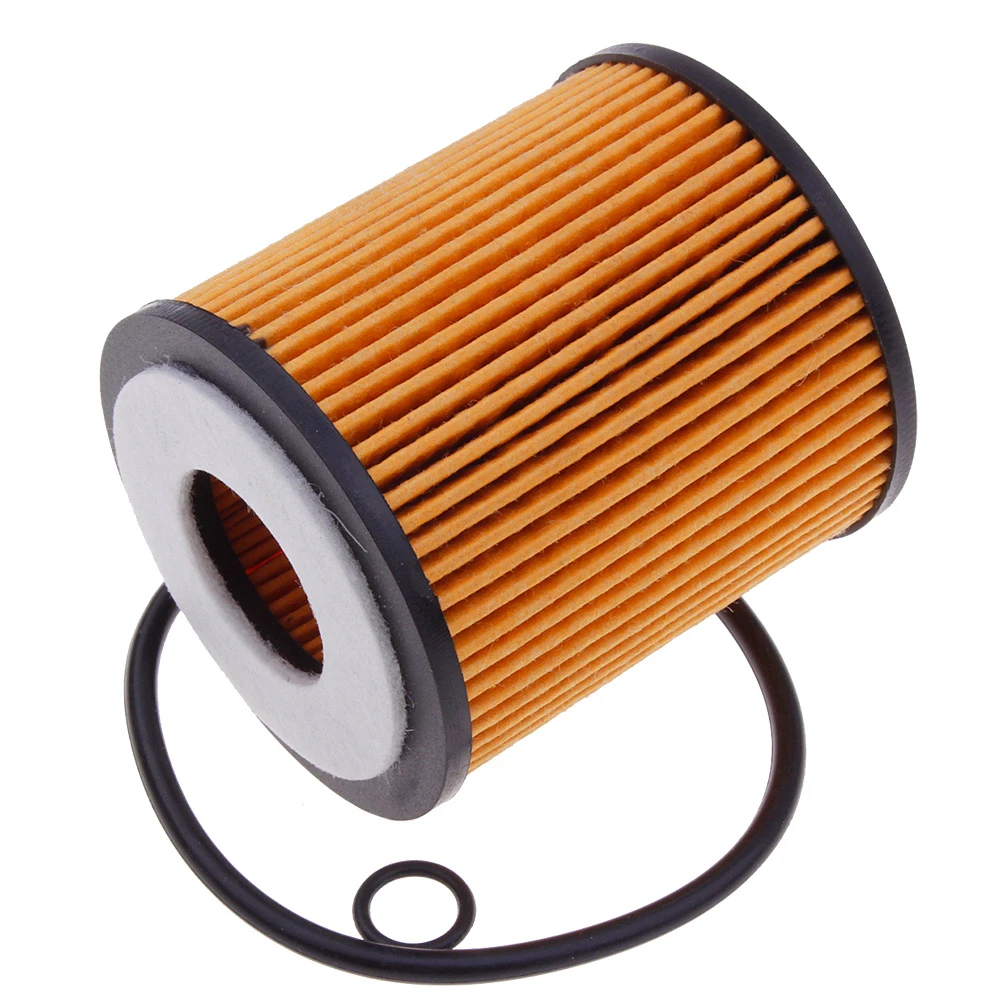
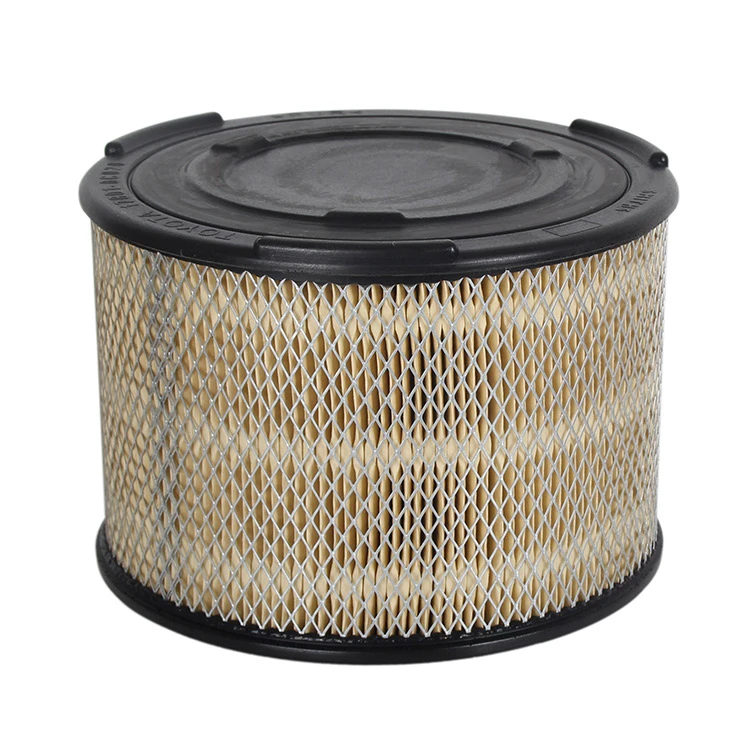
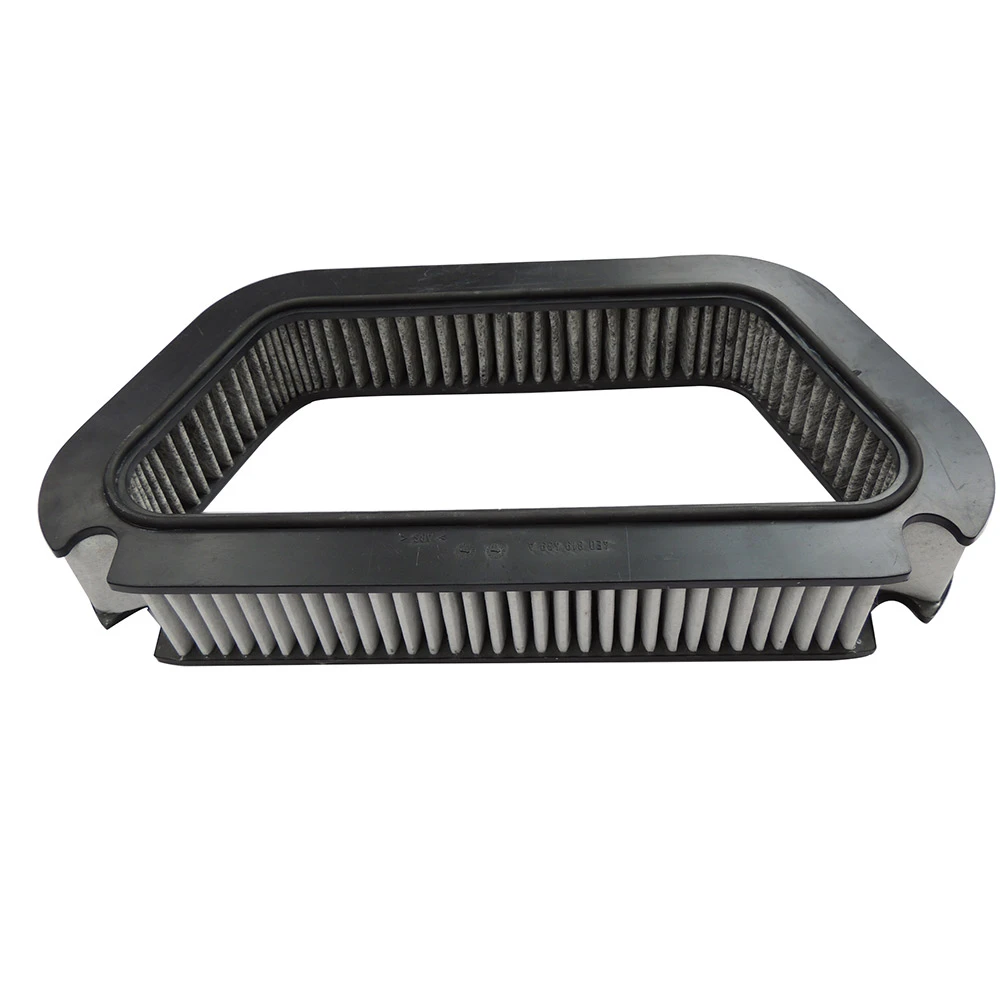
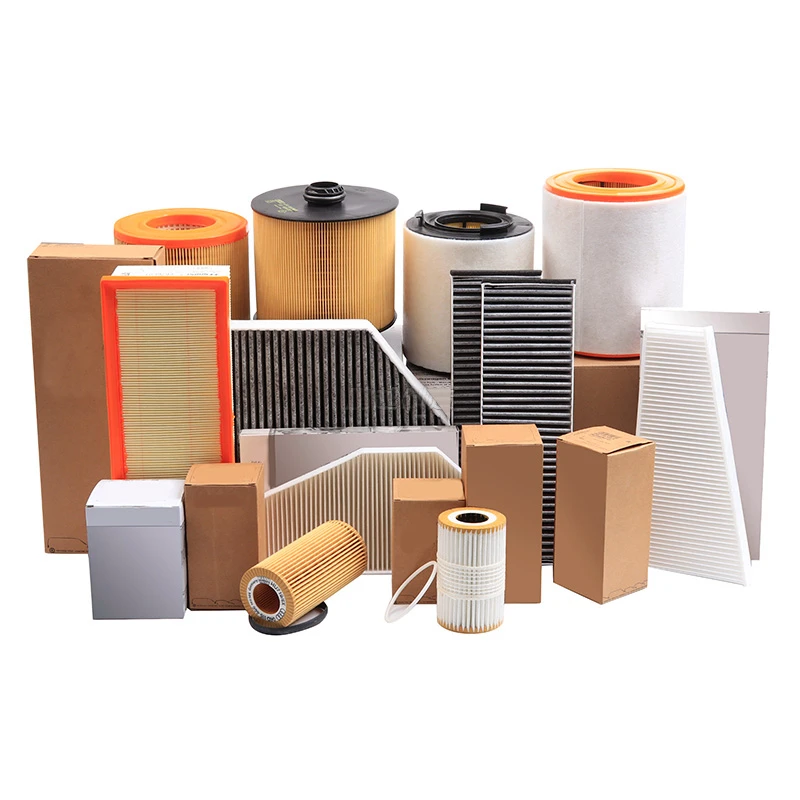
At its core, the phrase refers to the process of removing the dirty, clogged air filter unit from your car’s intake system and replacing it with a clean, efficient one. This filter traps dust, debris, and harmful particulates before they can enter the engine and cause damage or reduce combustion efficiency.
In modern vehicles, air filters have become more sophisticated, incorporating materials designed for better filtration and longer lifespans — sometimes with sensors that alert you when it’s time for replacement. On a broader scale, it’s part of the automotive industry's ongoing cycle of innovation and sustainability efforts to reduce environmental harm.
Key Factors to Consider When Changing Your Car's Air Filter
1. Filter Material and Durability
Not all air filters are created equal. Paper filters are common and cheap but wear out quickly. Foam or cotton filters provide better airflow with washable options but need careful maintenance. Durability ensures fewer replacements and less waste — something especially critical in harsh climates.
2. Cost Efficiency
Filters range from $10 to $50 or more. While pricier filters may seem like an initial splurge, many engineers swear by them due to longer life and better engine protection. The real cost equation is maintenance frequency times price.
3. Ease of Access and Replacement
Some cars have straightforward air box placements, making filter swaps a breeze. Others, especially older or luxury vehicles, may require tools or professional assistance. This affects how often owners actually change their filters, which is sad but true.
4. Environmental Impact
Many replacement air filters are now biodegradable or made from recycled materials. Considering the eco-footprint of this tiny but crucial component isn't just trendy — it’s necessary.
5. Compatibility and Quality Certification
It’s vital to pick filters matching the manufacturer’s specs — air flow rating, size, and certification from standards bodies like ISO. Using substandard filters can do more harm than good.
Mini takeaway: Paying attention to these factors ensures that when you learn how to change air filter in car, you’re not just doing a quick fix, but rather supporting longer vehicle life and environmental care.
Global Applications and Real-World Use Cases
Changing car air filters isn’t just a personal convenience. It plays a role in industrial fleets, humanitarian work, and environmental initiatives. For instance, humanitarian relief vehicles operating in dusty conditions — think post-disaster recovery in Kenya or dust storms in Australia — need frequent and proper air filter changes to keep engines running smoothly and to avoid mission-critical breakdowns.
In urban centers battling smog, like Mexico City, fleet operators adopt stringent filter change schedules to stay compliant and reduce urban pollution. Meanwhile, electric vehicles may not need air filters but classic vehicles are still abundant globally, making the knowledge evergreen.
One fascinating case is a taxi cooperative in Jakarta that reduced fuel consumption by 8% simply by implementing routine air filter inspections and replacements — saving thousands annually and cutting down emissions significantly.
Typical Specifications of a Popular Automotive Air Filter
| Specification | Details |
|---|---|
| Dimensions | 10 x 8 x 1.5 inches |
| Material | High-efficiency cellulose fiber |
| Expected Service Life | 12,000 miles / 1 year |
| Filtration Efficiency | Up to 98% particulate capture |
| Price Range | $15 - $30 |
| Certifications | ISO 9001, SAE J726 |
Comparing Popular Air Filter Manufacturers
| Vendor | Price Range (USD) | Key Feature | Warranty |
|---|---|---|---|
| K&N Filters | $30 - $70 | Washable, high airflow cotton | Million Mile Warranty |
| Fram | $10 - $25 | Affordable paper filters, easy fit | Limited 12-mo Warranty |
| Mann-Filter | $15 - $40 | OEM quality, superior sealing | 24-mo Warranty |
| Bosch | $18 - $50 | Advanced multilayer filtration | 36-mo Warranty |
Advantages and Long-Term Value of Proper Air Filter Maintenance
Besides the obvious — improved engine breathing — changing your car's air filter on time saves you actual bucks: better fuel efficiency (sometimes an 8-10% improvement!), less wear on your spark plugs, fewer emissions, and overall peace of mind that you’re not slowly suffocating your engine.
On a social note, maintaining your vehicle this way extends its usable life, which is especially valuable in places where buying a new car isn’t easily affordable. It’s environmental care and practical budgeting wrapped into one.
And frankly, there’s an emotional satisfaction in knowing you’ve done your bit to prevent unnecessary pollution and mechanical failure — little acts of responsibility matter.
Future Trends in Air Filter Technology
The days of simple paper filters are evolving quickly. The industry is moving toward:
- Smart Filters: With sensors that monitor clogging and air flow, offering app notifications when replacement is due.
- Green Materials: Filters made from biodegradable fibers or recycled plastics, reducing landfill waste dramatically.
- Enhanced Efficiency: Nano-fiber technologies that trap even smaller particles without choking airflow.
- Automation: Some electric vehicles use advanced filtration combined with forced air circulation eliminating the need for regular manual replacement.
These innovations underscore an interesting overlap between environmental consciousness and automotive technology modernization.
Common Challenges and How to Overcome Them
One of the major obstacles drivers face with changing air filters is simply awareness and access. Some don’t realize clogged filters can reduce fuel economy or that replacing filters can be a quick self-service job. Plus, more specialized cars might have complicated assemblies requiring professional assistance, leading to procrastination.
Solutions include better educational materials from manufacturers (much like how to change air filter in car guides), widespread availability of easy-to-install filters, and innovative, longer-life designs that require less frequent replacement.
FAQ: Answers to Your Common Questions About How to Change Air Filter in Car
- How often should I change my car’s air filter?
- Generally, every 12,000 to 15,000 miles or once a year. However, if you drive in dusty or polluted areas, you might need to replace it more often.
- Can I change the air filter myself or should I visit a mechanic?
- Most cars have accessible air filter boxes designed for quick replacement. With a simple screwdriver or often even by hand, you can swap the filter in minutes. Just consult your vehicle’s manual or follow trusted online guides.
- What happens if I don’t change my air filter?
- A clogged filter restricts airflow, lowering fuel efficiency, causing engine misfires, and increasing emissions. Over time, this can damage engine components and lead to costly repairs.
- Are reusable air filters better than disposable ones?
- Reusable filters (like cotton gauze washable types) can provide better airflow and save money long term, but require proper cleaning and maintenance. Disposable filters are cheaper upfront but must be replaced more frequently.
- Is there a best air filter brand?
- It depends on your vehicle and needs. Brands like K&N are praised for performance, Fram for affordability, while Mann-Filter and Bosch offer excellent OEM fitments. Check your car’s recommendations and reviews.
Conclusion: Why Regular Air Filter Changes Are a Smart Investment
Learning how to change air filter in car is more than just a technical skill — it’s an empowering step toward safer driving, better engine care, and cleaner air for everyone. The global impact is surprisingly significant when millions adopt this simple maintenance habit. Next time your car starts to feel sluggish, or your dashboard lights hint at airflow issues, remember that a quick, affordable air filter change may be all your engine needs.
Ready to dive in? Visit our website for detailed tutorials, filter recommendations, and troubleshooting tips: https://www.jyfilter.com.
References
-
Guide on how often do you need to replace engine air filterNewsApr.16,2026
-
Learn how often do you replace air filter in car for engine healthNewsApr.09,2026
-
How Often Do You Replace Car Air Filter For Optimal Engine PerformanceNewsApr.07,2026
-
How Often Do You Replace Engine Air Filter For Optimal Vehicle PerformanceNewsApr.04,2026
-
Understanding How Often Does Engine Air Filter Need to Be Replaced for Optimal PerformanceNewsMar.31,2026
-
How Often Engine Air Filter Change Impacts Performance and LongevityNewsMar.28,2026
-
Understanding How Often to Replace Your Car Air Filter for Optimal PerformanceNewsMar.26,2026
Related Products