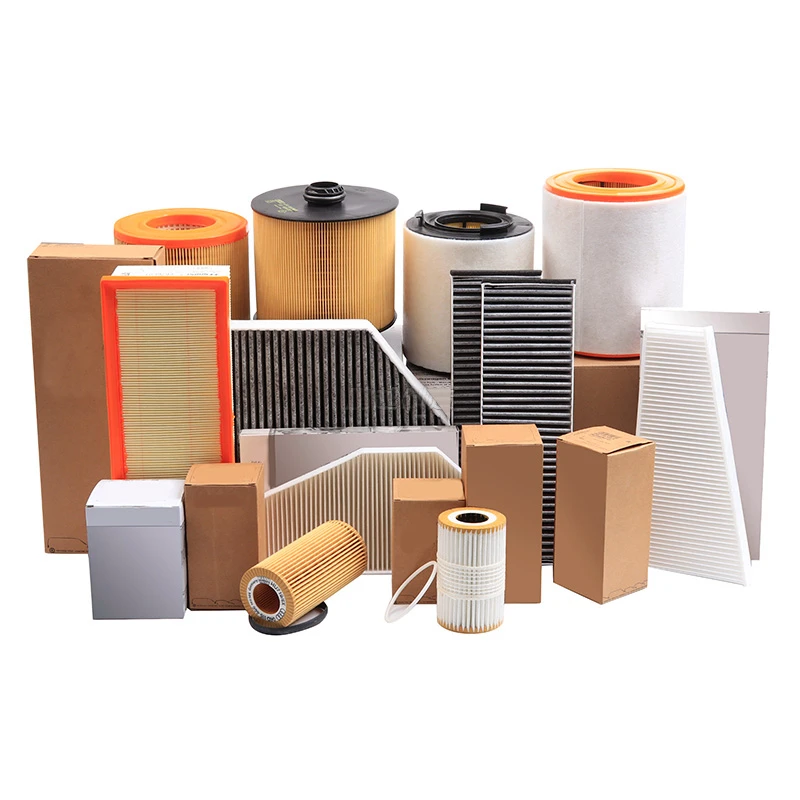
Why You Should Know How to Change a Cabin Air Filter in a Car
Most folks don’t give a second thought to what's filtering the air inside their cars—yet, that little cabin air filter quietly works to keep you breathing cleaner air, day after day. Knowing how to change a cabin air filter in a car is surprisingly important globally, and it's growing in relevance, not just for comfort but for health and environmental reasons too. With urban pollution on the rise and vehicle cabins becoming tighter, ensuring clean air inside the car has become a practical necessity. Plus, it’s a cost-effective way to maintain your vehicle’s HVAC system.
In a world increasingly conscious about air quality (the World Health Organization estimates over 90% of people breathe polluted air daily), a well-maintained cabin filter serves as a small but powerful barrier against allergens, dust, and pollutants. Understanding how to change it isn’t just a DIY skill—it’s a step towards a healthier ride, longer vehicle life, and yes, fewer unexpected repair bills.
The Global Context: Clean Air Inside Vehicles Matters More Than Ever
Vehicles are on the roads everywhere; the International Organization for Standardization (ISO) reminds us that automotive emissions and their impact on air pollution are a global challenge. Inside cars, airborne contaminants can concentrate quickly, creating a microenvironment sometimes worse than outside. For drivers in megacities such as Delhi, Beijing, or São Paulo, cabin air filters provide crucial protection against smog, pollen, and even viruses.
But — here’s the challenge — these filters only work well if they are replaced periodically. The typical recommendation? Roughly every 12,000 to 15,000 miles or once a year, whichever comes first. Ignoring this can lead to reduced airflow, unpleasant smells, and in worst cases, strain on your car’s heating and cooling systems, leading to more expensive repairs. So, knowing precisely how to change a cabin air filter in a car is an essential skill for any mindful vehicle owner worldwide.
What Does It Mean to Change a Cabin Air Filter in a Car?
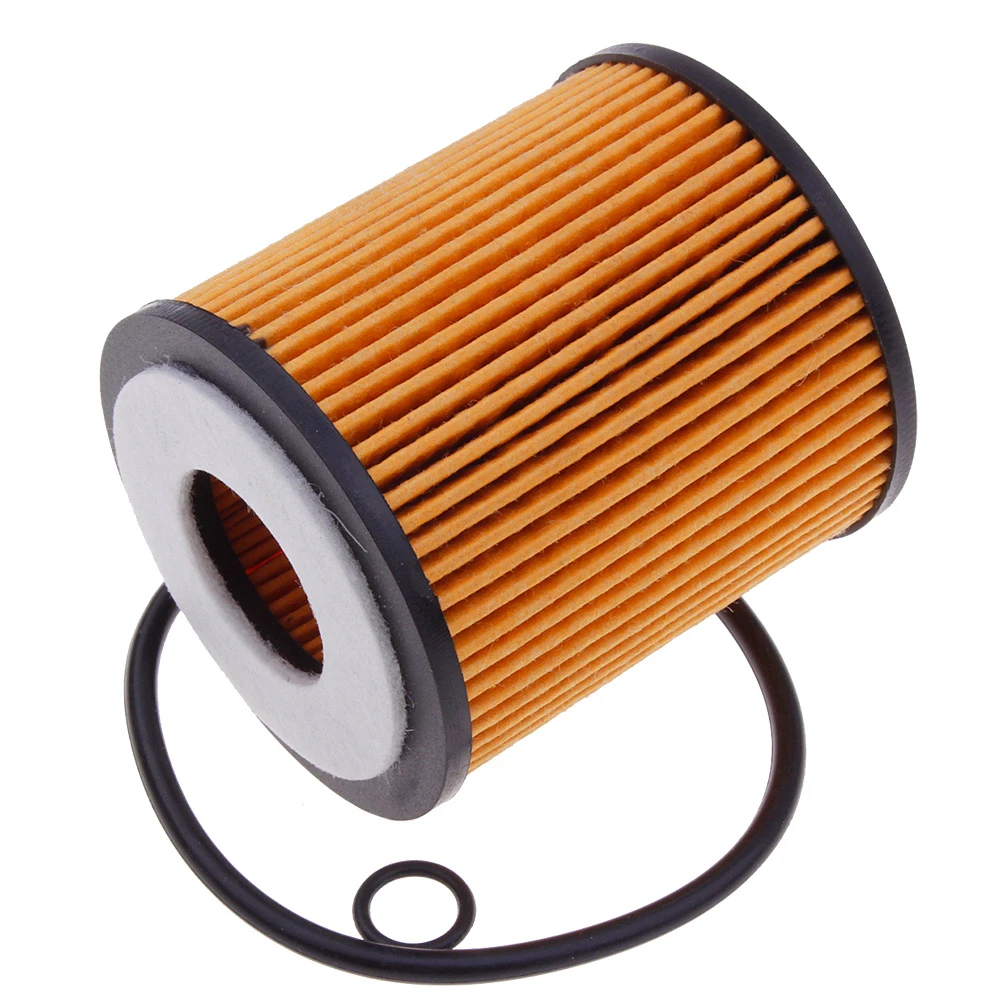
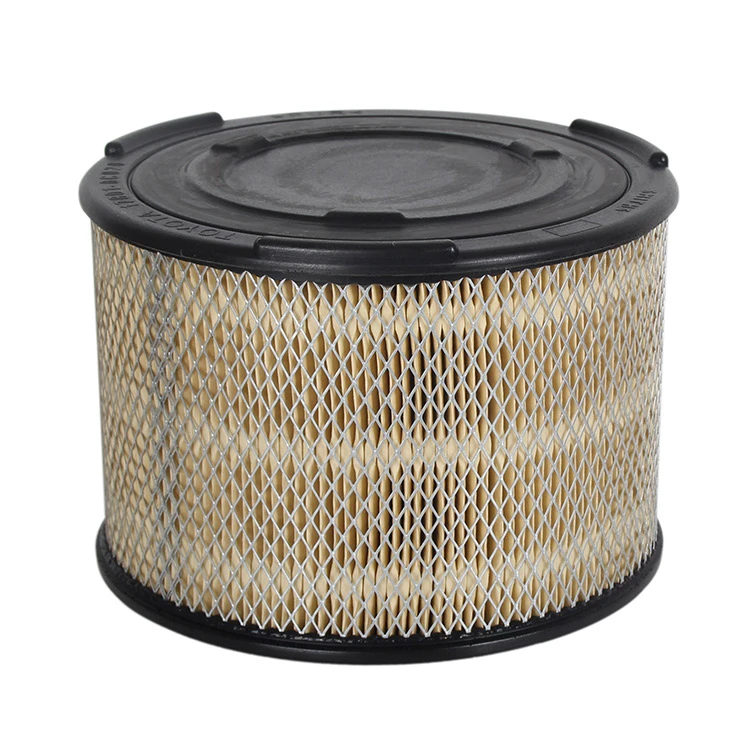
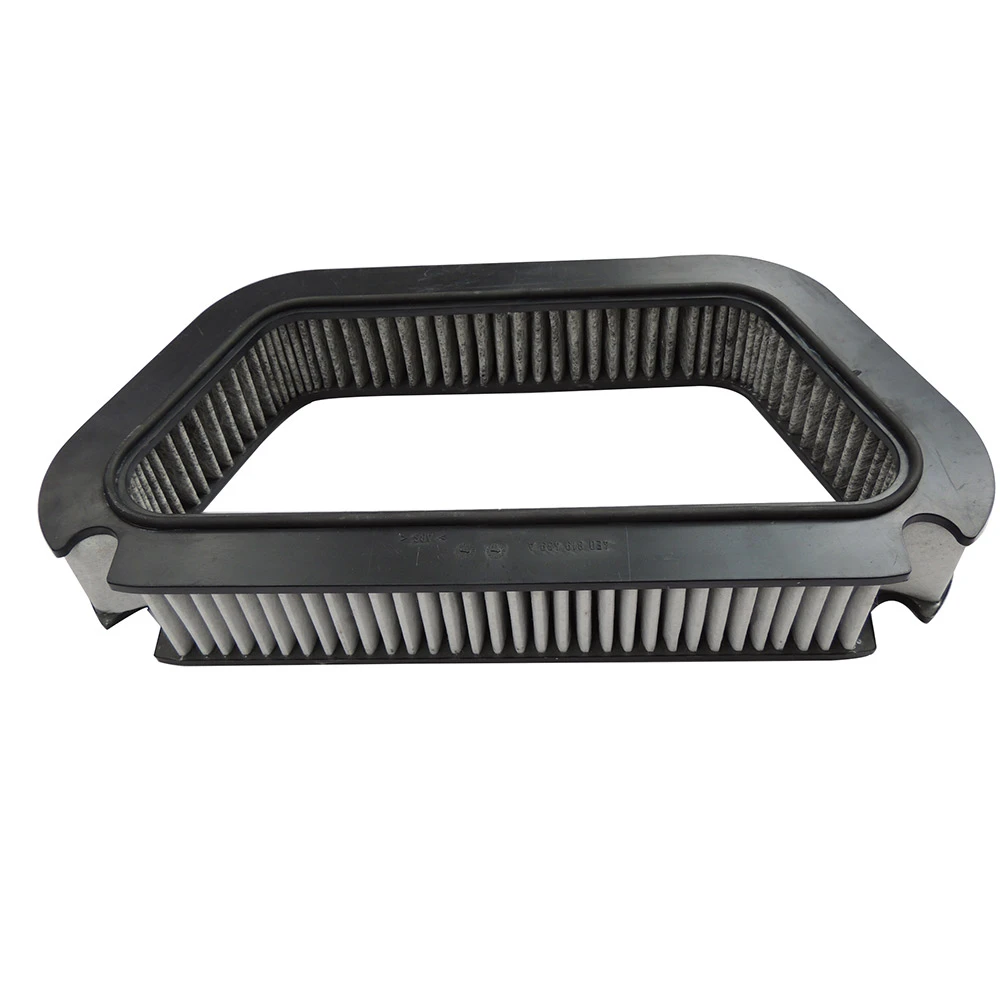
Simply put, a cabin air filter is a small, but mighty, component of your vehicle’s ventilation system. Located usually behind the glove box or beneath the dashboard, this filter traps dust, pollen, mold spores, and other airborne particles before the air enters your car’s cabin.
Knowing how to change a cabin air filter in a car means being able to access, remove, and replace this filter with a fresh, clean one. It’s surprisingly straightforward for most car models, and doing it yourself saves money, reduces trips to the mechanic, and ensures your air stays fresh. The process itself connects to broader themes in vehicle maintenance, personal health, and eco-conscious choices.
Its Role in Modern Transport and Health Needs
In the era of rising respiratory concerns—think asthma, allergies, or now airborne viruses—this simple filter assumes a role beyond mere vehicle upkeep. It’s about making your daily commute or road trip safer and more pleasant, especially as industrial pollution intensifies globally.
Key Factors When Changing Your Cabin Air Filter
1. Accessibility and Design
Different cars locate the cabin air filter in varied spots. Older cars often require a bit more fiddling, while newer models sometimes hide them behind panels designed for easier, tool-free swap-outs. Knowing where and how your specific car model’s filter fits saves frustration.
2. Filter Type and Material
Filters range from basic paper cellulose layers to more advanced activated carbon types designed to absorb odors and harmful gases. Some premium vehicles offer HEPA-level filtration options. Selecting the right filter type balances cost and the quality of air you want inside your car.
3. Frequency of Replacement
Driving conditions heavily influence how often you should swap the filter. For dusty rural roads or areas with heavy smog, it might be necessary to replace it sooner than the usual 12-15k miles.
4. Quality and Brand Integrity
Not all filters are created equal. Investing in trusted brands enhances durability and filtration efficiency. Many mechanics emphasize that a cheap filter might save money initially but costs more in the long run due to poor performance or faster deterioration.
5. Environmental Aspect
Disposing of used cabin filters responsibly, and considering filters made from recycled or eco-friendly materials, is becoming a focus as industries pivot toward sustainability.
Practical Global Applications
In bustling cities rife with vehicular emissions, cabin air filters dramatically improve driver and passenger comfort and health. For instance, in Europe, where stricter emissions guidelines exist (following UNECE regulations), many vehicle owners are encouraged as part of regular maintenance to replace their filters to meet air quality goals.
Humanitarian and emergency vehicles, especially in disaster zones with airborne dust or chemicals, rely on effective cabin air filtration to protect drivers during relief efforts. In remote mining or industrial operations (think Australian outback or Canadian tar sands), cabin air filters keep crews safer from particulate matter that can infiltrate cabins and cause long-term health issues.
Cabin Air Filter Specification Table
| Specification | Basic Paper Filter | Activated Carbon Filter | HEPA Filter |
|---|---|---|---|
| Particle Filtration | Dust & pollen | Gases & odors + dust | 99.97% at 0.3 microns |
| Longevity | 8,000-12,000 miles | 12,000-15,000 miles | Up to 15,000 miles |
| Cost | $10-$20 | $20-$40 | $40-$70 |
| Eco-friendly Options | Limited | Some recycled materials | Growing availability |
Top Cabin Air Filter Vendors Compared
| Vendor | Filter Quality | Price Range | Eco-Friendliness | Availability |
|---|---|---|---|---|
| Mann-Filter | High (OEM used by many carmakers) | $$$ | Moderate | Global distribution |
| Fram | Mid-tier | $-$$ | Low to moderate | North America, Europe |
| Bosch | High | $$$ | Increasing initiatives | Worldwide |
| ACDelco | Good (OEM for GM) | $$ | Moderate | Wide North American coverage |
Why Changing Your Cabin Air Filter Is Worth It
- Financial savings: It prevents costly HVAC repairs and improves fuel efficiency by reducing strain.
- Health benefits: Limits allergens, dust, and pollution inside your personal space on wheels.
- Environmental impact: Less frequent major servicing reduces waste and excessive parts production.
- Comfort: Removes odors and improves air circulation for a more pleasant drive.
Many drivers share that after replacing their filters, their rides feel "fresher," sometimes even like a new car. It’s these small joys often overlooked but worth every minute spent.
What’s Next? Trends Shaping How You Change a Cabin Air Filter in a Car
Gone are the days when cabin air filters were just simple paper elements. Increasingly, manufacturers are blending nanotechnology, smart sensors, and eco-friendly materials. We're seeing start-ups experimenting with biodegradable filters made from natural fibers, and sensors that remind you digitally when it’s time to replace the filter.
Plus, automation might soon turn the replacement into a service that’s prompted and scheduled automatically via connected car systems. Imagine a check-engine light for your air quality—oddly futuristic, but it’s coming.
Challenges — and Clever Solutions
One sticking point: access remains tricky on some car models. Not every glove box opens easily, and not every manual is clear either. So, many people delay replacements due to fear of messing up. Thankfully, tutorials and professional-grade videos online, plus user-friendly replacement kits, have significantly lowered the barrier.
And then there's waste disposal of used filters. Recycling programs are slowly developing, but many filters still end up in landfills. Some companies are now innovating for filter materials that biodegrade faster or can be upcycled — a rough but hopeful path forward.
Frequently Asked Questions About Changing Cabin Air Filters
- How often should I change my cabin air filter?
- It depends on driving conditions but generally every 12,000 to 15,000 miles or once a year. If you frequently drive in dusty areas or heavy traffic, more frequent changes could be necessary. Always check your vehicle’s manual for guidance.
- Can I change a cabin air filter myself?
- Absolutely. Most cars offer relatively simple access behind the glove box or dashboard panel. Basic tools may be required, and plenty of step-by-step guides exist. It’s a great DIY task for vehicle owners.
- What happens if I don’t change the cabin air filter regularly?
- A clogged filter reduces airflow, strains your HVAC system, and can let contaminants into the cabin, causing unpleasant odors and potential health irritations. Over time, it can lead to costly repairs.
- Are expensive filters worth the price?
- Higher-end filters often offer better filtration, longer lifespan, and features like activated carbon for odor removal. Whether they’re worth it depends on your sensitivity to allergens and air quality expectations.
Final Thoughts: Breathe Easy, Drive Happy
Mastering how to change a cabin air filter in a car guarantees you cleaner air on every road you travel, extends your vehicle’s life, and safeguards your health against modern-day pollutants. It’s a simple maintenance step with a surprisingly large ripple effect—financially, environmentally, and personally.
So next time you hear a faint musty smell, or your HVAC struggles to blow as it once did, take a moment to remember this guide. And if this is a skill you want to sharpen, you’ll find plenty of help online, including detailed tutorials and quality filters.
Visit our website for more tips and products: how to change a cabin air filter in a car.
-
Guide on how often do you need to replace engine air filterNewsApr.16,2026
-
Learn how often do you replace air filter in car for engine healthNewsApr.09,2026
-
How Often Do You Replace Car Air Filter For Optimal Engine PerformanceNewsApr.07,2026
-
How Often Do You Replace Engine Air Filter For Optimal Vehicle PerformanceNewsApr.04,2026
-
Understanding How Often Does Engine Air Filter Need to Be Replaced for Optimal PerformanceNewsMar.31,2026
-
How Often Engine Air Filter Change Impacts Performance and LongevityNewsMar.28,2026
-
Understanding How Often to Replace Your Car Air Filter for Optimal PerformanceNewsMar.26,2026
Related Products