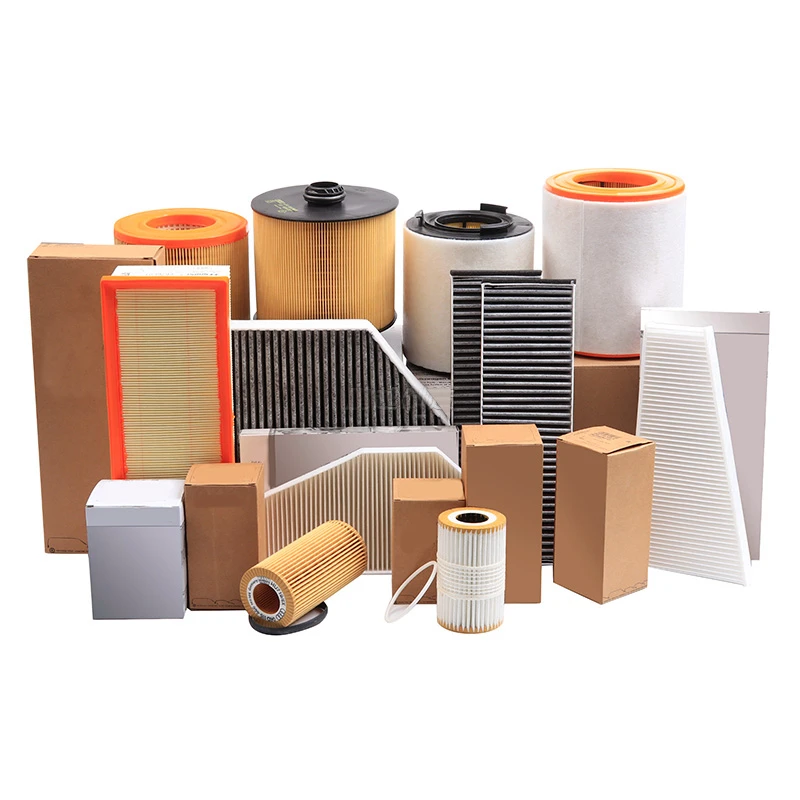
Understanding How Often to Replace Tesla Air Filter: Why It Really Matters
At first glance, the idea of how often to replace Tesla air filter might sound like a small detail only car enthusiasts fuss over. But in reality, this little part plays a surprisingly big role—not just for your Tesla's performance and air quality, but for wider concerns like sustainability, urban pollution, and even personal health. Globally, as electric vehicles (EVs) gain traction and people become ever more conscious of the quality of the air they breathe inside their cars, knowing when to swap that filter hits on a mix of performance, safety, and eco-conscious living.
Think about it: according to the World Health Organization, air pollution contributes to millions of premature deaths every year. Traffic is a major culprit in many urban areas, and Tesla drivers, who pride themselves on clean energy and futuristic tech, are keen to keep their cabin environment as fresh as their car’s zero-emission credentials.
Mini takeaway: Replacing your Tesla air filter regularly isn’t just a maintenance tick — it’s part of a larger, global movement toward cleaner air and smarter vehicle upkeep.
Introducing the Global Context: Tesla Air Filters Amid Rising EV Demand
Globally, electric vehicles are expected to make up over 30% of all automotive sales by 2030, as per the International Energy Agency (IEA). Tesla, a front-runner in this revolution, has set high standards for user experience and sustainability. The air filter inside a Tesla—often overlooked—anchors the indoor air quality that occupants depend on during their drives.
But here lies the challenge: as urban air quality worsens, particulate matter and pollutants clog the air filters faster, reducing their effectiveness. Owners often ask: “How often should I replace that filter to keep things optimal?” It’s a question tied to environmental factors, driving habits, and even health considerations (especially for allergy sufferers or city drivers).
Mini takeaway: The increasing popularity of Tesla vehicles underscores why understanding air filter replacement intervals is a global and industry-wide priority.
What Does “How Often to Replace Tesla Air Filter” Actually Mean?
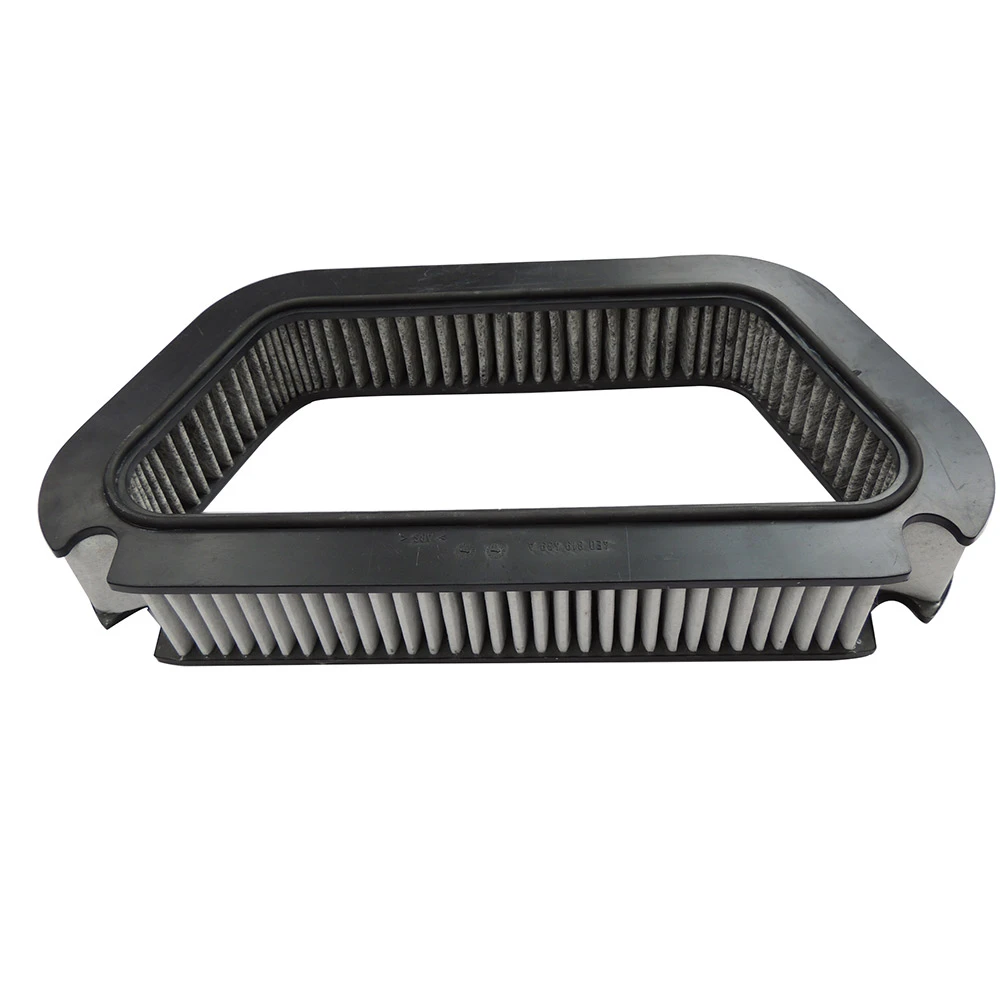
Simply put, how often to replace Tesla air filter refers to the recommended intervals at which the cabin air filter in a Tesla electric vehicle should be swapped out. This filter cleans the air entering the vehicle cabin by trapping dust, pollen, pollution particles, and sometimes even odors.
These intervals depend on manufacturer guidelines but are impacted by usage patterns and environment. For example, someone driving mostly in dusty, industrial zones will likely need to replace their filter sooner than a Tesla owner on smooth suburban roads.
This relates broadly to modern automotive care and also reflects a larger trend of prioritizing air purity—something that intersects with health, wellbeing, and advances in vehicle technology.
Core Components Affecting Tesla Air Filter Replacement Frequency
1. Environmental Conditions
Urban pollution, pollen seasons, road dust, and even construction zones dramatically influence how quickly the air filter clogs. Tesla owners in places like Los Angeles or Beijing may find replacement quicker than those in cleaner regions.
2. Driving Habits
How often and how far you drive matters. Frequent short trips might expose the filter to repeated air changes, whereas highway driving at consistent speeds could differ in impact.
3. Tesla Model Variations
Different Tesla models (Model S, Model 3, Model X, Model Y) sometimes incorporate slightly different filters and replacement schedules found in the owner’s manual. For example, Model S filters can be rated for up to 2 years or 20,000 miles.
4. Filter Technology
Original equipment manufacturer (OEM) filters vary from aftermarket ones in material and lifespan. Tesla uses HEPA filters in some models that offer superior filtration but may have different lifespan recommendations.
5. Maintenance Awareness
Owners attentive to vehicle diagnostics may notice cabin air quality warnings, an indirect clue that the filter needs swapping.
6. Cost Considerations
Replacement frequency can be balanced against cost; some owners opt for longer intervals with aftermarket filters to save, while others stick closely to Tesla's advice.
Mini takeaway: Multiple factors play into exactly how often you’ll replace that Tesla air filter. One size definitely does not fit all.
Practical Applications and Use Cases Around the World
In real-world terms, Tesla drivers span varied environments and needs:
- City Dwellers: In smog-heavy cities like Mexico City, Tesla drivers find themselves changing filters yearly due to dust and particulate pollutants.
- Suburban Families: Regular highway driving might allow filter replacement every two years or so.
- Allergy Sufferers: Those with respiratory sensitivities often replace filters earlier — every 12,000 miles or even less.
- Fleet Operators: Tesla fleets, such as in ride-sharing or corporate uses, often develop maintenance schedules that replace filters every 15,000 miles to maintain air quality and passenger comfort.
Oddly enough, in post-disaster zones where dust and airborne contaminants spike dramatically, having a clean functioning air filter can be a small but important protective measure for Tesla owners involved in relief work.
Advantages and Long-Term Value of Timely Filter Replacement
Replacing the Tesla air filter at the right interval offers clear benefits:
- Cost Savings: Avoids expensive HVAC system repairs from clogged filters causing strain.
- Health Benefits: Ensures cabin air remains fresher, lowering risks of allergy attacks, respiratory irritation, or worse.
- Performance Stability: Clean air systems maintain optimal vehicle electronics and ventilation systems.
- Environmental Impact: Using Tesla’s high-quality filters properly aligns with broader sustainability goals by extending filter life responsibly and avoiding premature landfill waste.
- Peace of Mind: Knowing your inside-air quality is under control simply feels good — especially in polluted environments.
Mini takeaway: Smart filter maintenance supports your Tesla’s longevity and your wellbeing, which is mutually rewarding.
What’s Next? Future Trends in Tesla Air Filter Technology
Looking ahead, innovations could reshape filter replacement practices:
- Smart Filters: IoT-enabled sensors might track air quality and usage, alerting owners when exactly to replace filters.
- Advanced Materials: New filter fabrics could improve durability and biodegradability simultaneously.
- Digital Service Integration: Tesla’s software may evolve to integrate filter health data into routine vehicle diagnostics, even suggesting best replacement windows.
- Green Initiatives: Recyclable or reusable filter elements might expand as environmental regulations tighten worldwide.
Challenges & Solutions in Maintaining Tesla Air Filters
One key barrier is owner awareness—many Tesla drivers simply forget or overlook the cabin filter. Also, sourcing genuine parts or quality aftermarket filters isn’t always straightforward in remote areas.
Experts suggest using Tesla’s mobile app notifications, aligning filter swaps with tire changes or annual service, and buying filters from trusted sources to avoid counterfeit or subpar products.
Quick FAQ: How Often Should You Replace Your Tesla Air Filter?
Q1: What is the recommended mileage for replacing Tesla’s cabin air filter?
A: Tesla usually suggests replacing the cabin air filter every 15,000 to 20,000 miles, or roughly once every 1 to 2 years depending on driving conditions.
Q2: Can I skip replacing the air filter if I don’t notice any smell or air quality issues?
A: It’s best not to skip. A clogged filter can reduce airflow and strain your HVAC system even if issues are not immediately obvious.
Q3: Are Tesla’s HEPA filters longer lasting than standard cabin filters?
A: HEPA filters offer superior filtration and often can last longer but depend heavily on environmental factors; always check your model’s guidelines.
Q4: Where can I buy genuine Tesla air filters?
A: The best source is Tesla’s own service centers or certified online dealers to ensure authenticity and fit.
Q5: Is replacing the Tesla air filter something I can do myself?
A: For most Tesla models, replacing the cabin air filter is relatively straightforward and can be a DIY job, but always follow Tesla’s official instructions to avoid damage.
Product Specifications: Tesla Cabin Air Filter Example
| Specification | Details |
|---|---|
| Filter Type | High-Efficiency Particulate Air (HEPA) |
| Effective Filtration | PM2.5 and larger allergens, dust, pollen |
| Recommended Replacement Interval | Every 15,000–20,000 miles / 12–24 months |
| Compatibility | Tesla Model 3, Model S, Model X, Model Y (varies slightly by model) |
| OEM vs Aftermarket | OEM recommended for best fit & filtration efficiency |
Vendor Comparison: Tesla Air Filter Suppliers
| Supplier | Filter Type | Price Range (USD) | Warranty | Availability |
|---|---|---|---|---|
| Tesla Official Service | OEM HEPA | $45 - $60 | 1 year | Online, Service Centers |
| Mann+Hummel | OEM-grade HEPA | $40 - $55 | 6 months | Online Retailers |
| K&N Aftermarket | Standard cabin filter | $25 - $40 | Limited | Wide online availability |
Conclusion: Keeping Your Tesla’s Air Clean and Performance Sharp
Understanding how often to replace Tesla air filter isn’t just a routine check—you’re actively safeguarding your vehicle’s performance, protecting yourself and passengers, and contributing to a cleaner planet. The recommended interval varies, roughly every 12,000 to 20,000 miles, but factors like location, driving habits, and filter type can push that timeline shorter or longer.
So, don’t neglect the humble cabin air filter. Keep a close eye, and when it’s time, swap it out. Your Tesla feels better, you breathe easier, and frankly, it just makes driving that much more enjoyable.
Ready to keep your Tesla fresh? Visit our website: how often to replace tesla air filter for trusted filters, expert advice, and more.
References:
1. World Health Organization, Ambient air pollution: https://www.who.int/news-room/fact-sheets/detail/ambient-(outdoor)-air-quality-and-health
2. International Energy Agency, Global EV Outlook: https://www.iea.org/reports/global-ev-outlook-2023
3. Tesla Owner’s Manuals and Service Guides, https://www.tesla.com/support
-
Guide on how often do you need to replace engine air filterNewsApr.16,2026
-
Learn how often do you replace air filter in car for engine healthNewsApr.09,2026
-
How Often Do You Replace Car Air Filter For Optimal Engine PerformanceNewsApr.07,2026
-
How Often Do You Replace Engine Air Filter For Optimal Vehicle PerformanceNewsApr.04,2026
-
Understanding How Often Does Engine Air Filter Need to Be Replaced for Optimal PerformanceNewsMar.31,2026
-
How Often Engine Air Filter Change Impacts Performance and LongevityNewsMar.28,2026
-
Understanding How Often to Replace Your Car Air Filter for Optimal PerformanceNewsMar.26,2026
Related Products