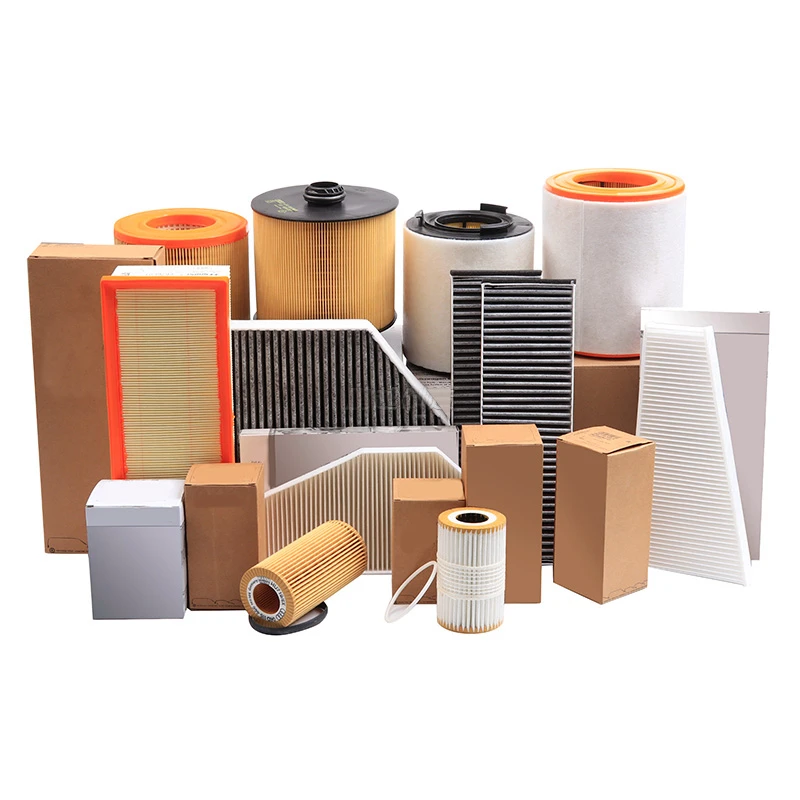
How Often to Replace Engine Filter: Why It’s More Important Than You Think
Let’s be honest: the humble engine filter often slides under the radar, yet it plays a surprisingly crucial role not only in vehicle longevity but also in environmental impact and operational efficiency. Knowing how often to replace engine filter isn’t just a maintenance checklist item; it’s a smart move that saves money, reduces emissions, and can be a lifesaver in industries reliant on reliable engine performance. Globally, millions of vehicles and machines rely on clean engine air and fluids — understanding when and how to replace filters can ripple positively through economies and ecosystems.
Before you shrug off another “maintenance suggestion,” consider that dirty or clogged engine filters cause higher fuel consumption, increased emissions, and engine wear. Especially for commercial transport, agriculture, or heavy machinery in remote areas, timely filter replacement is a lifeline to performance and cost efficiency. In a world fighting for cleaner air and sustainable resource use, getting this tiny piece right matters much more than it might seem at first glance.
The Global Context: How Often to Replace Engine Filter Matters Worldwide
The automotive and heavy equipment sectors combined contribute significantly to global emissions, and engines running on contaminated air or fluids end up burning more fuel and releasing more pollutants. The United Nations Environment Programme estimates that improved engine maintenance practices alone could reduce vehicle emissions by up to 15% worldwide.
But here’s where the challenge kicks in: many regions, especially in developing countries or remote industrial zones, lack standardized maintenance schedules or proper access to quality filters. The question of how often to replace engine filter becomes a practical and logistical puzzle. Overused filters accelerate breakdowns, causing costly downtime, yet premature replacements add unnecessary expense. Balancing these factors globally is a giant but vital undertaking.
What Does “How Often to Replace Engine Filter” Really Mean?
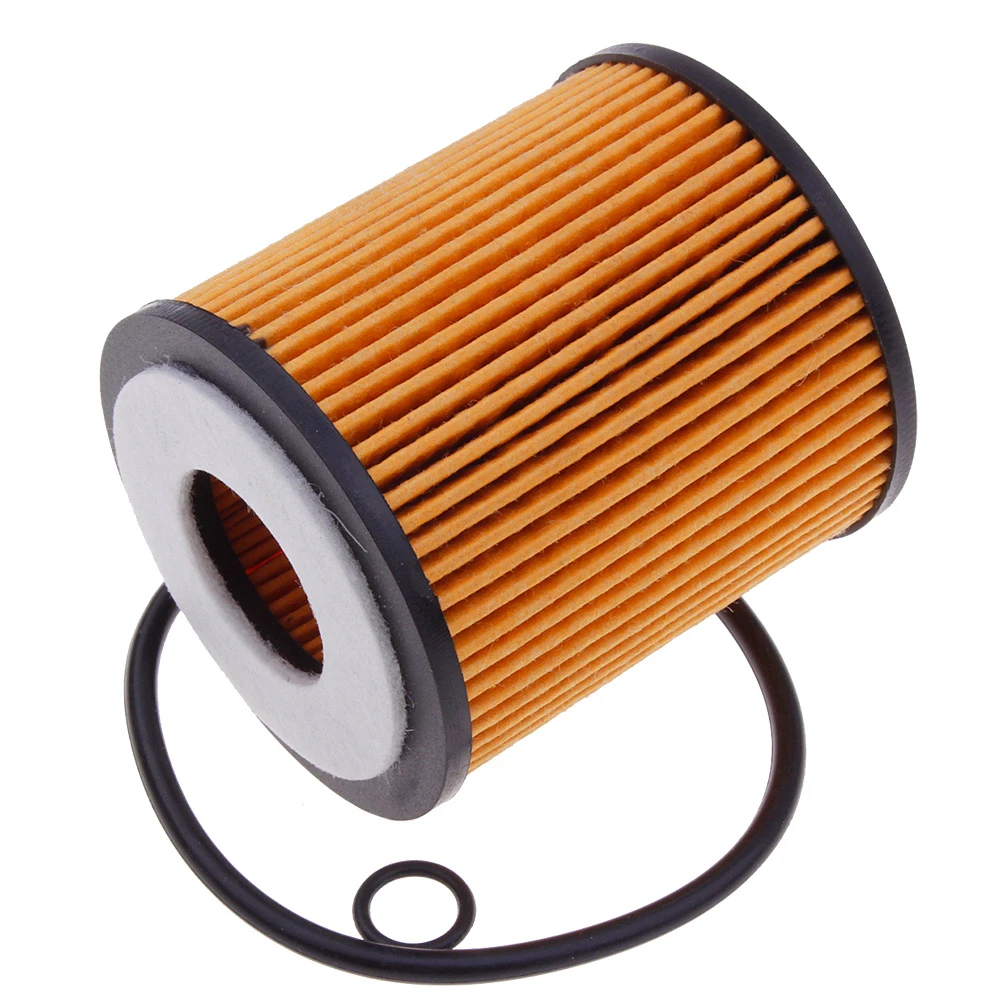
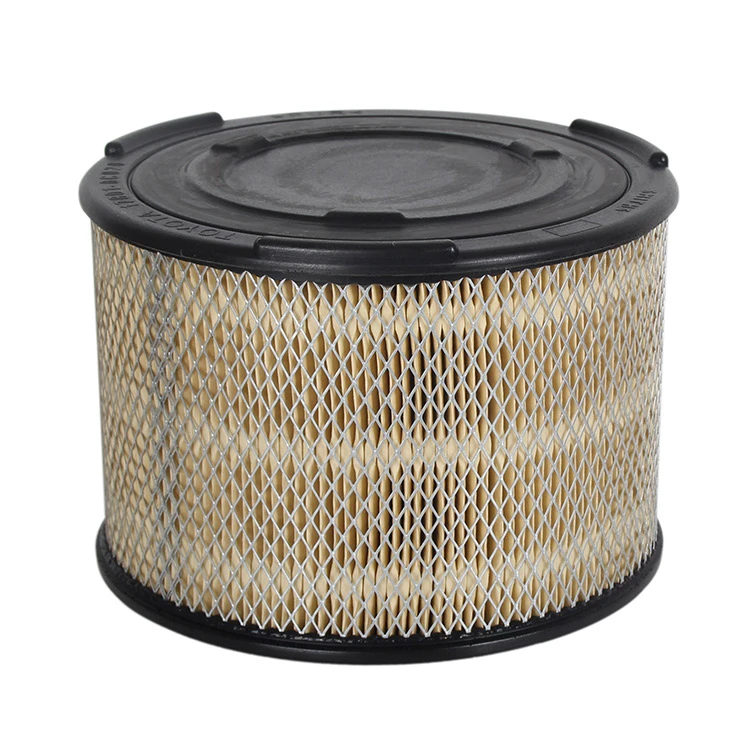
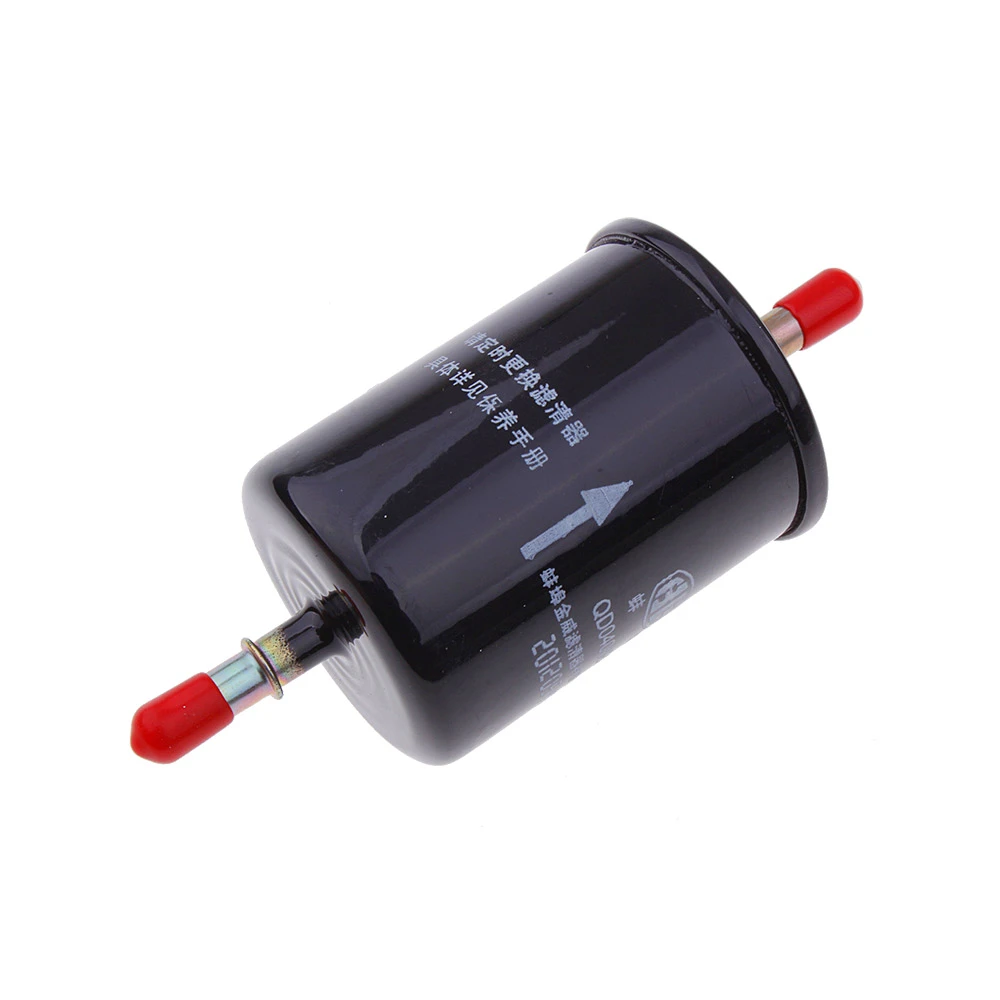
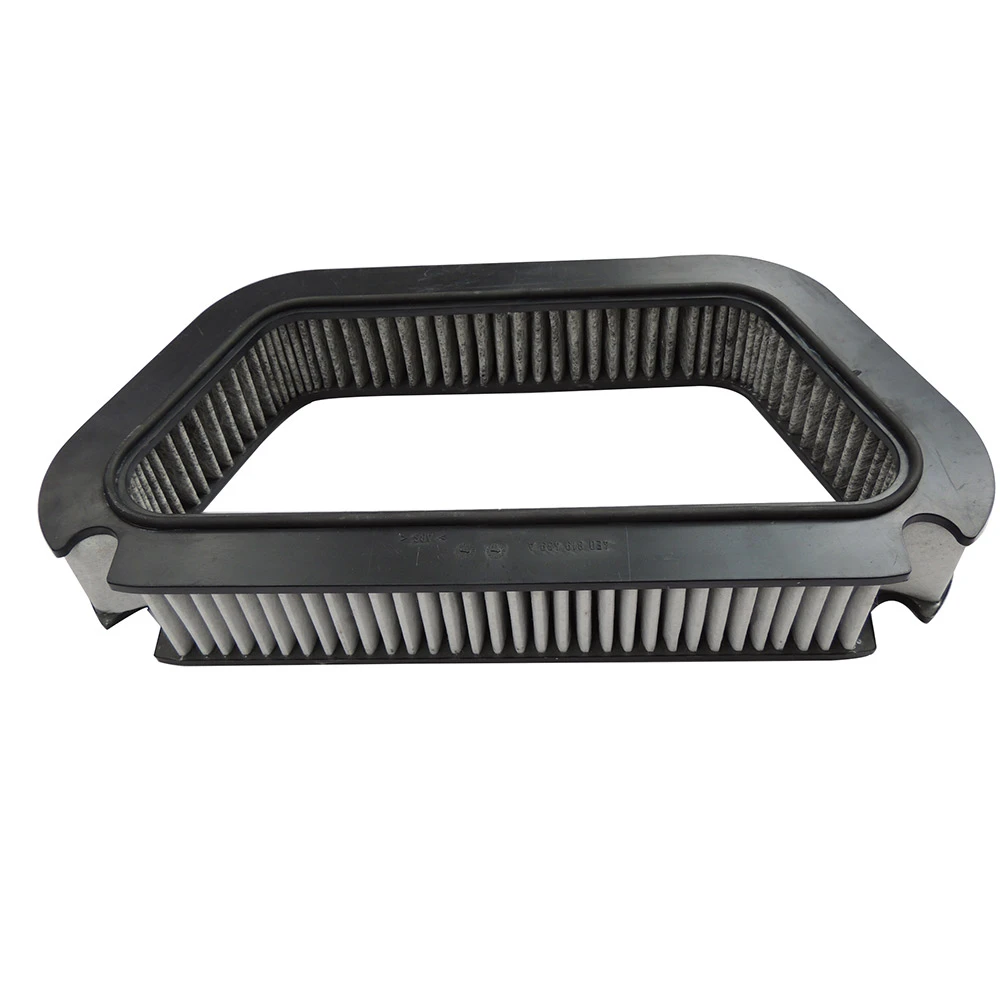
Simply put, it’s about changing your engine’s air, oil, or fuel filters at intervals that keep machinery running smooth without wasting parts. Depending on design and environmental conditions, replacement might range from every 10,000 to 50,000 kilometers—or even sooner in dusty, harsh conditions. It’s tied closely to the engine’s performance, fuel economy, and emissions compliance.
For industries from construction to logistics, adhering to recommended filter replacement not only extends engine life but also aligns with regulations and safety standards worldwide. The practical meaning lands where maintenance meets sustainability: fewer emissions, less waste, and fewer breakdowns.
Key Factors Influencing Replacement Frequency
1. Operating Environment
Dusty, sandy, or industrial settings demand more frequent filter changes. Engineers often advise replacements up to twice as often in desert conditions versus urban driving. If you’re working off-road or near chemical plants, filtering out particulates and contaminants becomes extra critical.
2. Filter Type & Quality
Not all engine filters are created equal. High-efficiency synthetic filters last longer and trap finer particles but come at a steeper price. Paper or cellulose filters wear out faster and require closer monitoring. Clever materials and filter designs also affect how contaminants flow through and how the oil or air quality sustains over time.
3. Engine Type and Usage
Diesel engines, turbocharged motors, and high-mileage vehicles all have unique filter wear patterns. For instance, trucks hauling heavy loads or idling extensively often see quicker clogging. Usage cycles—short trips versus long highways—also influence the buildup inside filters.
4. Manufacturer Recommendations
Most OEMs provide clear intervals for filter replacement, usually backed by rigorous testing. Nevertheless, real-world conditions often demand a tailored approach rather than blindly adhering to numbers.
5. Sensor & Diagnostic Technologies
Advances in onboard diagnostics now allow some vehicles to alert drivers when filters really need attention, moving from rigid schedules to condition-based replacements. This trend is a game-changer for efficiency and waste reduction.
Mini takeaway:
How often you change an engine filter depends less on a fixed number and more on environment, engine type, and technology—making personalized maintenance smarter and more cost-effective.
Real-World Applications: Who Benefits from Knowing When to Replace Engine Filters?
Consider a mining operation deep in Australian deserts: heavy dust and high engine loads require multiple filter swaps per year to avoid breakdowns. Or logistics companies in Europe optimizing diesel fleet efficiency by installing high-tech sensors that recommend filter changes based on mileage and engine data.
Post-disaster relief teams deploying generators in rough, unpredictable environments find that adhering to strict filter replacement schedules keeps equipment running, maintaining power for medical facilities and communication hubs.
Even public transportation authorities in densely polluted cities rely on frequent air filter replacements to ensure buses emit fewer harmful particles—part of a broader sustainability push with tangible social gains.
Advantages and Long-Term Value of Timely Filter Replacement
- Cost savings: Avoid costly engine repairs and premature component wear.
- Fuel efficiency: Clean filters optimize combustion, saving fuel dollars and emissions.
- Environmental impact: Reduced pollutants mean cleaner air and compliance with regulations.
- Reliability: Equipment downtime drops dramatically with scheduled changes.
- Safety and peace of mind: Maintaining engine health lowers risk of sudden failures that can be dangerous.
Frankly, it feels like a no-brainer: small investments in filter replacement yield large returns over an engine’s life. And knowing the right time to replace makes those investments smart, not wasteful.
Product Specification Table - Typical Engine Air Filters
| Specification | Standard Paper Filter | Synthetic Media Filter | High-Performance Filter |
|---|---|---|---|
| Particle Filtration Efficiency | ~98% @ 10 microns | ~99.5% @ 5 microns | >99.9% @ 1 micron |
| Typical Replacement Interval | 15,000 km | 25,000 km | 30,000+ km |
| Price Range (USD) | $10 - $20 | $25 - $40 | $50 - $80 |
| Material | Cellulose Paper | Synthetic Fibers | Multi-layer Composite |
| Typical Usage | Standard passenger vehicles | Light trucks, SUVs | Performance cars, off-road |
Comparing Top Engine Filter Manufacturers
| Vendor | Price Range (USD) | Filter Life | Technology | Global Reach |
|---|---|---|---|---|
| JyFilter | $15 - $45 | Up to 30,000 km | Synthetic Media + Smart Alerts | Asia, Europe, Americas |
| CleanAir Corp | $12 - $40 | 25,000 km | Cellulose Paper | Global |
| EcoFilter Solutions | $30 - $65 | 35,000 km+ | Biodegradable Synthetic | Europe & North America |
Future Trends: What’s Next for Engine Filter Replacement?
The future looks surprisingly high-tech. Sensors embedded in filters that communicate via IoT are becoming mainstream, nudging us away from fixed schedules toward truly data-driven replacements. Imagine your vehicle telling you the filter’s condition in real time—no guesswork, no waste.
Environmental concerns are pushing manufacturers to develop biodegradable and recyclable filters. Coupled with stricter emissions standards globally, this encourages both drivers and companies to stay on top of their filter game.
Then there’s the rise of electric vehicles, which changes the maintenance landscape but also means filter technologies won’t vanish overnight. Diesel, gasoline, and hybrid engines will keep running for decades—and their engine filters must evolve alongside new fuel types and additives.
Common Challenges & Smart Solutions
A big headache remains: inconsistent filter quality flooding markets, especially in lower-income regions. Poor substitutes can cause engine damage faster than not replacing filters at all. To combat this, many experts now recommend trusted brands—like JyFilter—that offer transparent specs and warranties.
Training and awareness also lag behind, which is a critical barrier. Online platforms and partnerships with industry bodies help bridge this gap, promoting best practices for maintenance and freedom from downtime.
FAQ: Your Burning Questions About How Often to Replace Engine Filter
Q1: How do I know if my engine filter needs replacement before the scheduled interval?
Watch for signs like engine misfires, reduced fuel economy, or unusual noises. Some vehicles have filter pressure sensors that trigger dashboard warnings. Otherwise, regular visual inspections or professional checks are the safest bet.
Q2: Can I clean and reuse my engine air filter instead of replacing it?
Some reusable filters are designed for cleaning, mainly high-performance types, but standard paper filters are disposable. Attempting to clean disposable filters can damage their structure and reduce effectiveness.
Q3: Does the type of driving (city vs highway) affect filter replacement frequency?
Absolutely. City driving with stop-and-go traffic usually stresses filters more due to frequent idling and exposure to pollution, meaning replacements may be needed sooner compared to steady highway driving.
Q4: Are more expensive filters always better?
Not necessarily. While pricier filters often use better materials and technology, the key is matching filter type to your vehicle and conditions. Overpaying for high-performance filters that don’t fit your usage is wasteful.
Q5: How can I find detailed guidance for my specific vehicle’s filter replacement?
Start with your vehicle’s owner manual and consult manufacturer websites. Many online retailers also provide tailored advice or compatible filter recommendations. For more tips, check out how often to replace engine filter.
Wrapping It Up: The Long-Term Impact of Knowing When to Replace Engine Filters
In the grand scheme, keeping on top of engine filter replacement is about responsibility — for your vehicle, your wallet, and the planet. With smarter technologies and better information, the days of guesswork are numbered.
Next time you think about skipping or delaying that air or oil filter change, consider the bigger picture: efficiency, cleaner air, reliable journeys, and less waste. It’s a small action with outsized effects.
So, take the wheel, stay informed, and when in doubt, replace. Visit our site for expert guidance, product ranges, and practical tips: https://www.jyfilter.com.
References
-
Guide on how often do you need to replace engine air filterNewsApr.16,2026
-
Learn how often do you replace air filter in car for engine healthNewsApr.09,2026
-
How Often Do You Replace Car Air Filter For Optimal Engine PerformanceNewsApr.07,2026
-
How Often Do You Replace Engine Air Filter For Optimal Vehicle PerformanceNewsApr.04,2026
-
Understanding How Often Does Engine Air Filter Need to Be Replaced for Optimal PerformanceNewsMar.31,2026
-
How Often Engine Air Filter Change Impacts Performance and LongevityNewsMar.28,2026
-
Understanding How Often to Replace Your Car Air Filter for Optimal PerformanceNewsMar.26,2026
Related Products